The traction alopecia hair transplant is the restoration route that opens once chronic tension styles have stopped causing active shedding for at least six months, the donor zone at the back and sides of the scalp remains dense, and the recipient bed has not progressed to severe cicatricial scarring. This guide walks through the candidacy matrix that maps the four causal vectors, braids, locs, weaves, and daily high-tension styles, across four restoration-readiness states, with the named dermatology studies behind the 6-month rule.

A traction alopecia hair transplant is the restoration route most patients consider after years of braids, locs, weaves, or other tight styles have pulled steadily on the follicle and left thinning along the marginal hairline, the temples, or behind the ears. The encouraging news is that caught early, traction alopecia is one of the few forms of hair loss that often reverses on its own once the tension stops [1]. The hard news is that chronic, late-stage cases progress to scarring and stop responding to medical treatment [1:1]. That is the point at which most people start searching for a traction alopecia hair transplant, and it is where this guide picks up. We will walk through who qualifies, the six-month stability rule that the major dermatology societies anchor candidacy to, the four-cause and four-state matrix that helps you see where your own pattern fits, and what the procedure and cost actually look like at Your Hair Center’s African Hair Transplant program.
Can a hair transplant restore hair lost to traction alopecia?
A traction alopecia hair transplant can restore hair lost to chronic tension styles, but only when three conditions are met. Shedding must have stopped for at least six months after every tension style has been discontinued. The donor zone at the back and sides of the scalp must remain dense and healthy. And there must be no severe cicatricial scarring at the recipient site that would refuse the graft. When those three gates are met, marginal hairline restoration is one of the higher-success indications in hair transplant surgery.
What can a stable, healed case expect?
For a stable, healed case, a traction alopecia hair transplant can recreate the lost frontal and temporal hairline at a graft survival rate that approaches the greater than 90% baseline that the literature reports for grafts placed into normal scalp [2]. That is the same headline number a healthy androgenetic-alopecia recipient bed achieves. The qualifier is the word "healed." A scalp that is still actively shedding, or that has progressed to cicatricial scarring, is a different clinical picture and a different number, and we cover both below.
Where a transplant works and where it does not
A traction alopecia hair transplant works best in three settings. The first is traction patterning along the temples and frontal hairline, the classic fringe-sign loss [3], once the scalp has fully healed. The second is the frontal corners and temple pockets in cases where the donor zone has held up under the same styling history. The third is the focal stitch-line follicular damage seen in long-term weave and sew-in patterns, where the underlying follicles are often viable but the surrounding scalp needs a runway of medical preparation first.
The two settings where a traction alopecia hair transplant is the wrong move are areas with diffuse, active shedding that has not yet stabilized, and areas with severe cicatricial scarring where the dermal architecture cannot host a graft. For both, the right next step is medical management and re-evaluation, often with a free hair and scalp evaluation to establish exactly where you sit.
How common is traction alopecia?
The traction alopecia hair transplant query is, by a wide margin, the most-searched-but-least-cited candidacy question in afro-hair restoration. The reason is prevalence. The condition is particularly common among individuals of color, with peer-reviewed estimates affecting up to about one-third of adult women of African descent [4]. Khumalo and colleagues’ South African cohort, the primary study underneath most of the headline prevalence figures, reported 17.1% prevalence in schoolgirls aged 6 to 21 and 31.7% in women aged 18 to 86 [5]. That is the data the figure traces back to, not the secondary clinic-blog paraphrases that dominate the SERP. With prevalence that high, the gap between symptom onset and the decision to consult a restoration surgeon is wide, and that gap is exactly what this article is trying to close.
The 6-month stability rule that gates every traction alopecia hair transplant
The six-month stability rule is the single most-quoted piece of candidacy advice, and the one that almost every clinic blog asserts without sourcing. The rule itself is simple. Tension styles must have been discontinued for at least six months, all active shedding must have stopped, and the donor zone must remain dense and healthy. The reasoning underneath that rule is the part this section unpacks, with the actual studies.
What does stable shedding look like on examination?
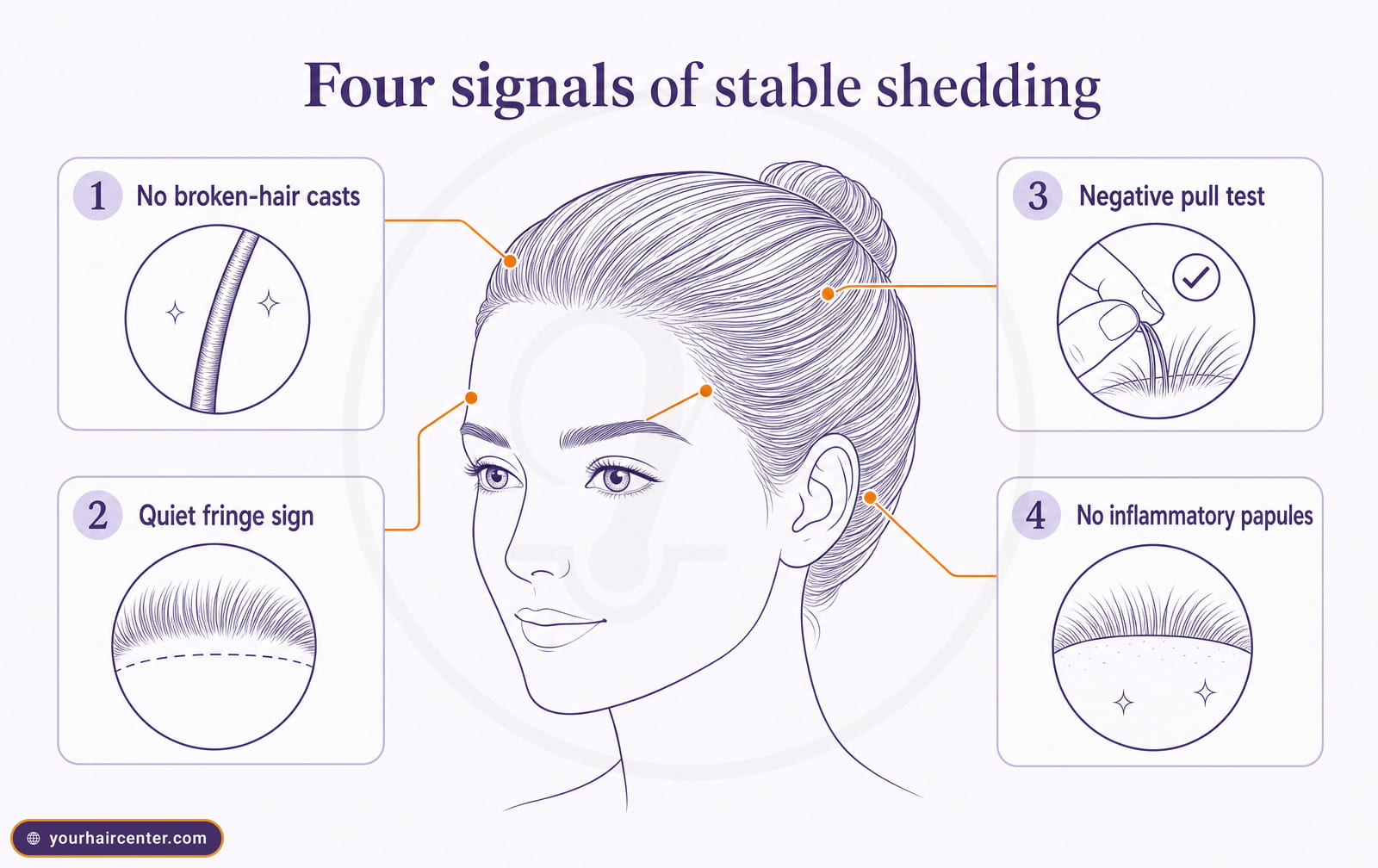
Stable shedding is not a feeling. It is a set of clinical signals that a dermatologist or traction alopecia hair transplant surgeon checks on examination, and that you can partially self-screen against before you ever send photos. The four signals that matter most are these.
- No active fringe-sign loss along the frontal margin. The fringe sign, retained hair along the very edge of the frontal or temporal hairline with thinning immediately behind it, is a sensitive and specific clinical feature of active traction alopecia and the most-cited diagnostic clue in the
traction alopecia hair transplantliterature [3:1]. When it is still progressing, the fringe is changing month to month. Stability means it is not. - No broken-hair casts (pseudonits) visible on dermoscopy. Hair casts along the shaft and traction folliculitis are early-active findings on dermoscopy of traction alopecia in Black scalp patients [6]. A stable scalp does not show fresh casts.
- A negative pull test at the active border. A surgeon performs a gentle pull test along the margin. Telogen hairs that release with light tension are a marker of ongoing follicular dropout. Stability means the pull test stops yielding hair.
- No inflammatory papules along the frontal margin. Early signs of traction alopecia include folliculitis, hair casts, reduced hair density, and broken hairs, which may progress to scarring alopecia if traction continues [7]. Active inflammation is a contraindication to a
traction alopecia hair transplant.
When all four signals have been quiet for six months, the scalp is in the window the literature describes as candidate-ready for a traction alopecia hair transplant.
Why wait 6 months rather than 3?
The six-month interval is not arbitrary. It tracks two overlapping biological clocks. The first is the early reversibility window. The peer-reviewed dermatology literature is explicit that "most cases of traction alopecia can be reversed if the appropriate interventions are taken at an early stage of the disease" [1:2]. Follicles released from chronic tension can recover spontaneously in the early months after the tension stops, and the AAD’s standing guidance is to stop the offending hairstyles [8]; early disease can then reverse on its own once the tension is removed [1:3]. Transplanting at month three onto a scalp that is still recovering forces donor follicles to compete with regrowing native follicles for the same vascular supply, which compromises graft survival in both populations.
The second clock is the scarring transition. Traction alopecia is unique among the alopecias in being initially reversible and then irreversible. Chronic disease progresses to a scarring form not remediable to medical therapy [1:4]. The six-month window is the point at which it becomes clear whether your scalp is on the reversible side of that line or has crossed to the cicatricial side. Either answer is useful, the first means you do not need a transplant yet, the second means a traction alopecia hair transplant is now the realistic restoration route and a pre-transplant scalp preparation runway may be appropriate before the procedure.
The prevalence picture, why this question is asked so often
The "about one-third of African American women" figure that dominates the traction alopecia hair transplant search results traces back to the JAAD primary literature, and it is worth quoting in its primary form rather than the paraphrases. Khumalo and colleagues, JAAD 2008, reported 31.7% prevalence in women aged 18 to 86 in their South African cohort [5:1]. Haskin and Aguh’s 2016 JAAD review on hairstyles and traction alopecia in Black women framed the same prevalence as affecting "up to one-third of adult women of African descent" [4:1]. Both anchor the figure to peer-reviewed dermatology data. That prevalence is what drives the high search volume on this query, and it is the reason that competent answers to the candidacy question are scarce relative to demand.
What else has to clear besides 6 months of stability?
Six months of stable shedding is necessary for a traction alopecia hair transplant, but it is not sufficient. Two further gates have to clear before candidacy is confirmed. The donor zone at the back and sides of the scalp has to pass its own density check, because no recipient-site planning matters if there are not enough viable grafts to harvest. And the recipient zone has to be classified for scarring grade, because the procedure plan, the realistic graft survival expectation, and the cost band all shift when the recipient bed is cicatricial rather than healed. This is the point at which the matrix in the next section becomes useful. It is also the point at which a structured hair and scalp evaluation becomes the right next step.
Which candidacy cell fits your styling history?
Most articles on traction alopecia hair transplant treat "tension styles" as a single bucket, which collapses four genuinely different clinical pictures into one. The matrix below splits the four causal vectors and maps each across four restoration-readiness states. It is the section worth printing and running against your own styling history before you send photos.
The matrix at a glance
| Causal vector | Good candidate now | Conditional after 6 to 12 months of prep | Wait and re-evaluate at 12 months | Not a transplant candidate |
|---|---|---|---|---|
| Tight braids and cornrows | Clean frontal margin, stable donor density, fringe sign quiet for 6+ months | Marginal hairline loss with patchy regrowth, mesotherapy runway may help | Broken hairs still visible at the parting line, scalp still inflamed | Diffuse cicatricial scarring across the marginal hairline, donor zone also depleted |
| Locs | Localized parietal thinning, weight retired 6+ months, donor intact | Diffuse parietal pattern, patient willing to retire heavy locs entirely | Heavy locs still worn or recently retired, follicular signs of strain not yet quiet | Long-standing late-stage scarring across parietal and occipital zones |
| Weaves and sew-ins | Stitch-line damage only, surrounding scalp healed, donor zone intact | Stitch-line zones still mildly inflamed, PRP runway recommended | Pattern still being worn or recently discontinued, follicular ostia partly closed | Cicatricial scarring throughout the attachment zones and beyond |
| Daily high-tension styles (ponytails, buns, wig caps) | Bilateral, symmetric marginal loss with stable donor density, classic Good cell | Marginal loss with mild ongoing strain markers, conservative wait recommended | Tension styles still part of the routine, fringe sign still active | Full marginal cicatricial atrophy, recipient bed will not host grafts |
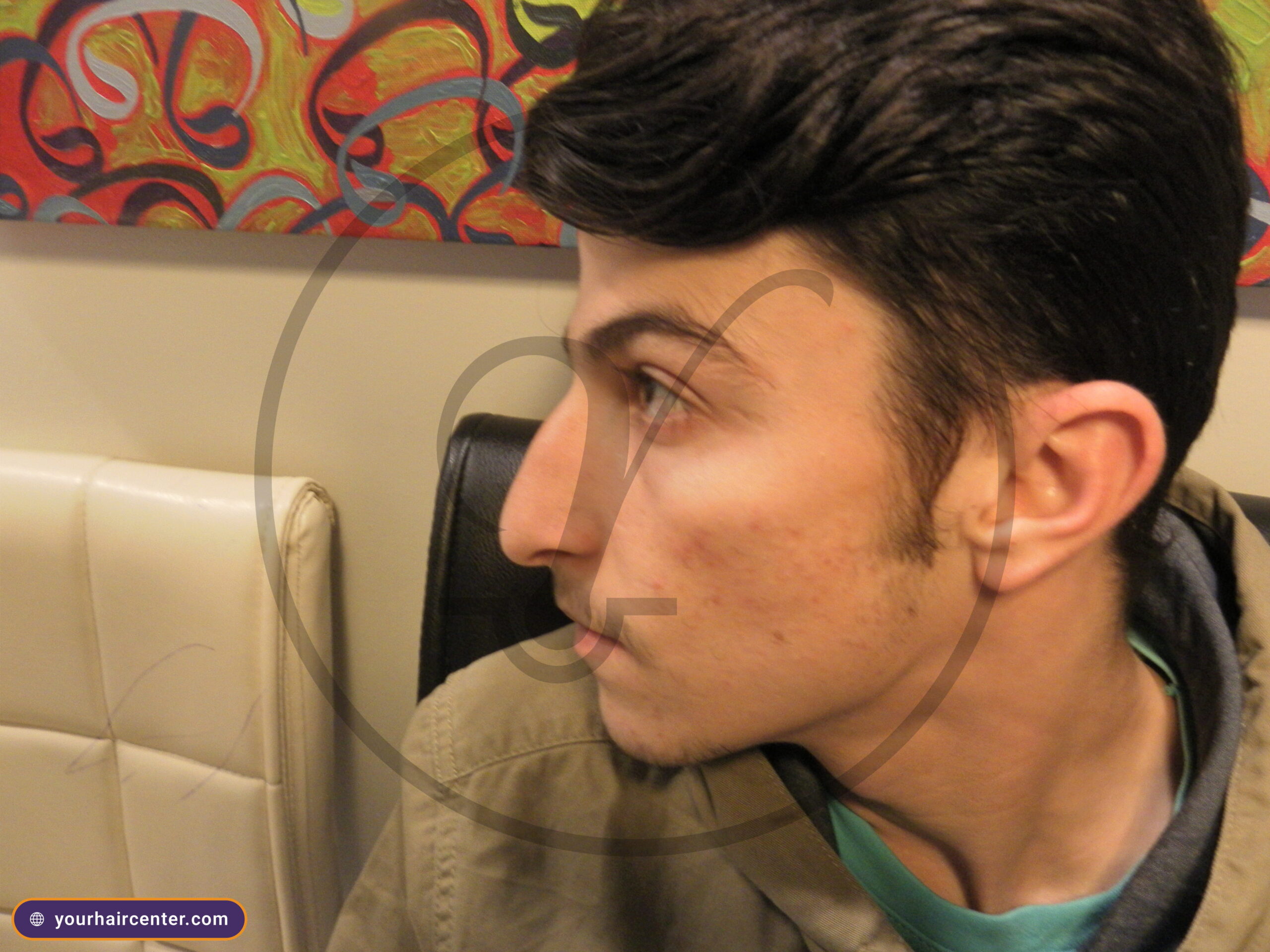
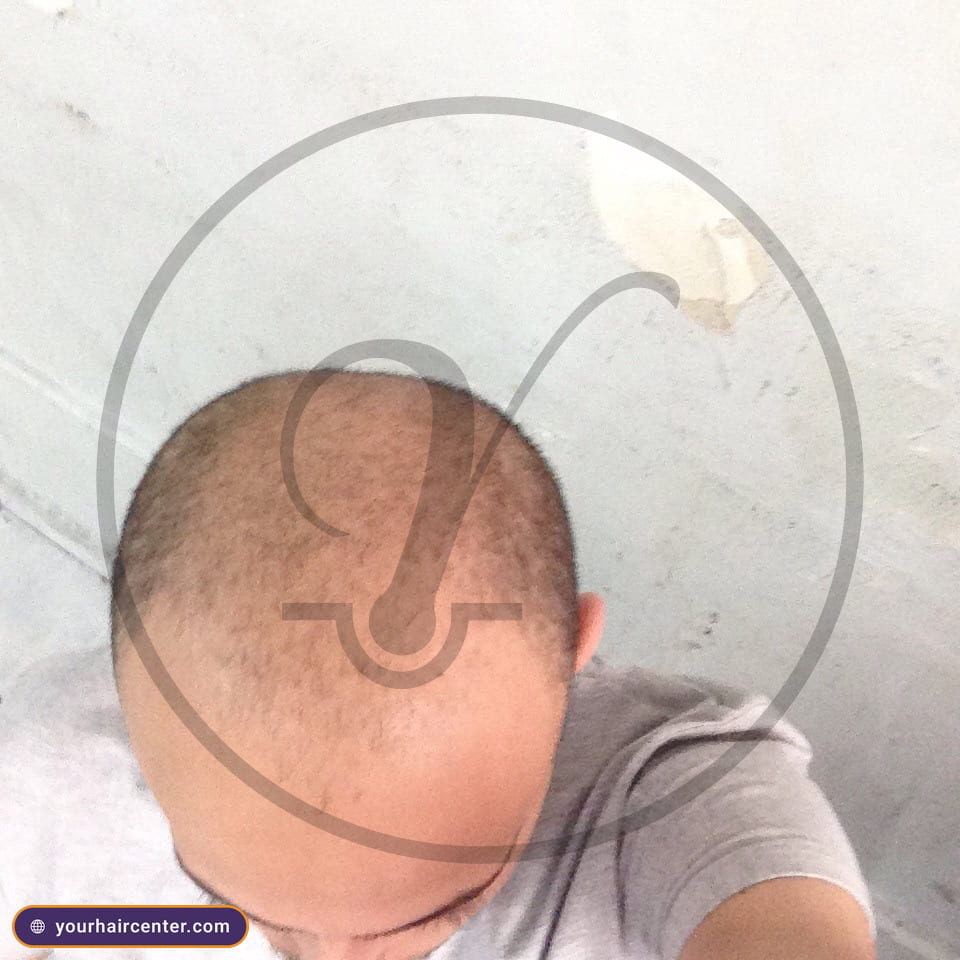
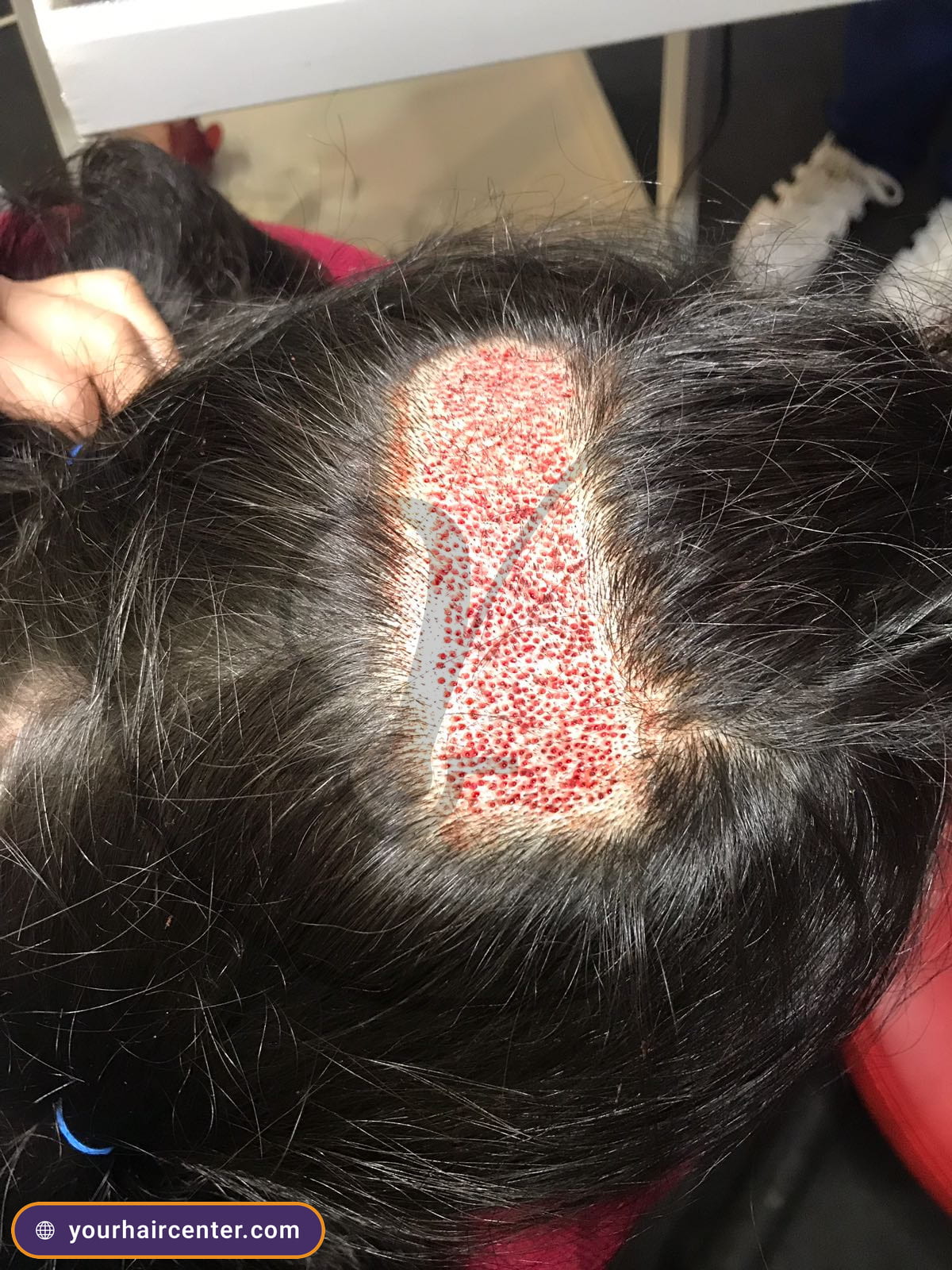
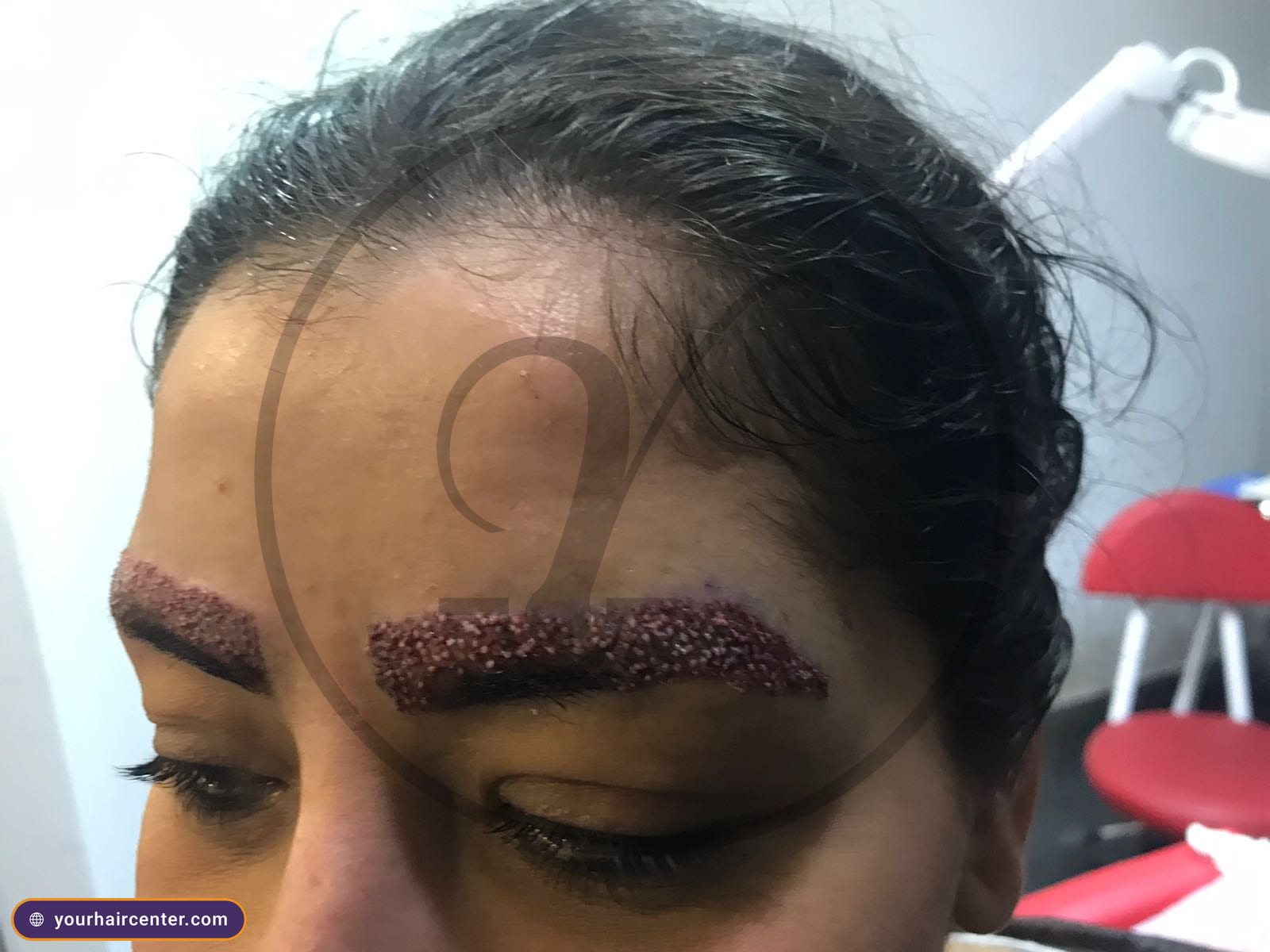
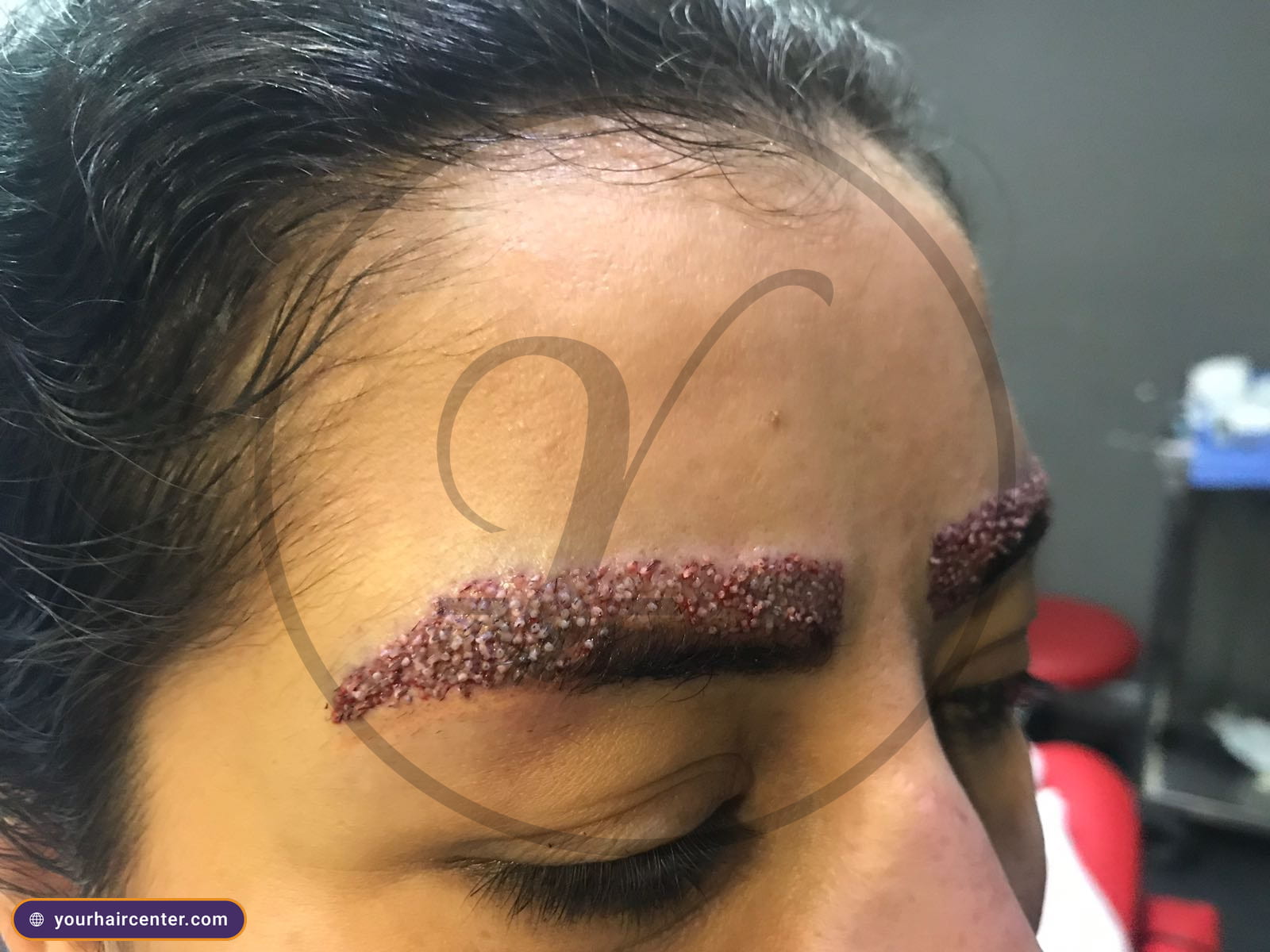
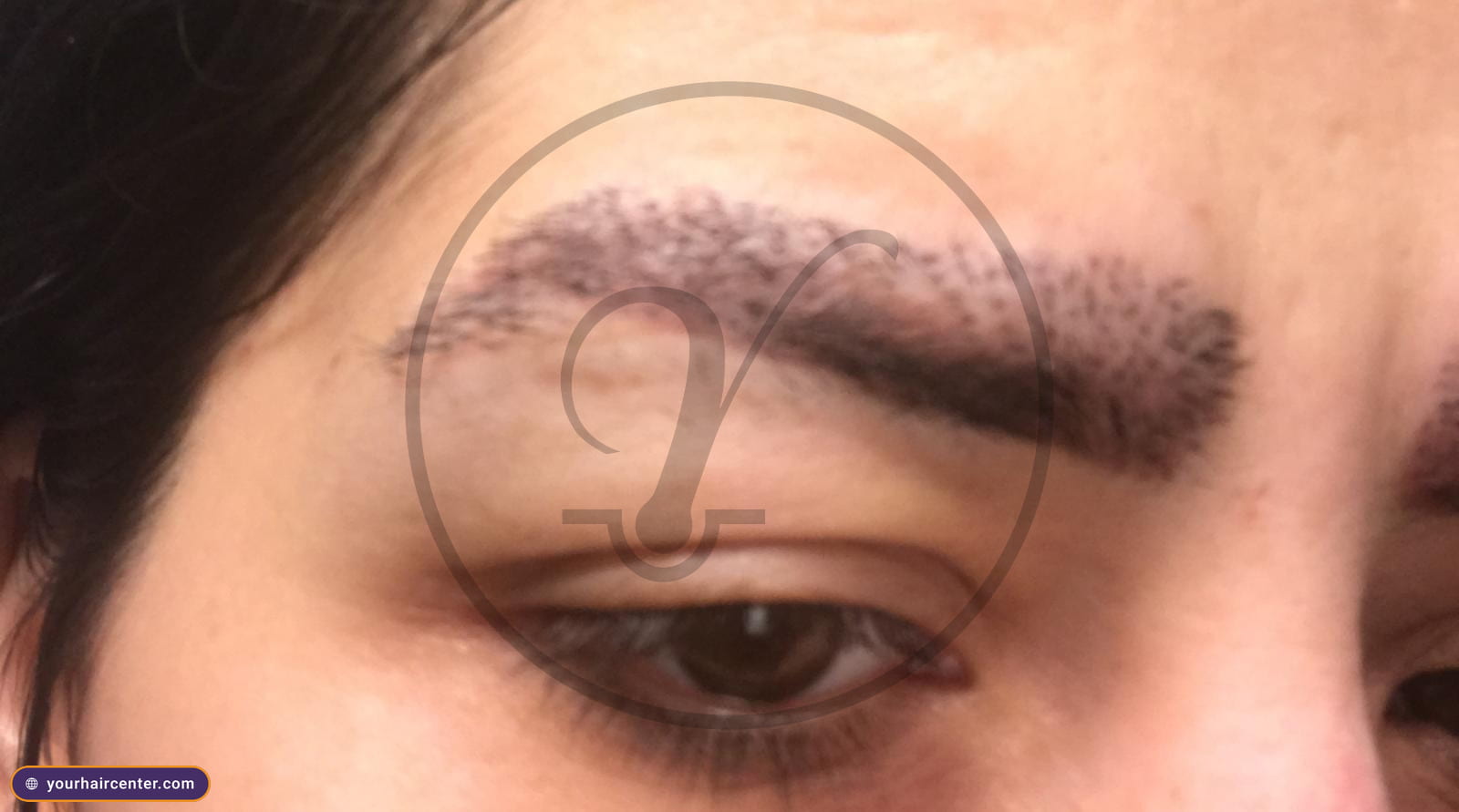
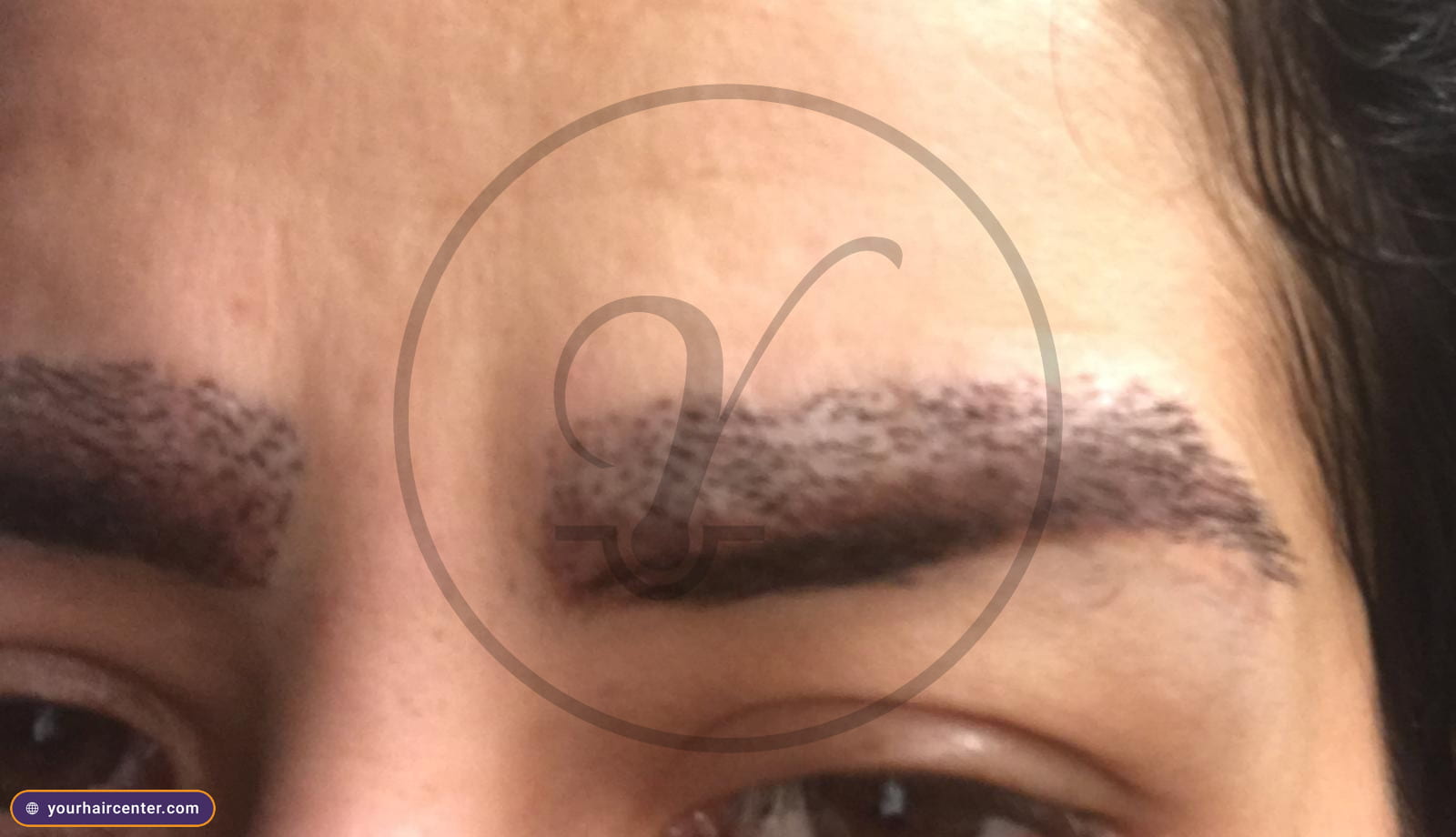
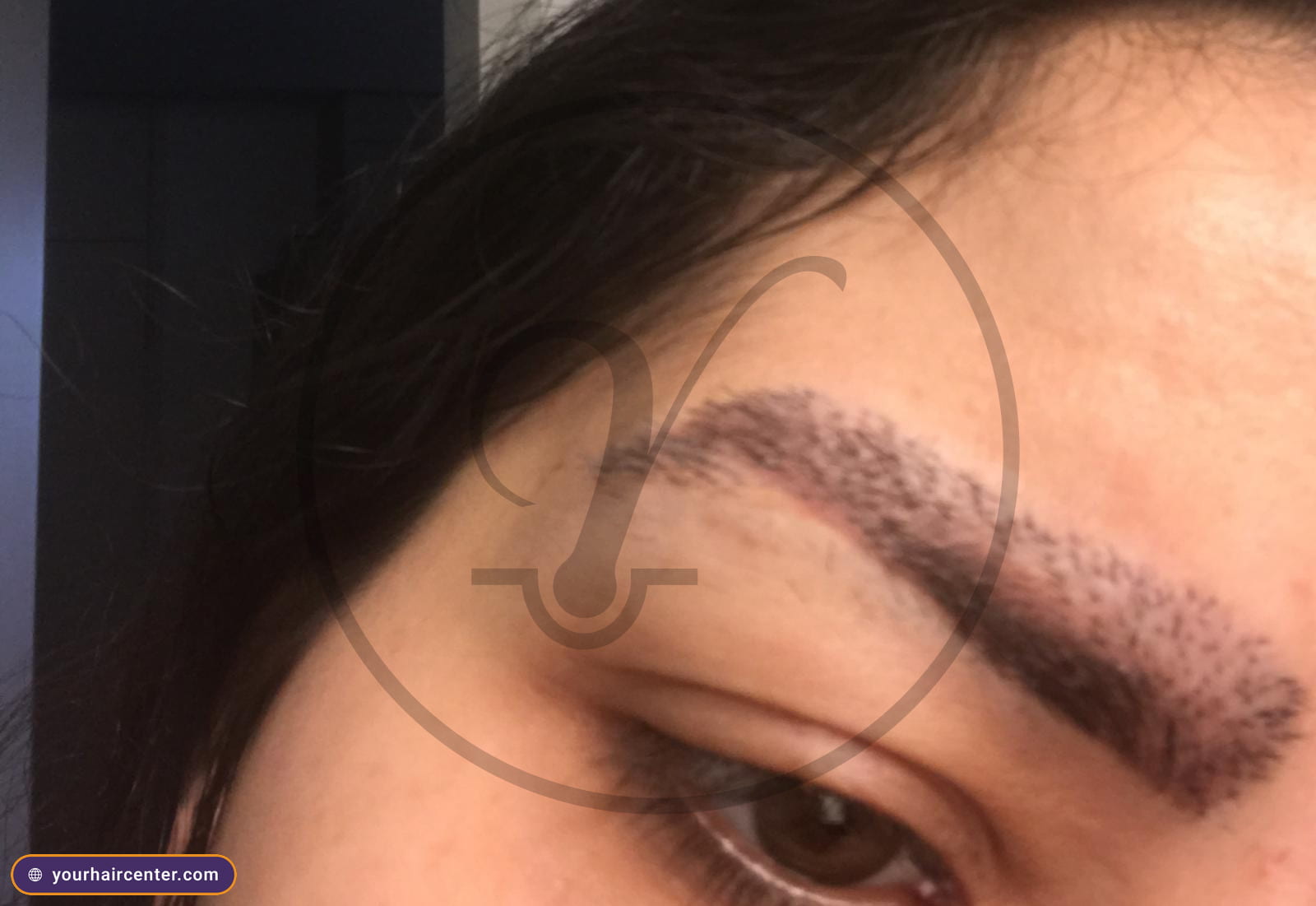
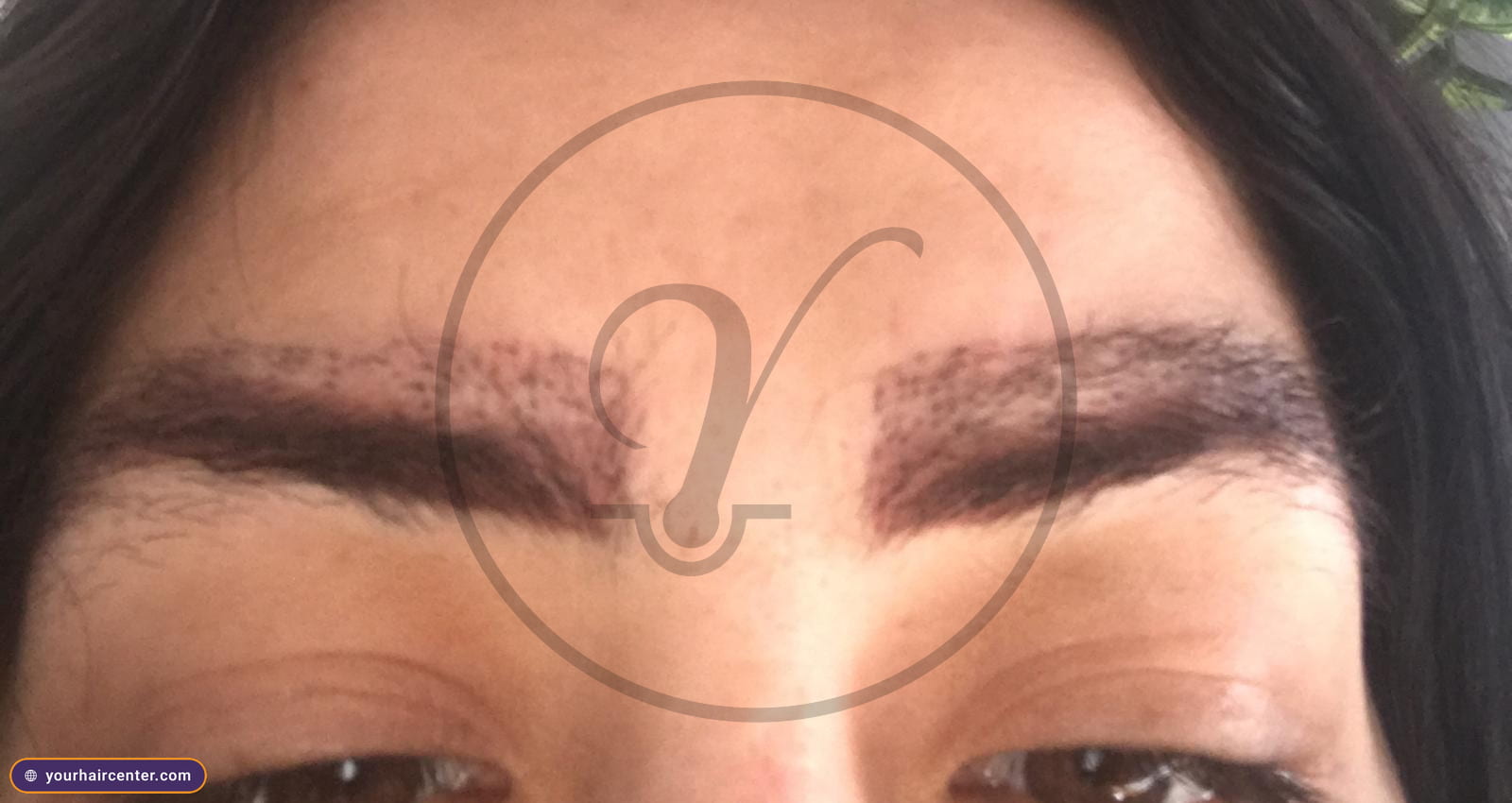
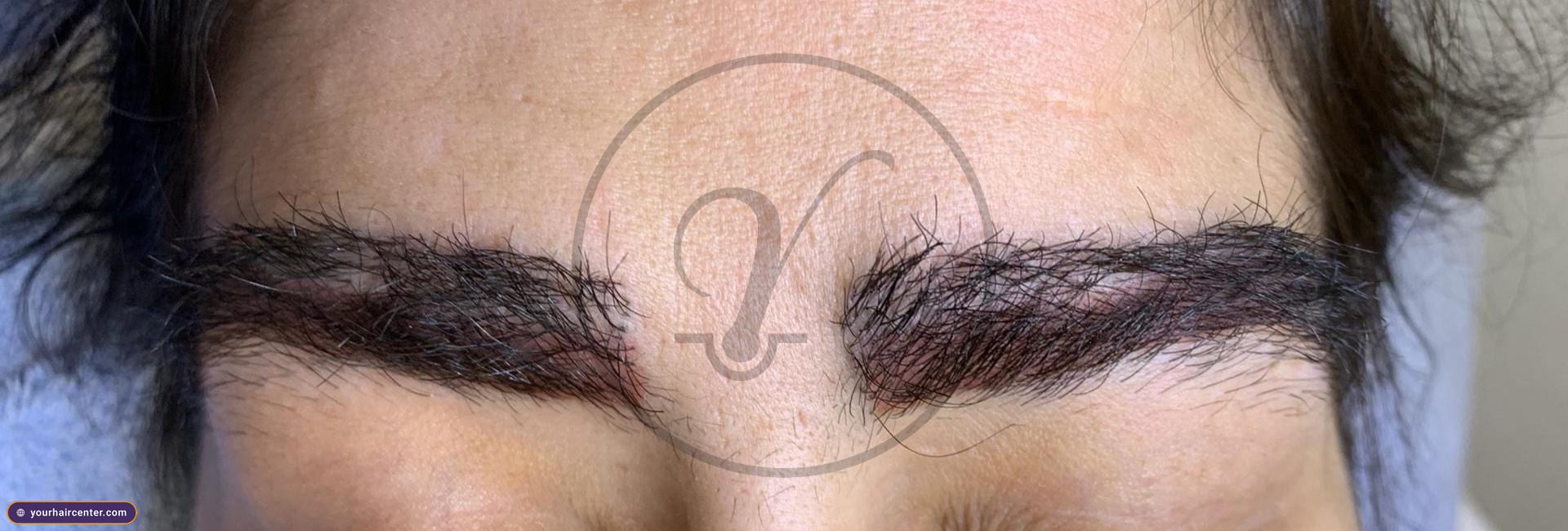
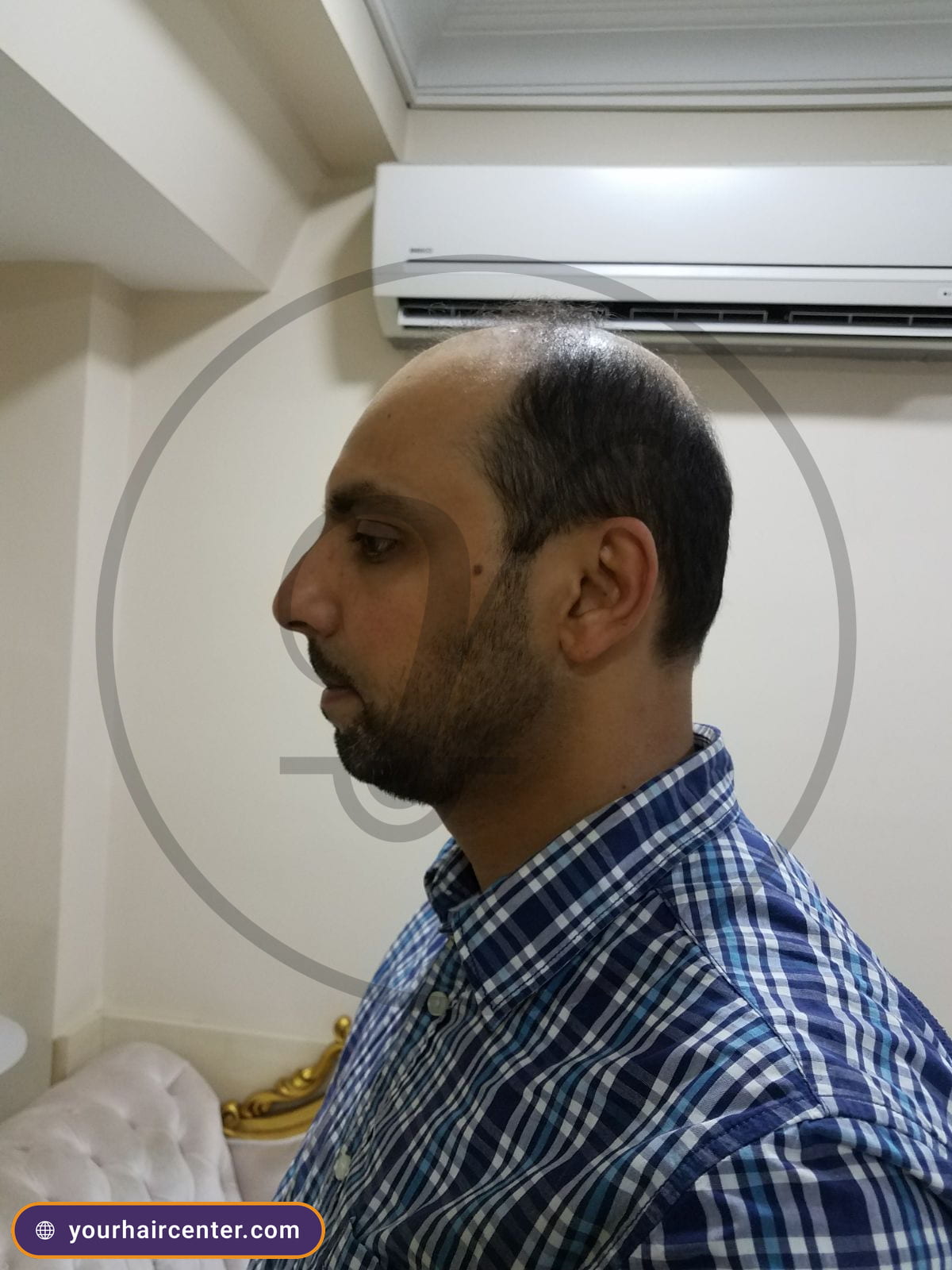
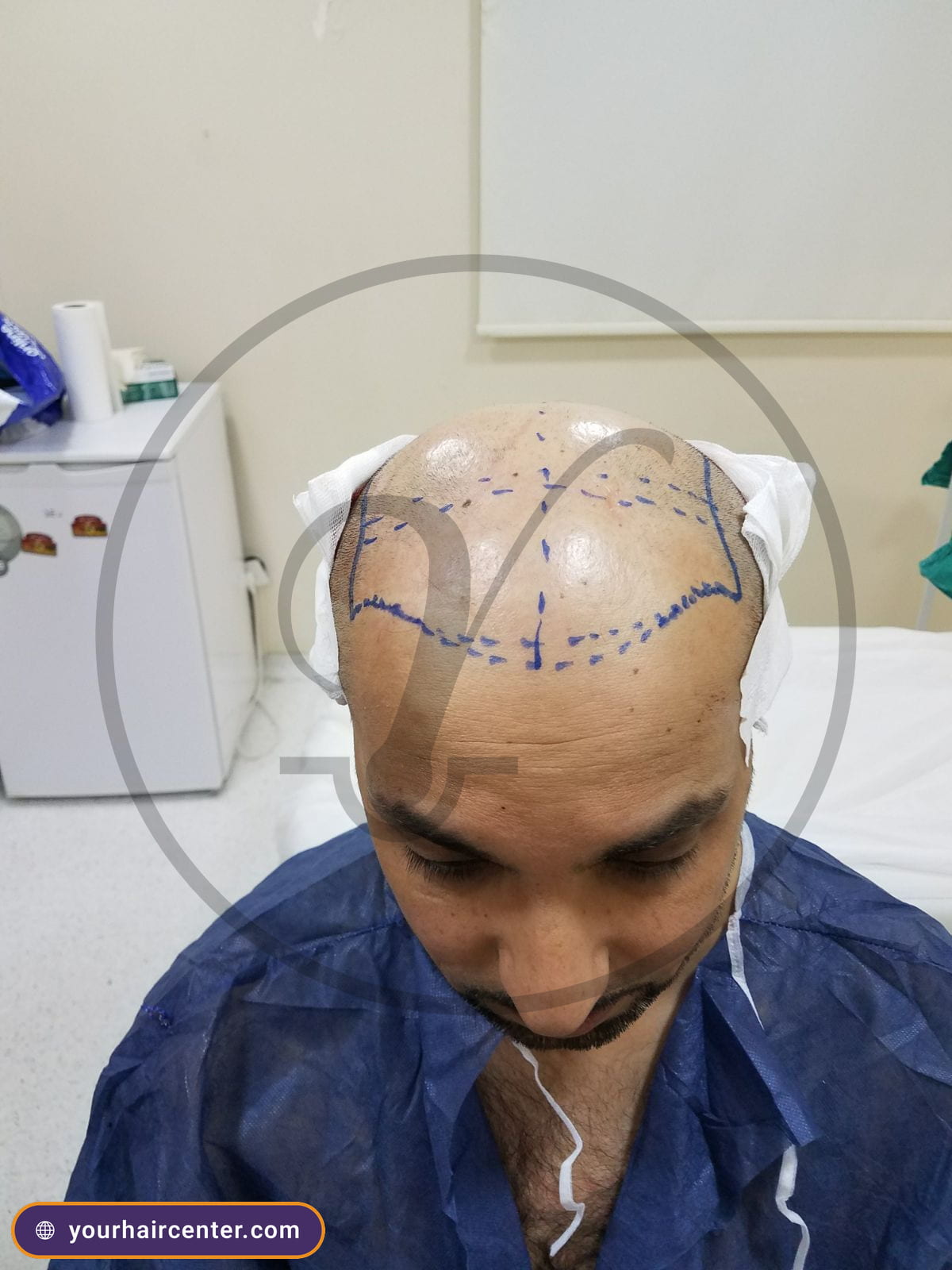
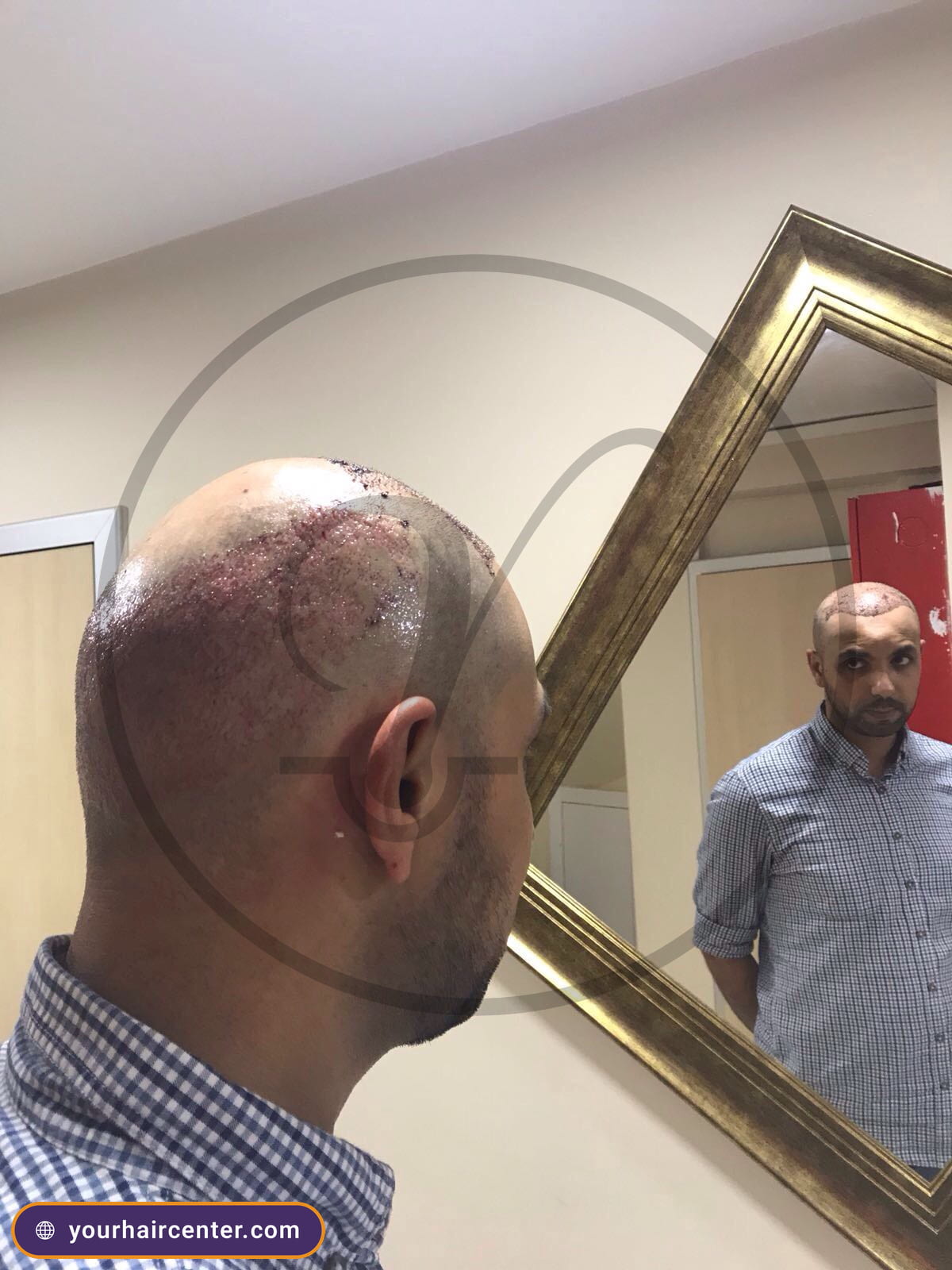
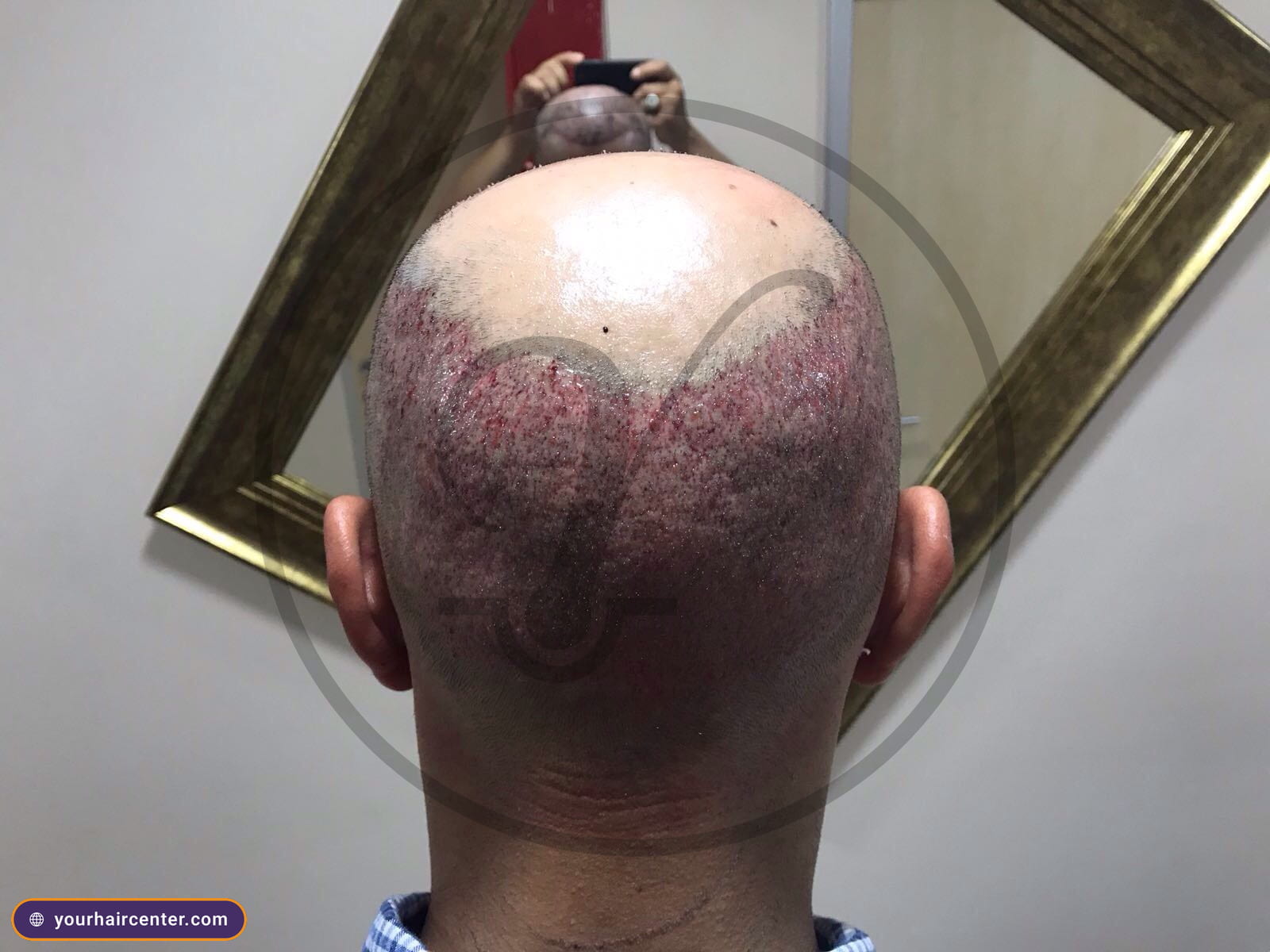
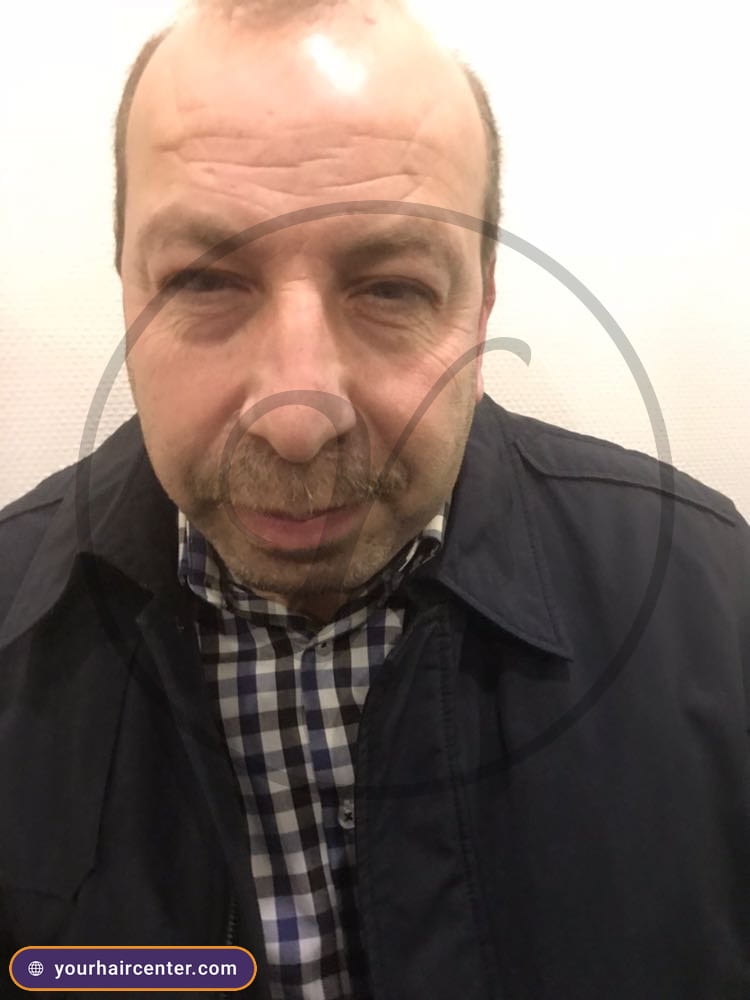
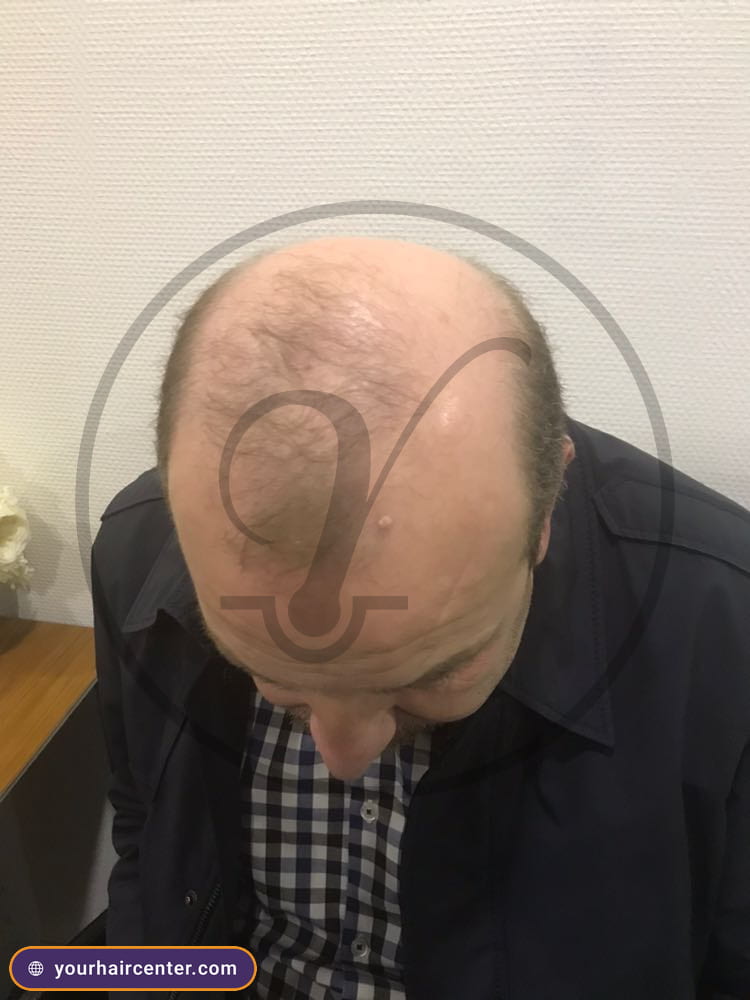
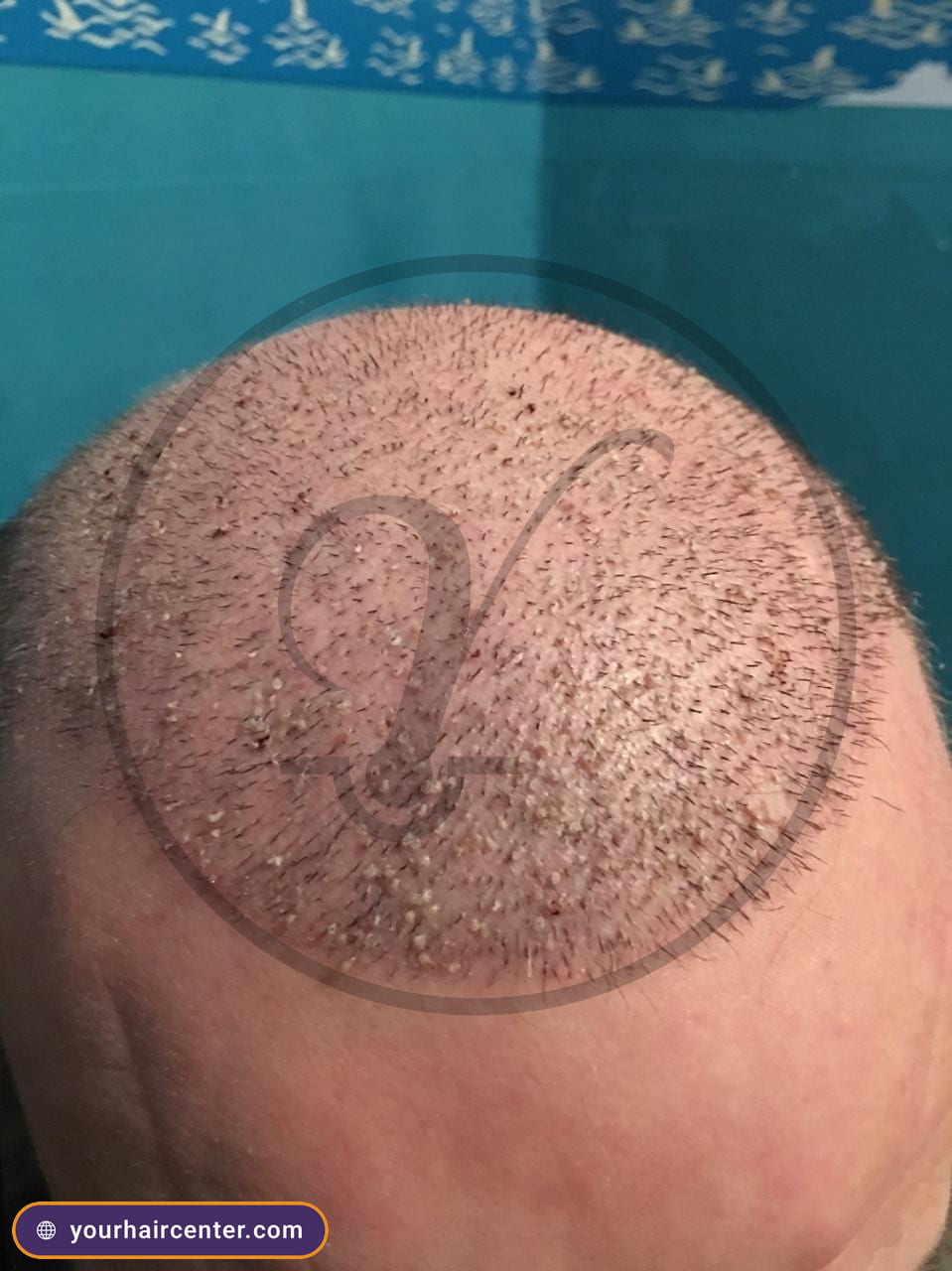
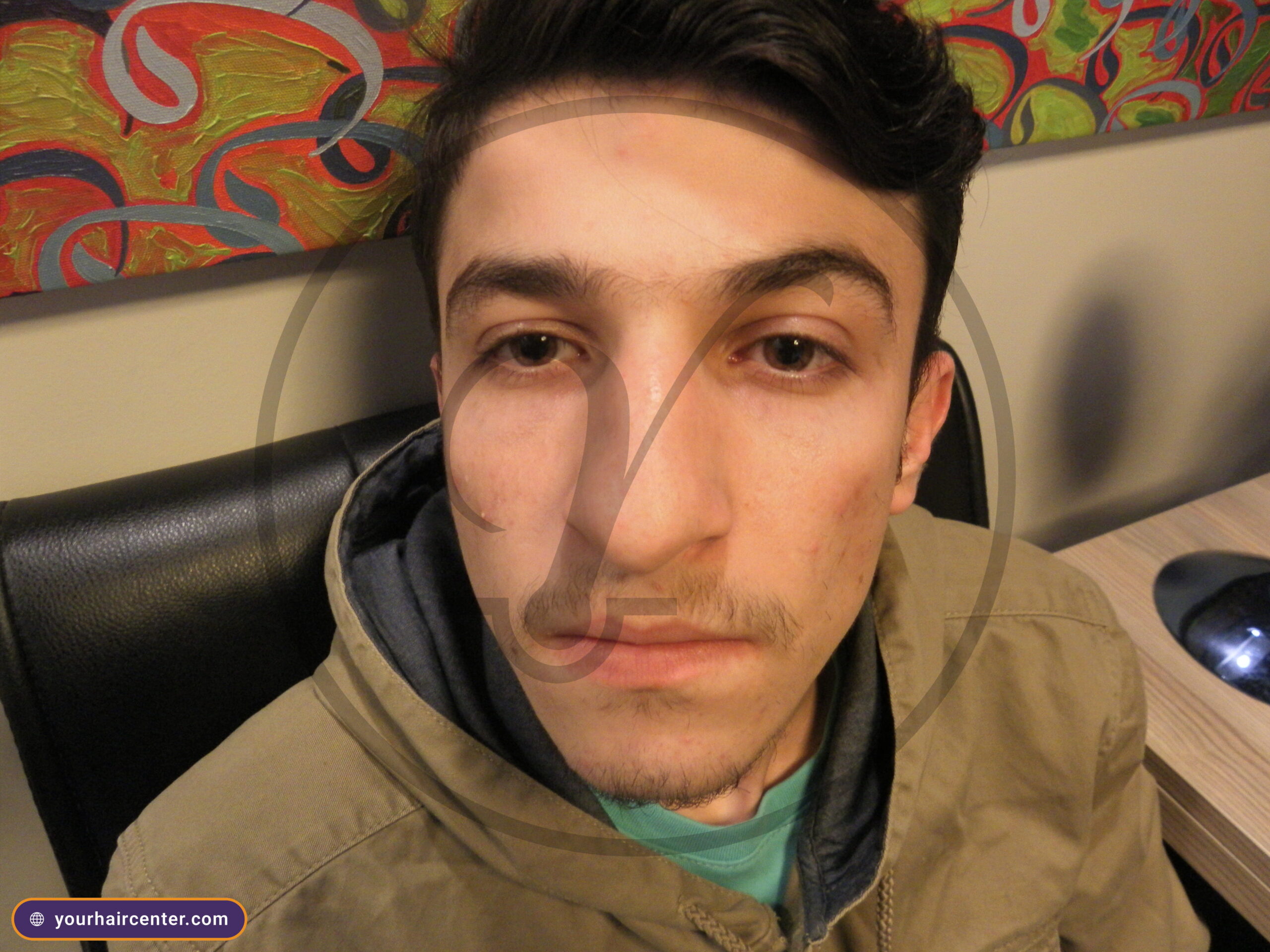
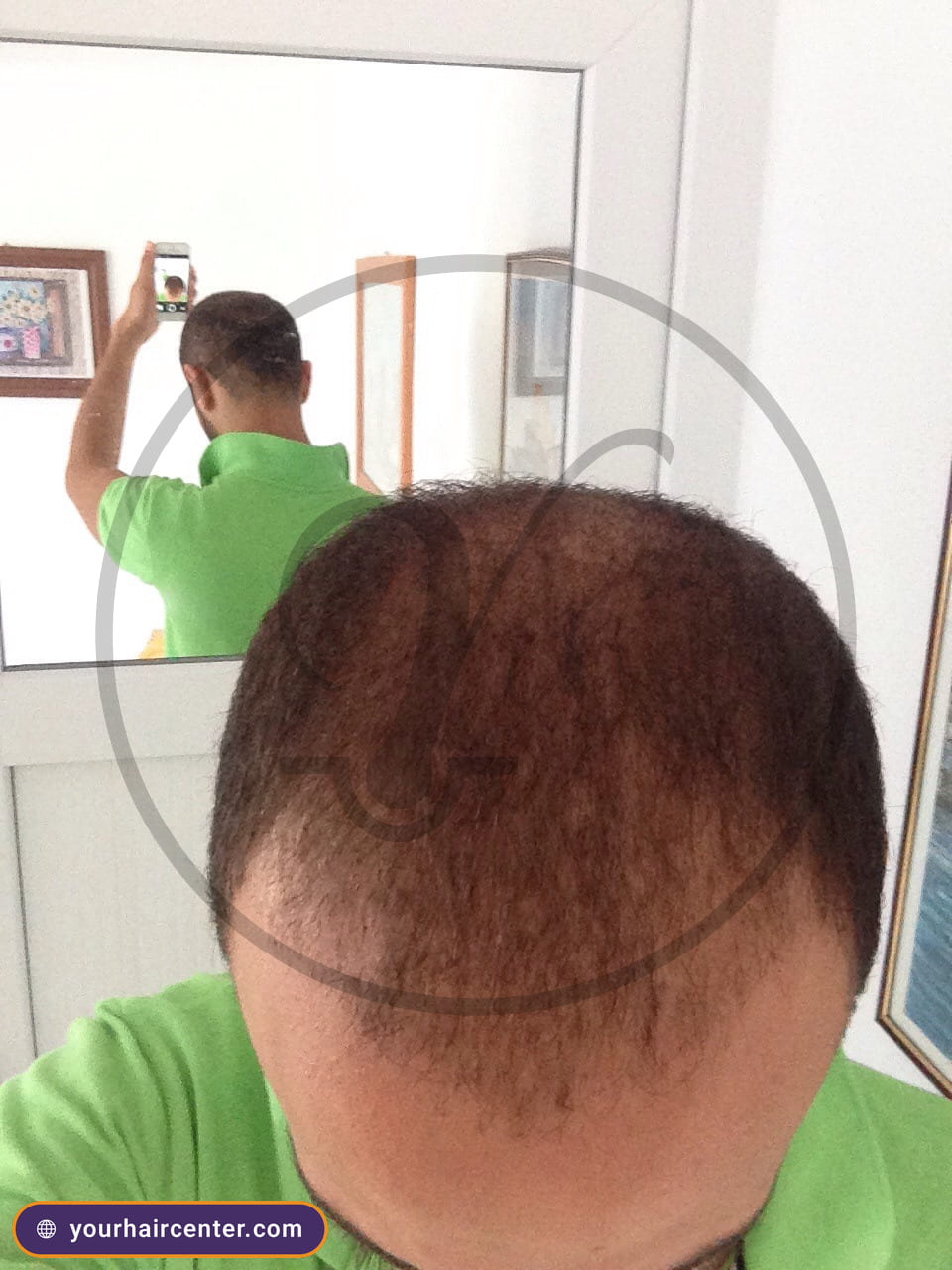
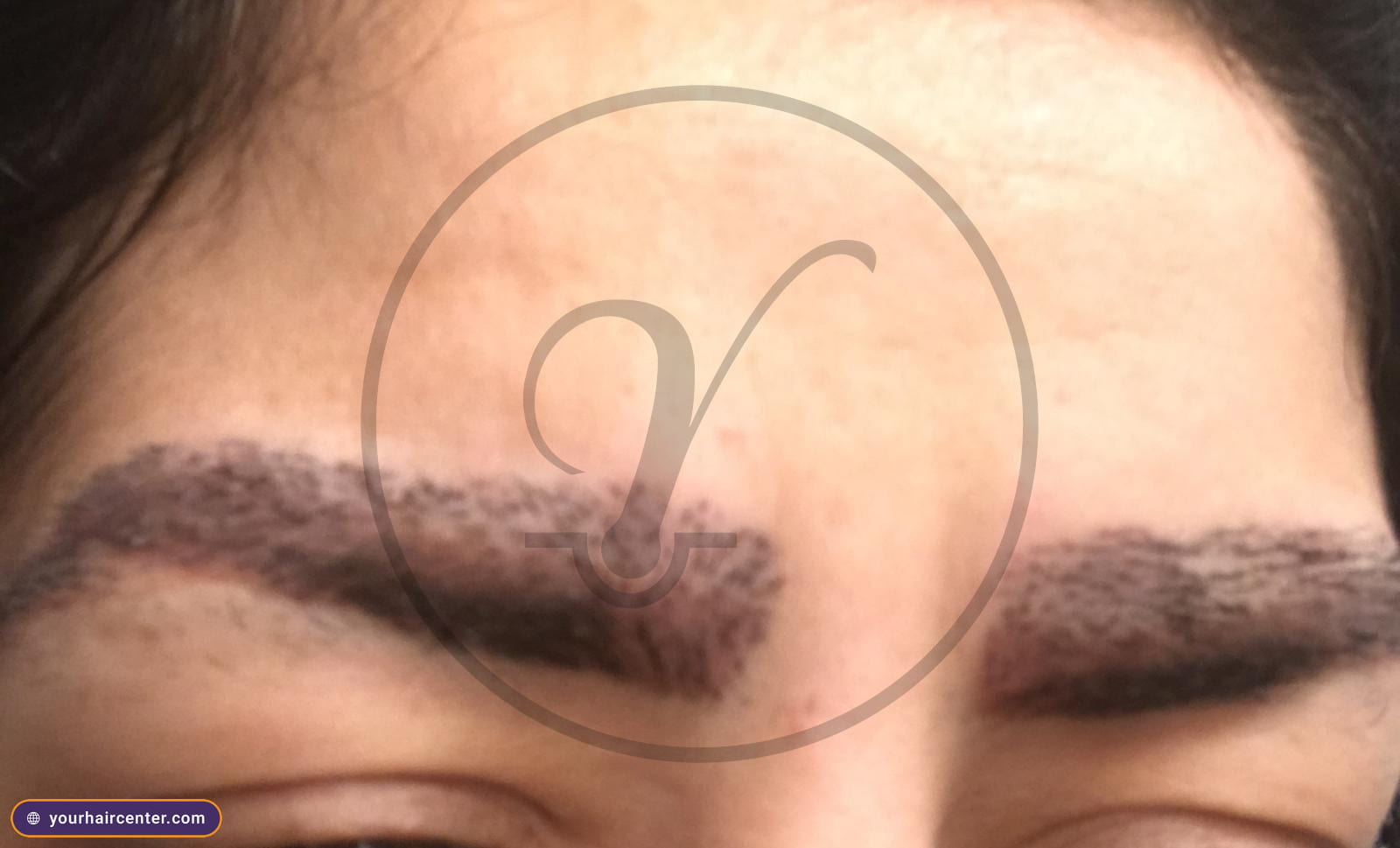
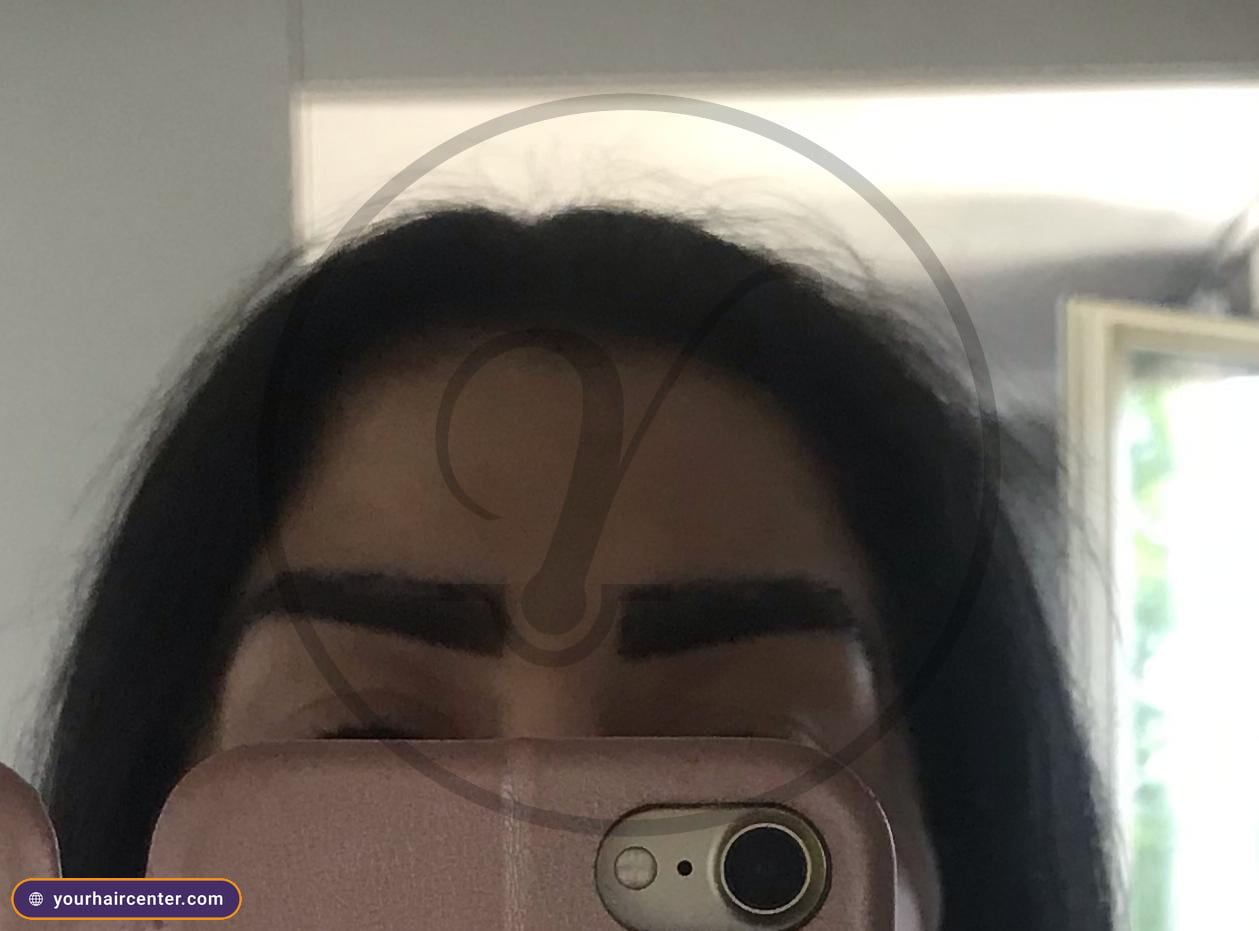
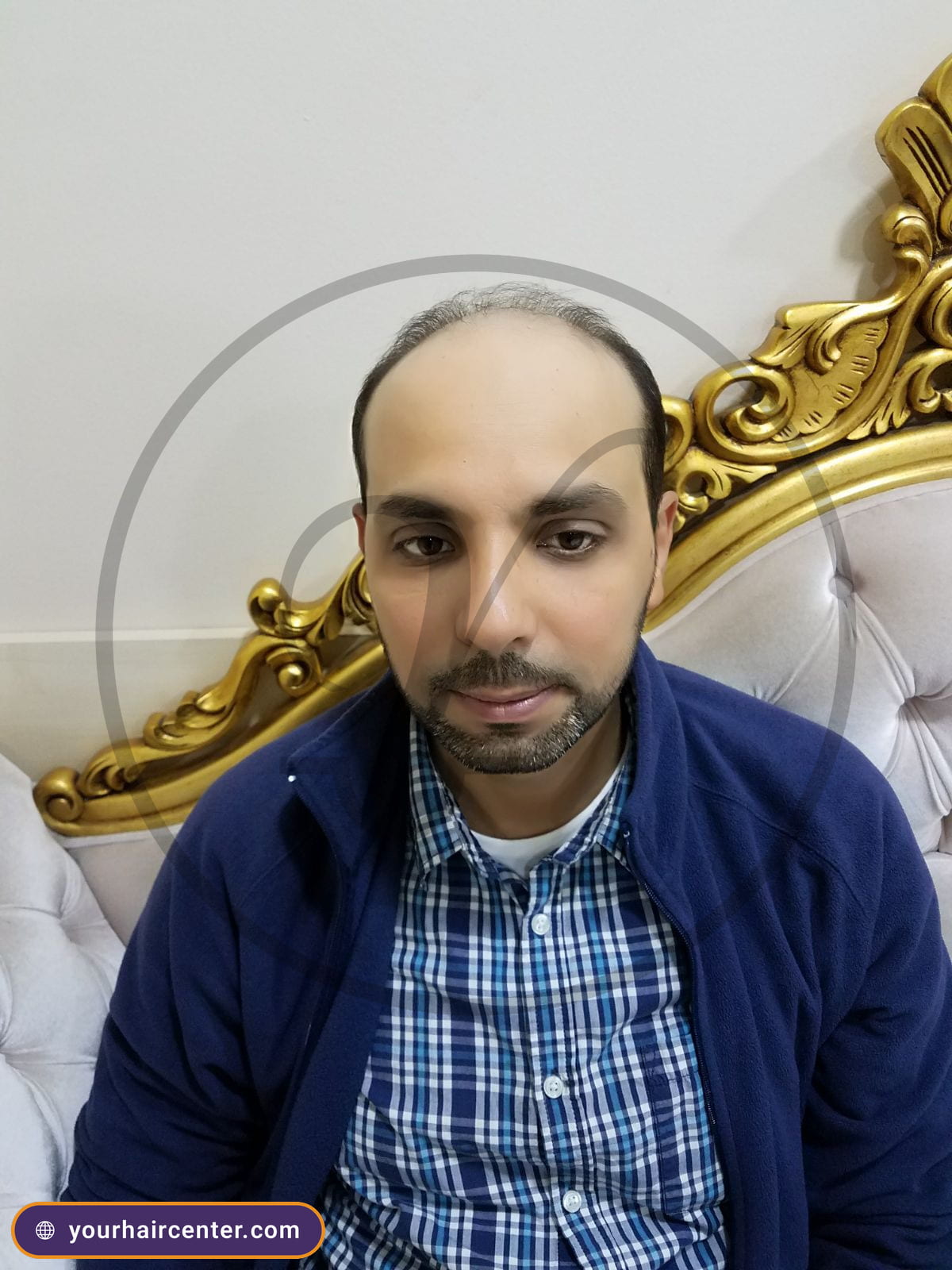
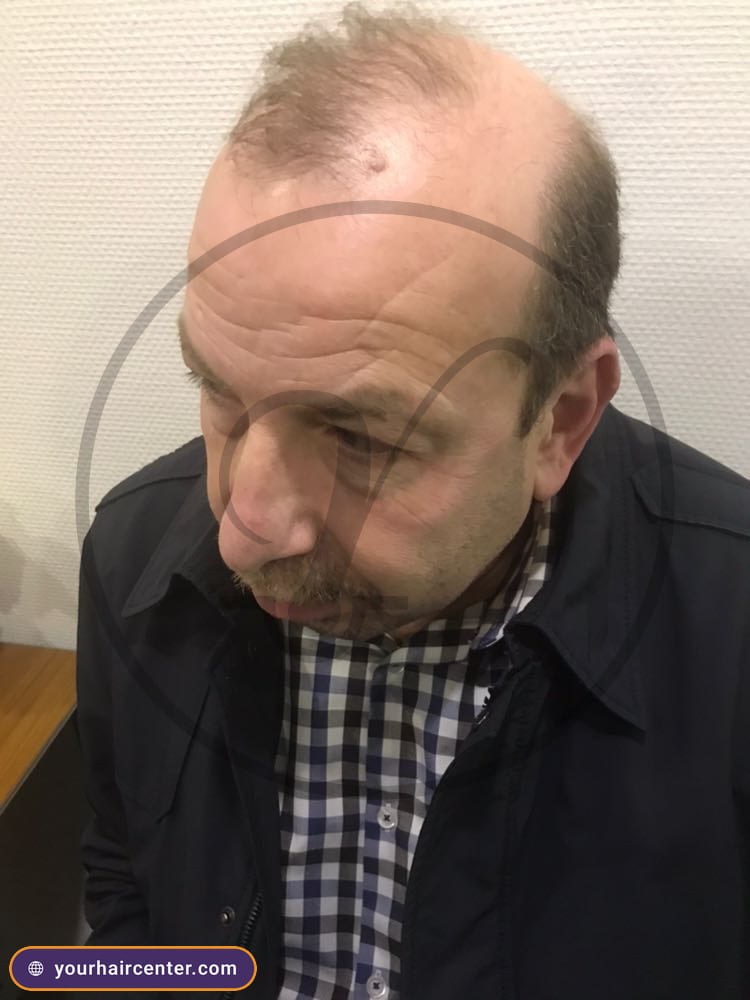
Real results from our patients’ archive. Photos exactly as captured at our accredited partner clinics, with no filters and no retouching. Browse more cases in our photo gallery.


Cause 1, tight braids and cornrows
The braid pattern presents most often as fringe-sign loss along the frontal and temporal hairline [3:2], with the marginal hairline receding and the very front edge retaining a thin band of hair. This is the most common presentation that brings patients to a traction alopecia hair transplant consultation. The differentiator between the Good and Conditional cells is the extent of marginal loss and whether follicular ostia are still visible on dermoscopy. Wide patches of closed ostia push the case toward Conditional, where a runway of medical scalp preparation precedes any procedure planning. This is the cell where a reader most often arrives, vetting on behalf of a partner or sister who has worn protective styles for years. The transplant target here is the marginal hairline, which is also the zone with the highest survival rate when the candidacy gate is met.
Cause 2, locs
The loc pattern, the second causal vector that drives a traction alopecia hair transplant referral, shows occipital and parietal thinning from accumulated loc weight, often more diffuse than the braid pattern. The differentiator between Conditional and Wait turns on whether the patient is willing to retire heavy locs entirely. That is a treatment-plan decision, not a clinical one, and the Conditional cell typically calls for a mesotherapy runway for stalled cases before recipient-site planning starts. Locs that are still being worn or that were only recently retired place the case in Wait until the scalp shows six months of stability.
Cause 3, weaves and sew-ins
The weave and sew-in pattern, the third causal vector that drives a traction alopecia hair transplant consultation, presents with stitch-line follicular damage along the attachment zones, often more focal than the braid pattern. This is the cell with the highest "Conditional after prep" weighting in the matrix because the underlying follicles are frequently still viable, but the surrounding scalp needs healing time. This is also the cell where PRP as a graft-survival adjunct has the strongest case in mildly scarred recipient zones, because the platelet-rich plasma supports vascularization in tissue that has been mechanically irritated for years.
Cause 4, daily high-tension styles
Daily high-tension styles, tight ponytails, high buns, wig-cap pressure, are the fourth traction alopecia hair transplant causal vector and present with more diffuse marginal loss that is often bilateral and symmetric. This is the cell where more patients sit in Good than in the other three causes, because the underlying scalp damage is usually less focal and the donor zone is more often intact. Patients with female-skewed presentations sometimes route through the Women’s Hair Transplant program where the post-op styling guidance is built around long-haired recovery rather than short-cropped recovery.
The donor-zone check that gates every cell
None of the matrix cells above matter for a traction alopecia hair transplant if the donor zone fails its own density check. A patient with a clean candidacy cell but a depleted donor zone is still Not a transplant candidate. The donor zone at the back and sides of the head has to carry enough viable follicles to populate the recipient plan, with margin left over. This is why the gating diagnostic is always the hair and scalp analysis we run before quoting any case, and not a glance at submitted photos. Donor density is something only direct examination can confirm. Bringing this back to the African Hair Transplant program, the planning flow is donor check first, recipient plan second, cost band third, never the other way around.
How the procedure adapts for traction alopecia scarred recipient sites
The operative reality of a traction alopecia hair transplant is not identical to the operative reality of a standard androgenetic-alopecia case. Scarring affects graft survival differently, the recipient-site density calculus changes, and the post-op support stack is different. The four subsections below walk through what actually changes at the bench.
What changes at the recipient site
In a traction alopecia hair transplant, site density is calculated lower per square centimeter for visibly scarred zones because the dermal architecture cannot support the same graft density without compromising survival. Scar tissue compromises vascularity, so graft survival on scar tissue is typically lower, with the literature reporting an approximately 50% average in cicatricial recipient beds compared to greater than 90% in normal scalp [2:1]. That arithmetic is why some traction alopecia hair transplant plans deliberately stage the restoration across two sessions roughly twelve months apart, building density gradually as the first-session grafts mature and confirm the bed will host the second session.
The calculus a traction alopecia hair transplant surgeon runs at evaluation is three numbers. Native viability percentage in the affected zone. Scarring grade, healed, mildly scarred, or cicatricial. And the per-cm² density target by zone. Those three numbers drive the graft count, the session count, and the realistic visual outcome a patient should expect.
How well do grafts survive on scarred versus healed scalp?
Setting realistic expectations is the single most underrated part of consenting a traction alopecia hair transplant patient. The honest framing breaks into three bands.
- Healed recipient beds, the typical Good cell of a
traction alopecia hair transplant. Graft survival approaches the greater than 90% normal-scalp baseline reported across the cicatricial-alopecia literature [2:2]. This is the same number a healthy androgenetic-alopecia recipient bed delivers. - Mildly scarred beds, the Conditional cell. Graft survival sits slightly below the healed-bed baseline and benefits measurably from PRP adjunct support during the first six post-op months. The exact range is patient-specific and depends on the scarring grade.
- Heavily scarred beds, the boundary of Wait versus Not a candidate. Graft survival sits closer to the approximately 50% average the scarring-alopecia literature reports for grafts placed into cicatricial tissue [2:3]. This is the cell where stage-and-watch plans are appropriate, and where the wait period before any transplant should be 2 to 5 years of disease quiescence, the minimum-two-year, up-to-five-year interval the cicatricial-alopecia literature recommends for confident planning [2:4].
In a traction alopecia hair transplant, scarred-bed cases sit lower for the reasons named above, and any honest consultation will distinguish healed-bed from scarred-bed survival rather than blur the two.
Why the extraction stage looks the same as a standard afro hair transplant case
Donor-zone extraction in a traction alopecia hair transplant uses the same toolkit as any other afro-textured-hair extraction. Curly and coily follicles grow on a curved subsurface path, sometimes spiraled, which raises the risk of transection during extraction. The countermeasures are punches sized to the follicular unit, usually 18 or 19 gauge, an extraction motion that follows the curved follicle path beneath the skin, and high-power loupes so the surgeon can read follicle direction before the punch touches the scalp. In a 2023 study of patients of African descent across seven clinics, the surgeons’ maximum transection with their earlier technique ranged from 6 to 80 percent, and a punch built for these patients brought the mean to 3 to 6 percent [9]. The FUE technique we use for traction-alopecia recipient sites is the same technique applied across the African hair transplant program; the recipient-site adaptation is what changes between traction and androgenetic cases, not the extraction.
The post-op support stack for scarred-zone graft survival
The post-op stack matters more for scarred traction alopecia hair transplant recipient beds than for healed ones, because the surrounding tissue is already irritated and benefits from the vascular support of platelet-rich plasma. The standard Your Hair Center stack covers four pieces. The included PRP session after the transplant, included in the all-inclusive package, supports vascularization and follicular signaling in the first weeks of healing. Optional follow-up mesotherapy sessions during the first six months are appropriate for Conditional-cell cases where the bed is mildly scarred. A 12-month medical follow-up protocol with a dermoscopy check at the six-month mark confirms graft maturation and flags any zones that need adjunct support. And finally, written aftercare guidance that protects the transplanted area from any return to tension styles during the first 12 months.
This is the stack where the African Hair Transplant program differs structurally from a typical US clinic that prices PRP separately and does not include 12 months of follow-up. You can see how it looks in practice in the post-op gallery of completed traction-alopecia cases.
Traction alopecia hair transplant cost and the Istanbul plan
The cost question here is narrower than the general-purpose afro hair transplant cost question, because the affected zones are usually marginal and focal rather than diffuse. This section gives the candidacy-specific cost picture without re-doing the deep US-versus-Turkey essay, which belongs in its own article.
How many grafts does a traction alopecia case need?
A typical traction alopecia hair transplant plan at Your Hair Center sits in the 2,000 to about 4,000 graft band that the African hair transplant program publishes as its standard procedure range, and most traction cases land toward the lower end of that band. The reason is that the affected zones are usually focal, the frontal hairline only, or the hairline plus the temples, rather than the diffuse crown-and-vertex coverage that drives a higher Norwood-stage case toward the top of that band or over two days under one plan. A two-zone marginal restoration is typically lighter on graft count than a full Norwood IV androgenetic case at the same clinic, which is why the all-inclusive package tends toward the lower half of the published price band for most traction patients.
For curly and coily hair the package is Premium at $2,650 (sapphire FUE, a 5-star hotel for 4 nights, VIP airport pickup, one PRP session, an English-speaking coordinator and a full year of follow-up) or Royal VIP at $4,650 (sapphire plus DHI, a 5-star suite for 5 nights, private transfers, three PRP sessions and a full year of follow-up). The all-inclusive framing matters in the traction alopecia hair transplant context specifically, because the post-op PRP and the follow-up that are line items at a US clinic are baked into the package here, which materially affects scarred-bed survival math.
The Istanbul stay and what each day covers
The standard Your Hair Center patient journey for a traction alopecia hair transplant follows the nights in your package, 4 in Premium and 5 in Royal VIP. Day 1 is arrival. Day 2 covers screening and blood work, dermoscopy of the affected zones, final candidacy confirmation, and the surgical plan. Day 3 is the procedure itself, six to eight hours under local anesthesia or sedation, which the doctor decides for your case. Day 4 covers the first medical wash and the aftercare briefing, and you fly home on Day 5 in Premium or Day 6 in Royal VIP. The traction alopecia hair transplant specific addition that is worth flagging is the day-2 dermoscopy. The matrix cell that the photos suggested at intake gets confirmed or revised on direct examination, and if the live scalp diverges from what the submitted photos showed, the case gets re-priced before consent. That is how the package band stays honest.
The decision framework, three articles to read next
If the open question after reading this guide is the dollar number and how Turkey compares to US domestic pricing line-item by line-item, the next read is the hair transplant cost comparison between US and Turkey. If the open question is how to tell a qualified afro-hair restoration surgeon from a self-promoted one, the next read is the credentials checklist for African American hair transplant surgeons. And if the open question is what month three, six, and twelve actually look like for a real patient on afro-textured hair, the next read is the afro hair transplant before and after timeline.
When you are ready to take the conversation off the SERP and onto a real evaluation, you can book a free traction-alopecia evaluation on WhatsApp directly with the team.
Frequently asked questions about hair transplant for traction alopecia
Can a hair transplant fix traction alopecia?
Yes. A well-planned traction alopecia hair transplant can restore the hair lost to chronic tension styles, but only when three gates clear. Shedding must have been stable for at least six months after every tension style was discontinued, the donor zone at the back and sides of the scalp must be dense and healthy, and there must be no severe cicatricial scarring at the recipient site. Stable cases routinely achieve excellent marginal-hairline restoration.
How much does a traction alopecia hair transplant cost?
At Your Hair Center an afro-hair restoration runs in the Premium package at $2,650 or Royal VIP at $4,650, both all-inclusive with the hotel, airport transfers and medications, and the All-Inclusive Packages page lists what each holds. Most traction alopecia cases need fewer grafts than a full restoration because the affected zones tend to be focal rather than diffuse, and the free evaluation sets the technique and the package. For the full US-versus-Turkey itemized comparison, send your photos for a free evaluation and ask for the line-item breakdown.
Is traction alopecia permanent?
Early-stage traction alopecia is often reversible if the offending tension styles stop in time, and the dermatology literature is clear that most early cases can recover with appropriate intervention [1:5]. Late-stage chronic disease progresses to a scarring form that is not remediable to medical therapy [1:6]. The scarring stage is the point at which a traction alopecia hair transplant becomes the realistic restoration route, because the natural-history regrowth window has closed.
How long does it take for traction alopecia to grow back?
Natural regrowth of early-stage traction alopecia typically takes a few months to a year after every tension style has been stopped, with partial recovery visible across that window in cases that have not yet scarred. Once the scalp has fully scarred, a traction alopecia hair transplant becomes the realistic restoration option. The AAD’s standing guidance is to discontinue the offending hairstyles [8:1], and the dermatology literature describes early disease reversing on its own once the tension is removed [7:1]. The six-month stability gate is the link between natural regrowth and transplant candidacy. If shedding has stopped and the scalp has held steady for six months, the case is in the transplant-ready window. If shedding is still active, the scalp is still in the recovery window and a procedure is premature.
Can edges grow back after traction alopecia?
Yes, the temporal and frontal-margin "edges" are the highest-success restoration zone for a traction alopecia hair transplant once the candidacy gate is met. The fringe-sign pattern of marginal loss [3:3] is also the most extensively studied form of the condition, which is why the procedure planning here is mature and predictable. Natural regrowth can also restore the edges in early-stage cases; once scarring sets in, a traction alopecia hair transplant is the route.
What is the success rate of hair transplant for traction alopecia?
Graft survival on healed traction alopecia hair transplant recipient beds approaches the greater than 90% normal-scalp baseline reported in the cicatricial-alopecia literature [2:5]. Heavily scarred recipient beds sit meaningfully lower, with the literature reporting approximately 50% average graft survival on cicatricial tissue [2:6], which is why scarred-bed cases are staged across two sessions rather than attempted in one.
Real results from our patients’ archive. Photos exactly as captured at our accredited partner clinics, with no filters and no retouching. Browse more cases in our photo gallery.



Conclusion and next step
If you are reading this because you have been losing hair along the edges for years and want to know whether the loss is restorable, the honest, evidence-grounded answer is that a traction alopecia hair transplant is the right route when shedding has been stable for at least six months, the donor zone is healthy, and the recipient bed is not severely scarred. Print the matrix in section three, run it against your own styling history and the current state of your scalp, and figure out which cell you sit in. If you are in Good or Conditional, the next step is a structured evaluation. If you are in Wait, the next step is medical management and a re-check in six to twelve months. When you are ready to talk to a real team about your specific case, book a free WhatsApp evaluation and the surgeon will classify your case directly. The full menu of related services sits under the Hair Transplant category overview.
References
-
Billero V, Miteva M, "Traction alopecia, the root of the problem," Clinical, Cosmetic and Investigational Dermatology, 2018. URL,
https://pmc.ncbi.nlm.nih.gov/articles/PMC5896661/︎ ︎ ︎ ︎ ︎ ︎ ︎ -
Ekelem C, Pham C, Atanaskova Mesinkovska N, "A Systematic Review of the Outcome of Hair Transplantation in Primary Scarring Alopecia," Skin Appendage Disorders, 2018. URL,
https://pmc.ncbi.nlm.nih.gov/articles/PMC6388556/︎ ︎ ︎ ︎ ︎ ︎ ︎ -
Samrao A, Price VH, Zedek D, Mirmirani P, "The ‘Fringe Sign,’ A Useful Clinical Finding in Traction Alopecia of the Marginal Hair Line," Dermatology Online Journal / PubMed, 2011. URL,
https://pubmed.ncbi.nlm.nih.gov/22136857/︎ ︎ ︎ ︎ -
Haskin A, Aguh C, "All hairstyles are not created equal, what the dermatologist needs to know about Black hairstyling practices and the risk of traction alopecia (TA)," Journal of the American Academy of Dermatology, 2016. URL,
https://pubmed.ncbi.nlm.nih.gov/27114262/︎ ︎ -
Khumalo NP, Jessop S, Gumedze F, Ehrlich R, "Determinants of marginal traction alopecia in African girls and women," Journal of the American Academy of Dermatology, 2008. URL,
https://pubmed.ncbi.nlm.nih.gov/18694677/︎ ︎ -
"Dermoscopy of Traction Alopecia in Black Scalp Patients, Insights from a Literature Review," Dermatology Practical and Conceptual / PMC, 2025. URL,
https://pmc.ncbi.nlm.nih.gov/articles/PMC12090924/︎ -
Syed HA, Kaliyadan F, "Traction Alopecia," StatPearls (NCBI Bookshelf), updated 2025. URL,
https://www.ncbi.nlm.nih.gov/books/NBK470434/︎ ︎ -
American Academy of Dermatology, "Hairstyles that pull can lead to hair loss," AAD Public Resources, 2026. URL,
https://www.aad.org/public/diseases/hair-loss/causes/hairstyles︎ ︎ -
Umar S, Khanna R, Lohlun B, et al., "Follicular Unit Excision in Patients of African Descent, A Skin-Responsive Technique," Dermatologic Surgery, 2023. URL,
https://pmc.ncbi.nlm.nih.gov/articles/PMC10521773/︎