
4500
grafts
FUE
Standard extraction damages curly follicles because it ignores the curve beneath the skin. At Your Hair Center in Istanbul, our afro hair transplant Turkey program uses punches and an extraction motion built to follow every bend in your follicle. Whether you are dealing with genetic thinning or traction alopecia from braids and locs, our team evaluates your hair type for free and builds a plan around your exact texture, from Type 3A to 4C.

Coily follicles curve beneath the skin and curly ones bend more gently, which raises the risk of graft damage during standard extraction. At Your Hair Center in Istanbul, our afro hair transplant Turkey program pairs punches and an extraction motion built for curved follicles with specialist technique, to keep as many grafts intact as possible for every Type 3 and Type 4 patient.

Type 1-2 straight to wavy hair, standard extraction applies

Type 3B-3C curly hair, needs an adjusted extraction angle

Type 4B-4C dense coily hair, requires specialist tools and technique
successful hair transplants performed
years of hair transplant experience
grafts at most in one session, larger cases over two days
patient nationalities treated
The Andre Walker system classifies curly and coily hair into 6 sub-types. Identify yours to see how our team plans your afro hair transplant in Turkey around the way your follicles grow.

Wide, loose curl pattern. Extraction needs a slightly adjusted angle.

Tighter, more densely packed curls. Finer extraction tools are required.

Narrow, corkscrew curls. Subsurface follicle curvature becomes more pronounced.

Tightly coiled follicles at a sharp angle. Specialist extraction techniques are essential.

Z-shaped follicle path beneath the skin. The hardest texture for standard extraction.

The tightest coil pattern. Needs a trained team and dedicated micropunch tools.
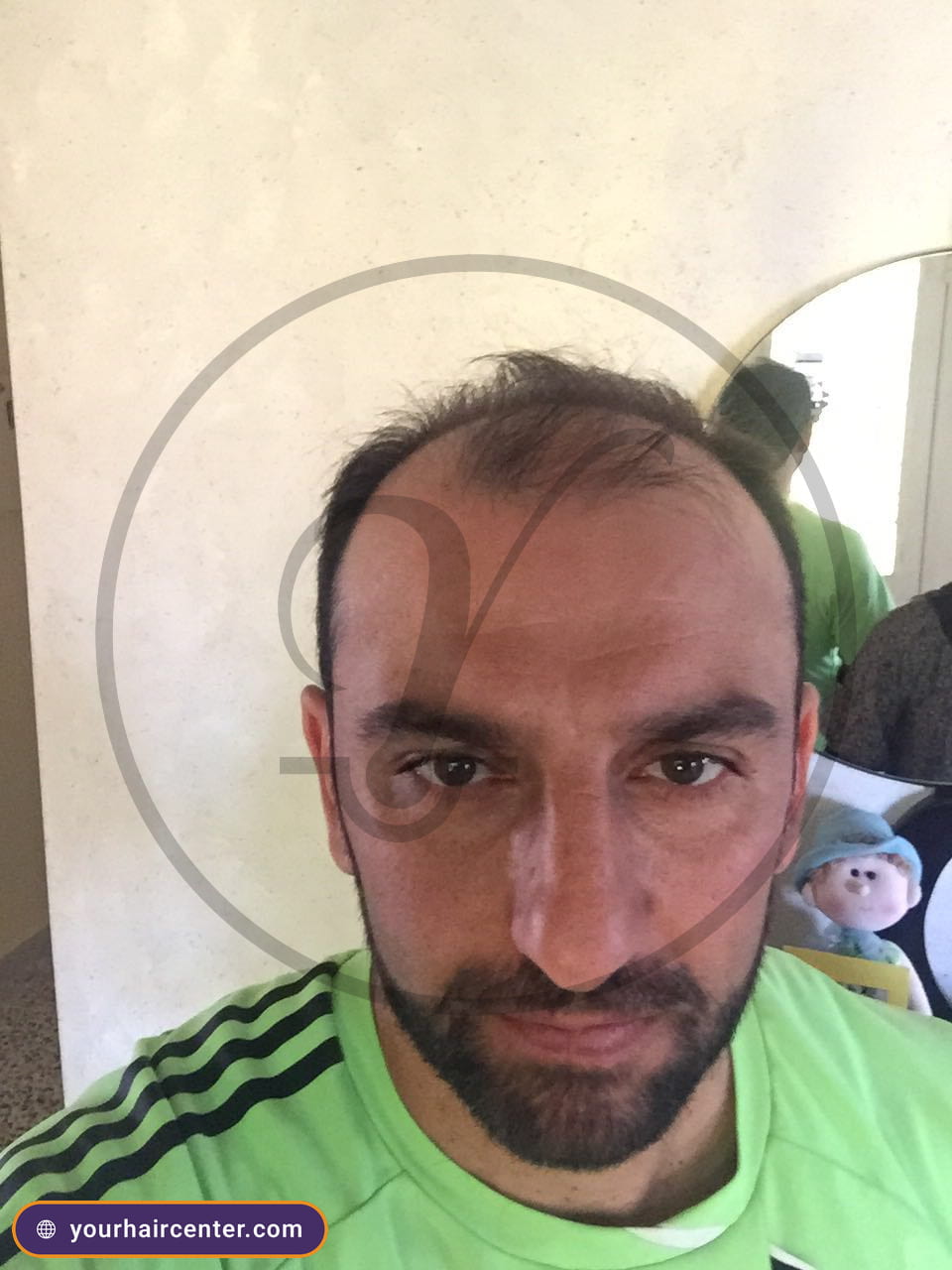
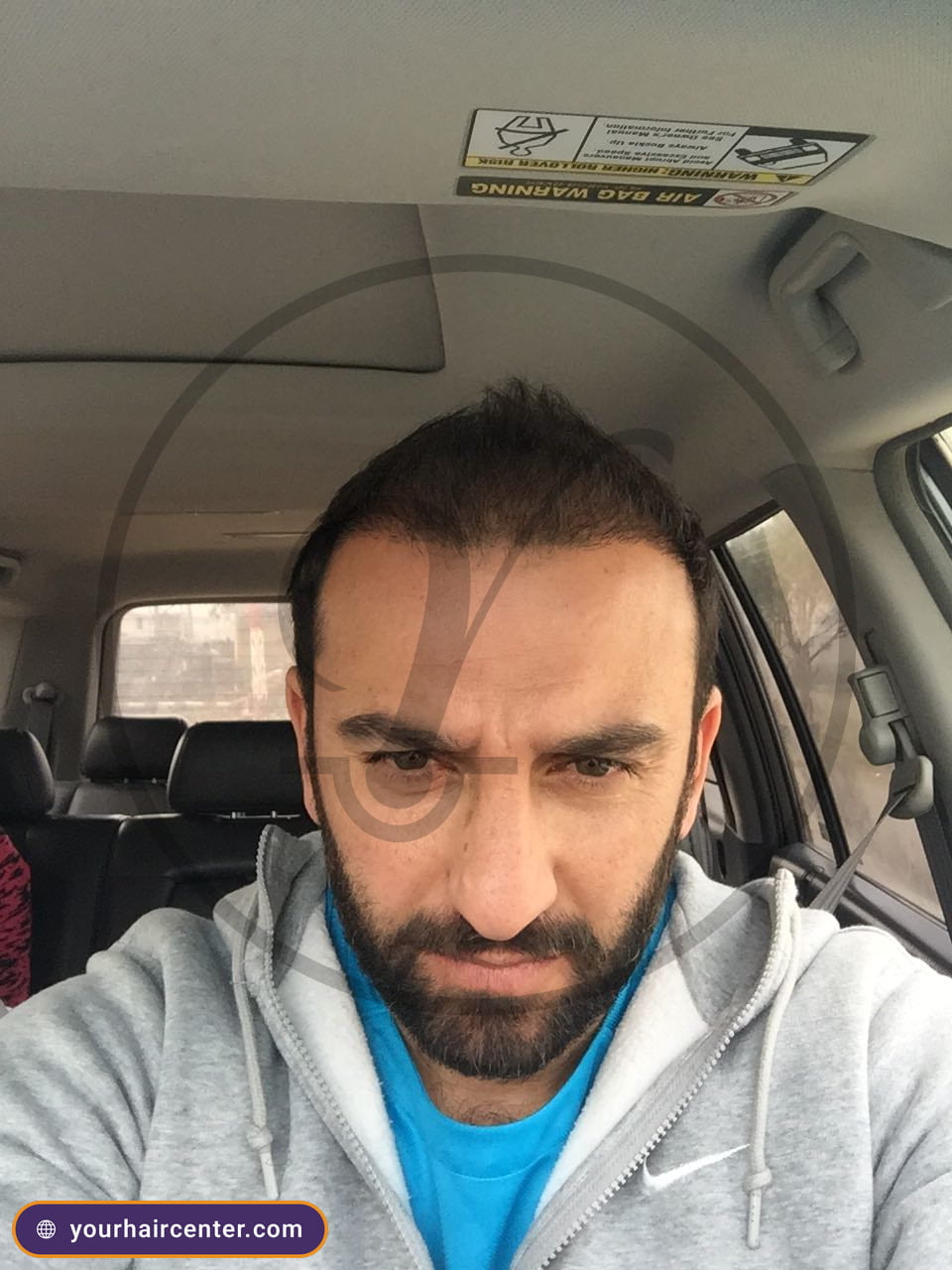
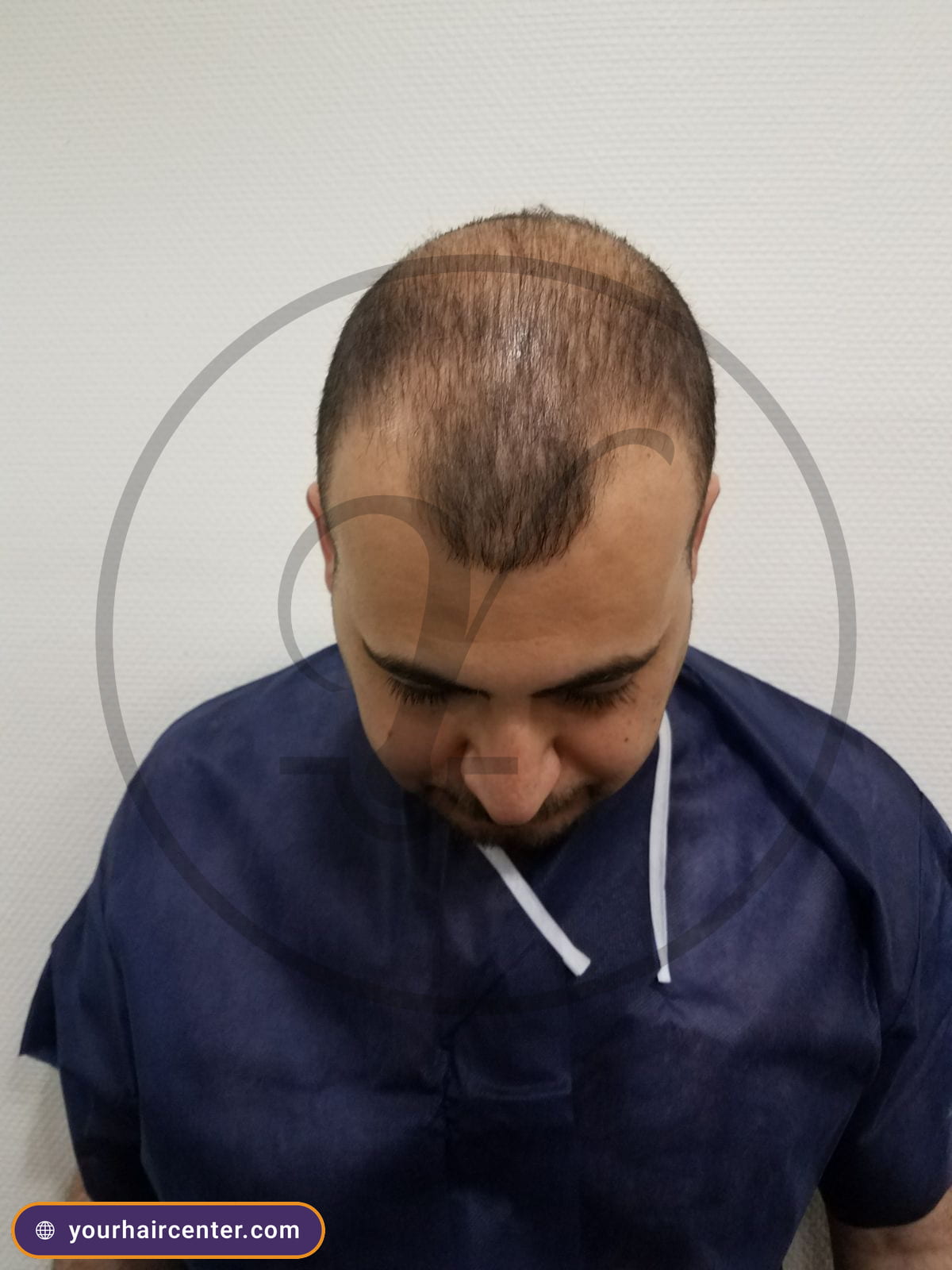
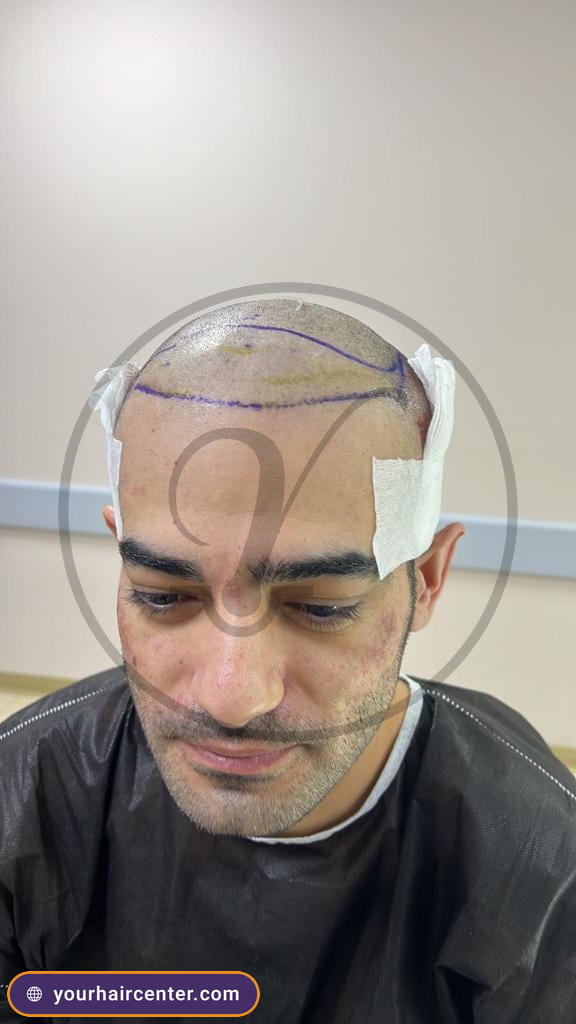
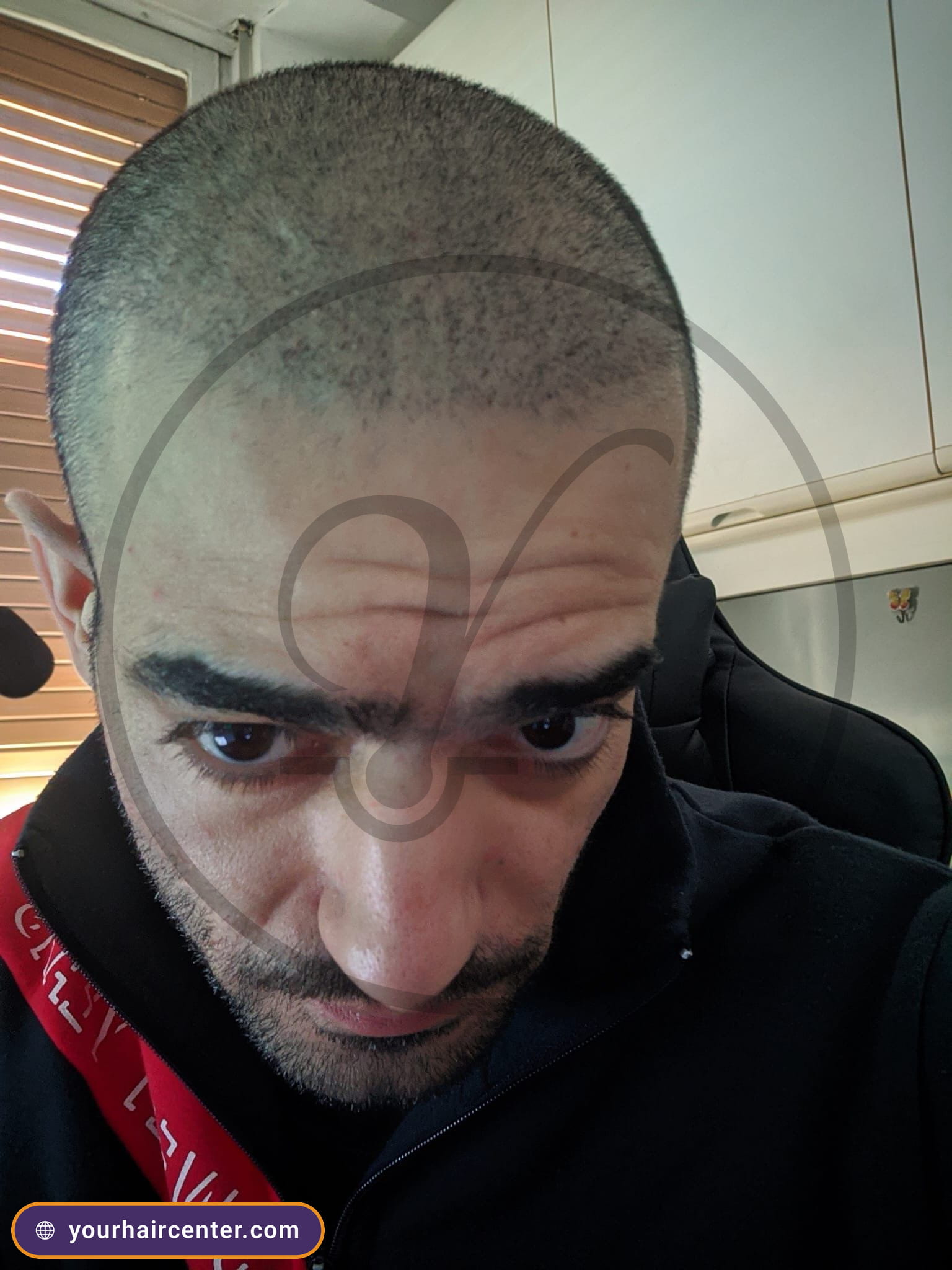
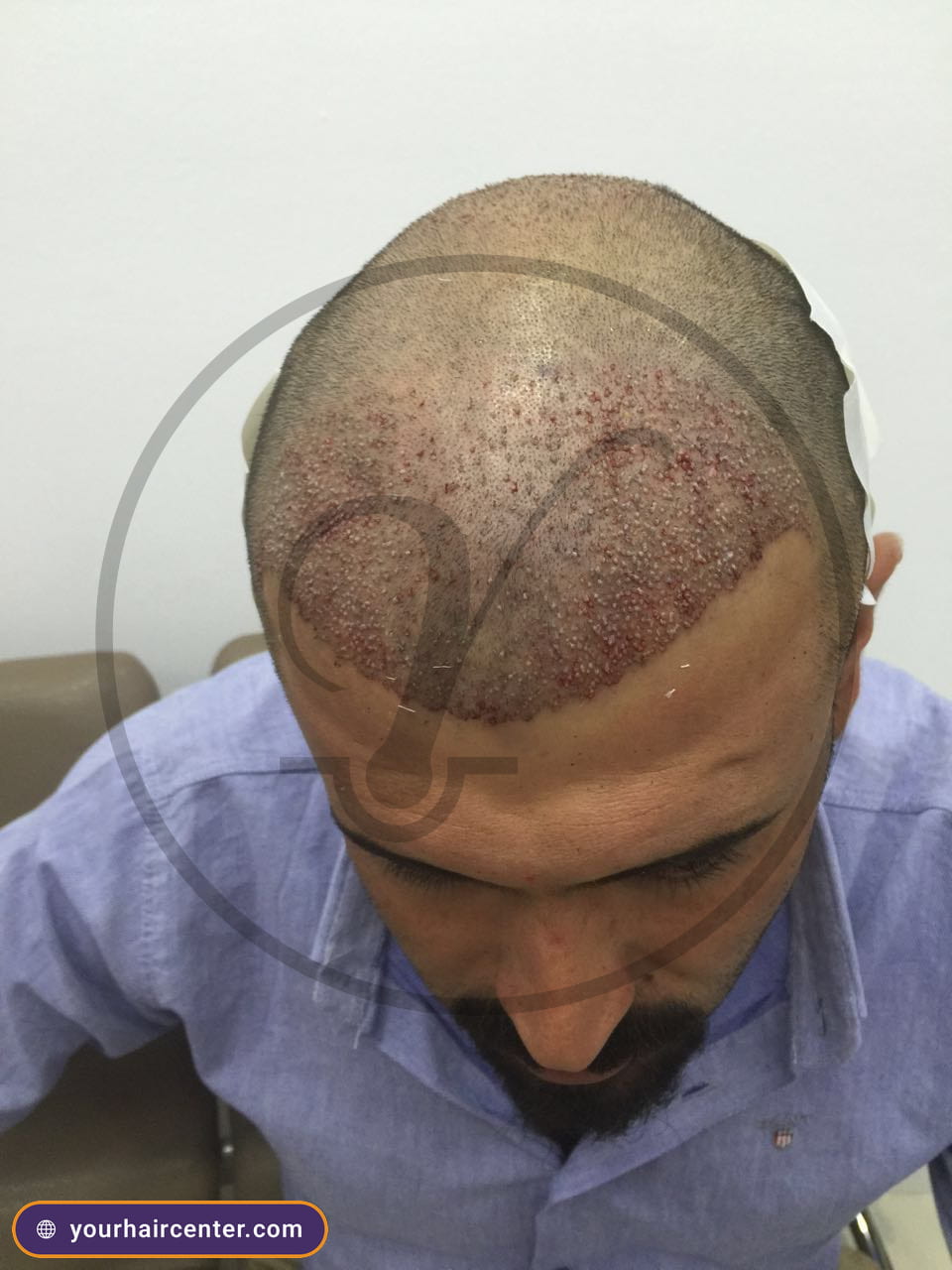
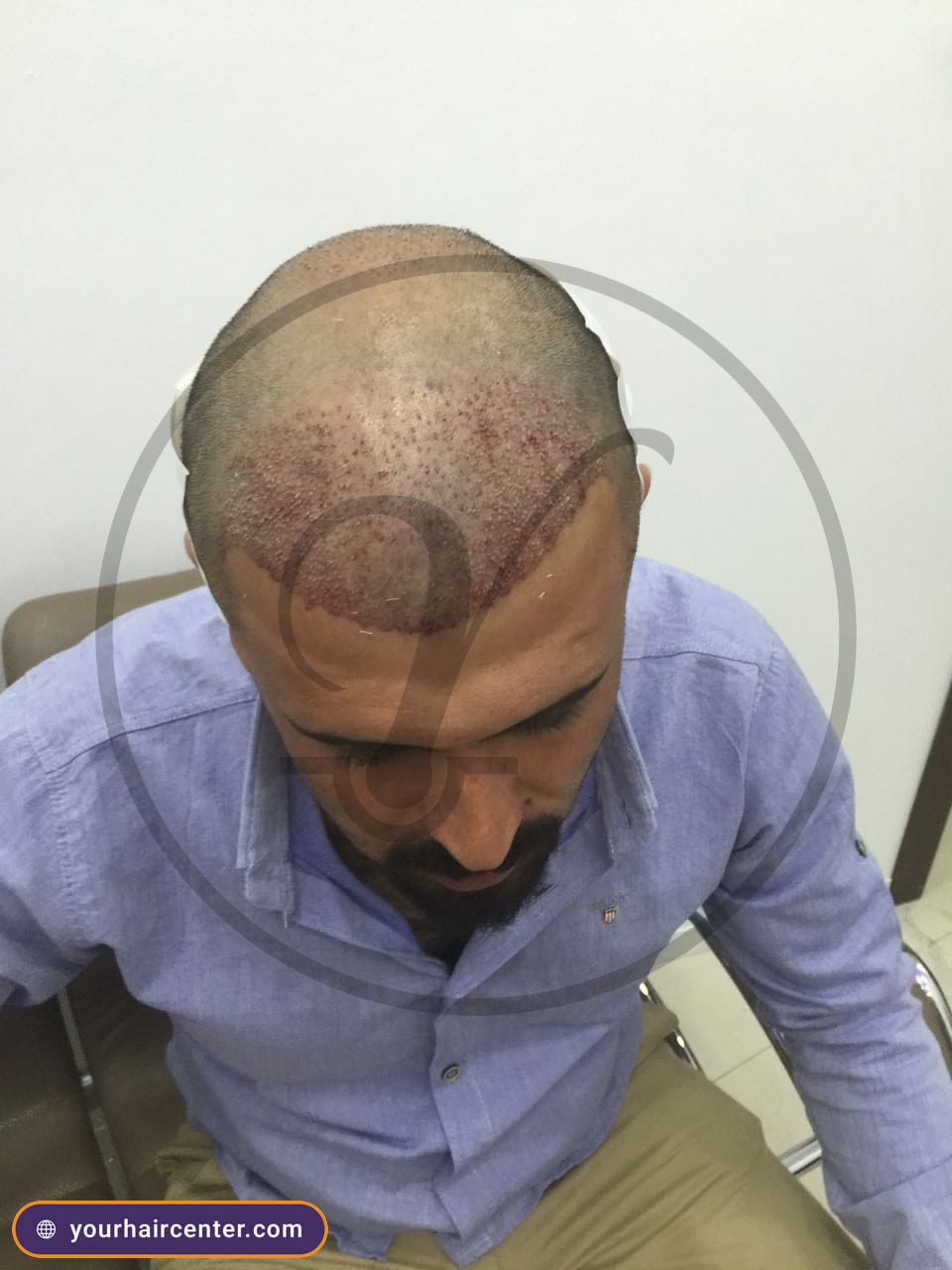
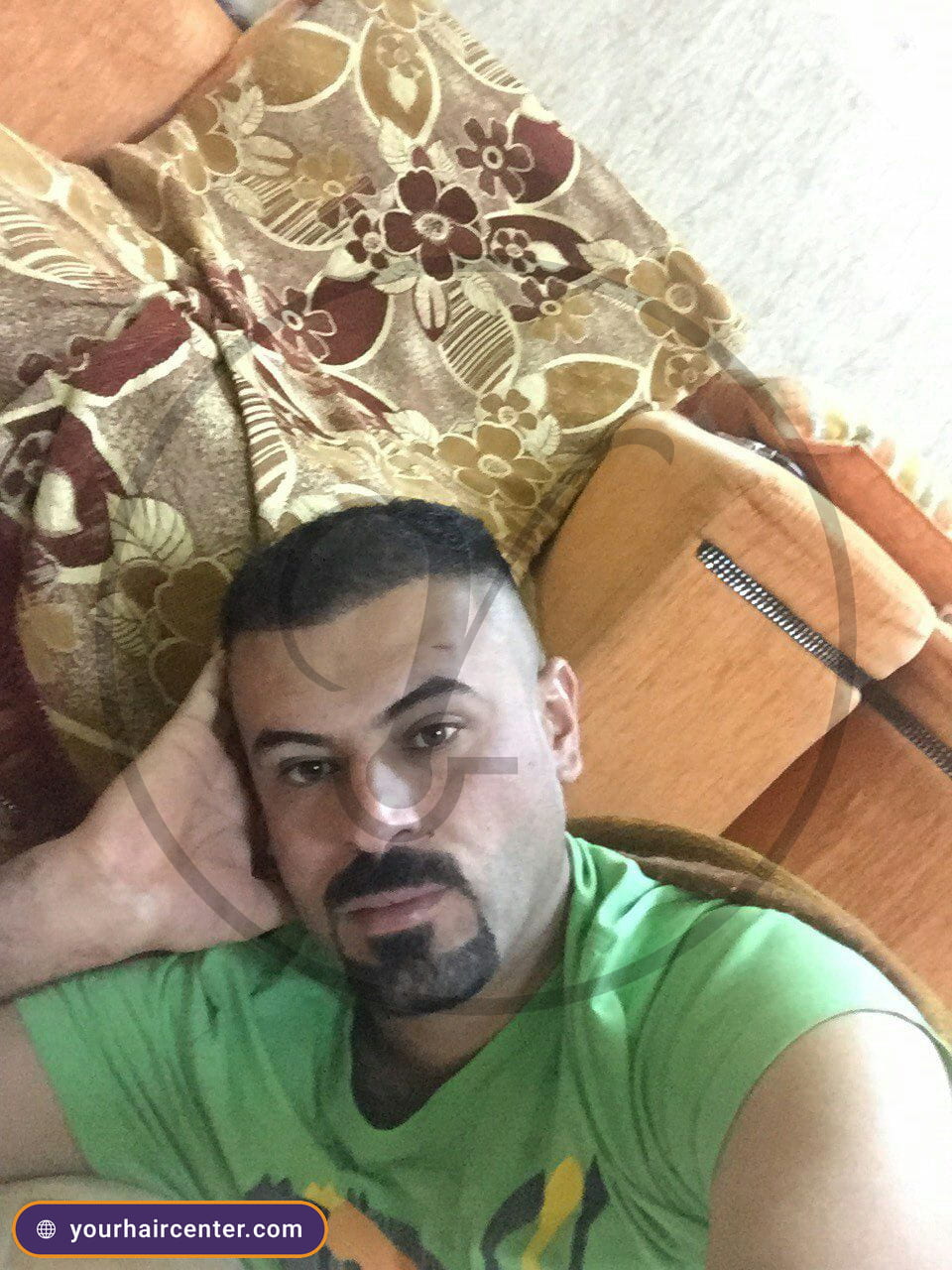
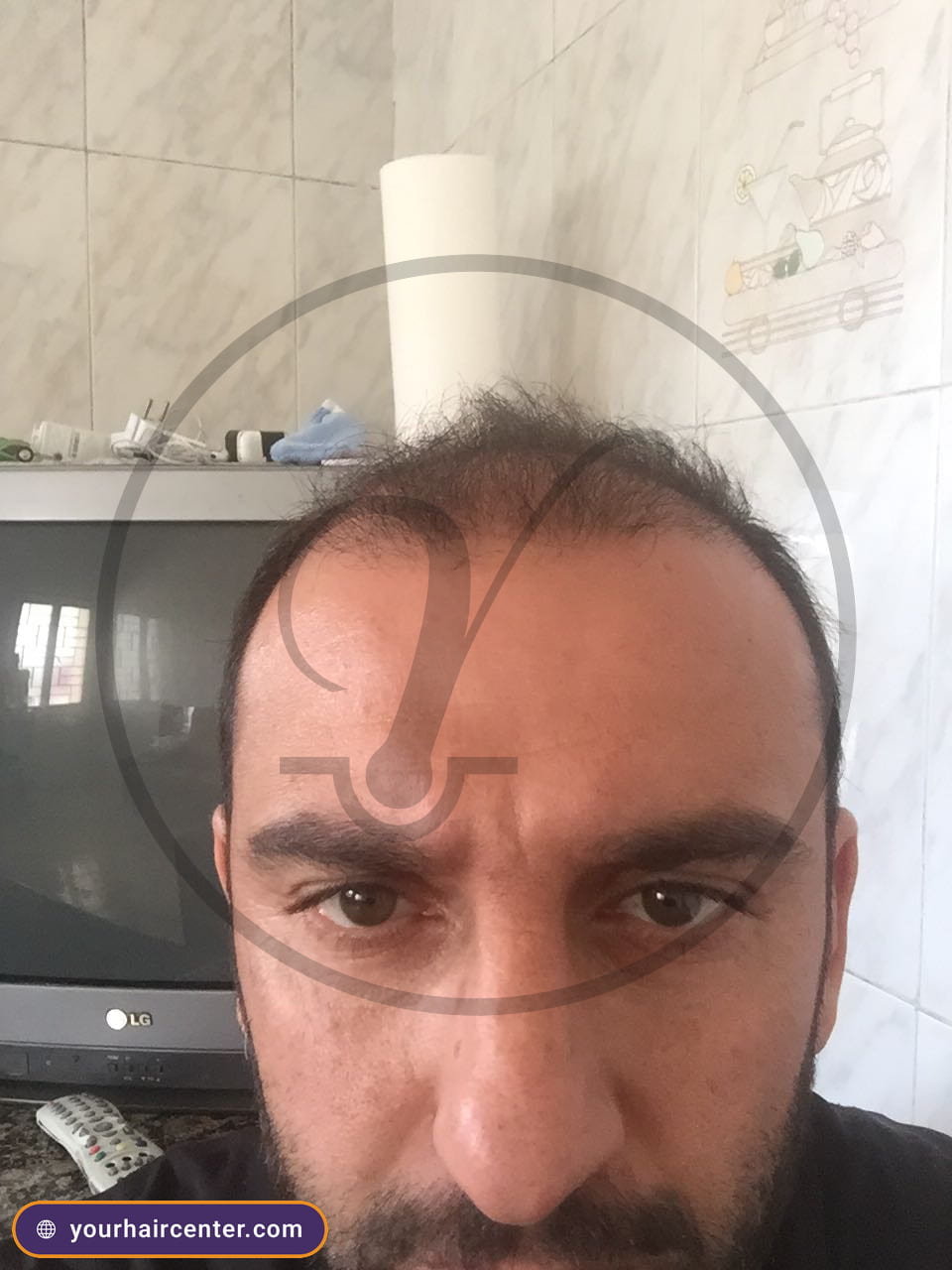
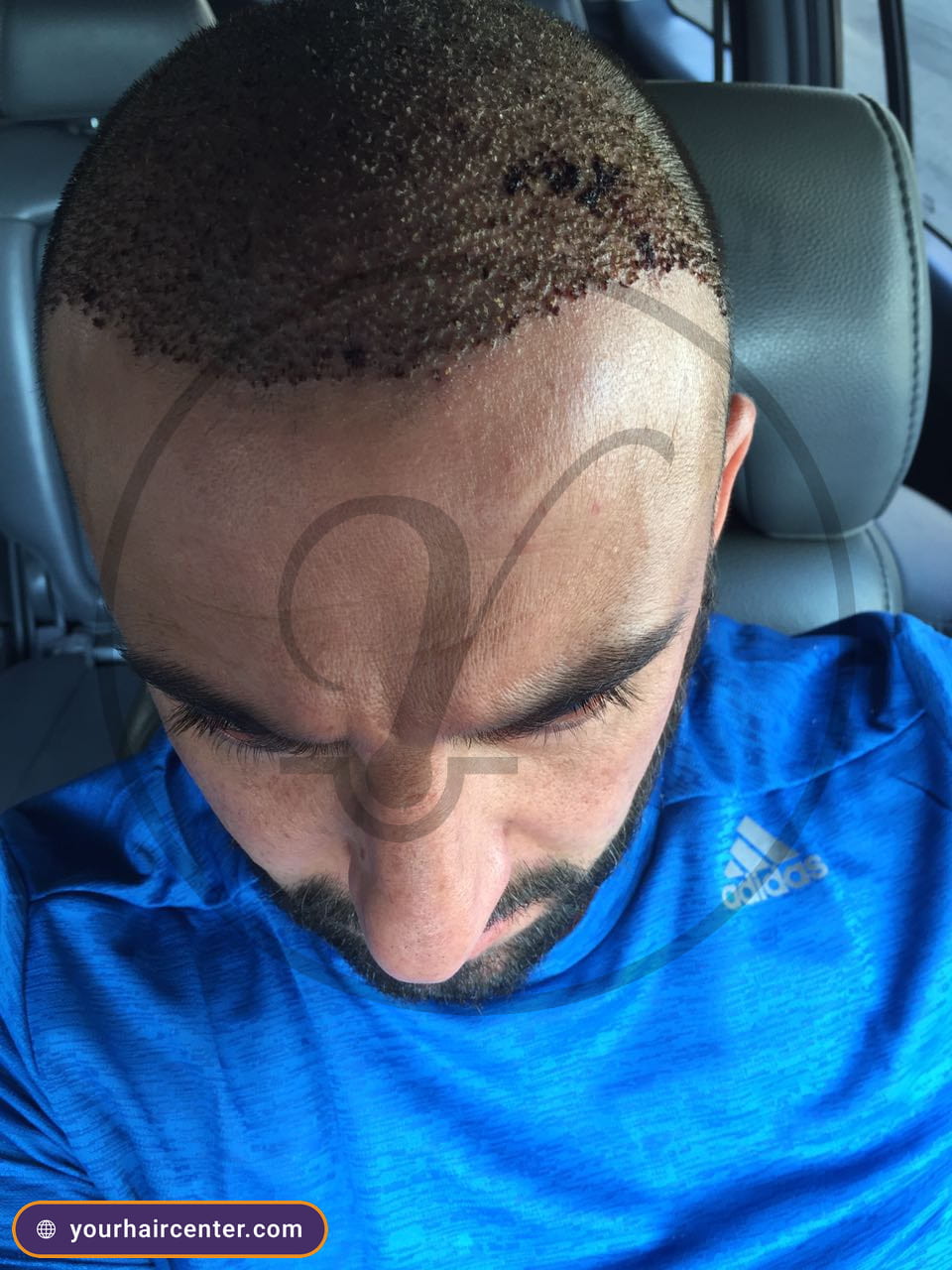
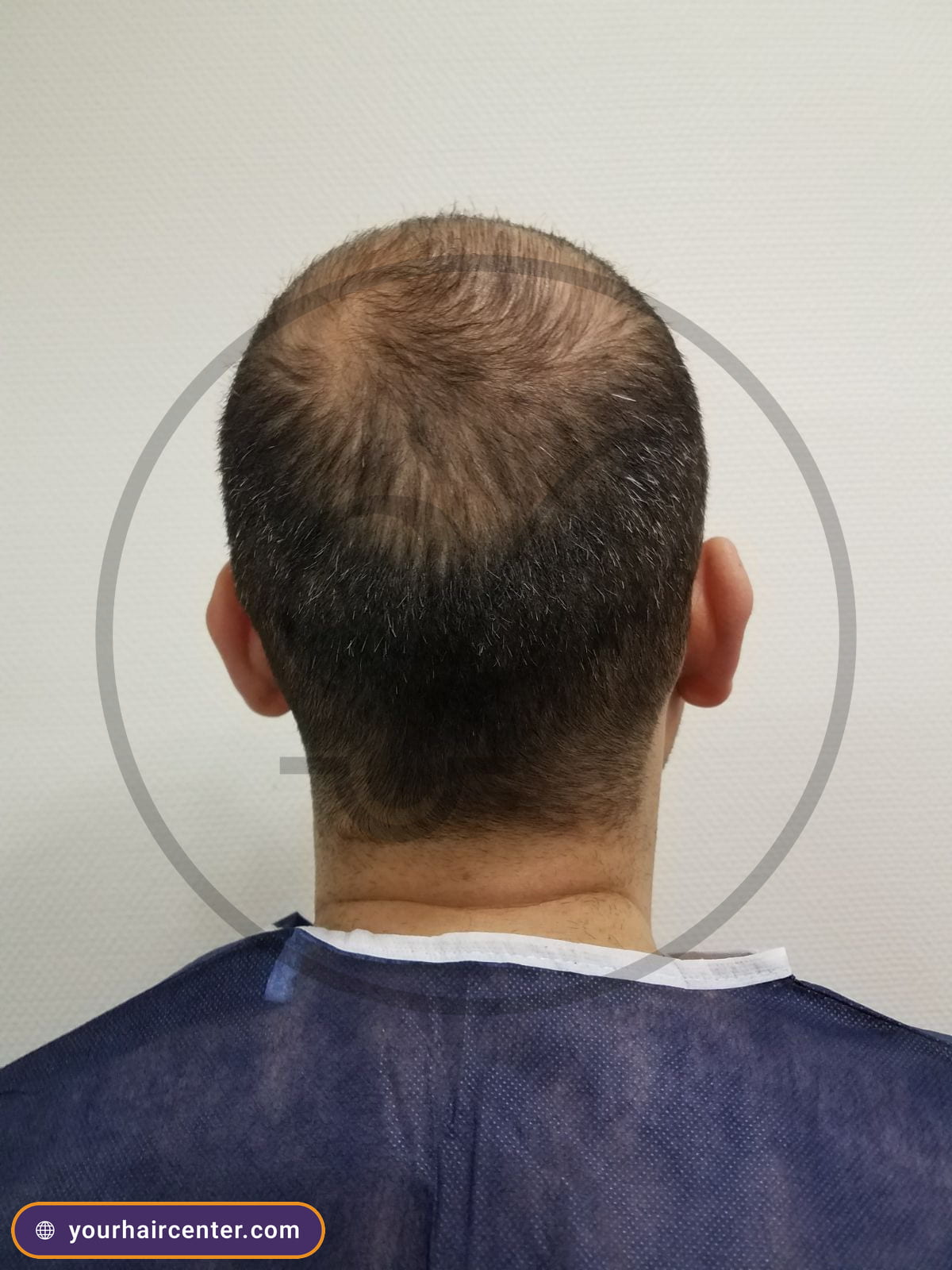
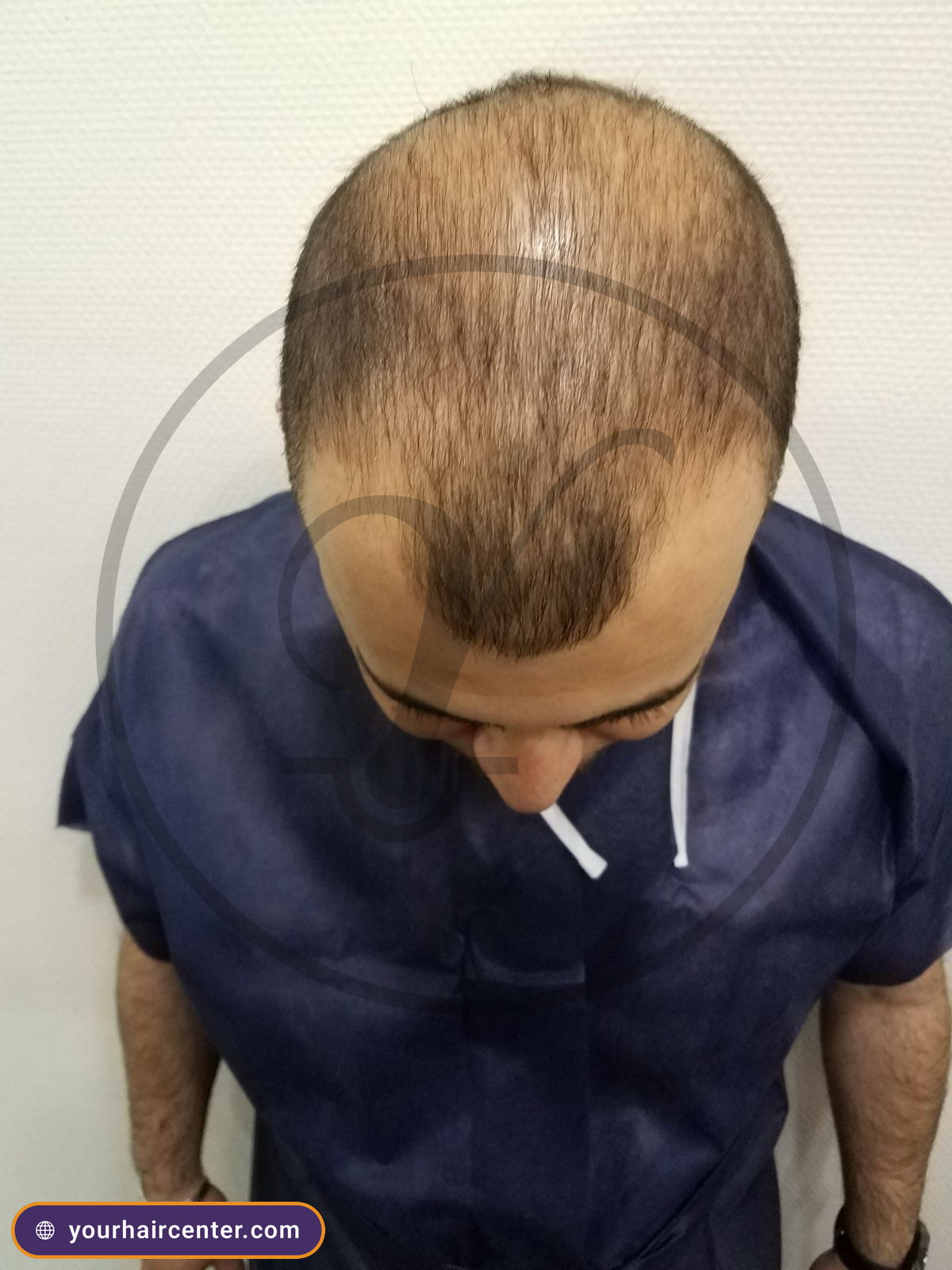
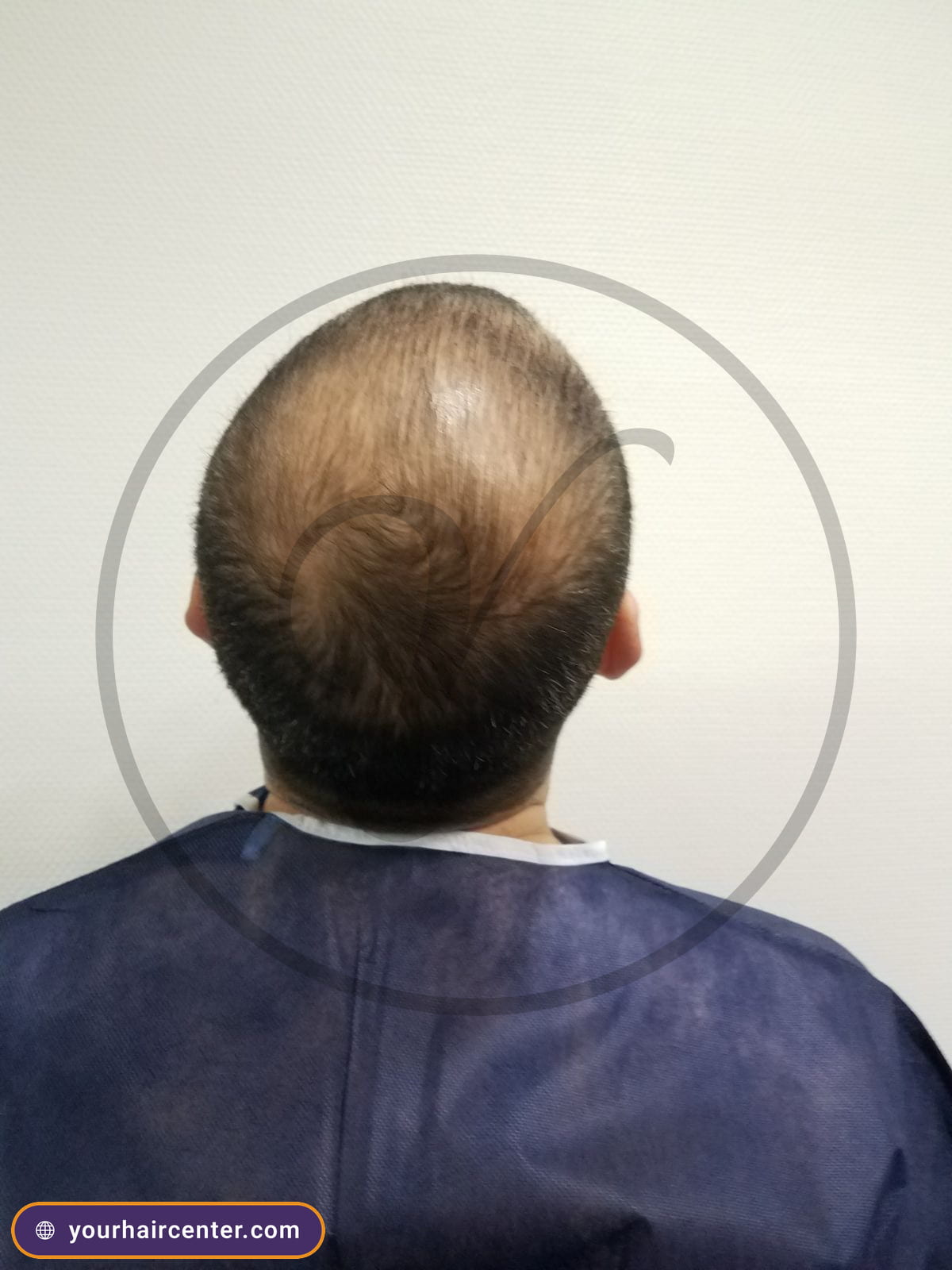
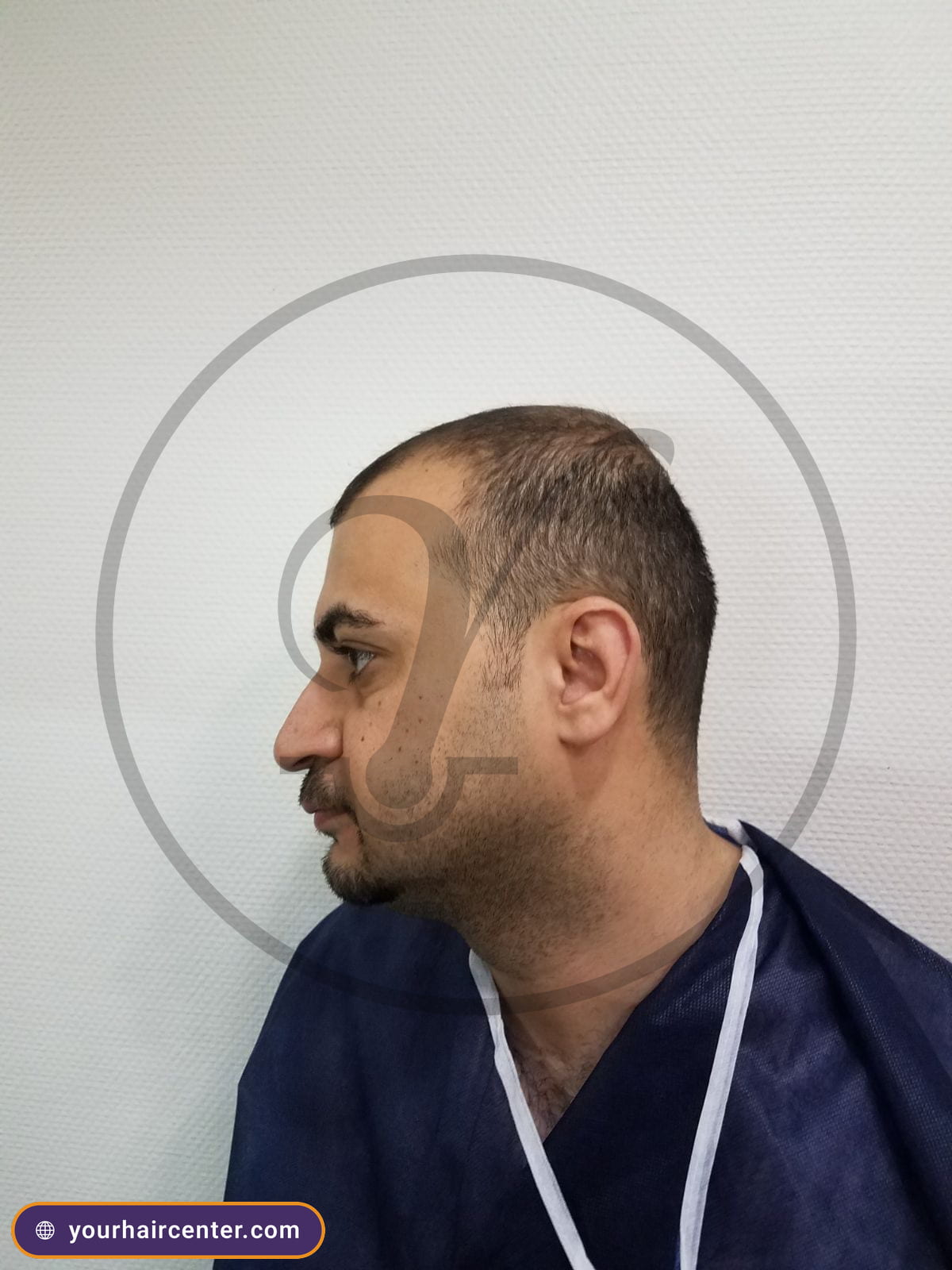
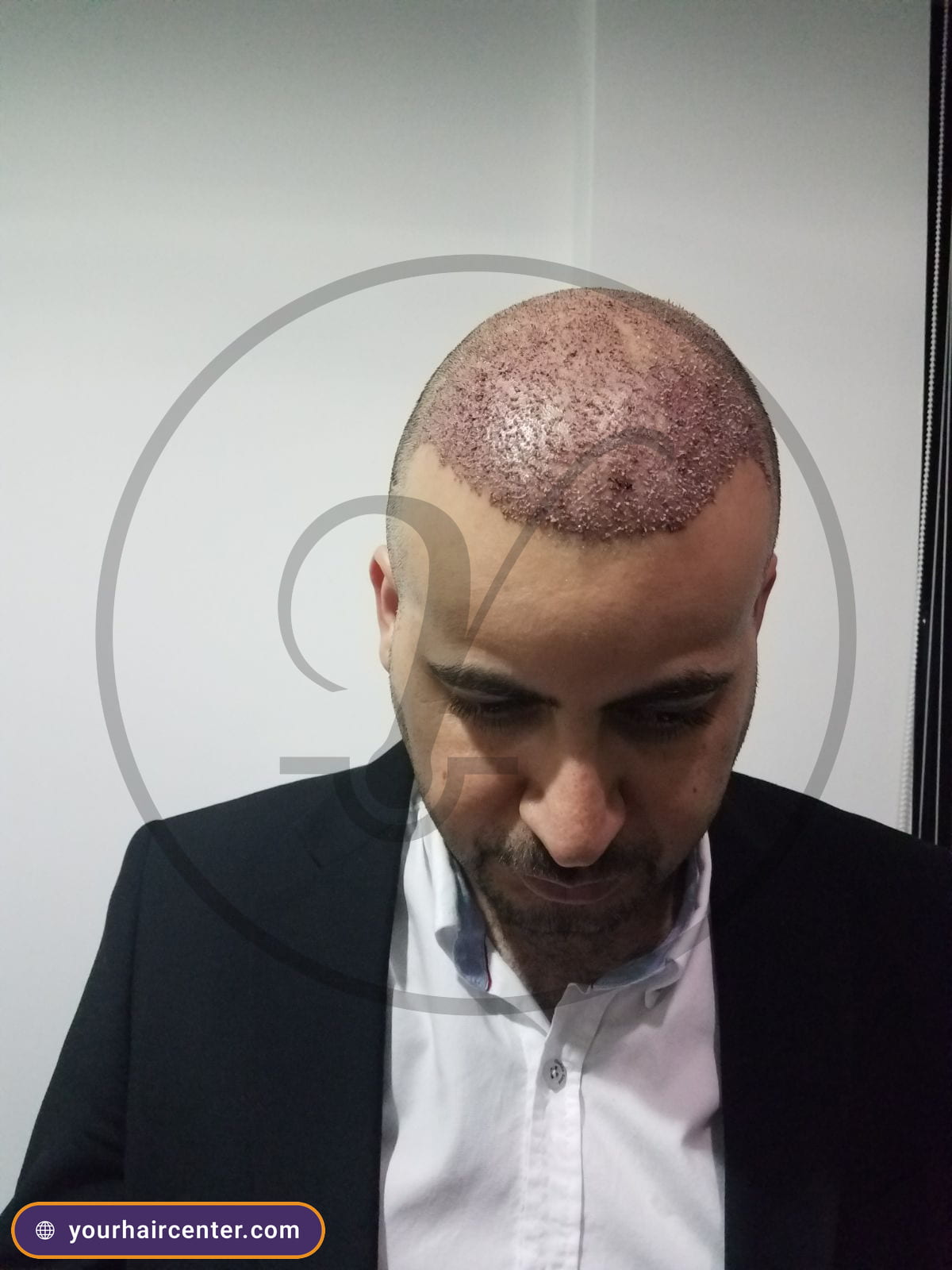
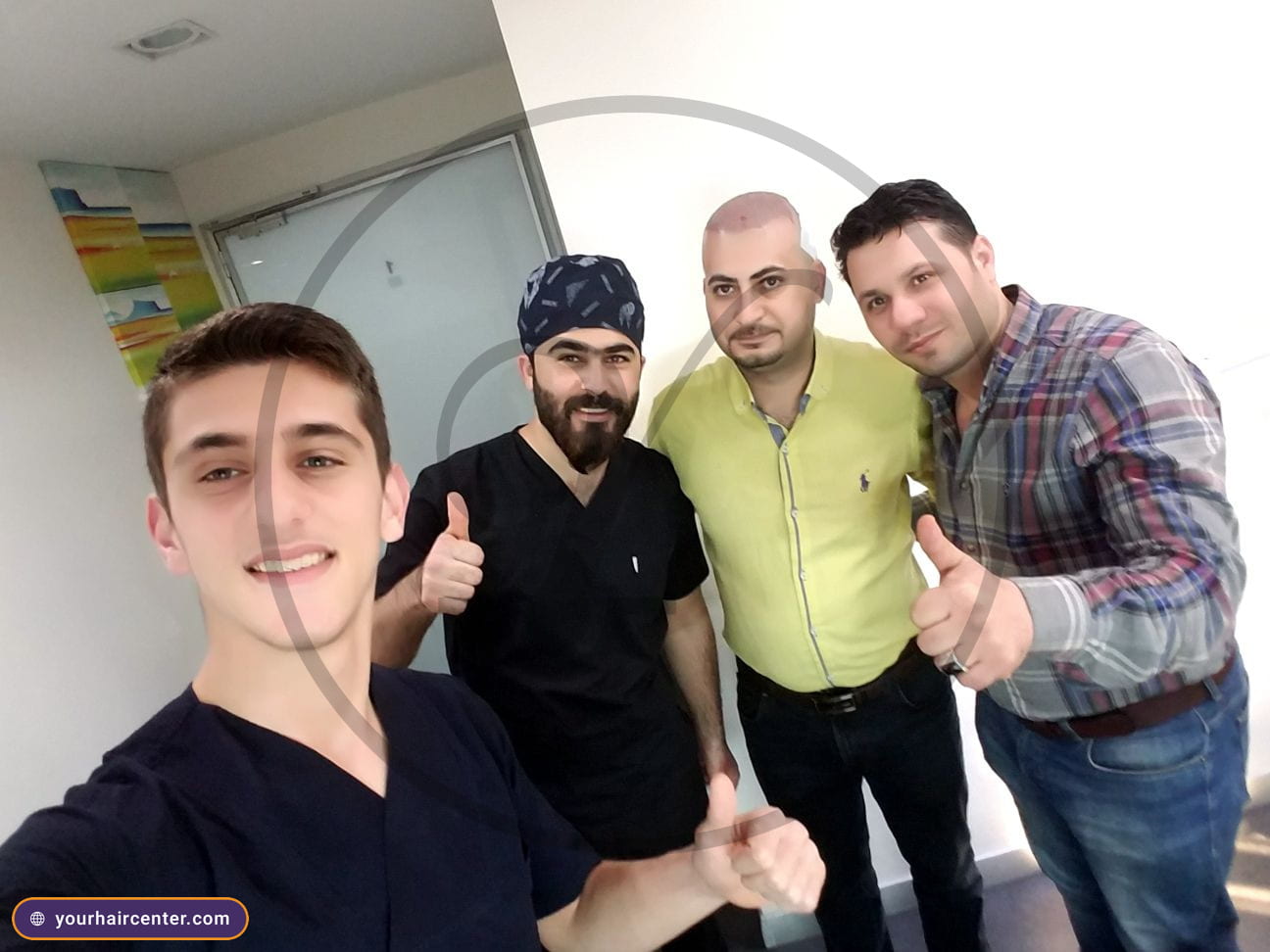
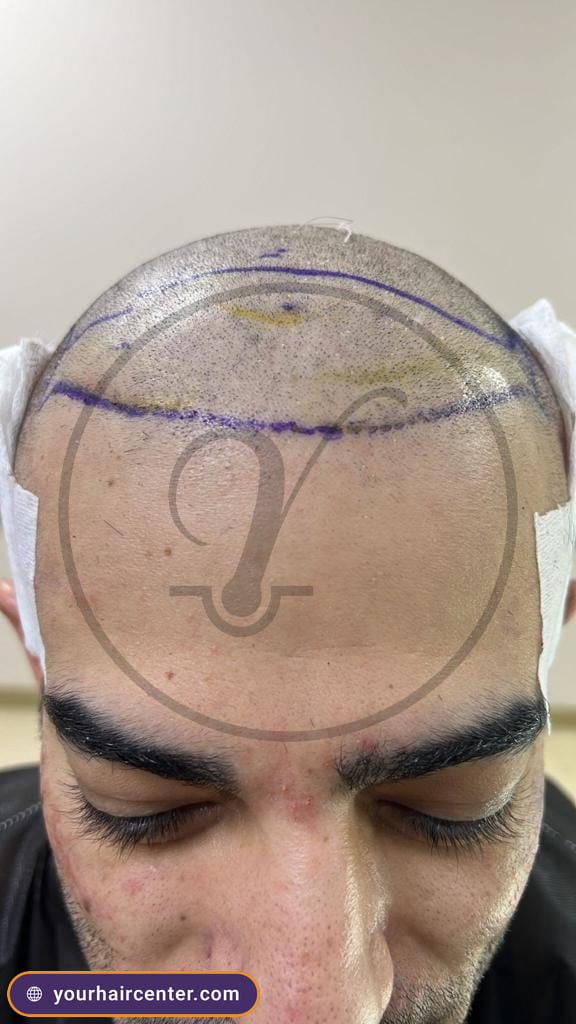
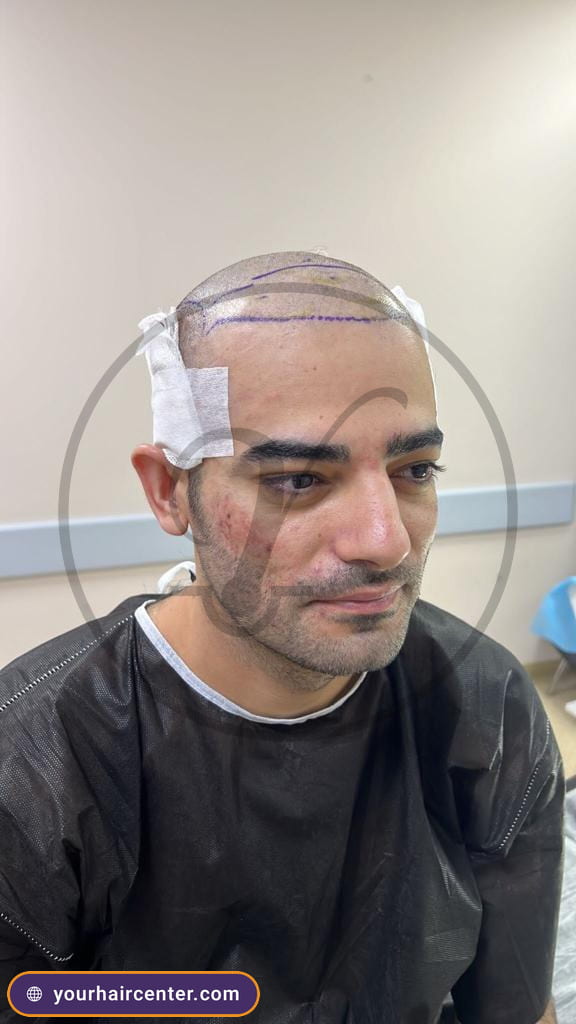
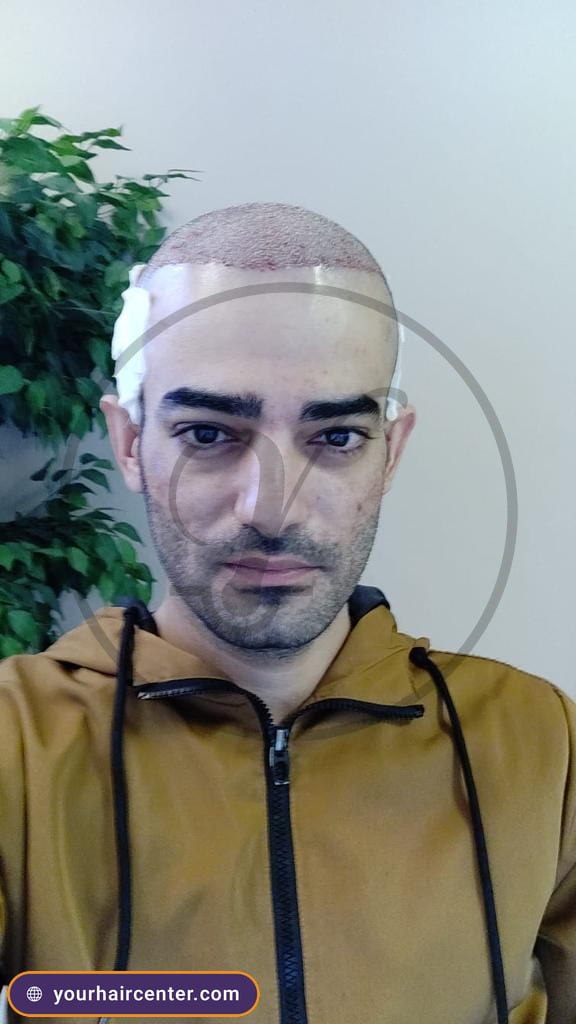
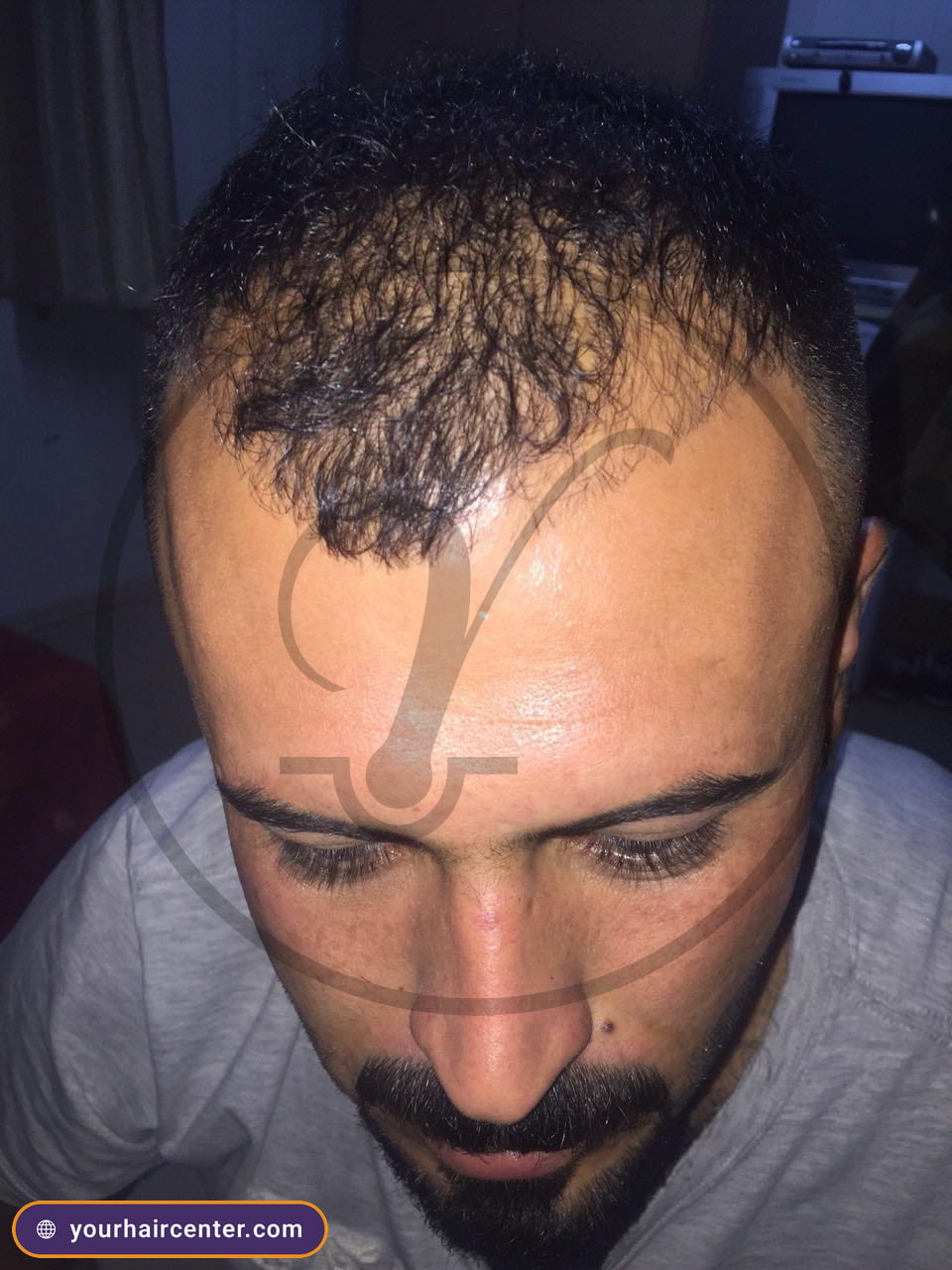
Real hair transplant results from Your Hair Center patients in Istanbul.

Straight follicles grow vertically beneath the skin, which makes extraction straightforward. Curly and coily follicles grow on a curved, sometimes spiral path (especially Type 4B and 4C). That curvature means standard punch tools can slice through the follicle halfway down, destroying it. That failure mode is called transection, and it is the single biggest challenge in any afro hair transplant, in Turkey or anywhere else.
Punches sized to the follicular unit, usually 18 or 19 gauge for the wider units of coily hair, chosen to follow the curve without cutting it.
A punch and a motion that follow the curved follicle path beneath the skin instead of cutting across it.
High-power loupes of 4x to 6x so the surgeon can read the follicle direction before the punch touches the scalp.
transection in published series with punches built for curved follicles, against as much as 80% with conventional punches
Constant tension on the temples and hairline that gradually damages the follicles.
Accumulated weight pulling on the follicles over time causes permanent thinning.
Repeated stitching or bonding weakens the follicles in the attachment zones.
Tight ponytails, high buns, or any daily style that pulls the hair aggressively.
| Specification | Details |
|---|---|
| Anesthesia | Local only, no general anesthesia |
| Procedure duration | 6 to 8 hours, as for any scalp session, with more care on each graft |
| Expected graft count | 2,000 to about 4,000 grafts in one session, larger cases over two days under one plan |
| The operation | One day |
| Return to normal routine | Office work after 3 to 7 days |
We analyze your hair type and the degree of follicle curvature with advanced magnification. Based on that, we determine the required graft count and the best technique for you (Sapphire FUE or DHI).
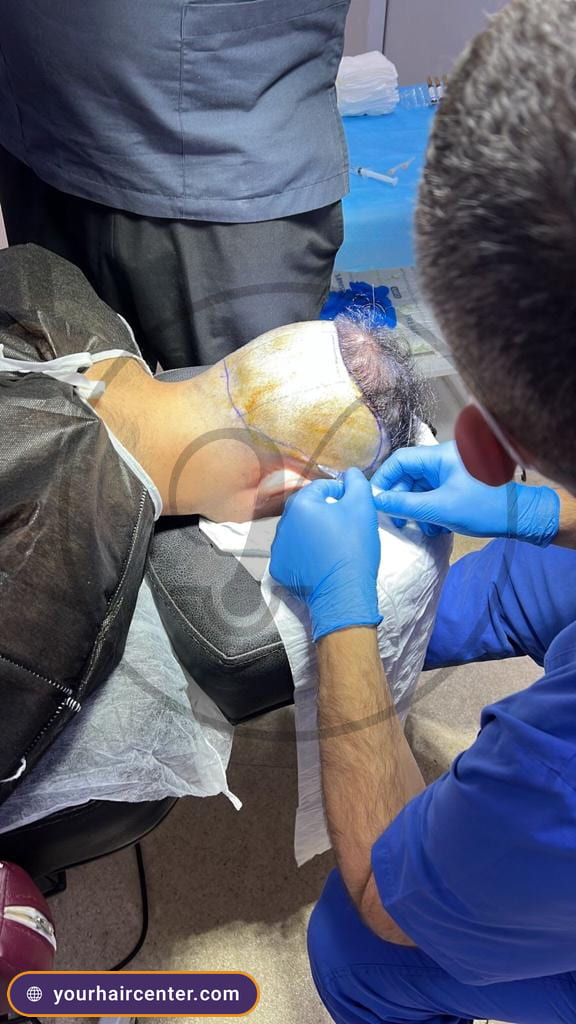
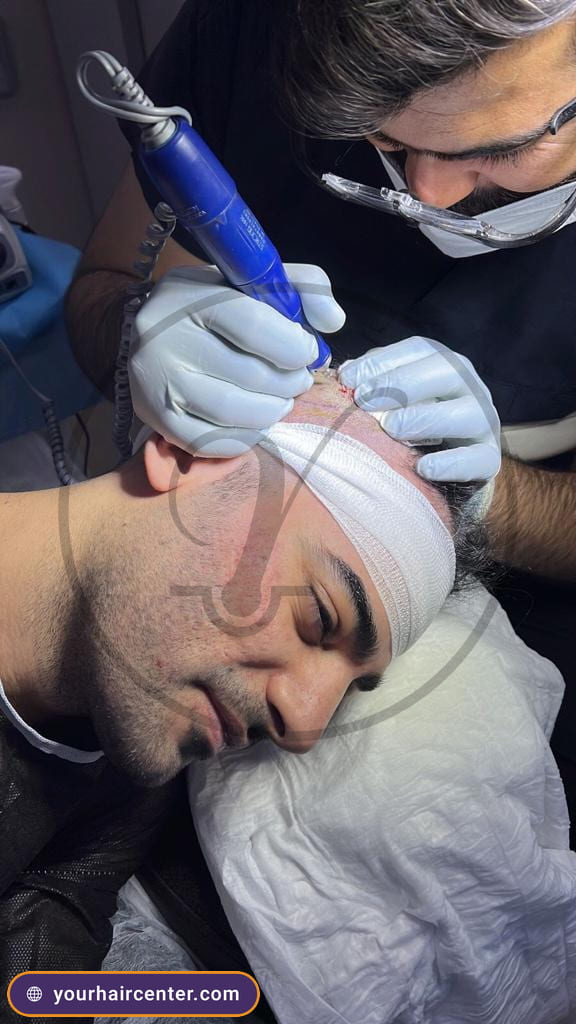
The surgeon uses punches and an extraction motion that follow the curve beneath the skin, so each follicle comes out whole. Each graft takes longer than in straight hair, which is what keeps it intact.
Recipient channels are opened at angles that mirror your natural growth direction. Grafts are then implanted one by one. Recovery then begins with scheduled medical follow-ups.
When can you wash your hair? When can you braid again? When does the curl pattern match? These questions matter for curly and coily hair patients.
Do not wash your hair yourself. The medical team does the first wash the day after the procedure. Avoid touching or scratching the transplanted zone entirely.
Use the medicated shampoo we provide and wash with gentle motions and no friction. Gels and styling products are fine from about two weeks, once the crusts have fallen, while oils and moisturizing products on the grafted area wait until month 3.
You can start using light moisturizing products. Gentle styling with no tension is fine. Still no braids or tight styles yet.
The transplanted follicles are now stable. You can wear loose braids and varied styles. Avoid heavy tension in the transplanted area.
The transplanted hair has taken on its full curl pattern. You can wear any style with complete freedom, including braids, locs, and traditional styles.
Premium with sapphire FUE or Royal VIP with sapphire plus DHI, all-inclusive with the hotel and transfers
The extraction session takes longer because each curved follicle has to be tracked precisely. A full procedure can reach 8 hours.
Punches and extraction heads chosen for curved follicles, which standard cases do not use. Those tools cost more.
A low transection rate demands a surgeon with advanced experience in curved-follicle extraction. That specialist skill is reflected in the price.
I was nervous the transplanted hair wouldn't match my 4B curl pattern. One year in, the texture blends perfectly and nobody can tell where the grafts are. The team clearly knew my hair type the second I walked in.
After years of thinning edges from protective styles, I flew to Istanbul for the afro hair transplant Turkey package. The surgeon walked me through traction alopecia, made sure my shedding had stabilized first, and the hairline looks entirely natural. Worth every penny compared to UK prices.
Yes. Grafts are taken from the donor zone at the back of your head, which carries the same genetic properties as the surrounding hair. The transplanted hair therefore grows in with the same curl pattern, color, and thickness. By the 12-month mark the final result blends seamlessly with the rest of your hair.
Both techniques work for an afro hair transplant in Turkey when paired with specialist tools, and neither one reaches a higher density by itself, because the surgeon plans density zone by zone from what your donor area can supply. With sapphire FUE the recipient sites are usually all opened first and the grafts placed afterwards. The DHI pen opens each site and places the graft in one movement, which makes it easier to implant between existing hair and lets the recipient area stay unshaven. The surgeon picks the right technique based on your evaluation.
Yes, provided the shedding has stopped and you have been free of tension styles for at least 6 months. The surgeon also confirms there is no severe scarring that would prevent new grafts from taking, then discusses the result you can expect after the examination.
Published series of patients of African descent report transection anywhere from 6 to 80 percent of grafts with conventional punches and about 3 to 6 percent with punches built to follow the curve (Umar and colleagues, Dermatologic Surgery, 2023). That is why our team adapts the punch, the extraction motion and the magnification to curly and coily hair.
Between 2,000 and about 4,000 grafts per session, depending on donor density and hair type, and larger cases run over two days under one plan. An afro hair transplant in Turkey takes longer than a standard case because each follicle needs a precise extraction that tracks its curvature, so the session can run up to 8 hours.
After an afro hair transplant in Turkey, loose braids are safe from month 6. Locs and traditional protective styles are safe from month 12, once the grafts have fully settled. We always recommend avoiding very tight styles even after full recovery to protect your results.
Yes, and there are 3 clear reasons. Each graft takes longer to extract, so the same 6 to 8 hour session may yield fewer grafts. The tools involved are specialized and cost more. The surgeon skill required is higher because of the curved-follicle challenge. At Your Hair Center an afro hair transplant in Turkey is planned with sapphire FUE in the Premium package ($2,650) or sapphire plus DHI in Royal VIP ($4,650), both all-inclusive with accommodation and transfers, and the free evaluation confirms the package and the exact price.
Your stay follows the nights in your package, and an afro hair transplant is planned in Premium or Royal VIP. Premium includes 4 hotel nights, so you spend 5 days in Turkey. Day 1 is arrival, day 2 the screening and tests, day 3 the procedure, day 4 the first wash and check-up, and day 5 departure. Royal VIP includes 5 nights with departure on day 6, which leaves room for an extra recovery day or for a larger case that runs over two days under one plan. Both packages include airport transfers both ways.
Your evaluation covers your hair type, the graft count you need, the right technique, and the exact cost of your afro hair transplant in Turkey. No obligation.
successful operations
years of experience
grafts at most in one session
patient satisfaction
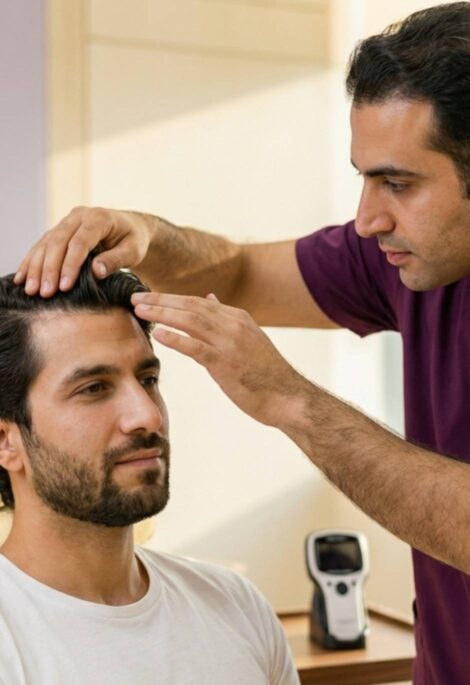
Receding hairline or thinning crown? One session in Istanbul covers most cases, with permanent, natural hair you can style freely.
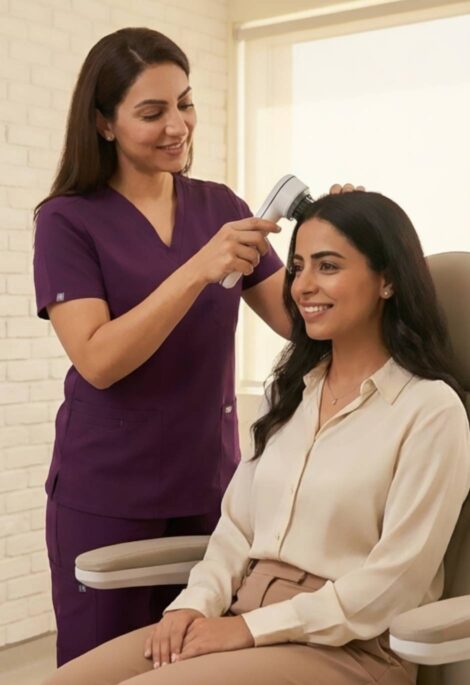
Thinning along the part line or a receding hairline? Permanent density, no shaving, and a women's team that keeps it private.
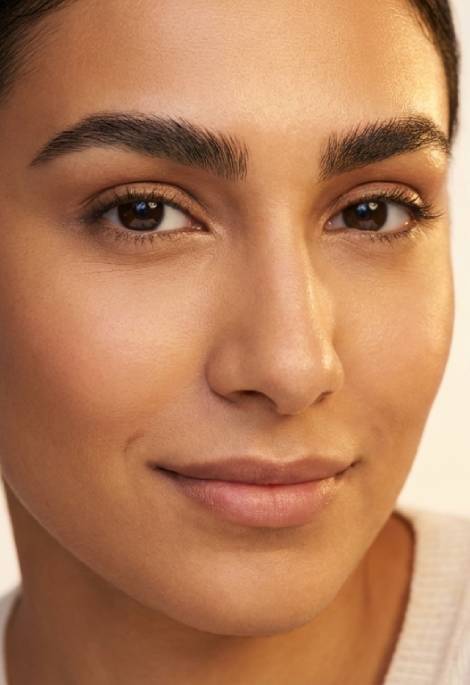
Tired of drawing your brows on every morning? Real follicles, permanent growth, and a natural arch mapped to your face.