Before starting any treatment, you need to know exactly why your hair is thinning. A clinical scalp analysis with 200x digital trichoscopy reveals follicle density, shaft thickness, and hidden thinning zones that the naked eye cannot detect. Combined with targeted lab tests for vitamins, hormones, and minerals, the results give your doctor everything needed to build a treatment plan that is matched to your specific case and goals.

Find the Real Cause Before You Treat It with a Clinical Scalp Analysis and Trichoscopy
Before you start any hair loss treatment, you need a precise scalp analysis that reveals what is actually driving the shedding. A clinical hair and scalp analysis is the first step to diagnose the problem accurately and build a treatment plan that is matched to your specific case.

Why Analyze Before You Treat?
Most patients start hair treatments without ever diagnosing the real cause of their hair loss. The result is wasted time and money on therapies that do not match the underlying condition. A complete scalp analysis maps the state of your follicles, the health of your scalp skin, and the vitamin and hormone levels that drive hair growth. With those findings in hand, the doctor builds a targeted plan that treats the problem at its source.
Do You Notice Any of These Signs?
Excessive Daily Shedding
Finding unusual amounts of hair on your pillow or in the shower drain? That points to a disruption in the follicle growth cycle. Needs a follicle exam
Receding Frontal Hairline
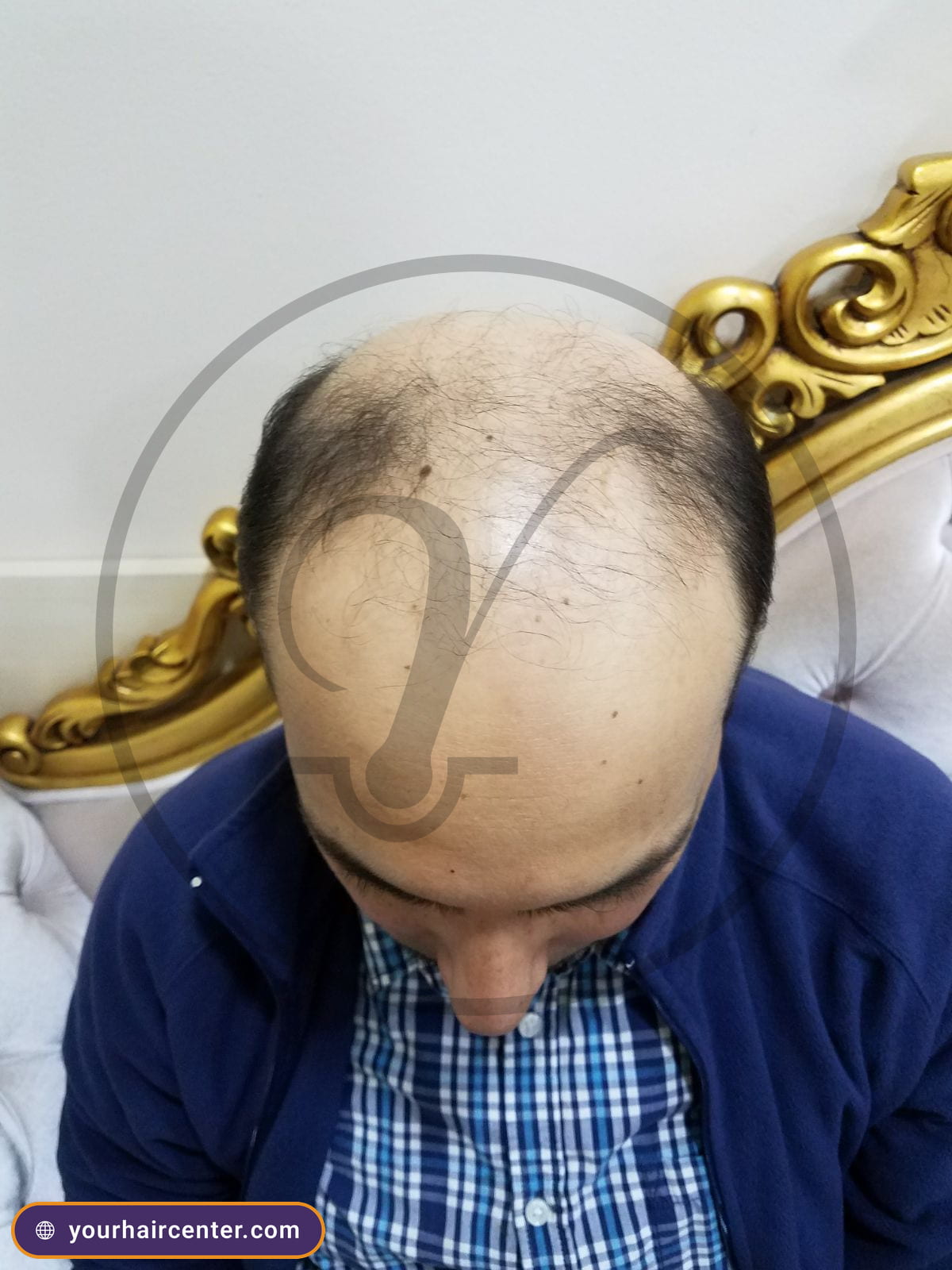
Visible gaps at the front of the scalp or along the temples? This is often linked to genetic male pattern hair loss and requires follicle density mapping. Needs a density analysis
Persistent Itching and Dandruff
Constant itching paired with chronic flakes? You may have scalp inflammation affecting follicle health. Needs a scalp exam
Gradual Thinning
Your hair is steadily getting finer with no obvious trigger? A hormonal imbalance could be shrinking your follicles. Needs a hormone panel
Dull, Weak, Brittle Hair
Your hair has lost its shine and now snaps easily? This often traces back to a deficiency in core vitamins and minerals. Needs a vitamin panel
Shedding After Pregnancy or Illness
Sudden shedding after childbirth, surgery, or severe stress? A full evaluation finds what is driving the loss and whether it will settle on its own. Needs a full assessment
What Is a Hair and Scalp Analysis?
A Clinical Exam That Sees What the Naked Eye Cannot
A scalp analysis is a specialized medical exam that uses a digital trichoscope to inspect the scalp and follicles at up to 200x magnification. The exam reveals follicle density, hair shaft thickness, the ratio of active follicles to dormant ones, and areas of thinning that are invisible to the naked eye.
Clinical Trichoscopy vs Supporting Lab Tests
A full analysis has two complementary parts. The clinical side happens at a partner clinic in Istanbul with a digital trichoscope and shows the current state of your follicles and scalp in real time. The lab side uses a blood sample to reveal the vitamin, hormone, and mineral imbalances that drive hair loss from the inside.
70% of Hair Loss Cases Can Be Treated Without a Transplant When Caught Early
What Does a Trichoscopy Report Actually Show?

Follicle Density Map
A region-by-region map of follicle distribution across the scalp, showing exactly where thinning has started and how far it has progressed.
Scalp Health Index
A full assessment of sebum levels, dryness, inflammation, and the overall condition of the scalp skin.
Hair Shaft Thickness
Micron-level measurements of shaft diameter that expose early miniaturization long before it becomes visible.
Anagen to Telogen Ratio
The percentage of follicles in active growth compared with those in the resting phase, calculated per region.
Miniaturization Zones
Identification of follicles that have started to shrink and are losing strength with each growth cycle.
Personalized Treatment Plan
A clear recommendation, built from every finding above, that names the next step and why it fits your case.
Two Types of Scalp Analysis. Which One Do You Need?
Digital Trichoscopy at a Partner Clinic
This exam happens at a partner clinic using a digital trichoscope that magnifies the scalp up to 200x. The clinical trichoscopy covers three core areas. Digital Trichoscopy is a 200x exam that reveals the state of each follicle, shaft thickness, and the microscopic changes that the naked eye cannot catch. Density Mapping counts follicles per square centimeter across different regions of the scalp to pinpoint thinning zones with accuracy. Scalp Assessment checks sebum levels, dryness, inflammation, and the overall condition of the scalp skin.
Complementary Lab Tests from a Blood Sample
Lab tests expose the internal drivers of hair loss through a simple blood draw and cover four core groups. Hair Vitamin Panel measures vitamin D, B12, biotin, and zinc. Deficiency in these is one of the most common and most reversible causes of shedding. Hair Loss Hormone Panel checks DHT, testosterone, and thyroid hormones (TSH). Hormonal imbalance is a primary driver of genetic baldness in men and diffuse shedding in women. Mineral Panel measures iron, ferritin, and selenium. These minerals are essential to the strength and structure of the hair shaft. General Blood Work includes a full CBC, CRP inflammatory marker, and ANA. It surfaces autoimmune or inflammatory disease that may be affecting the scalp.
Different Tests for Men and Women
Our 4-Step Diagnostic Protocol
Initial Consultation
The doctor reviews your medical history, shedding pattern, current medications, and family history. You can send photos ahead of the visit via WhatsApp for a preliminary assessment.
Digital Scalp Trichoscopy
A 200x digital trichoscope captures the state of your follicles, shaft thickness, and microscopic thinning zones. The exam uses no needles and takes about 15 minutes.
Supporting Lab Tests
A blood sample is drawn to check vitamin, hormone, and mineral levels. The specific panel is chosen based on the clinical findings and on whether the patient is male or female.
Report and Treatment Plan
You receive a detailed report of every finding together with a personalized treatment plan. The doctor walks through each result and sets the exact next step for your case.
Scalp Analysis and Diagnostic Packages
Basic Package
- Digital scalp trichoscopy
- Follicle density map
- Scalp health assessment
Comprehensive Package, Most Requested
- Everything in the Basic package
- Hair vitamin panel (D, B12, biotin, zinc)
- Hair loss hormone panel (DHT, testosterone, TSH)
- Mineral panel (iron, ferritin, selenium)
- Personalized treatment plan with the doctor
Advanced Package
- Everything in the Comprehensive package
- Advanced blood work (CBC, CRP, ANA)
- One session of PRP or mesotherapy
- 3-month follow-up
- WhatsApp follow-up directly with the doctor
- Priority booking for future appointments
Scalp Analysis Is Fully Complimentary with Any Hair Transplant Package
From Diagnosis to Treatment. Your Personal Pathway
Your scalp analysis points to one of four treatment pathways, chosen by the doctor to fit your specific findings:
- A precise scalp analysis prevents rushed decisions
- Most cases only need a targeted non-surgical treatment
- The doctor recommends a transplant only when it is genuinely the right fit
What Our Patients Say About the Analysis
I was convinced I needed a full hair transplant. After the scalp analysis at Your Hair Center, the doctor showed me it was a vitamin D and iron deficiency, not permanent loss. Three months into the treatment plan, my density is noticeably back. The analysis saved me thousands of dollars on a surgery I did not actually need.
The doctor walked me through every single line of the trichoscopy report. It was the first time anyone had actually explained why my hair was thinning instead of just pushing a treatment at me. I am six months into a personalized plan now and the change is real.
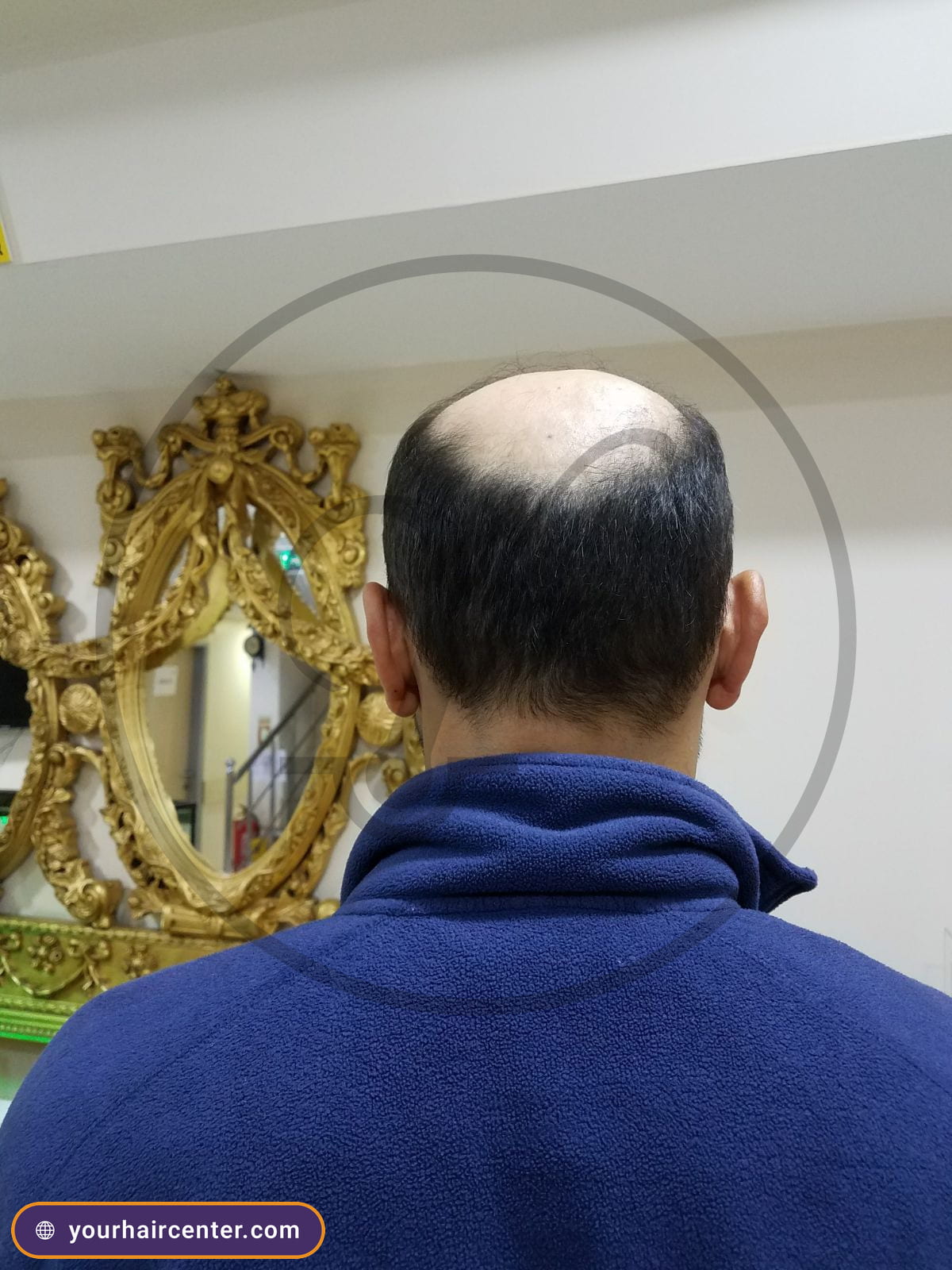
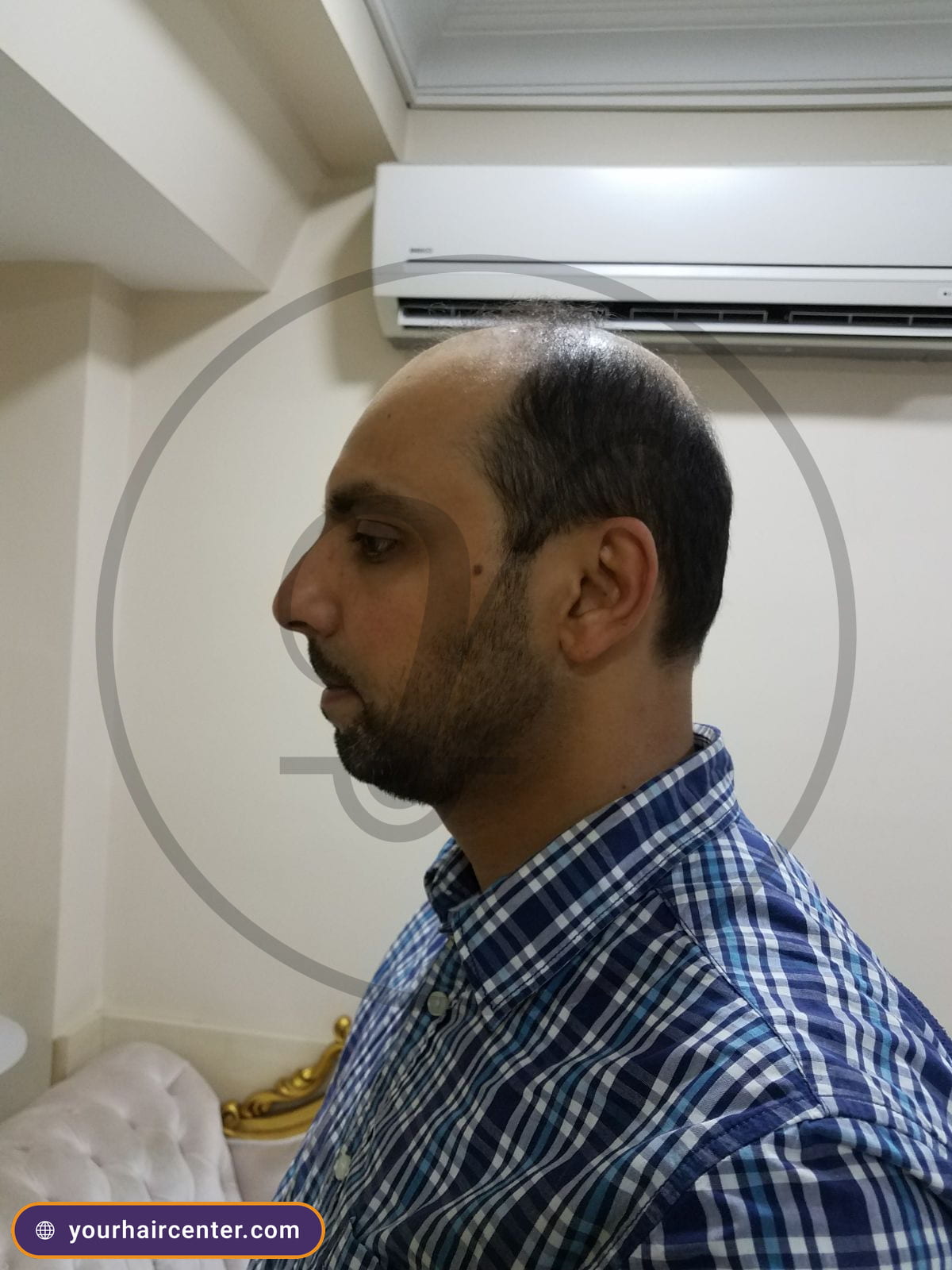
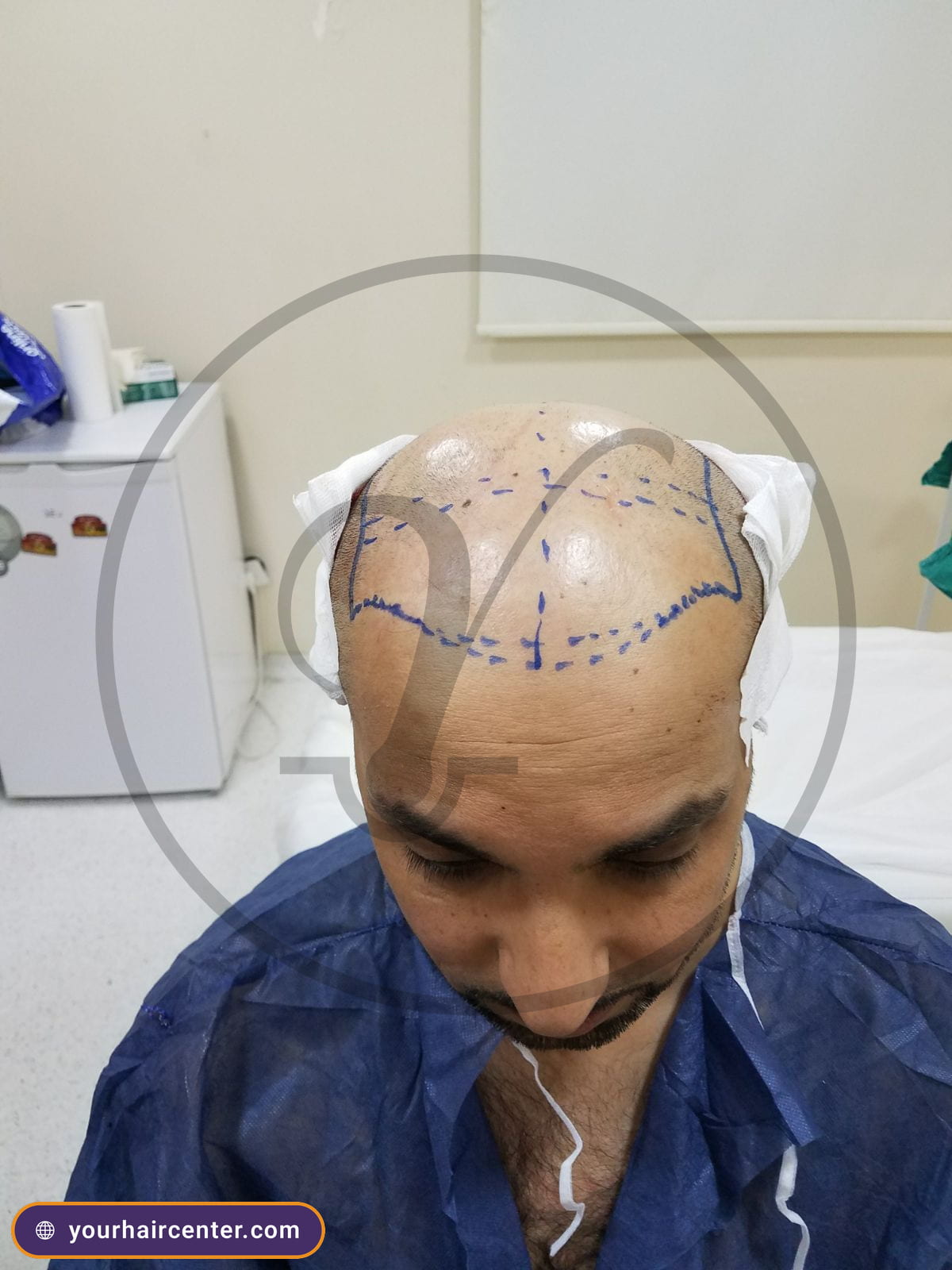
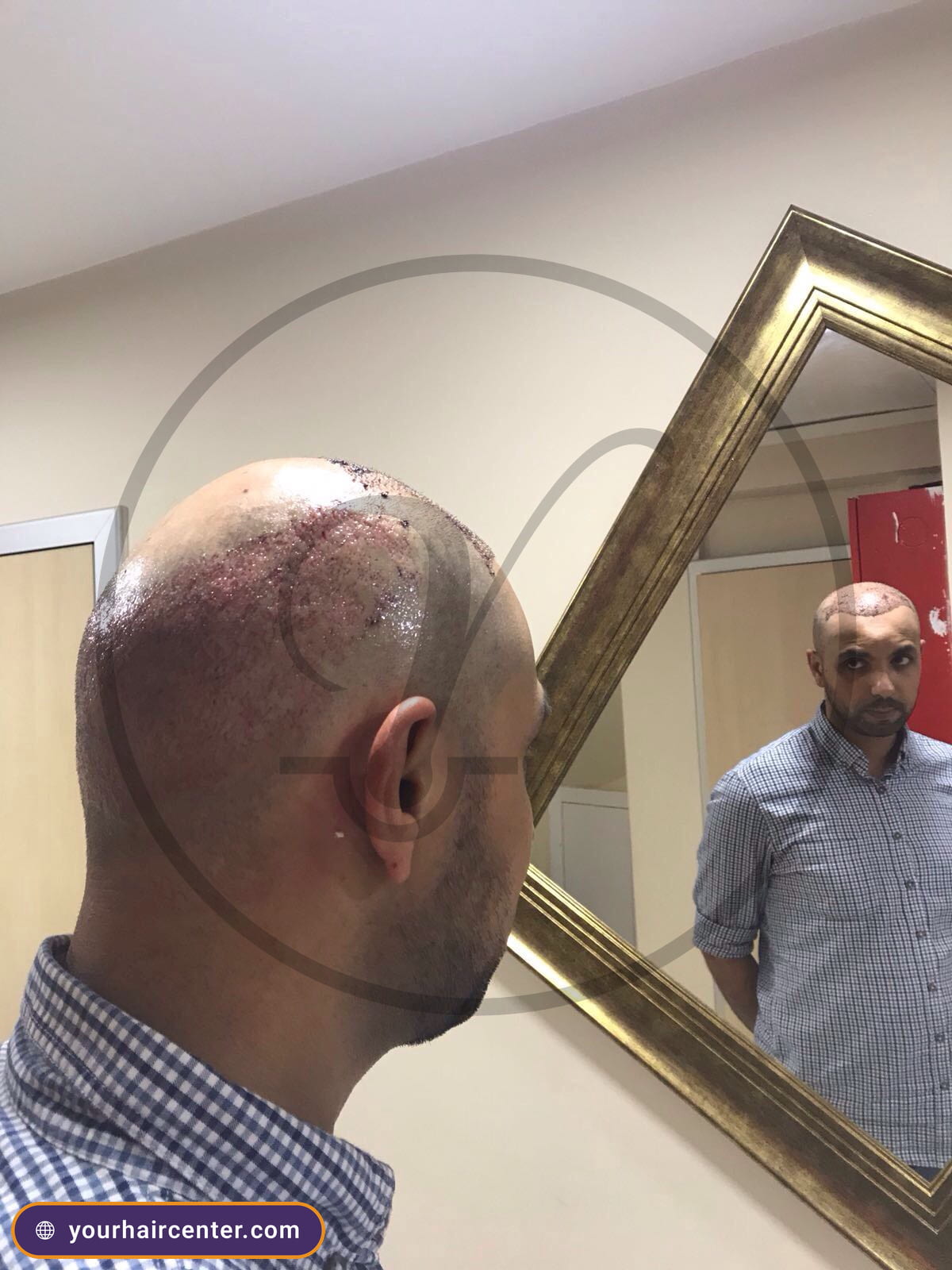
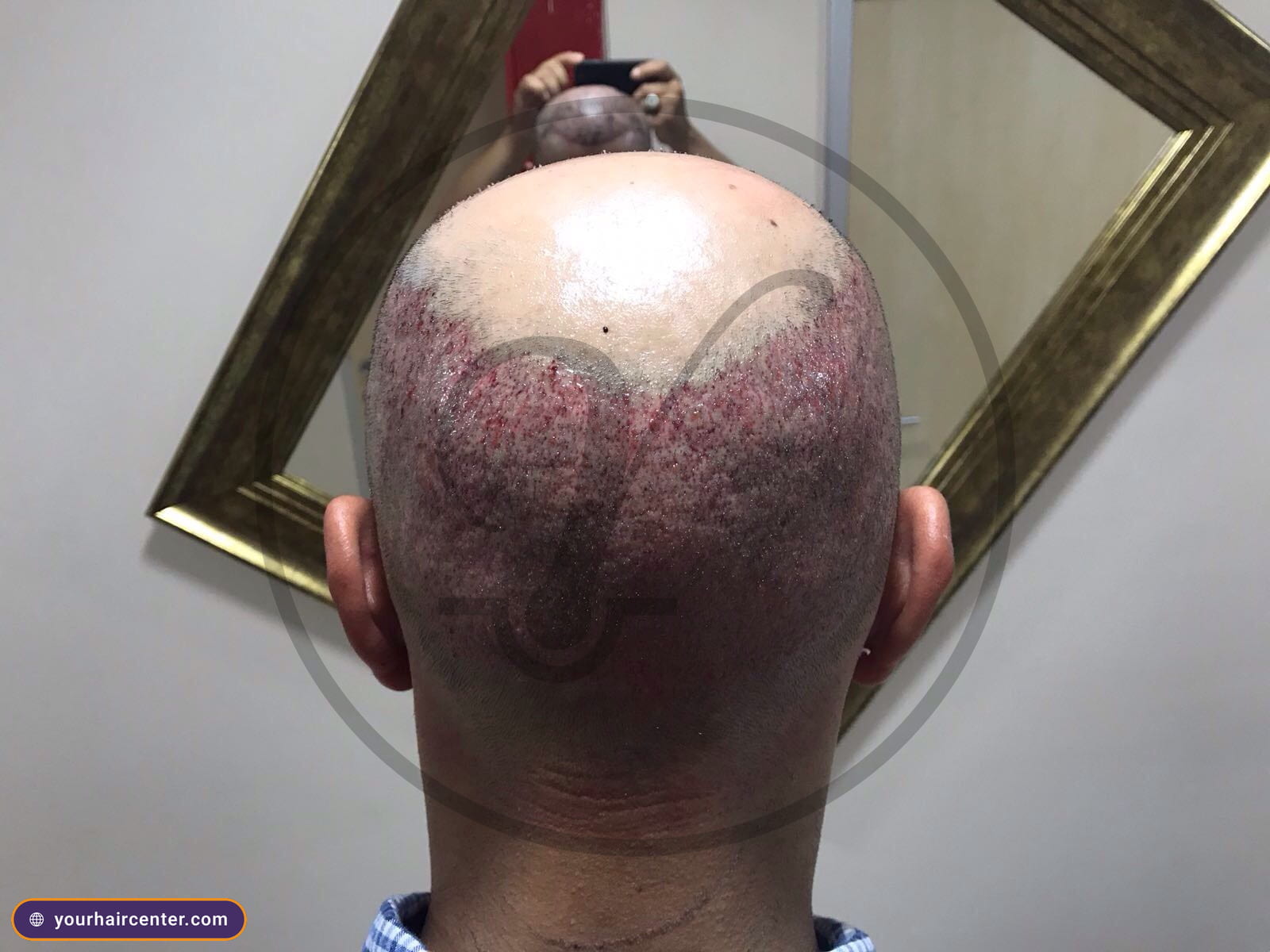
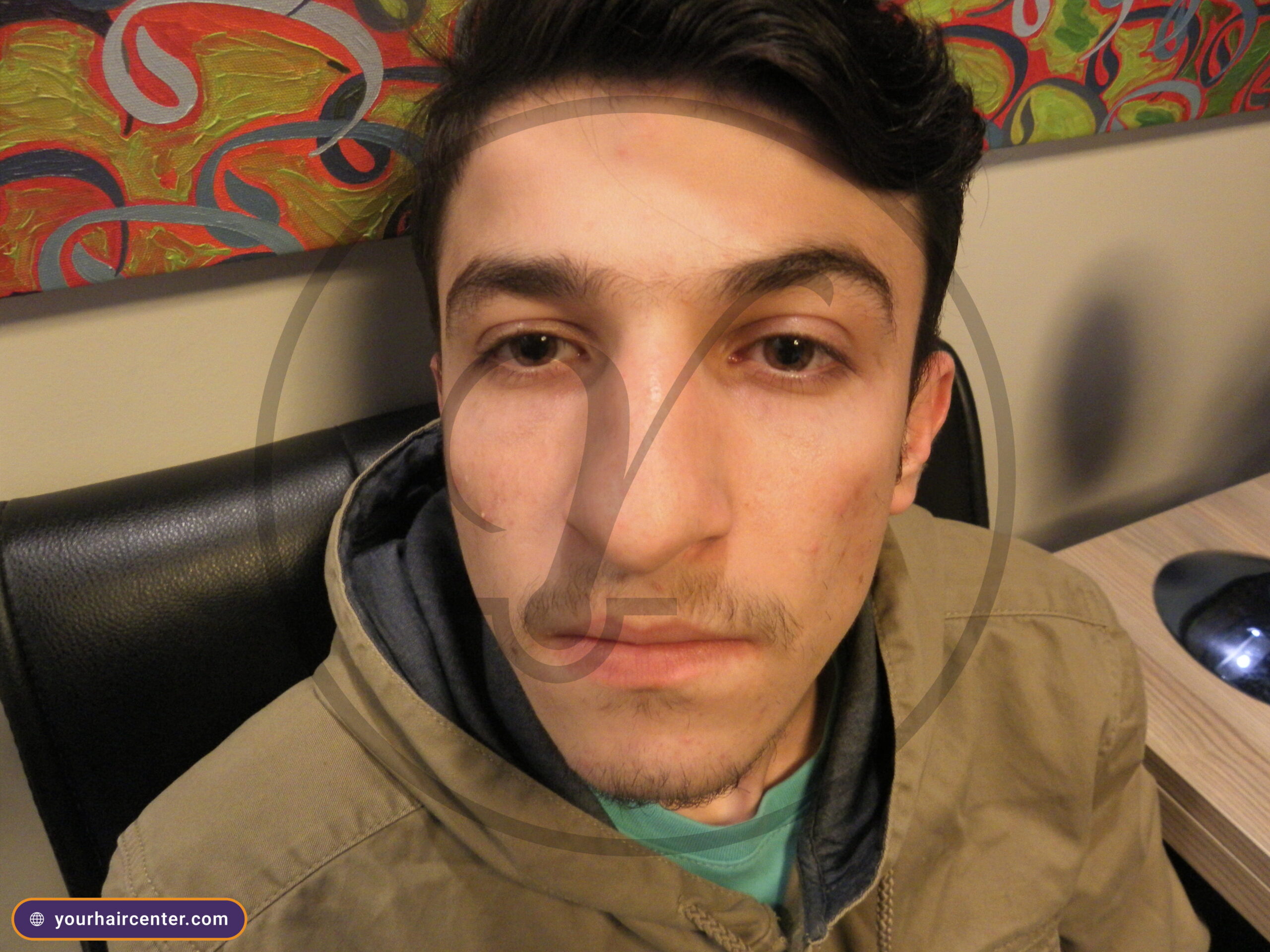
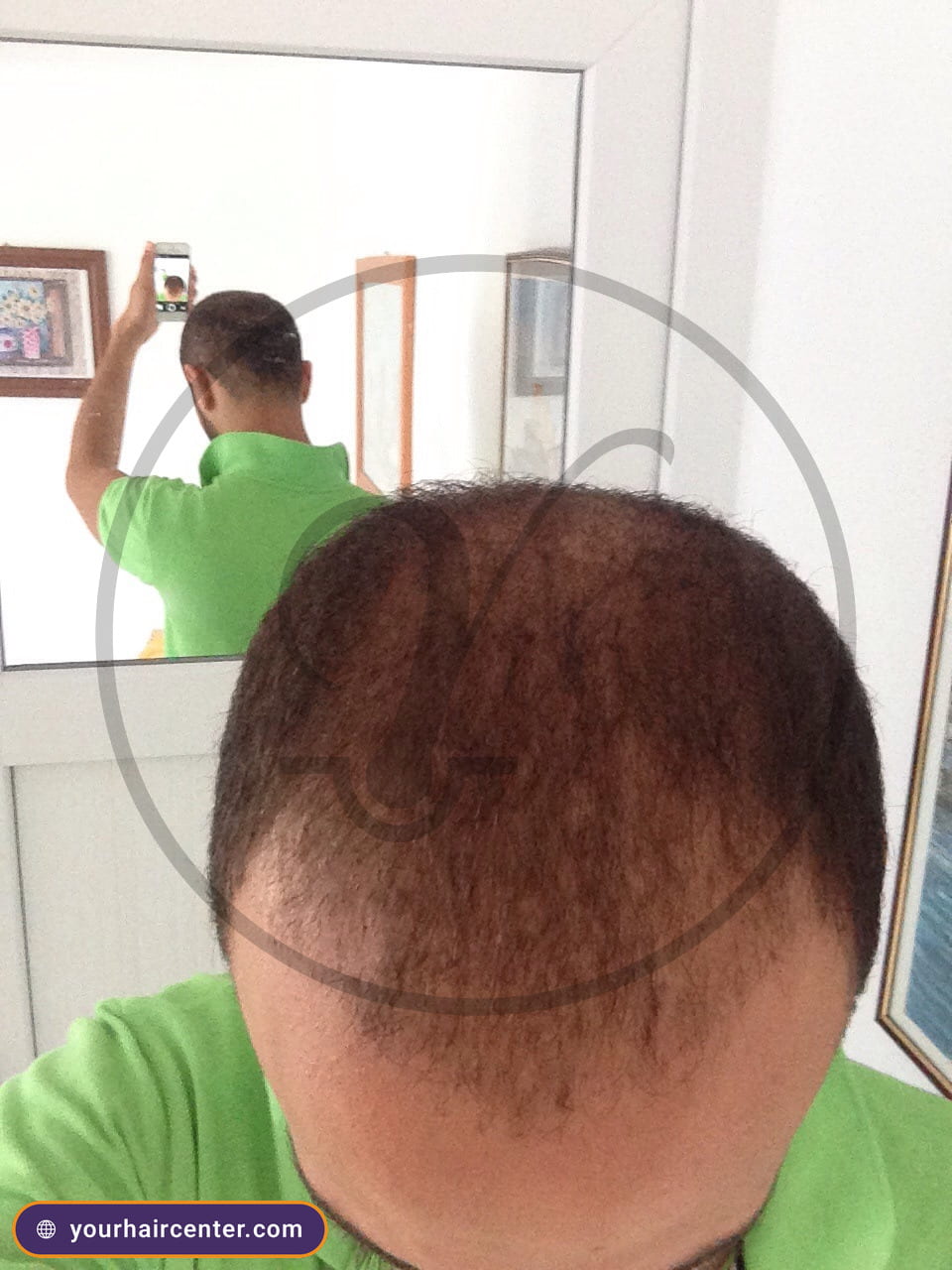
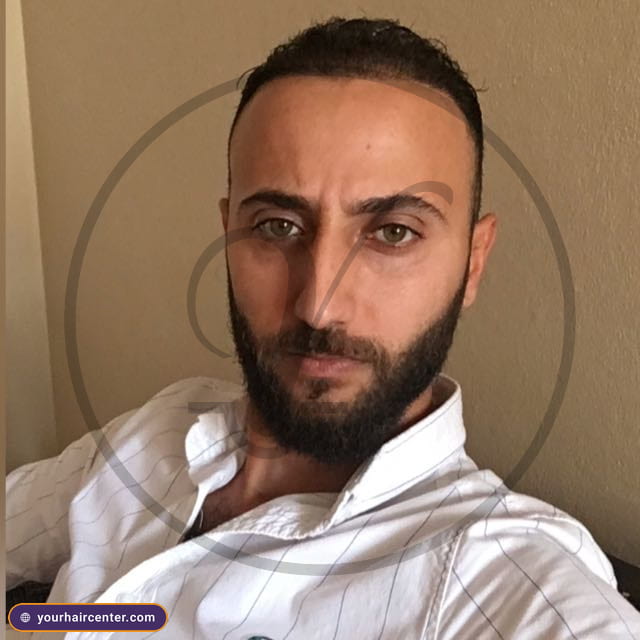
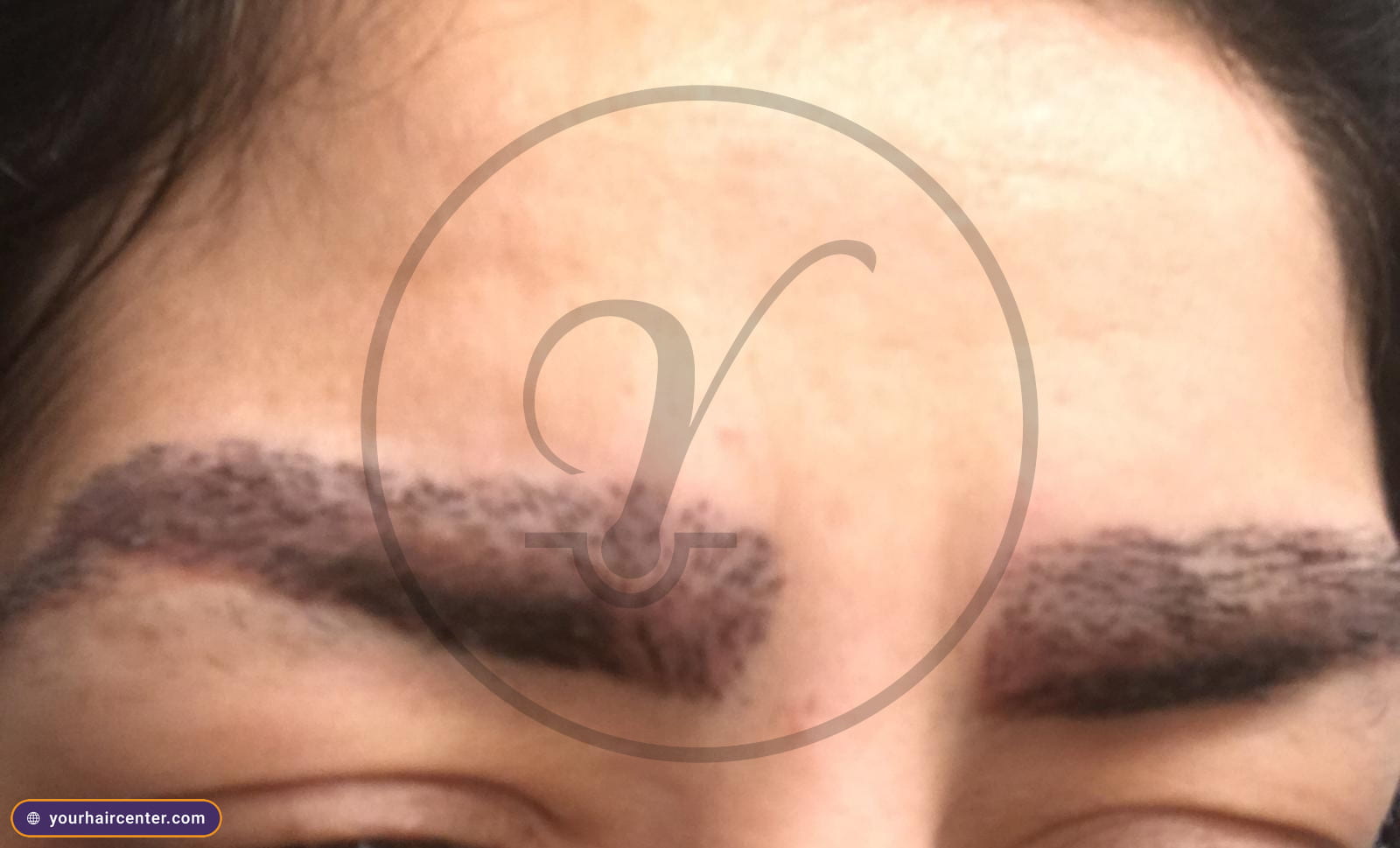
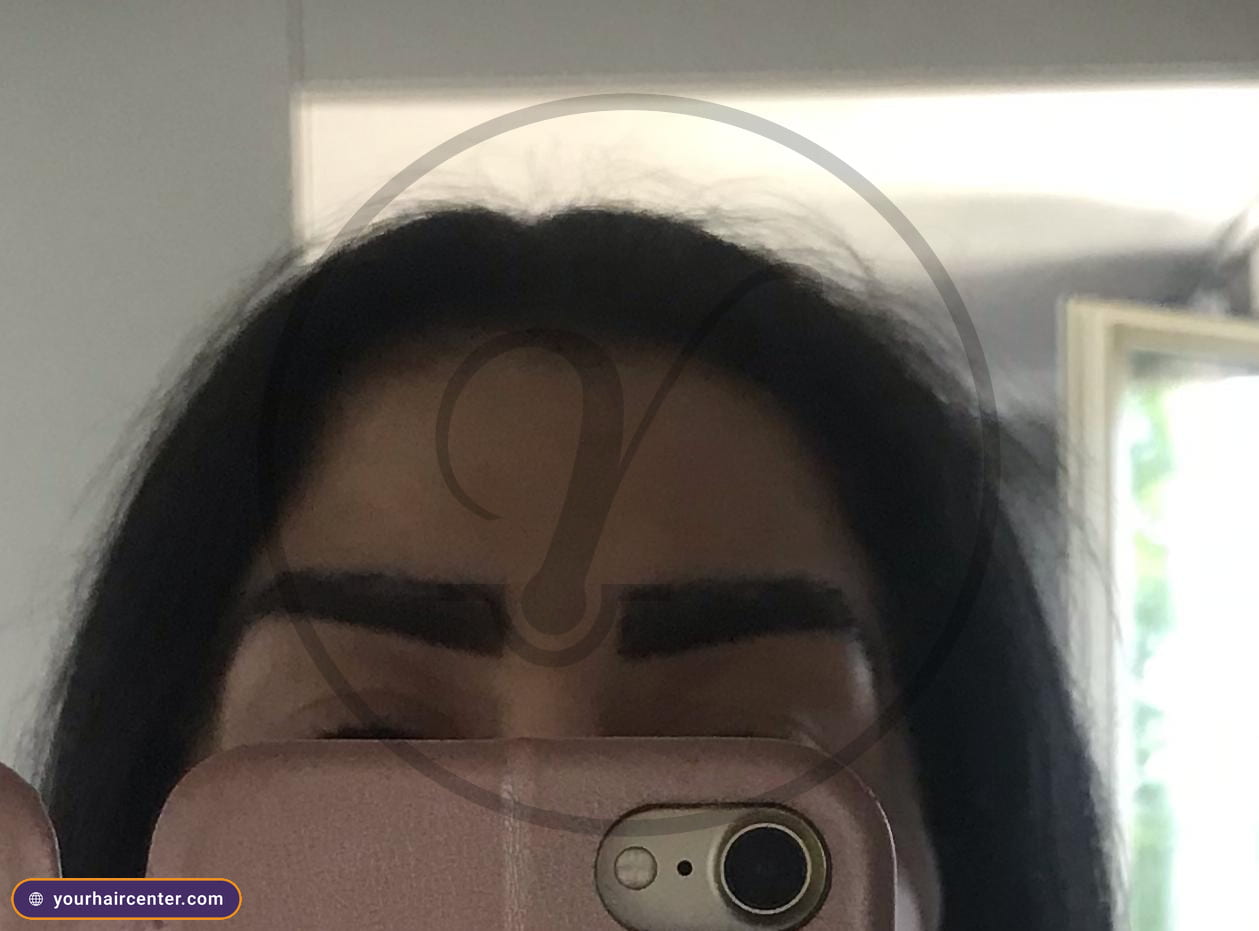
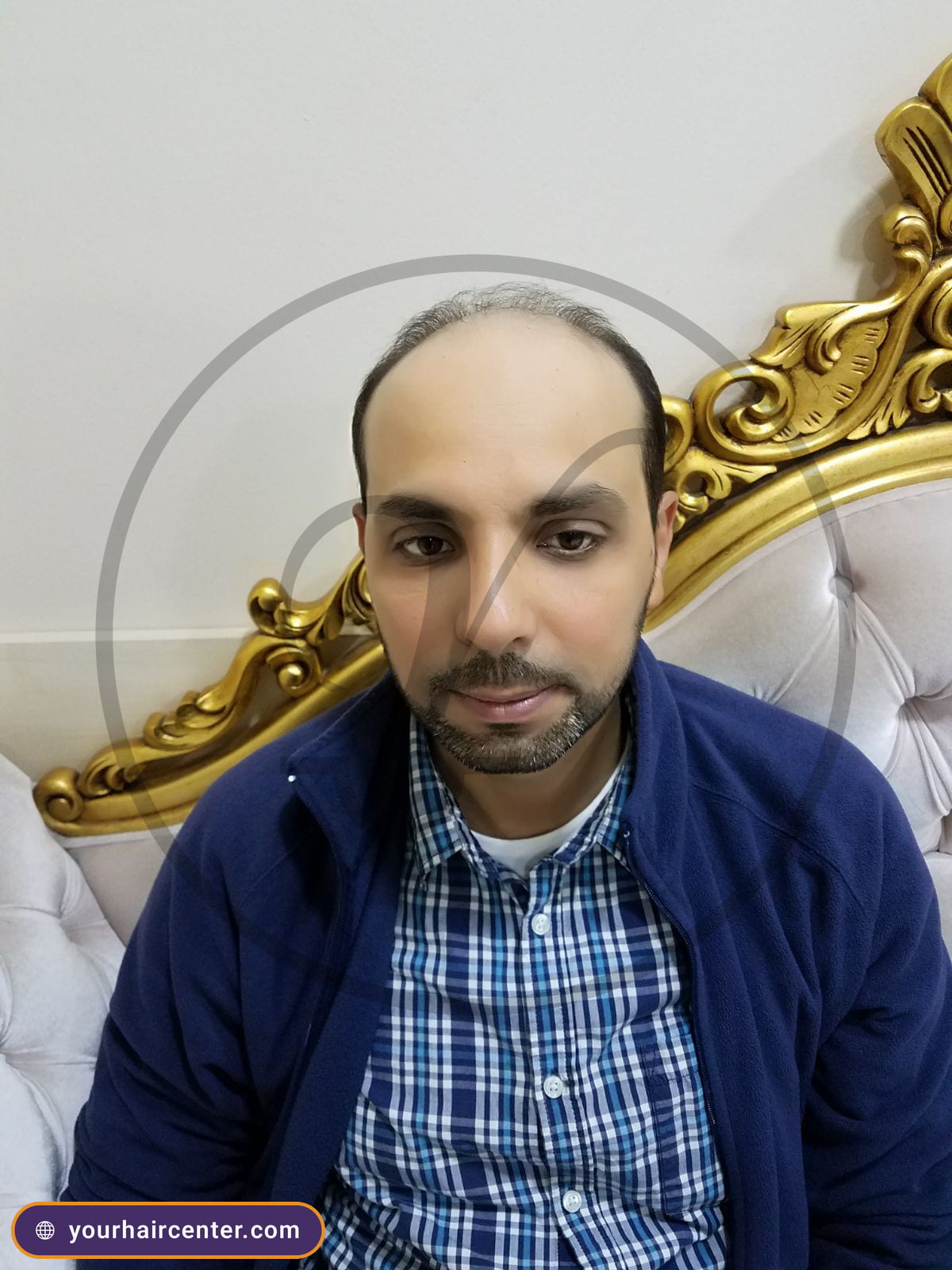
Hair Transplant Before and After Results
Real hair transplant outcomes at Your Hair Center, Istanbul


Frequently Asked Questions About Hair and Scalp Analysis
What is the difference between clinical trichoscopy and lab tests?
Clinical trichoscopy is performed at a partner clinic with a digital trichoscope that magnifies the scalp 200x. It reveals follicle density, shaft thickness, and thinning zones. Lab tests rely on a blood sample to assess the vitamins, hormones, and minerals that affect hair growth from the inside. A complete scalp analysis combines both parts for a full picture of why you are losing hair.
Is a scalp analysis painful?
No. The clinical trichoscopy uses no needles, and the trichoscope simply rests on the scalp without pressure. The lab side needs a small blood draw, the same as any standard blood test.
How long does the analysis take?
The full clinical trichoscopy takes around 15 to 20 minutes. The final report with your treatment plan is ready within 30 minutes of the exam. Lab results come back within 24 to 48 hours.
Which tests matter most for hair loss?
The most important tests include vitamin D, B12, biotin, zinc, iron, ferritin, DHT, testosterone, and thyroid hormones. The doctor decides the exact panel based on your clinical trichoscopy, sex, and medical history.
Can I do the analysis remotely?
You can send your photos via WhatsApp for a free preliminary evaluation from the doctor. A full analysis with a digital trichoscope, however, has to happen in Istanbul. Many of our patients combine the analysis with their treatment in the same visit.
How much does a scalp analysis cost?
Pricing depends on the package you choose. We offer three tiers, from the Basic clinical trichoscopy up to the Advanced all-inclusive package. The analysis is fully complimentary when you book a hair transplant with us. Message us on WhatsApp for a precise quote.
Do Not Start Any Treatment Until You Know the Real Cause
A free consultation, a 200x digital trichoscopy, and a personalized plan from a specialist, all in one visit.
- 200x digital trichoscopy
- Detailed report within 30 minutes
- A treatment plan matched to your case
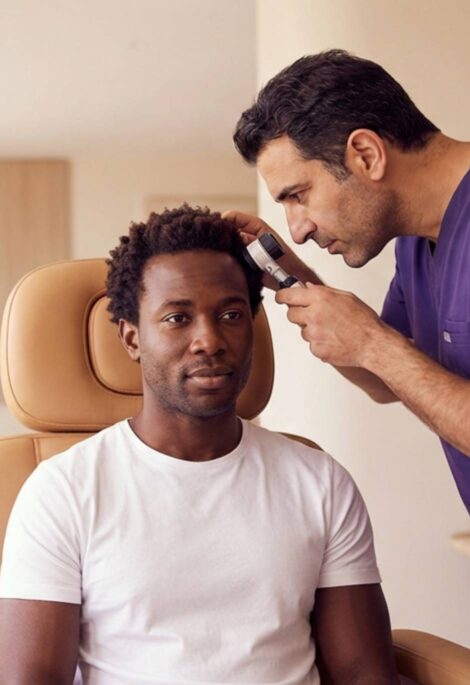
African Hair Transplant
Your curls need a surgeon who reads the curve beneath the skin. See how we adapt the extraction to every bend in curly and coily hair.
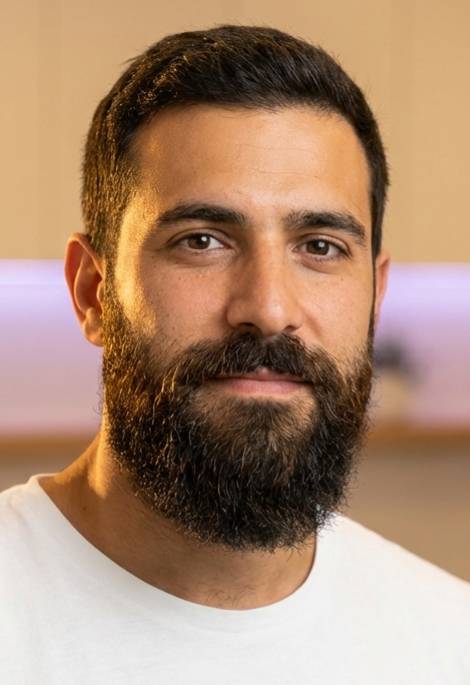
Beard and Mustache Transplant
Patchy beard or thin mustache? One session in Istanbul gives you permanent, natural density that nobody can tell apart.
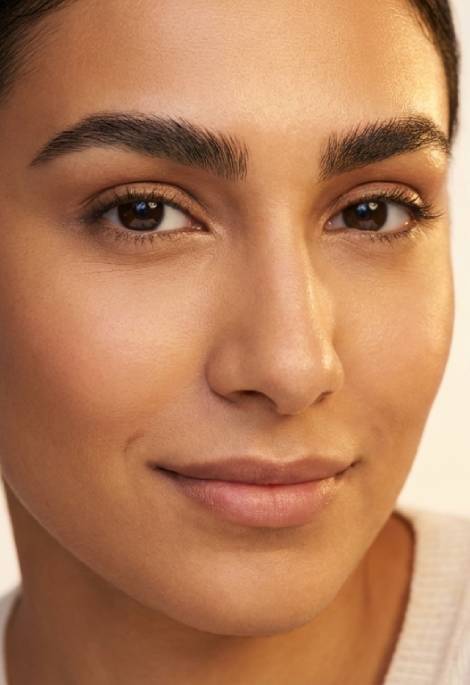
Eyebrow Transplant
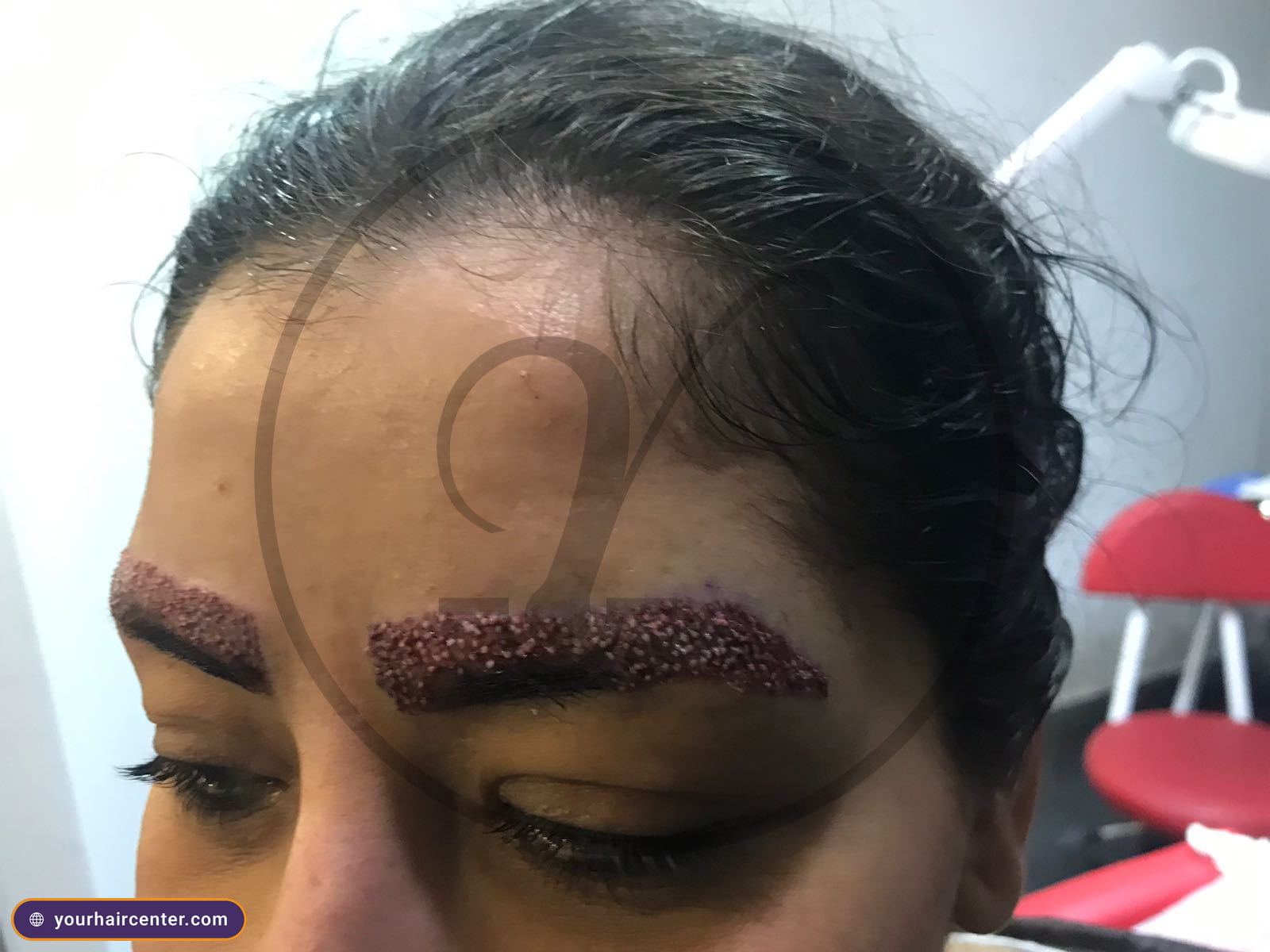
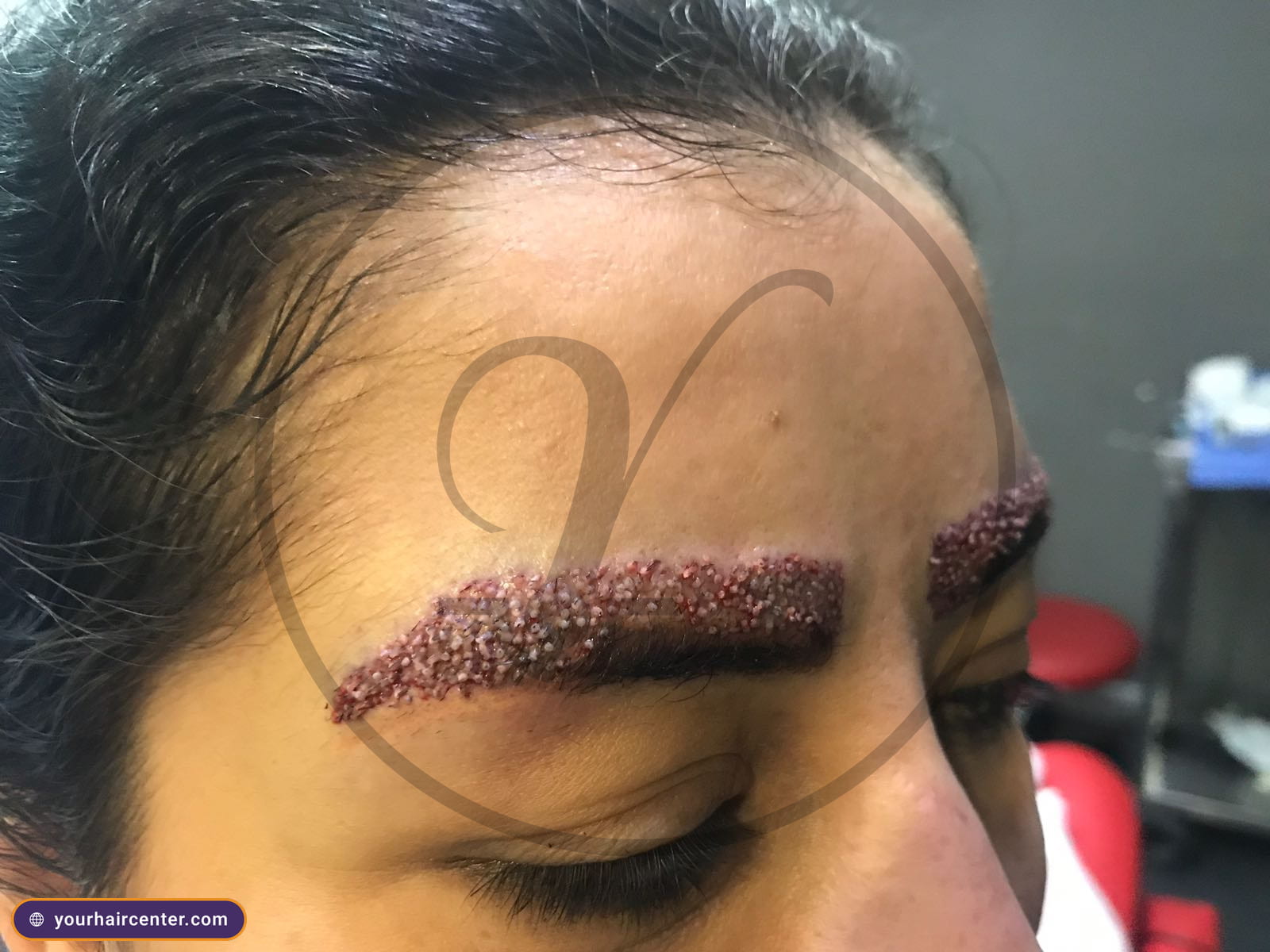
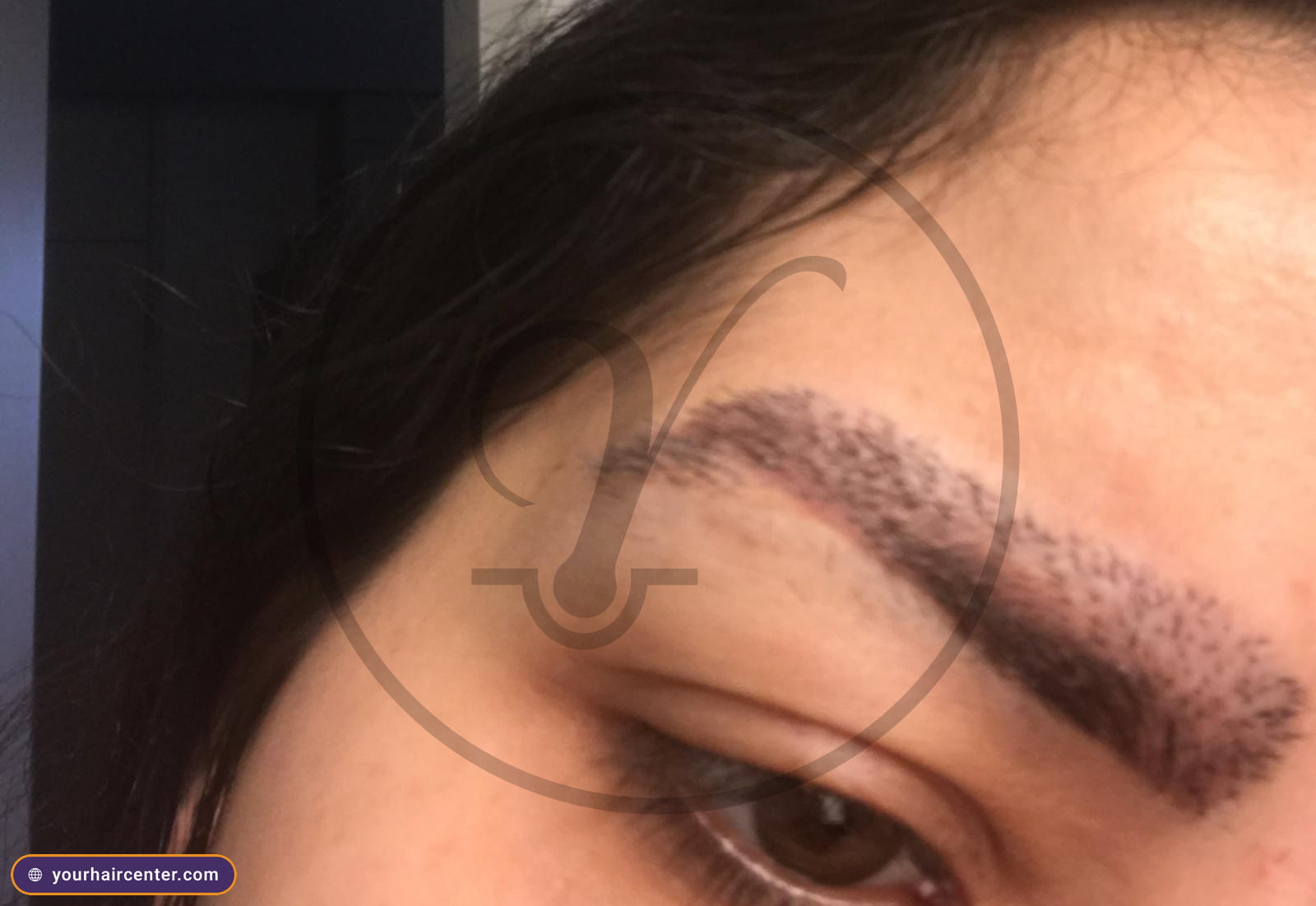
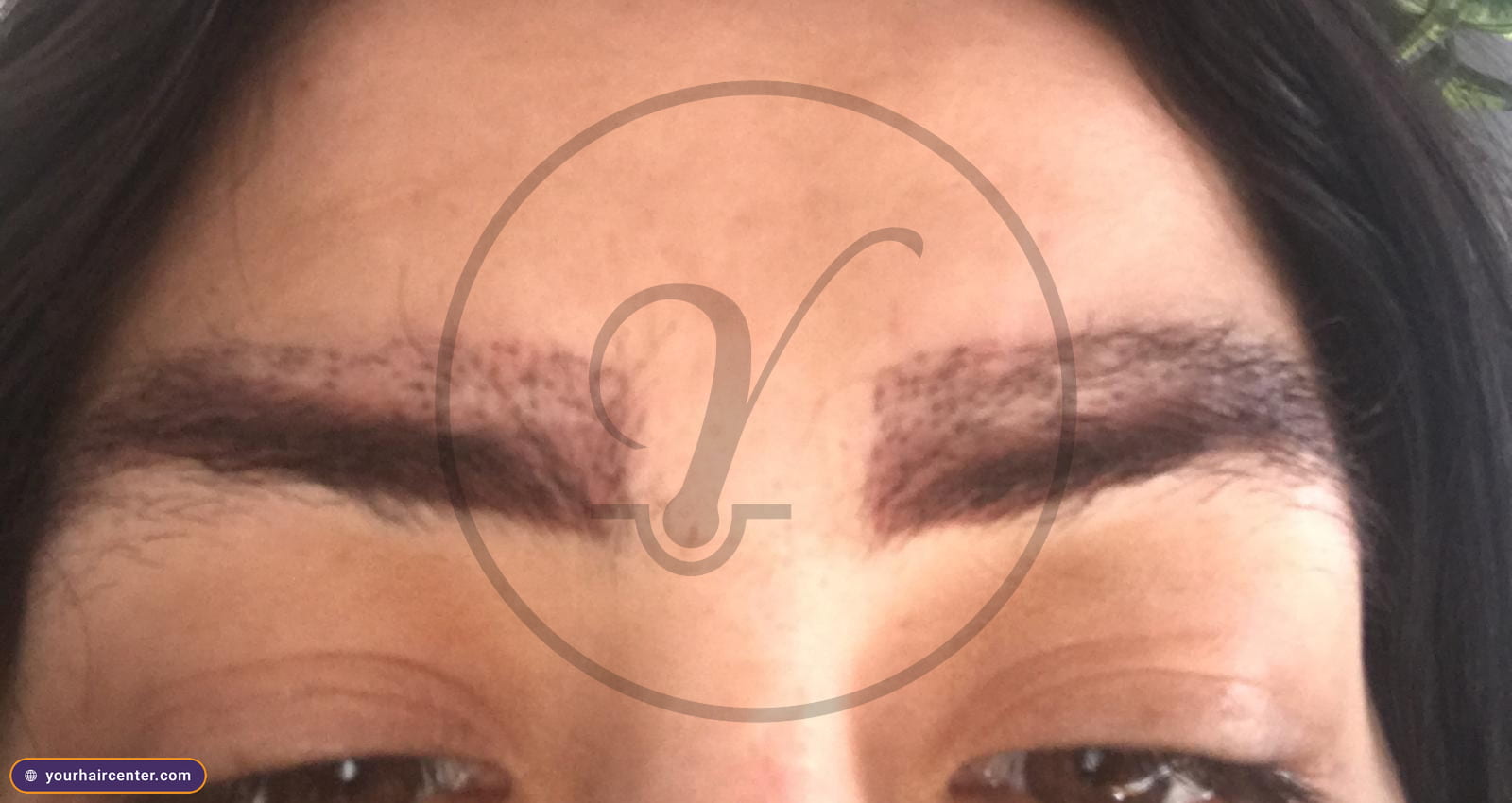
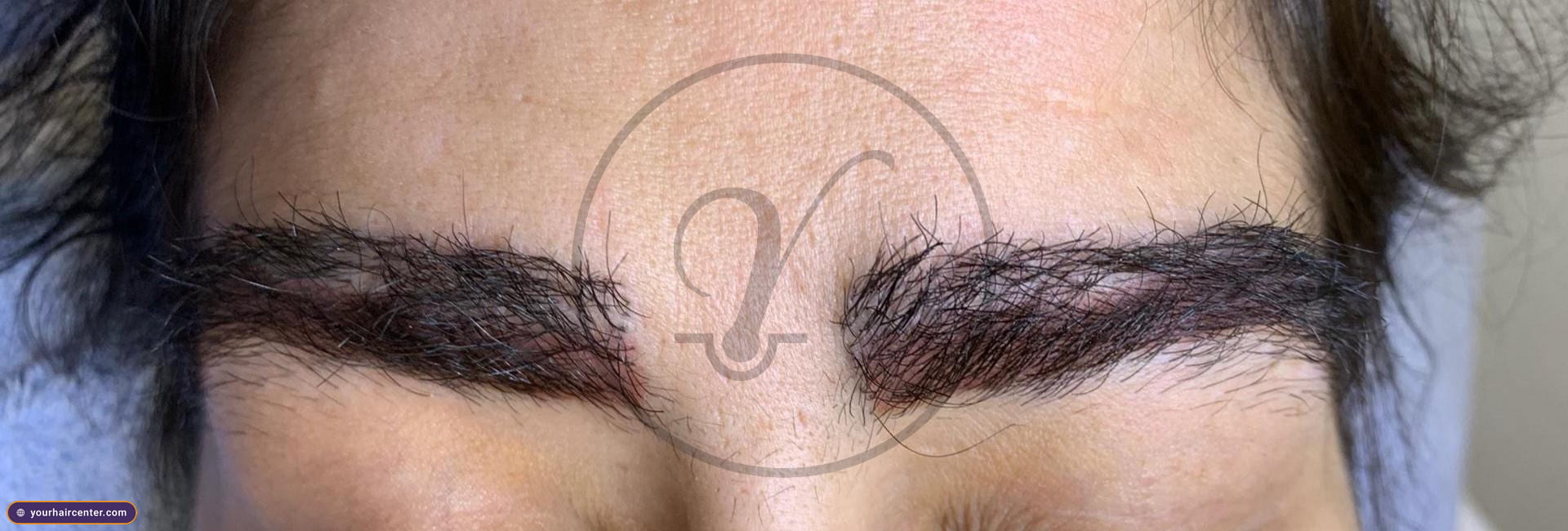
Tired of drawing your brows on every morning? Real follicles, permanent growth, and a natural arch mapped to your face.