Shedding more hair than usual and unsure whether it is reversible stress loss or the start of permanent genetic thinning? This guide puts telogen effluvium vs androgenetic alopecia side by side. You get a clean five-row comparison table, a five-signal checklist you can run at home, a section on the female-pattern case, and an honest look at the overlap case where a stress trigger uncovers a genetic pattern that was already quietly progressing.

You are shedding more hair than usual and you do not know whether it is reversible stress-driven loss or the start of permanent genetic loss. That uncertainty is the hardest part of early hair loss, and the telogen effluvium vs androgenetic alopecia question has a clear clinical answer once you know what to look for. Below is a clean five-row comparison table that maps the two diagnoses against the differential signals you can check yourself, followed by a deep dive on each condition, a five-signal home checklist, and the overlap case, where a stress event triggers shedding that uncovers an underlying genetic pattern you did not know was there. When the home differential is still ambiguous, a clinical scalp analysis closes the gap.
Telogen Effluvium vs Androgenetic Alopecia, The Side-by-Side Comparison Table
Here is how the two conditions line up across the five dimensions that actually separate them in clinical practice.
| Feature | Telogen Effluvium | Androgenetic Alopecia |
|---|---|---|
| Onset | Sudden, 2 to 4 months after a trigger | Gradual, over years |
| Pattern | Diffuse shedding across the whole scalp | Patterned thinning, crown and temples in men, central part-line in women |
| Follicle status | Healthy follicles, prematurely shifted to the resting (telogen) phase | Follicles progressively miniaturizing, the shaft growing finer with each cycle |
| Timeline | Resolves 3 to 6 months after the trigger clears | Progresses indefinitely without medical treatment |
| Reversibility | Typically reversible, hair regrows from the same follicles | Not reversible without intervention, follicles eventually stop producing hair[1] |
No single row settles the telogen effluvium vs androgenetic alopecia question on its own. A person can shed diffusely and still carry a genetic pattern underneath, and gradual thinning can be temporarily masked by a heavy shedding episode. The reliable picture forms across all five dimensions read together, which is exactly what the deep dives below walk through.
If the table leaves you genuinely unsure which column you fall into, that ambiguity is the signal to get a clinical hair and scalp analysis. A trichoscope reads the follicle-level evidence the home checklist cannot, and it resolves the telogen effluvium vs androgenetic alopecia differential in a single visit. The next two sections explain what each condition is doing under the scalp so the table rows make sense.
What Is Telogen Effluvium?
The reversible side of the telogen effluvium vs androgenetic alopecia split is the one most people hope they are on. Telogen effluvium happens when a trigger pushes a large share of growing (anagen) follicles into the resting (telogen) phase prematurely, so the hair sheds two to four months later as the cycle completes.[2] The follicles themselves are healthy. They have simply been knocked off their normal rhythm in unison, and the shedding you see is the delayed echo of an event that already happened.
The common triggers are predictable. Childbirth, major surgery, a high fever or acute illness, severe psychological stress, dramatic weight loss or restrictive dieting, starting or stopping a hormonal medication, an iron or ferritin collapse, and thyroid swings all sit near the top of the list.[1:1] Identifying the trigger is usually the first clue when weighing telogen effluvium vs androgenetic alopecia, because the timing fits a specific window.
The timeline is the second clue. There is a two to four month lag between the trigger and the shedding peak, then a three to six month resolution arc once the trigger clears, with the great majority of acute cases recovering fully.[1:2] When shedding persists past six months with no resolution, the picture is reclassified as chronic telogen effluvium, and a ferritin and thyroid workup becomes the natural next step.
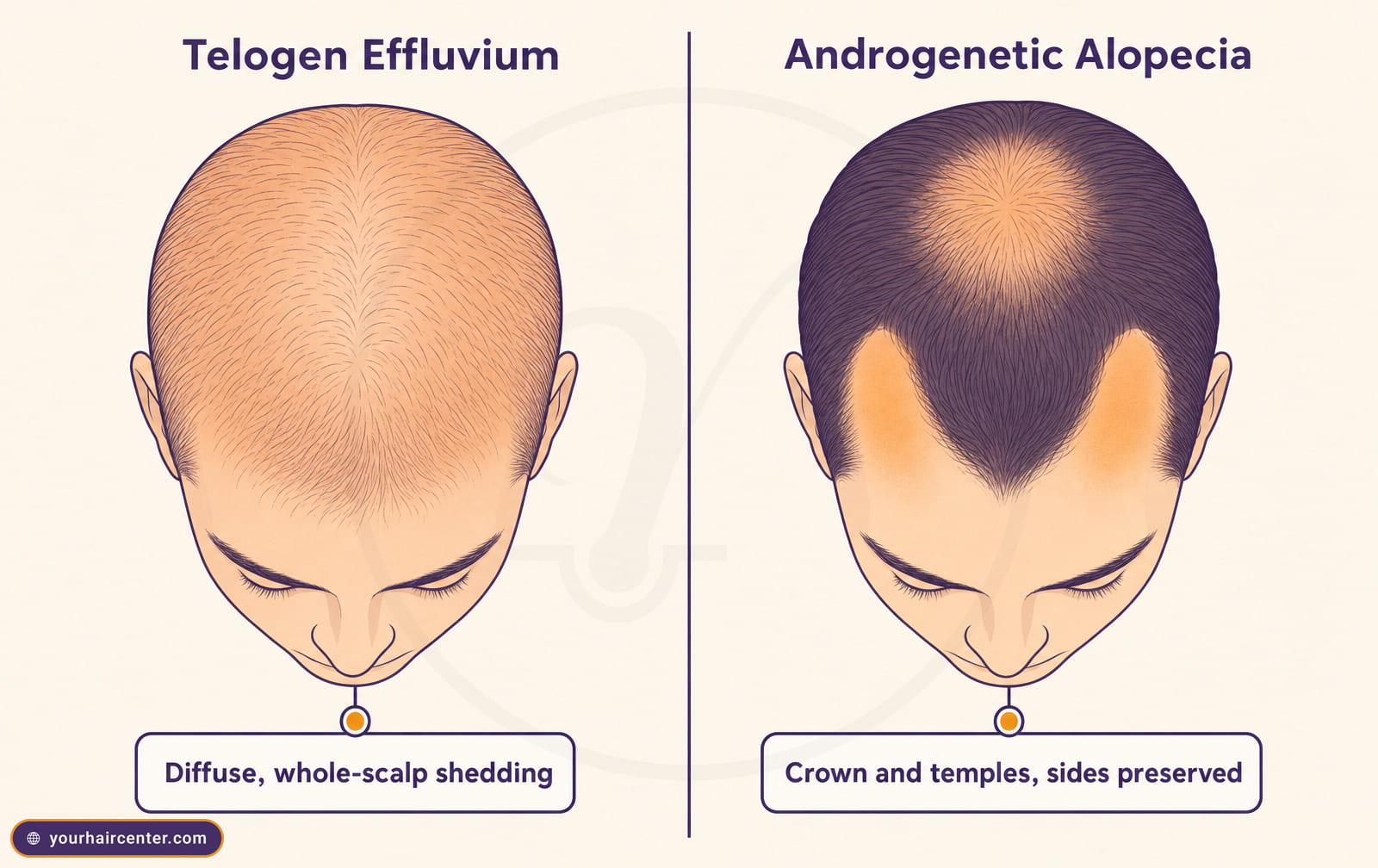
Under a trichoscope, the telogen effluvium vs androgenetic alopecia difference shows up clearly. In telogen effluvium, hair shaft thickness stays uniform across the scalp, there is no miniaturization, and a hair count returns an elevated percentage of follicles in the telogen phase. An at-home hair pull test in this condition tends to extract club-rooted resting hairs broadly across the scalp rather than from one zone.
The treatment pathway follows the mechanism. Address the trigger, support the follicle environment with the nutrients a stressed scalp draws down, and when recovery stalls past the expected resolution window, an in-clinic option such as PRP hair treatment can help re-activate follicles that are slow to restart.
What Is Androgenetic Alopecia?
The progressive side of the telogen effluvium vs androgenetic alopecia split works in the opposite direction. A genetic predisposition makes follicles in specific scalp regions sensitive to dihydrotestosterone (DHT), and DHT progressively shortens the growth phase so each successive cycle produces a finer, shorter shaft until the follicle no longer makes visible hair.[3] The 5-alpha-reductase enzyme converts testosterone to DHT inside the follicle, and the affected scalp regions carry more of that enzyme and more androgen receptors than the donor zone at the back of the head.[3:1]
This shrinking process is the core of the telogen effluvium vs androgenetic alopecia distinction, and it is what hair miniaturization means in plain language. The follicle does not die in a single cycle. It shrinks across many of them, so a thick terminal shaft becomes a fine vellus-like wisp over years. Because the change is incremental, most people do not notice it until a noticeable share of density is already gone.
Pattern geography is the most visible giveaway in telogen effluvium vs androgenetic alopecia. In men, recession starts at the temples and the crown thins, mapped clinically against the Hamilton-Norwood reference scale. In women, the loss is a diffuse widening of the central parting that preserves the frontal hairline, mapped against the Ludwig reference scale. Those scales are classification tools for grading severity, not diagnoses in themselves.
Trichoscopy is where the telogen effluvium vs androgenetic alopecia question stops being a guess. The hallmark is mixed shaft caliber within a single field, miniaturized vellus-like hairs sitting alongside healthy terminal hairs in the same patch, and a signature that is localized to the pattern zones rather than spread evenly across the scalp.
Because the genetic driver does not switch off, management is ongoing. The established medical options for androgenetic alopecia slow the progression, and a structured hair loss treatment plan is where most patients start. When density has been permanently lost and medication can no longer rebuild it, surgical restoration becomes the next conversation, the men’s hair restoration pathway for male pattern loss and the women’s hair restoration pathway for female pattern loss.
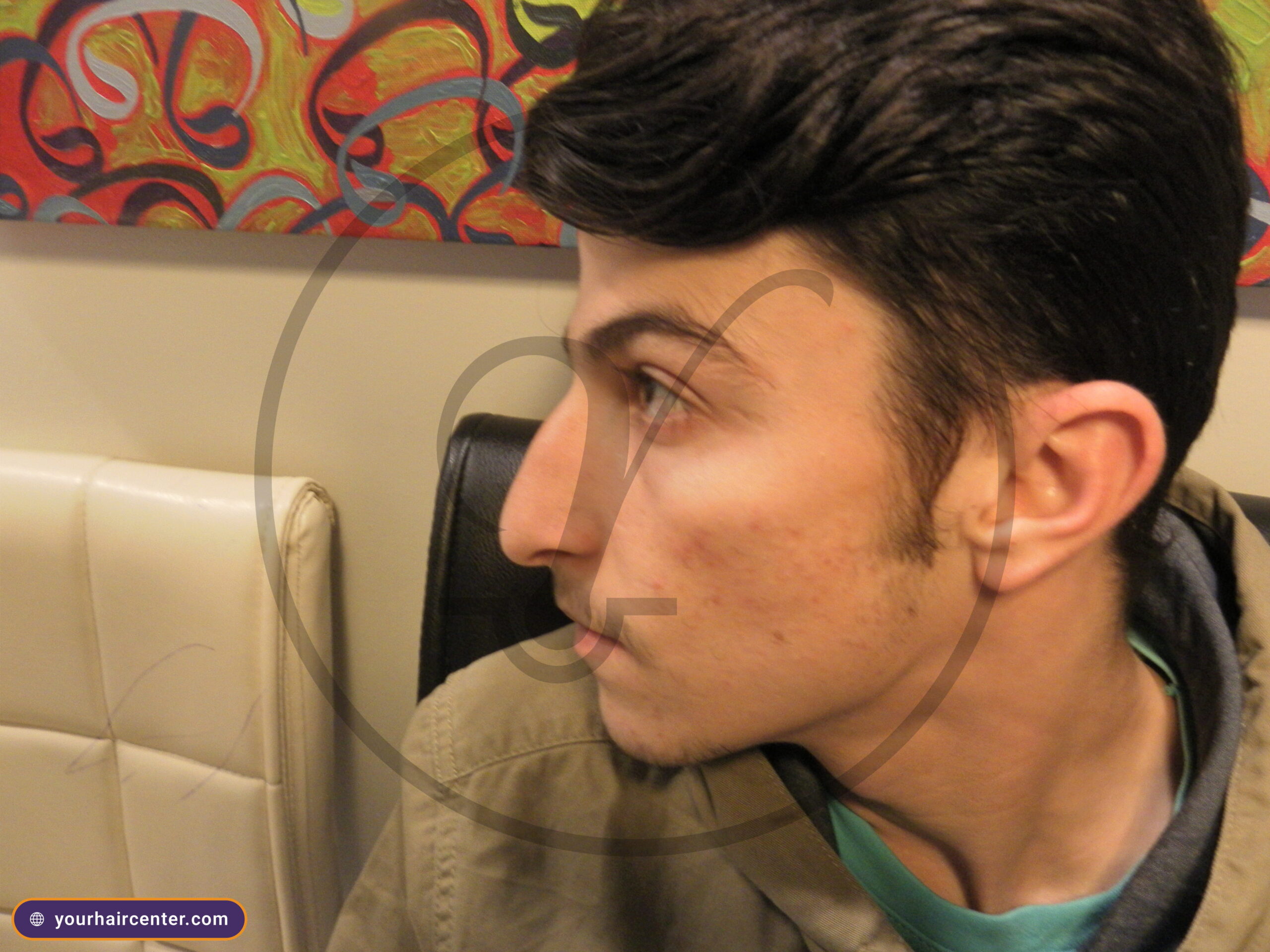
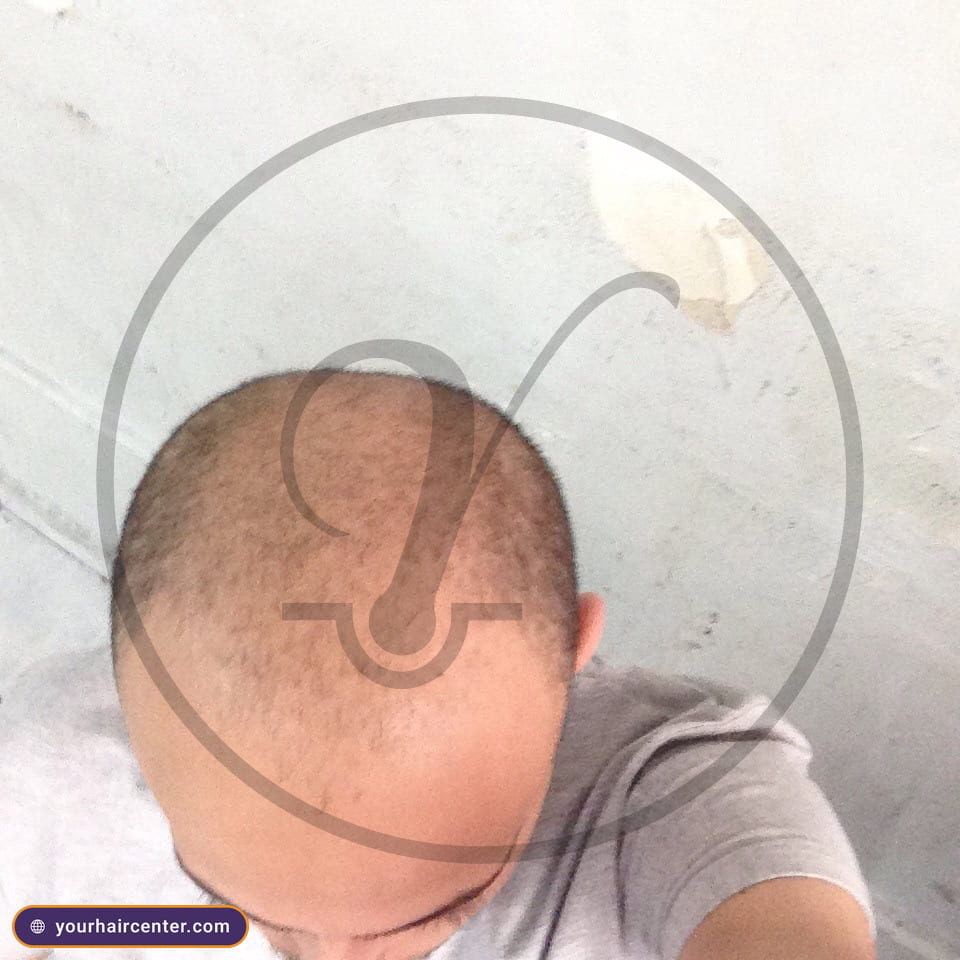
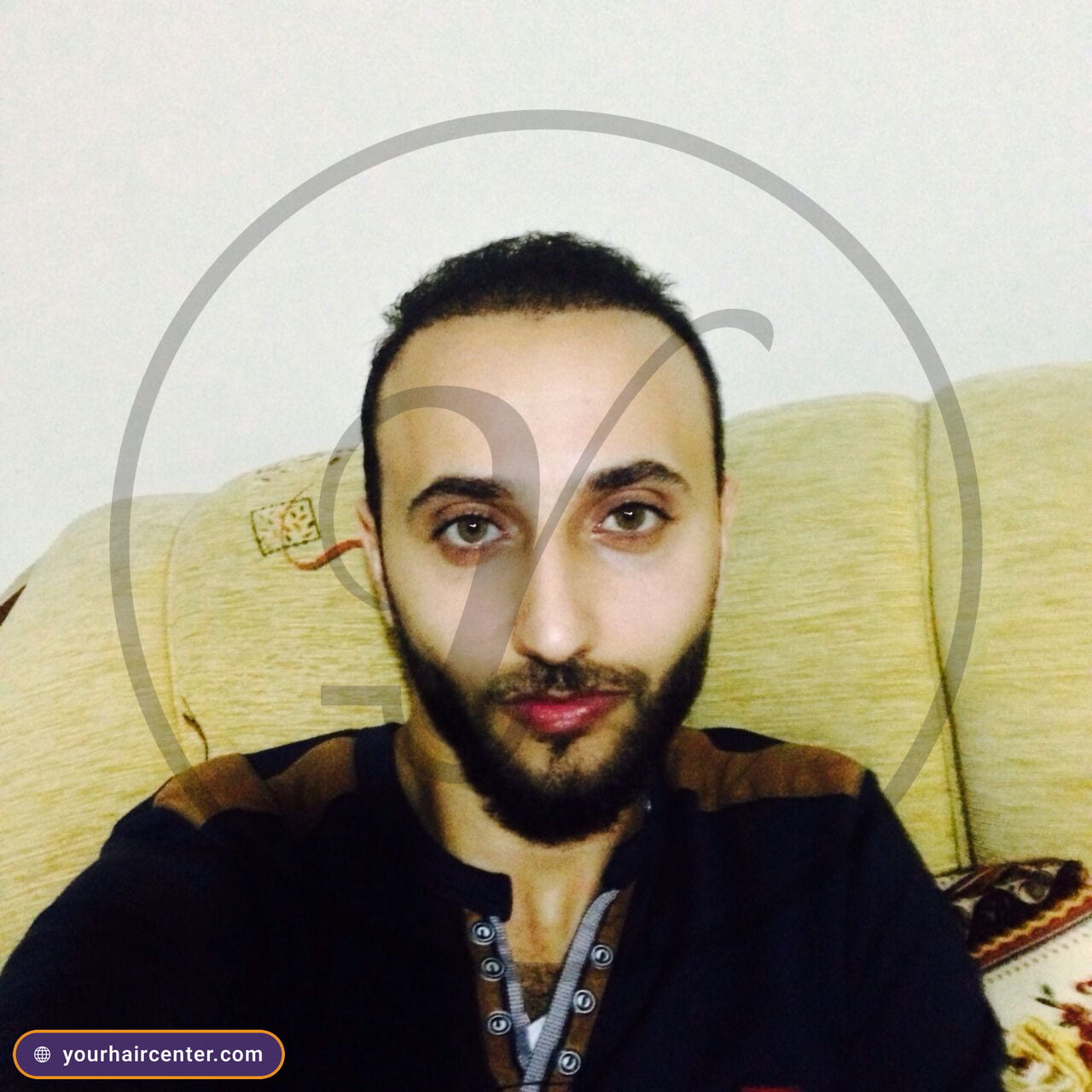
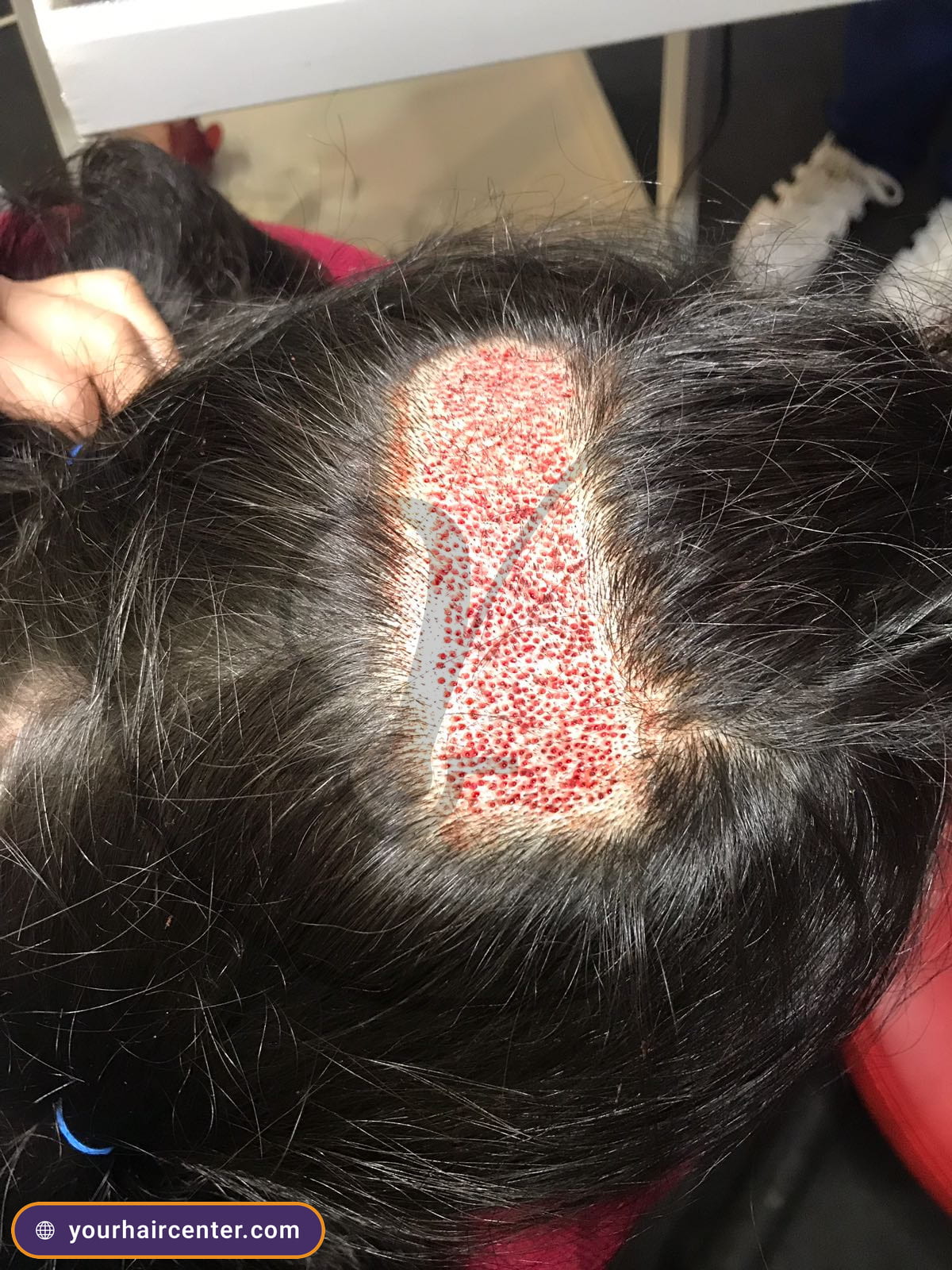
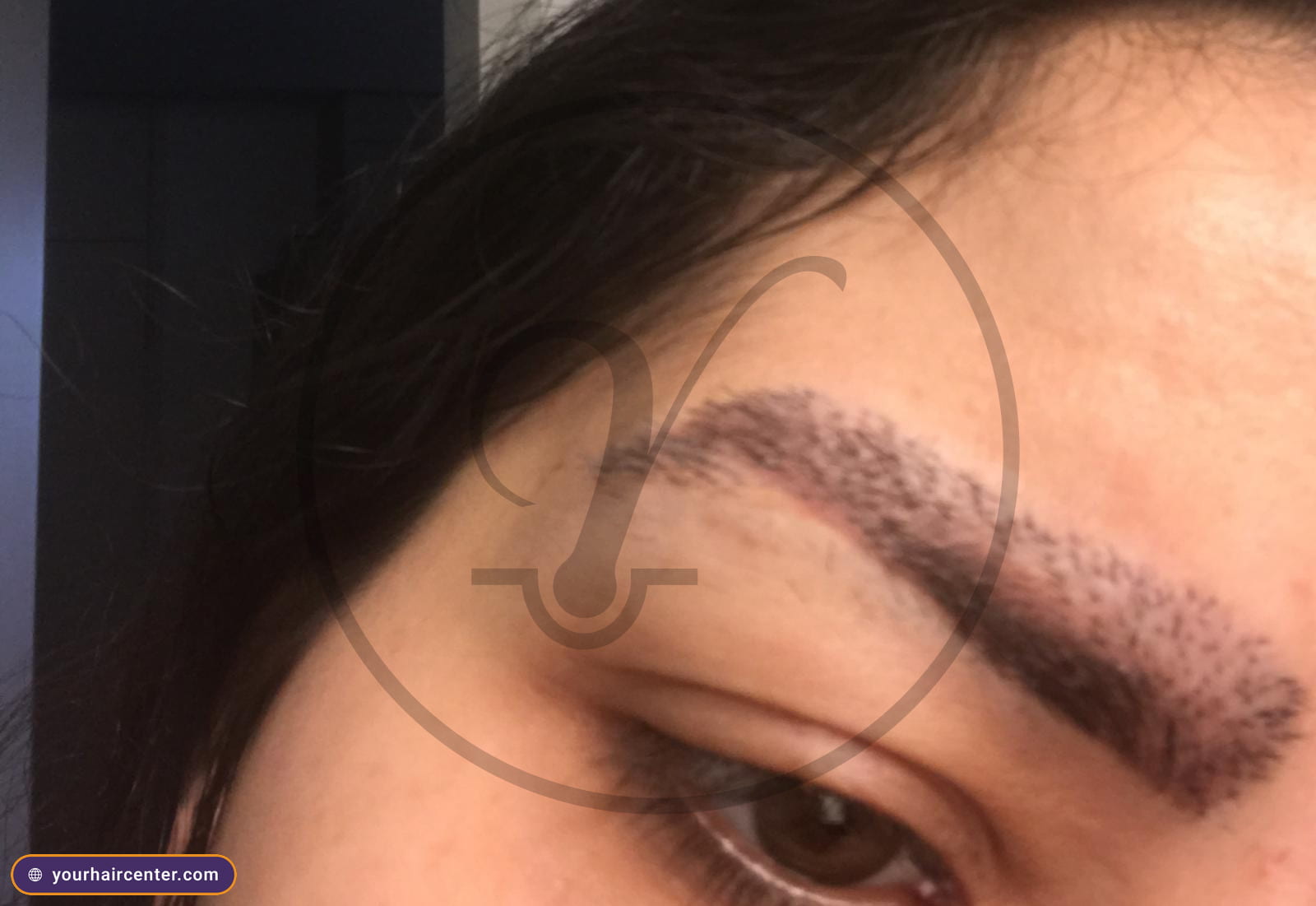
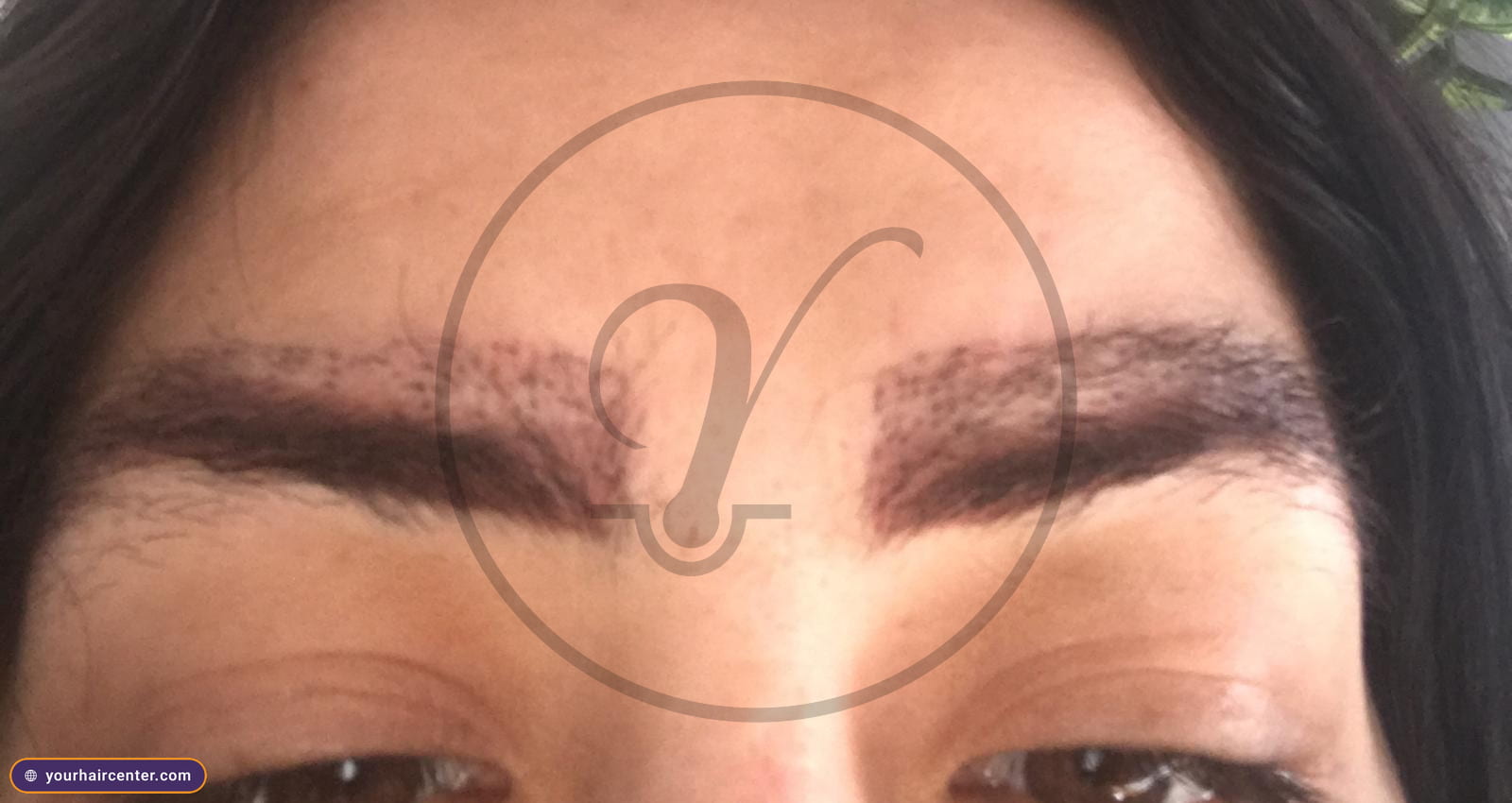
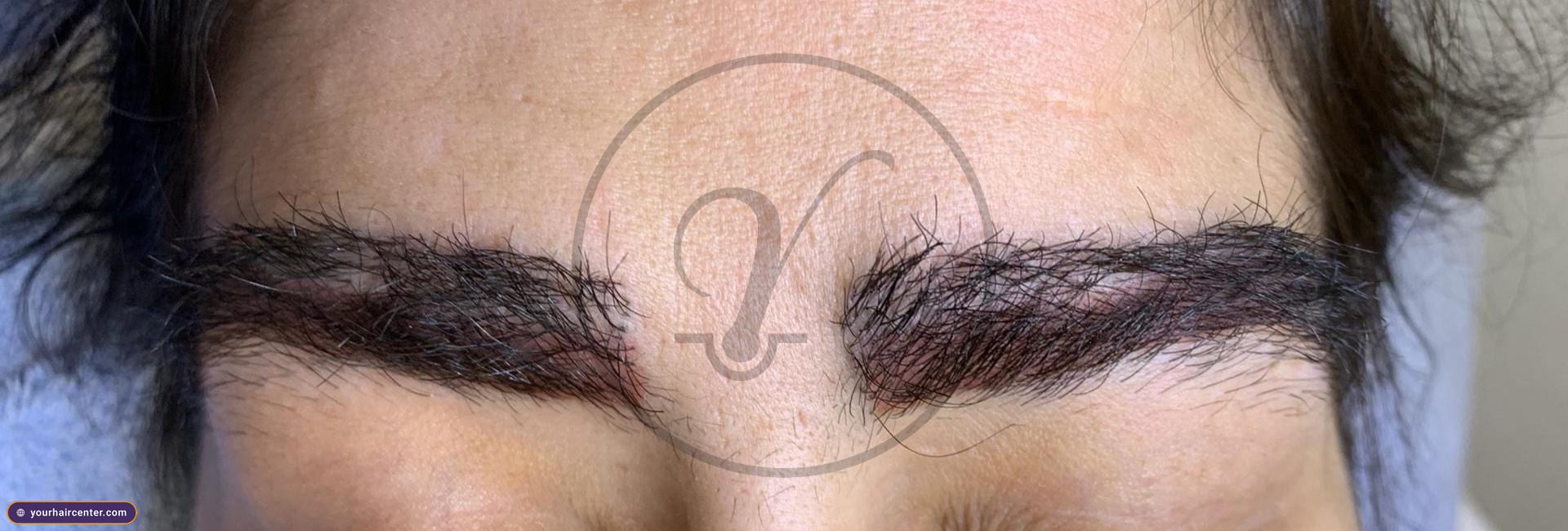
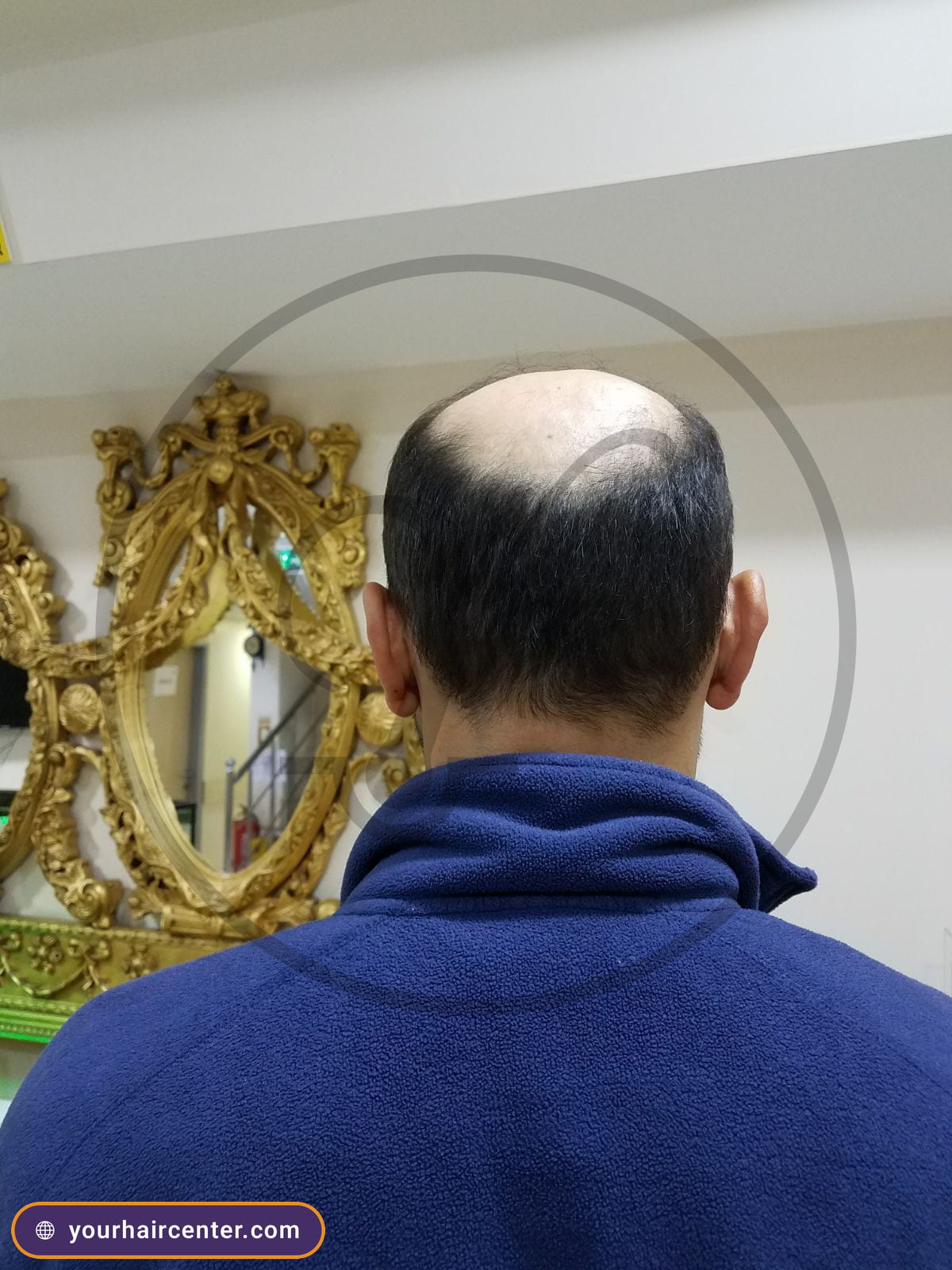
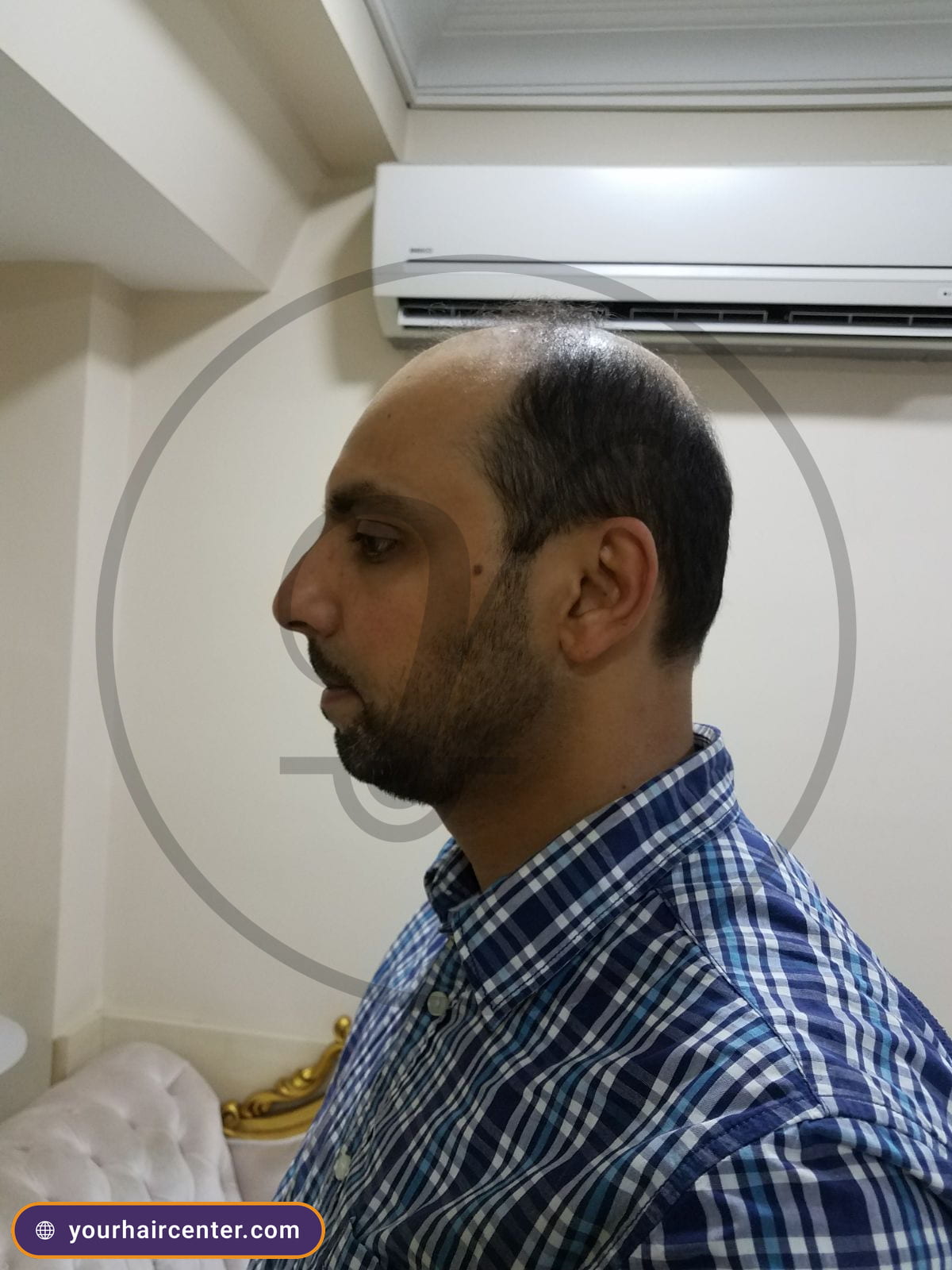
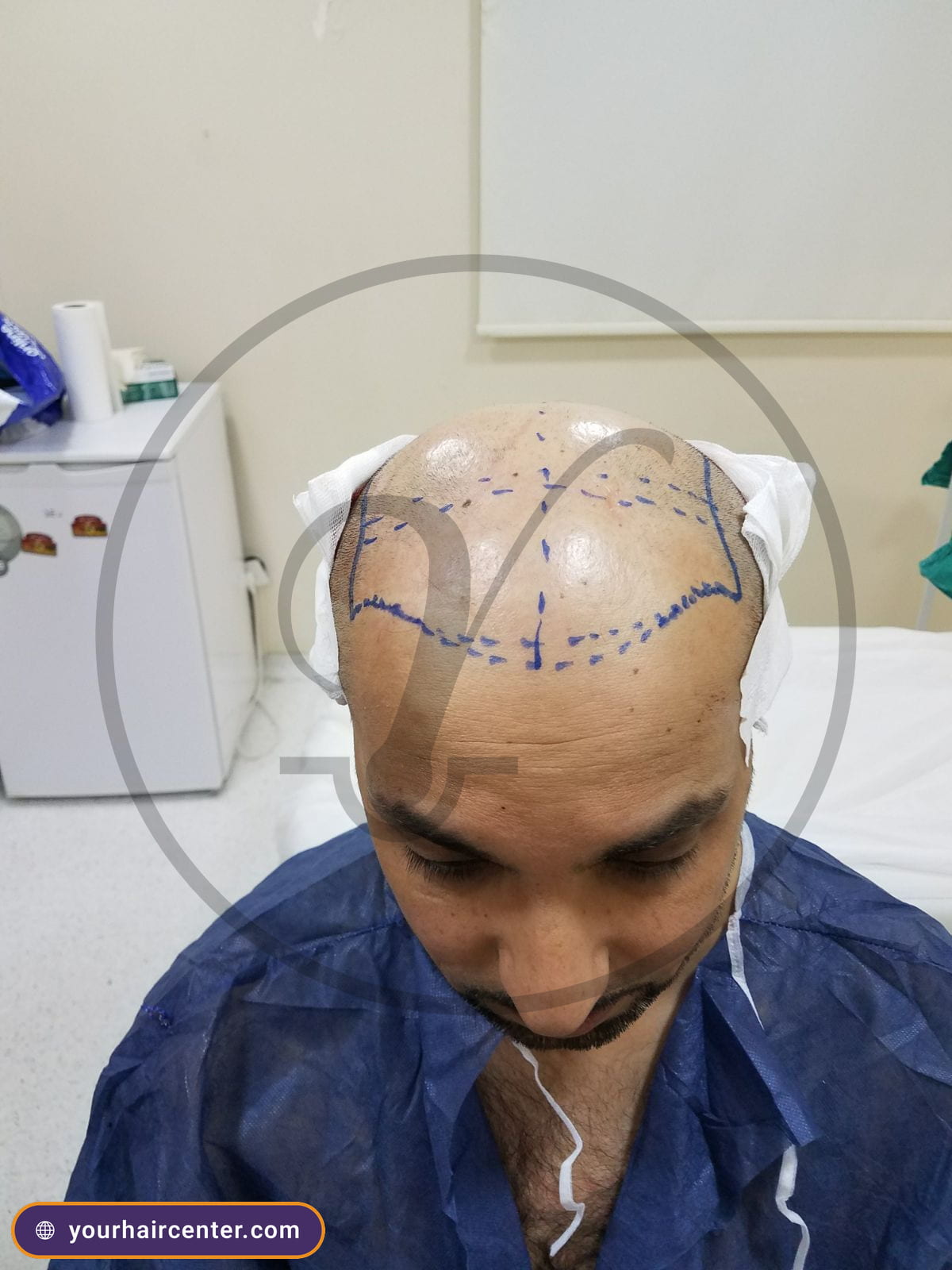
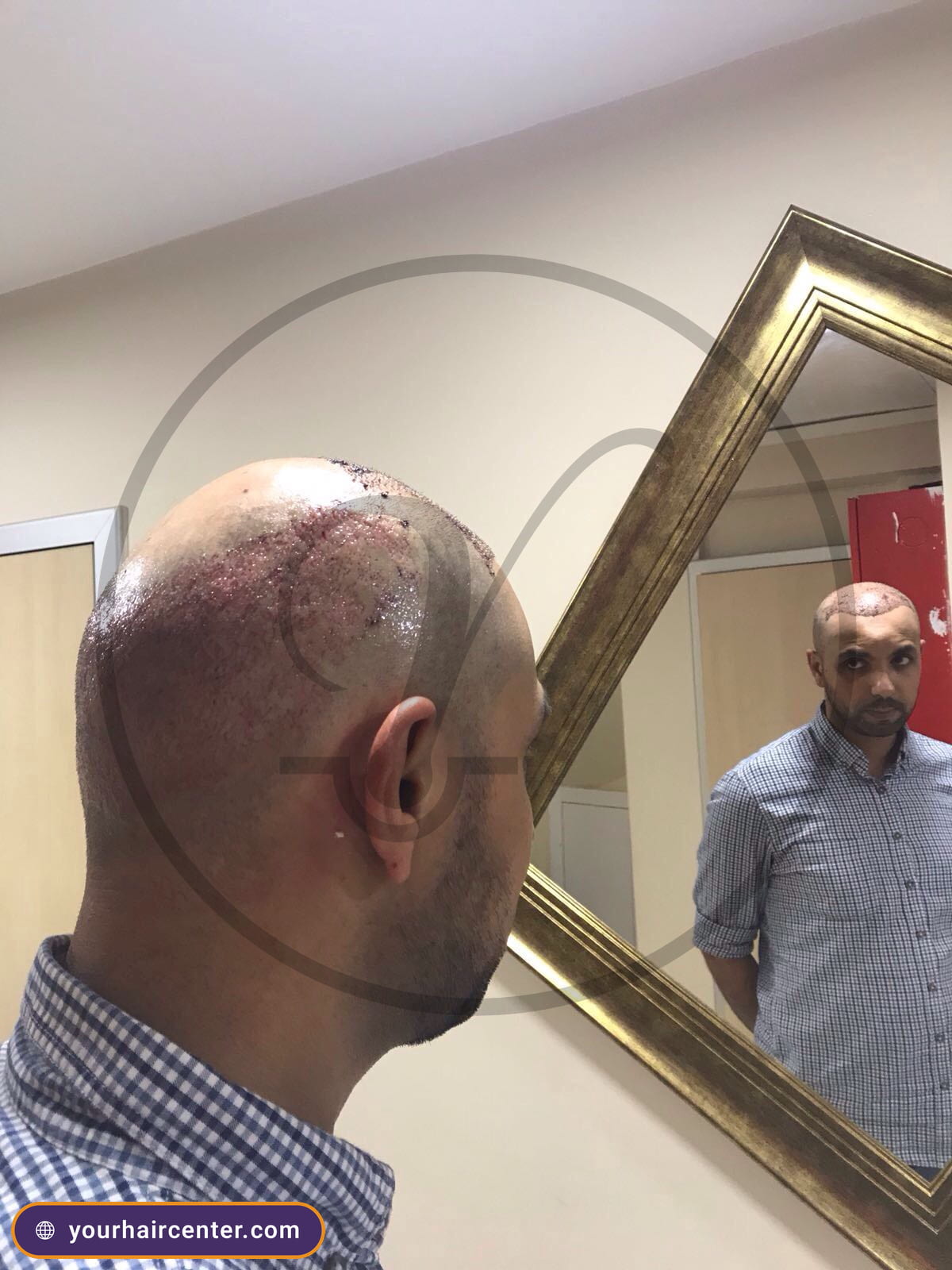
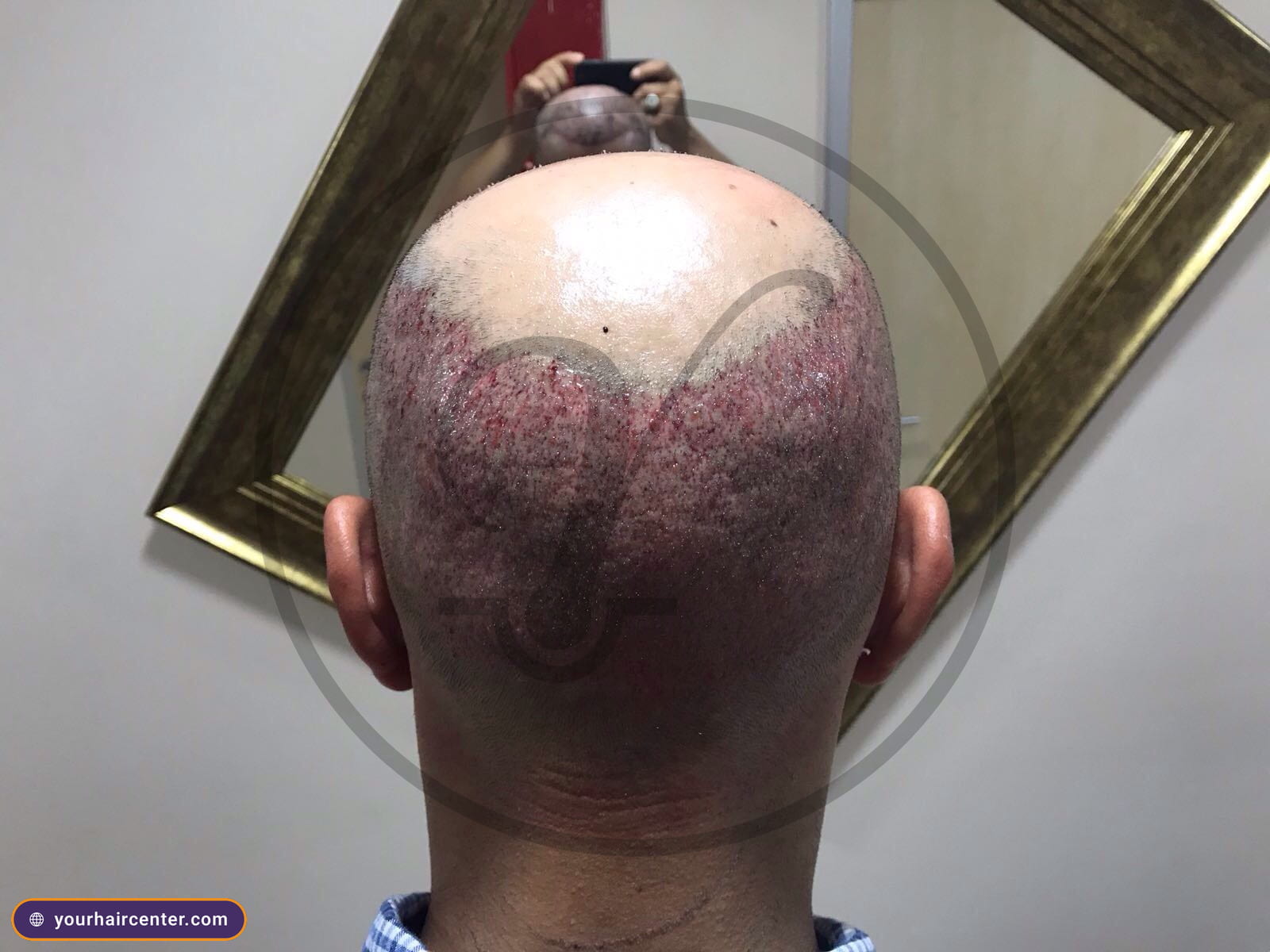
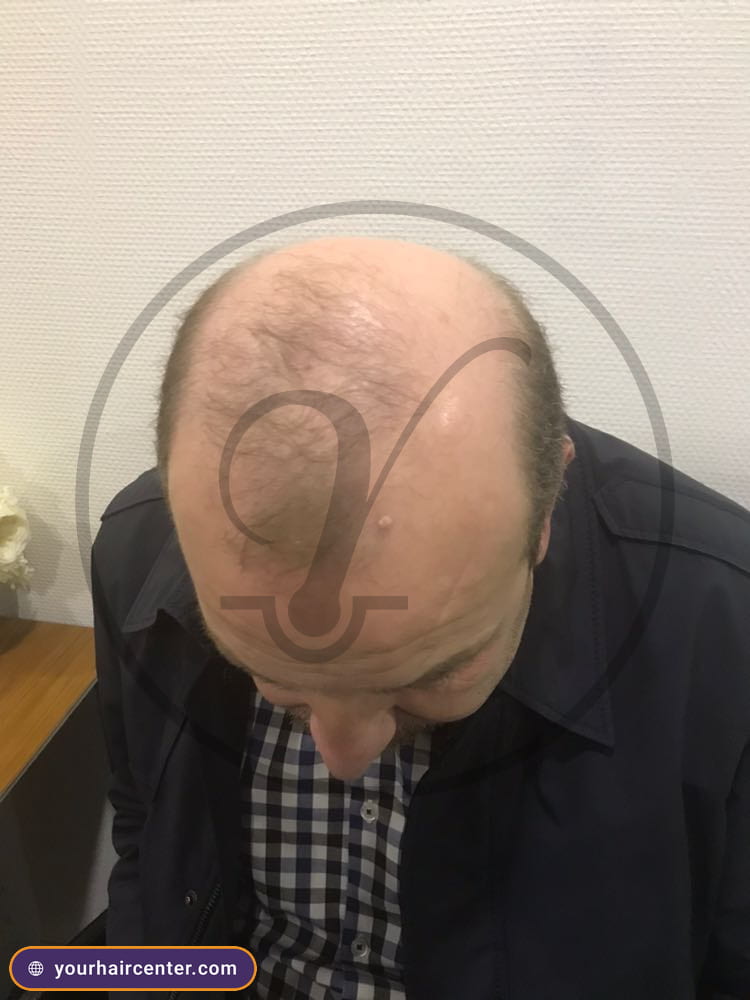
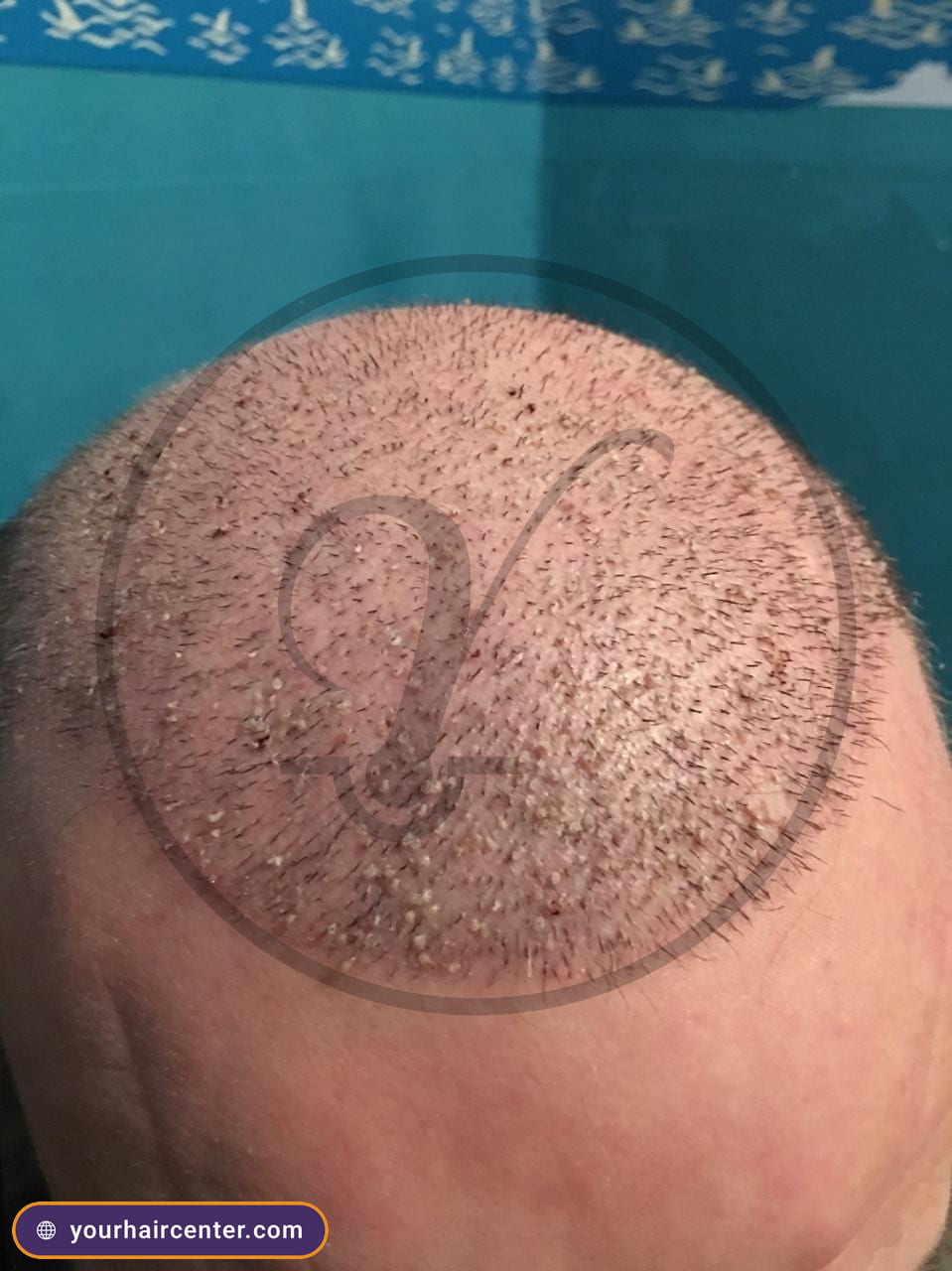
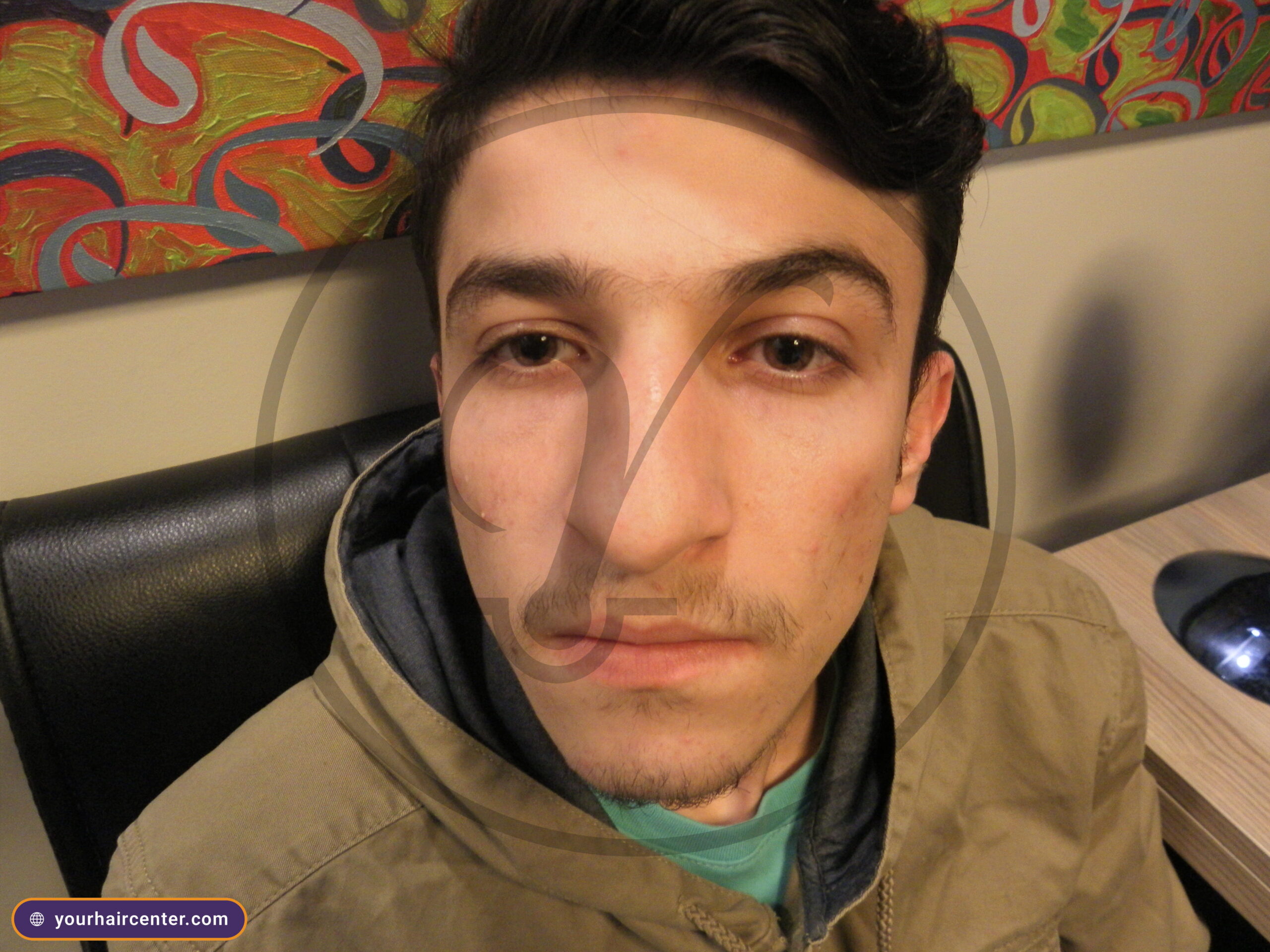
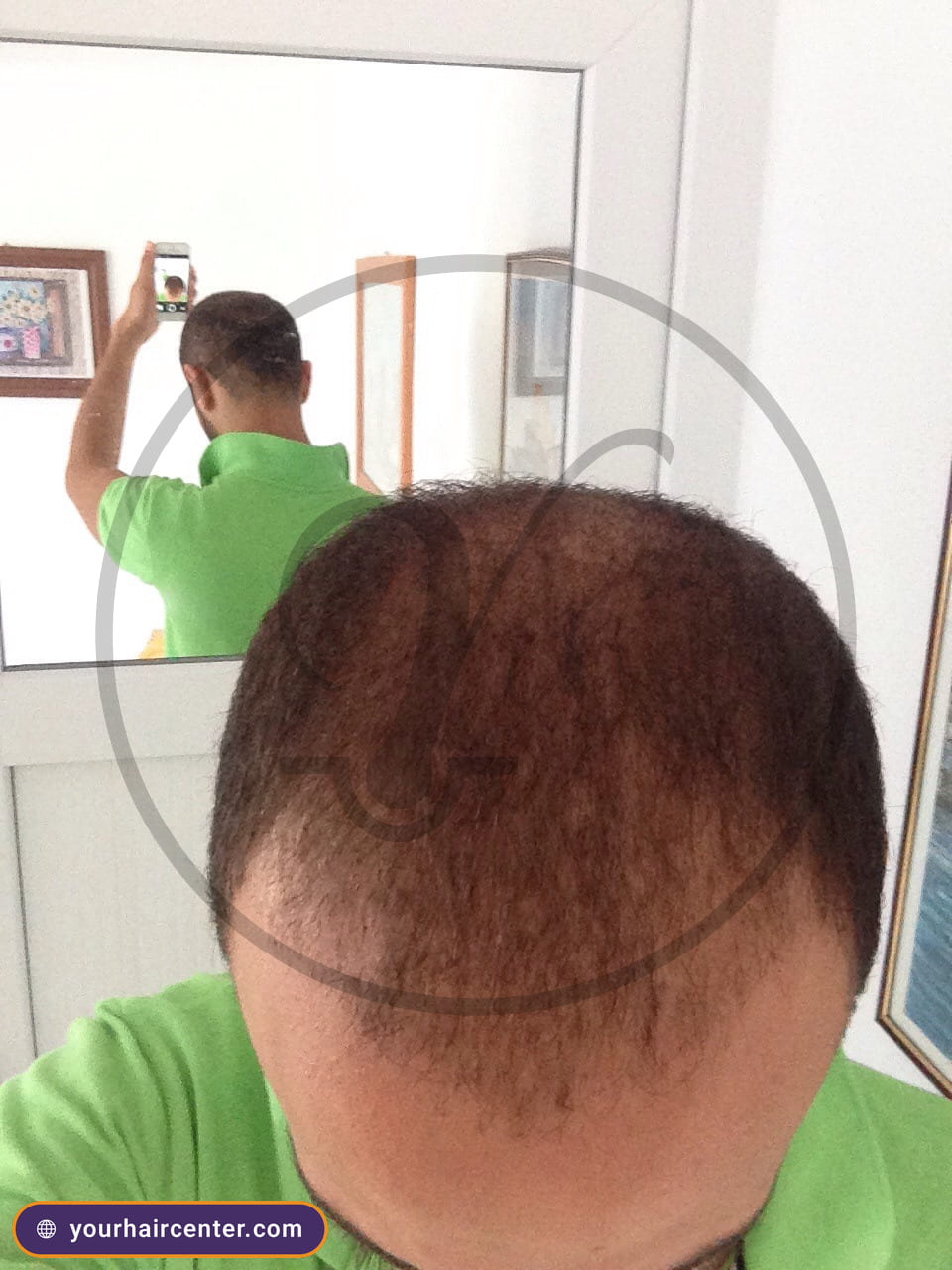
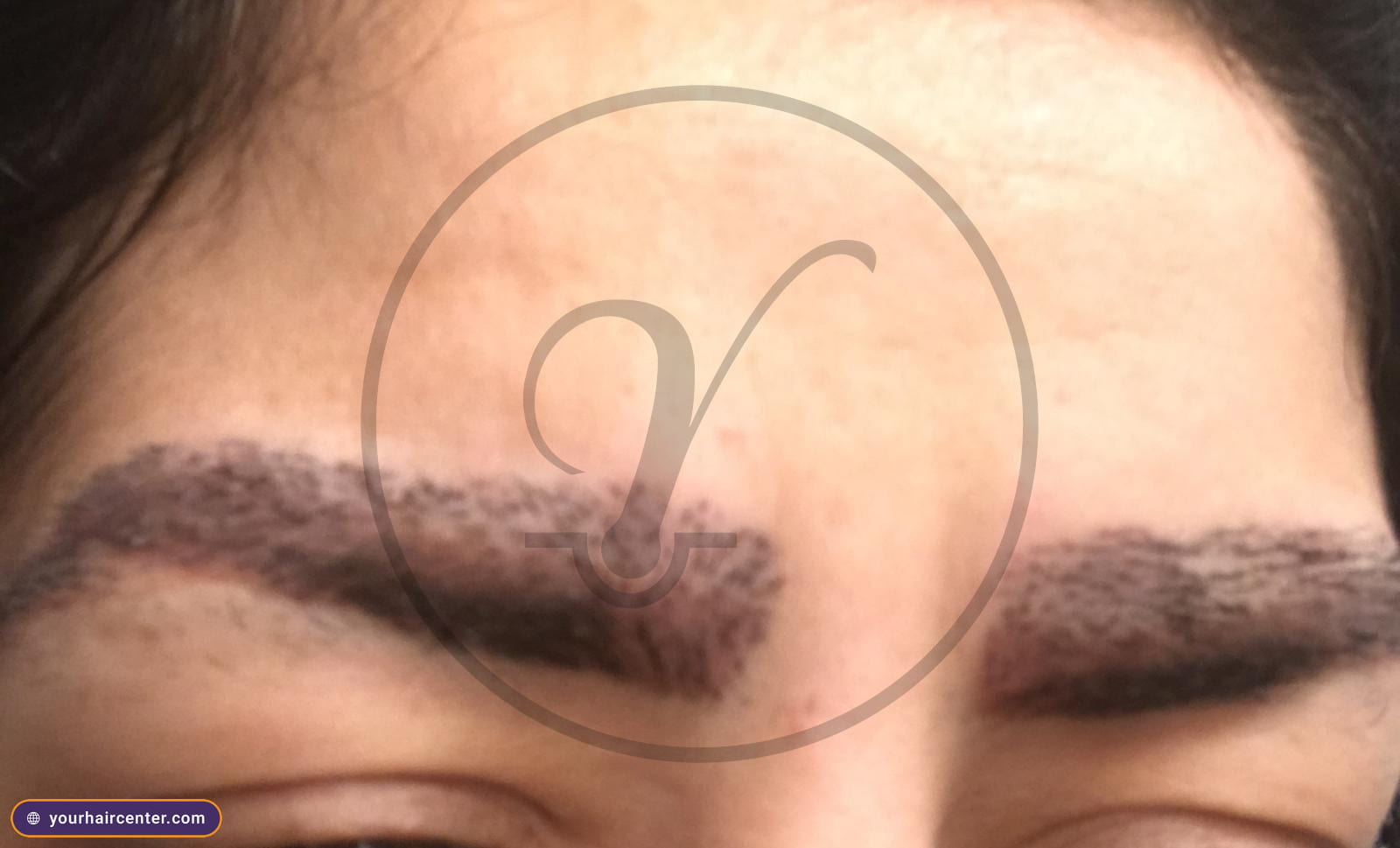
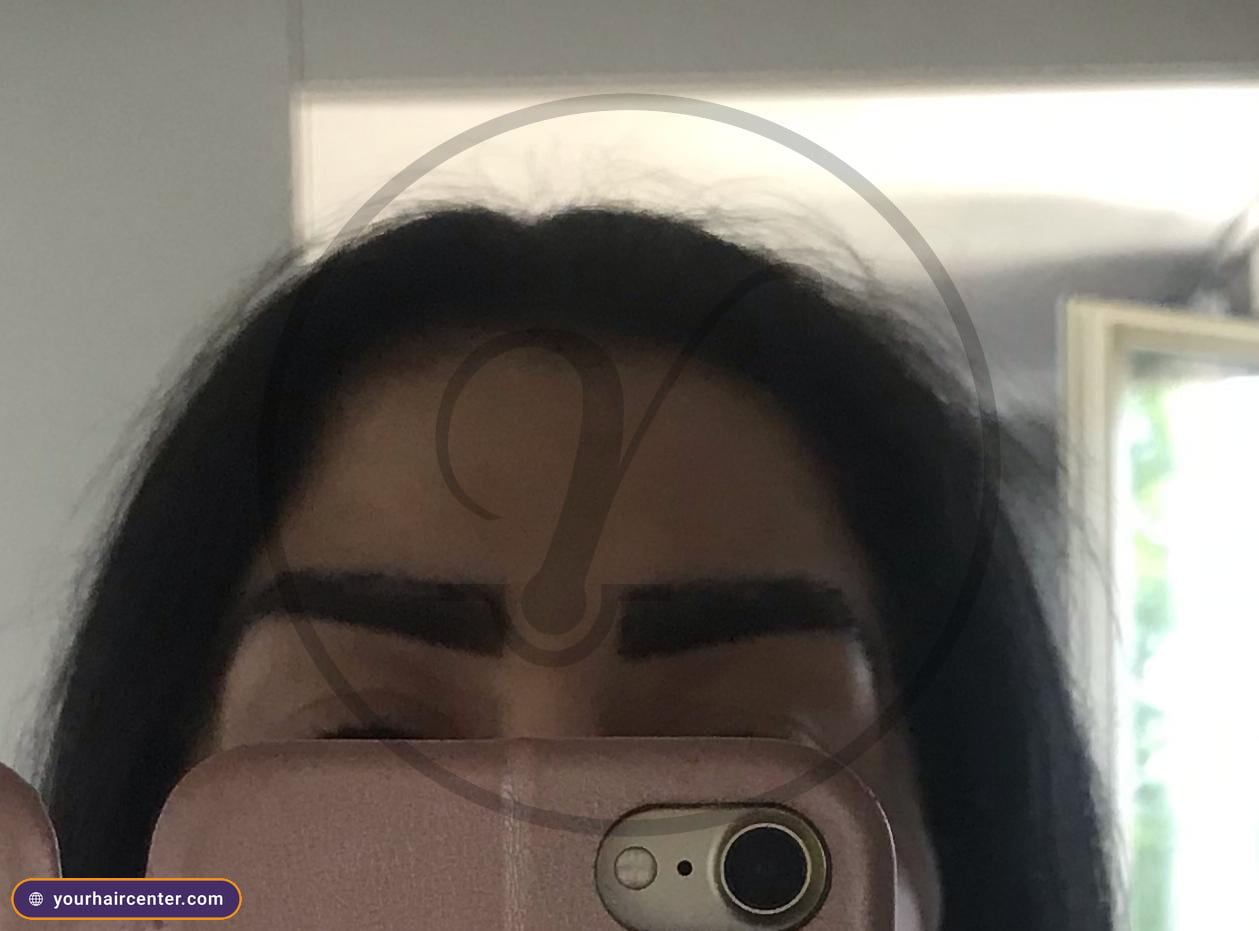
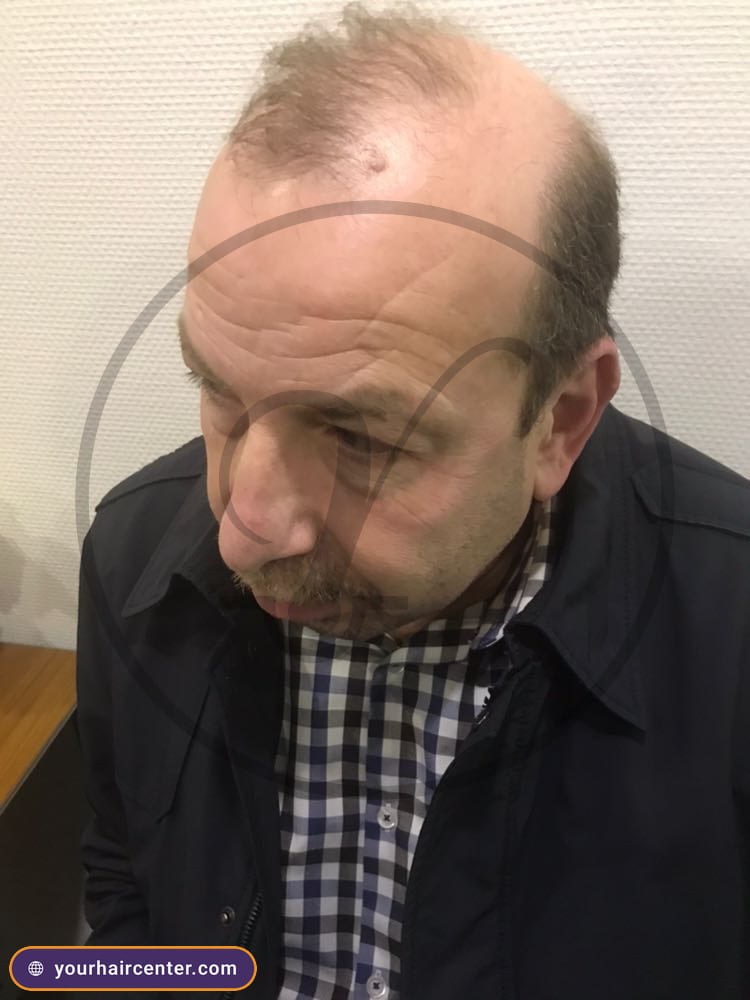
Real results from our patients’ archive. Photos exactly as captured at our accredited partner clinics, with no filters and no retouching. Browse more cases in our photo gallery.


The Five Differential Signals You Can Spot at Home
Before booking anything, you can work the telogen effluvium vs androgenetic alopecia question yourself with a quick self-assessment that translates the comparison table into five checks. None is conclusive alone, but together they usually point clearly toward one column.
- Onset timing. Did the shedding start suddenly, two to four months after a definable life event such as illness, surgery, childbirth, weight loss, or a stress peak? That favors telogen effluvium. Has the thinning crept in over years with no specific trigger? That favors androgenetic alopecia.
- Hair-fall location. Are you finding loose hairs in the shower, on the pillow, and on your clothing fairly evenly across the whole scalp? That favors telogen effluvium. Does the mirror show the temples receding or the part-line widening specifically at the crown? That favors androgenetic alopecia.
- The pull-test pattern. A standardized at-home hair pull test that extracts loose hairs across several scalp regions leans toward telogen effluvium, while a negative or borderline result combined with visible patterned thinning leans toward androgenetic alopecia. Use the linked protocol so your count is meaningful.
- Shaft caliber on inspection. Pinch a strand from the affected area and compare its thickness to a strand from the occipital zone at the back of the head. The same caliber favors telogen effluvium. Noticeably finer hair at the crown or temples than at the occiput favors androgenetic alopecia.
- Family history. A first-degree relative with patterned thinning, especially of the same sex, raises the probability of androgenetic alopecia substantially.
Run all five before you decide where you sit on telogen effluvium vs androgenetic alopecia. The point of the home checklist is not to self-diagnose with certainty, it is to tell you whether your case is clear enough to wait out or ambiguous enough to warrant a clinical look.
How Women See This, the Female-Pattern Variant
The female case is the single hardest part of the telogen effluvium vs androgenetic alopecia differential. Female-pattern androgenetic alopecia presents as diffuse thinning along the central parting rather than the temple recession men get, and that diffuse signature can look almost identical to telogen effluvium on a quick inspection.
Three signals separate telogen effluvium vs androgenetic alopecia in women. First, shedding that is sustained past six months with no trigger that resolves points away from telogen effluvium. Second, a family history of patterned thinning in a mother, maternal aunt, or grandmother raises the androgenetic probability. Third, trichoscopy showing miniaturized hairs concentrated in the central part-line region reveals the localized signature that is absent in a pure shedding episode.
The clinical context matters here. Postpartum and post-illness telogen effluvium in women is extremely common and usually resolves within roughly six months,[1:3] and it is not the same diagnosis as female androgenetic alopecia even though the early presentation can overlap. Settling the telogen effluvium vs androgenetic alopecia question reliably in women is precisely what a clinical hair and scalp analysis is built to do, and for women with a confirmed genetic component the women’s hair restoration pathway is the longer-term option.
Can You Have Telogen Effluvium and Androgenetic Alopecia Together?
Most people who land in a hair-loss clinic worried about shedding are not a clean case on either side of telogen effluvium vs androgenetic alopecia. They are a stress-triggered shedding event that has uncovered an underlying genetic pattern which had been progressing quietly for years, masked by the density that the shedding has now stripped away. The patient experiences it as the moment their hair loss began, when in fact only the visibility began that month.
The mechanism that links the two is worth understanding. Sustained cortisol elevation, the body’s chronic-stress signal, pushes a large share of follicles out of the growth phase and into resting all at once, which is the telogen effluvium event.[4] At the same time, in follicles that are genetically sensitive, the same hormonal environment does nothing to slow the DHT-driven miniaturization that was already underway.[3:2] The result is two processes presenting together, not one disguising the other. This is also why chronic telogen effluvium vs androgenetic alopecia is such a frequent point of diagnostic confusion in real patients.
A clinical scalp analysis disentangles them by reading the scalp region by region. Diffuse elevation of the telogen percentage across both the vertex (a pattern-prone zone) and the occipital reference zone at the back of the head (a pattern-safe zone) is the telogen effluvium signature. Localized miniaturization confined to the vertex and temples, with the occiput preserved, is the androgenetic signature. When both findings show up in the same patient, that is the overlap diagnosis rather than a simple telogen effluvium vs androgenetic alopecia call, and only a clinical hair and scalp analysis can map it cleanly.
The combined treatment pathway addresses both at once. An option such as PRP hair treatment supports follicle recovery through the shedding-resolution window, while medical hair loss treatment for the genetic component is started in parallel, so the underlying progression is addressed before the shedding recovery masks how much density has actually been permanently lost. The take-home is that the overlap case, not a clean telogen effluvium vs androgenetic alopecia split, is the most common real-patient presentation in a hair-loss consultation, not the edge case it sounds like.
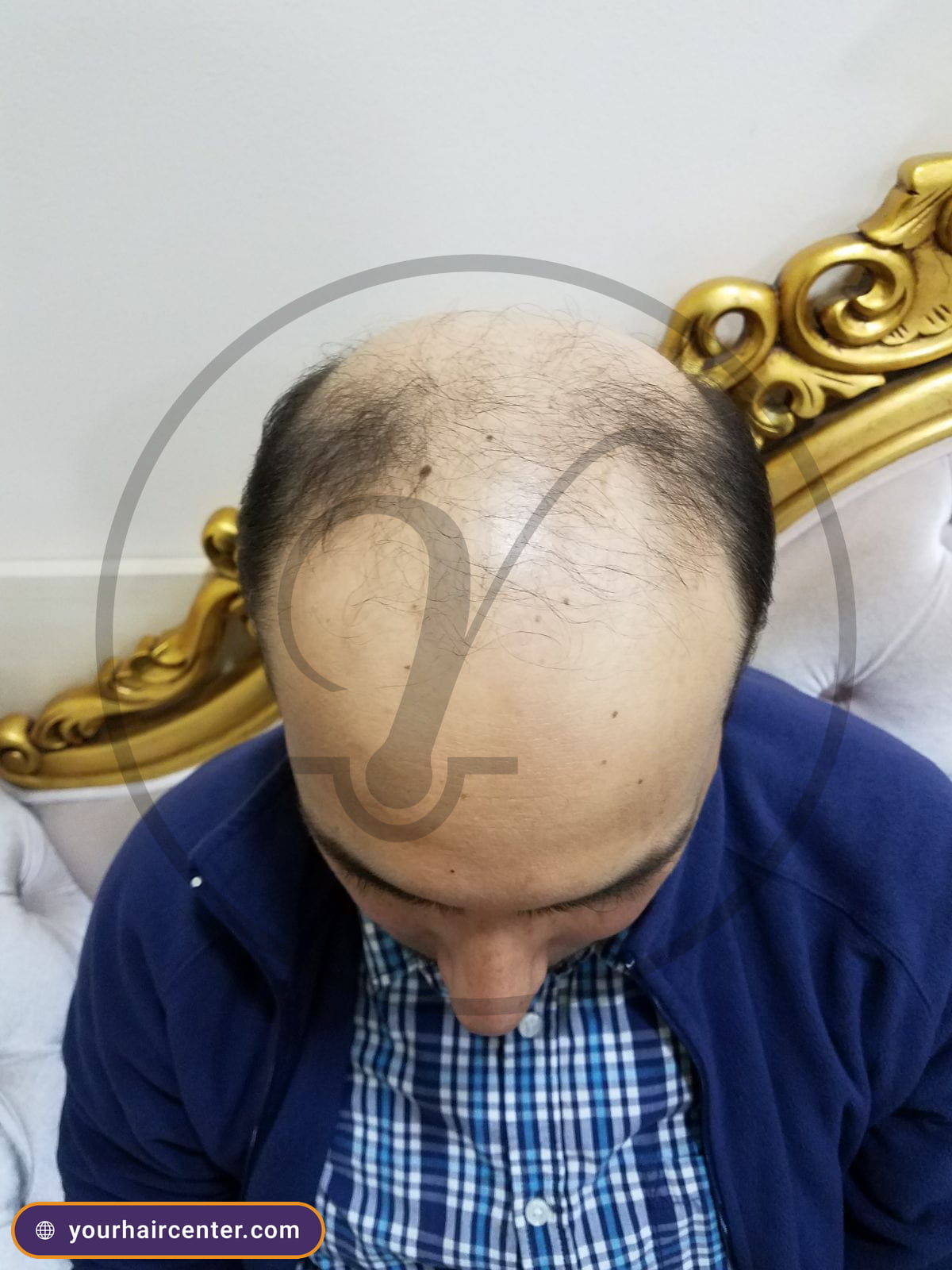
Real results from our patients’ archive. Photos exactly as captured at our accredited partner clinics, with no filters and no retouching. Browse more cases in our photo gallery.




When to Escalate to a Clinical Scalp Analysis
A home checklist is enough to settle the telogen effluvium vs androgenetic alopecia question in a clear-cut case. The following situations are where it stops being enough and a clinical look becomes the sensible next move.
- Shedding has continued past four months with no clear resolution arc.
- There is a family history of patterned thinning and the current pattern looks patterned rather than diffuse.
- Visible thinning is now obvious in the mirror, not just on the pillow and in the drain.
- The hair that has regrown after a shedding episode feels different in texture or caliber from what was there before.
Any one of these warrants a trichoscopy, because trichoscopy is the test that resolves the telogen effluvium vs androgenetic alopecia differential definitively when the home checklist cannot. It reads shaft caliber, density, and the anagen-to-telogen ratio at the follicle level, which is the evidence the mirror simply cannot show you. When you reach that point, a clinical hair and scalp analysis is the diagnostic resolver that settles the question.
Frequently Asked Questions
How to know if it is telogen effluvium or androgenetic alopecia?
The telogen effluvium vs androgenetic alopecia call comes down to three things. Telogen effluvium starts suddenly two to four months after a trigger, sheds diffusely across the whole scalp, and reverses once the trigger clears. Androgenetic alopecia comes on gradually in a crown-and-temple or central-parting pattern and progresses without treatment.
Does high cortisol lead to hair loss?
Yes, sustained high cortisol can lead to hair loss. Chronic stress activates the body’s stress-hormone axis and can push a large share of growing follicles into the resting phase at once, producing the diffuse shedding of telogen effluvium two to four months later.[4:1] The shedding usually reverses once the stress resolves.
How to know if it's AGA or TE?
The fastest way to separate AGA (androgenetic alopecia) from TE (telogen effluvium) is pattern and timeline. TE is diffuse, sudden, trigger-linked, and reversible. AGA is patterned, gradual, often hereditary, and progressive. When both seem to fit, a trichoscopy reading the vertex against the occipital reference zone settles the telogen effluvium vs androgenetic alopecia question.
At what age does AGA start?
Androgenetic alopecia can begin any time after puberty. In men the average onset is in the early-to-mid twenties, and the condition becomes more common with age. In women it can begin earlier but rises markedly after menopause.[3:3] Early onset does not predict how fast it will progress.
What is the difference between telogen effluvium and anagen effluvium?
What is the difference between telogen effluvium and alopecia areata?
Telogen effluvium causes diffuse shedding across the whole scalp. Alopecia areata is an autoimmune condition that creates well-demarcated round or oval bald patches, often with short tapering exclamation-mark hairs at the edges.[7] The patchy, sharply bordered loss is what distinguishes alopecia areata from the even thinning of telogen effluvium.[8]
How to Tell Which One You Have
The telogen effluvium vs androgenetic alopecia question has a clinical answer, and the side-by-side table, the five-signal home checklist, and the overlap-case framework in this guide cover the vast majority of presentations. When the home read on telogen effluvium vs androgenetic alopecia still leaves real uncertainty, a clinical scalp analysis settles it definitively in one visit, where trichoscopy plus the relevant blood panel resolves the diagnosis and points to the right treatment pathway.
Book a free clinical scalp analysis to settle telogen effluvium vs androgenetic alopecia for your own shedding, clinical hair and scalp analysis. Or send your photos for a free preliminary review and we will help you figure out the first step.
References
- Cleveland Clinic. “Telogen Effluvium: Symptoms, Causes, Treatment & Regrowth.” https://my.clevelandclinic.org/health/diseases/24486-telogen-effluvium (opens in new tab) ︎ ︎ ︎ ︎
- Hughes EC, Saleh D. “Telogen Effluvium.” StatPearls, NCBI Bookshelf. https://www.ncbi.nlm.nih.gov/books/NBK430848/ (opens in new tab) ︎
- Ho CH, Sood T, Zito PM. “Androgenetic Alopecia.” StatPearls, NCBI Bookshelf. https://www.ncbi.nlm.nih.gov/books/NBK430924/ (opens in new tab) ︎ ︎ ︎ ︎
- Quist SR, Quist J. “Keep quiet, how stress regulates hair follicle stem cells.” Signal Transduction and Targeted Therapy, 2021 (PMC). https://pmc.ncbi.nlm.nih.gov/articles/PMC8501069/ (opens in new tab) ︎ ︎
- Saleh D, Nassereddin A, Cook C. “Anagen Effluvium.” StatPearls, NCBI Bookshelf. https://www.ncbi.nlm.nih.gov/books/NBK482293/ (opens in new tab) ︎
- Cleveland Clinic. “Anagen Effluvium.” https://my.clevelandclinic.org/health/diseases/anagen-effluvium (opens in new tab) ︎
- Cleveland Clinic. “Alopecia Areata: Symptoms, Causes, Treatment & Regrowth.” https://my.clevelandclinic.org/health/diseases/12423-alopecia-areata (opens in new tab) ︎
- British Association of Dermatologists. “Alopecia areata.” https://www.bad.org.uk/pils/alopecia-areata (opens in new tab) ︎