You have tried shampoos, supplements, and home remedies without real results. Hair loss has specific medical causes, and each one calls for a different hair loss treatment. This guide walks you through every proven option so you can choose the right path with confidence.

Tried everything and your hair is still falling? A hair loss treatment that actually works starts with the right diagnosis.
More than half of men over age 50 have some degree of hair loss, according to the U.S. National Library of Medicine, and in women it is most likely after menopause. Real medical solutions exist, backed by clinical evidence. Whether your case is mild or advanced, this guide helps you identify the cause and choose the right hair loss treatment.
Hair loss is more than a cosmetic concern. It is a daily worry that affects confidence and mental well-being. Maybe it started with more hair on the pillow. Then thinning at the front. Then you tried shampoos, supplements, and home remedies without real results. The truth is that hair loss has specific medical causes, and each cause calls for a different hair loss treatment. The first step is an accurate diagnosis.

Istanbul, Turkey
Accredited partner clinics and hospitals
+8 treatment options
From topical medications to hair transplant surgery
Results in 3-6 months
Evidence-based clinical protocols
Free photo evaluation
Send your photos and get a doctor’s opinion within 24 hours
What's causing your hair loss? Find the right hair loss treatment for your case.
Hair loss has different causes, and each one has a different treatment pathway. Identify your type to narrow in on the most effective hair loss treatment for you.
Androgenetic (genetic)
The most common cause in both men and women. Begins with a receding hairline or thinning at the crown, and progresses gradually over the years.
Best matched treatment
Hormonal imbalance
Thyroid disorders, PCOS, and menopause cause diffuse thinning across the scalp. Treatment must address the underlying hormonal cause first.
Best matched treatment
Telogen effluvium
Temporary shedding triggered by severe stress, emotional shock, or physical strain. Heavy shedding, but recoverable with the right treatment.
Best matched treatment
Nutritional deficiency
Low iron, zinc, vitamin D, or B12 weakens follicles and causes gradual shedding. A blood panel pinpoints the deficiency precisely.
Best matched treatment
Postpartum hair loss
Hormonal changes after pregnancy cause sudden, heavy shedding. It typically starts 2 to 4 months after delivery and settles on its own, with fullness back for most women by the baby’s first birthday. See a doctor if heavy shedding goes on past 6 months or bald patches appear.
Best matched treatment
Alopecia areata (autoimmune)
The immune system attacks hair follicles, creating round bald patches. This type needs specialized medical intervention to reactivate the follicles.
First step
Not sure what type of hair loss you have?
Home remedies or medical hair loss treatment, what does the science say?
Many patients start with home remedies before thinking about medical care. A few of these remedies offer limited benefit, but most lack strong scientific evidence.
Popular home remedies
Natural oils (castor, coconut, rosemary)
They improve hair texture and reduce dryness. Studies show only a limited effect on stopping hair loss. Rosemary oil has some supporting evidence for stimulating growth. Scientific verdict, limited benefit.
Onion juice and garlic extract
Small studies have shown improvement in alopecia areata. Results for other hair loss types are unproven, and the odor makes adherence difficult. Scientific verdict, limited benefit.
Egg and honey masks
They improve hair appearance temporarily but never reach the follicle and do not influence the hair growth cycle. No clinical trials support their role in treating loss. Scientific verdict, no evidence.
Herbal supplements (biotin, saw palmetto)
Biotin helps only if there is a real deficiency. Saw palmetto has a mild DHT-inhibiting effect. Both are supportive, not a primary hair loss treatment. Scientific verdict, conditional benefit.
When you need medical hair loss treatment
- Shedding has continued for more than 6 months
- The scalp is visible or the part line is widening
- A family history of baldness
- Home remedies have produced no result
- The hairline is starting to recede
If two or more of these apply to you
No hair loss treatment is 100% guaranteed
Hair loss treatment options by severity, from mild thinning to advanced baldness
Every stage of hair loss has matching treatments. Identify your severity level to zero in on the best-fit options.
Mild
Early thinning, light shedding
- Minoxidil
- Vitamins and supplements
- Low-level laser therapy (LLLT)
- Scalp care routine
Moderate
Visible thinning, clear recession
- PRP hair plasma
- Mesotherapy
- Finasteride (for men)
- Combined protocols
Severe
Heavy shedding, visible scalp
- Transplant assessment
- Full medical workup
- Minoxidil to hold the remaining hair
- Finasteride (for men)
Advanced baldness
Extensive loss, bare areas
- FUE / Sapphire transplant
- DHI transplant (Choi pen)
- Transplant + PRP combined
- Percutaneous technique
Most patients benefit from combined protocols. Treatments perform best when layered together under a personalized plan.
Hair loss treatment by gender, protocols for men and women
The causes of hair loss differ between men and women, and so does the treatment path. Pick the section that applies to you to see the recommended protocol.
Why men lose hair
- DHT sensitivity. Responsible for 95% of male pattern baldness. Gradually weakens follicles until they stop producing hair.
- Receding hairline. Starts at the forehead and temples, mapped by the Norwood Scale.
- Crown thinning. Progresses to complete baldness at the top of the scalp if untreated early.
- Psychological stress. Accelerates genetic shedding and intensifies its severity.
Early intervention at Norwood stage 2-3
Recommended protocol for men
Finasteride + minoxidil
FDA-approved first-line therapy. Finasteride blocks the conversion of testosterone to DHT, and minoxidil stimulates hair growth.
PRP sessions every 4 to 6 months
Ongoing maintenance that boosts scalp blood flow and reactivates weakened follicles.
Transplant assessment if progression continues
If non-surgical therapy is not enough, the patient is evaluated for a hair transplant based on donor-area density.
PRP after transplant to enhance growth
Post-transplant PRP sessions improve the growth rate of the transplanted follicles and increase final density.
Why women lose hair
- PCOS. A common hormonal disorder that causes thinning and increased shedding.
- Postpartum shedding. Dropping estrogen after pregnancy triggers heavy shedding within 2-6 months.
- Diffuse thinning. Reduced density across the entire scalp without a defined pattern.
- Menopause. Hormonal shifts weaken follicles and increase sensitivity.
Women need a different protocol
Recommended protocol for women
Minoxidil + nutritional supplements
Minoxidil 2% is the approved option for women, paired with iron, biotin, and vitamin D based on lab results.
PRP + mesotherapy sessions
A combined program that activates growth factors and delivers nutrients directly into the follicles.
Exosomes as an add-on
An optional add-on to hair loss treatment for early to moderate loss, with evidence that is still limited. If PRP brings no response, our medical team reassesses the cause before any next step.
Unshaven transplant (U-FUE)
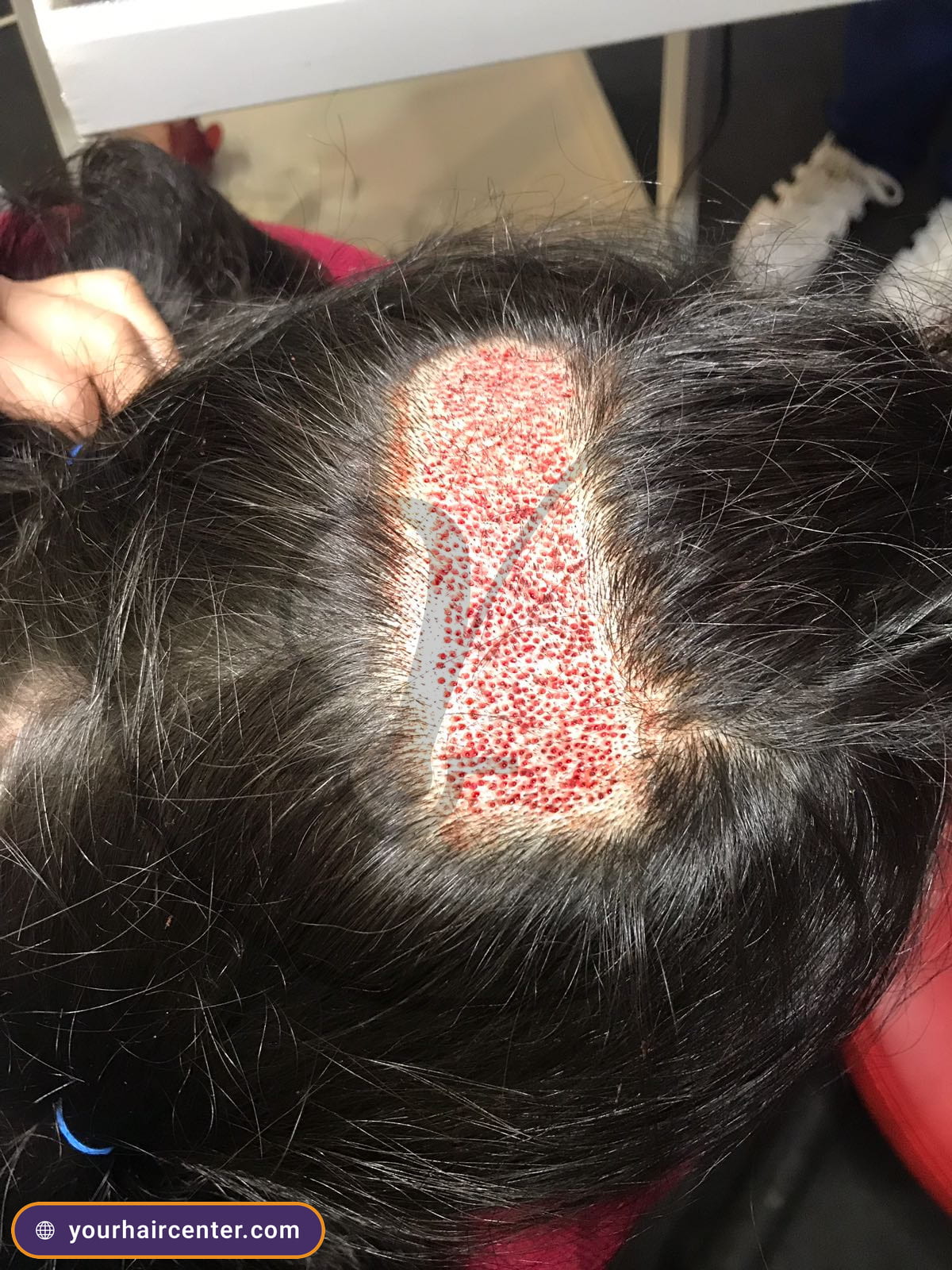
For women who need a transplant, U-FUE is performed without shaving the surrounding hair.
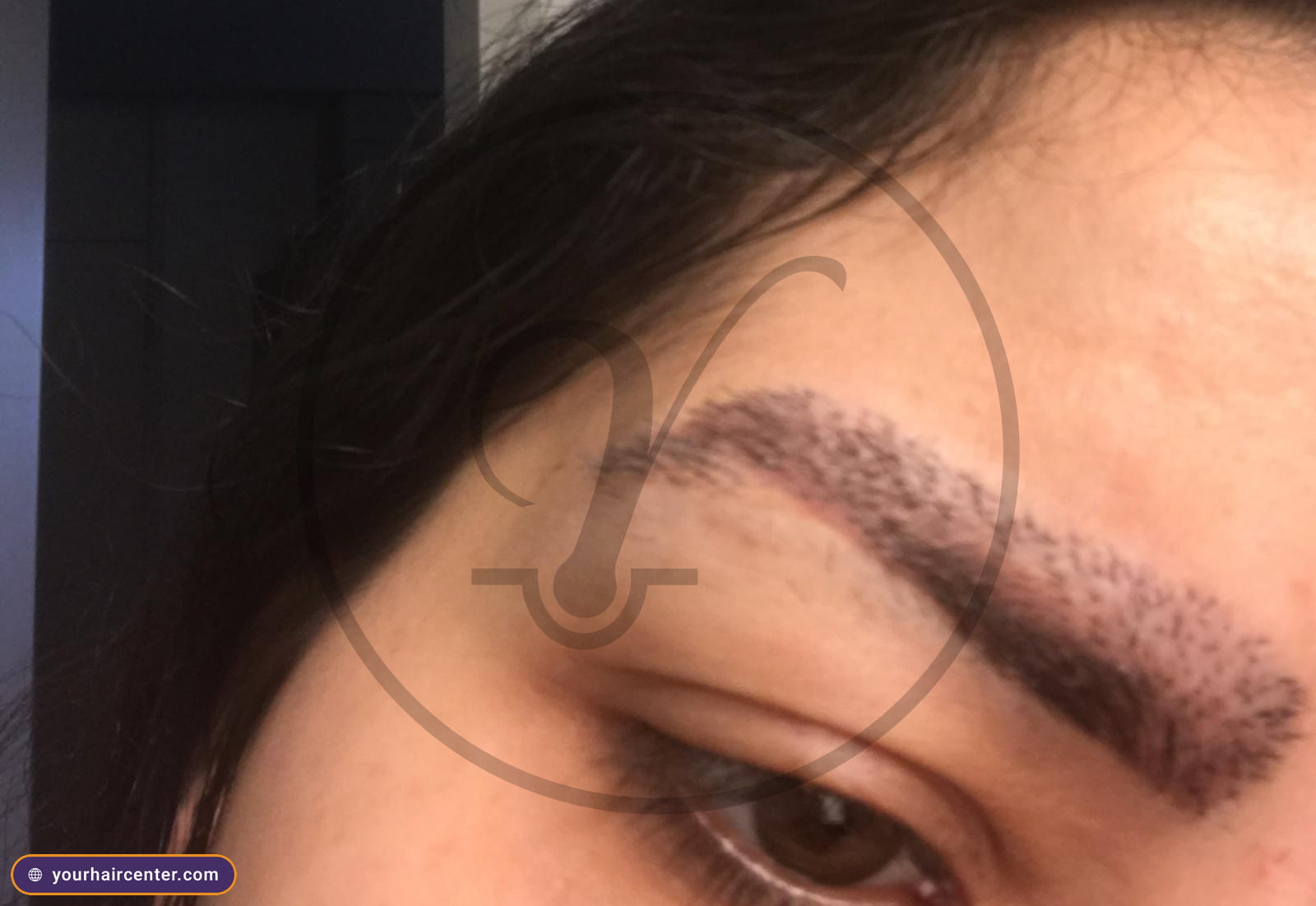
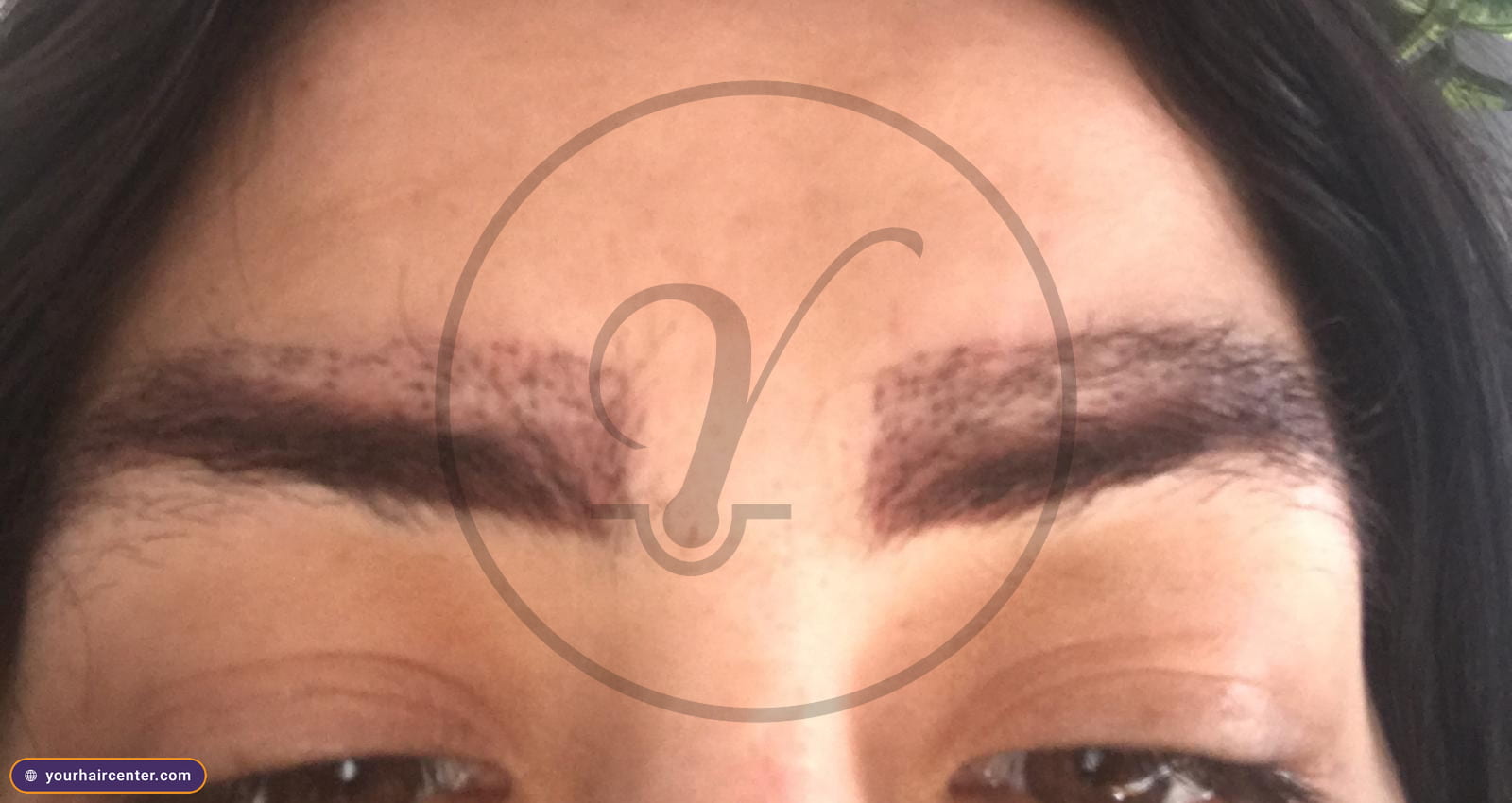
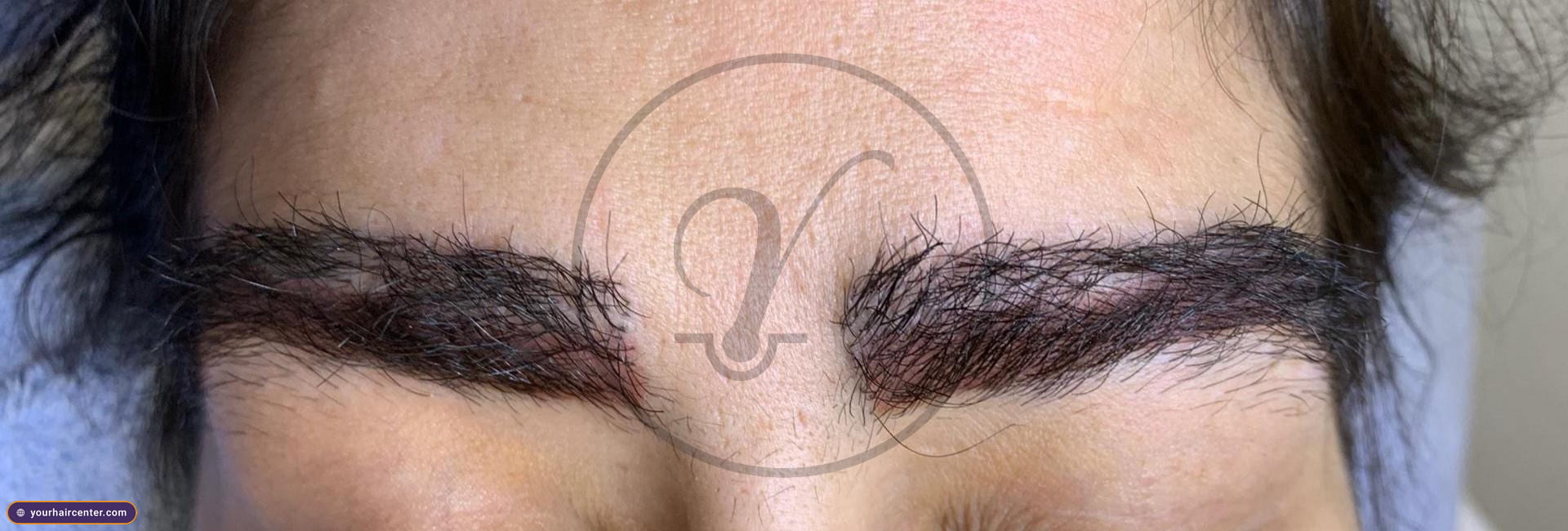
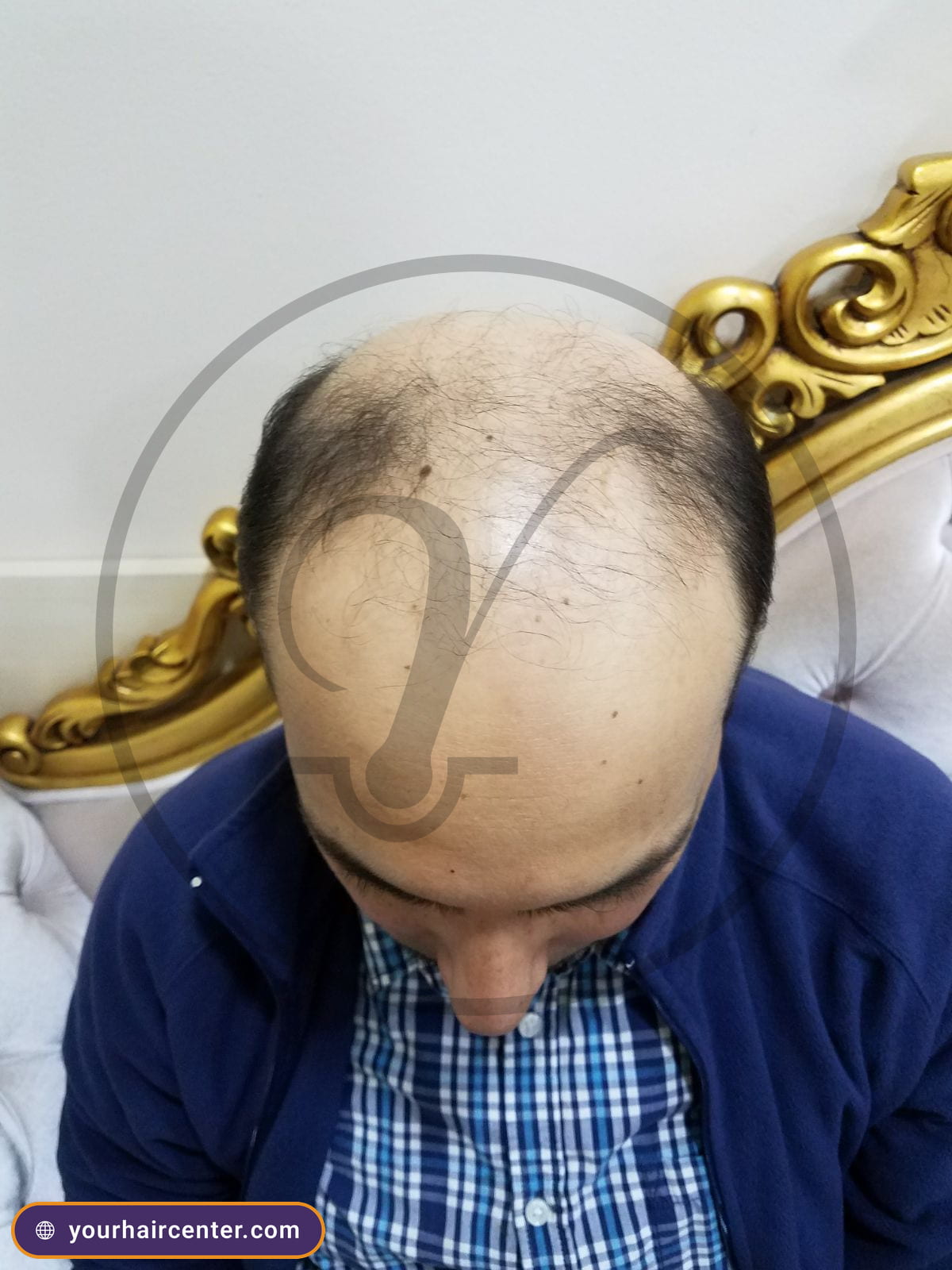
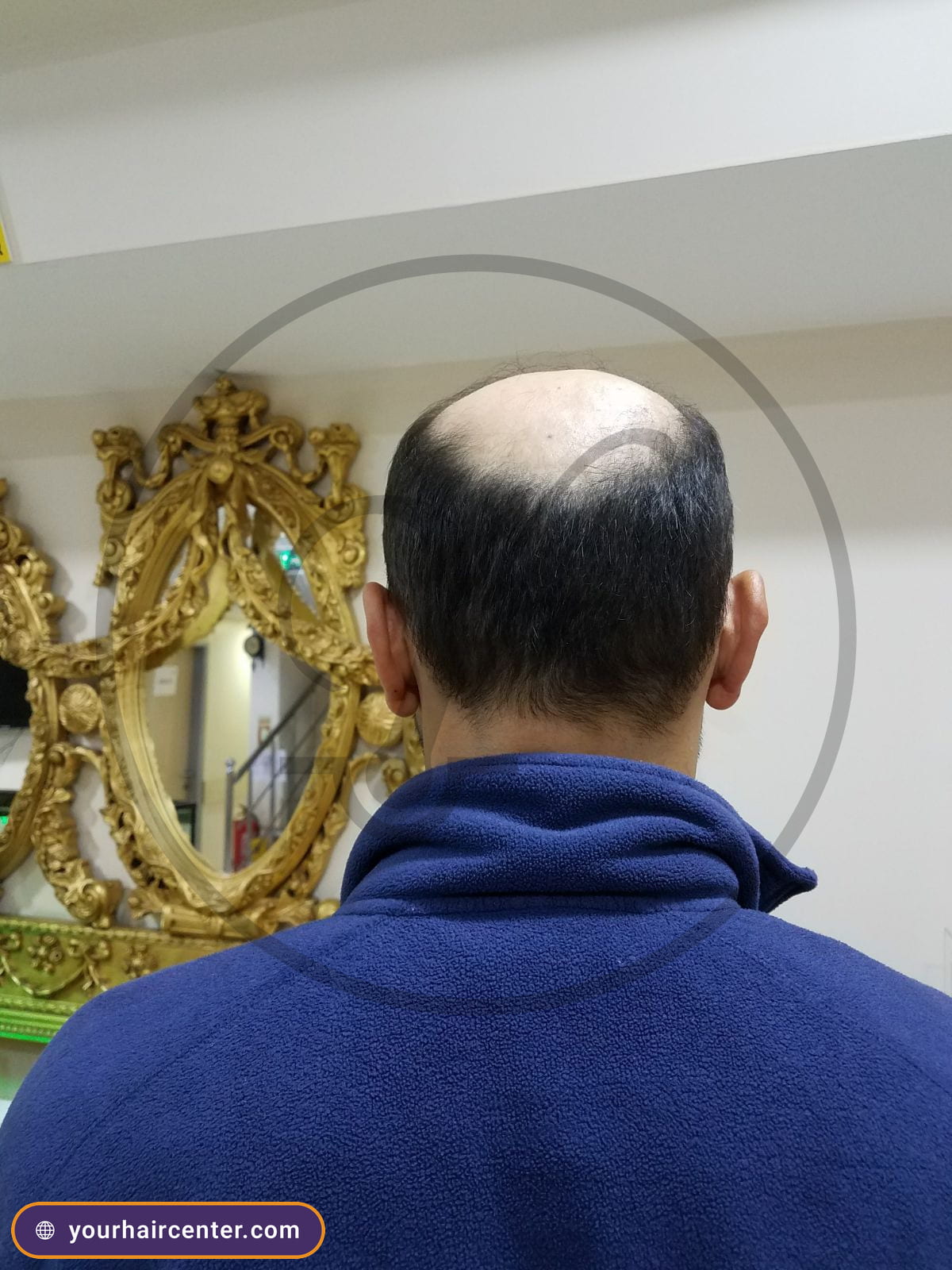
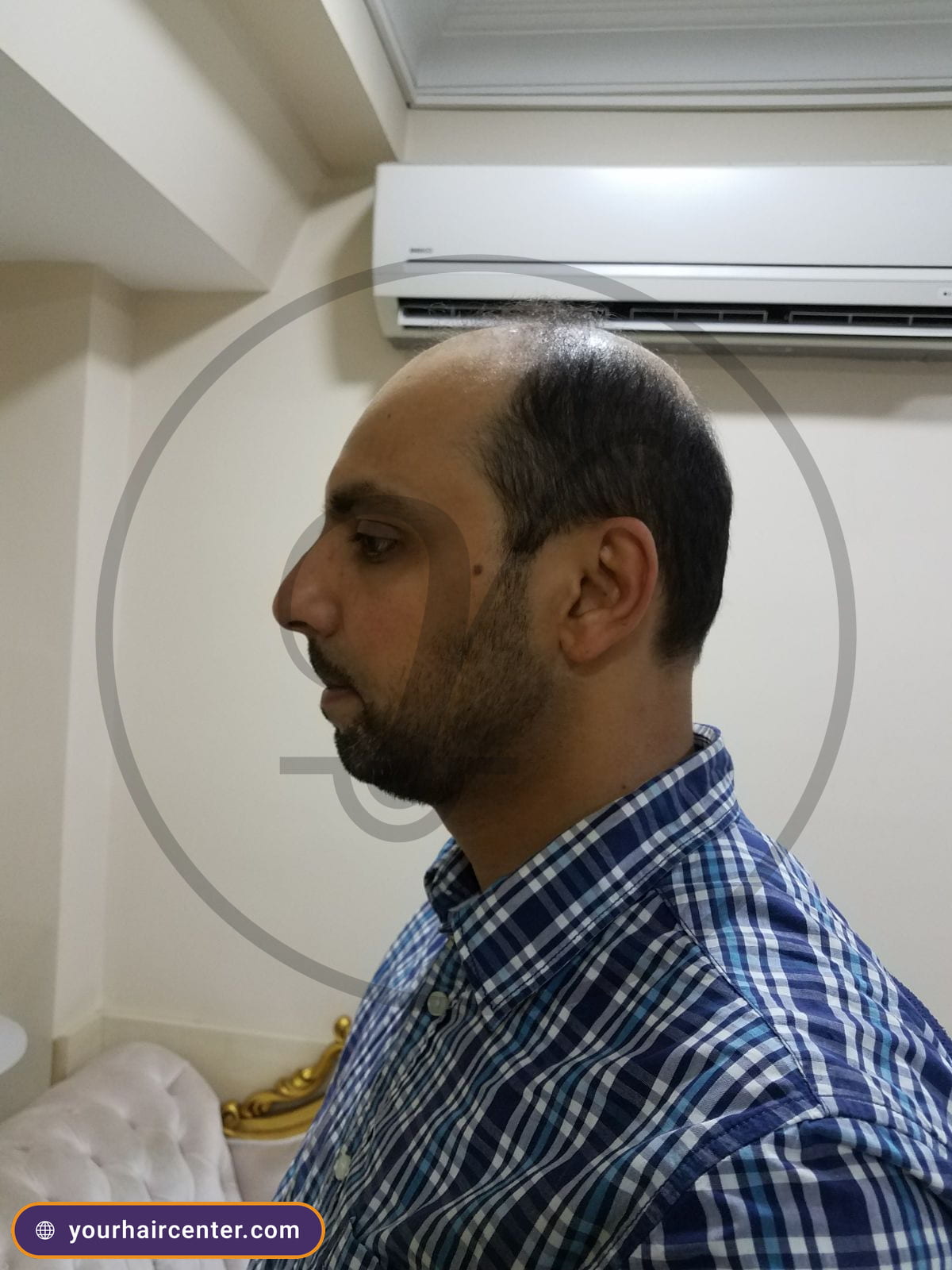
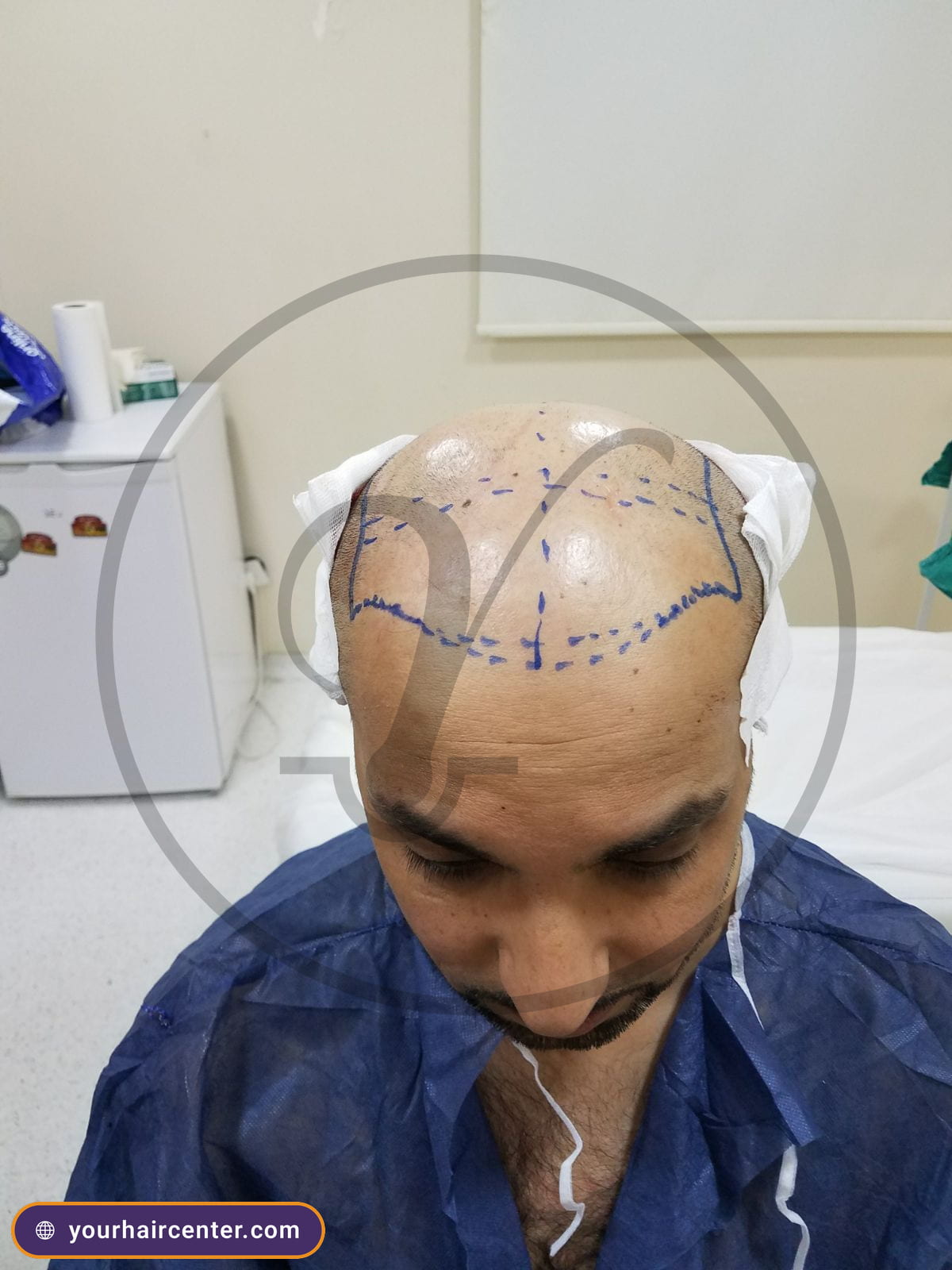
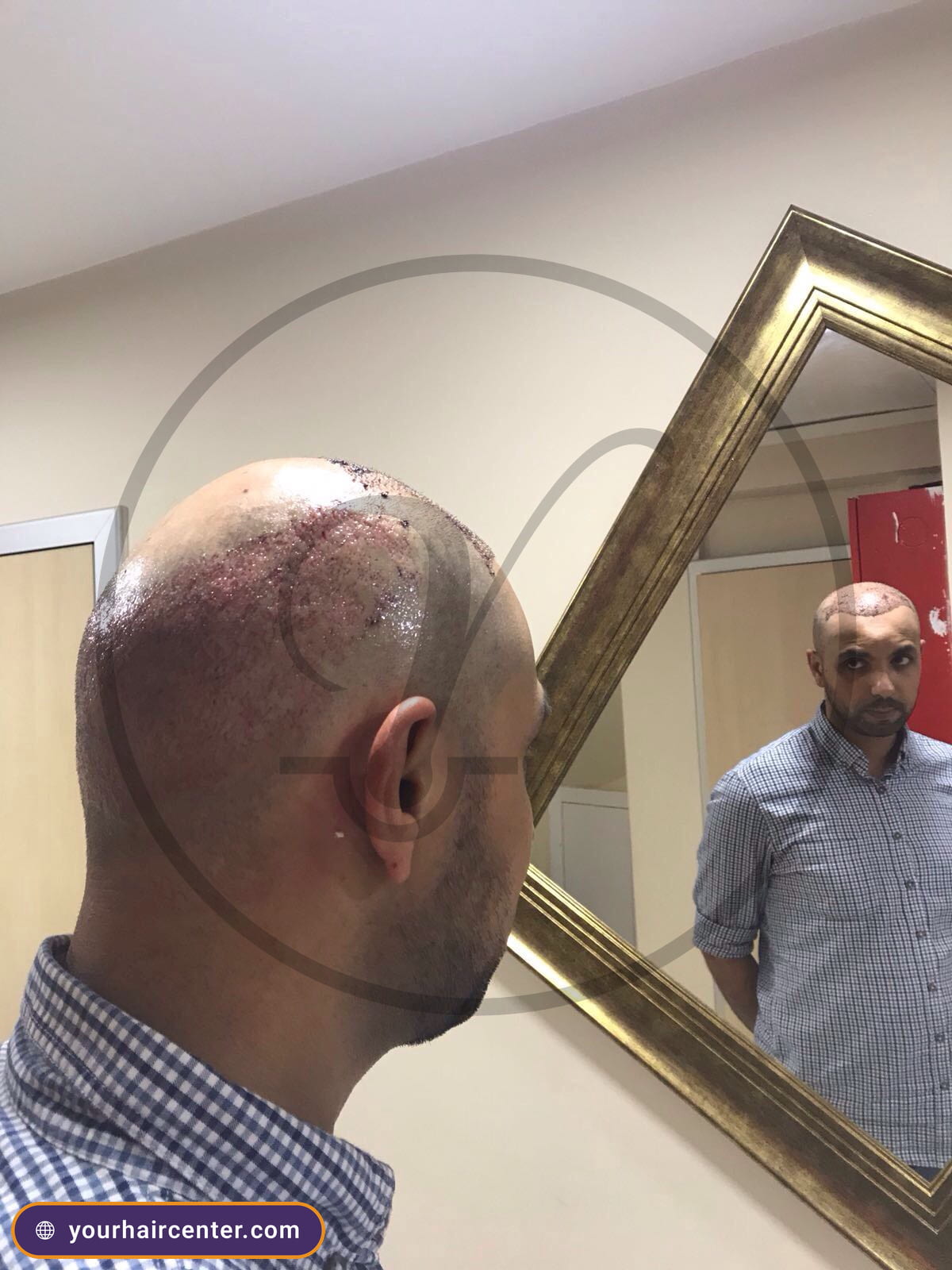
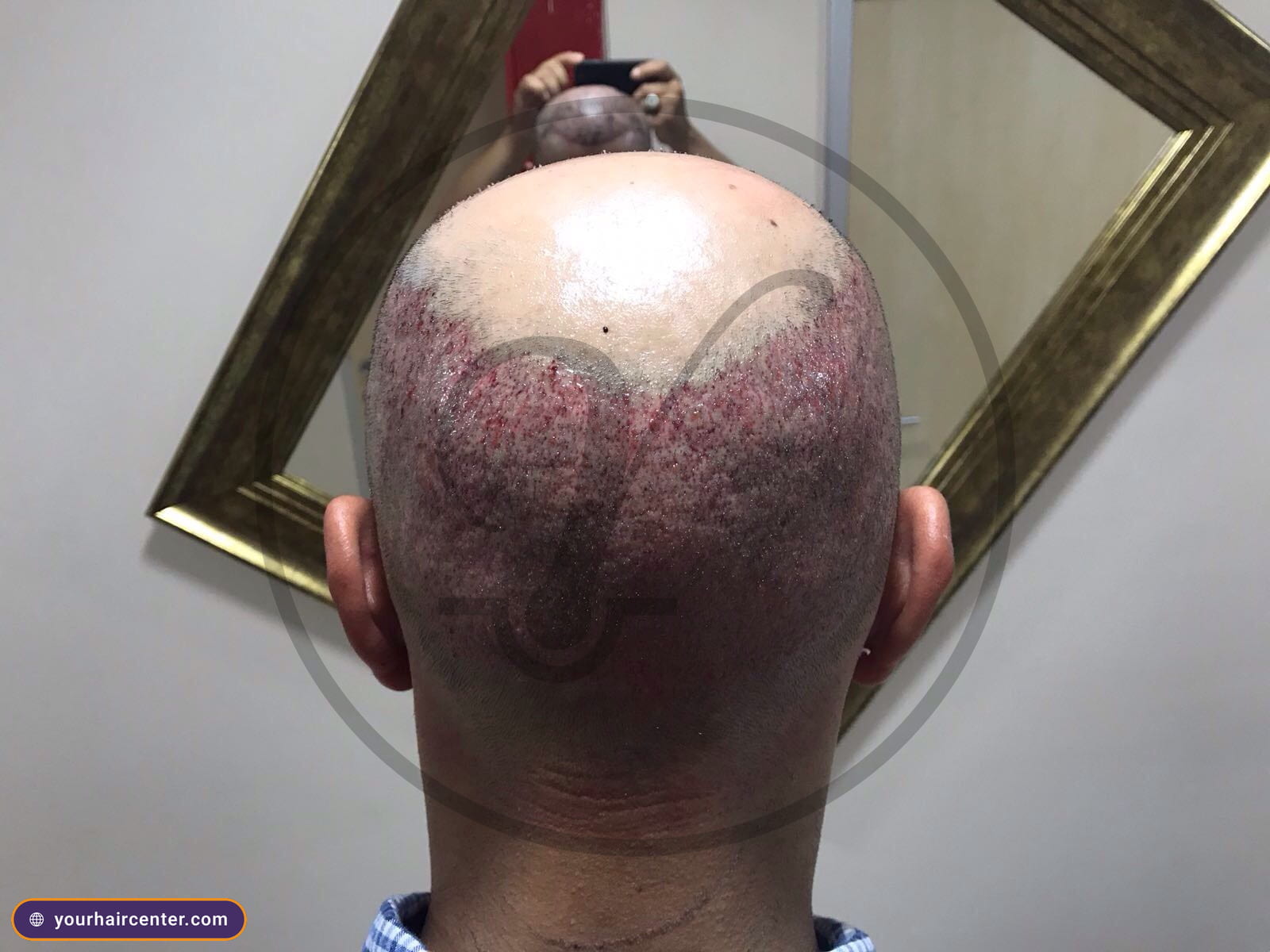
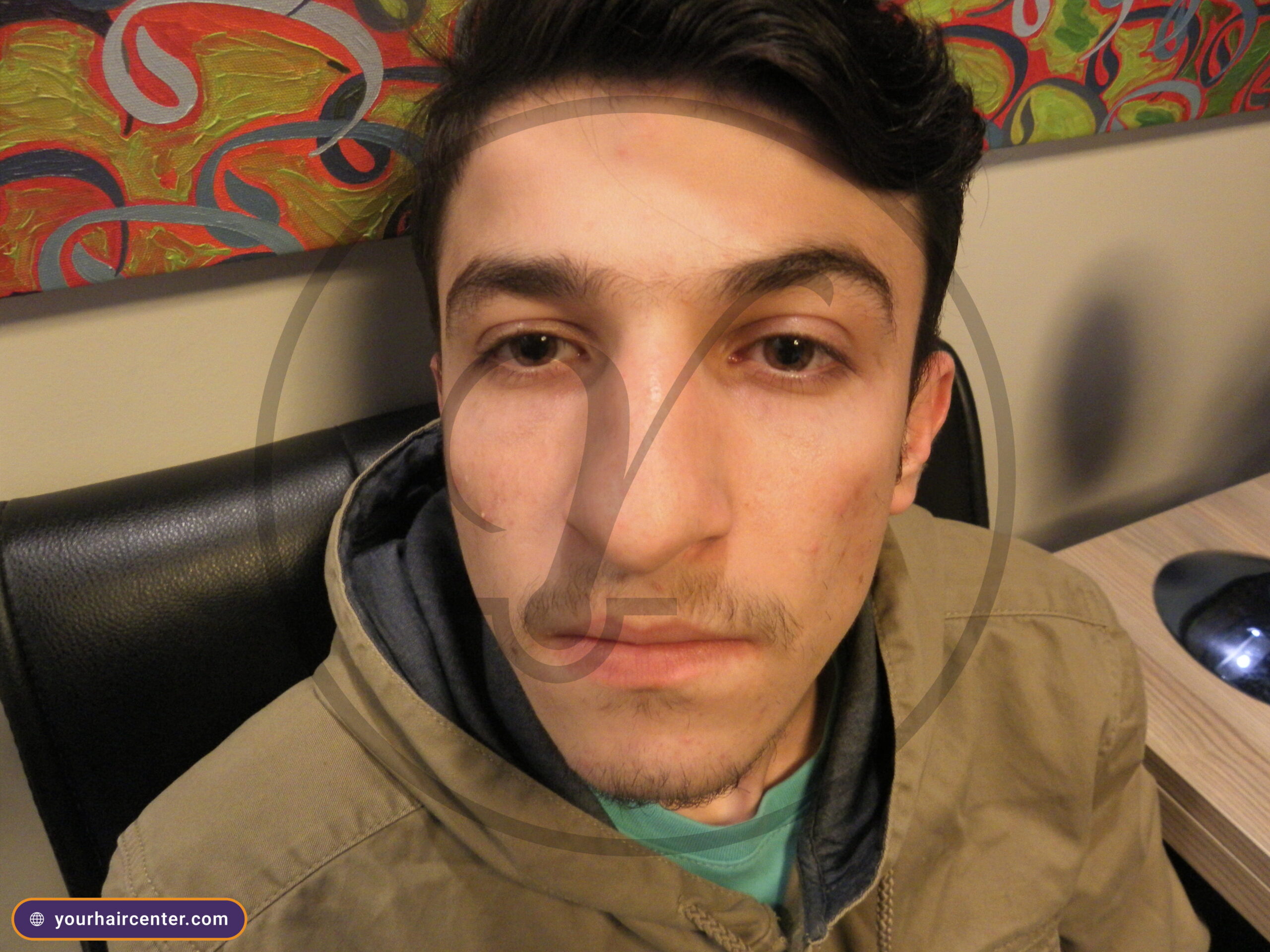
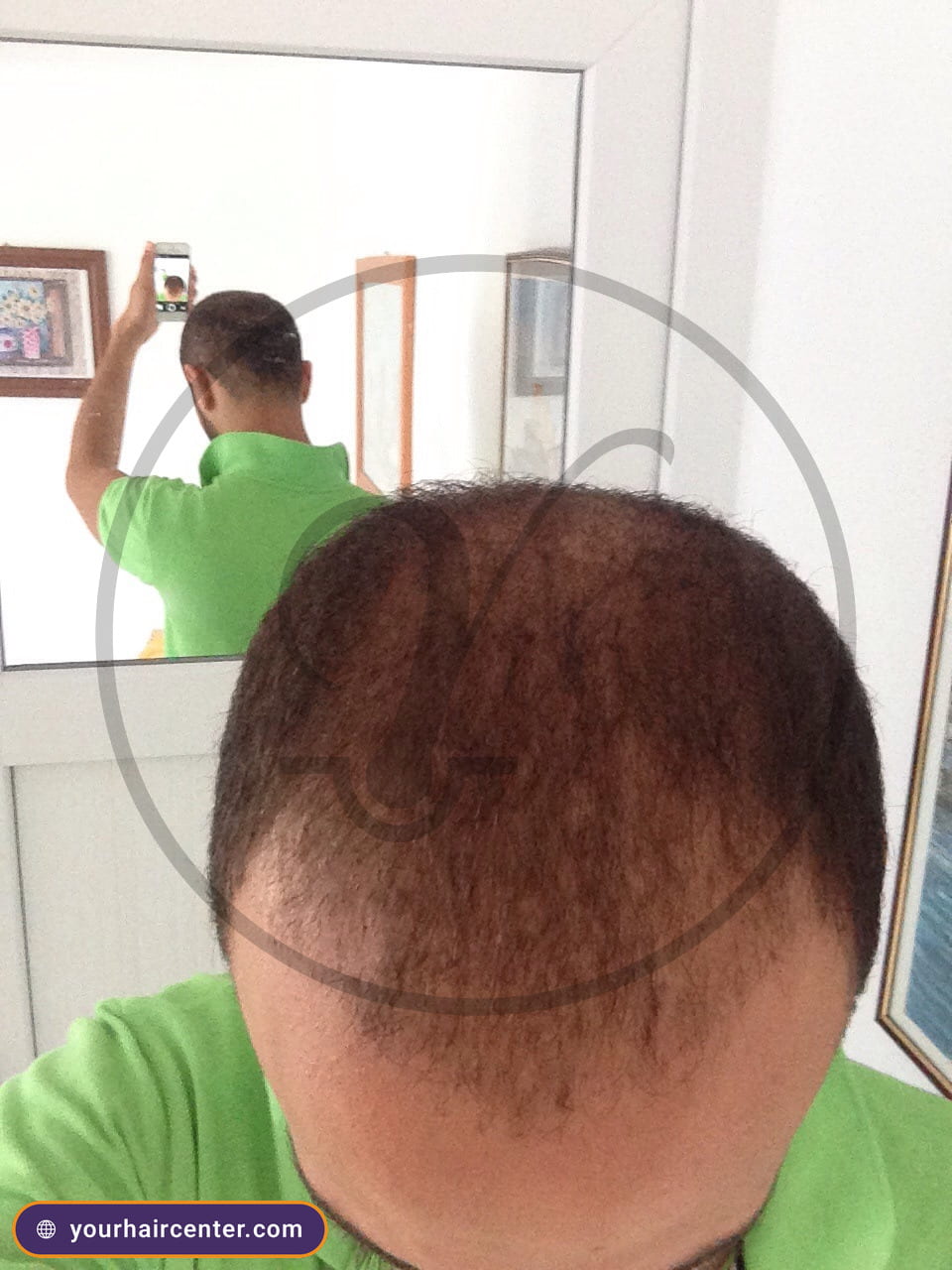
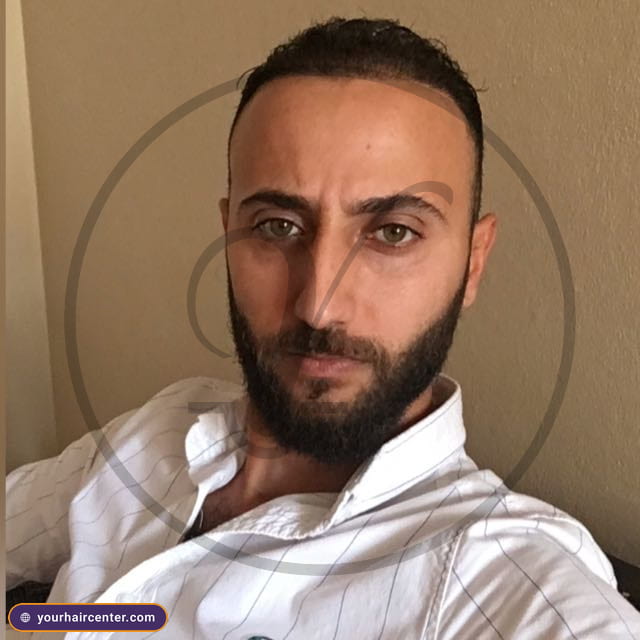
Hair transplant results, before and after
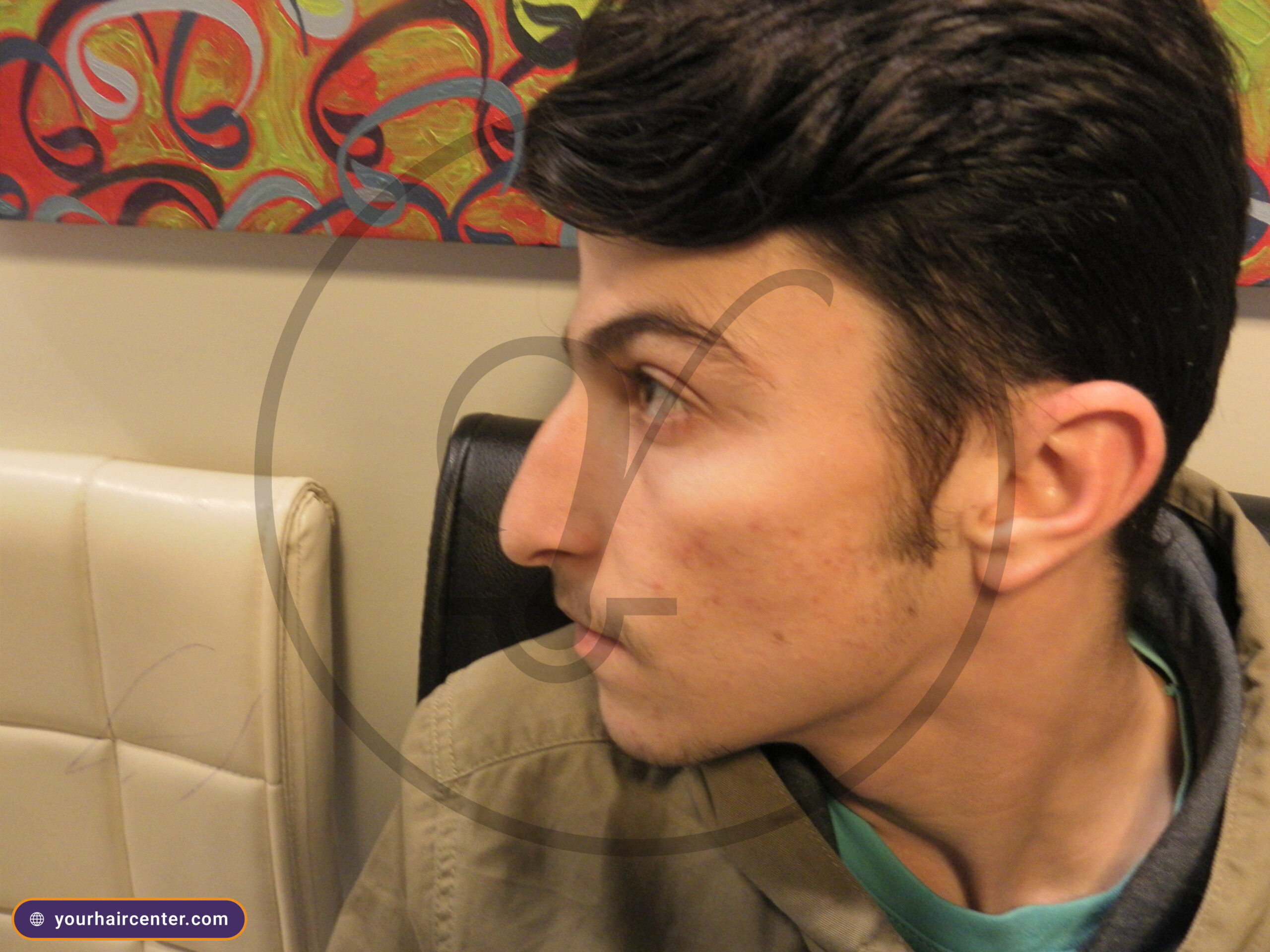
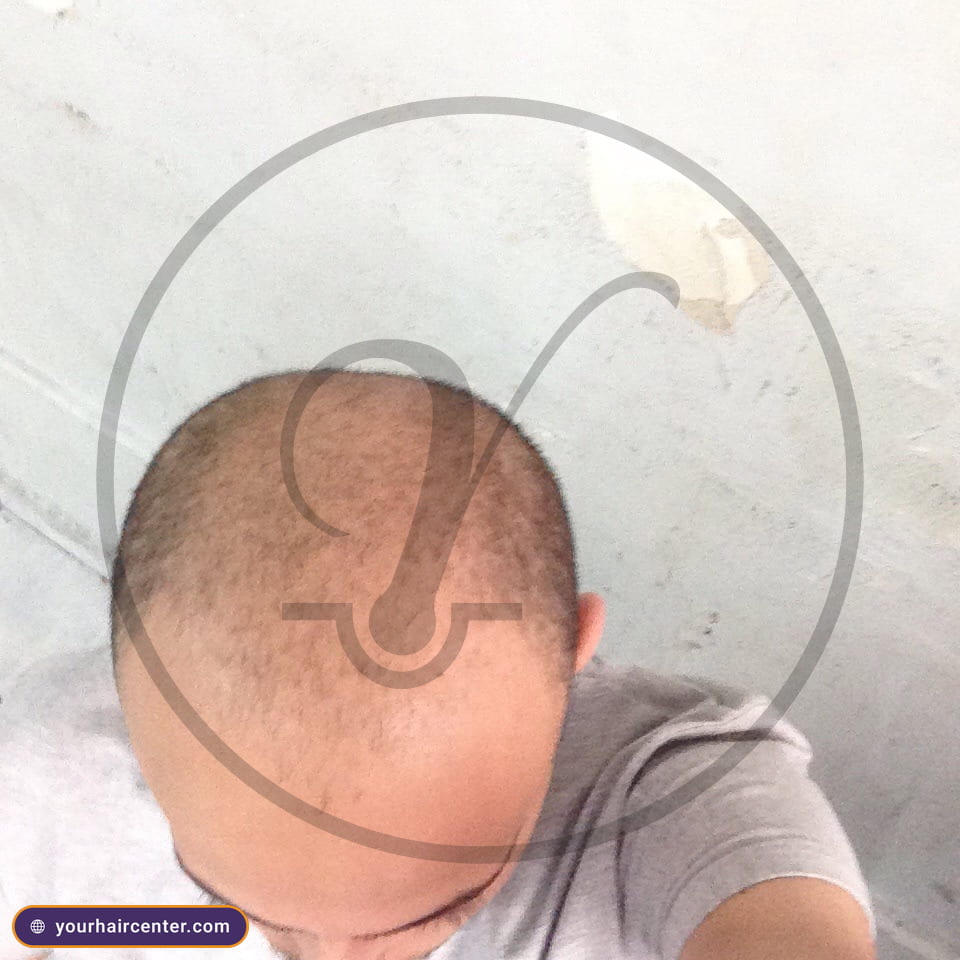
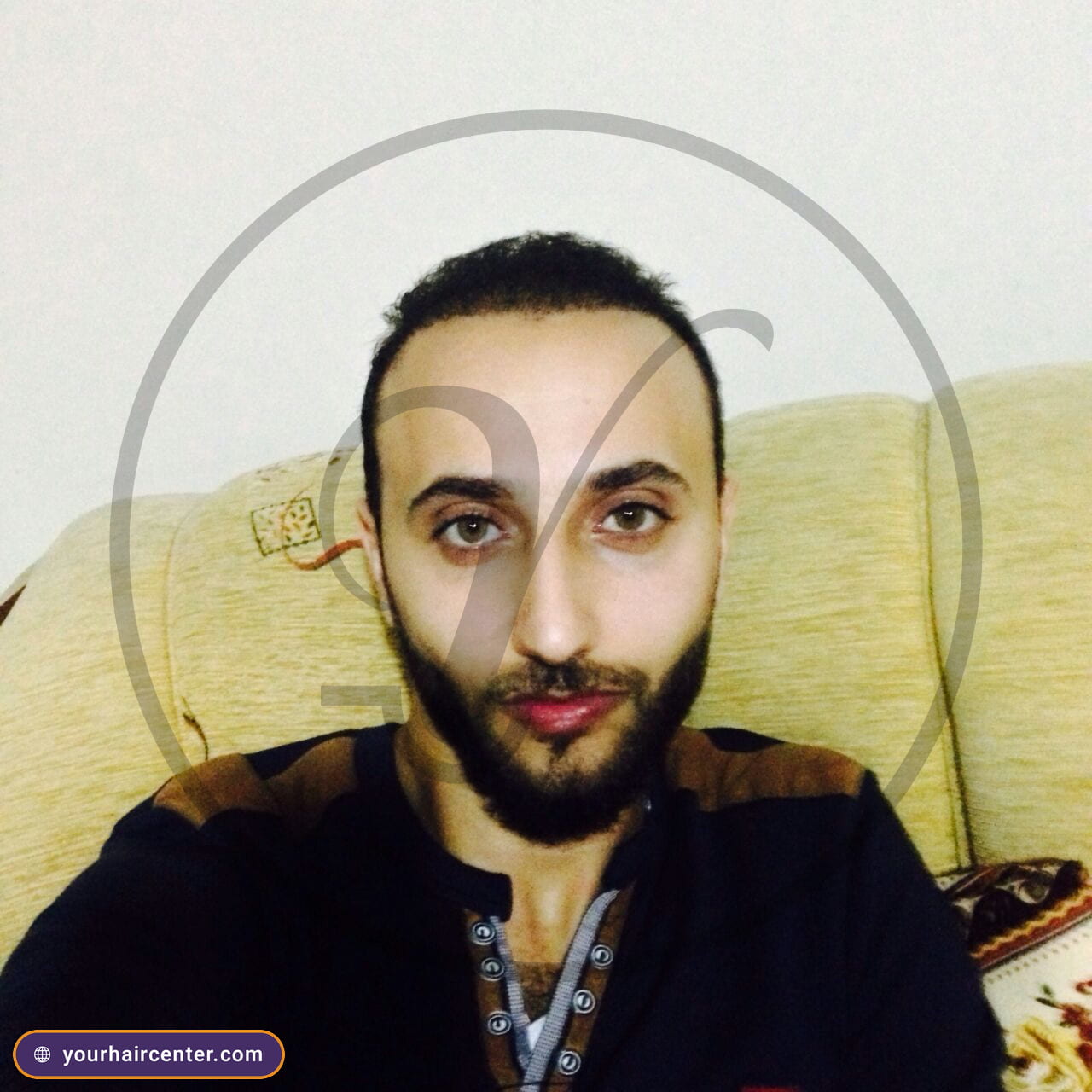
Real results from hair transplant at Your Hair Center, Istanbul.

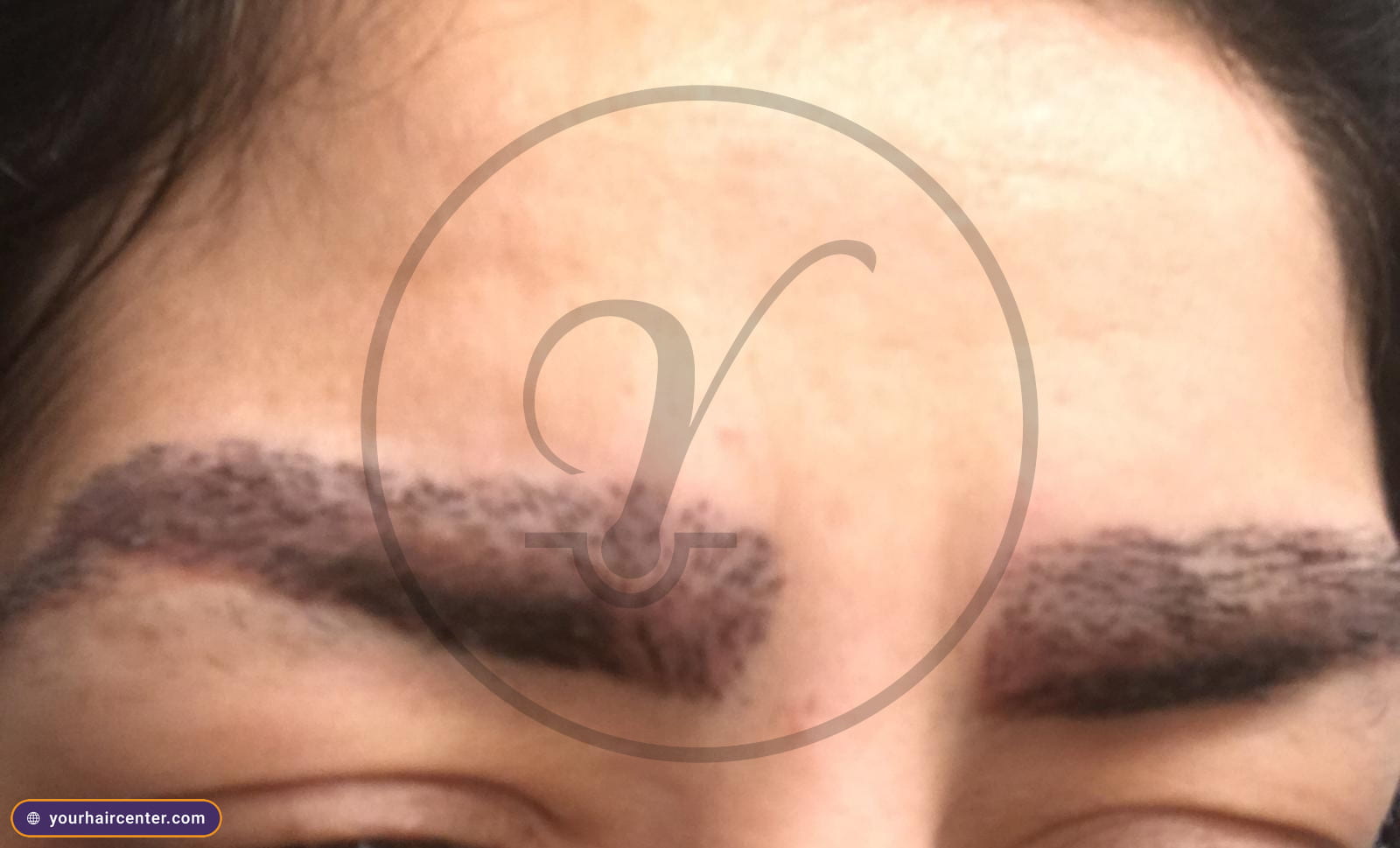
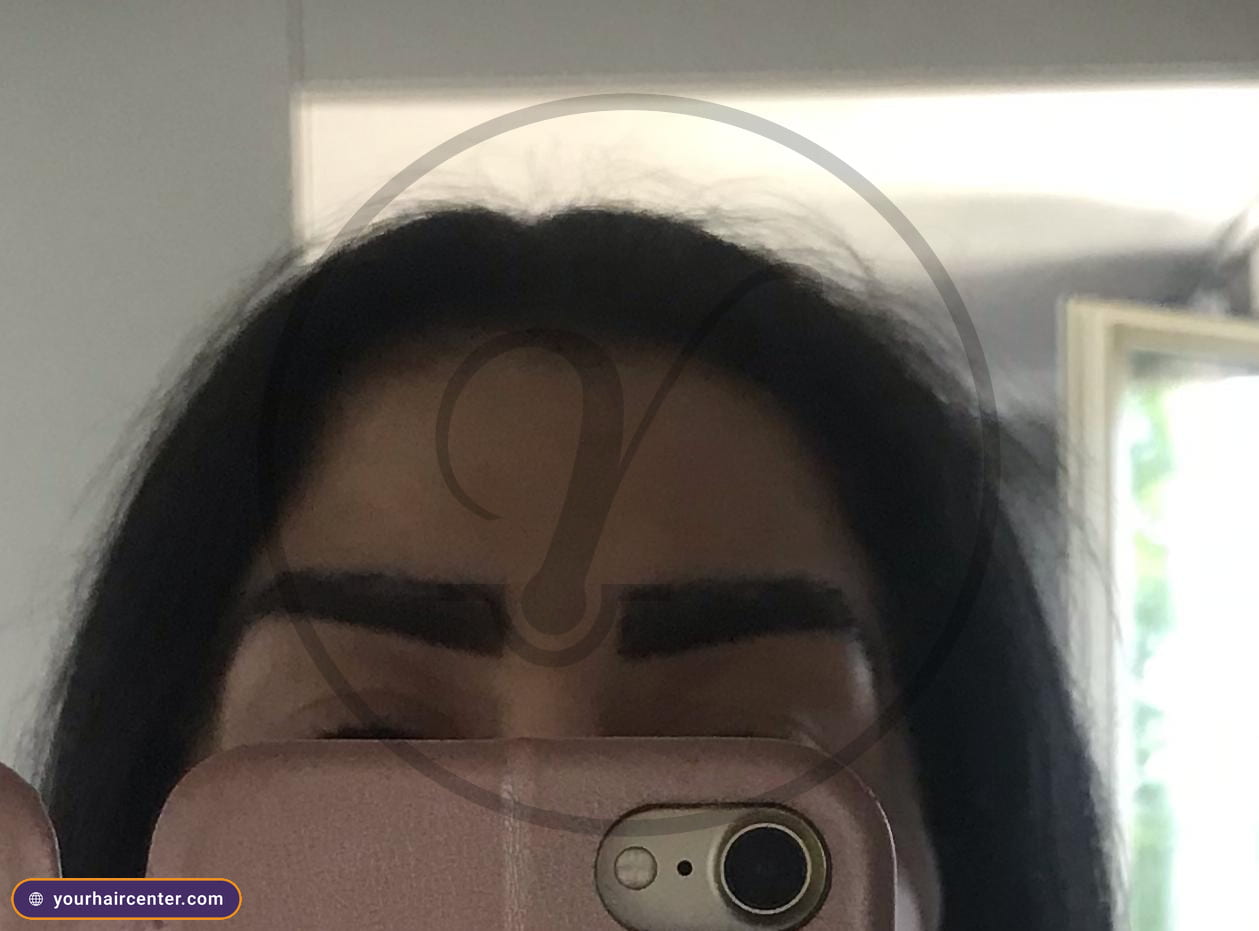
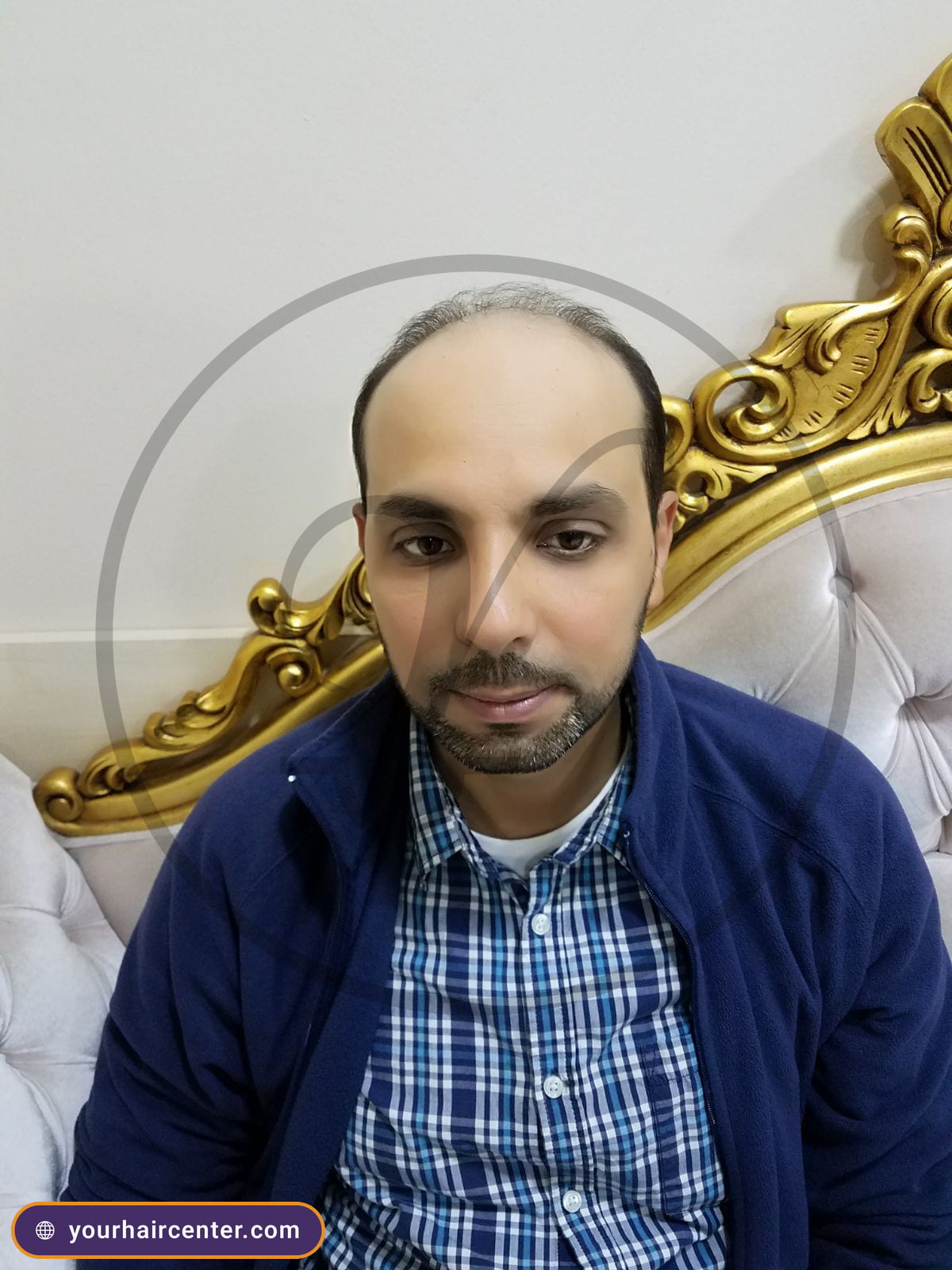

Non-surgical hair loss treatment at Your Hair Center
Compare the available treatment options and choose what fits your case. Each treatment has its own dedicated page.

LLLT Low-Level Laser Therapy

Exosome Therapy for Hair

Hair Mesotherapy

PRP Plasma Therapy for Hair
Quick comparison of hair loss treatment options
| Criterion | PRP | Mesotherapy | Exosome | LLLT laser |
|---|---|---|---|---|
| Invasiveness | Minimal (injection) | Minimal (injection) | Minimal (injection) | Non-invasive |
| Recovery time | None | None | None | None |
| Result durability | Periodic maintenance | Periodic maintenance | Periodic maintenance | Continuous maintenance |
| Pairs with transplant | Yes (before and after) | Yes (before and after) | Yes (after) | Yes (ongoing) |
FDA-approved medications and supplements
These medications are available at pharmacies and have strong clinical evidence. Use them under medical supervision.
Minoxidil (Rogaine)
FDA-approved topical medication applied to the scalp twice daily, 2% for women and 5% for men. Stimulates blood flow to the follicles and restarts the growth cycle. Time to results, 4-6 months. Availability, over the counter. Men and women. Scientifically proven.
Finasteride (Propecia)
FDA-approved oral medication that blocks the conversion of testosterone into DHT, the hormone responsible for follicle miniaturization in genetic baldness. Time to results, 3-6 months. Requires a prescription. Men only. Scientifically proven.
Vitamins and supplements
Biotin (B7), iron, zinc, vitamin D, and B12. Useful only when there is an actual deficiency. A blood panel reveals whether supplements are needed for your case. Time to results, 3-6 months. Availability, over the counter. Men and women. Conditional on deficiency.
Other topical solutions
Ketoconazole shampoo, caffeine serums, peptide solutions, and topical finasteride. They play a supporting role alongside primary hair loss treatment. Time to results, variable. Availability, varies by product. Men and women. Supportive role.
Medications slow shedding but rarely reverse it
When non-surgical hair loss treatment is not enough
For advanced hair loss and baldness, a hair transplant remains the permanent solution. These signs suggest you are a transplant candidate.
Signs you need a hair transplant
- Norwood stage 3 or above (men) or Ludwig 2 or above (women)
- The scalp is clearly visible through the hair
- Non-surgical treatments have reached their peak effect
- A stable, sufficient donor area
- You want permanent, natural-looking results
These patients get the best transplant outcomes
Our transplant techniques
Free evaluation within 24 hours. Our doctors confirm whether a transplant is right for your case.
Frequently asked questions about hair loss treatment
What is the best hair loss treatment?
No single hair loss treatment fits everyone. The best option depends on the cause and the stage of shedding. Mild loss responds to topical medications such as minoxidil. Moderate loss needs clinical treatments like PRP or mesotherapy. Severe loss and baldness require a hair transplant. An accurate diagnosis is the first step to choosing the right treatment for your case.
Is there a 100% guaranteed hair loss treatment?
No medical treatment is 100% guaranteed. Any clinic that claims otherwise is not being honest. That said, evidence-based hair loss treatment slows or improves hair loss in many patients. A hair transplant delivers permanent results, and the success rate across our team’s hair transplant operations is 98%. The key is precise diagnosis and matching the treatment to the underlying cause.
Can hair loss be treated at home?
Some home remedies offer limited benefit, such as rosemary oil and biotin supplements. They do not address root causes like DHT sensitivity or hormonal imbalance. If shedding continues for more than 6 months or the scalp becomes visible, medical hair loss treatment is necessary. Home remedies can complement medical care, but they are not a substitute for it.
What is the final solution to hair loss and for restoring density?
For mild to moderate cases, a combined protocol (medications plus PRP or mesotherapy) slows shedding and improves density. For advanced baldness, a hair transplant is the definitive answer because it relocates DHT-resistant follicles from the donor area into bare zones. Results are permanent and natural-looking. After a transplant, PRP sessions reinforce growth and protect the existing hair.
Is the treatment different for men and women?
Yes, there are fundamental differences. Men can use finasteride (a DHT blocker), but it is not suitable for women. Women rely more on minoxidil 2%, nutritional supplements, PRP, and mesotherapy. The causes also differ. In men, genetics drive 95% of cases, while in women hormonal causes like PCOS and postpartum shedding are more common. The protocol must be tailored to each gender.
What are the effective pharmacy medications for hair loss?
The FDA-approved options are minoxidil (topical, over the counter, for men and women) and finasteride (oral, by prescription, men only). Minoxidil improves blood flow to the follicles, and finasteride blocks DHT. Supplements like biotin and iron help only when there is a deficiency. Consult a doctor before starting any medication to pick the right option and avoid side effects.
Can genetic hair loss be treated?
Genetic (androgenetic) hair loss cannot be stopped completely because it is tied to genes. Progression can be slowed significantly with finasteride and minoxidil. Periodic PRP sessions help preserve the remaining follicles. Once loss becomes advanced, a hair transplant delivers permanent results because the relocated follicles from the donor area are DHT-resistant and will not fall out again.
When do results appear from hair loss treatment?
The timeline depends on the treatment. Minoxidil and finasteride need 3-6 months of consistent use. The doctor reviews the response to PRP after the third session and assesses the first course at about month 6. Mesotherapy starts working by the second session with gradual improvement. A hair transplant needs 6-12 months for the full result. Sticking to the full protocol is the key to getting the best outcome.
Start your hair loss treatment journey today
Send your photos now for a free, personalized assessment from our medical team. Response within 24 hours.
✓ Specialist licensed doctors | ✓ Accredited partner clinics and hospitals | ✓ 5,000+ patients | ✓ English-speaking support | ✓ Free evaluation
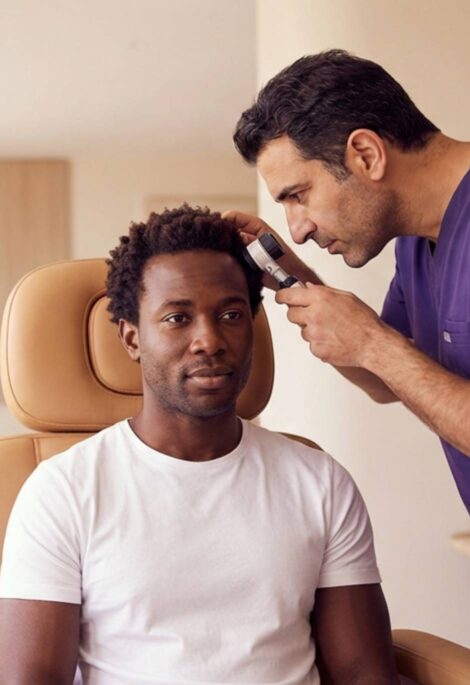
African Hair Transplant
Your curls need a surgeon who reads the curve beneath the skin. See how we adapt the extraction to every bend in curly and coily hair.
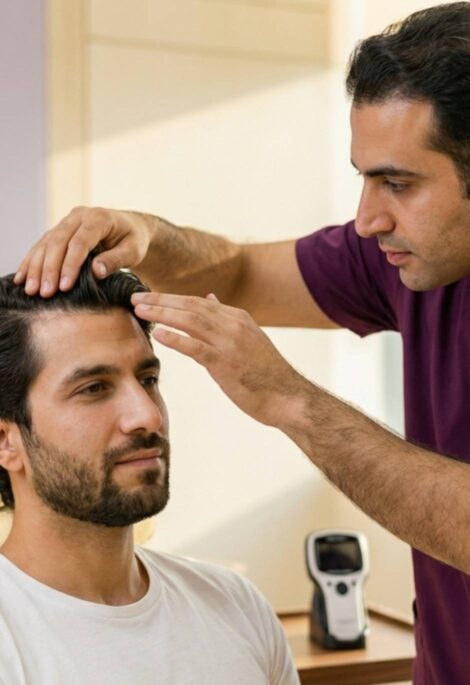
Men’s Hair Transplant
Receding hairline or thinning crown? One session in Istanbul covers most cases, with permanent, natural hair you can style freely.

Women’s Hair Transplant
Thinning along the part line or a receding hairline? Permanent density, no shaving, and a women's team that keeps it private.