Thinning hair responds to light at the right wavelength. Low level laser therapy for hair loss penetrates the scalp to reactivate dormant follicles and stimulate new growth. No needles, no downtime. Each professional session takes just 20 minutes at a partner clinic in Istanbul.

Non-surgical low level laser therapy hair loss treatment in Istanbul
Low level laser therapy for hair loss (LLLT), also known as red light therapy or photobiomodulation, is a non-surgical, FDA-cleared technique that stimulates hair growth and strengthens weak follicles. No needles, no downtime. Each clinical session takes just 20 minutes.

Location
Istanbul, Turkey
Session
20 minutes, zero downtime
Clearance
FDA-cleared technology
Wavelength
650nm to activate follicles
This page is about laser therapy for hair loss and regrowth
Clinic-grade medical laser vs at-home laser devices
Many patients ask about the difference between professional in-clinic laser sessions and consumer devices like laser caps, helmets, or combs (iRestore, Capillus, HairMax). The real difference is not device power but dose control, full-scalp coverage and medical follow-up.
| Criterion | Clinic Medical Laser | At-Home Devices (Cap / Helmet / Comb) |
|---|---|---|
| Dose control | Set and adjusted by a physician each session | Fixed, self-applied |
| Scalp coverage | Full scalp, uniform delivery | Partial and uneven |
| Medical supervision | Specialist physician calibrates power | Self-use without professional guidance |
| Tracking results | Density measured and program adjusted at each stage | Self-assessed, no measurement |
- Regular sessions at a measured dose
- Complete, uniform scalp coverage
- Physician supervision with a program tailored to your case
- Low-level laser efficacy shown in clinical trials
- Keeping to the schedule is left to the user
- Partial coverage leaves areas untreated
- No medical oversight or case-specific adjustment
- No periodic density measurement
What the studies show
How cold laser therapy drives hair growth
Photon absorption
Cold laser light at a 650nm wavelength penetrates the scalp and reaches weak follicles.
Cellular energy activation
Follicle cells absorb the photons and increase ATP production (cellular energy) in the mitochondria. As a result, dormant follicles reactivate and enter a new growth cycle.
Hair regrowth
Scalp blood flow improves and nutrients reach the follicles more efficiently. The result is new hair that grows stronger and denser.
Published clinical study
Benefits of LLLT for hair
No needles, no anesthesia
A session with no needles and no incisions. Most patients feel only a gentle warmth on the scalp.
Zero downtime
Return to normal activity immediately after every session. No side effects, no restrictions.
For men and women
Effective for all forms of hair loss, whether genetic or acquired. An excellent option for women seeking a non-surgical treatment.
FDA-cleared
Technology cleared by the US Food and Drug Administration for the treatment of hair loss.

Clinical studies confirm
- 37% increase in hair count over a sham device within 16 weeks
- Hair count or density improved in 9 of 11 studies in a systematic review
- Patient satisfaction positive in 5 studies, though less marked than the measured gains
Source, Lasers in Surgery and Medicine, 2014 and 2017
The complete LLLT hair growth program
Laser + PRP + Mesotherapy
Three techniques working together through different mechanisms to deliver the best possible results. No competing clinic offers this integrated program.
Cold laser
Photostimulation of the follicles. 650nm light activates the cells and boosts their energy production.
PRP plasma
Growth factors from platelet-rich plasma. Drawn from the patient’s own blood and injected into the scalp.
Mesotherapy
Direct scalp nourishment. A vitamin and mineral cocktail delivered straight to the hair roots.
1 plan
one physician sets the schedule for all three treatments
Month 3
when new hair usually starts to show
3 mechanisms
each acts on the follicle in a different way
Who is a candidate for laser hair therapy
- Early hair loss (Norwood stages 1-3)
- Thinning or weak hair with live but dormant follicles
- After a hair transplant, to support the native hair once the scalp has healed
- Complete baldness with no viable follicles, laser cannot create new follicles
- Hair loss caused by an active medical condition (the underlying cause must be treated first)
What happens during a laser therapy session
Arrival and prep
The physician examines your scalp and identifies the target zones and the right treatment program for your case.
Laser device setup
The medical laser device is calibrated to the appropriate power level based on your scalp condition and type of hair loss.
The treatment session
20 minutes of full relaxation. No needles and no anesthesia. Most patients feel only a gentle warmth.
Leave immediately
No wait time and no side effects. You leave the clinic right away and resume your normal day.
Just 20 minutes per session
Treatment schedule and expected results month by month
Treatment plan summary
- Full program, 24-36 sessions over 6 months
- Session length, 20 minutes only
- Results begin, reduced shedding from month one
- Visible regrowth, new hair from month three
- Maintenance, one session per month after the program ends
Months 1-2, reduced shedding
2-3 sessions per week. Scalp blood flow improves and active shedding begins to decline gradually.
Months 3-4, new hair appears
Two sessions per week. Dormant follicles start to regrow and existing hair shafts visibly thicken.
Months 5-6, noticeable density gains
One session per week. Results are clearly visible to the naked eye in hair density and strength.
Month 7 and beyond, maintaining the result
One maintenance session per month. Results are preserved through regular, ongoing visits.
The full program
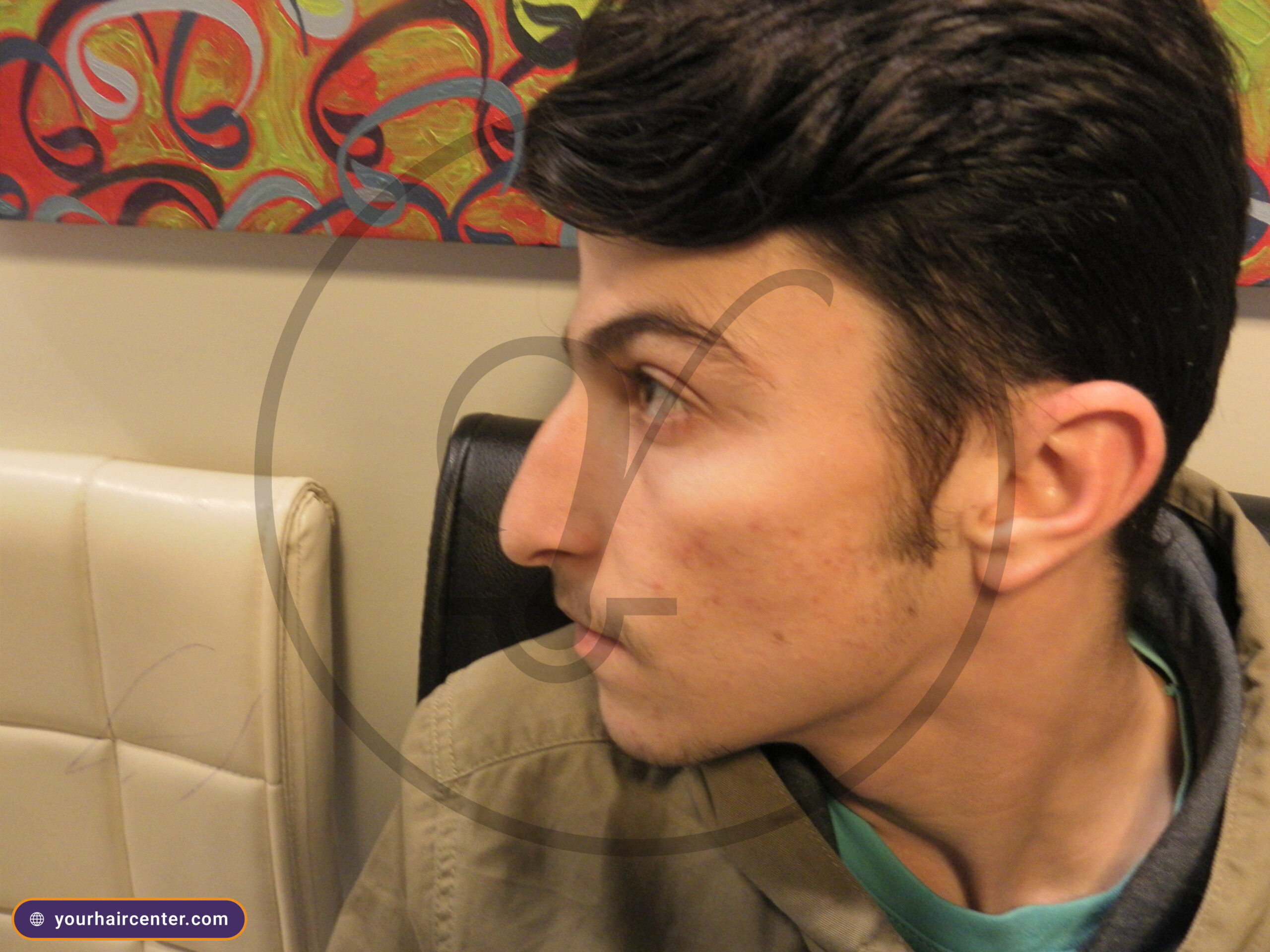
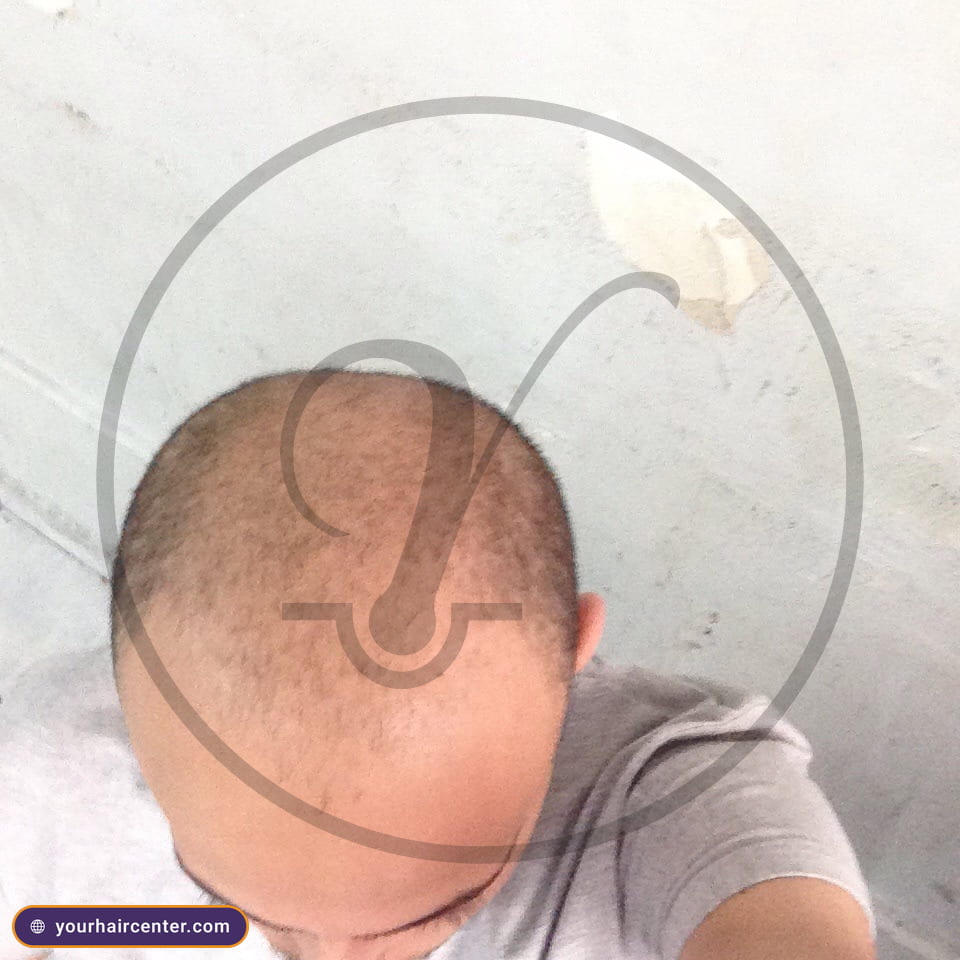
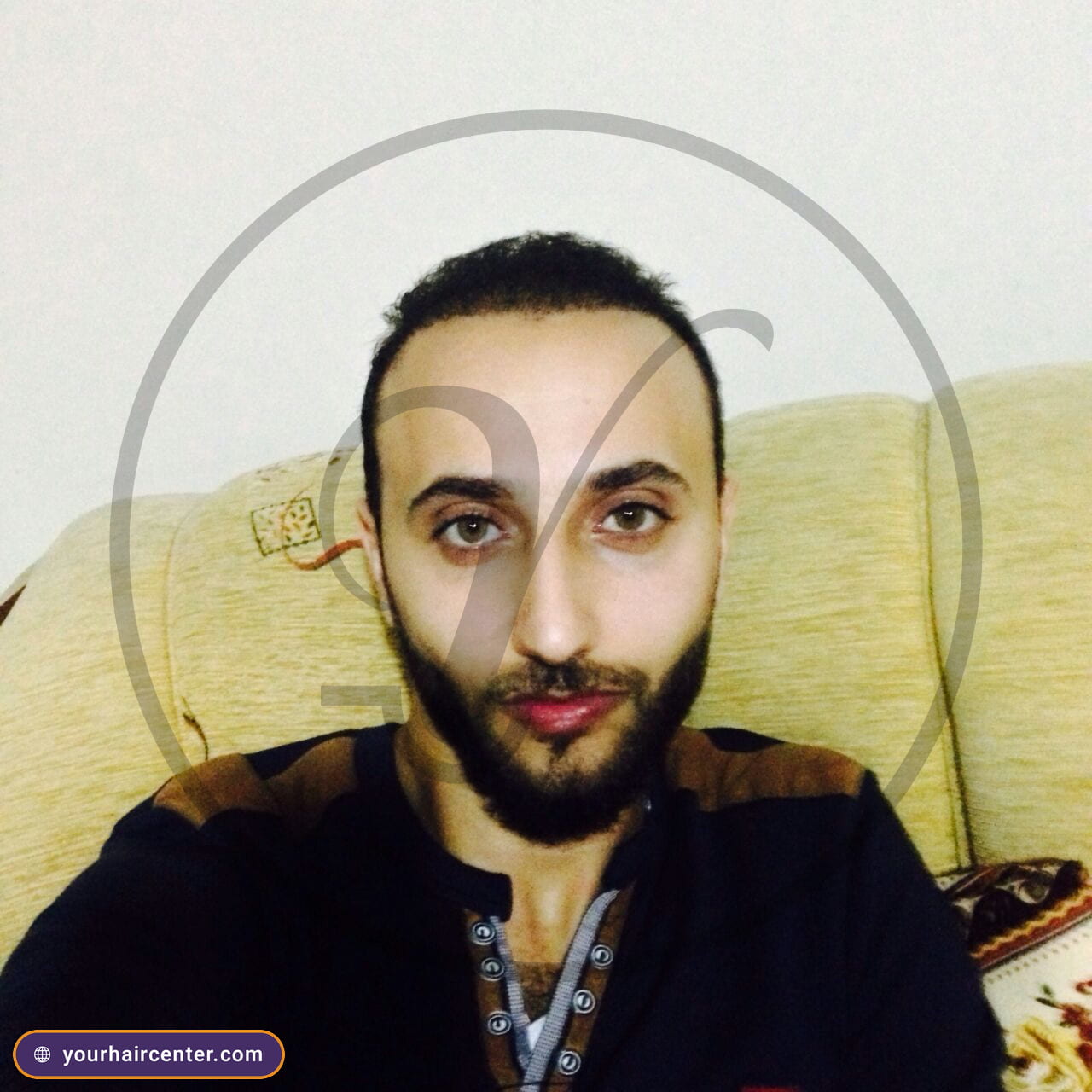
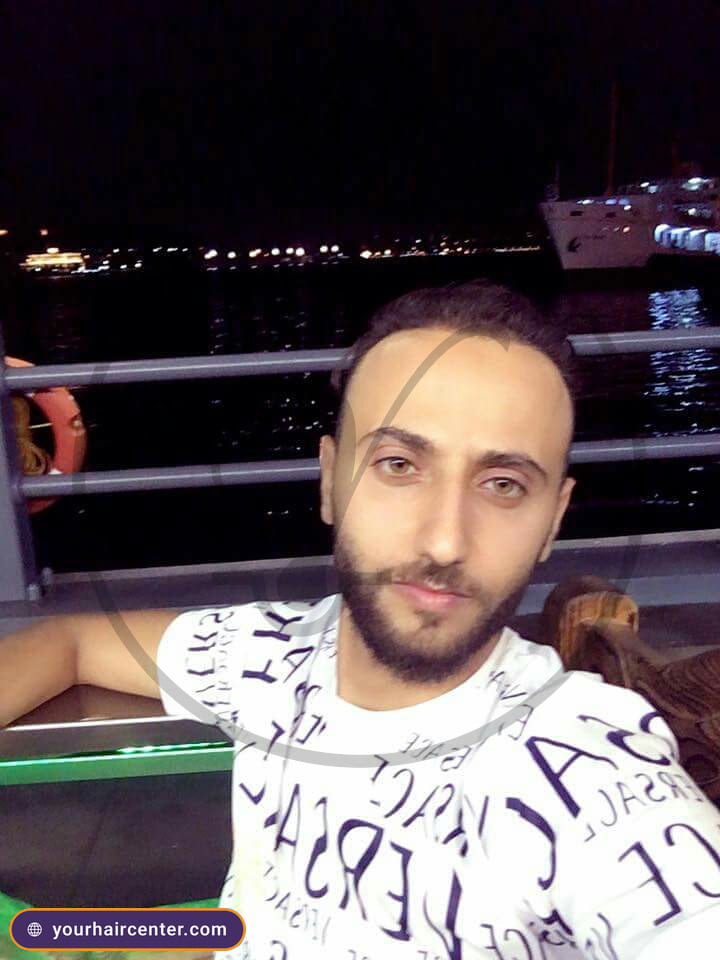
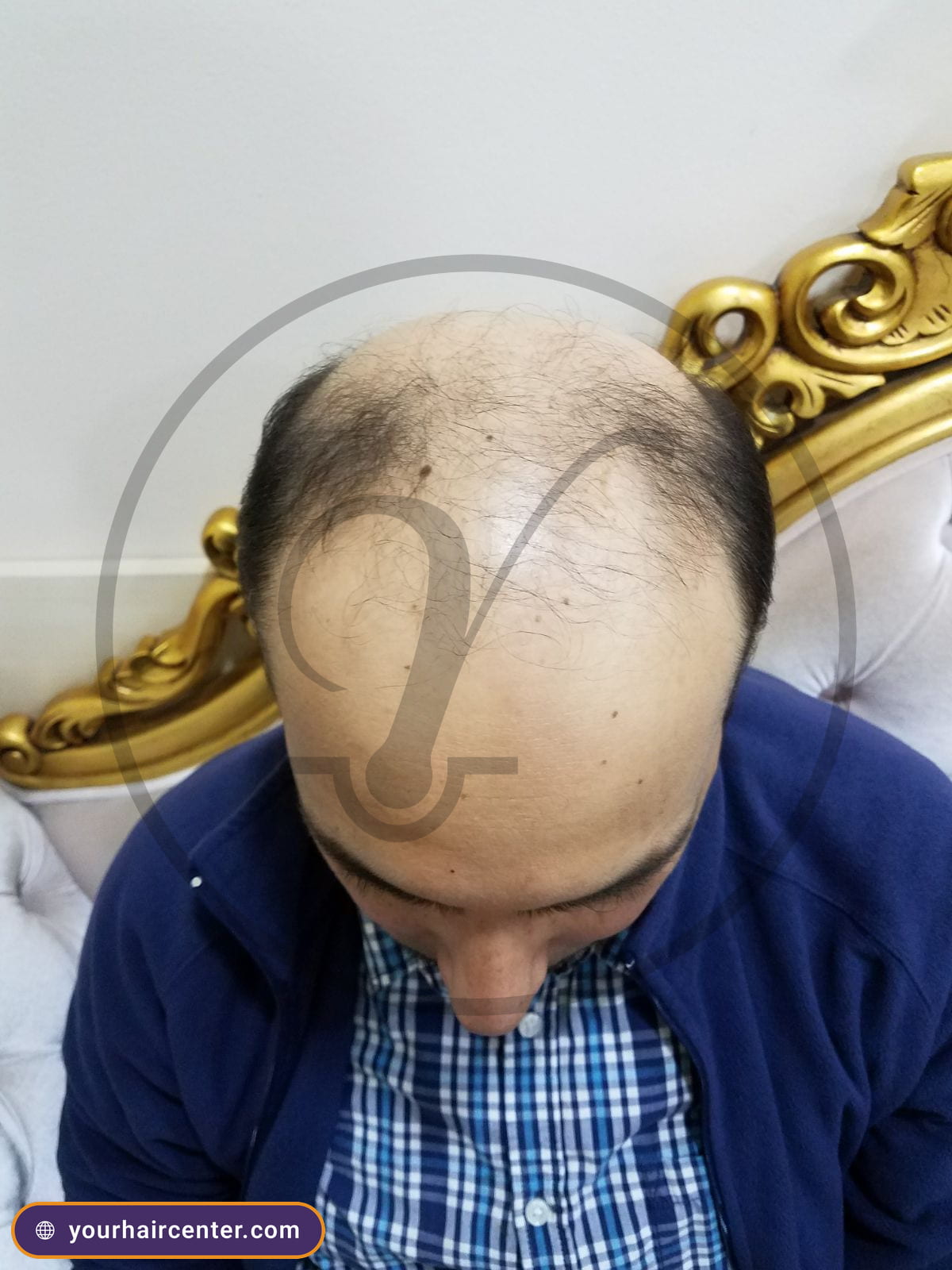
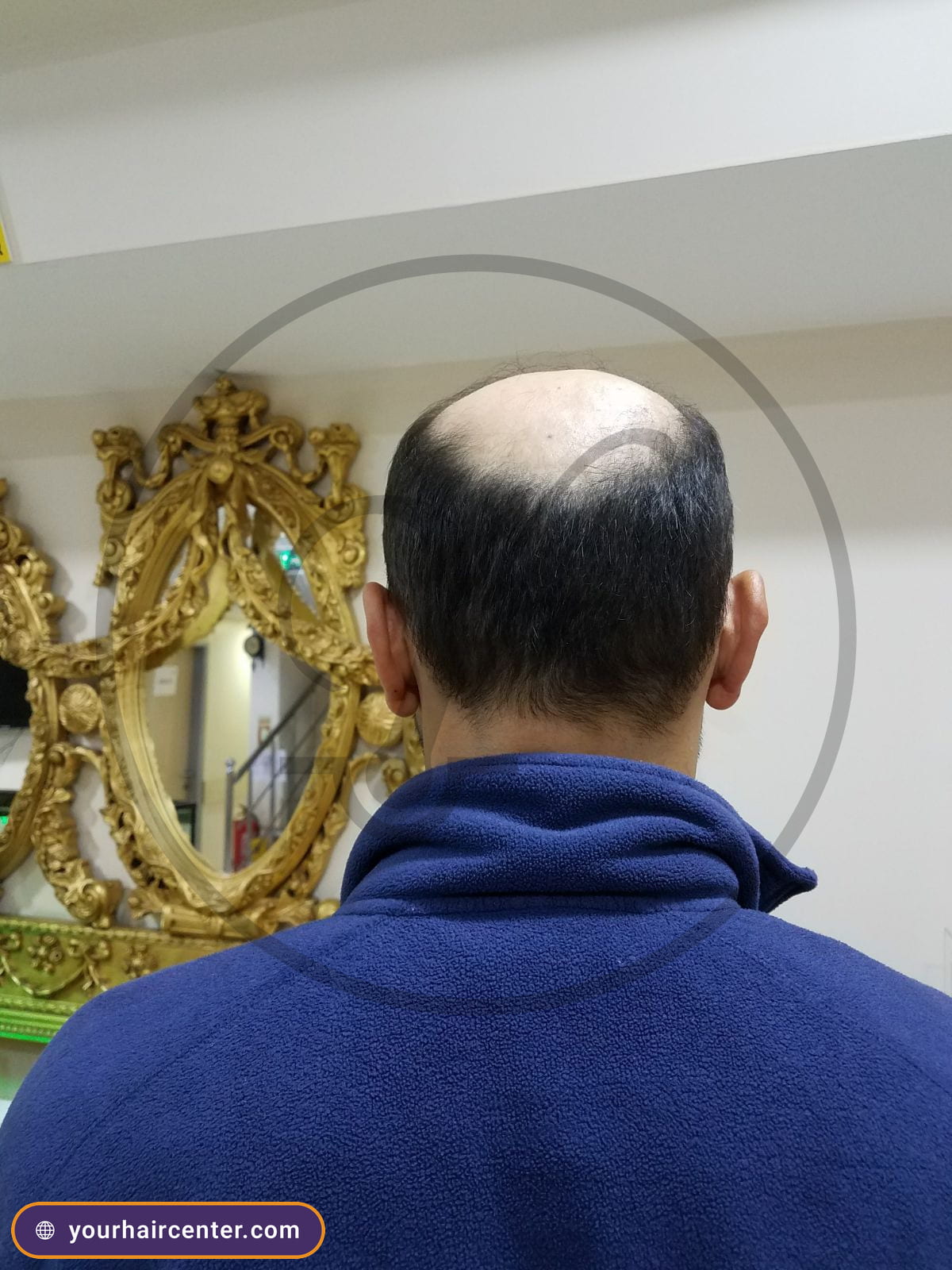
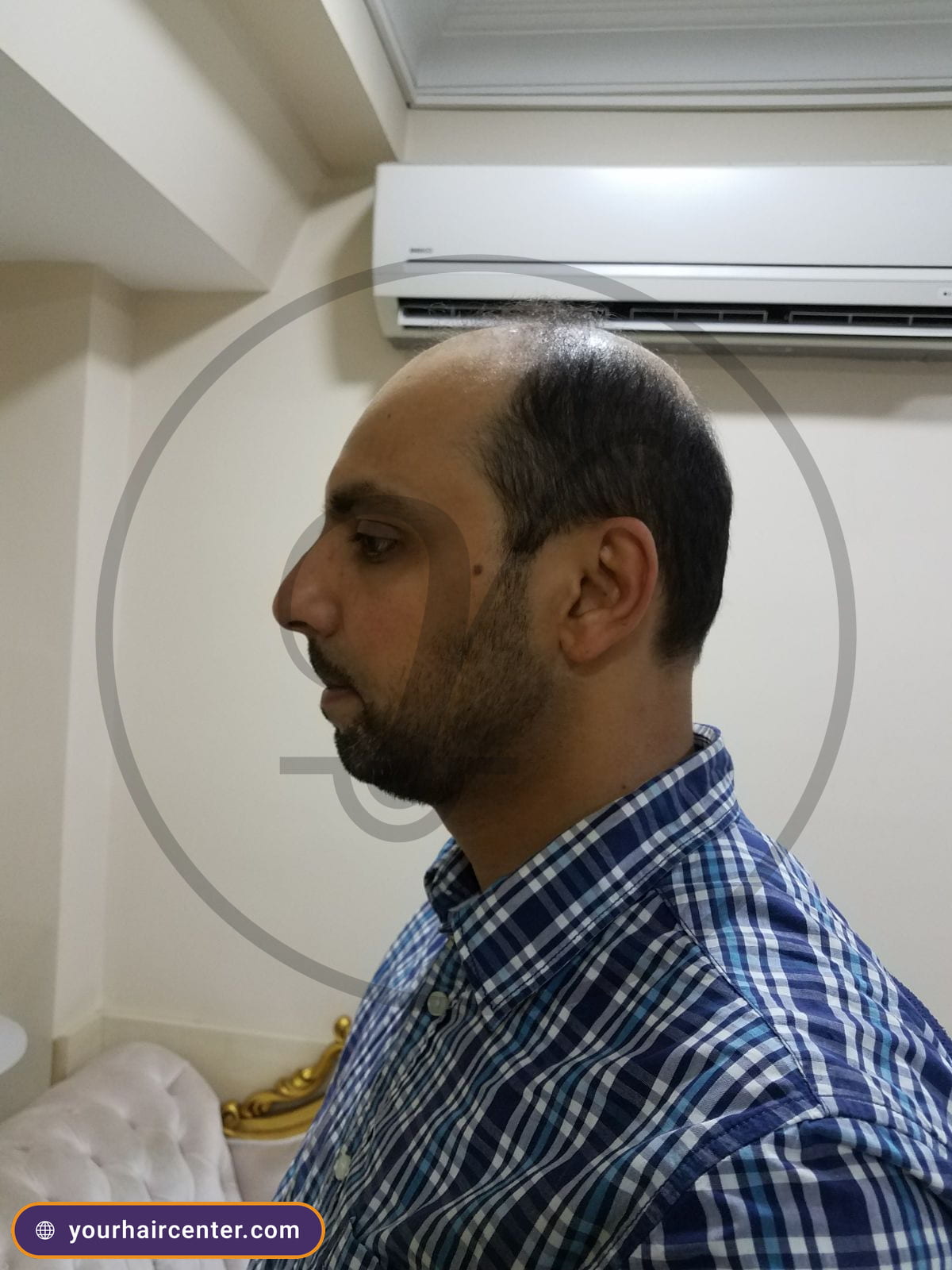
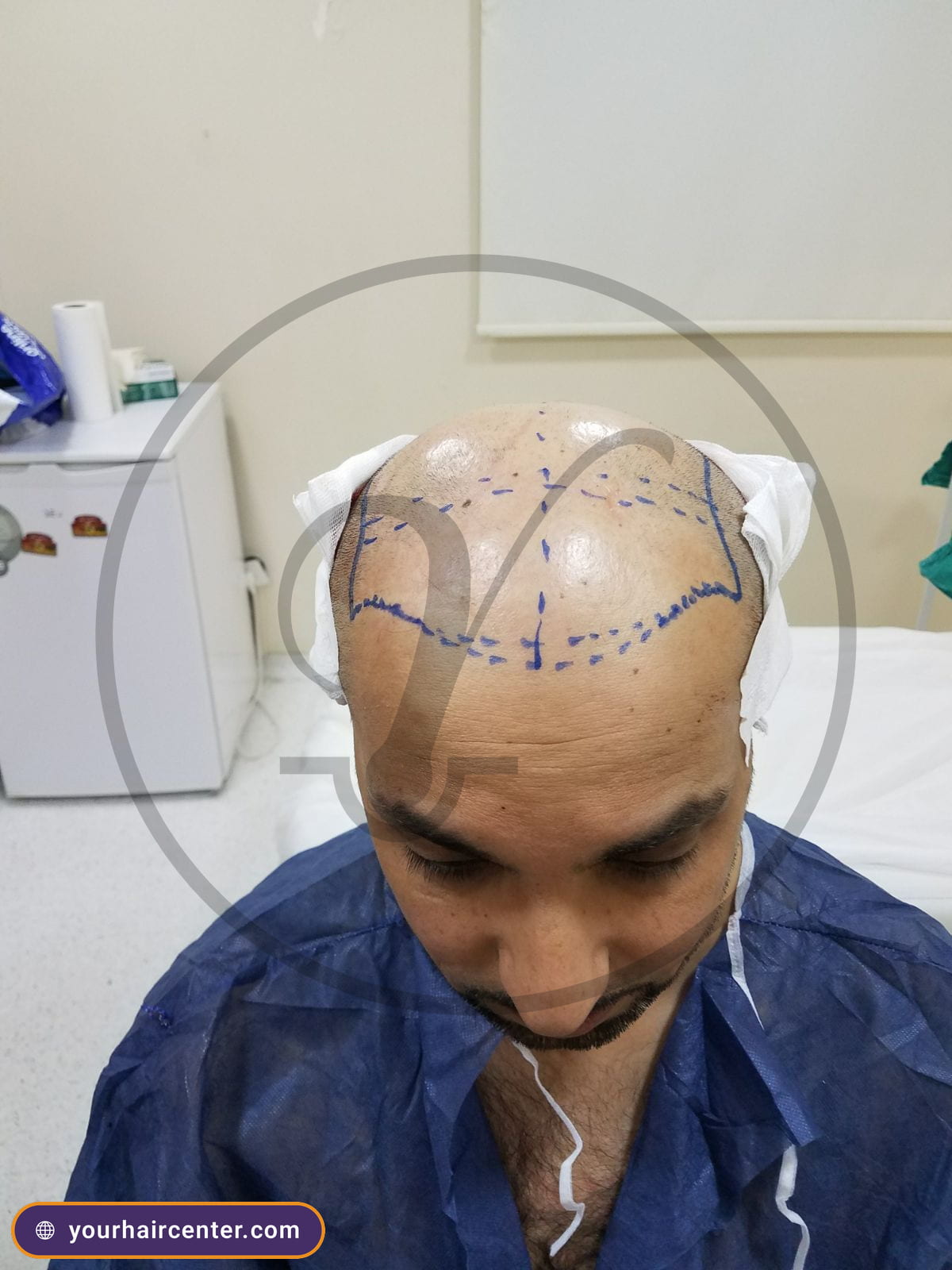
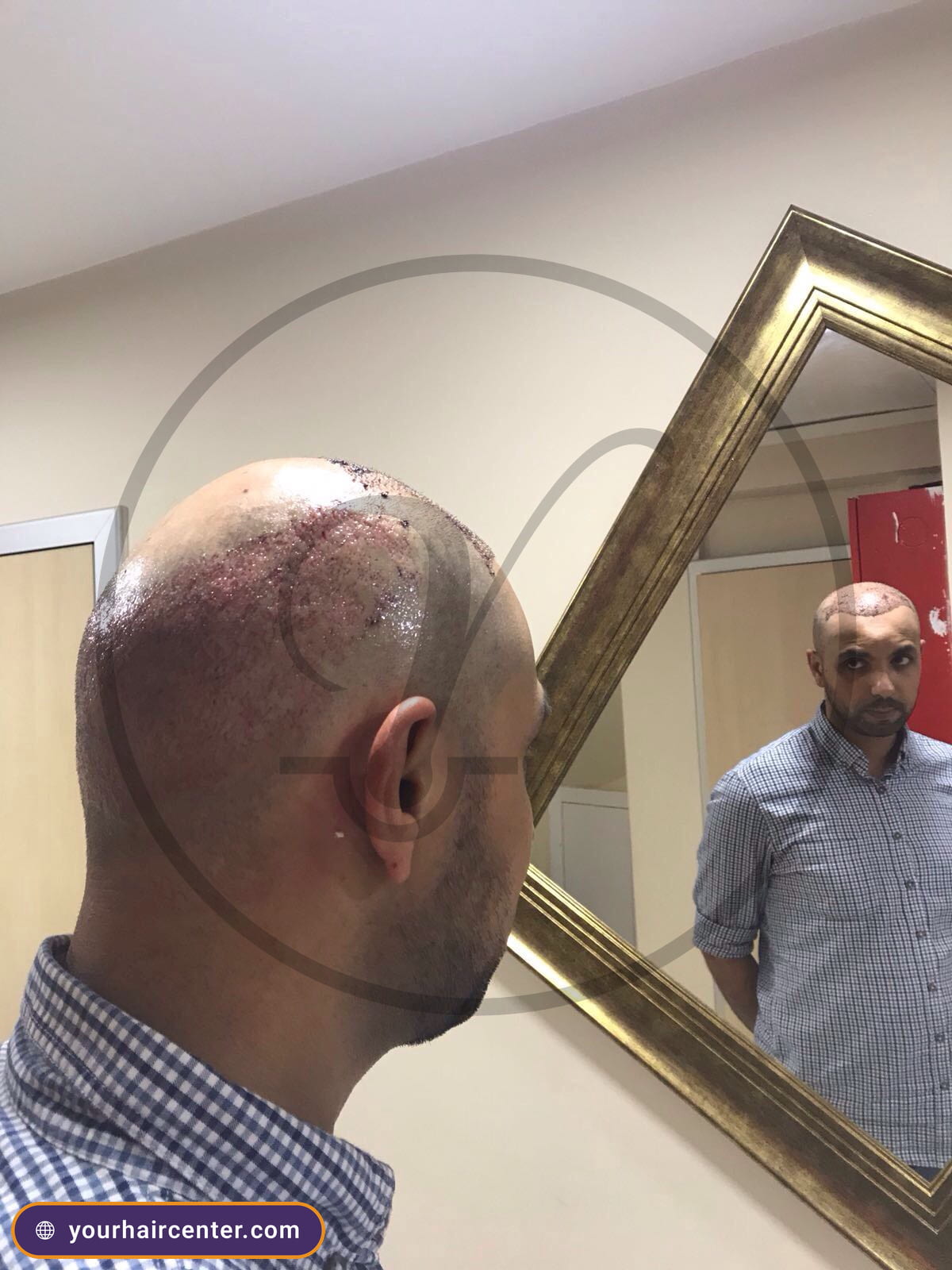
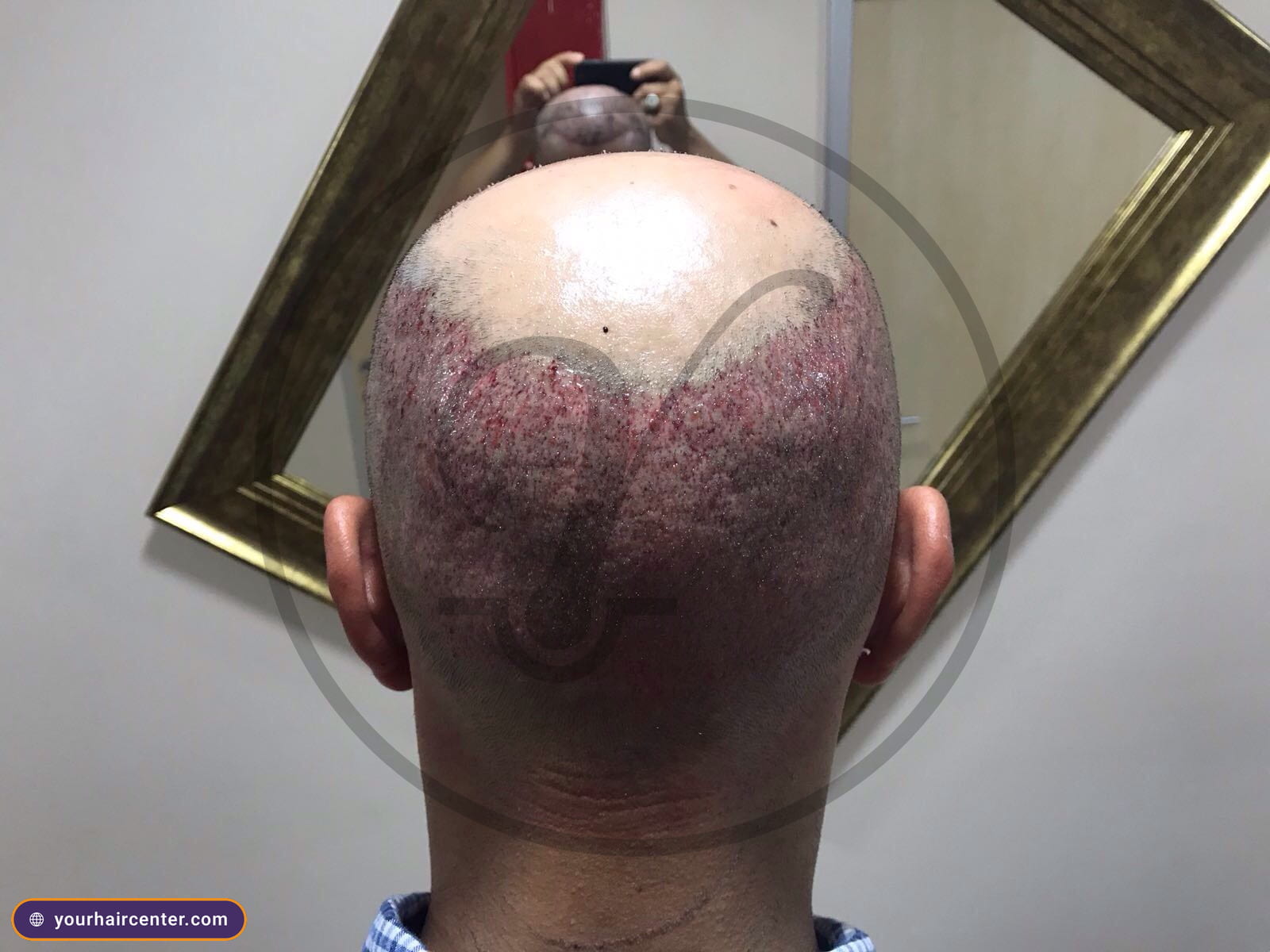
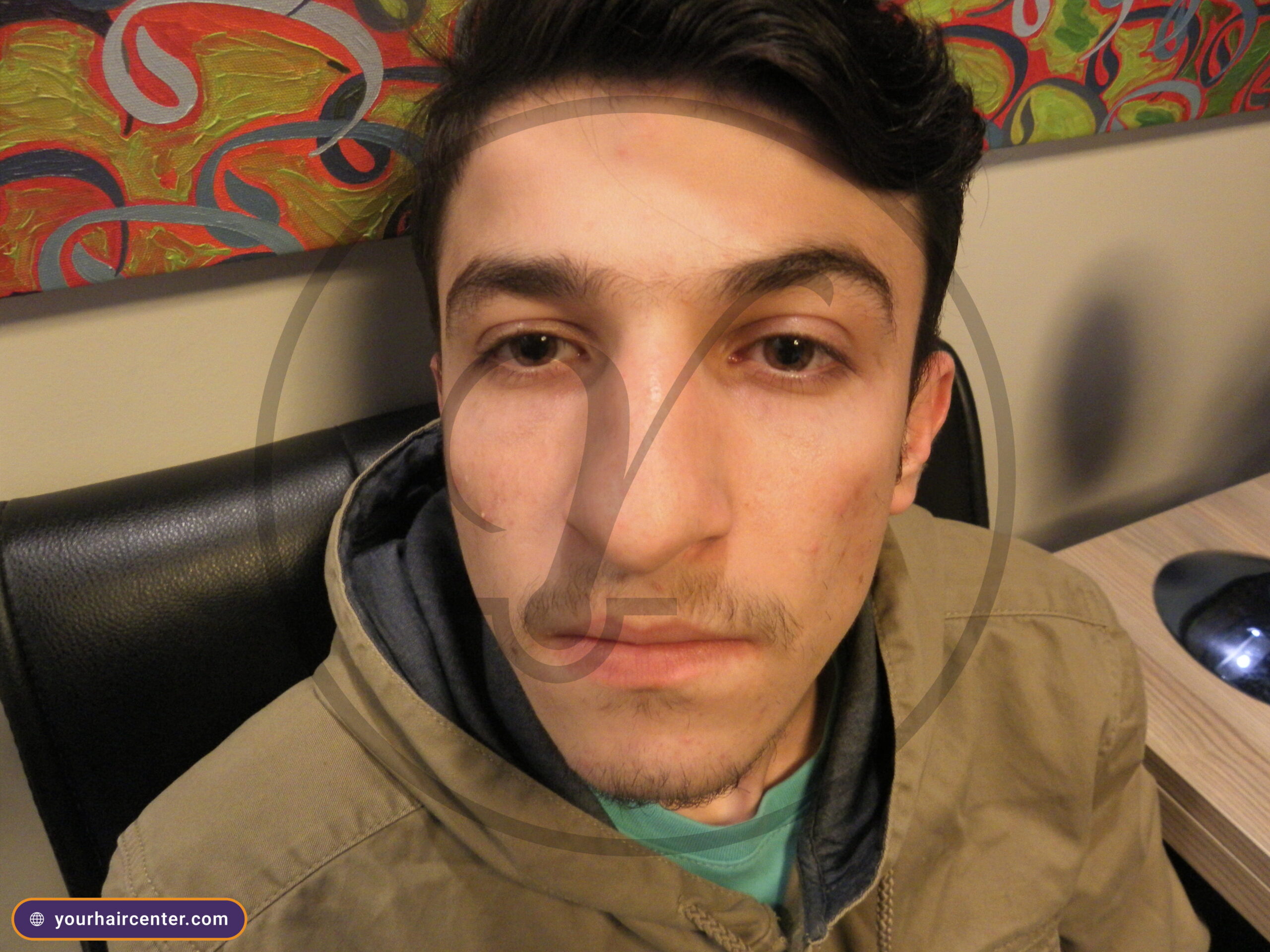
Hair restoration results, before and after
Real patient results from Your Hair Center, Istanbul

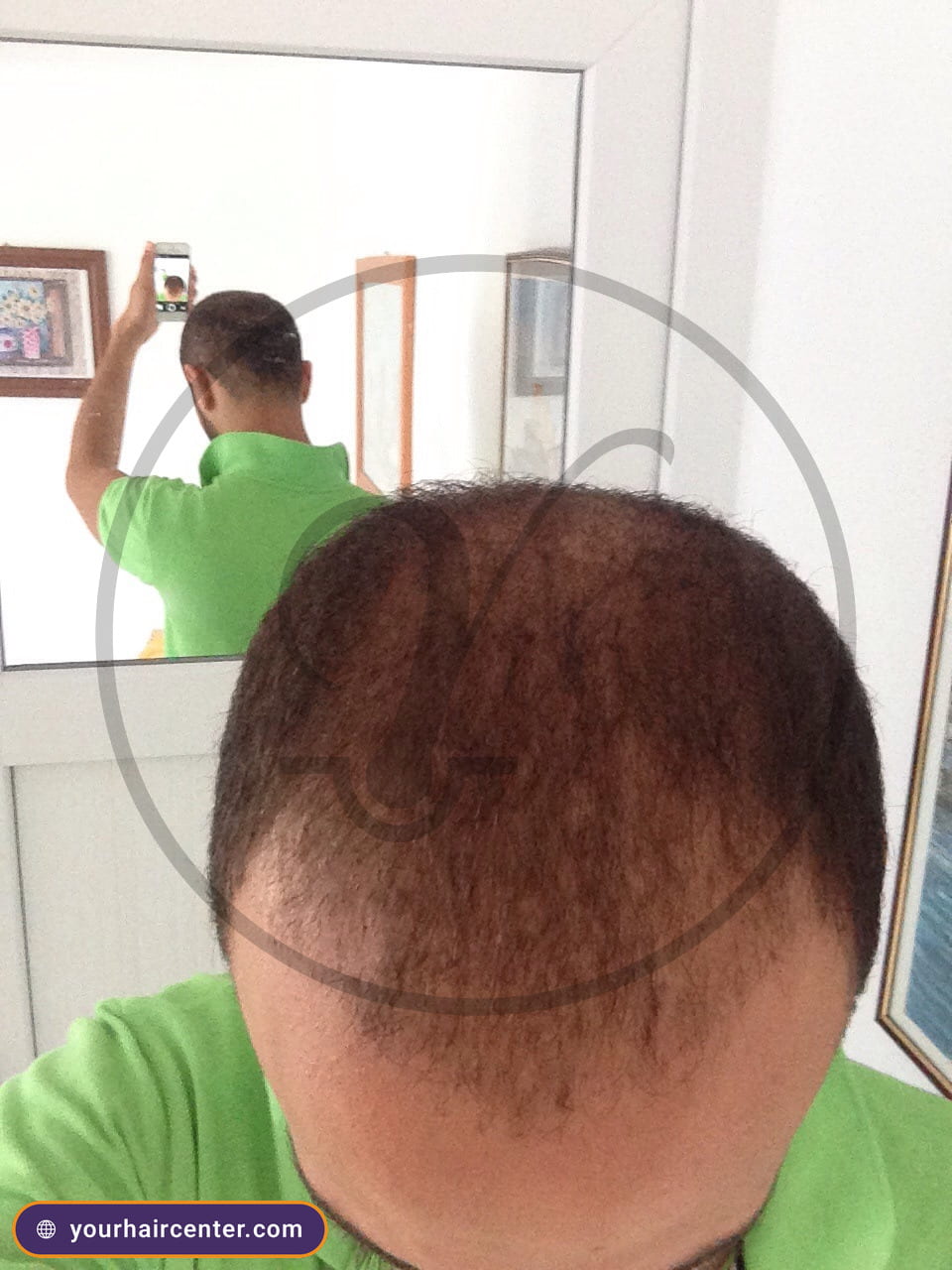
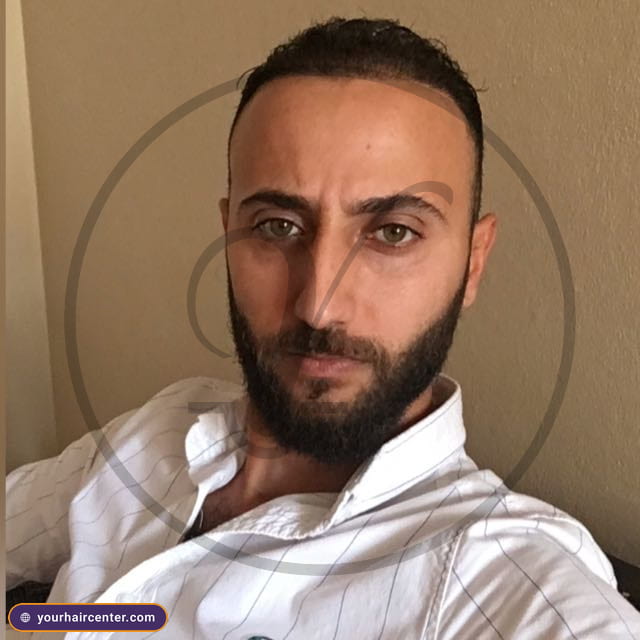
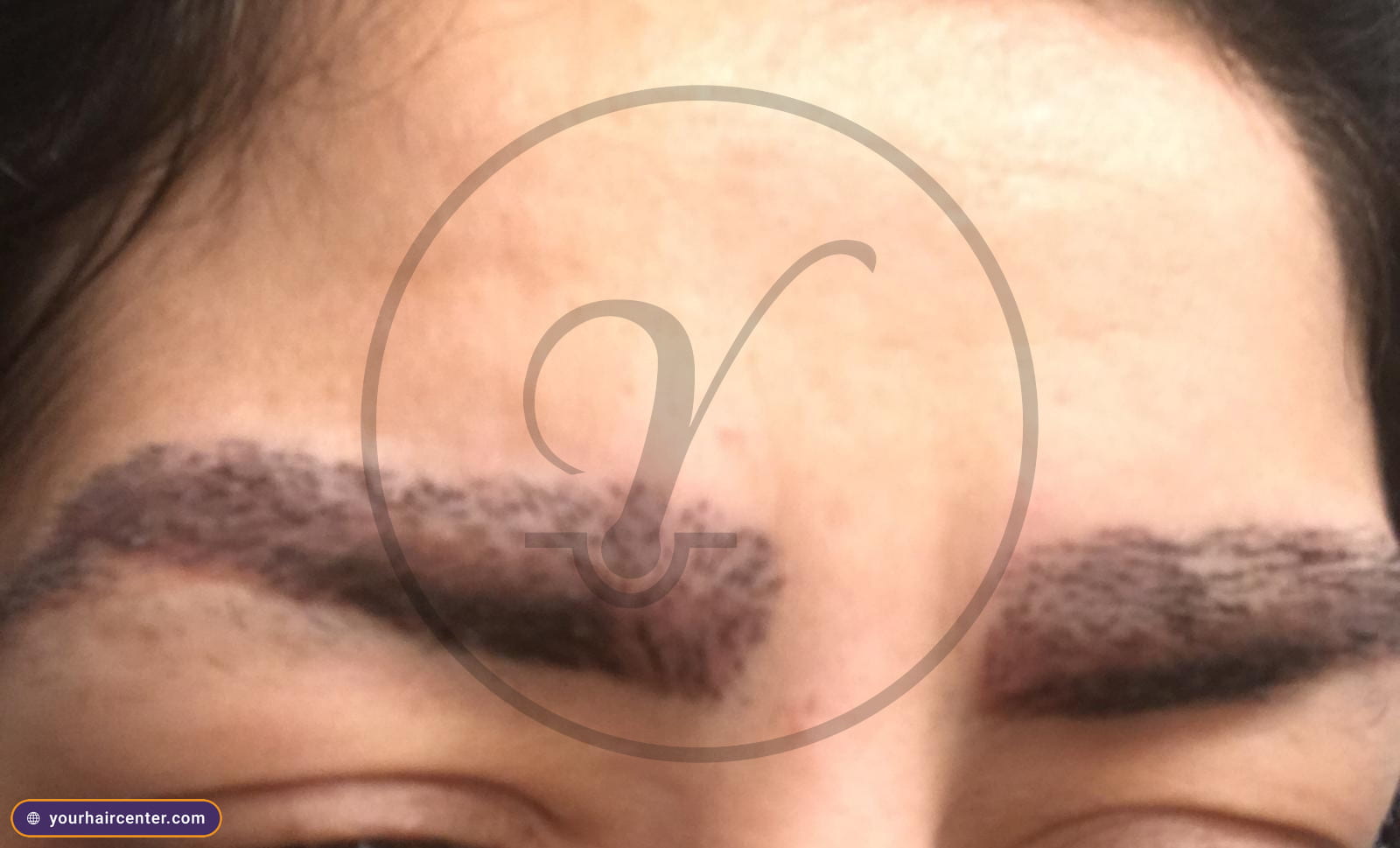
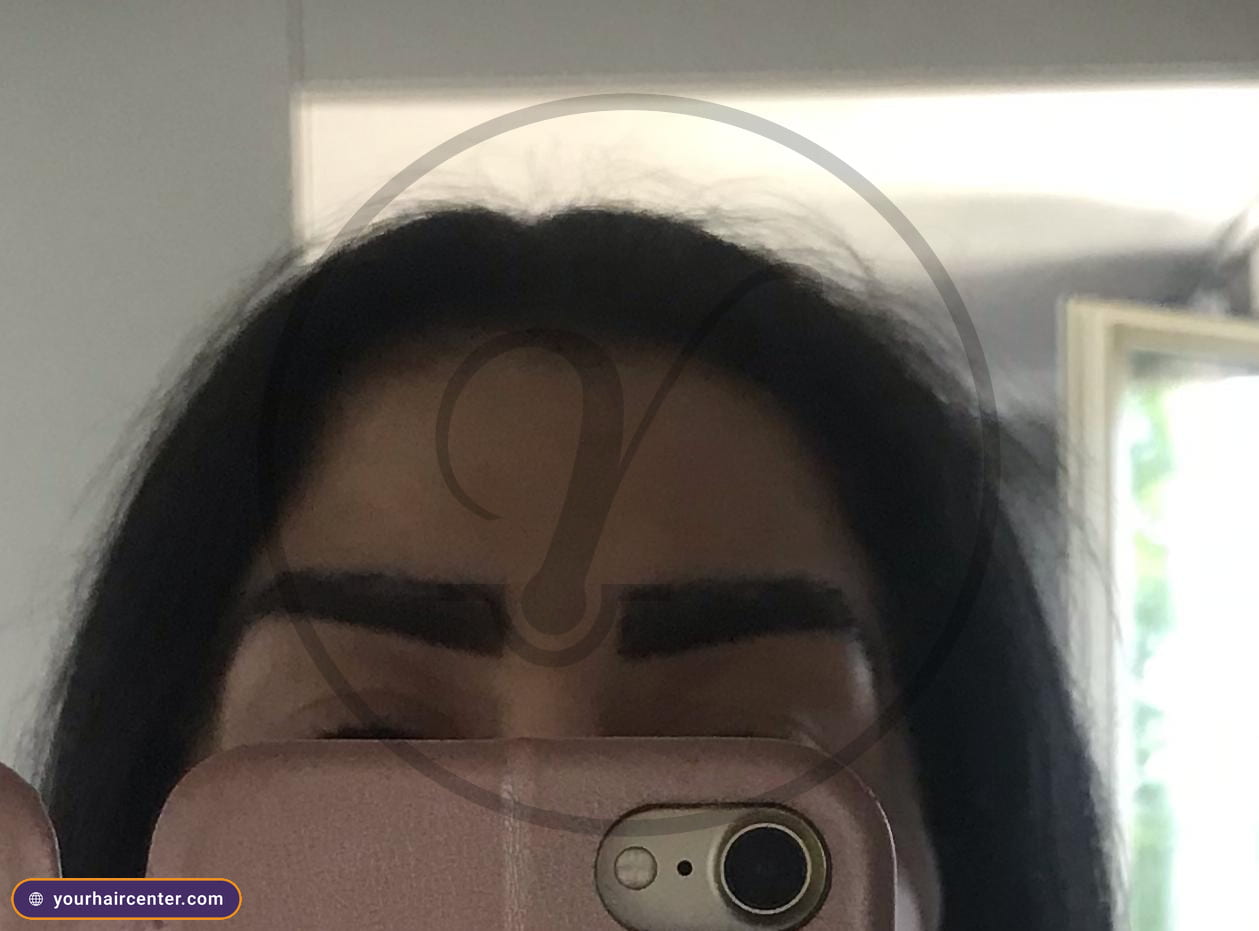
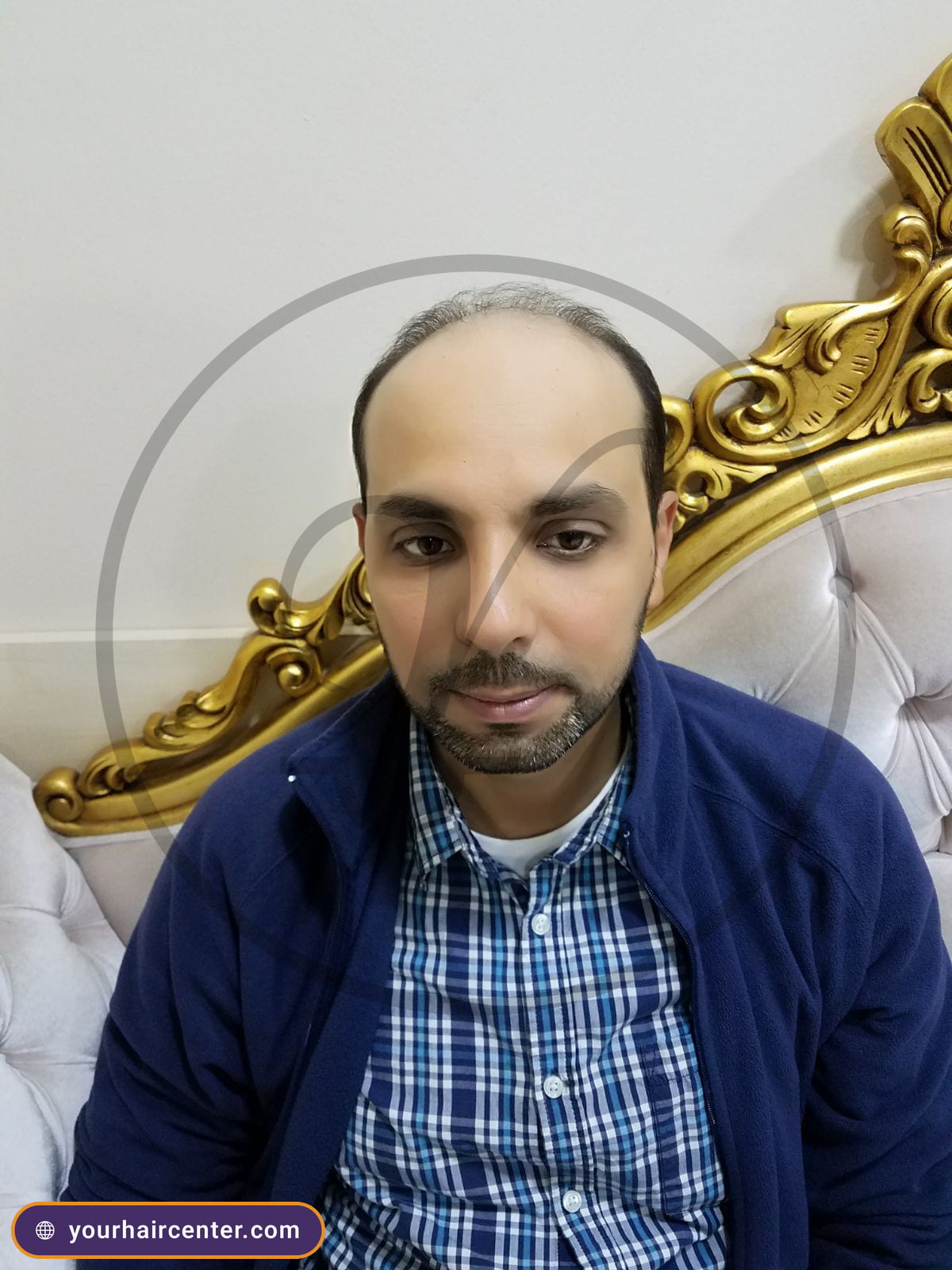

Cold laser therapy after a hair transplant
Laser therapy can follow a hair transplant to support the native hair around the transplanted zone. Sessions start once the scalp has healed, and the doctor decides whether they suit your case.
When to start
Sessions start 2 to 4 weeks after surgery, once the crusts have fallen and your doctor confirms.
What the evidence says
No published study has tested laser after a transplant yet, so we do not promise faster healing or more surviving grafts.
Native hair support
Laser supports the native hair around the transplanted zone, the hair a transplant does not replace.
Explore the available transplant techniques

Sapphire FUE Technique
Genuine sapphire blades. Channels sized to each graft and opened by the surgeon at the angle of your own hair.

Choi Pen Technique
One step. No pre-made channels. The Choi Pen places every follicle directly, for a natural hairline without shaving the recipient area.

FUE Technique
No linear scar, no stitches, and crusts that clear in 7 to 14 days. See why thousands fly to Istanbul for FUE hair transplant every year.

Percutaneous Technique
A percutaneous hair transplant opens fine needle sites for the hairline and fine detail, up to 40-45 follicles per cm2, with FUE's graft capacity and recovery.
Frequently asked questions about laser hair therapy
Is laser therapy painful?
No. Low level laser therapy uses light only, with no anesthesia and no needles. Patients feel only a gentle, comfortable warmth on the scalp during the session. You can relax or browse your phone during the 20-minute treatment.
How many sessions are needed to see results?
The full program runs 24-36 sessions over 6 months. Results appear gradually, with shedding reducing from month one and new hair visible from month three. After the main program ends, a monthly maintenance session is recommended to preserve the gains.
What is the difference between clinic medical laser and an at-home laser cap?
The difference is in how the treatment is run, not a promise of multiplied results. In the clinic a physician sets the dose, the device covers the whole scalp and progress is measured at each stage. FDA-cleared home devices (laser caps, helmets, combs like iRestore or Capillus) also worked in trials, but keeping to the schedule, coverage and follow-up rest with the user, and no study has compared the two directly.
Can LLLT be combined with PRP hair treatment?
Absolutely, and it is recommended for the best results. Laser stimulates follicles through photobiomodulation, while PRP activates natural growth factors from platelet-rich plasma. The physician combines them because they work through different mechanisms; no controlled trial has yet measured how much the combination adds. Learn more about PRP for hair.
Is cold laser therapy suitable for women?
Absolutely. Laser hair therapy is suitable for both men and women. It is an excellent option for women because it is completely non-surgical, requires no shaving, and leaves no marks. It is effective for genetic and hormonal hair loss in women.
When can laser sessions start after a hair transplant?
Laser sessions usually begin 2 to 4 weeks after transplant surgery, once the crusts have fallen and the treating doctor confirms. They support the native hair around the transplanted zone; no published study has yet tested laser after a transplant, so the start follows healing.
How much does laser hair loss treatment cost in Turkey?
Cost varies by the chosen program. We offer three packages, a single session, a 12-session program (our most popular option with substantial savings), and the complete combination program (laser + PRP). Treatment in Turkey is significantly more affordable than comparable programs in the US, UK, and Europe. Message us on WhatsApp for an accurate quote tailored to your case.
Are the results of laser therapy permanent?
Laser therapy results last as long as you keep up with monthly maintenance sessions after the main program ends. Hair loss is a chronic condition, so one maintenance session per month is needed to preserve the density you gained. Without maintenance, shedding may gradually return over 6-12 months.
Start your hair restoration journey today
Send your photos for a free evaluation from a specialist physician and a treatment plan tailored to your case.
Istanbul, Turkey
Our location
5,000+ patients
Trusted by patients worldwide
Free evaluation
No obligation
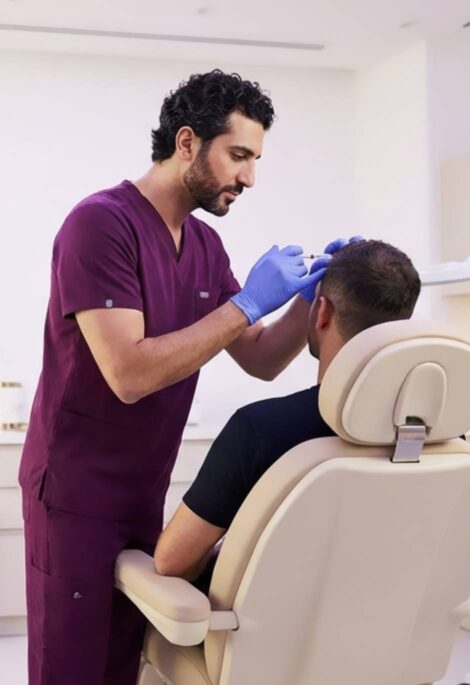
Exosome Therapy for Hair
Stem-cell-derived vesicles for early to moderate thinning, in 2 to 4 sessions, with evidence that is still limited.
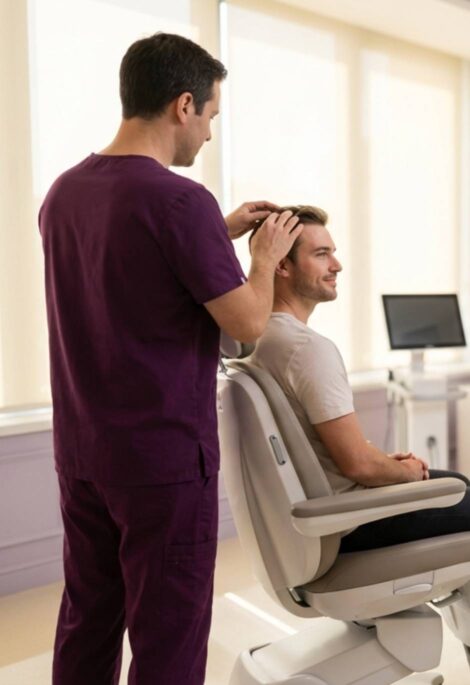
Hair Loss Treatment
Every proven option in one place. Match your hair loss type to the treatment that actually works.
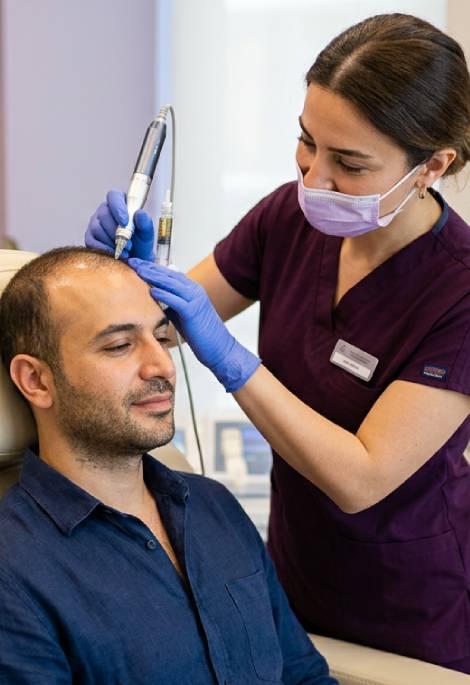
Hair Mesotherapy
Vitamins and minerals injected straight into your scalp. Less shedding after one to two months, over 6 to 8 sessions.