A hair transplant moves the follicles, and what you do in the first few weeks decides how many survive. This guide explains prp after hair transplant from the first injection at week three to four through the month-twelve session, the peer-reviewed graft-survival evidence behind each step, the timing rules that protect freshly placed grafts, the donor-zone healing benefit most competitors skip entirely, and an honest look at what the four-session add-on really costs against completing it at a US clinic after you fly home.
A hair transplant moves the follicles. What happens in the first few weeks after the procedure decides how many of them survive. This is the part of the journey most patients underprepare for, and it is exactly where PRP after hair transplant earns its place. The clinical literature on this add-on has converged on a clear direction. Transplanted grafts that receive platelet-rich plasma during the early healing window reach mature density sooner, and more of them survive, than grafts that heal unaided. One of the most-cited studies in this space recorded greater than 75 percent regrowth at six months in every PRP-treated patient, against only a handful of patients in the comparison group.[1] This guide walks through when to start PRP after hair transplant, the biology that makes the timing work, the four-session schedule surgeons commonly use, the two weeks when the plasma must not yet be injected, and what the add-on actually costs.
PRP after hair transplant
Most surgeons begin a course of PRP in the months after a transplant once the grafts have settled, usually three to four weeks post-op, repeated through the third month, then continued at month six and around month twelve as a four-session course. The growth factors in PRP after hair transplant accelerate recipient-zone healing, support graft survival, and help shorten the visible shedding window that follows surgery.
The reason PRP after hair transplant works comes down to signaling. Platelet-rich plasma delivers a concentrated dose of the proteins that tell follicles to grow, including PDGF, VEGF, IGF-1, and EGF, into a recipient zone that has just been mechanically wounded by the implantation. In the acute-wound phase, the chemistry of healing temporarily drowns out the follicle’s wake-up signal. A well-timed PRP session restores that signal at the moment the transplanted grafts most need it. The rest of this guide unpacks the biology, the timing, and the protocol in turn. For the standalone non-surgical version of the treatment, see PRP hair treatment in Istanbul, and for the broader surgical picture, the hair transplant service category collects every technique we offer.
Why PRP improves graft survival, the biology surgeons actually quote
Three mechanisms explain why PRP after hair transplant improves graft survival, and it helps to name them plainly rather than wave at growth factors in the abstract.
The first is growth-factor signaling. The platelets concentrated in plasma carry the messenger proteins that push follicles from rest into the active growth phase. After a transplant, the grafts need that push earlier than they would get it on their own. The second is angiogenesis, the building of new microscopic blood vessels. A transplanted follicle is only as good as the blood supply feeding it, and the recipient bed has to grow that supply from scratch. PRP accelerates the formation of that microvascular network. The third is inflammation modulation. PRP after hair transplant nudges the recipient-zone immune environment away from destructive inflammation and toward constructive repair, which is exactly the shift a freshly grafted scalp is trying to make.
The graft-survival evidence behind PRP after hair transplant is unusually concrete for an adjunct treatment. In a prospective randomized study of forty follicular-unit-extraction patients, platelet-rich plasma was injected into the recipient area during surgery in one group and saline in the other. Every patient in the PRP group showed greater than 75 percent regrowth at six months, compared with only four patients in the non-PRP group, alongside faster density, less of the temporary shedding known as catagen loss, and faster skin recovery.[1:1] The same body of work rests on an earlier landmark trial in which men treated on half the scalp with PRP gained a mean of 33.6 hairs in the target area and a total density increase of about 45.9 hairs per square centimeter against the placebo half.[2]
It would be dishonest to present this as settled to the decimal point. A 2025 systematic review of controlled studies using PRP alongside hair transplantation found the addition of PRP consistently associated with greater hair density, better follicle survival, and earlier onset of growth, while noting real variation between studies in how the plasma was prepared and dosed.[3] In plain terms, the direction is reliable and the exact magnitude depends on the case. That is why a responsible clinic frames PRP after hair transplant as a strong supportive layer on top of a good result rather than a guarantee of a specific percentage. Professional bodies in hair restoration treat PRP after hair transplant the same way, as an established adjunct to surgery rather than a replacement for it.
The plasma also delivers a benefit on the donor side. The strip of scalp where follicles are harvested is itself a field of tiny wounds, and the same growth factors that help the recipient zone close also help the donor zone re-epithelialize faster. We return to that below. The technique that creates those donor wounds is covered on the FUE technique page, and the modern blade variant on the Sapphire FUE page, both of which pair naturally with a post-op PRP plan from PRP hair treatment.
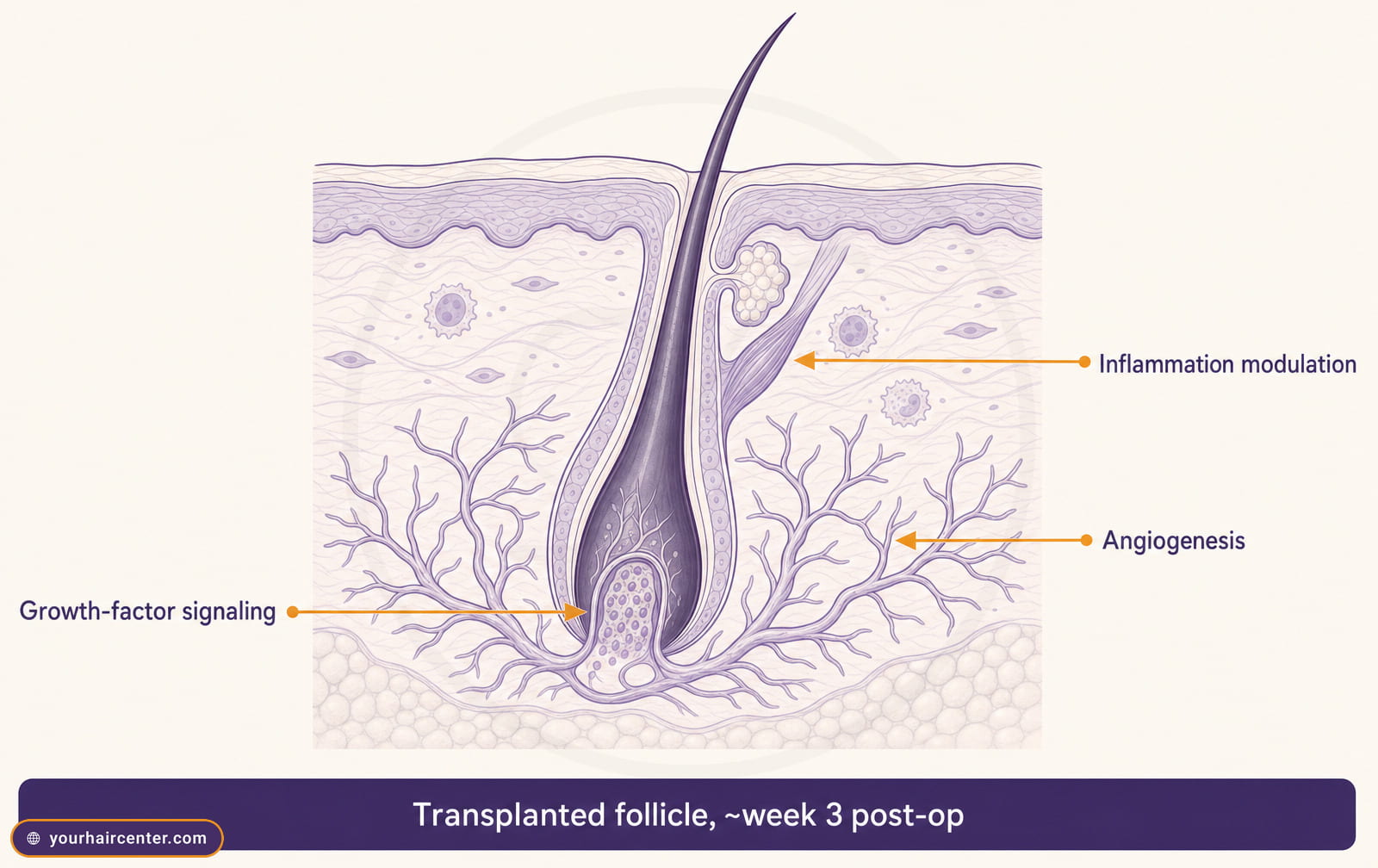
When to start, the week-by-week timing window after surgery
The single most searched question about PRP after hair transplant is when the first session can happen. The answer is governed less by the calendar than by what the recipient zone is physically doing in each window.
In the first two weeks, the answer is not yet. The recipient zone is in the acute, high-inflammation wound phase, scabs are still anchoring the new grafts, and the grafts themselves have not bonded firmly into their channels. Starting PRP after hair transplant this early, injecting plasma into a zone that vulnerable, risks dislodging follicles that are only loosely held.
Do not let anyone inject PRP into the recipient area in the first ten to fourteen days after a transplant. The grafts are mechanically vulnerable in that window, and the force of the injection itself can shift one that has not yet anchored. The timing rule exists to protect your result, not to slow it down.
By weeks three and four, the picture changes, and this is when PRP after hair transplant usually begins. The recipient surface has closed, scabs have shed, and the inflammation has moved from acute to a calmer phase. The transplanted follicles are entering the expected post-transplant shedding period, and a first PRP session here is timed to soften that curve rather than fight it. This is the window most surgeons describe as the first injection, and it is the point the related searches call the 1st PRP after hair transplant.
There is one defensible alternative to waiting for that first session. Some surgeons apply PRP intra-operatively, treating the grafts and recipient bed during the surgery itself, which is the exact protocol behind the strongest graft-survival data.[1:2] For PRP after hair transplant, the trade-off is logistical rather than clinical. An intra-operative dose needs the blood draw and centrifuge in the same surgical visit, which complicates the tight timing of an all-inclusive Istanbul package, but it captures a wound-bed window the later injections cannot reach. Either route is reasonable, and the choice belongs to the surgical plan.
The timing of PRP after hair transplant also has an upper bound. Push the first session too early and you risk the grafts. Wait too long, past roughly the third month, and the heavy inflammation phase has ended and much of the angiogenesis the recipient zone needed has already happened. PRP started after that point shifts from rescuing the shedding curve to general density support. It is still worthwhile, but the lift is smaller. For most international patients the practical consequence is simple. The first session rarely fits inside a standard three-day surgical trip, so it is scheduled for a return visit or arranged with a trusted local provider back home, a logistics question the medical follow-up service is built to coordinate. Patients who need to hide the recovery entirely often pair this planning with an unshaved hair transplant, and those weighing a return-trip schedule can fold it into the original reception and accommodation arrangements. The full recovery pathway sits alongside the FUE technique and your PRP hair treatment plan.
The 4-session PRP protocol after a transplant
Dermatology guidance for standalone PRP describes a simple cadence, monthly sessions for the first three months and then a return every three to six months.[4] The schedule for PRP after hair transplant adapts that rhythm to the healing timeline of a grafted scalp. In practice it lands as four defined sessions, each with a specific job.
| Session | Timing | What it is for |
|---|---|---|
| Session 1 | Week 3 to 4 post-op | Soften the shedding curve and speed up recipient-zone blood-supply growth |
| Session 2 | Week 8 to 9 post-op | Hold the growth-factor signal as transplanted follicles enter their early growth phase |
| Session 3 | Month 6 post-op | Mid-cycle density support through the peak regrowth window |
| Session 4 | Month 12 post-op | Stabilize the result and hand off to a longer maintenance rhythm |
Session 1 of PRP after hair transplant, at week three to four, targets both the recipient zone and the donor area. Its goal is to reduce how much scalp shows through the implantation zone during the shedding phase, and patients usually read the difference around the second month. Session 2, four to six weeks later, keeps the signaling concentration up while the grafts move into active growth, the stage where the first fine new shafts become visible under magnification. Session 3, at month six, is the one most patients ask to skip, and it is also the session the evidence most rewards, because it lands in the peak regrowth window where density is being built fastest. Session 4, around month twelve, sets the mature result and bridges into maintenance.
After the four-session course of PRP after hair transplant, optional touch-ups at month eighteen and month twenty-four bridge into the standalone maintenance pattern the PRP hair treatment service defines, a session every few months to hold the result. If you want the full picture of how long a course of results holds before a top-up, the dedicated guide on PRP maintenance and longevity covers it.
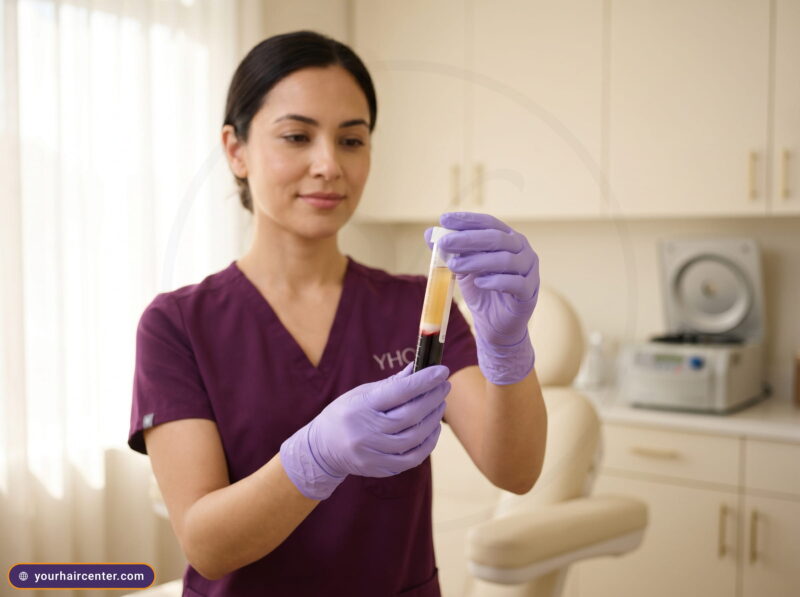
One thing separates a therapeutic preparation from a cosmetic one. The quality of the plasma matters more than the number of sessions. A medical-grade preparation concentrates platelets well above the baseline level of whole blood, and that concentration window is what makes the growth factors therapeutic rather than decorative. Discount preparations that barely lift the platelet count above baseline are not doing the same job. Two further details apply specifically to PRP after hair transplant. Activated PRP, triggered to release its growth factors, behaves differently from non-activated plasma, and a leukocyte-poor preparation is generally preferred over a leukocyte-rich one in the recipient zone, because the leukocyte-rich profile drives more short-term inflammation, which is exactly the phase the post-op window is trying to leave behind. The recipient channel created by the implantation technique, whether Sapphire FUE or the DHI Choi pen method, does not change the protocol, but it does change how the surgeon plans the first injection around the healing surface.
What the result looks like at month 3, 6, 12, and 18, with PRP versus without
Patients judge PRP after hair transplant by the mirror, not the journal, so it helps to map the protocol onto what each checkpoint actually looks like.
Month three is the universal panic moment. The transplanted shafts have shed, and the scalp can read sparser than it did the day after surgery. This is normal, it happens with or without PRP, and it is temporary. The difference PRP after hair transplant makes is not visible here so much as set up here, because the recipient bed is better vascularized and the follicle wake-up curve starts earlier in the supported case.
By month six the divergence becomes something you can see, and this is where PRP after hair transplant pays off most visibly. The PRP-supported scalp is further along its density curve than an unsupported one at the same point, which is the direct visible expression of the faster, higher graft survival the trial data describe.[1:3][3:1] By month twelve both timelines have largely caught up to their mature result, and the gap narrows without fully closing, with the supported case typically holding a small lead in how dense the zone reads. By month eighteen the advantage that remains shows up less as raw hair count and more as shaft thickness and pigmentation, the qualities that make a result look full in low light and after an ordinary wash and style.
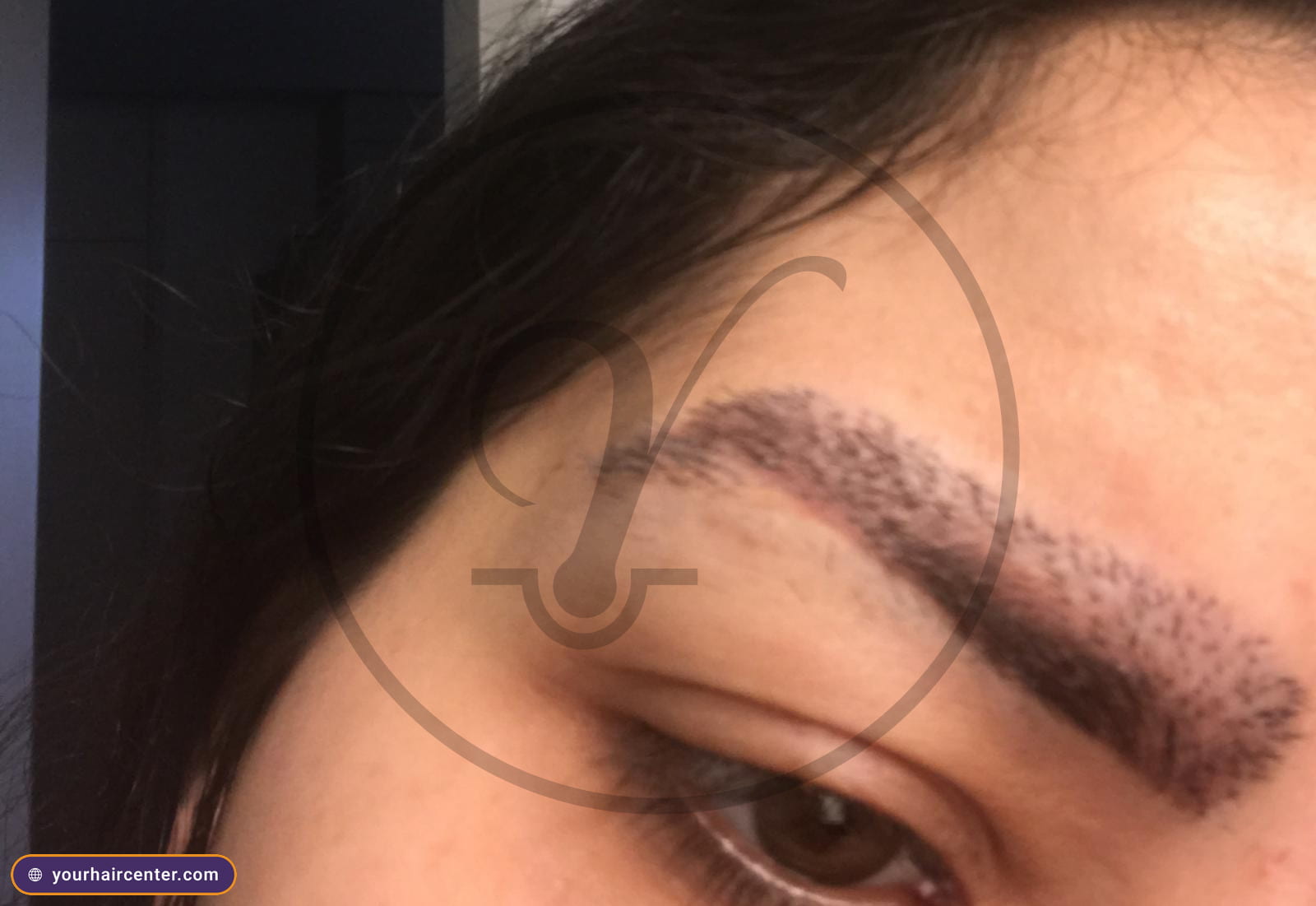
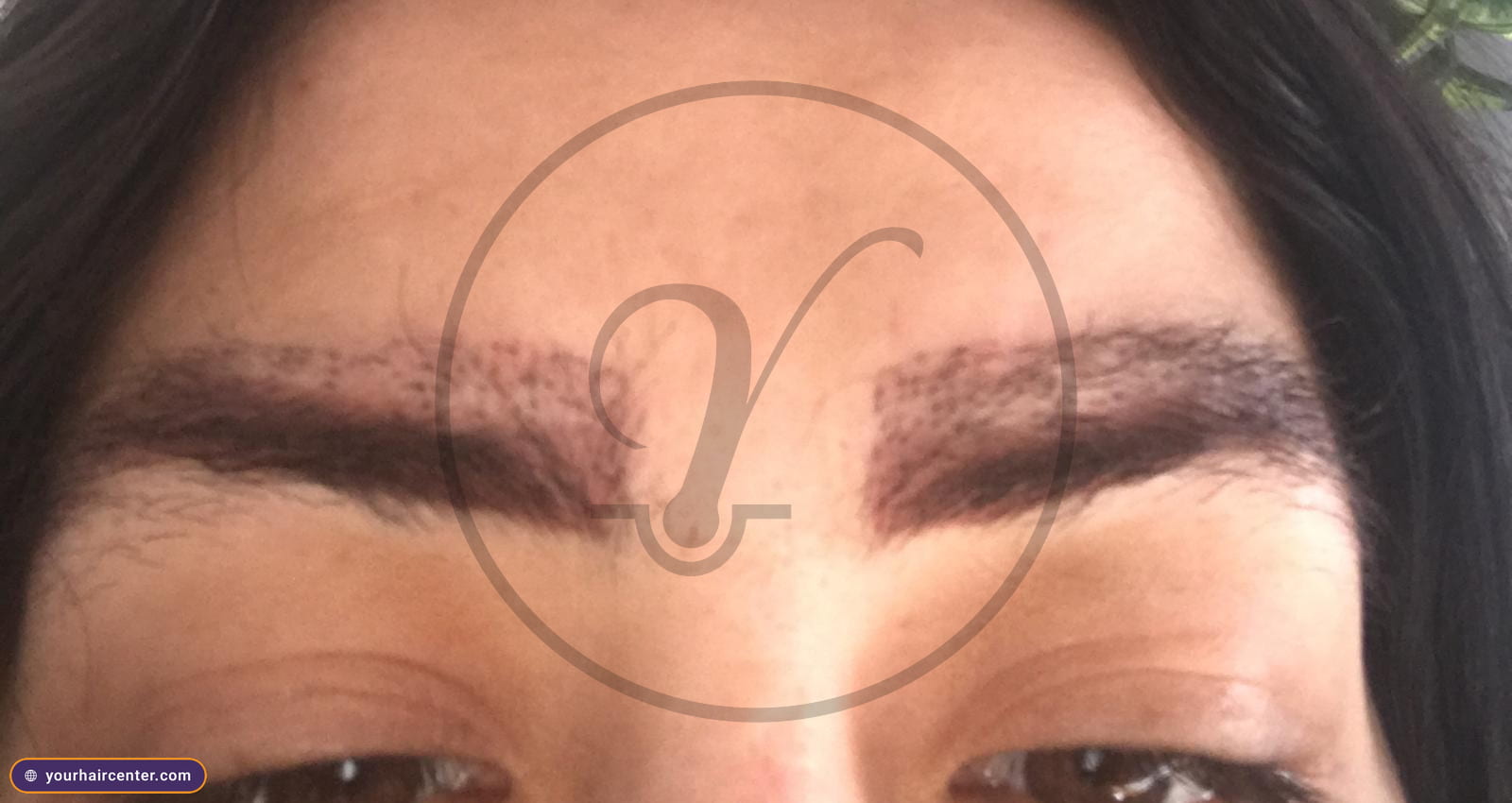
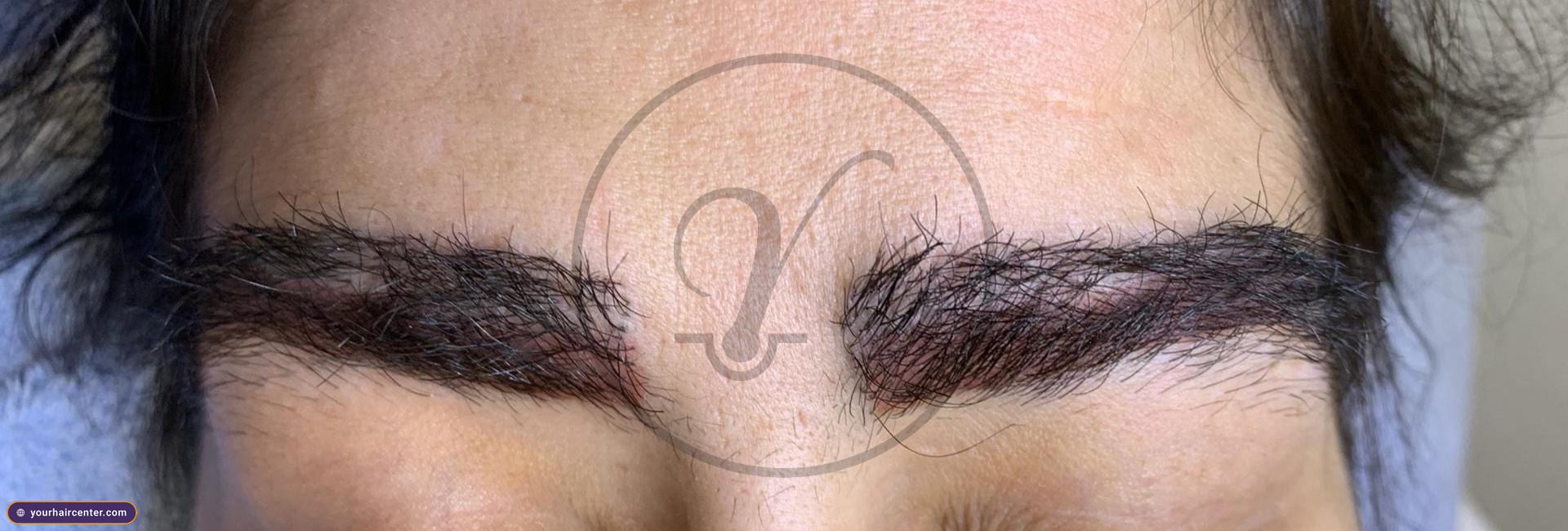
To keep these descriptions accurate, this guide describes the direction of the difference at each checkpoint rather than inventing a number for it, since no controlled study supplies one. The actual visual evidence belongs to real patients, not to a generated illustration, which is why the photographic timeline lives on the 3-month PRP before-and-after case study and in the wider photo gallery rather than being synthesized into this guide. The cohort getting PRP after hair transplant is mostly men following the men’s hair transplant pathway, though the same post-op shape supports the women’s hair transplant cohort too, and the broader hair transplant cluster collects the surgical context.
There is one more honest caveat about PRP after hair transplant. A minority of patients show little measurable PRP-attributable lift over their own baseline, and pretending otherwise would be marketing rather than medicine. The practical answer is that the medical team looks for this at the month-six follow-up and, if the response is flat, routes the patient toward other density-support options rather than charging through sessions that are not paying off.
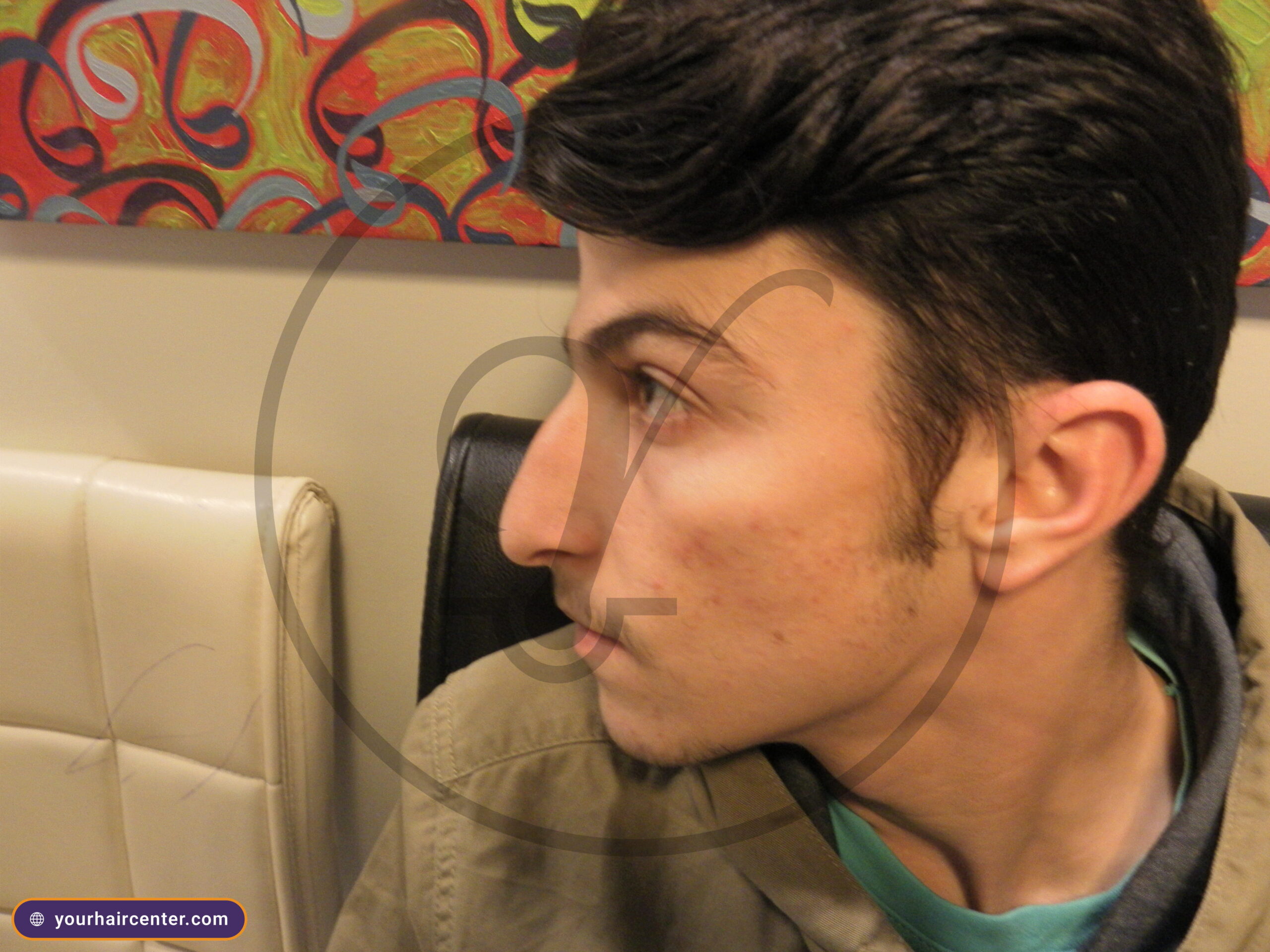
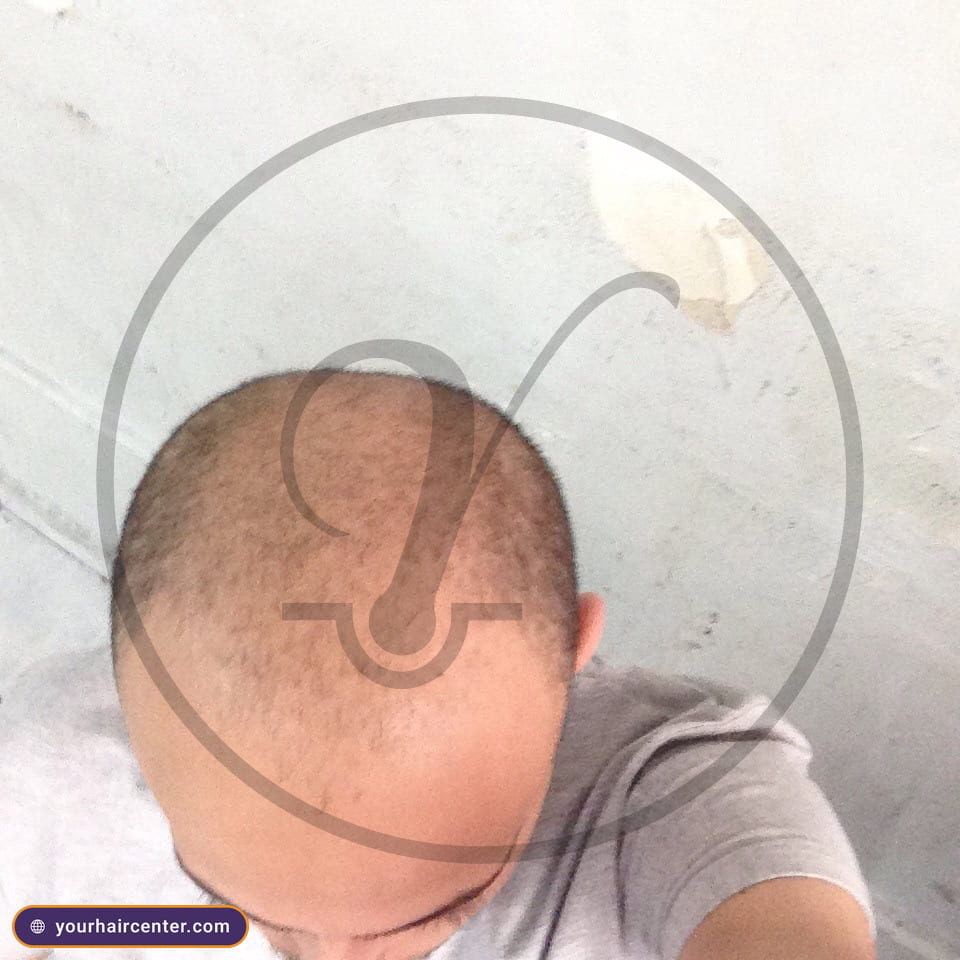
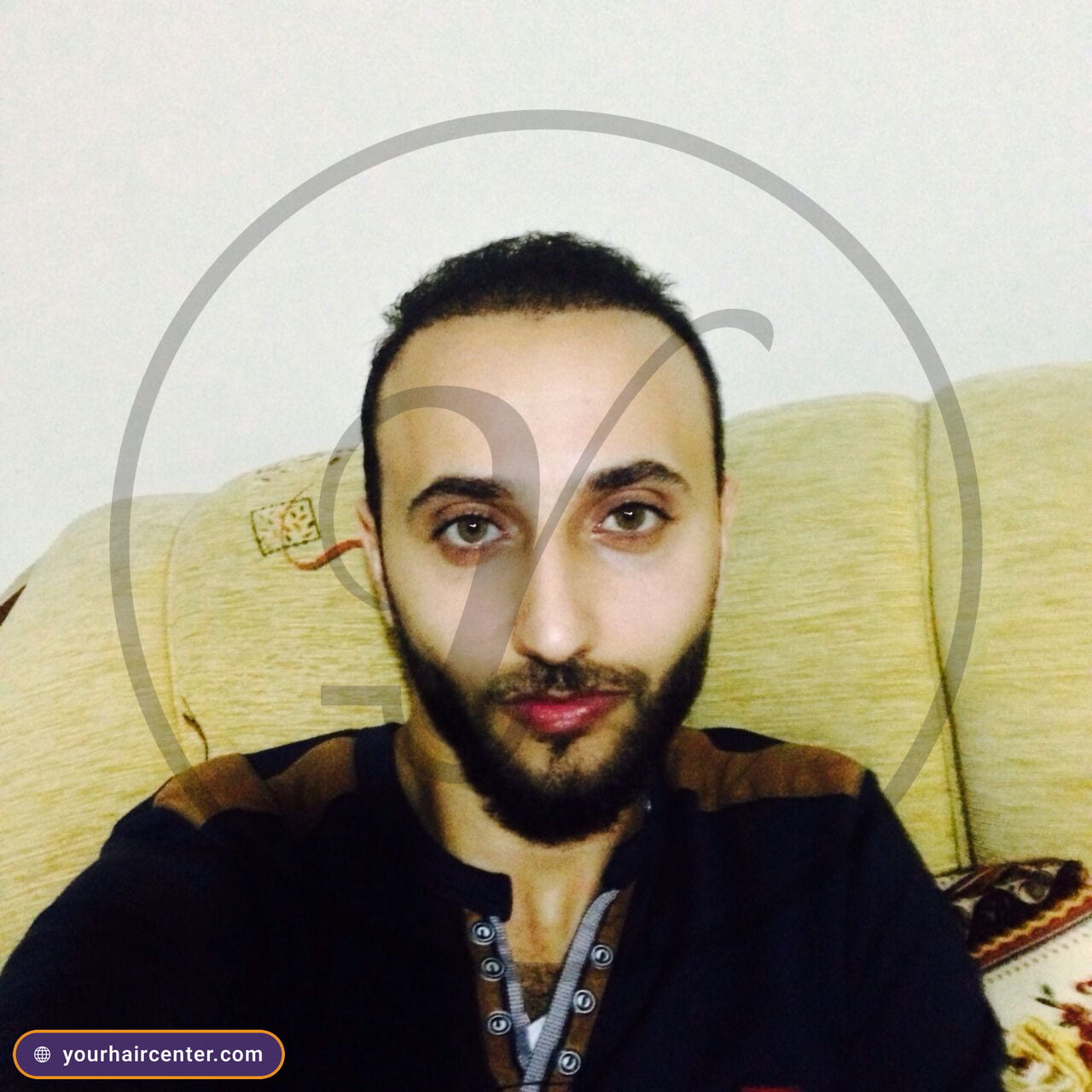
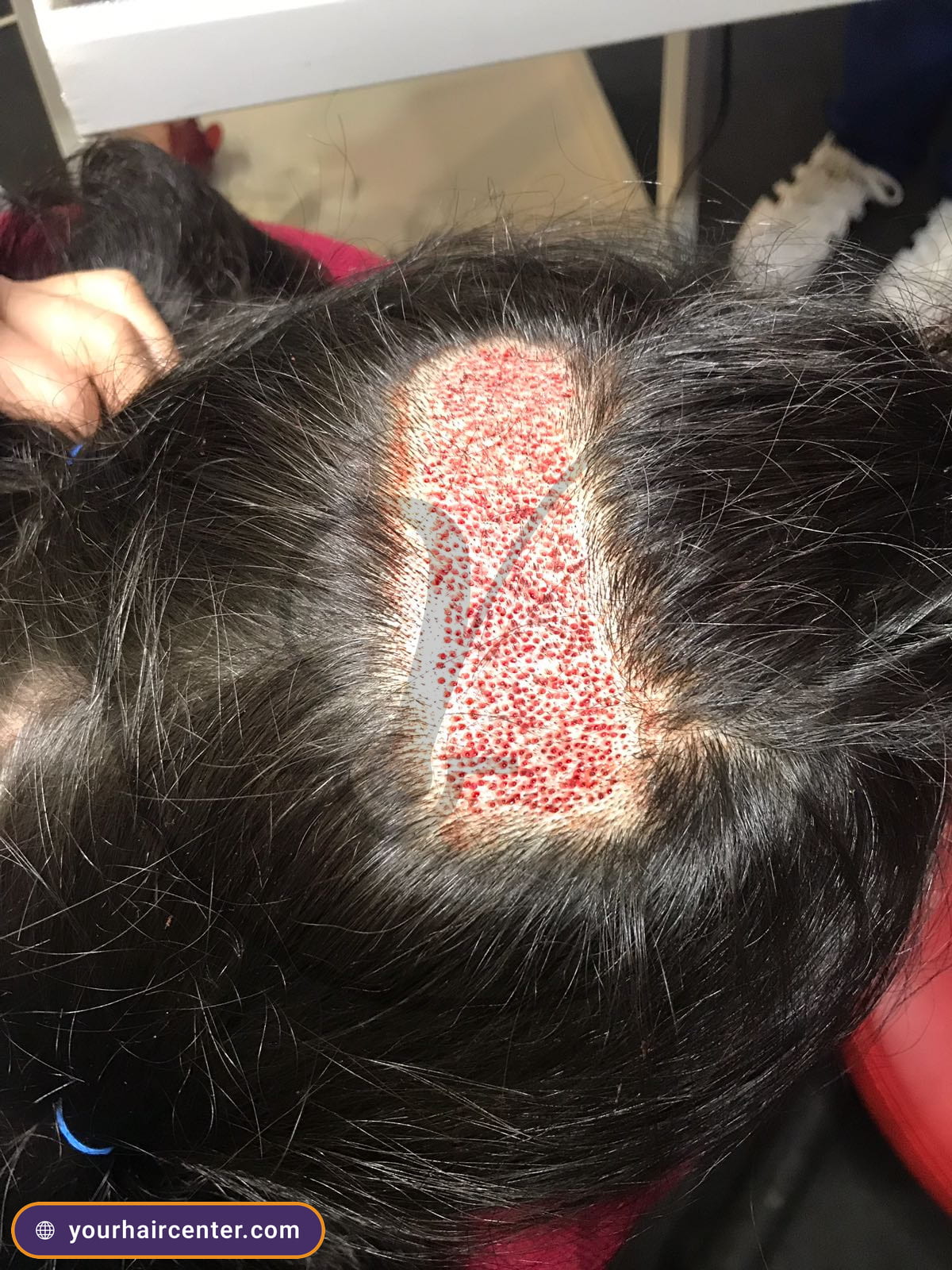
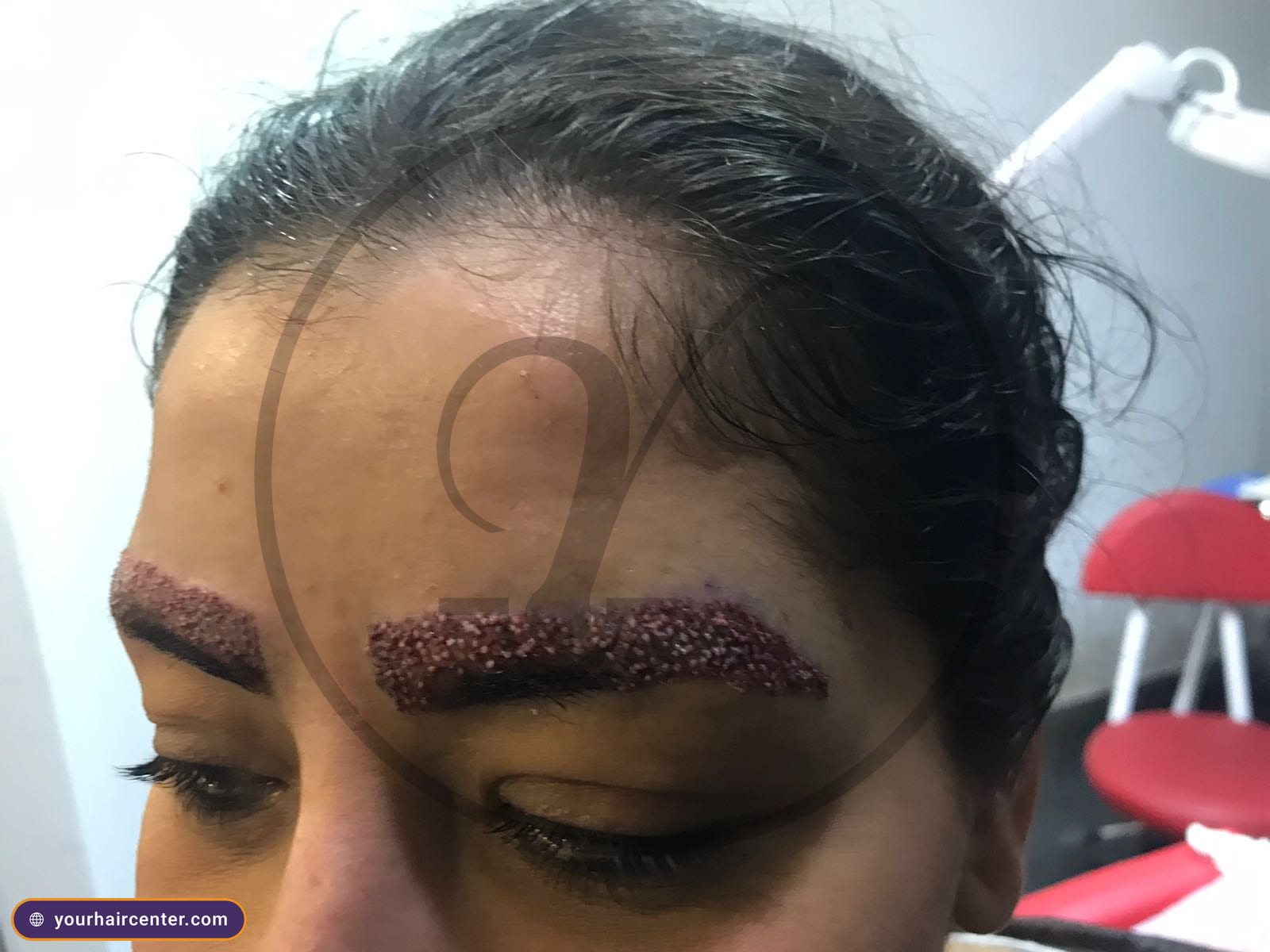
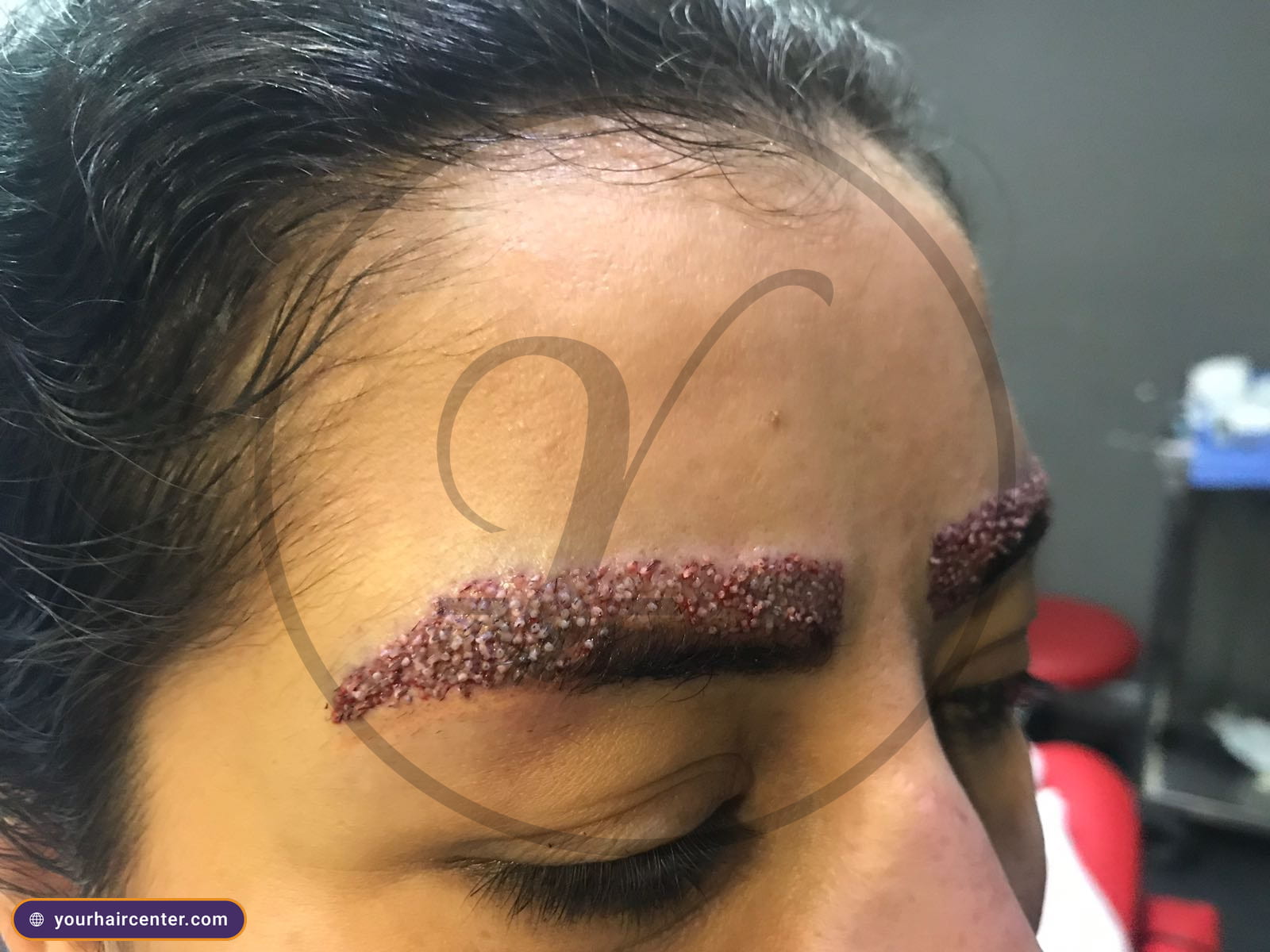
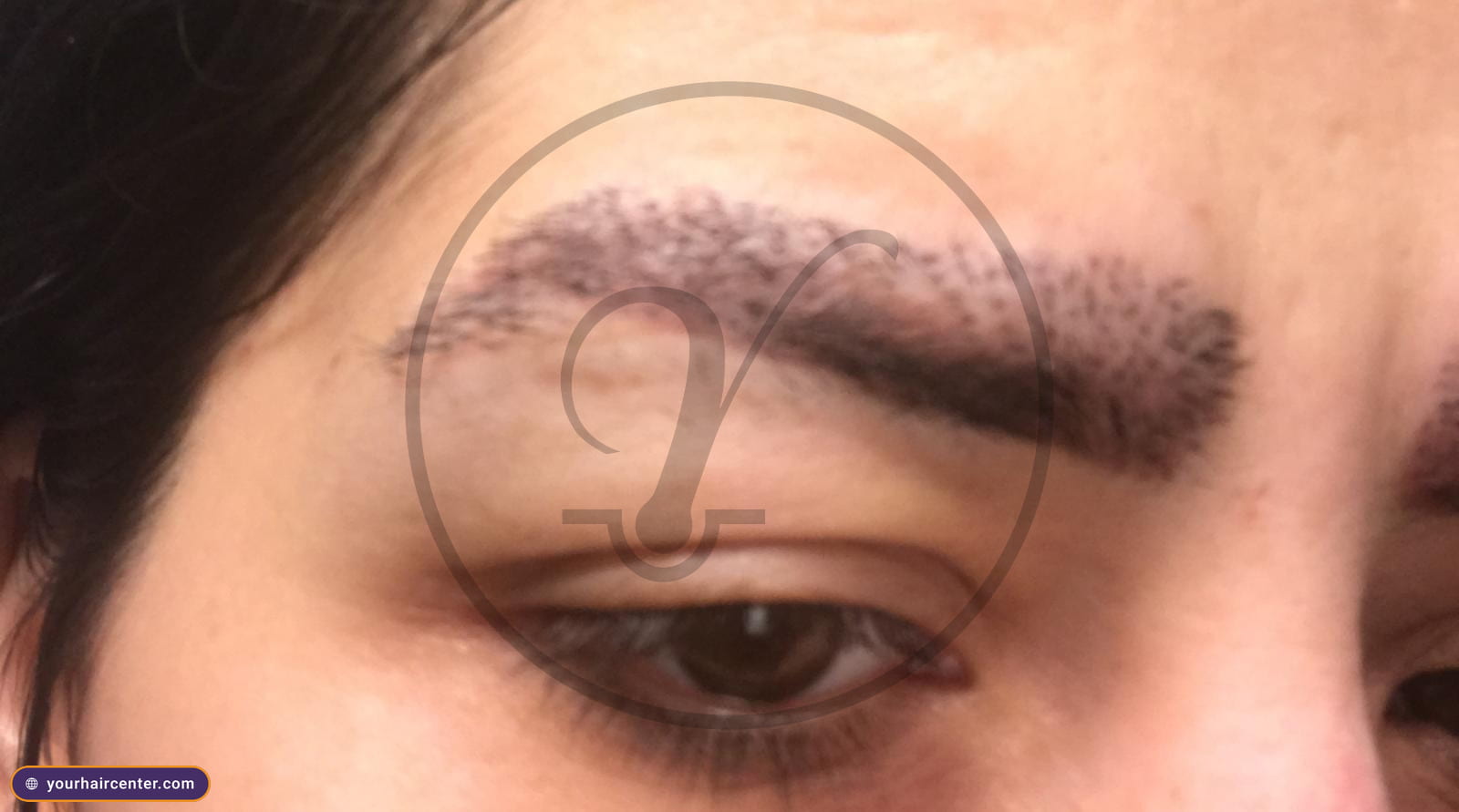
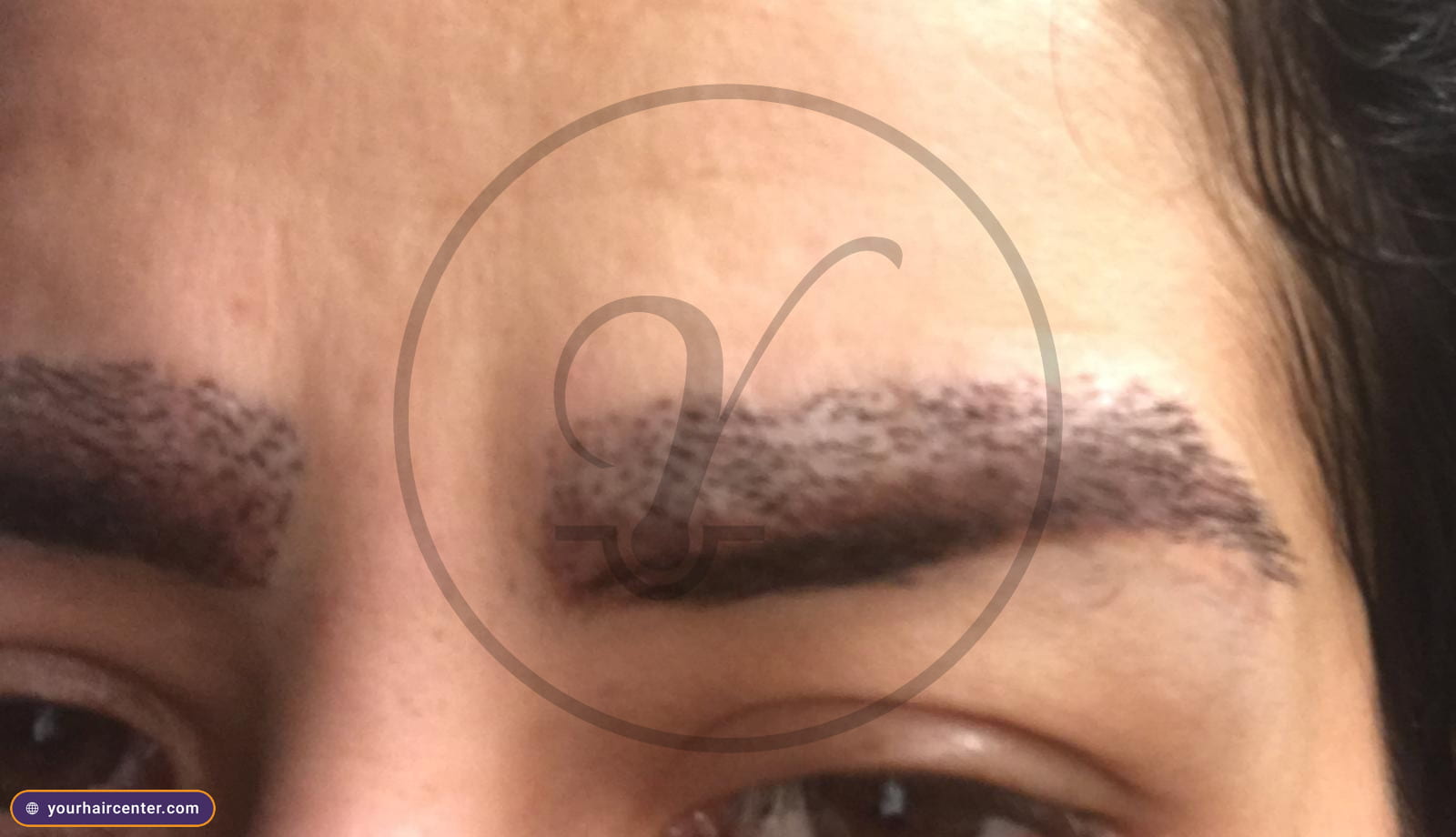
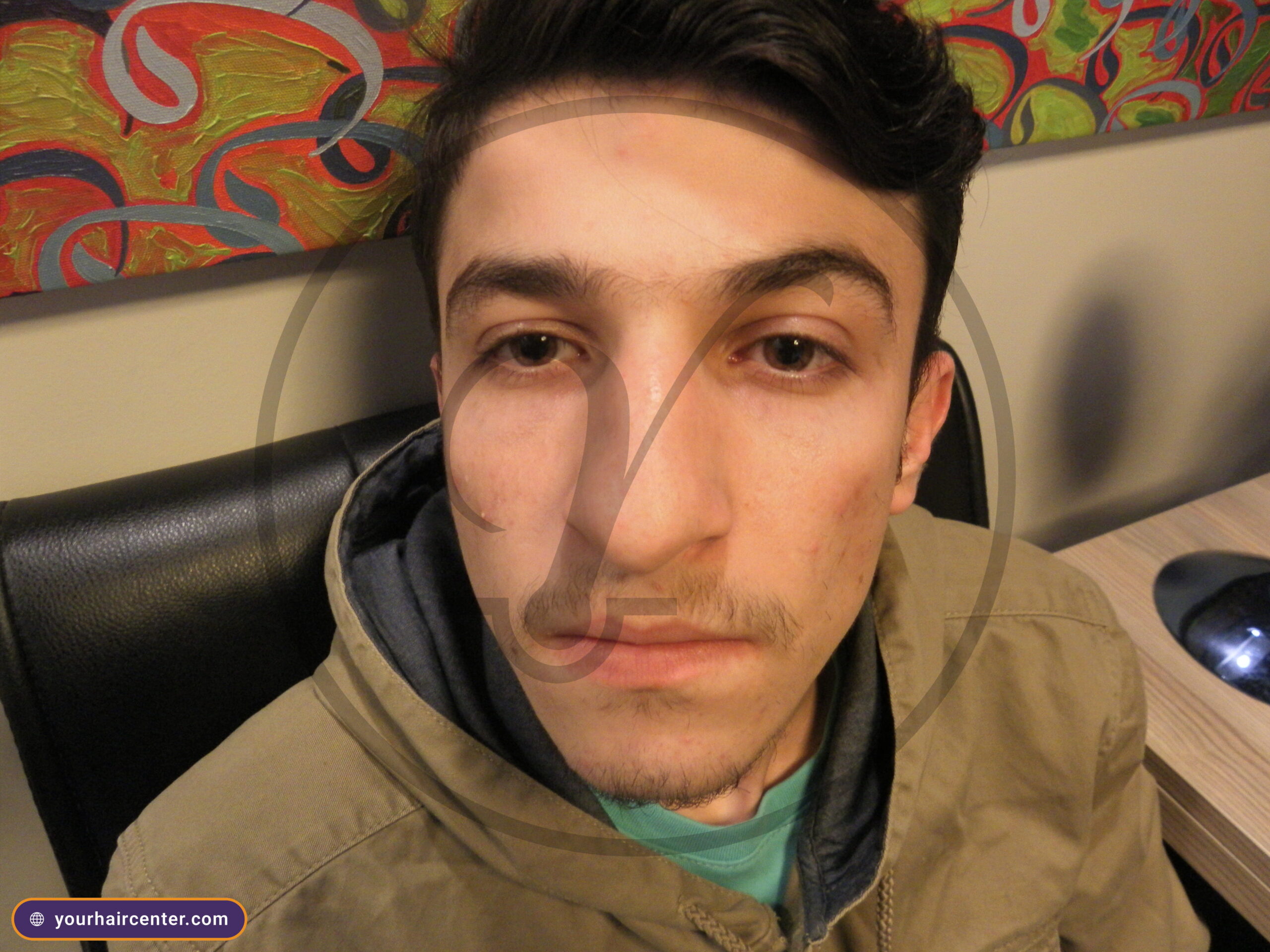
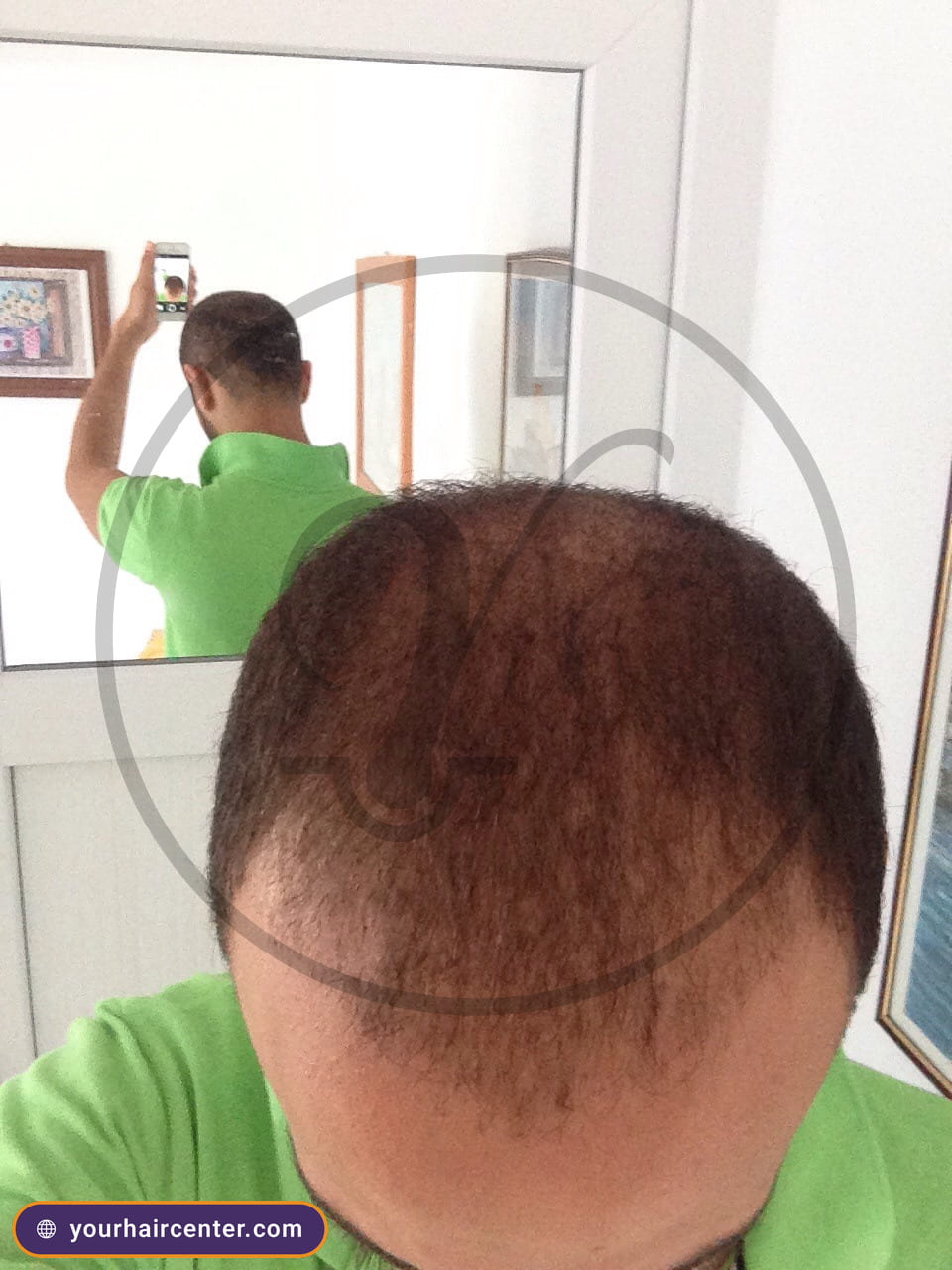
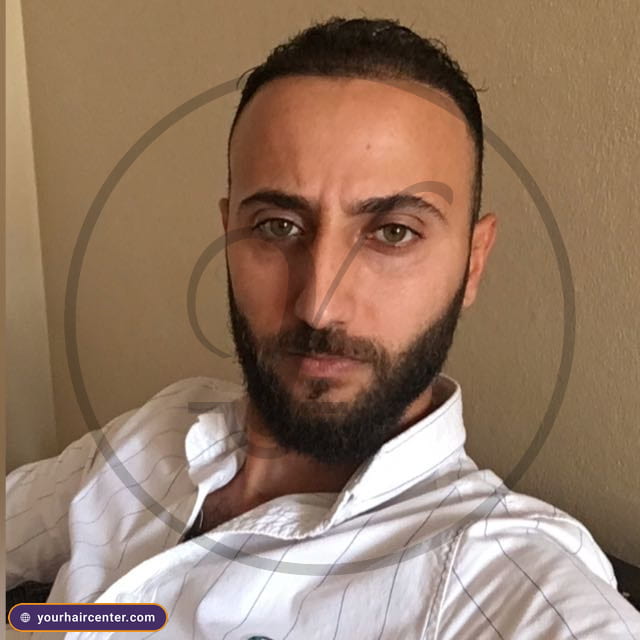
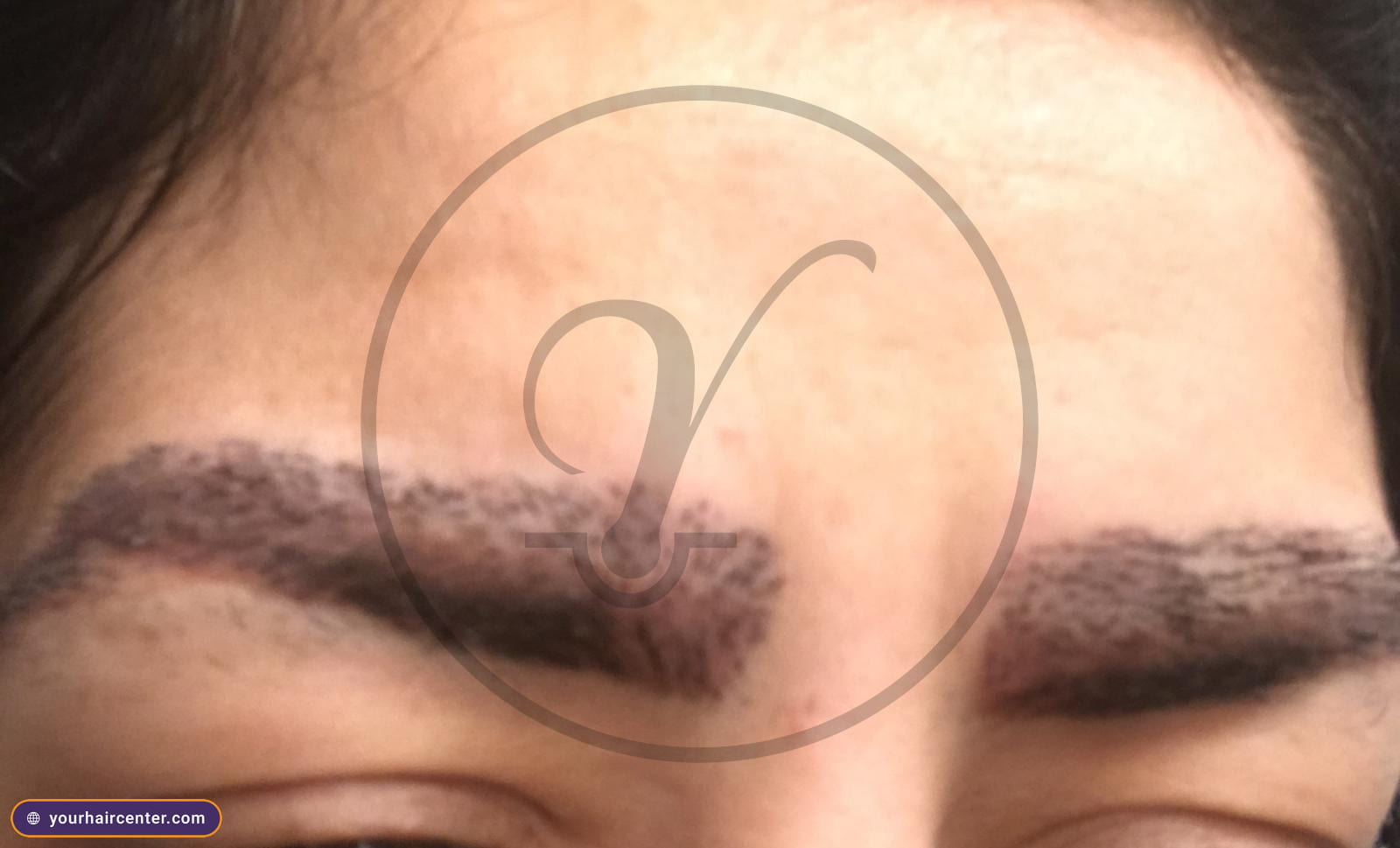
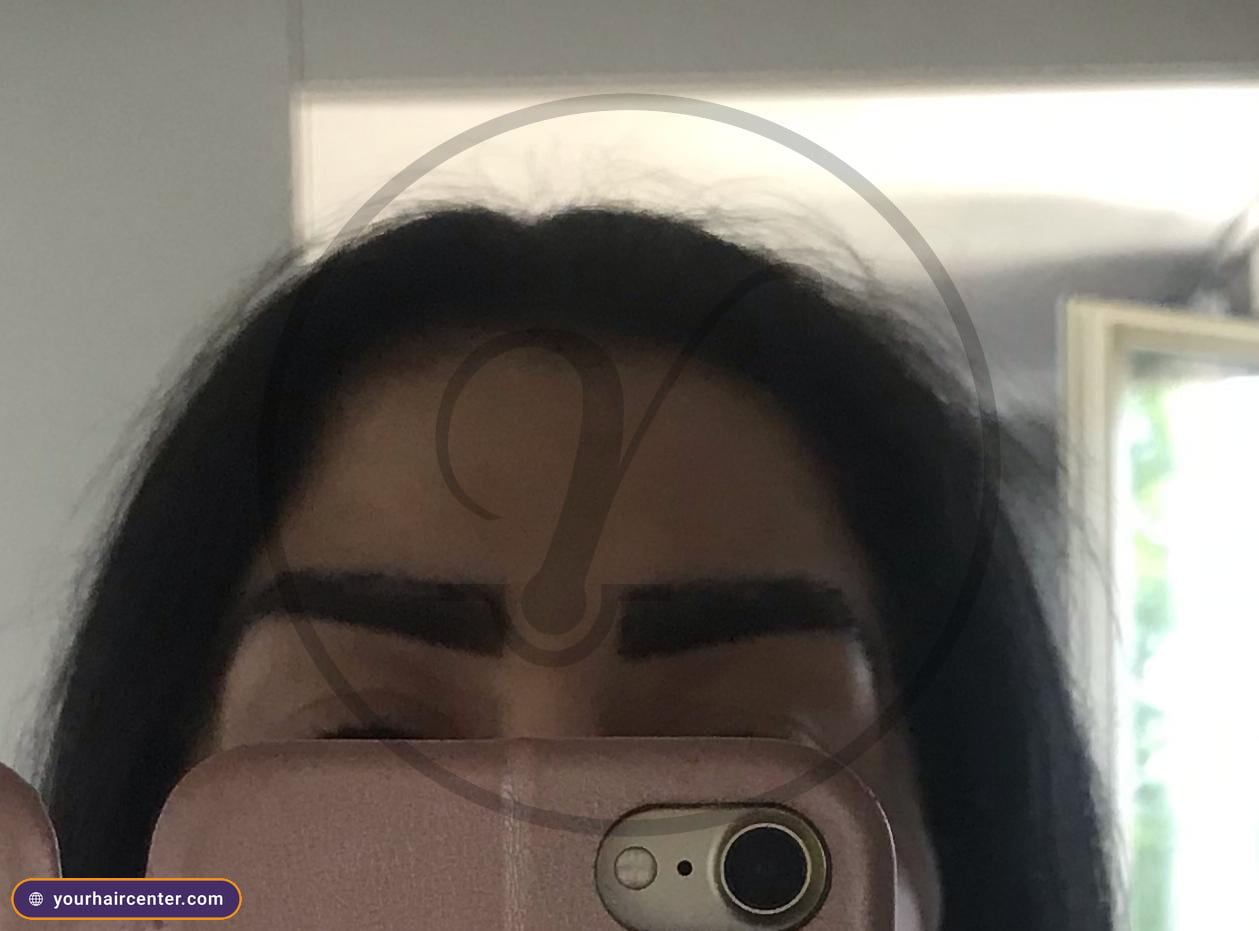
Real results from our patients’ archive. Photos exactly as captured at our accredited partner clinics, with no filters and no retouching. Browse more cases in our photo gallery.

Donor-zone healing
Discussions of PRP after hair transplant usually look only at the recipient zone. The donor area is where a second, quieter benefit lives, and it matters more to a working professional than the headline biology does.
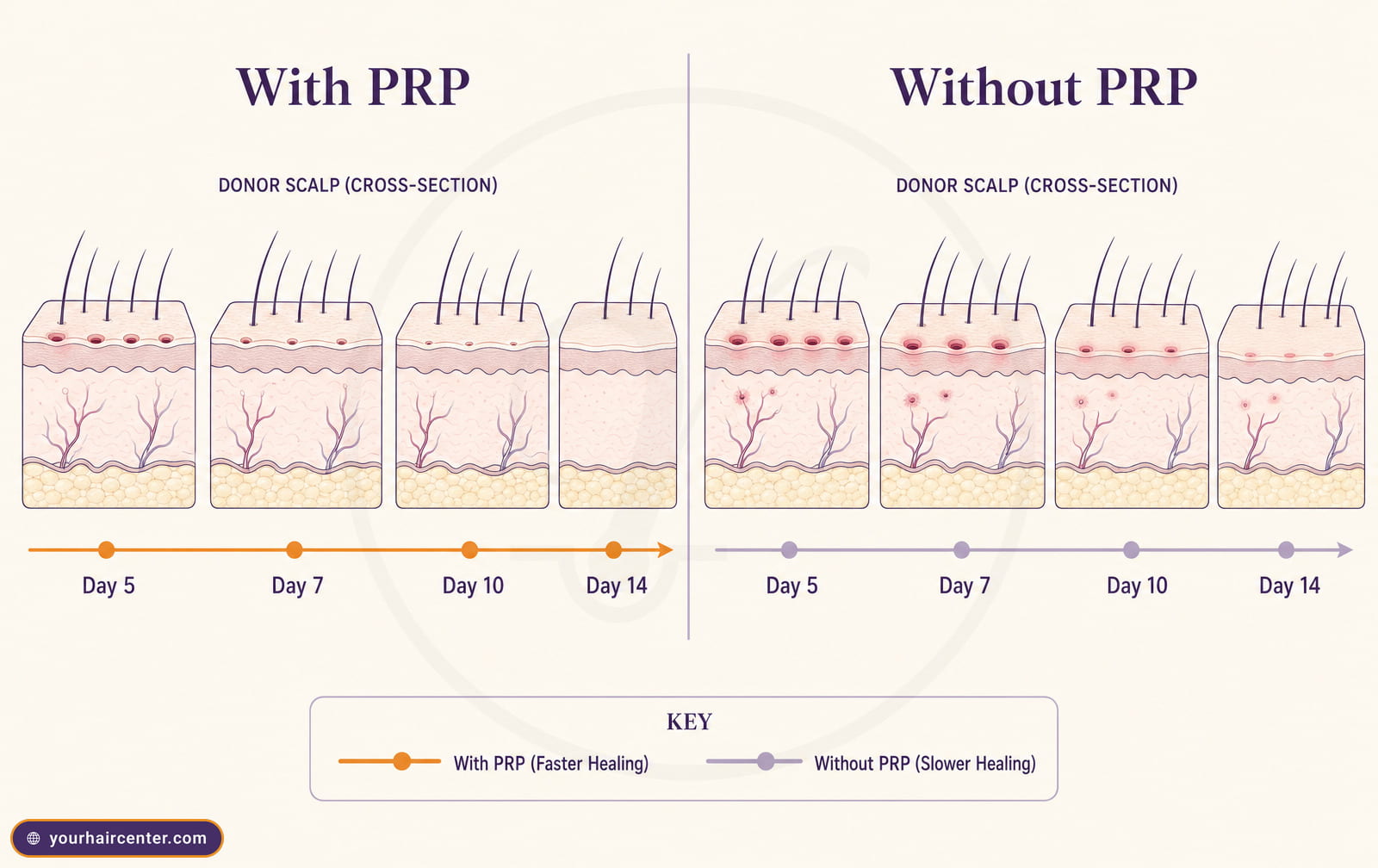
The donor zone is a wound too. Follicular-unit extraction leaves thousands of tiny micro-punch sites across the back and sides of the scalp, and collectively they are what produce the donor-area redness every transplant patient notices for the first couple of weeks. When PRP after hair transplant is applied to the donor zone in the first session, the same growth factors that help the recipient area close also speed re-epithelialization across the donor field, and the supporting evidence points to faster, more even healing there.[3:2]
For the office worker who has hidden the whole procedure behind a short block of annual leave, that acceleration is the difference between a clean return to the desk and a still-visible scalp that needs a hat. The recovery-to-work timeline is one of the most common questions we field, and donor-zone healing is the part of it that PRP after hair transplant can actually move. There is a smaller, longer-term benefit as well. The donor zone gives up a measurable fraction of its own density when follicles are harvested at high graft counts, and supporting the follicles that remain has modest value for anyone who might plan a second procedure years down the line. This is supportive evidence rather than the main reason to do PRP, but it belongs in the decision. The donor-area follow-up is coordinated through the medical follow-up service, and the extraction itself is detailed on the FUE technique page, with the post-op plasma plan running through PRP hair treatment.
What the 4-session add-on costs, package versus à la carte
There are two ways to buy PRP after hair transplant, and the right one depends on where you complete the sessions. The first is the package shape, where the PRP sessions are bundled into an all-inclusive transplant package under a single quoted price with no per-session line items. The second is à la carte, where each session is priced and paid as it happens, which suits patients who fly home and complete the later sessions locally.
In the Istanbul package model, the four-session course of PRP after hair transplant is typically quoted as one defined add-on rather than four separate session fees, which keeps the cost transparent up front. The comparison point most patients reach for is the home-market alternative. US clinics commonly price PRP for hair in the range of about 500 to 2,000 dollars per session, so completing the full four-session course of PRP after hair transplant entirely at a US provider after returning home runs somewhere in the region of 2,000 to 8,000 dollars out of pocket. A hybrid path splits the difference, with the earlier sessions arranged around the surgical trip or a planned return visit and the in-between session completed at a local provider, and the right split depends on the patient’s travel pattern.
Set against the total investment in the transplant itself, the marginal cost of PRP after hair transplant is small, and the graft-survival evidence is what carries the justification rather than a hard sell. The deeper financial mechanics, including HSA, FSA, and what insurance does and does not touch, sit in the dedicated PRP insurance and out-of-pocket guide rather than being duplicated here, and the package structure itself is laid out on the all-inclusive packages service. When in doubt, the protocol is built around your case on the PRP hair treatment plan, not sold as a fixed bundle.
Risks, contraindications, and when NOT to add PRP after a transplant
The plasma used in PRP after hair transplant is autologous, drawn and re-injected from your own blood, which keeps its safety profile favorable, but no medical procedure is free of considerations and a high-stakes context like a fresh transplant deserves the full picture.
The common effects of PRP after hair transplant are minor and short-lived. Expect mild scalp redness for a day or two, light pinprick swelling at the injection sites, and an occasional transient headache in a small share of patients. The aftercare mirrors the standalone PRP rules, no washing for the first day or two, no dye or chemical styling for about two weeks, a cold compress for any swelling, and good hydration.
The hard contraindications matter more here. PRP after hair transplant is not appropriate during an active scalp infection, with hepatitis or another active infectious disease, with anemia or a platelet-count abnormality that leaves too little to concentrate, during active chemotherapy, or with an autoimmune condition under active immunosuppressant therapy, because the immune environment PRP relies on is the one being suppressed. These mirror the eligibility screen used for the standalone treatment and are confirmed on a case-by-case basis through hair and scalp analysis.
Medication timing is the detail patients most often miss before PRP after hair transplant. NSAIDs such as ibuprofen and naproxen blunt platelet activation, and the strongest of them are deferred before a PRP session so the plasma can do its job, with aspirin a special case because its effect on platelets lasts their full lifespan of roughly a week to ten days.[5] Blood thinners such as warfarin or clopidogrel are never paused on your own initiative and require a coordinated medical-team review first. High-dose fish oil and vitamin E act as mild platelet inhibitors and follow the same conservative pause logic. One more situation deserves a flag. Patients who also carry alopecia areata, an autoimmune form of hair loss, should have a specialist consult before PRP, because the cytokine response PRP triggers could in theory provoke a flare, and that is a conversation to have openly rather than a footnote to bury.
The decision to push session one back, for example when there is active scalp folliculitis or a pustular reaction in the recipient zone at the week-three check, is made by the medical team at an in-person follow-up, never by the patient over the phone. If something looks wrong on your scalp, that is a reason to be seen, not a reason to self-diagnose.
When a contraindication or a complication shows up, the medical follow-up service is the route that catches it, and the simplest first step is to message the medical team about your case so the plan is built around your actual scalp. The protocol itself stays anchored to your PRP hair treatment plan.
Do you also need PRP before a hair transplant?
After seven sections on the post-op protocol, the natural follow-up question is whether PRP belongs before the surgery as well as after it. The honest answer is that there is a case for it, but a narrow one.
The argument for PRP before a transplant, as opposed to PRP after hair transplant, is donor-density support in the six to twelve weeks ahead of extraction. The reasoning is that a denser, healthier donor zone gives the surgeon more usable follicles per square centimeter to work with. The effect is real but modest, which means it earns its cost only in specific situations. It is worth considering for borderline donor cases, where advanced loss leaves the donor area marginal, and for patients deliberately preserving the donor zone because a second procedure is on the horizon. For the standard case with ample donor density, the marginal value of pre-op PRP on an already-healthy donor sits below the threshold most patients would sensibly pay for, and the spend is better kept for the post-op course where the evidence is stronger.
This article assumes the transplant is happening and focuses on PRP after hair transplant rather than the choice itself. The broader decision, whether to choose PRP, a transplant, or a deliberate combination of the two in the first place, is a different question with its own answer in the PRP versus hair transplant decision guide. The starting point for either path is an honest read of your donor and recipient zones through hair and scalp analysis, which feeds directly into how a PRP hair treatment plan is shaped.
Frequently asked questions
Is it worth getting PRP after a hair transplant?
For most patients, yes, PRP after hair transplant is worth it. The strongest controlled study on the intra-operative version found every treated patient reached greater than 75 percent regrowth at six months against only a handful of untreated patients, with faster density and less shedding.[1:4] The lift varies by case, and a small minority respond little, which is why the value is real but framed as strong support rather than a guarantee.
How soon can I get PRP after a hair transplant?
Most surgeons schedule the first session of PRP after hair transplant around week three to four, once the recipient surface has closed and scabs have shed. The first ten to fourteen days are off-limits because the grafts are not yet firmly anchored and the injection could dislodge them. The one exception is an intra-operative dose given during the surgery itself, which follows a different protocol.[1:5]
What if I don't do PRP after hair transplant?
A good transplant still grows without PRP. What you lose is speed and a measure of graft survival, since untreated grafts in the controlled data reached high regrowth far less often at the six-month mark.[1:6] Skipping it is a reasonable budget choice, but it trades away the supported healing curve and the faster donor-zone recovery that the protocol provides.
When is it too late for PRP?
There is no hard cutoff for PRP after hair transplant, but the highest-value window closes around month three, when the heavy inflammation phase ends and most of the recipient-zone blood-vessel growth has already happened. After that point PRP shifts from rescuing the shedding curve to general density maintenance, which standalone dermatology guidance describes as an ongoing every-few-months rhythm rather than a fixed endpoint.[4:1] It is still useful, just for a different purpose.
When to take PRP after hair transplant?
The common course is four sessions, the first at week three to four, the second four to six weeks later, the third at month six, and the fourth around month twelve, after which maintenance continues at longer intervals.[4:2] Each session targets a specific phase of healing and regrowth, which is why the timing is structured rather than improvised.
Is it necessary to take PRP after hair transplant?
Necessary is too strong a word, supportive is the accurate one. PRP is an established adjunct to transplant surgery, not a requirement for it, and a systematic review of controlled studies links it to better density, follicle survival, and earlier growth while noting the magnitude varies.[3:3] PRP after hair transplant is a strong optional layer that improves the odds and the timeline, not a step the transplant cannot proceed without.
Four sessions decide how many grafts thrive
The transplant moves the follicles, and the four-session course of PRP after hair transplant decides how many of them thrive. Week three to four, week eight to nine, month six, and month twelve, four sessions, each with a defined clinical purpose and a foundation in evidence that has been cited hundreds of times across the literature. For the cooperative-follicle majority, PRP after hair transplant is worth the modest add-on cost, and for the minority who respond little the medical team catches it early and adjusts the plan. The honest version of this advice is the one worth following, and the broader hair treatments cluster puts the post-op protocol in context.
Ask the medical team about a PRP-supported transplant protocol and we will build the timing around your case, or read about the PRP hair treatment service in detail first.
References
-
Garg S. Outcome of Intra-operative Injected Platelet-rich Plasma Therapy During Follicular Unit Extraction Hair Transplant, A Prospective Randomised Study in Forty Patients. Journal of Cutaneous and Aesthetic Surgery, 2016. https://pmc.ncbi.nlm.nih.gov/articles/PMC5064679/ (opens in new tab) ︎ ︎ ︎ ︎ ︎ ︎ ︎
-
Gentile P, Garcovich S, Bielli A, et al. The Effect of Platelet-Rich Plasma in Hair Regrowth, A Randomized Placebo-Controlled Trial. STEM CELLS Translational Medicine, 2015. https://pmc.ncbi.nlm.nih.gov/articles/PMC4622412/ (opens in new tab) ︎
-
Sindhusen S, Tawanwongsri W. Efficacy of Platelet-Rich Plasma as an Adjunct to Hair Transplantation, A Systematic Review. Cureus, 2025. https://pmc.ncbi.nlm.nih.gov/articles/PMC12506585/ (opens in new tab) ︎ ︎ ︎ ︎
-
American Academy of Dermatology. Hair loss, Diagnosis and treatment. https://www.aad.org/public/diseases/hair-loss/treatment/diagnosis-treat (opens in new tab) ︎ ︎ ︎
-
Leach T, Huang B, Kramer N, et al. A Review of Platelet-Rich Plasma Use in Patients Taking Non-steroidal Anti-inflammatory Drugs for Guideline Development. Cureus, 2024. https://pmc.ncbi.nlm.nih.gov/articles/PMC11568791/ (opens in new tab) ︎