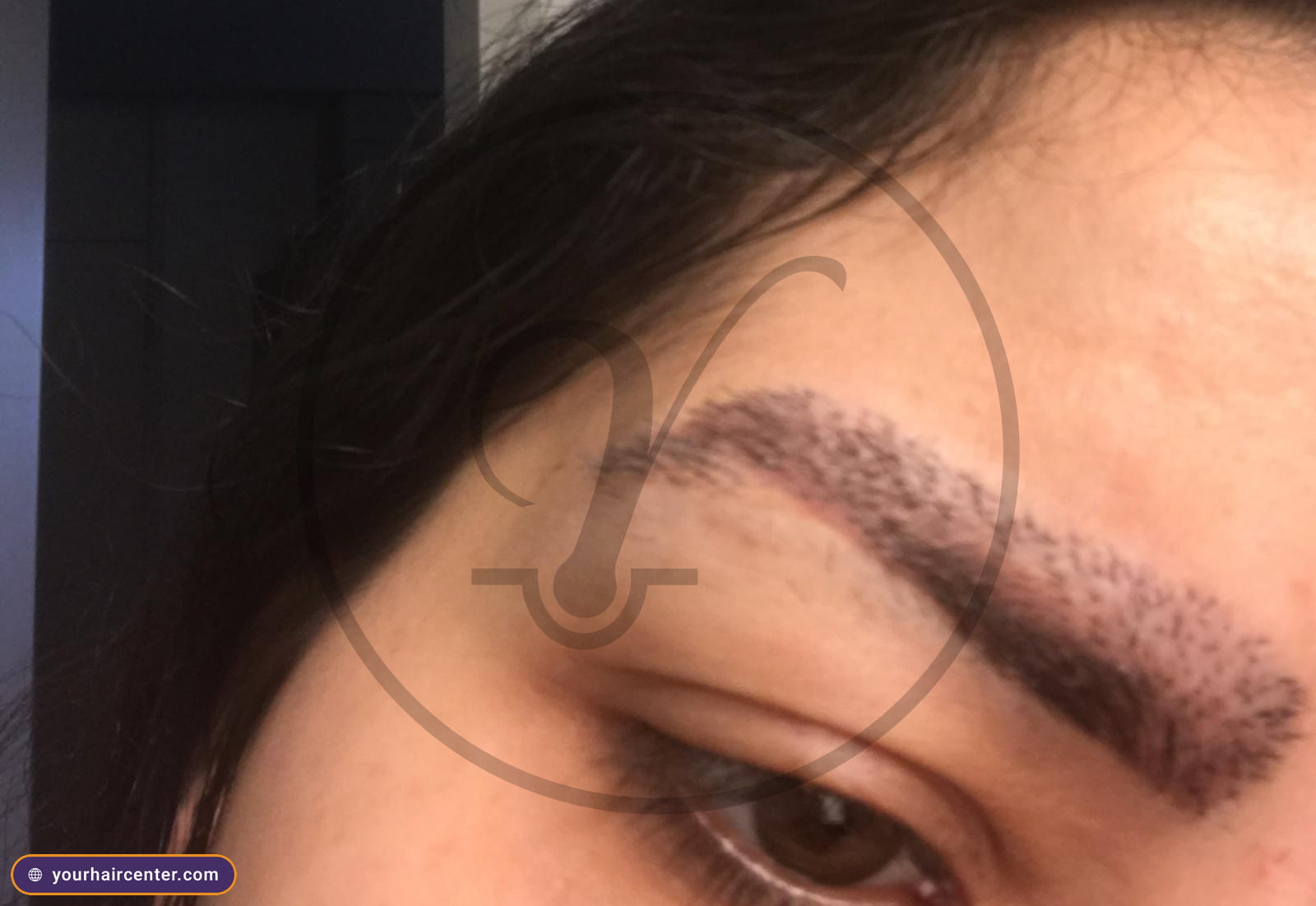
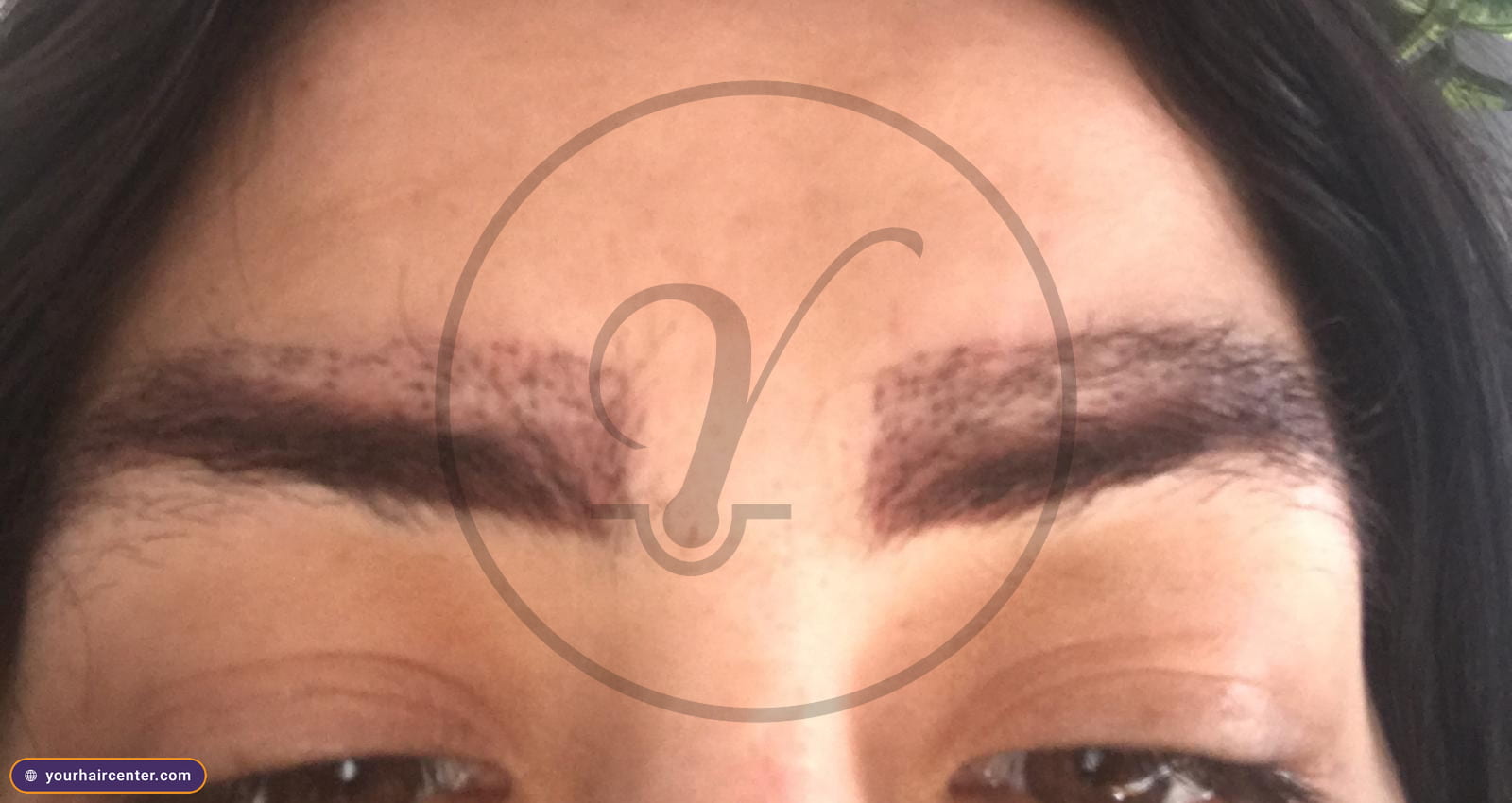
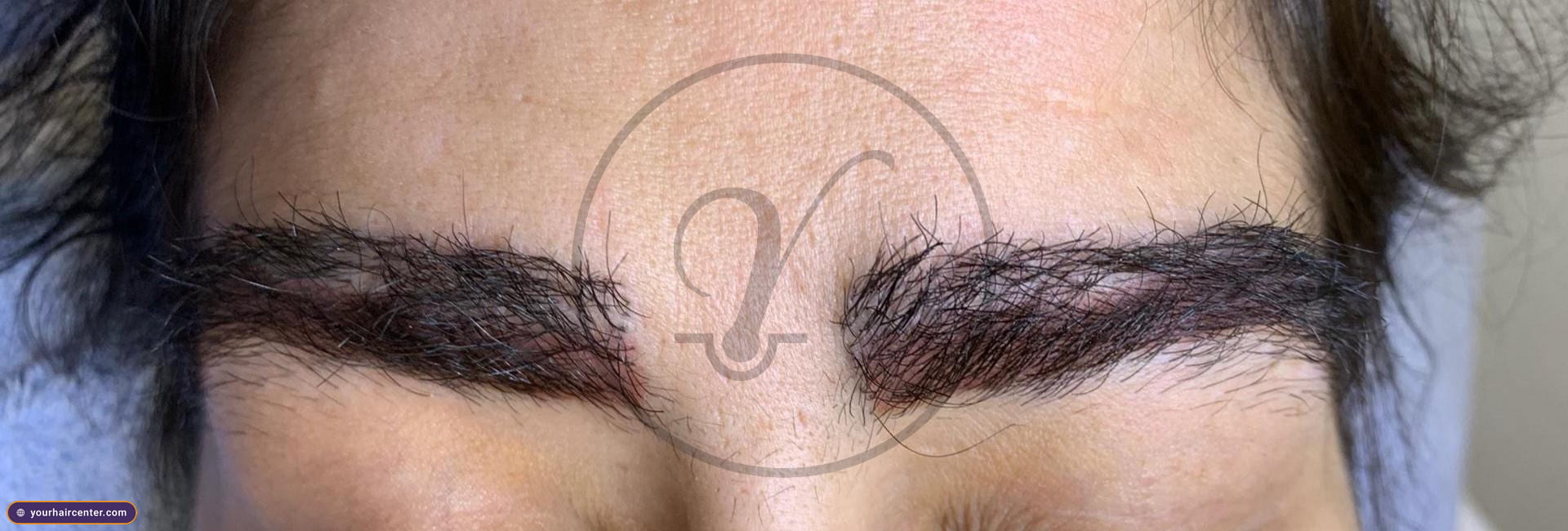
Wondering whether the PRP injection cost is covered by insurance for hair loss? The honest answer is no, because US commercial plans, Medicare, and Medicaid all class it as cosmetic and investigational. This guide walks the four moves that actually matter for an out-of-pocket patient, HSA and FSA eligibility with a Letter of Medical Necessity, the IRS Section 213(d) deduction, the US and UK per-session bands, and the Turkey pricing that closes a five-year cost gap from roughly seventeen thousand dollars to about three thousand.

The short version is that your PRP injection cost is not covered by insurance when the reason for the injections is hair loss, and that answer does not change with your carrier. US commercial plans, Medicare, and Medicaid all treat PRP for hair loss as cosmetic and investigational, which puts it outside the medically necessary care they pay for.[1][2] The more useful question is what your real all-in number looks like once you stack the HSA and FSA mechanics, the IRS Section 213(d) deduction math, the US and UK out-of-pocket bands, and the Turkey price the orthopedic-PRP guides never mention. This article runs that math line by line, then ends where most readers want to land, which is the cheapest legitimate place to actually do this.
Does insurance cover PRP for hair loss? The 40-second answer
No. For hair loss, the PRP injection cost is not covered by insurance, and that holds for US commercial plans, Medicare, and Medicaid alike. The hair-loss indication is classified as cosmetic and investigational, which excludes it from medically necessary coverage. HSA and FSA partial reimbursement may apply, but only when the PRP is paired with a documented alopecia or scarring-condition diagnosis.
That cosmetic classification holds across every major US carrier for the hair-loss use specifically, including Blue Cross Blue Shield, UnitedHealthcare, Aetna, Cigna, Tricare, Medicare, and Medicaid. Some of those carriers do cover PRP for a few narrow orthopedic uses, and Medicare itself only recognizes PRP for chronic non-healing diabetic, venous, or pressure wounds under a research-tracked pathway, treating every other use as experimental.[1:1] None of that transfers to hair, because the device that prepares your plasma is cleared by the FDA only to prepare it at the point of care, not for any approved clinical indication.[2:1]
There is one diagnostic exception worth knowing before you give up on tax-advantaged money. A documented alopecia areata, frontal fibrosing alopecia, or scarring (cicatricial) alopecia diagnosis can sometimes move PRP from cosmetic to medically necessary for HSA and FSA purposes, though it still does not get the PRP injection cost covered by insurance as primary coverage. The exact rule lives in the tax code rather than your policy, so the next section handles it with the IRS source rather than asserting the carve-out on its own. From there, the rest of this guide walks the four moves an out-of-pocket patient actually has, which are HSA and FSA, the Section 213(d) deduction, the US and UK price bands, and the Turkey offset that reframes the whole budget. The funnel target throughout is straightforward PRP hair treatment at a transparent price.
HSA, FSA, and Section 213(d), what the IRS actually says about PRP for hair loss
HSA and FSA funds reimburse expenses that meet the IRS Section 213(d) definition of medical care, which is money paid for the diagnosis, cure, mitigation, treatment, or prevention of disease.[3] Cosmetic procedures, the ones aimed at improving appearance without restoring function or treating illness, are excluded, and IRS Publication 502 names hair transplants in its own list of cosmetic examples.[3:1] PRP for ordinary cosmetic thinning fails that test the same way. PRP tied to a diagnosed scalp disease often passes it. So whether your PRP injection cost can run through an HSA or FSA is decided by your diagnosis, not by the treatment name.
Two diagnostic paths flip the eligibility. Androgenetic alopecia, the common pattern thinning most readers have, is the gray zone. Some plan administrators treat it as a medical condition and reimburse it when you supply a Letter of Medical Necessity from a board-certified dermatologist, while others still classify it as cosmetic. Alopecia areata, frontal fibrosing alopecia, cicatricial scarring alopecia, and post-chemotherapy hair loss are far more consistently treated as medical and reimbursable with that same letter, even though none of them gets the PRP injection cost covered by insurance as a primary benefit.
A Letter of Medical Necessity is the document that does the work. It states the diagnosis, the clinical rationale for PRP, and the expected medical outcome, and it has to be signed by a licensed physician, in practice a board-certified dermatologist for hair conditions. That letter does not get the treatment covered by insurance directly, but it is what unlocks the tax-advantaged accounts. A free WhatsApp evaluation with our team can produce the diagnostic starting point, but for US tax-advantaged reimbursement a US-licensed dermatologist needs to examine you and sign the letter.
There is also a deduction path that runs parallel to the accounts, and it matters precisely because the PRP injection cost is not covered by insurance and lands as unreimbursed spending. Unreimbursed medical expenses above 7.5 percent of your adjusted gross income become an itemized deduction on Schedule A.[4] For a $90,000 household that threshold is $6,750, so the deduction only does anything in a year where PRP stacks on top of other real medical spending. None of this is tax advice, and HSA administrator rulings genuinely vary, so confirm your specific reimbursement with your plan administrator before you count on it.

What PRP for hair loss actually costs out of pocket in the US and UK
With the PRP injection cost not covered by insurance, you are paying the whole bill yourself, so the per-session price is the number that matters. In the US the commonly cited range runs from about $500 to $2,000 per session, with hair-loss clinics in major metros like New York, Los Angeles, and Chicago clustering toward the upper end. In the UK the band is roughly £400 to £900 per session at private clinics, and the NHS does not fund PRP for cosmetic hair loss any more than US carriers do, so it is private-pay on both sides of the Atlantic.
Because the PRP injection cost runs per session, the per-session figure hides the multiplier that actually sets your budget, which is the session count. A standard initial course is 3 to 6 sessions spaced 2 to 4 weeks apart, the same schedule the parent treatment uses. At the US per-session midpoint near $1,250, a 4-session course lands around $5,000. At the $2,000 upper end, a 6-session course reaches about $12,000 before you have done a single maintenance visit.
Maintenance is where PRP quietly becomes an annuity rather than a one-time expense, and with none of it covered by insurance the recurring bill is fully yours. Holding your result means roughly one session every 4 to 6 months indefinitely, so at about $1,000 a maintenance visit that is $2,000 to $3,000 a year in the US, every year you keep it up. Run a transparent five-year total and a typical US patient is looking at roughly $5,000 up front plus about $12,000 in maintenance, near $17,000 over five years. The UK math at the midpoint comes out around £3,000 initial plus £7,500 maintenance, about £10,500, or roughly $13,200 at a typical exchange rate. That five-year figure is the number the next section sets out to offset, and it is also why some readers at this total quietly start pricing a FUE hair transplant for similar money.
What PRP for hair loss costs in Turkey, the Istanbul math
Istanbul changes the budget because the underlying PRP injection cost sits on a different scale. Hair-loss PRP across Istanbul clinics generally lands somewhere between $80 and $250 per session, with the exact number moving on kit type and how many tubes are drawn, and bundled packages compressing it further. That is a market-level observation rather than a specific quote, and the parent service makes the same point plainly, that PRP prices in Turkey are typically a fraction of what US and UK clinics charge for comparable care.
Run the same session-count math at that scale and the gap is hard to ignore. A 4-session initial course at a $150 midpoint is about $600 total, and a 6-session course at a $200 midpoint is roughly $1,200, against the $5,000 to $12,000 US equivalent from the section above. Maintenance follows the same pattern, with one session every 4 to 6 months costing $200 to $600 a year instead of the US $2,400. A transparent five-year Turkey total is therefore near $1,000 initial plus about $2,000 in maintenance, around $3,000, against the roughly $17,000 US baseline, a gap close to $14,000.
The honest qualifier is travel. The Turkey number assumes you are already in Istanbul, usually because you are bundling PRP into a transplant trip, or that you are willing to absorb a flight. A standalone PRP-only trip from the US adds roughly $800 to $1,500 in flights and accommodation, which still leaves the math favorable for a 3-to-6-session course, because the saving on a PRP injection cost that is not covered by insurance back home pays for that travel several times over. Most of our PRP patients add the sessions to an existing transplant or all-inclusive packages visit, where the trip is already paid for. The last piece of an honest comparison is what the Istanbul package folds in that a US per-session quote does not, namely the consultation, scalp analysis, blood work, kit, and follow-up, which our reception and accommodation handling keeps simple.

Factors that move your PRP price up or down
Any PRP injection cost quote sits on five levers, and knowing them lets you sanity-check a number instead of trusting it blind. The number of sessions is the biggest, since a 3-session versus a 6-session course is the single largest cost variable, and the right count depends on your scalp baseline. Early-thinning patients often respond by session three, while heavier shedders need the full six.
The rest of the spread comes from how the plasma is prepared and what gets stacked onto the visit.
- Kit and tube type. Single-spin versus double-spin centrifuge protocols, single-tube versus dual-tube draws, and the FDA-cleared kit brand a clinic uses all shift the per-session cost, by something like $150 to $500 in the US. This is a factor to understand, not a kit to request.
- Prep technique. Calcium chloride activation, A-PRP versus PRGF versus L-PRP protocols, and leukocyte-rich versus leukocyte-poor concentrations each change the price, and the clinical evidence on which protocol is best for hair is still developing rather than settled.[5]
- Stacked add-ons. Mesotherapy, microneedling, exosome layering, or LED finishing are commonly bundled in for a $100 to $400 add-on per session.
- Clinic-level factors. Geography, physician seniority, and who actually does the injecting all move the number. For hair-loss PRP, a dermatologist or hair-restoration physician is the clinically appropriate injector, which the AAD reflects in describing PRP as a physician-delivered treatment.[6]
Hidden costs and red flags, what a cheap PRP quote often leaves out
Because the PRP injection cost is not covered by insurance, every line of the quote comes out of your pocket, and a headline PRP price is rarely the whole price, with the gaps being predictable. Consultation and scalp-analysis fees are excluded from the per-session quote at some clinics, baseline blood work may be billed separately, the maintenance schedule that keeps your result is usually absent from a "3 sessions" quote entirely, and travel and accommodation never appear when the clinic is not local. None of these make a quote dishonest on their own, but they are the difference between the number you are shown and the number you pay.
For the Turkey-side payment route, build in one more line. International card payments sometimes hit currency-conversion costs or a fraud-decline on a foreign charge, so it is worth telling your bank in advance and treating it as a budgeting detail rather than a surprise.
When a quote looks unusually cheap, four red flags tend to predict a worse outcome.
- The clinic will not tell you its centrifuge protocol or kit brand.
- The person doing the injecting is not a dermatologist, plastic surgeon, or hair-restoration physician.
- The package quietly excludes scalp analysis and blood work.
- The clinic shows no hair-specific patient evidence, since orthopedic PRP photos say nothing about hair outcomes.
Our protocol is built to answer all four. The kit and centrifuge spec are part of the plan, the injection is doctor-led, a hair and scalp analysis and a complete blood count are done before any session, and hair-loss outcomes come from our in-house archive rather than stock galleries. The medical follow-up that comes after the session is part of the package, not an upsell.
What your real all-in cost looks like at our Istanbul partner clinics
Once you accept that the PRP injection cost is not covered by insurance anywhere, the only question left is where the out-of-pocket number is smallest. The parent service describes its pricing simply, as competitive pricing with a free consultation, on the same 3-to-6-session course the rest of this guide has used. Put that on the Istanbul band from the cost-comparison section and a typical 4-session course lands in low-four-figure territory all-in, before you weigh the bundled discount that applies when PRP rides along with a transplant trip.
What the all-in price actually buys is the part worth comparing. A YHC PRP course covers the pre-treatment scalp analysis, a complete blood count, the 3-to-6-session course itself, the topical anesthetic, the doctor-led injection, and the post-session monitoring, plus a combo-bundle discount when the sessions are added to an existing transplant visit, since the surgeons at our partner clinics routinely use PRP as a healing-and-survival follow-up after a transplant. Across five years, including maintenance, the bundled patient is near $3,000 against a roughly $17,000 US baseline, which is the whole argument in one line.
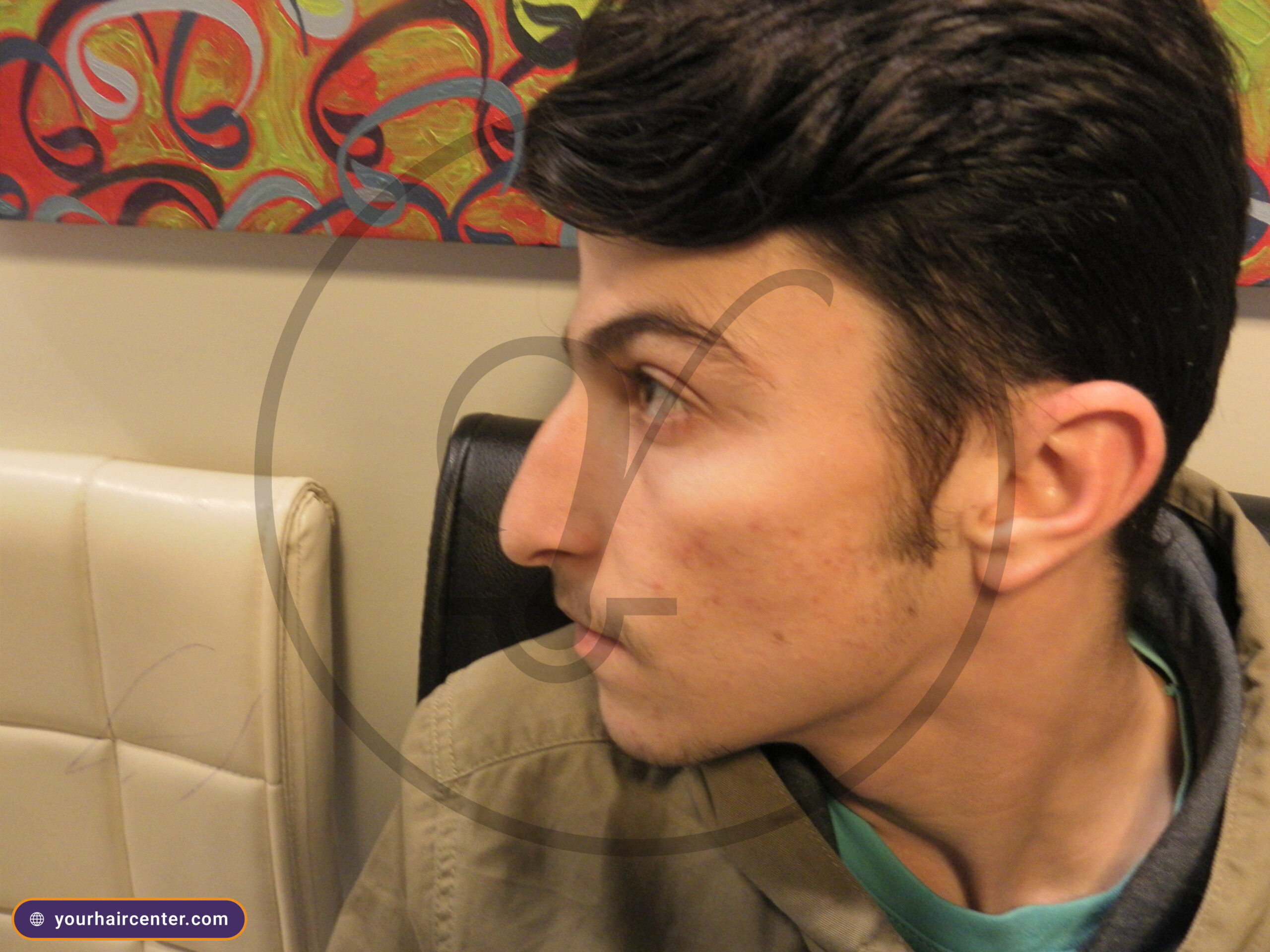
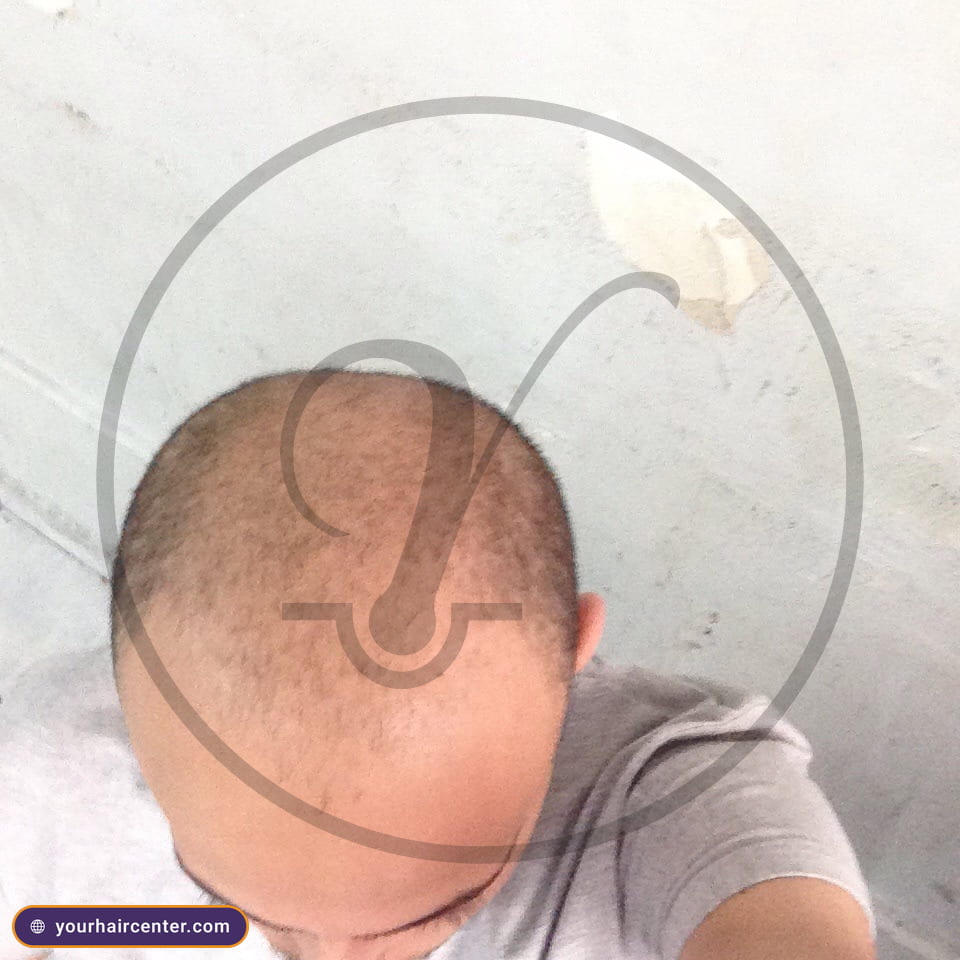
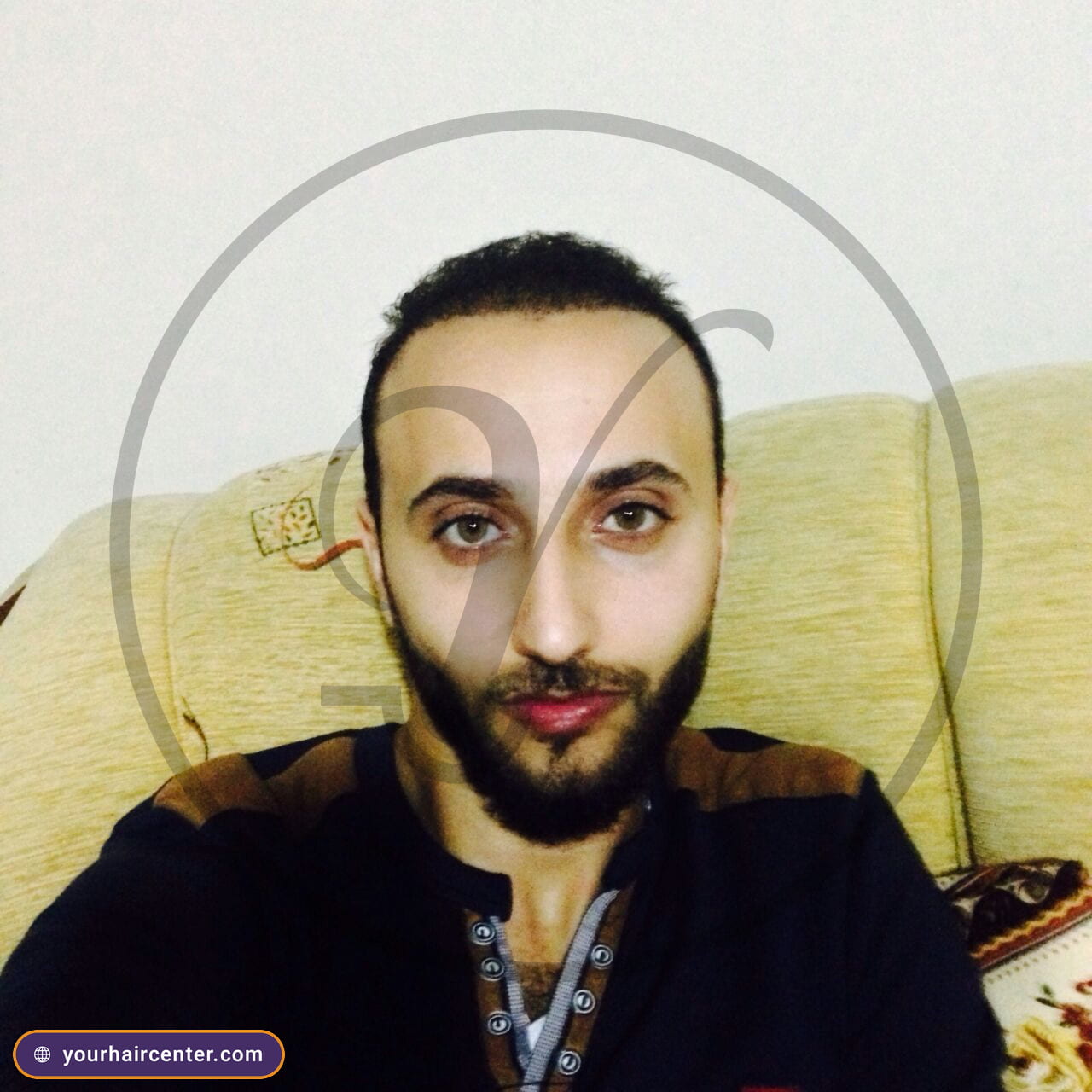
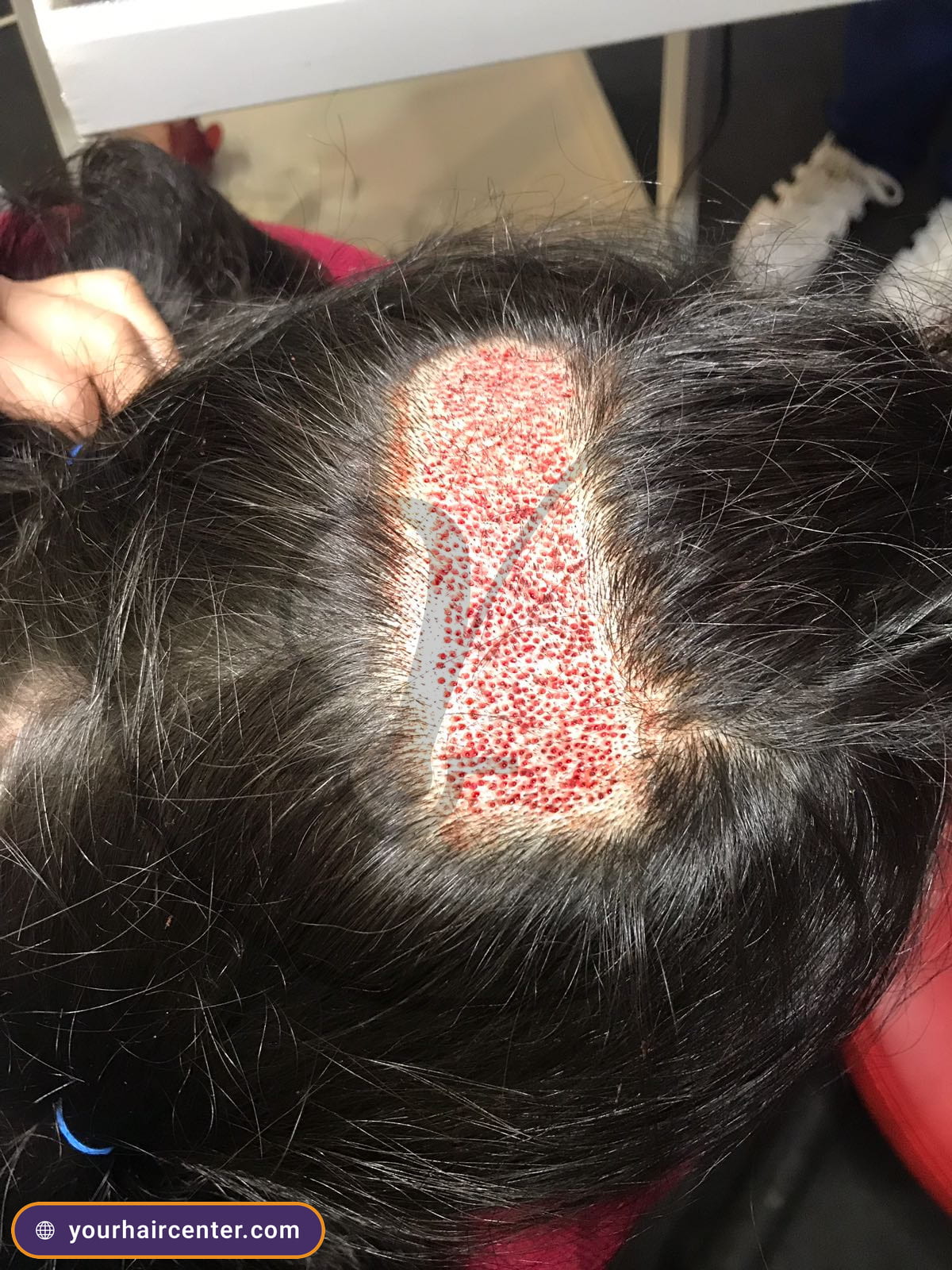
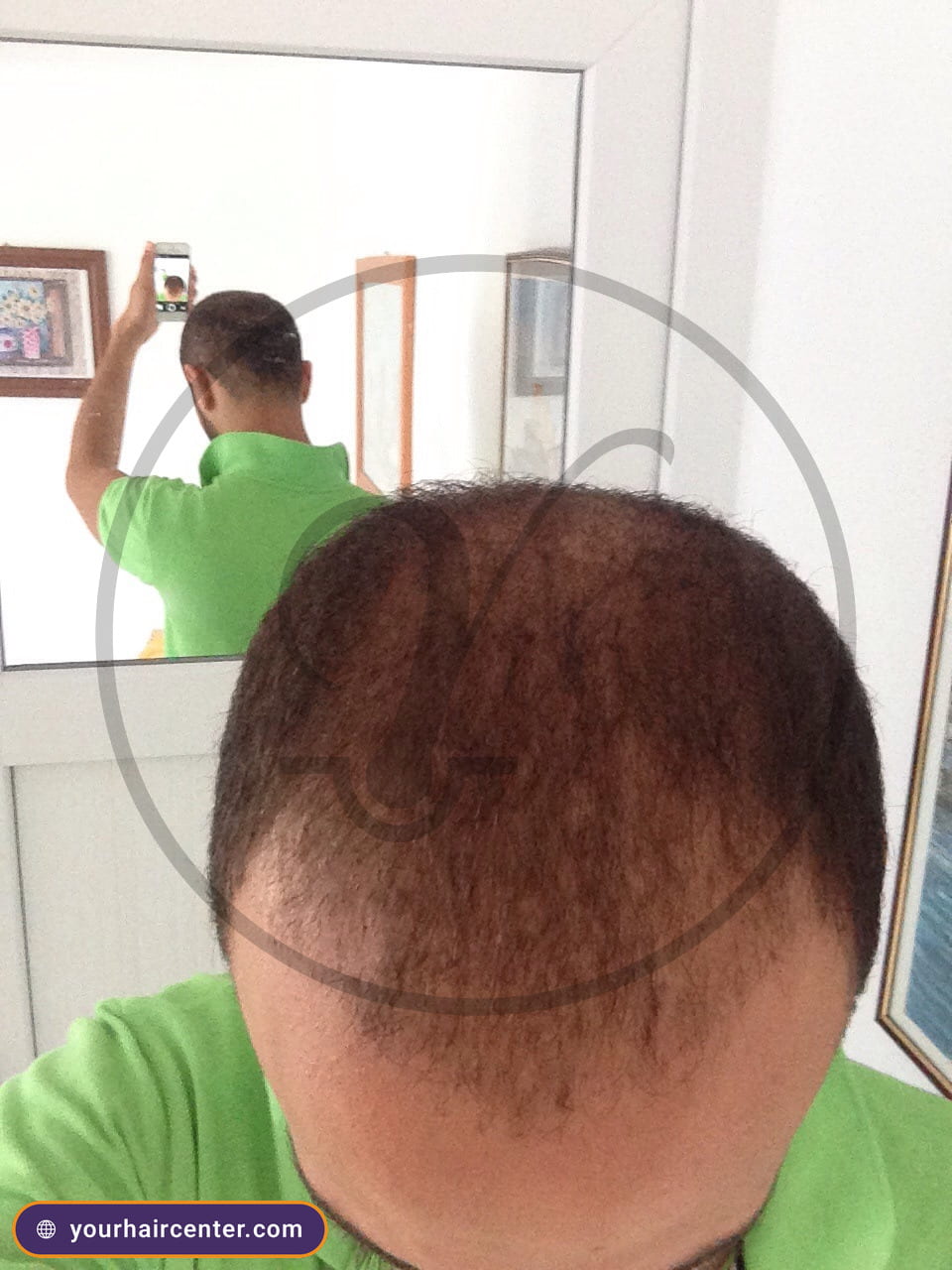
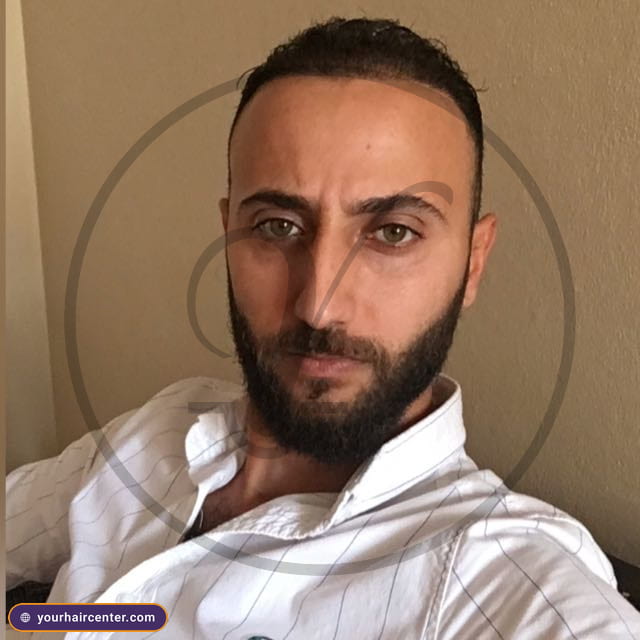
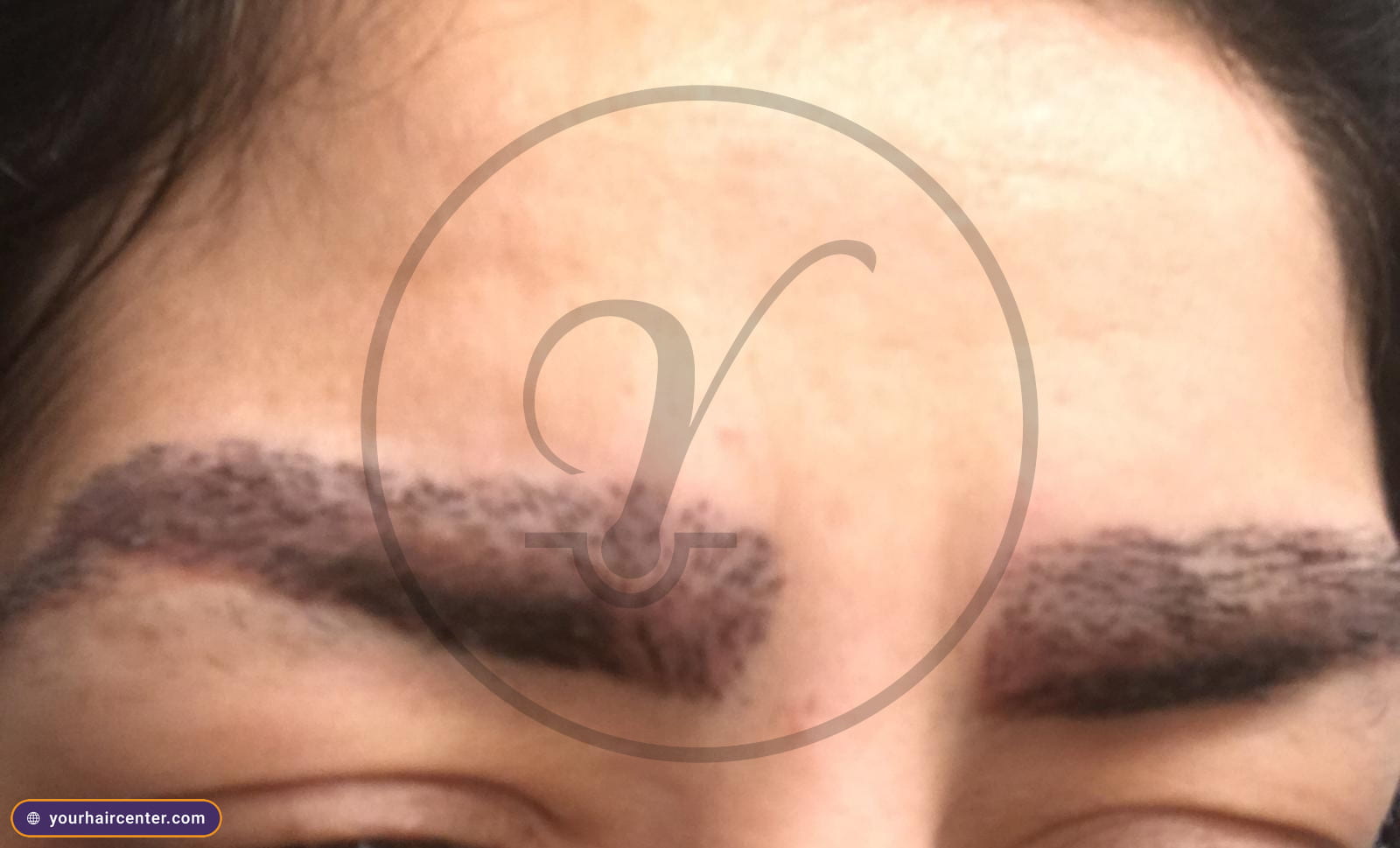
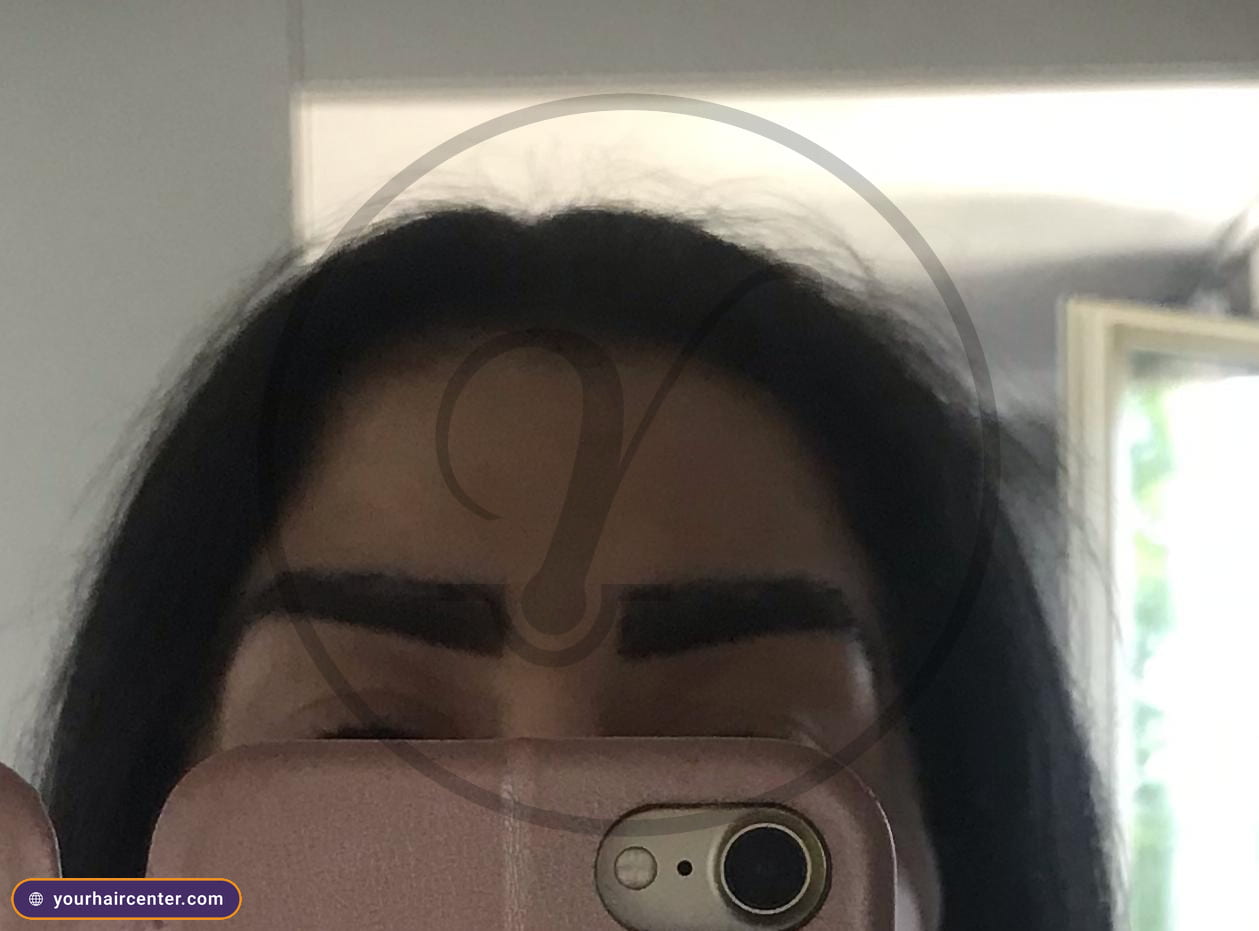
Real results from our patients’ archive. Photos exactly as captured at our accredited partner clinics — no filters, no retouching. Browse more cases in our photo gallery.
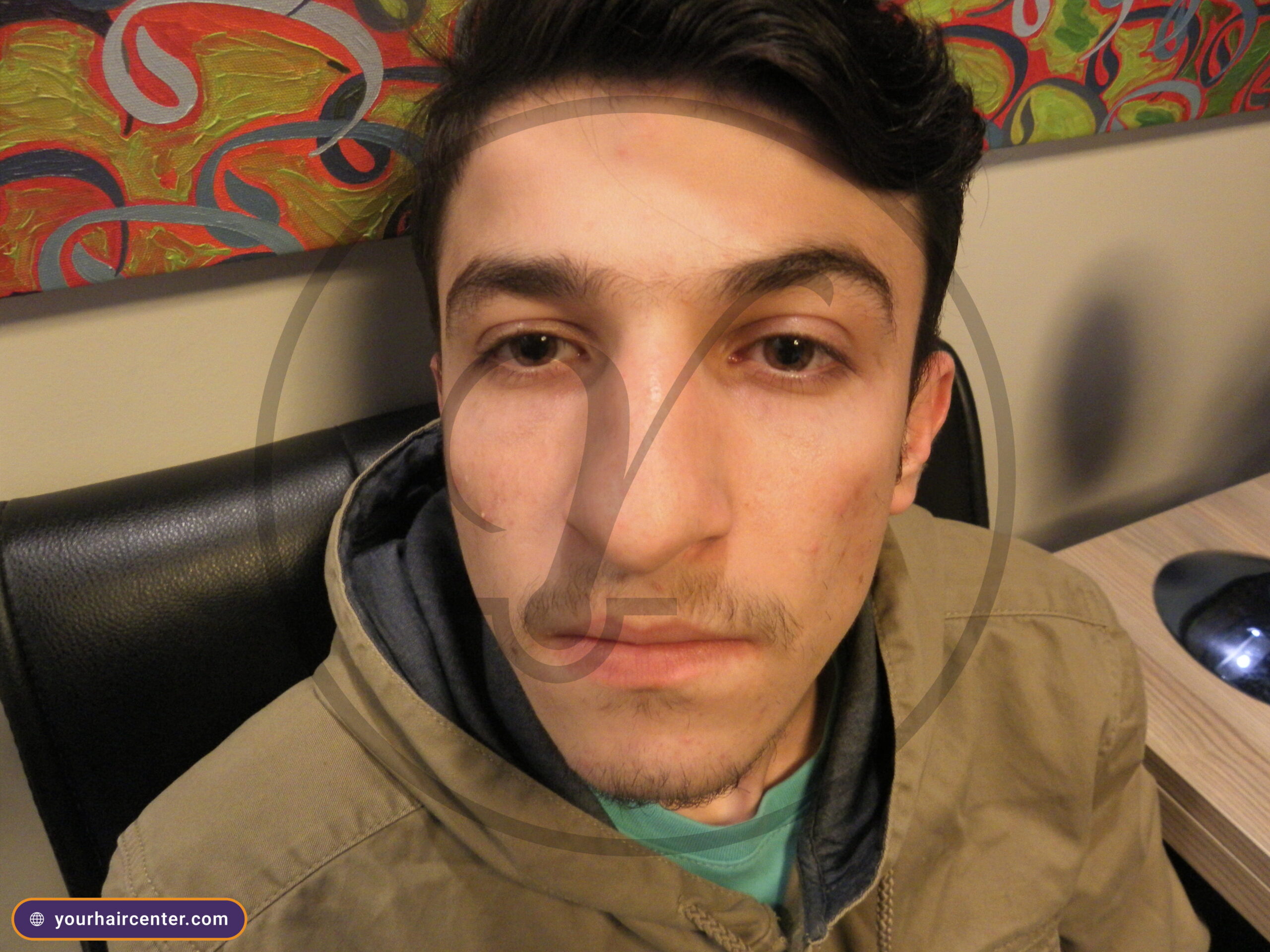

Two cross-funnel notes close the loop. If you are weighing whether a transplant is the better spend at a similar total, the PRP vs hair transplant comparison runs that decision, and if your real question is how often you have to come back, the explainer on how long PRP results last carries the maintenance math. Both sit under the broader hair treatments hub. The fastest way to your own number is a personalized quote that runs your specific session count and scalp baseline through the same math.
Frequently asked questions
How to get PRP covered by insurance?
Getting PRP covered for hair loss through primary insurance is structurally not possible, because carriers classify the hair-loss use as cosmetic. The realistic route is HSA or FSA reimbursement, which needs a documented medical diagnosis such as alopecia areata or cicatricial alopecia and a Letter of Medical Necessity signed by a board-certified dermatologist, then confirmation from your plan administrator.
How much is a PRP shot out of pocket?
Out of pocket, a single PRP session commonly runs about $500 to $2,000 in the US and roughly £400 to £900 in the UK at private clinics, since neither US carriers nor the NHS fund it for hair loss. The wide spread reflects the kit, the prep technique, the number of tubes, and the clinic’s location.
How much is 3 sessions of PRP?
Three sessions of PRP land around $3,750 at the US midpoint and near $6,000 at the upper end, which is why many patients price the full 3-to-6-session course rather than a single visit. The Turkey-side equivalent for three sessions sits closer to $450 to $750, and because the PRP injection cost is not covered by insurance either way, that gap is the whole comparison.
Is PRP worth the cost?
Whether PRP is worth the cost depends mostly on where you pay, since the PRP injection cost is not covered by insurance and the whole figure is out of pocket. Pooled randomized-trial evidence shows PRP can increase hair density in androgenetic alopecia versus placebo, and the AAD lists it as a treatment that studies show can be safe and effective.[6:1][5:1] At US pricing the value question is genuinely close, while at Turkey pricing the per-dollar case is clearly favorable.
Does Blue Cross Blue Shield cover PRP injections?
Blue Cross Blue Shield does not cover PRP injections for hair loss, since every BCBS plan treats the hair-loss use as a cosmetic exclusion. The same reasoning applies to UnitedHealthcare, Aetna, Cigna, Tricare, and Medicare for the hair-loss indication, even where a carrier covers PRP for a narrow orthopedic or wound use.[1:2]
Is PRP injection cost covered by Medicare?
Medicare does not cover the PRP injection cost for hair loss. Its cosmetic and investigational classification holds for that indication, and the only PRP use Medicare recognizes is for chronic non-healing diabetic, venous, or pressure wounds under a research-tracked pathway, which does not transfer to hair.[1:3]
The honest bottom line on PRP and insurance
So the PRP injection cost is not covered by insurance for hair loss, because US plans, Medicare, and Medicaid all classify it as cosmetic, and HSA or FSA reimbursement only opens up with a documented alopecia diagnosis and a Letter of Medical Necessity. The lever that actually moves your budget is not your carrier but your geography, and Turkey-side pricing closes the five-year gap to around $3,000 against a roughly $17,000 US baseline.
The next step is a number built for your case rather than a range. Get a personalized PRP quote from our Istanbul team, or send your photos for a free scalp evaluation on WhatsApp and we will run your specific session count and scalp baseline through the same math.
References
-
Centers for Medicare & Medicaid Services. Local Coverage Determination, Platelet Rich Plasma Injections for Non-Wound Injections (L39058). Medicare covers PRP only for chronic non-healing diabetic, venous, or pressure wounds, and treats other indications as experimental and investigational. https://www.cms.gov/medicare-coverage-database/view/lcd.aspx?lcdid=39058 (opens in new tab) (accessed 2026-05-30). ︎ ︎ ︎ ︎
-
U.S. Food and Drug Administration. Premarket Notification 510(k). A 510(k) clearance finds a device substantially equivalent to a legally marketed predicate so it can be marketed in the US, which is a clearance to market the device rather than an FDA approval of any clinical indication for what the device produces. https://www.fda.gov/medical-devices/premarket-submissions-selecting-and-preparing-correct-submission/premarket-notification-510k (opens in new tab) (accessed 2026-05-30). ︎ ︎
-
Internal Revenue Service. Publication 502 (2025), Medical and Dental Expenses. Documents the cosmetic surgery exclusion, with hair transplants listed as a cosmetic example, and the Section 213(d) definition of medical care. https://www.irs.gov/publications/p502 (opens in new tab) (accessed 2026-05-30). ︎ ︎
-
Internal Revenue Service. Topic No. 502, Medical and Dental Expenses. Sets the deduction for unreimbursed medical expenses exceeding 7.5% of adjusted gross income on Schedule A. https://www.irs.gov/taxtopics/tc502 (opens in new tab) (accessed 2026-05-30). ︎
-
Zhou Y, et al. Platelet-Rich Plasma for Androgenetic Alopecia, A Systematic Review and Meta-Analysis of Randomized Controlled Trials (2023). Meta-analysis of 9 RCTs, 238 patients. PRP increased hair density at 3 and 6 months versus placebo (P < .05). https://pubmed.ncbi.nlm.nih.gov/37533146/ (opens in new tab) (accessed 2026-05-30). ︎ ︎
-
American Academy of Dermatology. Hair loss, Diagnosis and treatment. Describes PRP as a hair-loss treatment that studies show can be safe and effective, and notes finasteride as FDA-approved for male pattern hair loss. https://www.aad.org/public/diseases/hair-loss/treatment/diagnosis-treat (opens in new tab) (accessed 2026-05-30). ︎ ︎