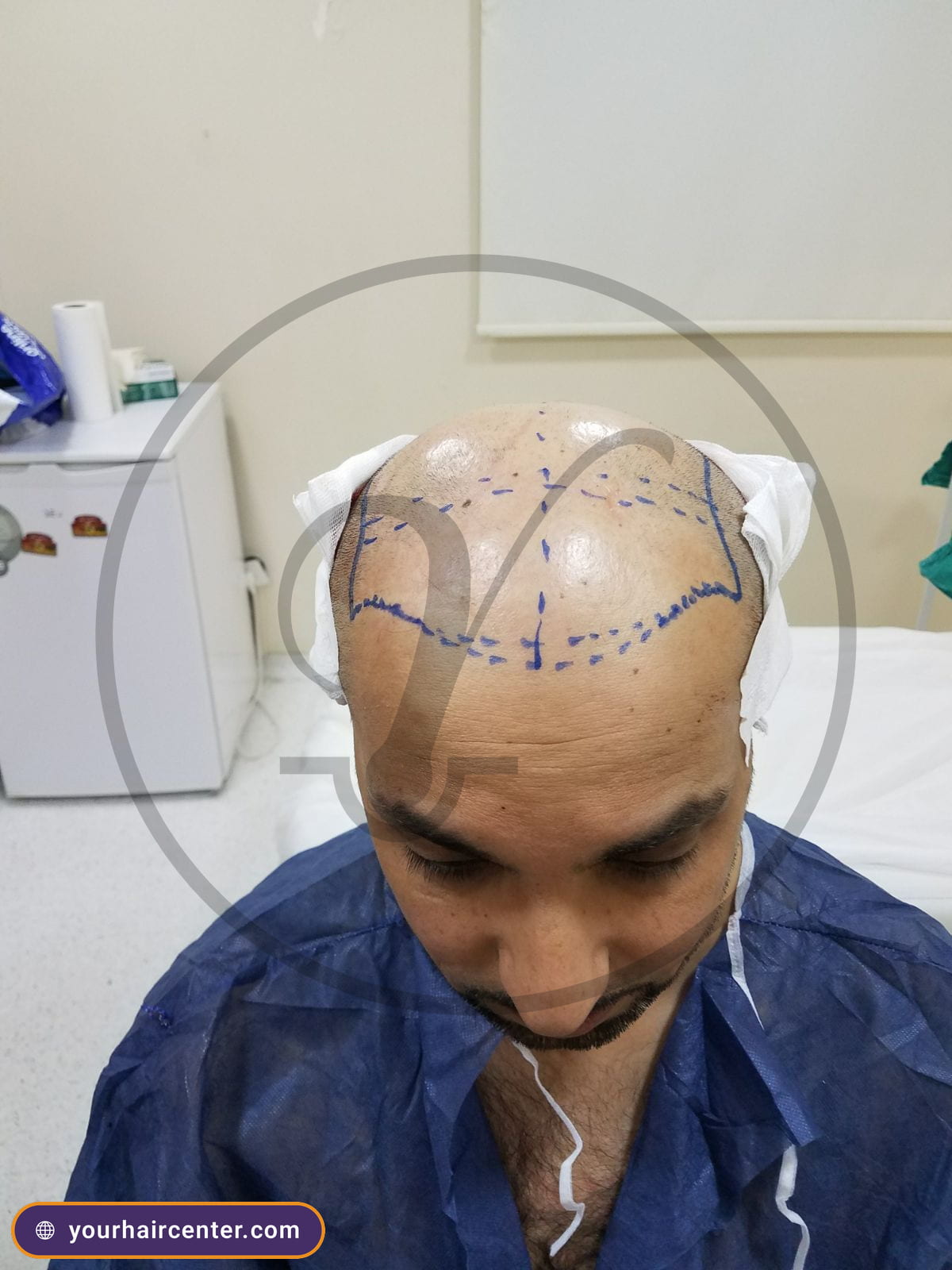
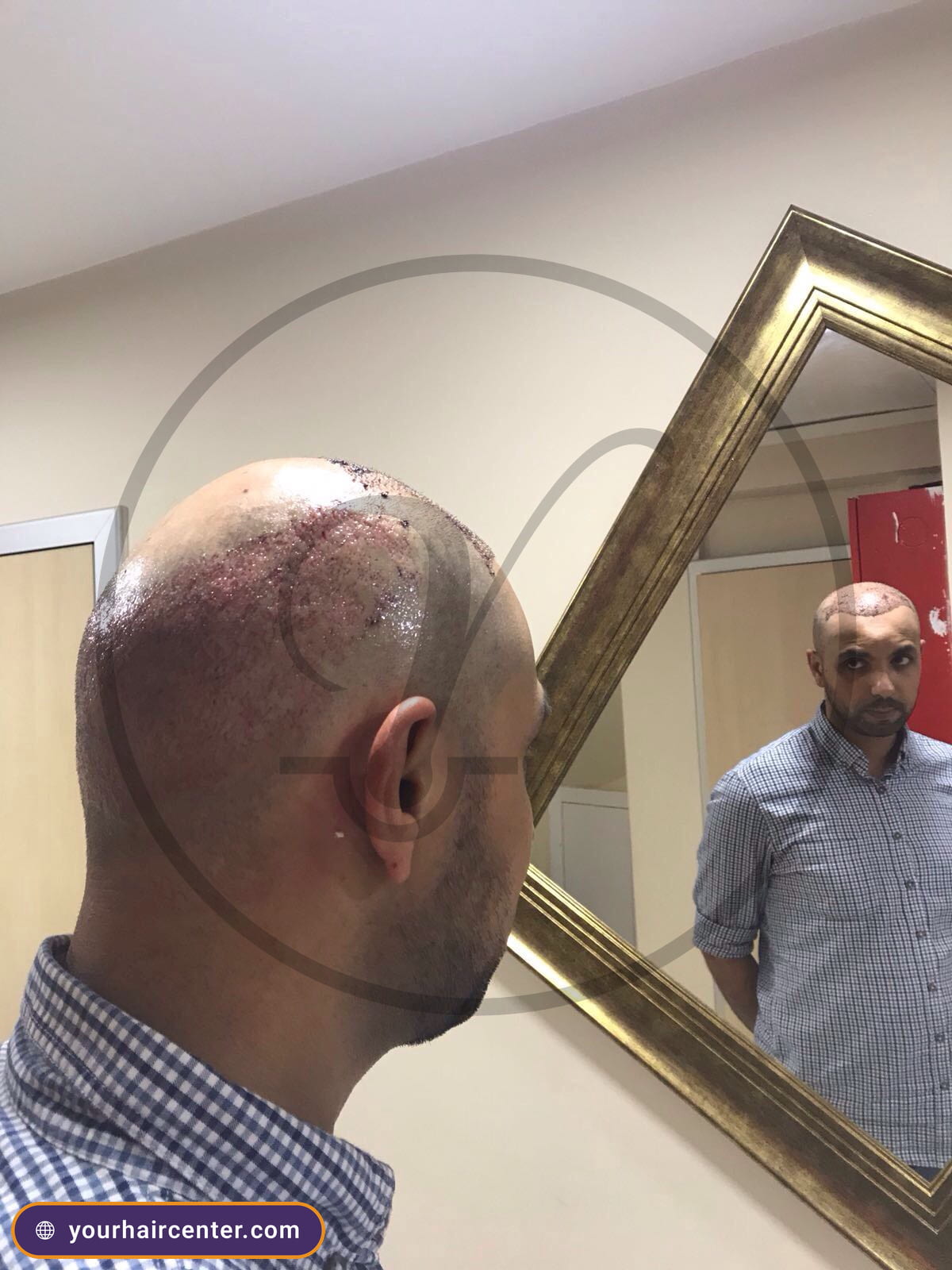
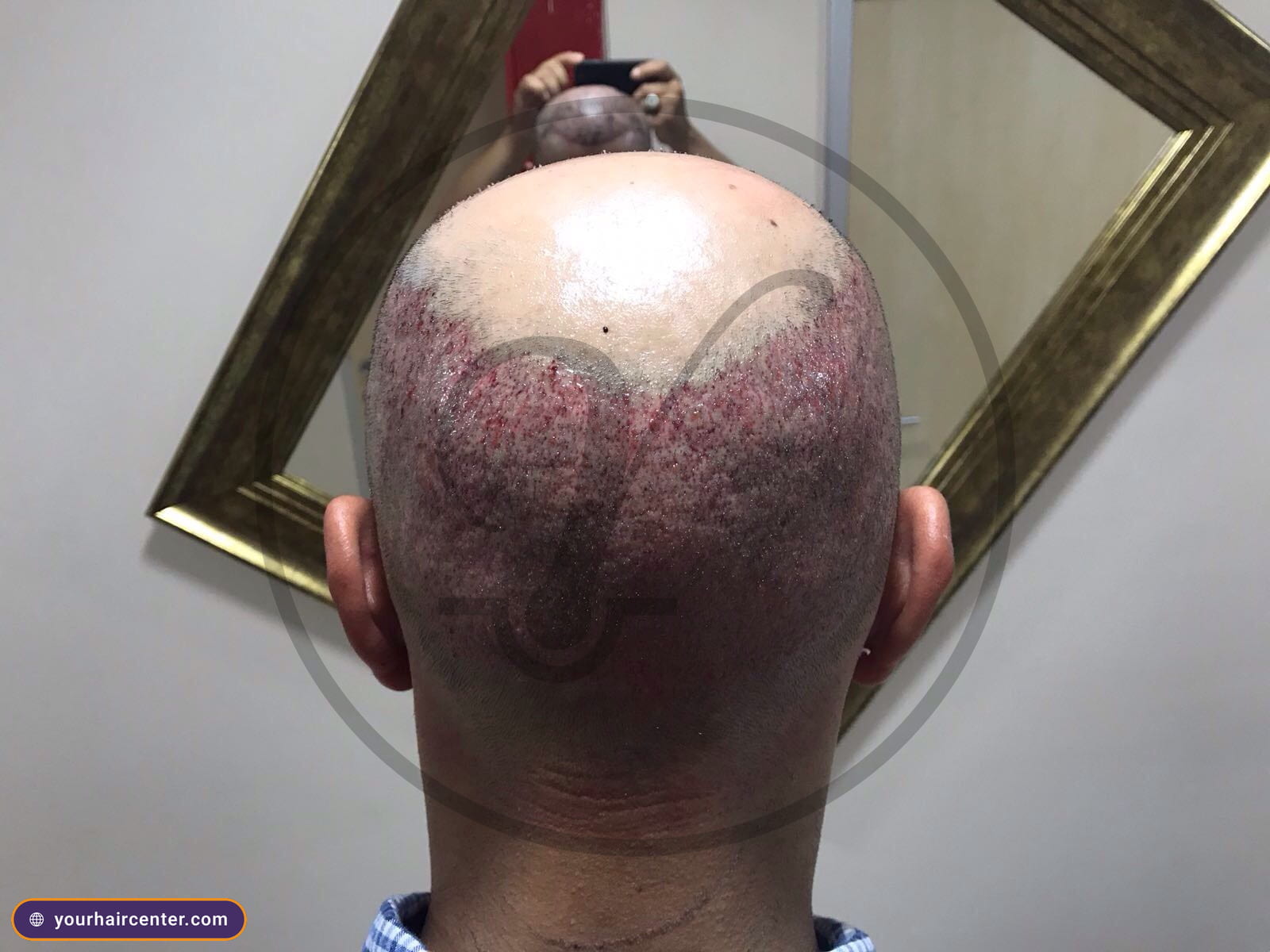
Your procedure does not end when you leave the clinic. Our medical team walks with you through every stage of healing and regrowth for a full 12 months, through scheduled video consultations, WhatsApp photo reviews, and a 24/7 emergency line. You will not face hair transplant aftercare on your own. Your doctor is one WhatsApp message away. Recovery timeline, washing protocol, sleeping guidance, and answers to every concern, all monitored by the same surgeon who performed your transplant.

Hair transplant aftercare and 12-month medical follow-up, included in your package
Your procedure does not end when you leave the clinic. Our medical team walks with you through every stage of healing and regrowth for a full 12 months, through scheduled video consultations, WhatsApp photo reviews, and a 24/7 emergency line. You will not face hair transplant aftercare on your own. Your doctor is one WhatsApp message away.
5+
Video consultations
24/7
Emergency line
12 months
Continuous follow-up
What your medical follow-up program includes
Scheduled video consultations
Live video check-ins with your doctor at month 1, month 3, month 6, and month 12. The doctor reviews your progress and guides you step by step.
WhatsApp photo monitoring
You send photos over WhatsApp, and the doctor reviews them within 24 hours and replies with detailed guidance on your recovery.
24/7 emergency line
A direct line to the medical team, around the clock. Any concern or unexpected symptom, we are there instantly.
PRP session coordination
We coordinate supportive PRP (platelet-rich plasma) sessions to strengthen the transplant result and accelerate regrowth.
Every follow-up service is included in your package
Hair transplant recovery timeline, month by month
Day 3
Mild redness and slight swelling at the donor and recipient areas. The first wash is performed at the clinic under the medical team’s supervision before you travel home.
Week 2
Scabs begin to shed. Redness fades gradually. You can return to light daily activities.
Month 1
Shock loss phase. The transplanted hairs shed, which is completely normal and nothing to worry about. The follicles enter a resting stage before new growth begins.
Month 3
New hair starts appearing. Fine strands begin growing through the transplanted area. Hair transplant results at 3 months are early but encouraging.
Month 6
Noticeable growth and clear density improvement. The hair starts thickening and real procedure results come into view.
Month 9
Strong density and clear coverage. Most patients notice a major change in their appearance at this stage.
Month 12
The final result. The transplanted hair has reached its full density and natural length. Hair transplant results at 12 months are the outcome that stays with you for life.
Shock loss in month 1 is normal
What is normal and when to contact us
- Shock loss between week 2 and month 3, this is normal and new growth returns automatically
- Mild swelling on the forehead or around the eyes during the first 3 to 5 days, fades gradually
- Itching in the transplanted area after week 1, a sign of natural healing
- Redness in the transplanted area that lasts into week 4, fading gradually
- Persistent bleeding that does not stop with light pressure after day 1
- Signs of infection (pus, odor, high fever) in the transplanted area
- Severe pain that increases after day 3 and does not respond to pain relievers
- Numbness or loss of sensation on the scalp that continues beyond 3 months
Emergency protocol in 4 steps
- Send a clear photo of the concerning area over WhatsApp to the medical team
- The doctor reviews the photo and replies within 2 hours at most
- Emergency video call if the case calls for a live visual assessment
- Referral to a local clinic in rare cases that need immediate intervention, we coordinate with a doctor in your city
Daily hair transplant aftercare protocol
How to wash your hair after a hair transplant
- First 48 hours. Do not touch the transplanted area at all, no water and no shampoo
- Day 3. The first wash is performed at the clinic under the medical team’s supervision, very gently
- Day 4 to 10. Apply the moisturizing lotion first for 30 minutes, then rinse with lukewarm water at very low pressure
- Day 11 to 30. Start using the prescribed medical shampoo with gentle tapping motions, no rubbing
- After month 1. Return to your regular washing routine gradually
Best shampoo after a hair transplant. The doctors recommend a sulfate-free and paraben-free medical shampoo. We send you the approved product list along with your post-op instructions.
How to sleep after a hair transplant
- First 7 days. Sleep on your back at a 45-degree angle using two raised pillows. Do not sleep on your side or stomach
- Week 2. You can lower the pillow height gradually while keeping the on-your-back position
- Week 3 to 4. You can sleep on your side carefully, avoiding direct pressure on the transplanted area
- After month 1. Return to your normal sleeping position naturally
Use a neck pillow during air travel to avoid unintentional pressure on the transplanted area.
What to eat after a hair transplant
- Protein. Essential for hair growth. Eat meat, fish, eggs, and legumes daily
- Iron and zinc. Found in red meat, spinach, and nuts. They support follicle strength
- Vitamin C. Boosts iron absorption and speeds up tissue healing. Citrus fruits and strawberries are excellent sources
- Water. Drink 2 to 3 liters daily. Proper hydration is essential for scalp health and hair growth
- Avoid. Very salty foods, alcohol, and carbonated drinks for the first two weeks
Recommended hair transplant aftercare products
- Medical shampoo. Sulfate-free and paraben-free. We provide the approved product in your post-op kit
- Moisturizing lotion. Used to soften the scabs before washing during the first 10 days
- Minoxidil spray. When your doctor prescribes it, applied to the grafted area from about 2 weeks after the procedure, once the scabs have fallen and the scalp is not irritated. It protects your native hair and may shorten the post-op shedding, but it does not raise graft survival
- Sunscreen. Applied to the scalp once the scabs have healed, and needed outdoors through the end of month 3. Until the scalp heals, protect it with shade or a loose hat your doctor approves
Do not use any product that has not been recommended by the doctor. Gels, waxes, and styling products are fine from about 2 weeks. Hair dye waits about 4 weeks, until the scabs have fallen and the scalp is calm, with a strand or skin test 48 hours before, and your doctor confirms the date.
Vitamins after a hair transplant
- Biotin (B7). Helps hair only when your doctor confirms a deficiency, which is rare. It can distort some blood test results, including thyroid and troponin tests, so tell your doctor and the lab if you take it
- Zinc. Helps when a blood test shows a deficiency. Your doctor sets the dose and how long to take it
- Vitamin D. Deficiency is linked to hair loss, so your doctor checks your level with a blood test and prescribes the right dose if it is low
- Omega 3. There is no good evidence it improves transplant results, so take it only if your doctor prescribes it
- Iron. Only if your lab work shows a deficiency. Do not take it without a blood test
Get a blood test before any supplement. Supplements help when the test confirms a deficiency, and they do not guarantee a transplant result. Your doctor sets the right dose for your case.
Lifestyle restrictions timeline, week by week
Know exactly when you can return to hats, exercise, swimming, and everyday routines. A week-by-week guide to what is safe and when.
Week 1
Nothing tight on the grafts, the soft medical band from the medical team is all you need. No exercise, no swimming, no alcohol. Light walking is fine from day 2, and desk work can resume from day 3 to 7.
Week 2
The scabs clear between day 7 and 14. Men can wear a loose cap from about day 10, and women a loose, light headscarf from about day 7 to 10 and their usual firmly wrapped hijab after about 14 days. Physical work can resume from day 10 to 14, and gels, waxes, and styling products are fine from about 2 weeks. Still no heavy exercise, no swimming, no direct sun exposure.
Week 3 to 4
Light cardio is fine, brisk walking and stationary cycling. Heavy exercise, weight training, tight hats, and helmets return after 3 to 4 weeks, but no contact sports yet. Once the scabs have fallen, scissor cuts and clippers with a guard that keeps the blade off the skin are fine from about one month, and hair dye from about 4 weeks with a strand or skin test 48 hours before and your doctor’s confirmation. Avoid saunas and steam rooms.
Month 2
Your full gym routine is back. Swimming becomes safe. Hats of any fit are fine. Perms and other chemical treatments are still off limits.
Month 3 and beyond
Contact sports, swimming in chlorinated pools, direct sun with sunscreen, chemical treatments, and any hairstyle. A razor on the grafted area still waits until about month 6, when your doctor confirms the new growth is established. Your scalp is fully healed.
When in doubt, ask your doctor
How remote aftercare works when you fly home
- A dedicated WhatsApp group is created that includes you, your doctor, and your care coordinator, activated before you leave the clinic
- You send regular photos of the transplanted area on the schedule set by your doctor
- The doctor reviews the photos and replies with detailed guidance within 24 hours
- A video call at each key milestone (month 1, 3, 6, and 12) for a live visual check-up
- PRP coordination at the right timing to reinforce the hair transplant results
Under 24 hours
Photo review response time
Under 2 hours
Emergency response time
Video consultations with your doctor

Recovery stories from our patients
The medical team followed up with me every week over WhatsApp. I would send photos and the doctor would reply with very specific notes. In month 3 I got a video call and he reassured me that regrowth was going exactly as planned. That level of care made all the difference once I was back home in Dallas.
The thing that impressed me most was the emergency line. In week 1 I noticed slight swelling around one eye, sent a photo, and within an hour I had a detailed reply with clear instructions. The swelling was gone in two days, exactly as they told me it would be.
I was anxious about the shedding in month 1. The doctor explained on a video call that this is completely normal and it is called shock loss. By month 4 the new hair started coming in strong. The continuous follow-up took away every worry I had from 5,000 miles away.
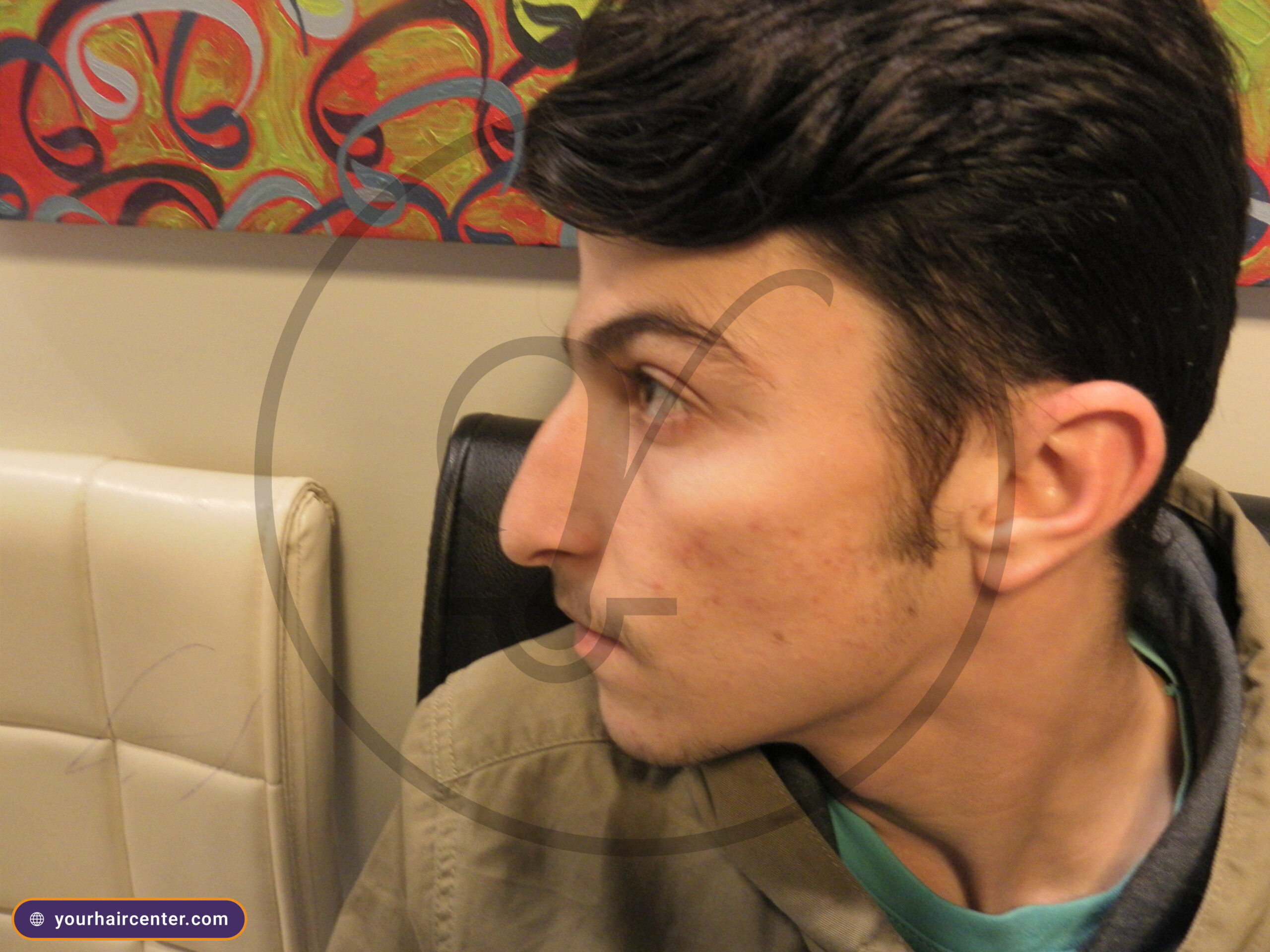
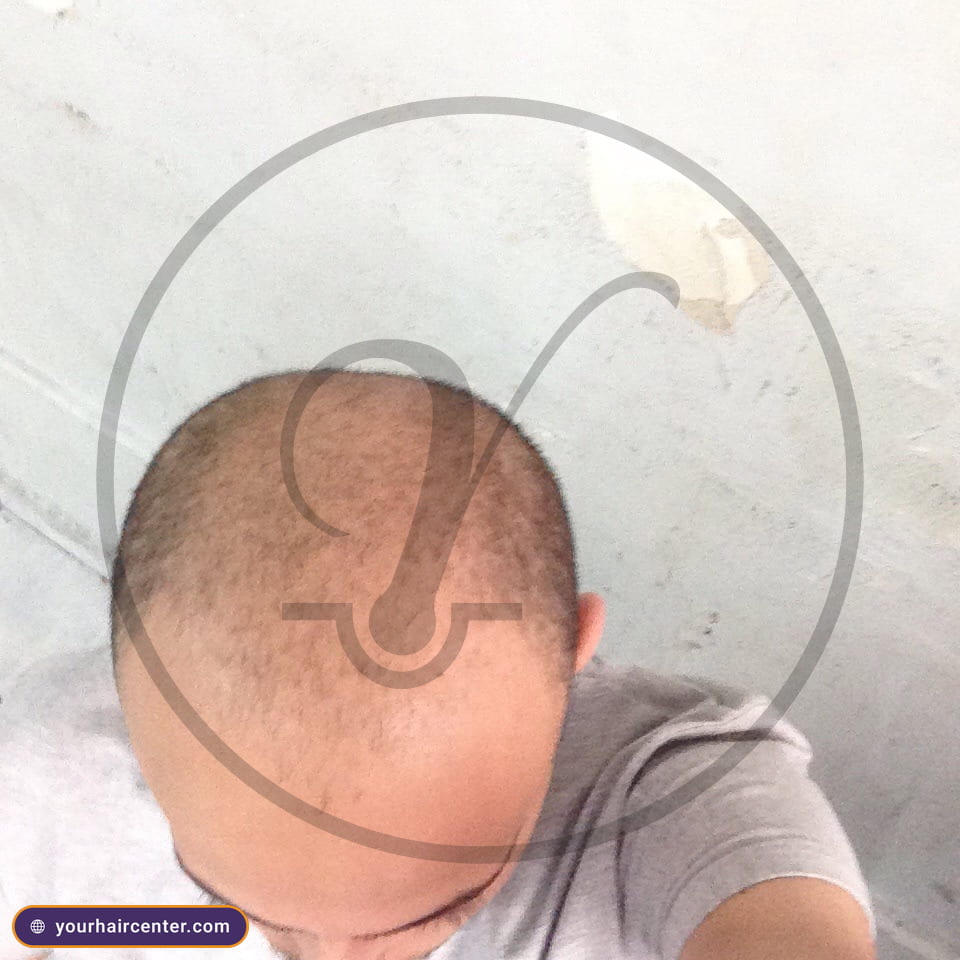
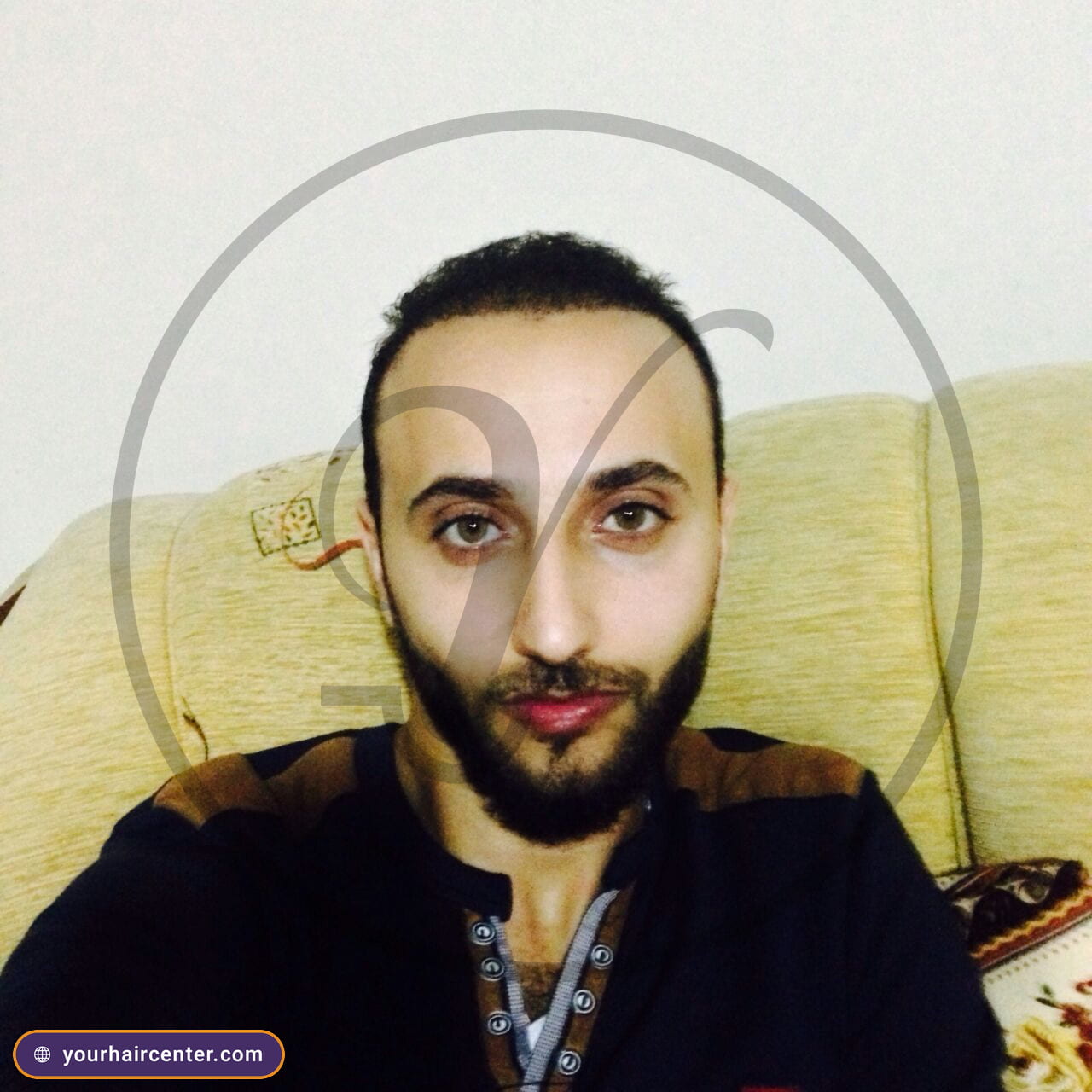
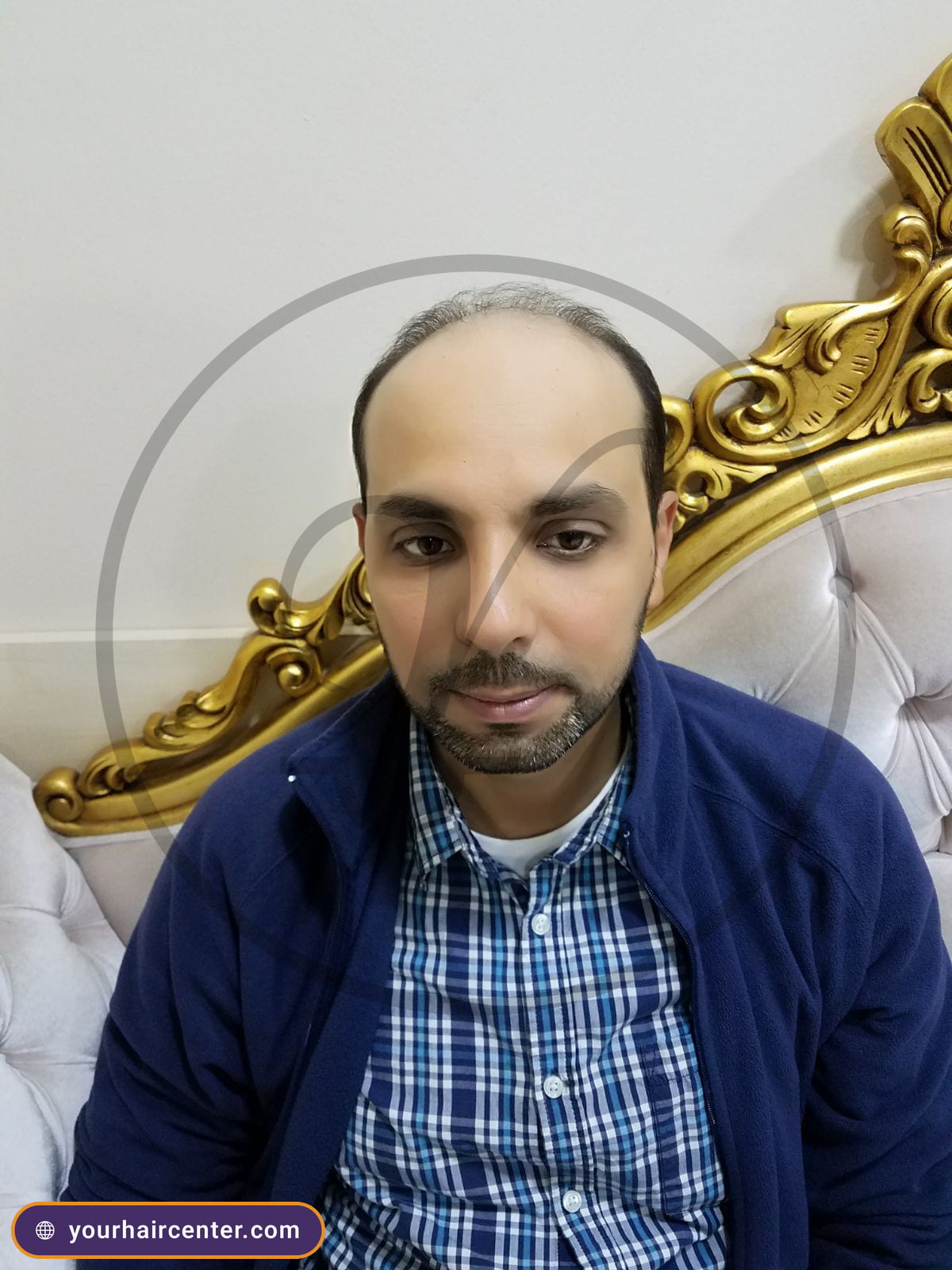
Real hair transplant results
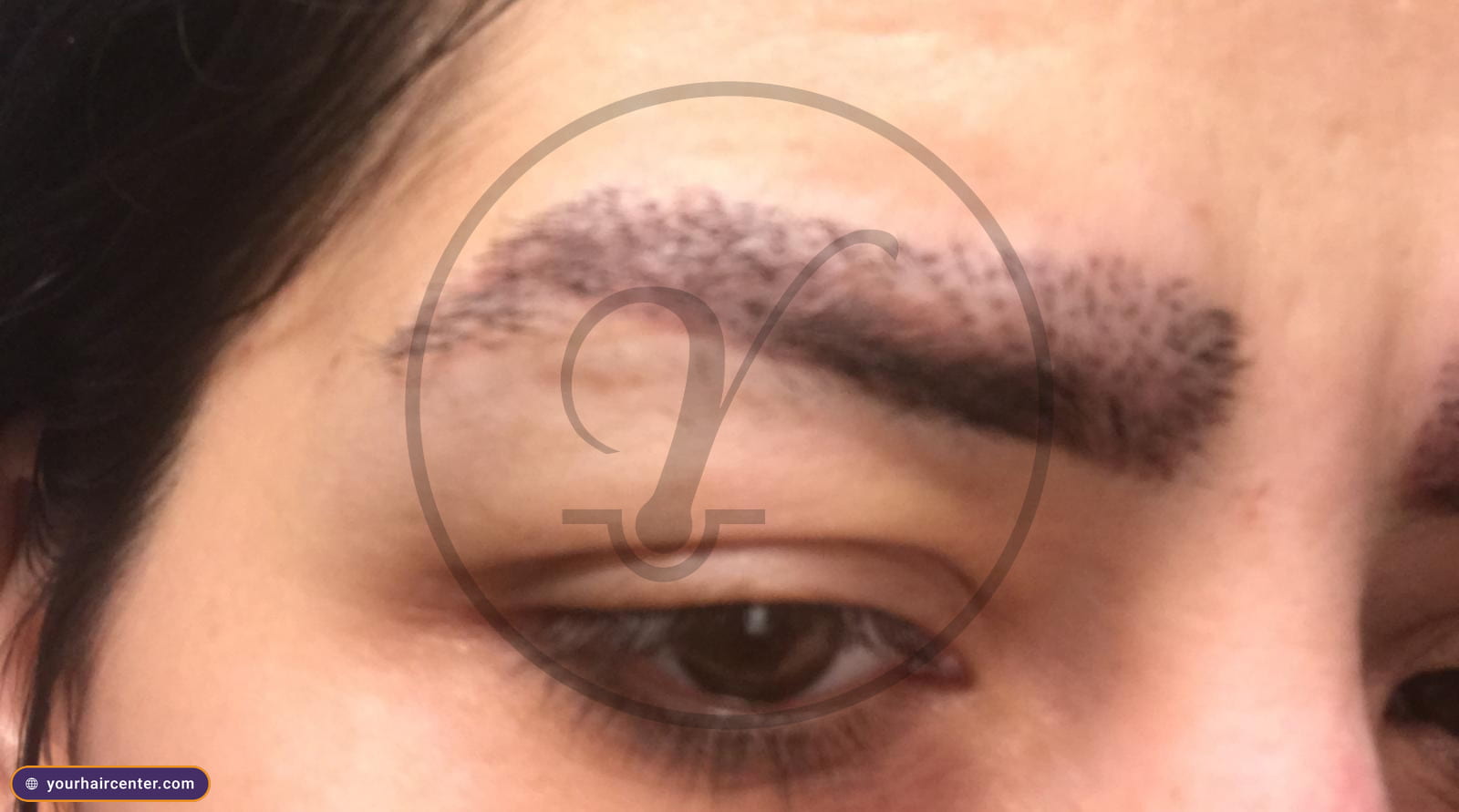
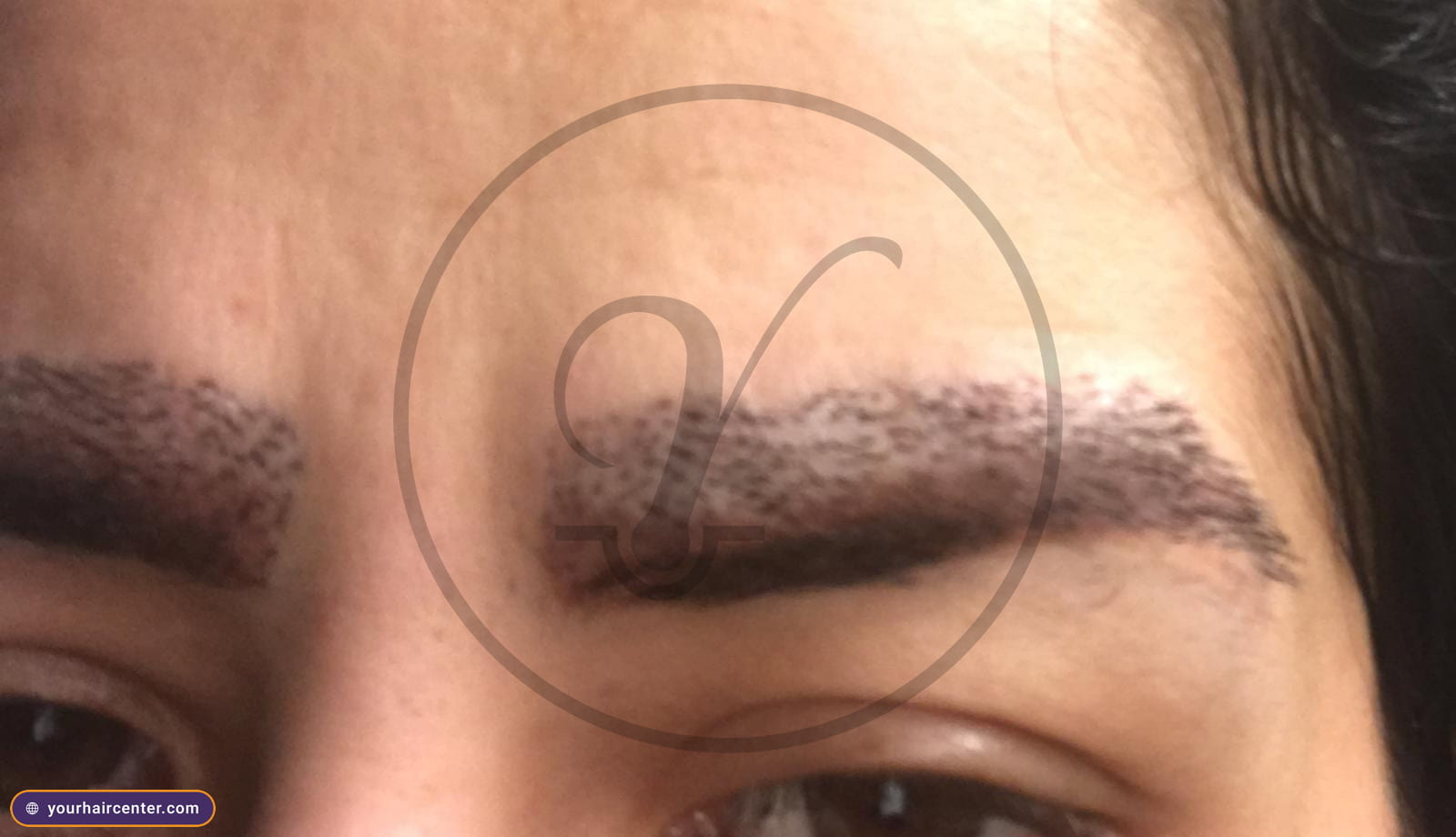
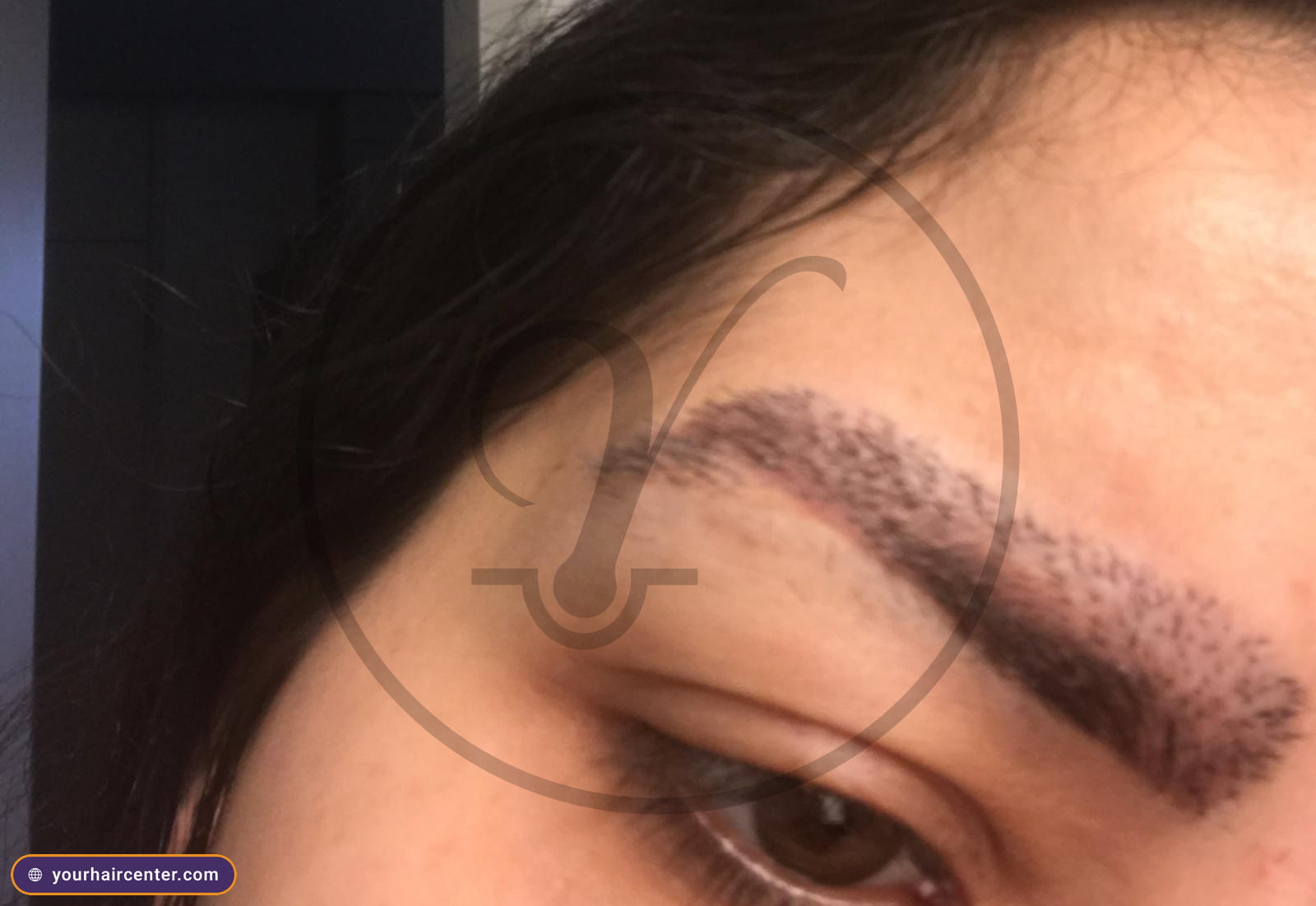
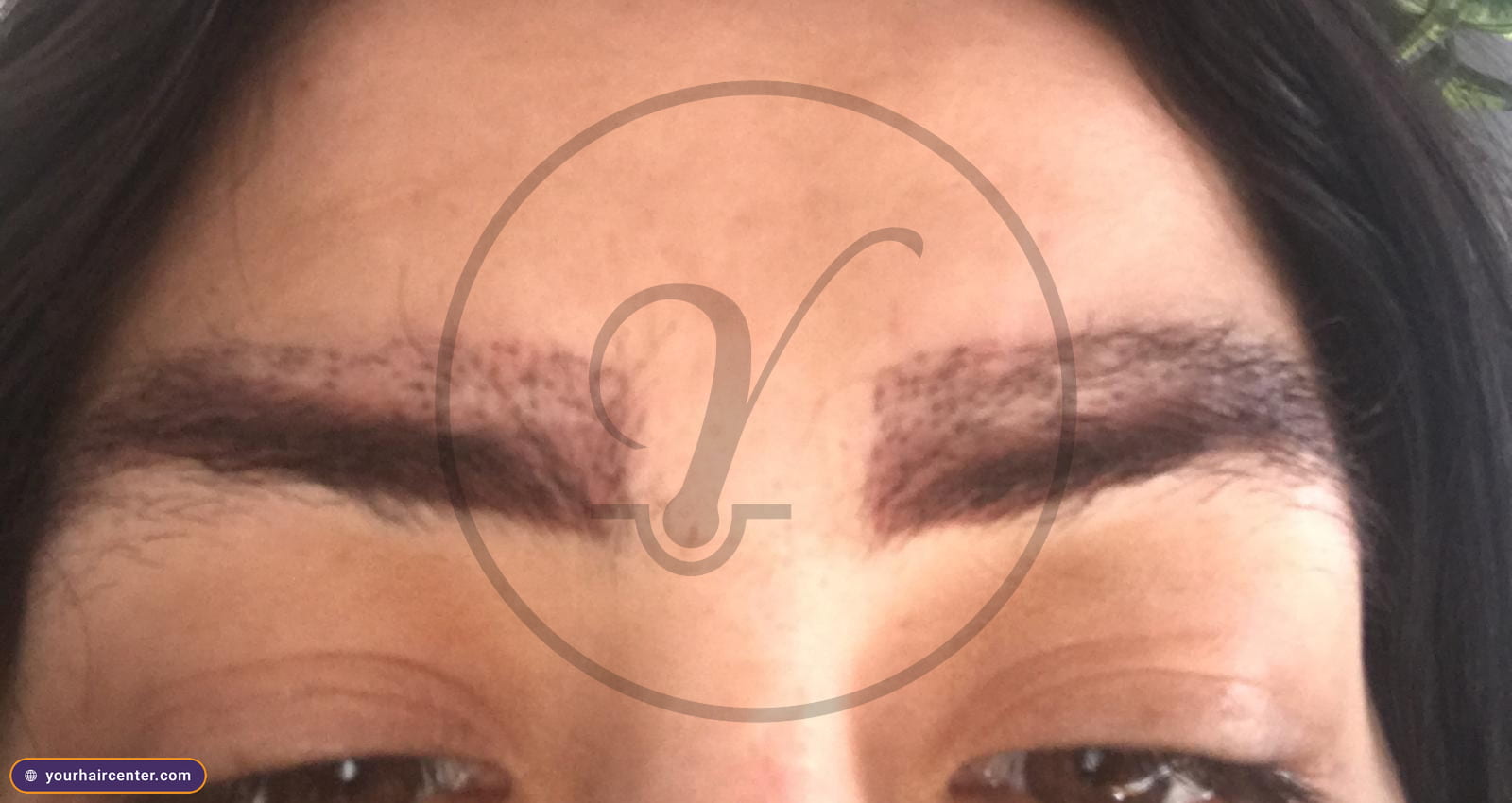
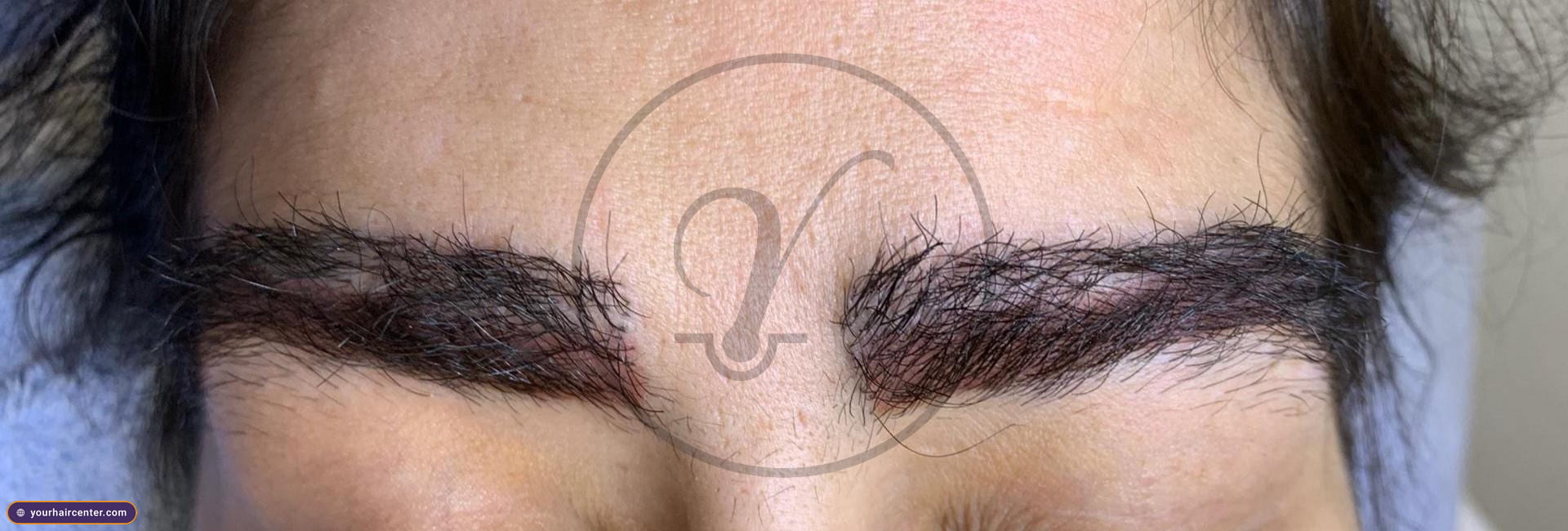
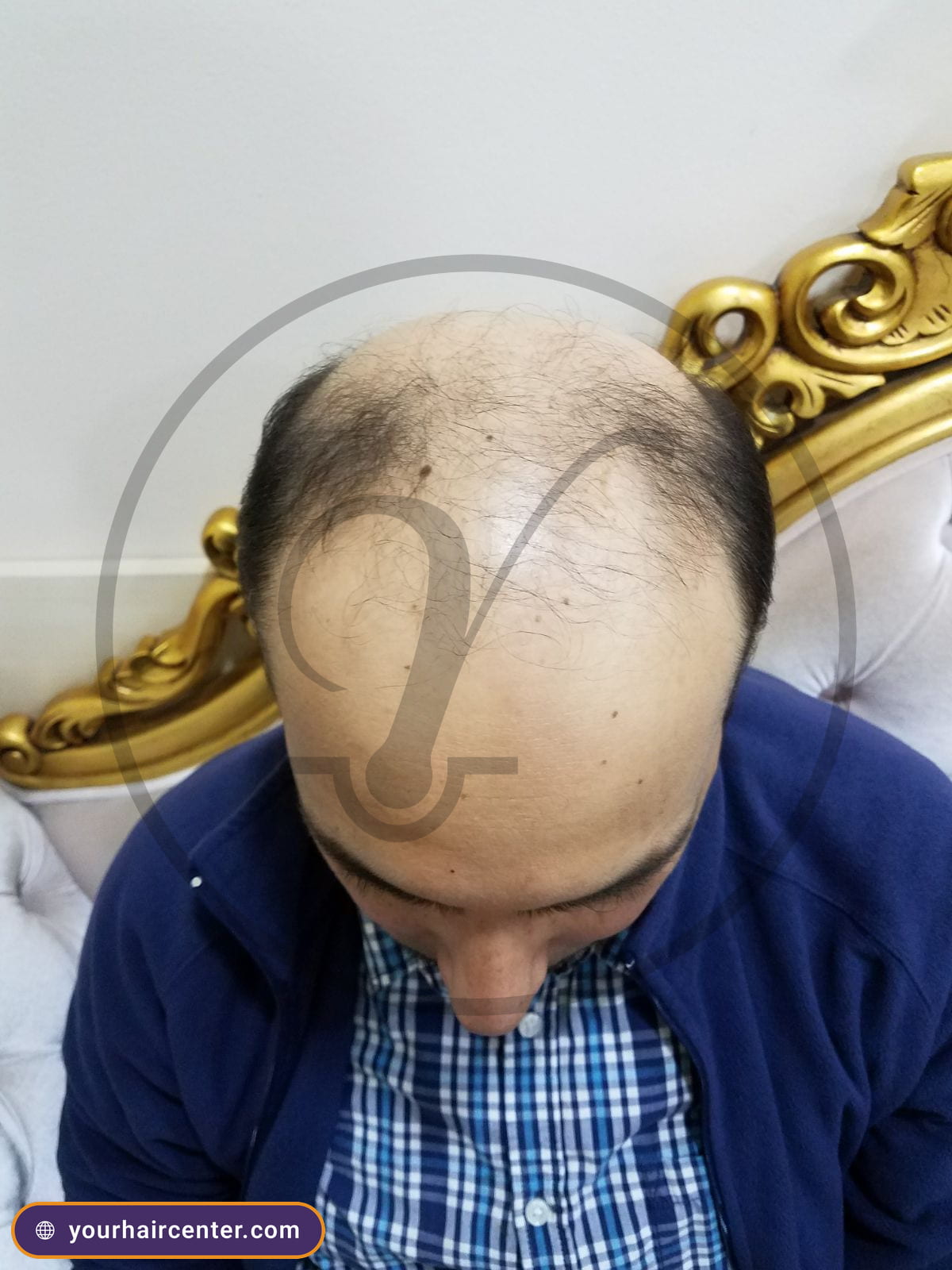
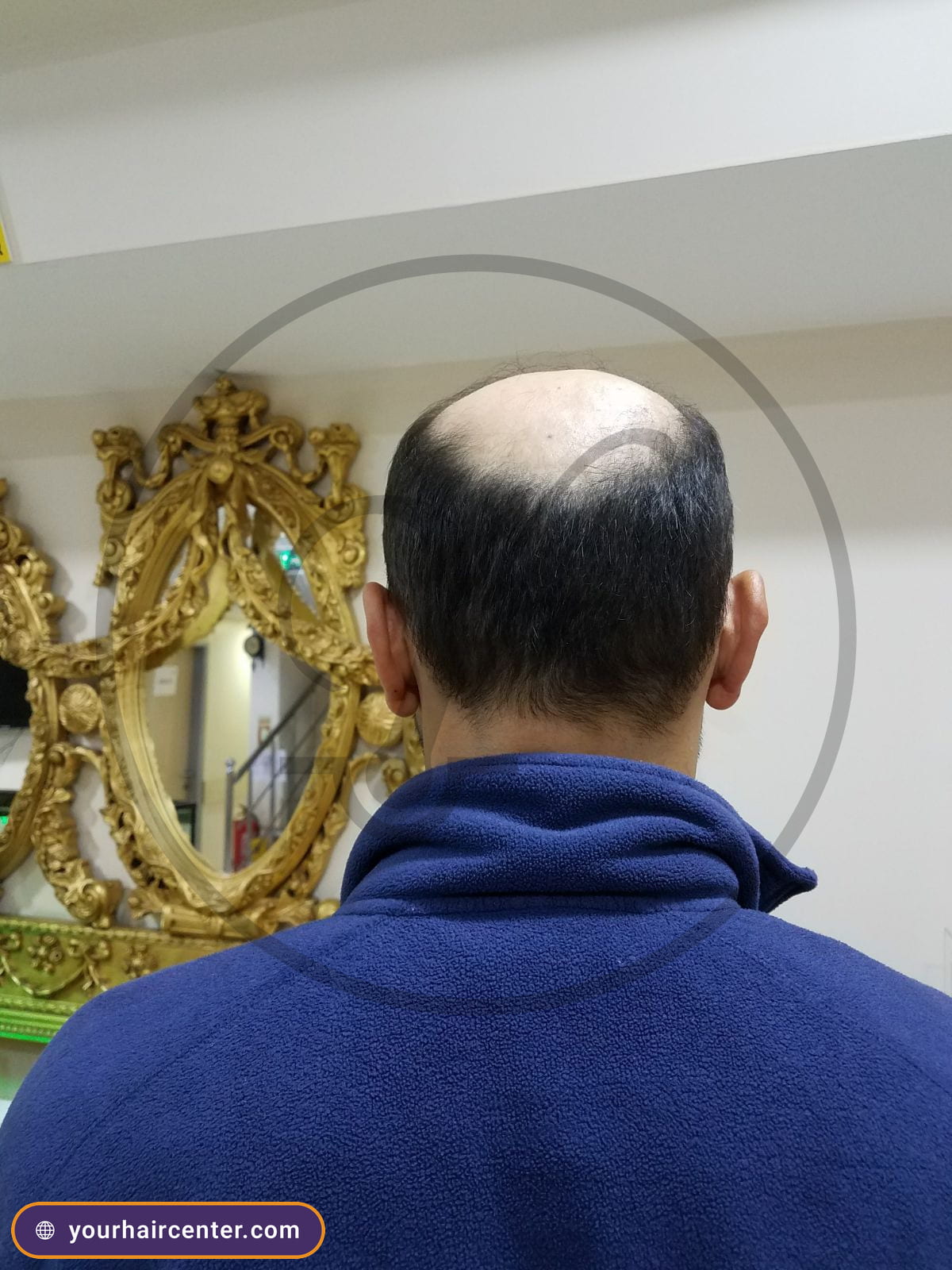
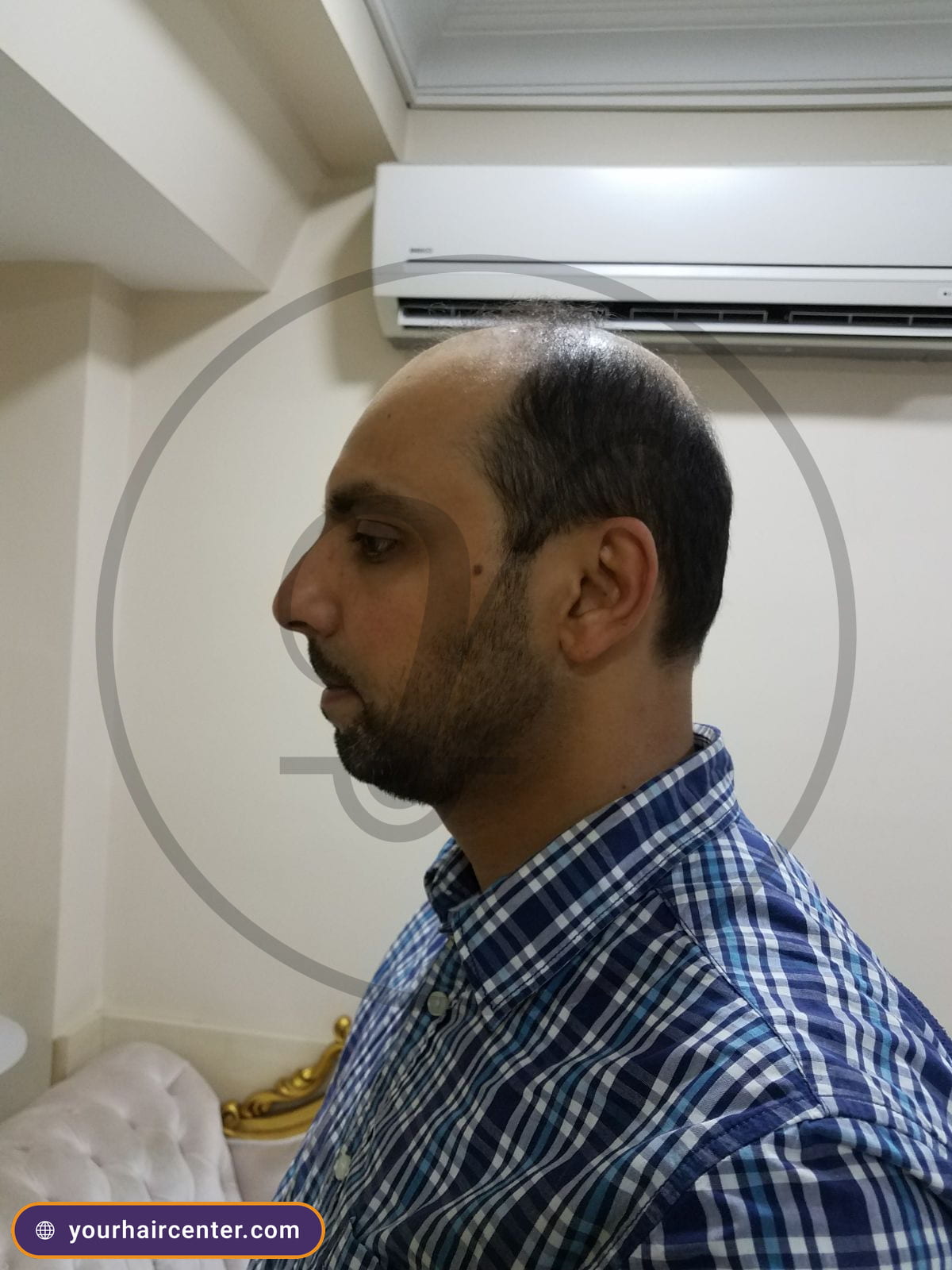
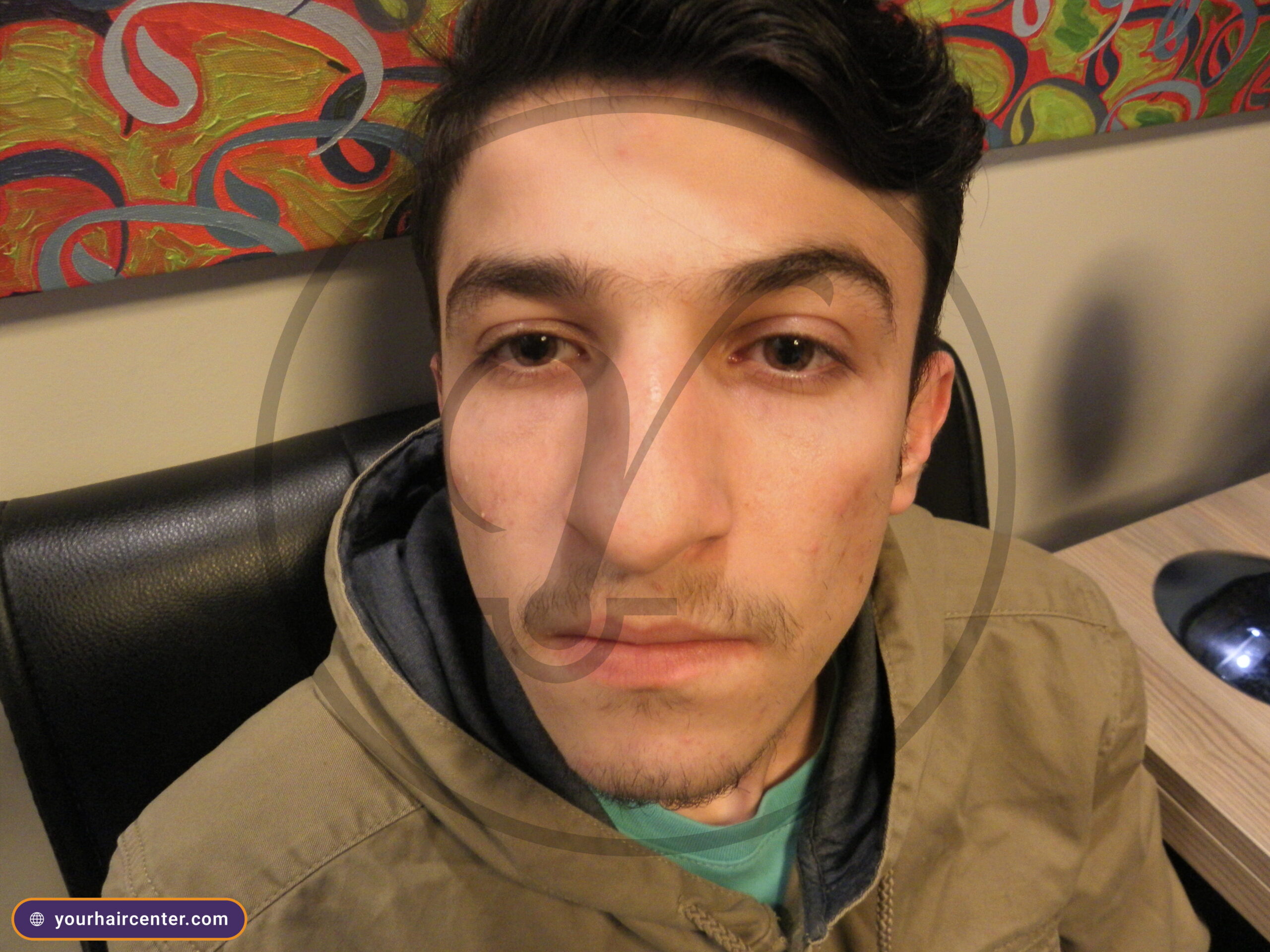
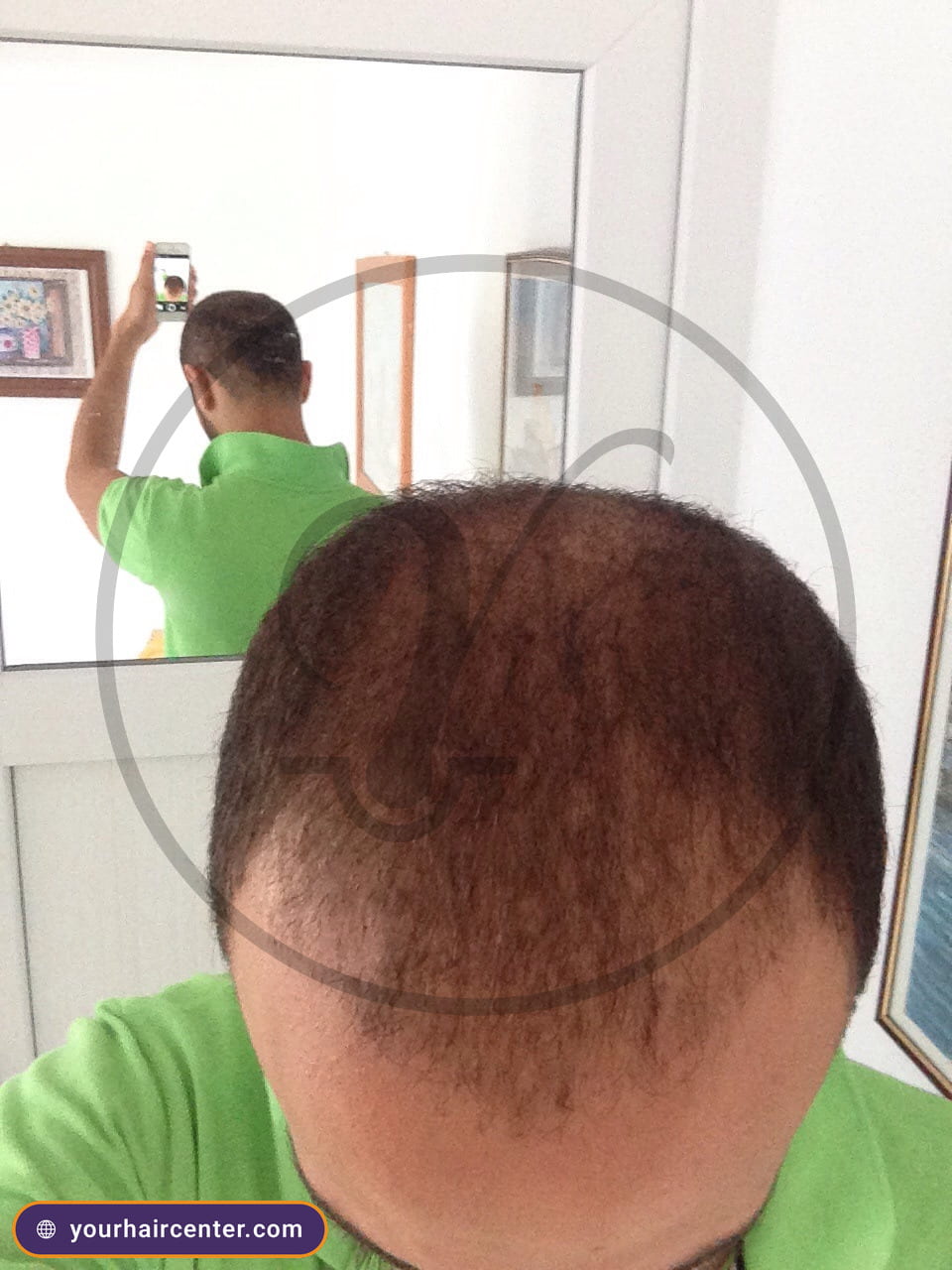
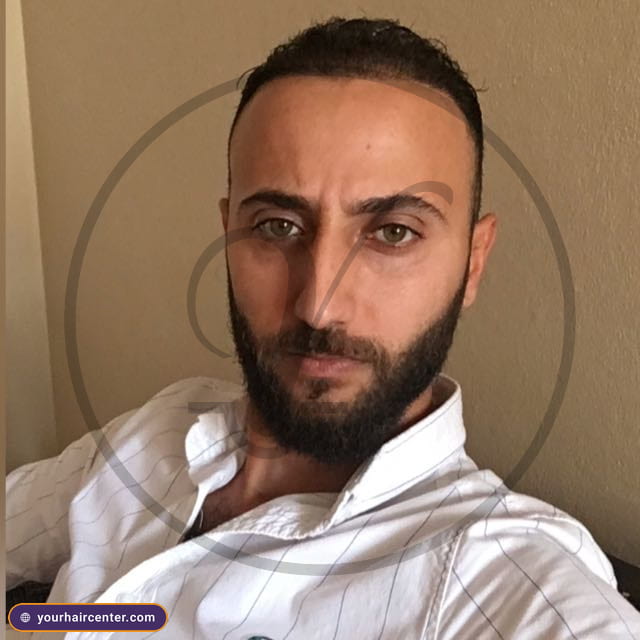
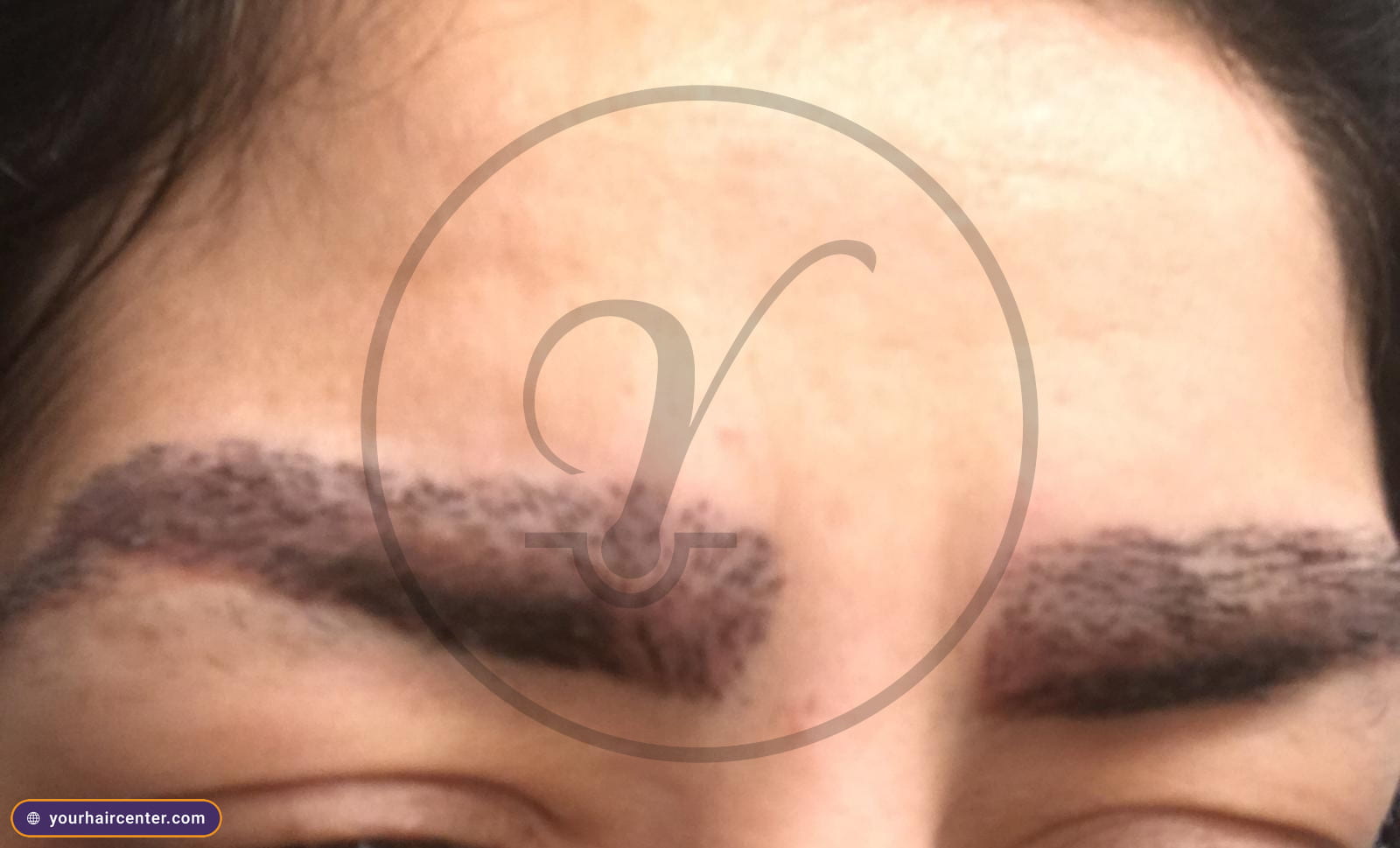
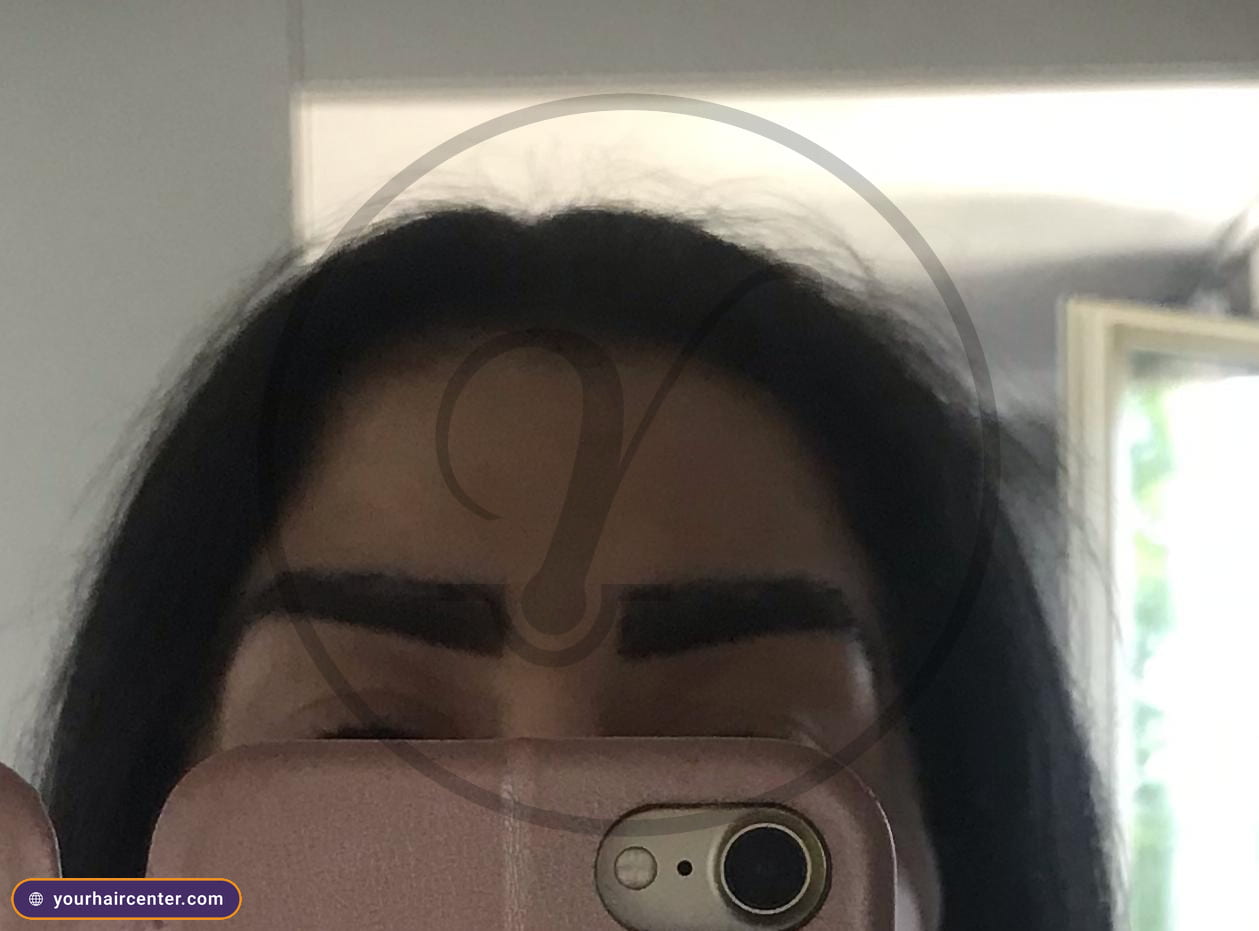
Real cases from hair transplant procedures performed at Your Hair Center, Istanbul


Frequently asked questions about hair transplant aftercare
When can I exercise after a hair transplant?
Light walking is fine from the day after the procedure. Avoid intense exercise, weight lifting, and swimming for a full month. After month 1, return to your regular workouts gradually. The reason is that heavy sweating and elevated blood pressure can affect the stability of the transplanted follicles during the first weeks.
What is the right sleeping position after a hair transplant?
Sleep on your back at a 45-degree angle using two pillows for the first 7 days. This reduces swelling and protects the follicles from friction. After week 2, you can lower the height gradually. After month 1, return to your normal sleeping position with no restrictions.
When can I have sex after a hair transplant?
We recommend waiting 10 to 14 days after the procedure. The reason is that physical exertion and elevated blood pressure can affect the stability of the transplanted follicles. After two weeks, you can resume normal life while still avoiding any direct pressure on the transplanted area.
What is the best diet after a hair transplant?
Focus on proteins (meat, fish, eggs), leafy vegetables, and fruits rich in vitamin C. Avoid very salty foods and carbonated drinks for the first two weeks. Drink 2 to 3 liters of water daily. Supplements help when a blood test confirms a deficiency in iron, zinc, or vitamin D, and you do not need them if your results are normal.
How do I reduce swelling on my face after a hair transplant?
Swelling is normal and happens in some patients during the first 3 to 5 days. To minimize it, sleep on your back at a raised angle, apply cold compresses on the forehead (not directly on the transplanted area), and drink plenty of water. Swelling resolves on its own within a week. If it lasts longer than 7 days, contact our medical team.
What should I expect 20 days after a hair transplant?
By day 20, the scabs have shed completely and redness is fading. You may notice the start of shock loss, which is completely normal. The follicles enter a temporary resting phase before producing new hair in month 3 to 4. Do not compare your results to other people’s photos at this early stage.
When can I wear a hat after a hair transplant?
In week 1, keep anything tight off the grafts, the soft medical band from the medical team is all you need. Men can wear a loose cap from about day 10. Women can wear a loose, light headscarf from about day 7 to 10 and their usual firmly wrapped hijab after about 14 days. Tight hats, tight beanies, and helmets wait 3 to 4 weeks. Avoid any headwear that puts pressure on the transplanted follicles during the first weeks.
What are the most important tips to protect hair transplant results?
Stick to the washing protocol your doctor prescribes. Take the supplements your doctor prescribes if a blood test shows a deficiency. Attend your scheduled video follow-ups. Send your routine photos to the doctor over WhatsApp. Avoid smoking and alcohol during the first month. Protect your scalp from direct sunlight for 3 months. These simple steps give your hair transplant aftercare the best chance of success.
Your recovery starts before you leave Istanbul
A 12-month medical follow-up program. Your doctor on WhatsApp anytime. Everything included in your package with no extra fees.
12-month follow-up
Full program
24/7 emergency
Direct line
Doctor access
Over WhatsApp
Included free
In your package