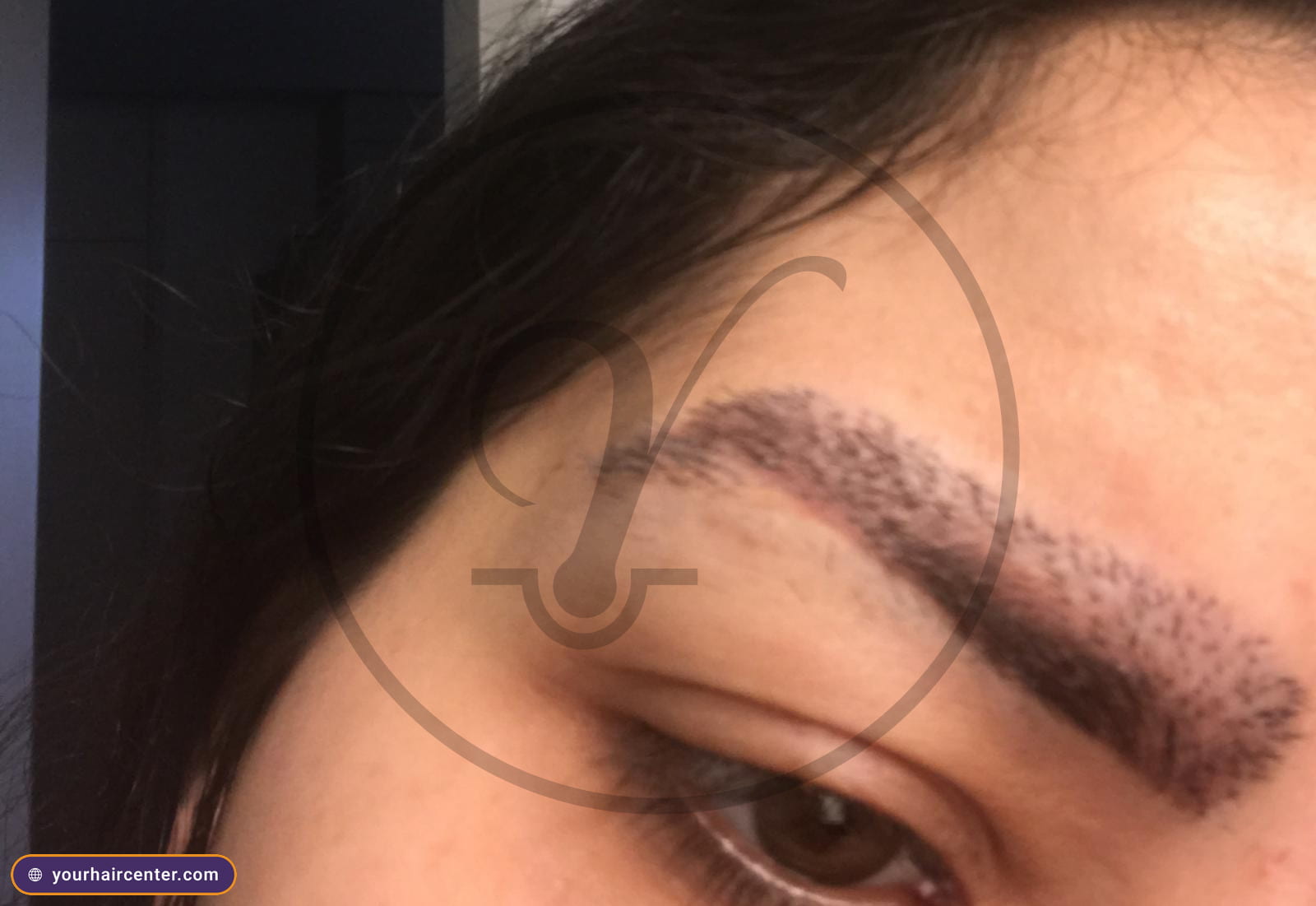
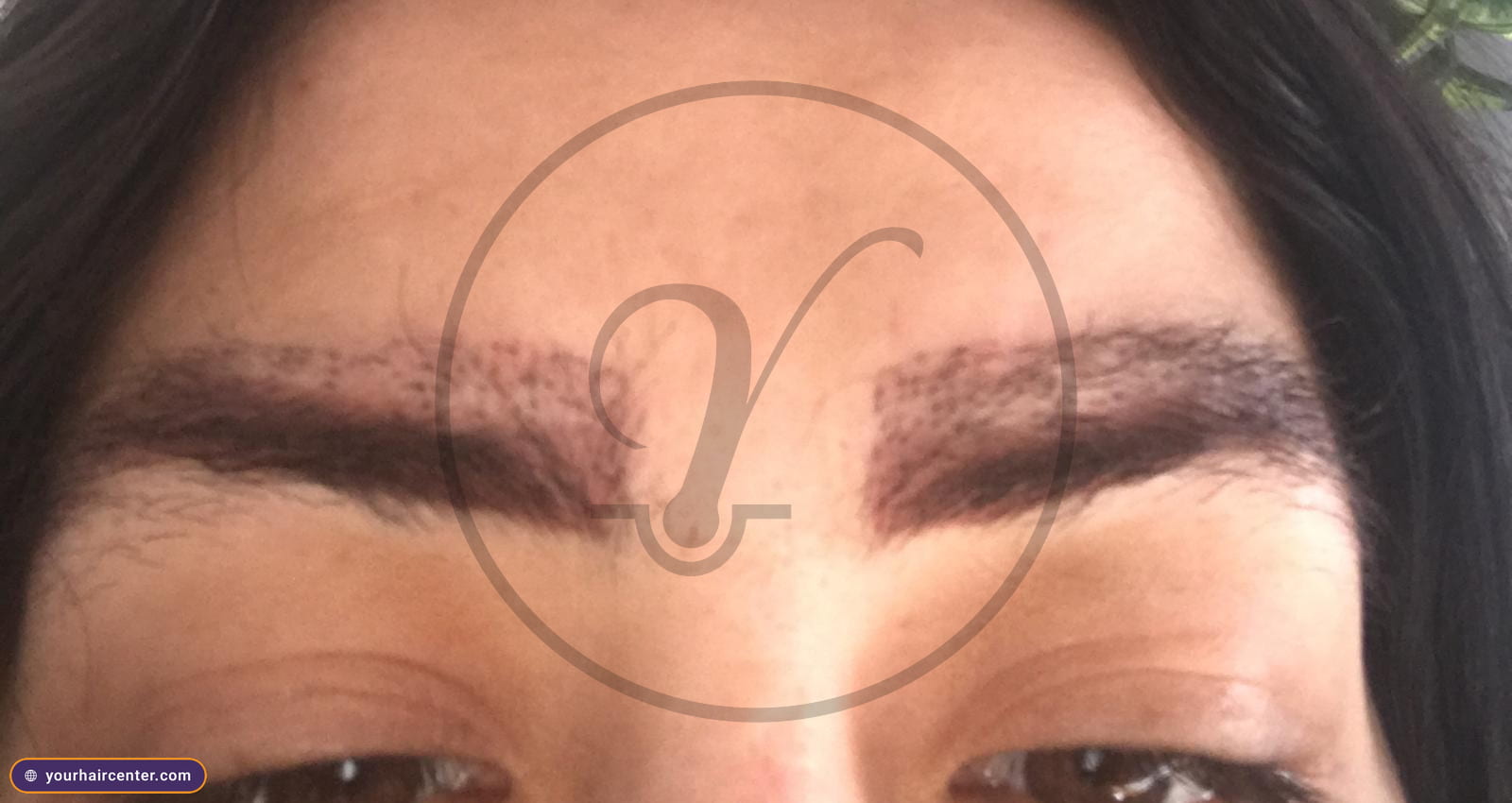
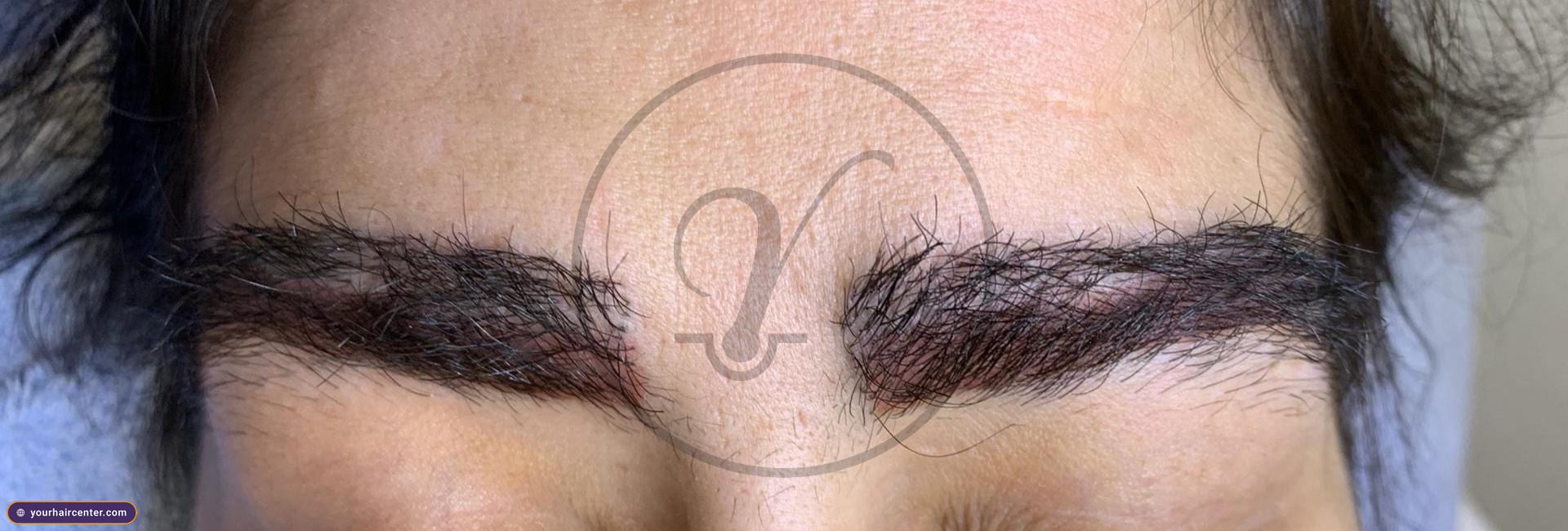
Mesotherapy after hair transplant is the strongest published non-surgical add-on for the three-to-twelve-month window when your grafts mature and your native hair recovers from shock loss. This guide answers the four questions that matter. When to start, how many sessions you need, what the protocol adds to recovery, and how to run the sessions when your surgery happened in Istanbul but you live abroad. Every clinical claim is grounded in peer-reviewed evidence, and we close with the bundled-versus-standalone cost call.

Mesotherapy after hair transplant is the strongest published non-surgical add-on for the three-to-twelve-month window when your grafts mature and your native hair recovers from shock loss. If your post-op brief mentions it, you are probably asking four practical questions. When do you start, how many sessions you need, what the protocol actually adds that your standard recovery package cannot, and how you handle the sessions when the surgery happened in Istanbul but you live in Detroit or Manchester. This guide to mesotherapy after hair transplant answers all four, grounded in the clinical evidence a recovering transplant patient lands here for. A 2024 systematic review of the hair-mesotherapy literature [1] and a widely cited critical commentary [2] are the two anchors we return to throughout. One more thing matters before you decide, and that is whether to bundle mesotherapy after hair transplant into your surgical package or buy it standalone back home, which is the cost question most patients underestimate.
When can you start mesotherapy after a hair transplant?
Most surgeons clear the first session of mesotherapy after hair transplant at about the 30-day mark, contingent on the punch sites being fully closed, no surface scabbing remaining, no signs of infection, and the grafts having reached anchorage stability. Starting earlier risks micro-trauma to grafts that have not finished anchoring [2:1]. The 30-day check confirms the recipient bed is ready for injection-grade scalp work, which is why we treat it as the gate for the whole protocol.
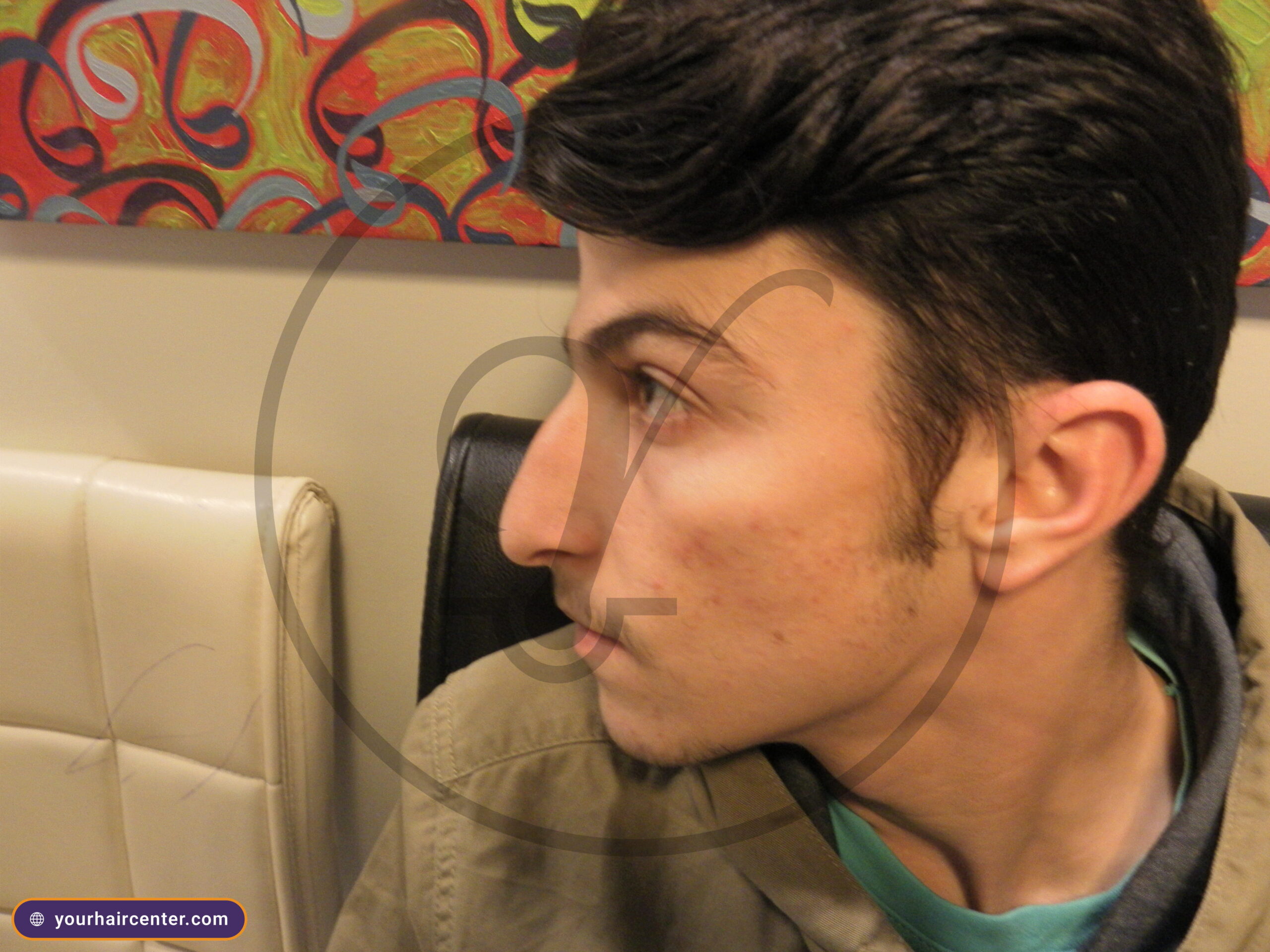
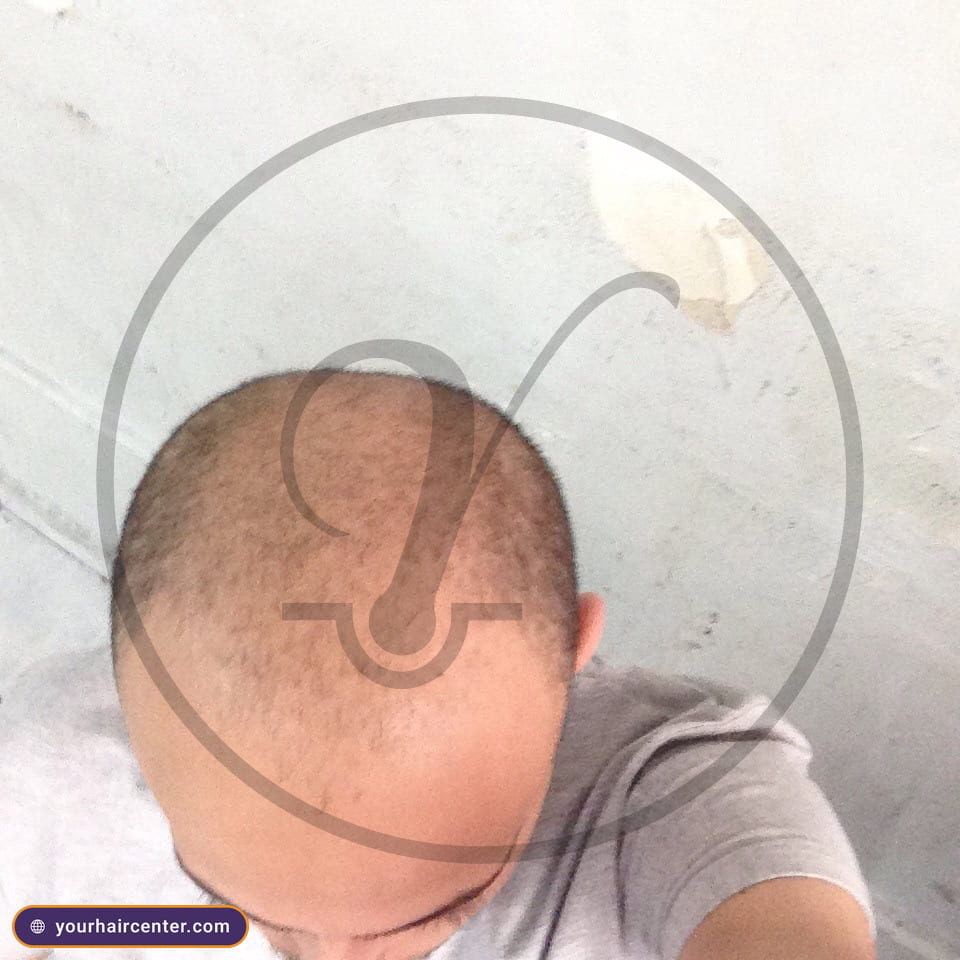
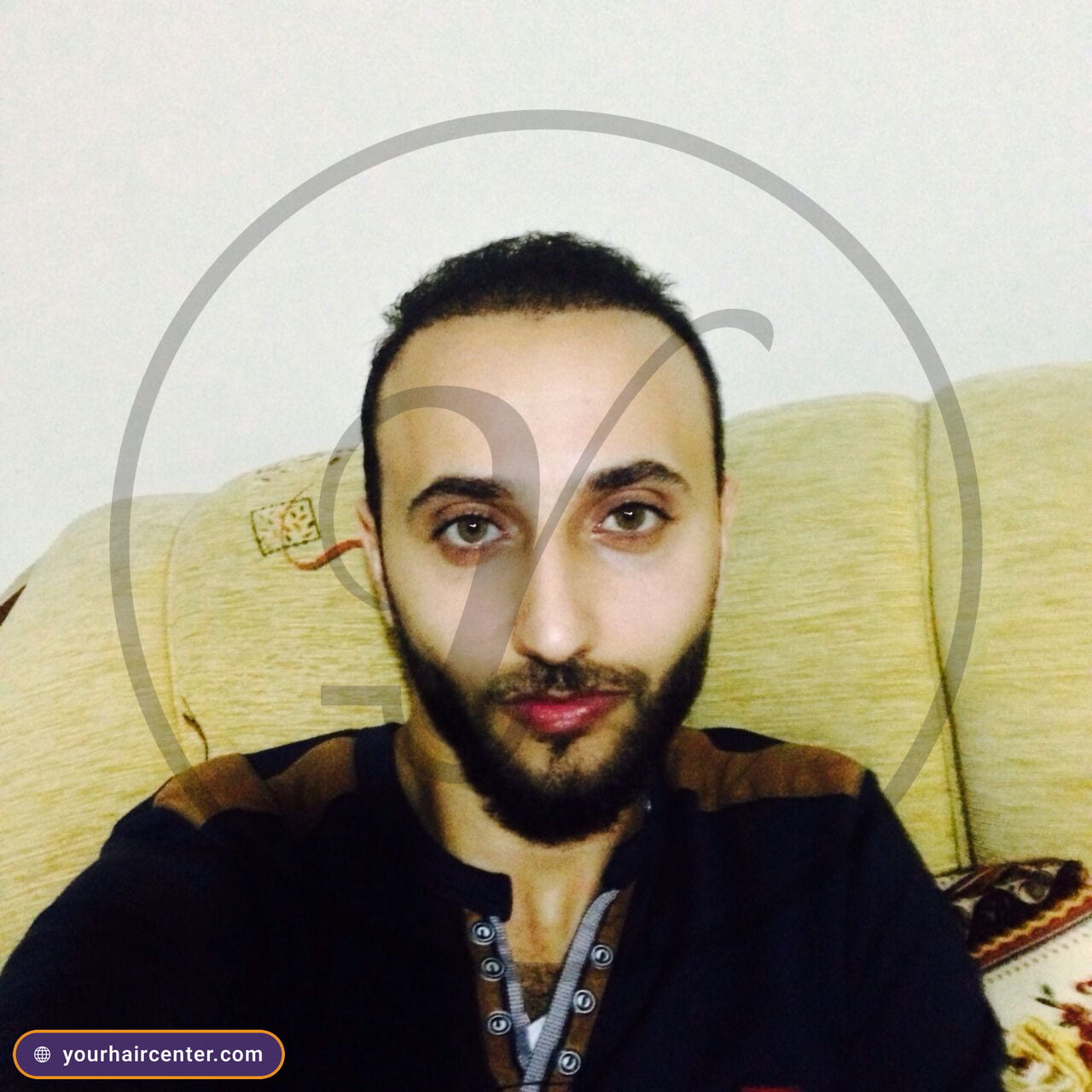
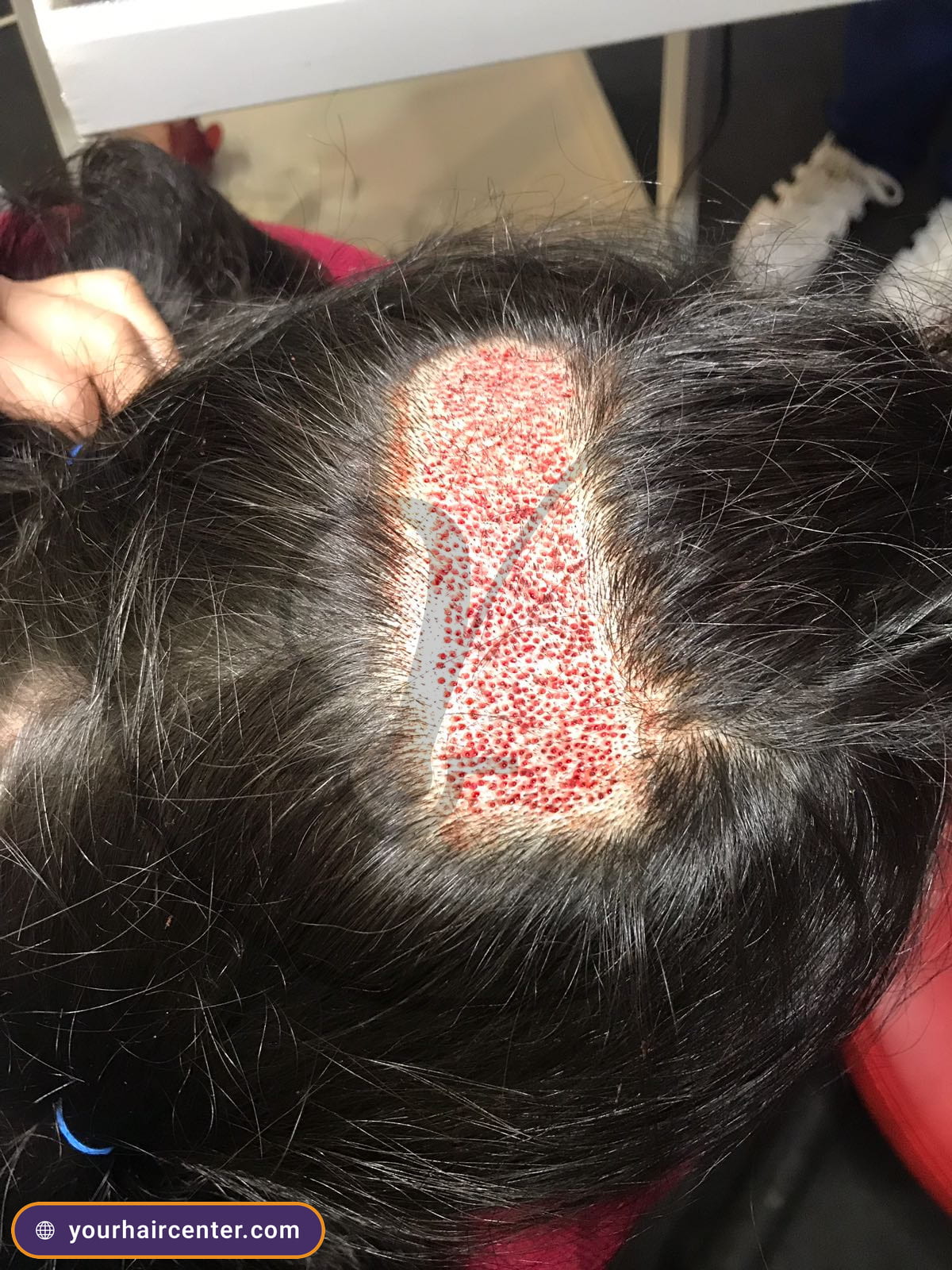
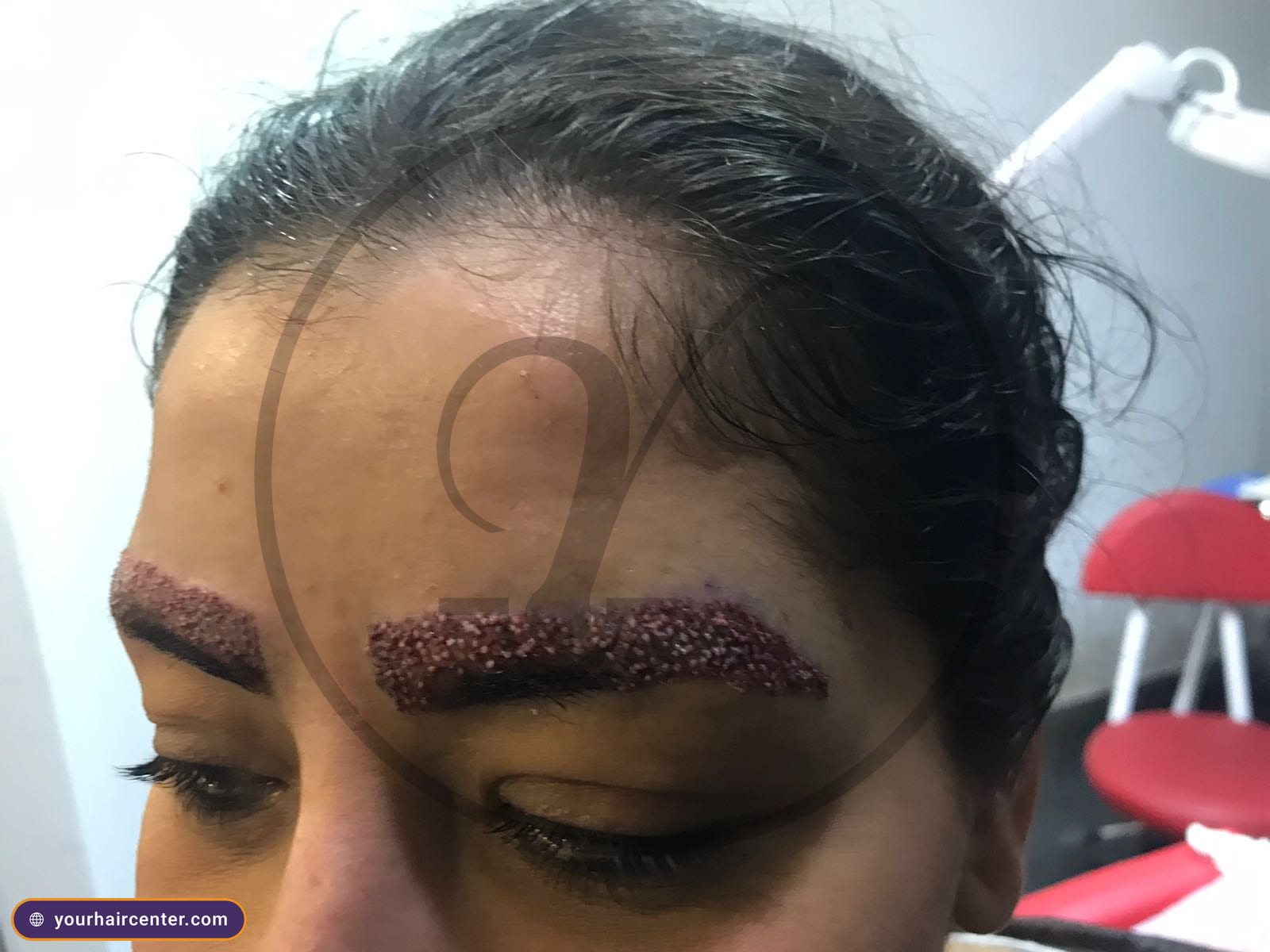
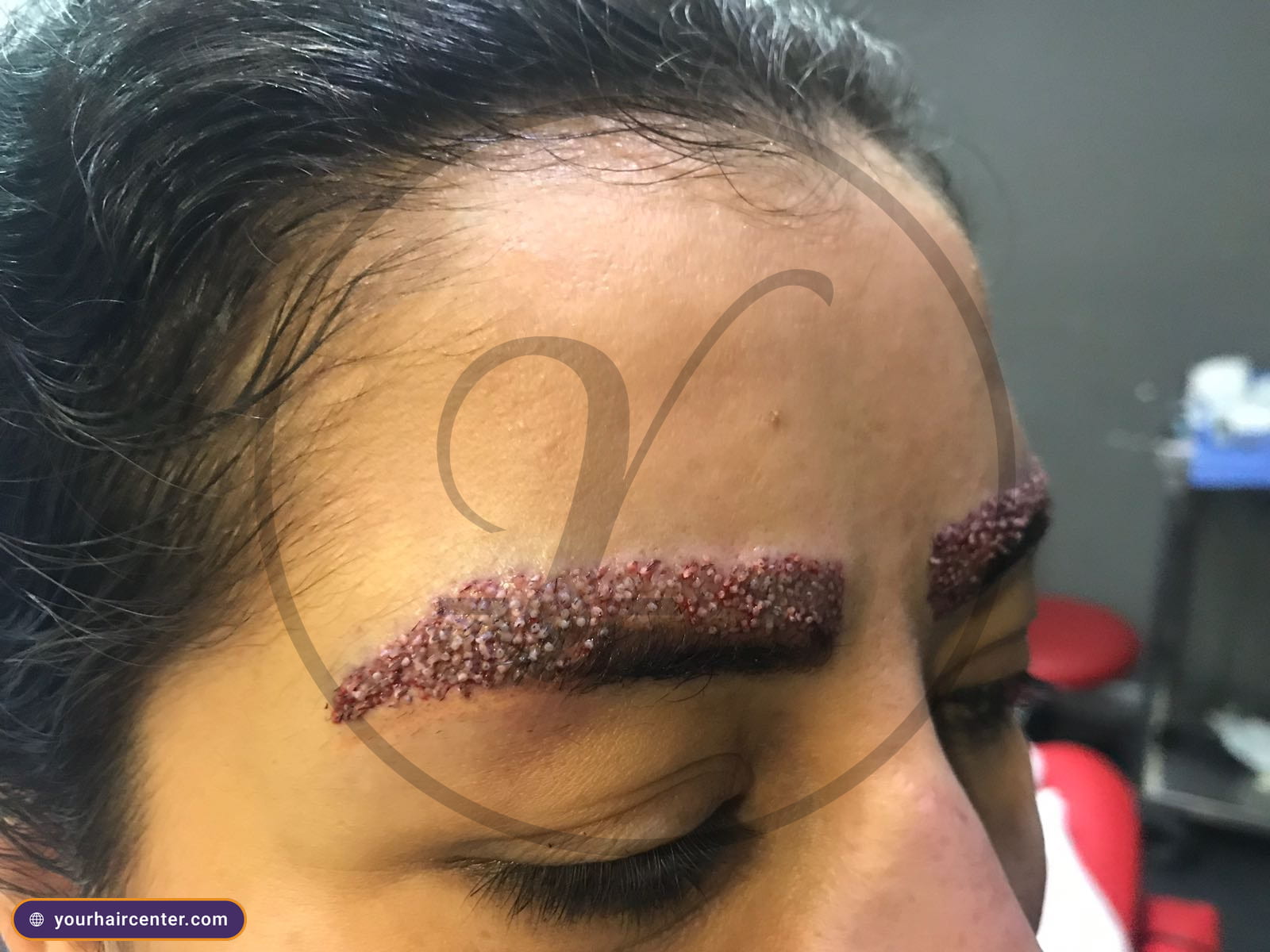
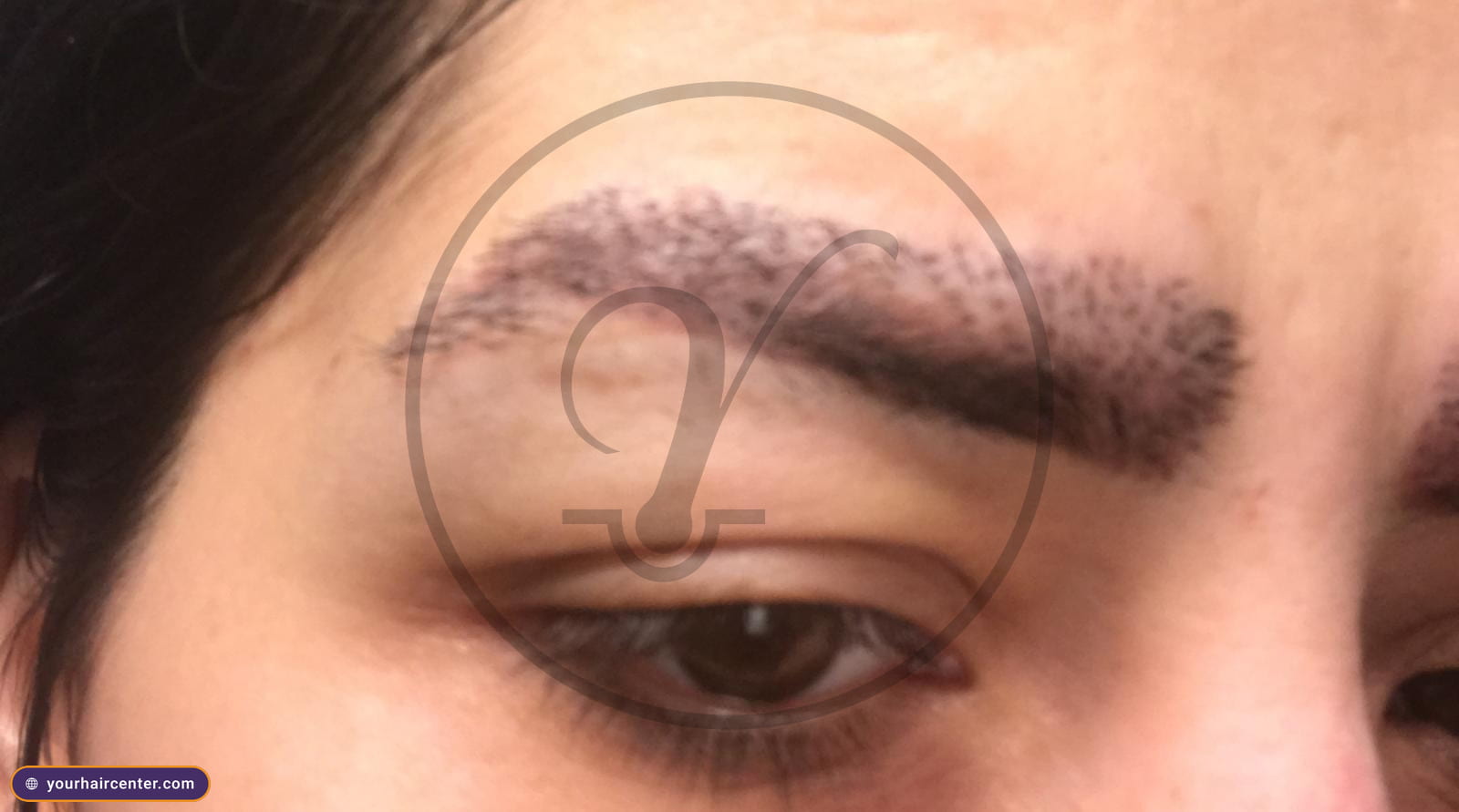
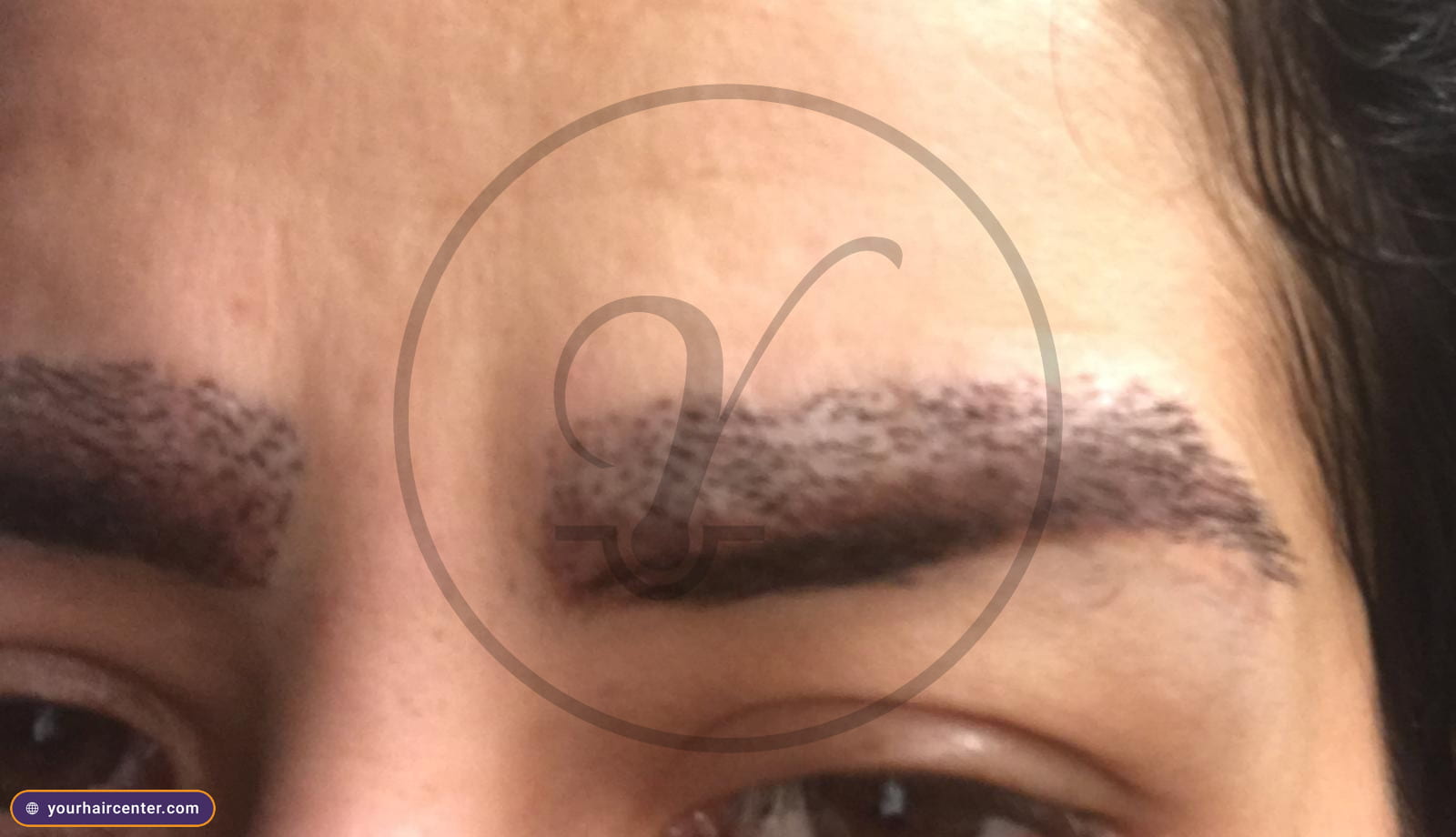
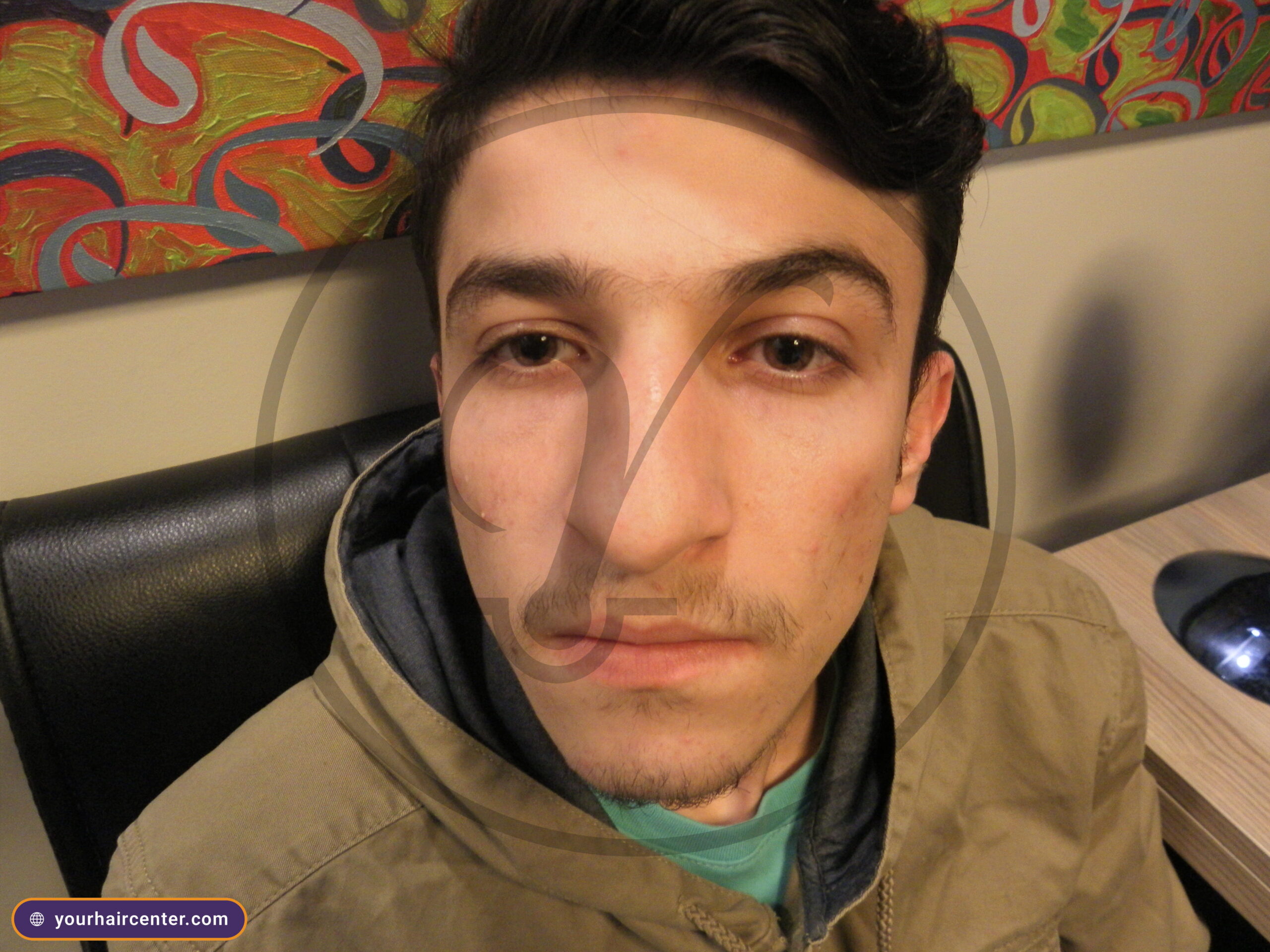
Real results from our patients’ archive. Photos exactly as captured at our accredited partner clinics, with no filters and no retouching. Browse more cases in our photo gallery.

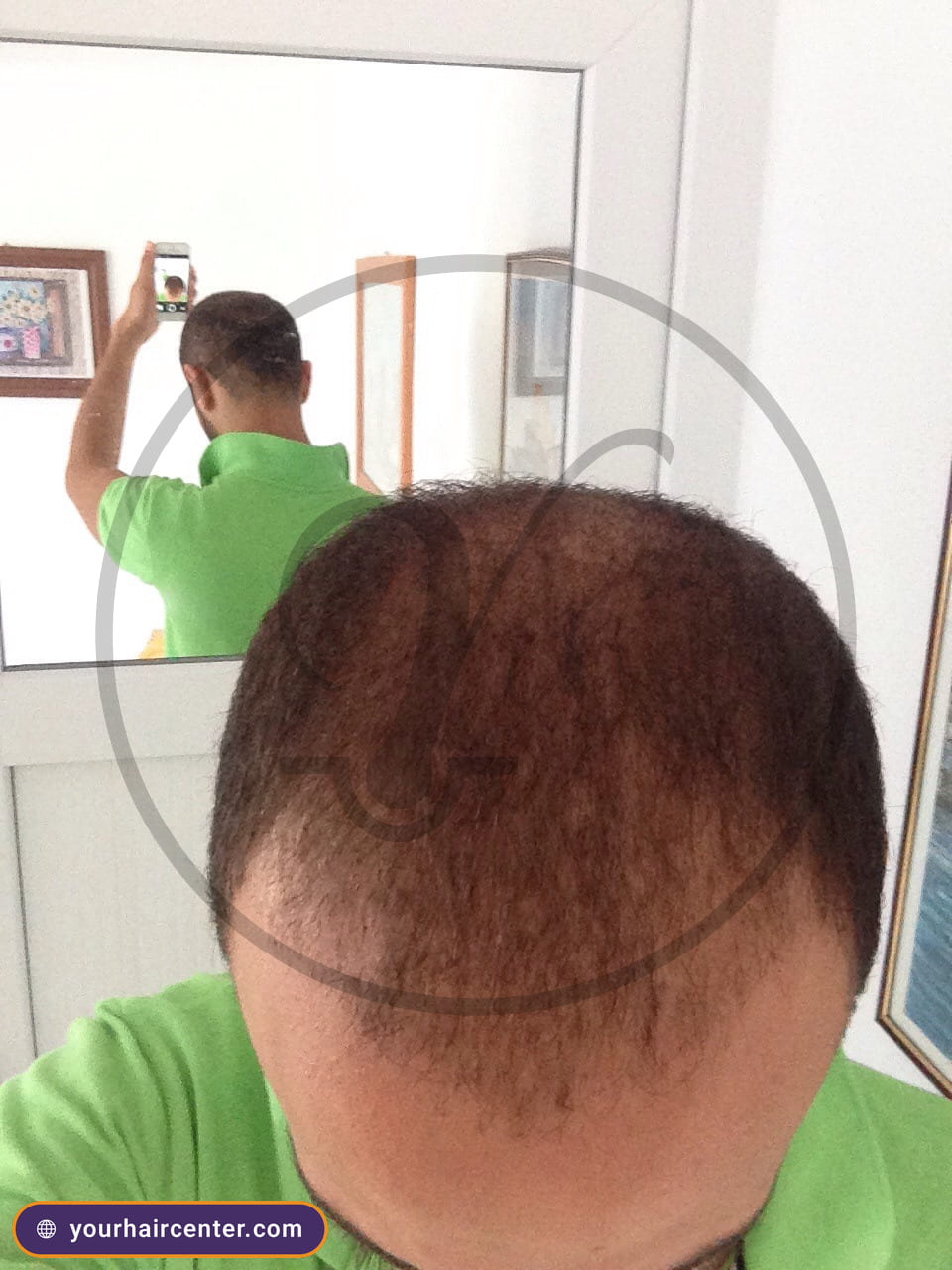
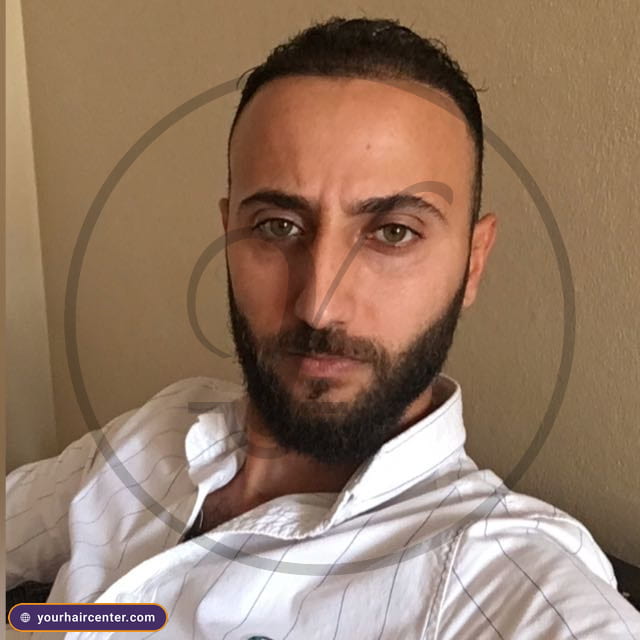
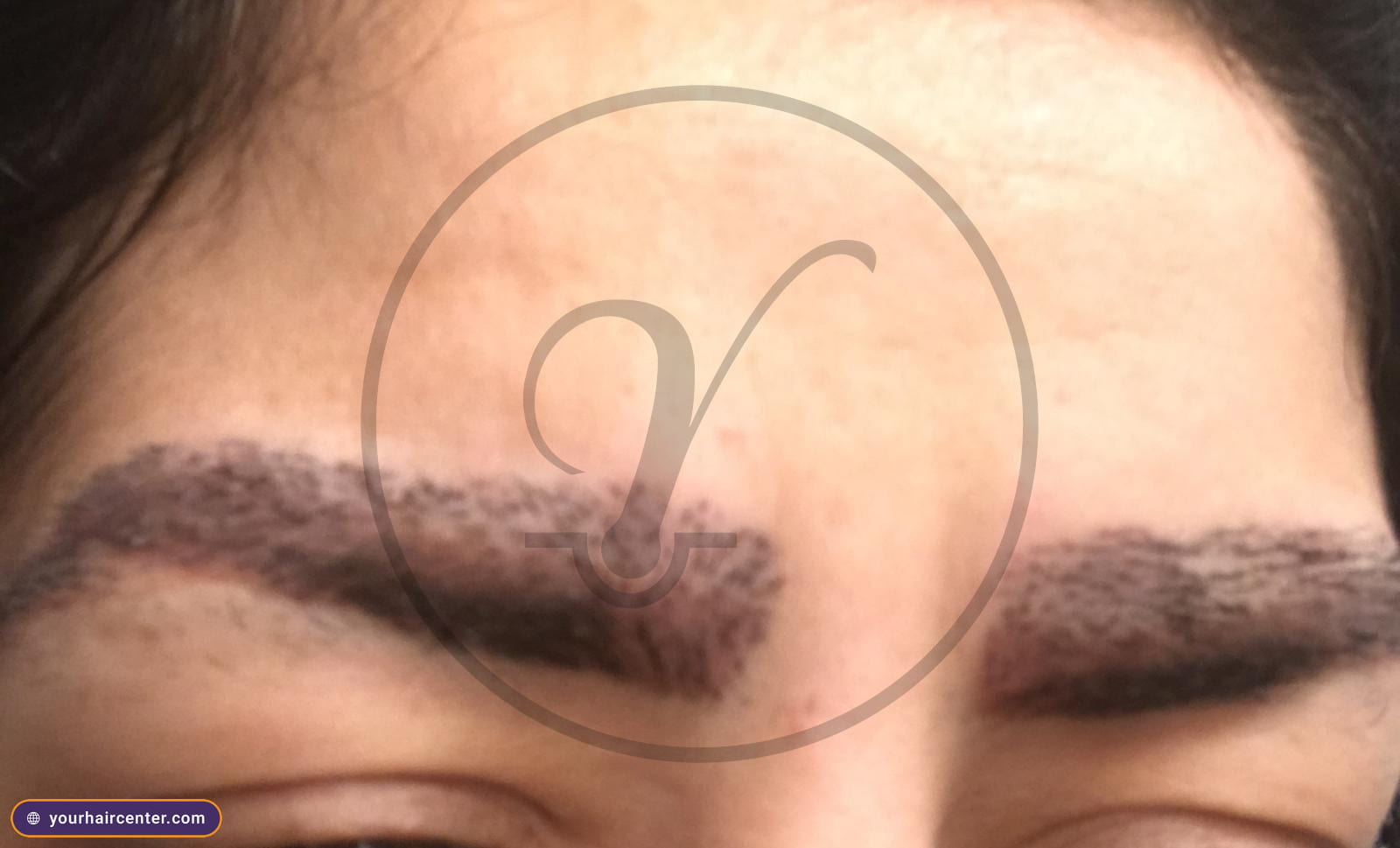
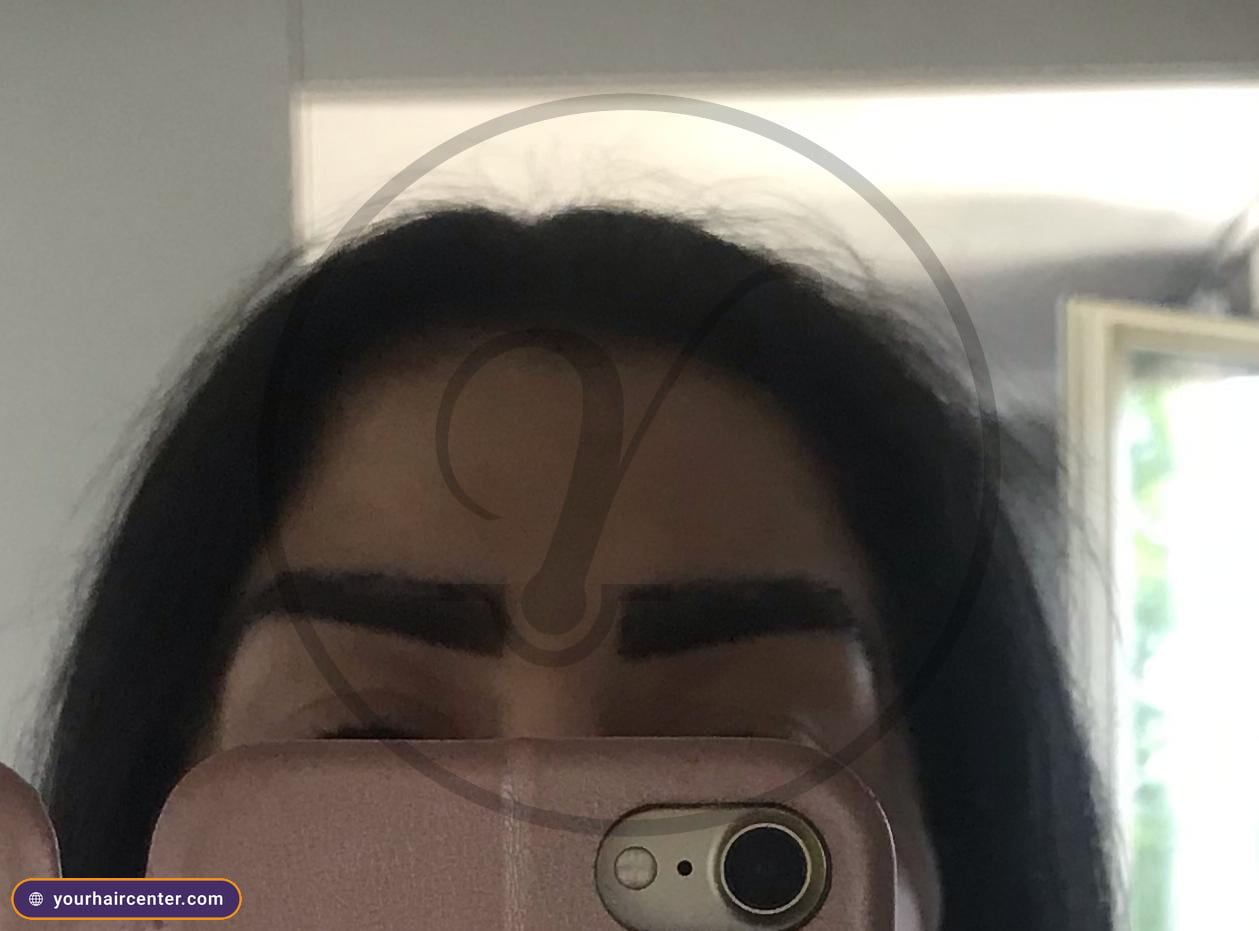
The 30-day window, with surgeon clearance
Clinics clear the first session once three conditions are met. The punch sites are fully closed with no surface scabbing remaining, there are no signs of infection at the donor or recipient zone, and the grafts have reached anchorage stability. The clinical rationale is straightforward. Anchorage stability means the new follicles are seated firmly enough that ultrafine-needle work near them will not dislodge them. Closed wounds carry far less infection risk than open ones. And the recipient zone needs its lymphatic and microvascular supply to recover before you add a nutrient load to it. This 30-day milestone is the canonical timing for mesotherapy after hair transplant across our post-transplant medical follow-up program, so you can self-screen against it before you ever message us. The number is not a marketing round figure, it is the point where the healing biology lines up with the demands of the protocol.
Why earlier is risky and later is fine
The timing of mesotherapy after hair transplant is not arbitrary. Three points explain the window.
- Starting before day 14 to 21 risks micro-trauma to grafts that have not finished anchoring. The early post-op window is exactly when any scalp-injection protocol carries the most risk [2:2], because the follicles are still settling into the recipient bed and have not built their new blood supply.
- Starting between day 21 and day 30 is the surgeon-judgment zone. It is called per patient at the medical-follow-up dermoscopy check, not on a fixed calendar date, because two scalps at the same post-op day can heal at different speeds.
- Starting after day 30 is uniformly safe, and the late window still works. Any first session of mesotherapy after hair transplant within months one through six still captures the dormant-follicle stimulation phase that drives most of the value, so there is no penalty for waiting until your healing is unambiguous.
How to confirm you are clear
The practical clearance step is a photo-share or in-person dermoscopy check with the medical-follow-up team at the 30-day mark. Surgeons look at the punch sites, the recipient bed, and the donor area, and the team makes the call from what the scalp actually shows rather than from the calendar alone. We bundle this 30-day check into the standard follow-up package, so the clearance call costs nothing on top of the transplant. Knowing when to start mesotherapy after a hair transplant is one of the most common questions recently operated patients ask, and the answer is always the same. Let the scalp, not the clock, give the green light. If you want to confirm your own timeline, you can ask about your 30-day clearance check on WhatsApp and send your post-op photos for review.
What mesotherapy after hair transplant adds to recovery
You may be open to the add-on without yet knowing what it does that your standard recovery package cannot. This is where mesotherapy after hair transplant earns its place, so each mechanism below is sourced to the published evidence rather than asserted. There are four biology-grade reasons the protocol is worth considering for the right patient, and they are recovery-specific rather than a repeat of the standalone benefits.
Improved scalp microcirculation around graft sites
The first reason to run mesotherapy after hair transplant is vascular. The cocktail’s vitamin and growth-factor blend is associated with improved local microcirculation in the injected zone [1:1]. That matters more after a transplant than at any other time. The recipient bed needs sustained vascular supply for the grafts to reach baseline survival expectations, and the surrounding non-grafted scalp needs the same support during the months when shock-loss-prone follicles are competing for a limited vascular budget. Most of the work that mesotherapy after hair transplant does happens through this single mechanism, keeping blood flow up around follicles that are either newly placed or temporarily stressed. Better perfusion early translates into a more reliable survival curve for the grafts you paid for.
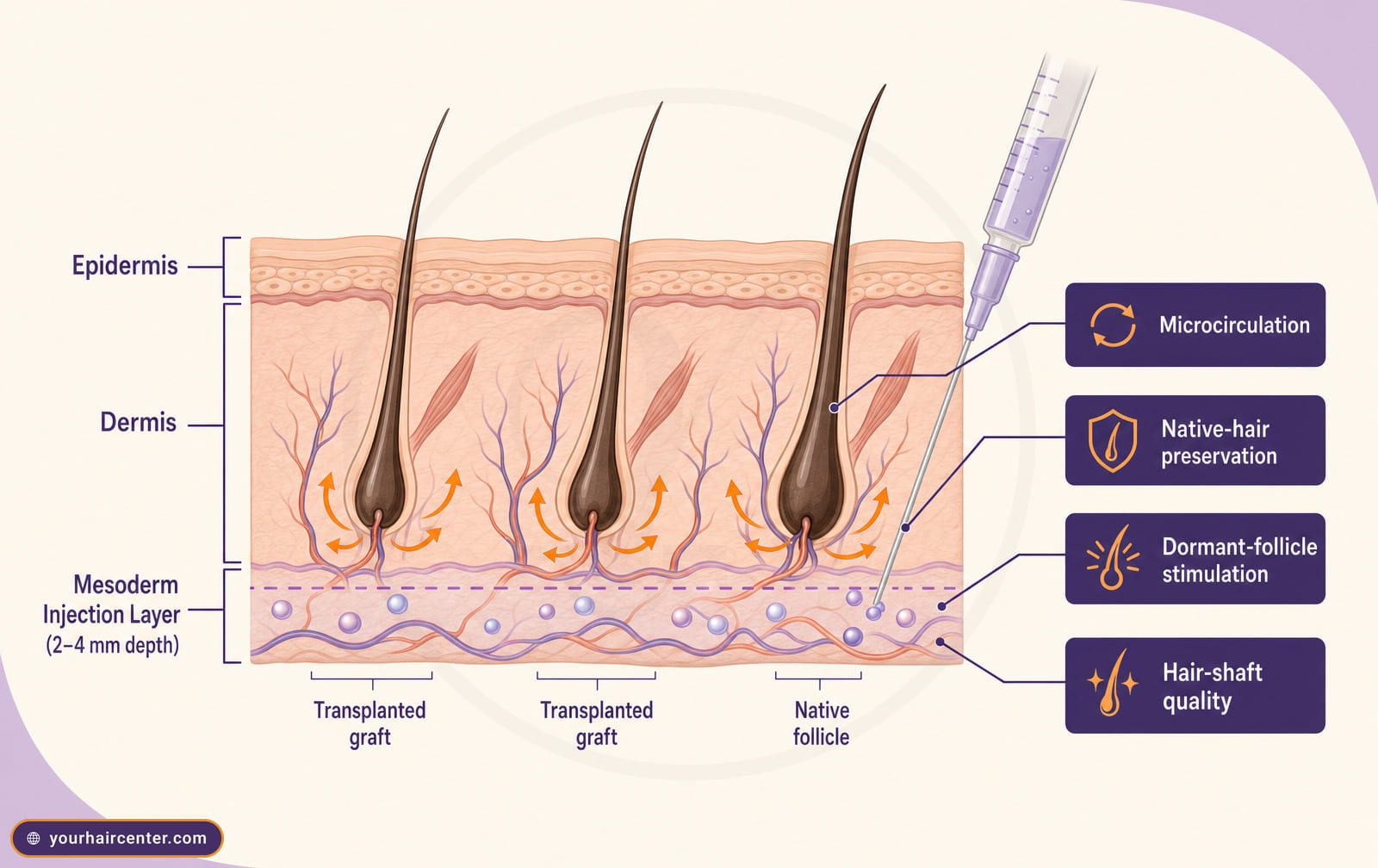
Native-hair preservation against shock loss
Post-transplant shock loss is the six-to-twelve-week period when surrounding native follicles enter a transient telogen phase, and you may look thinner than you did before surgery. It is temporary and the hair returns, but it is unsettling. Vitamin and growth-factor delivery to the non-grafted zones next to the recipient bed has been associated with reduced shock-loss severity in clinical reviews [1:2]. We want to be honest about the size of that effect. The published range is moderate rather than dramatic, and the methodology behind the early cohorts has been questioned [2:3]. The shock-loss benefit of mesotherapy after hair transplant is real but it is a meaningful nudge, not a guarantee, and anyone telling you otherwise is overselling. Native-hair preservation is the main reason shock-loss-prone patients see the clearest return from mesotherapy after hair transplant.
Dormant-follicle stimulation in the regrowth window
Months three through twelve are the highest-leverage window for mesotherapy after hair transplant and any non-surgical adjunct. By month three the grafts have started to produce visible new hair. By month six the native follicles released from shock loss are returning. By month twelve final density is typically reached. The cocktail’s growth-factor and amino-acid components support follicle cycling across this window [1:3], working on two fronts at once. They support the transplanted grafts maturing into terminal hair, and they support the dormant native follicles that have not yet returned from the shock-loss telogen phase. Timing your sessions to sit inside this window is what makes mesotherapy after hair transplant worth running at all, because outside it the marginal benefit drops off sharply.
Hair-shaft quality during regrowth
You are not only buying density, you are buying the quality of the hair that grows in. The fourth reason to run mesotherapy after hair transplant is shaft quality. The amino-acid and B-vitamin components of the cocktail feed the keratin pathway that determines whether new growth comes in wispy or terminal [1:4]. This is the most marketing-coded of the four mechanisms, so treat it as a supporting benefit rather than the headline. The evidence supports the direction, the formulation contains the right building blocks, and the result is incremental shaft-caliber improvement layered on top of the density work. For the broader efficacy picture across all patient types, the standalone mesotherapy program walks through the cocktail composition in full, and our medical follow-up during the regrowth window tracks how your specific case responds session by session.
What can change the 30-day start date?
The answer above gives you the headline. This section adds the per-patient nuance it deliberately leaves out. The real question once you accept the 30-day anchor is whether 30 days is right for you, or whether something specific to your case means you should wait longer before starting mesotherapy after a hair transplant.
Why 30 days is the canonical anchor
Three healing milestones must complete before injection-grade scalp manipulation is safe. Epithelialization of the punch sites finishes by roughly day 10 to 14. Graft anchorage stability is reached by roughly day 14 to 21. Lymphatic and microvascular recovery in the recipient zone settles by roughly day 28 to 35. The 30-day mark sits at the conservative end of that last milestone, which is why it is the consensus timing for mesotherapy after hair transplant across post-transplant recovery practice. Wait for all three and you are working on a scalp that can take mesotherapy after hair transplant without compromising the grafts. Rush any one of them and you trade a small scheduling convenience for a real graft-survival risk, which is never a good trade.
When the surgeon recommends pushing to 45 or 60 days
Three patterns push the start window for mesotherapy after hair transplant later than 30 days.
- Slow healers with documented crust persistence beyond day 14, visible on the 14-day photo-share check. If the scabbing has not shed on schedule, the punch sites are not ready.
- Patients with concurrent scalp conditions such as active seborrheic dermatitis, mild psoriasis, or a contact-dermatitis history. The underlying inflammation needs to settle first so the cocktail does not add to an already irritated scalp.
- Patients who had unusually large graft counts above the typical 3,500 to 4,000 range. A more diffusely manipulated recipient bed simply needs longer to fully heal before it can take the injections.
When the surgeon clears an earlier start
There are narrow cases where a day 21 to 28 start is cleared, and they are always the surgeon’s call rather than the patient’s. The typical profile is a patient with documented exceptional early healing on the 14-day check who also has a strong clinical case for early shock-loss intervention, for example visibly thin non-grafted zones next to the recipient bed that put them at elevated shock-loss risk. The follow-up team makes that decision explicitly on the dermoscopy check, weighing the early-window risk against the benefit of getting ahead of the shock-loss curve. This is the one situation where starting mesotherapy after a hair transplant a little early can be justified, and even then only with photographic evidence of clean healing.
The do-not-start-yet red flags
Before any first session of mesotherapy after hair transplant, run this self-screen. If any of these are present, the start window pushes later and you should contact the medical-follow-up team rather than booking a session with a local provider.
- Persistent redness or warmth at the donor or recipient site.
- Any sign of infection, including yellow crusting, discharge, or fever.
- Pain that has not steadily decreased from the day-3 baseline.
- Crusting that has not fully shed by day 21.
- Numbness or paresthesia that has not started to resolve.
None of these mean the protocol is off the table. They mean the scalp is not ready yet, and starting on an unready scalp is how a good add-on becomes a complication. When in doubt, the medical follow-up team that runs your 30-day check would rather review a photo than have you guess.
How many sessions do you need, and how often?
You know when to start. The next question is how long the commitment runs and how often you need to show up. The short answer is that mesotherapy after hair transplant is a lighter protocol than the standalone one, because the goal is different. After a transplant you are supporting recovery and attenuating shock loss, not building density from scratch, so the schedule is built to match that narrower job.
The 4-to-6 session post-transplant protocol
A typical protocol for mesotherapy after hair transplant runs 4 to 6 sessions over the three-to-six-month post-op window. The first session lands at the 30-day clearance mark, and subsequent sessions are spaced 3 to 6 weeks apart. The schedule is built backward from the 6-month dermoscopy check so the final session ideally lands a week or two before it, which lets the dermoscopy document the maturation while it is fresh. That cadence keeps the cocktail working across the dormant-follicle window without crowding the sessions so close together that the scalp never settles between them.
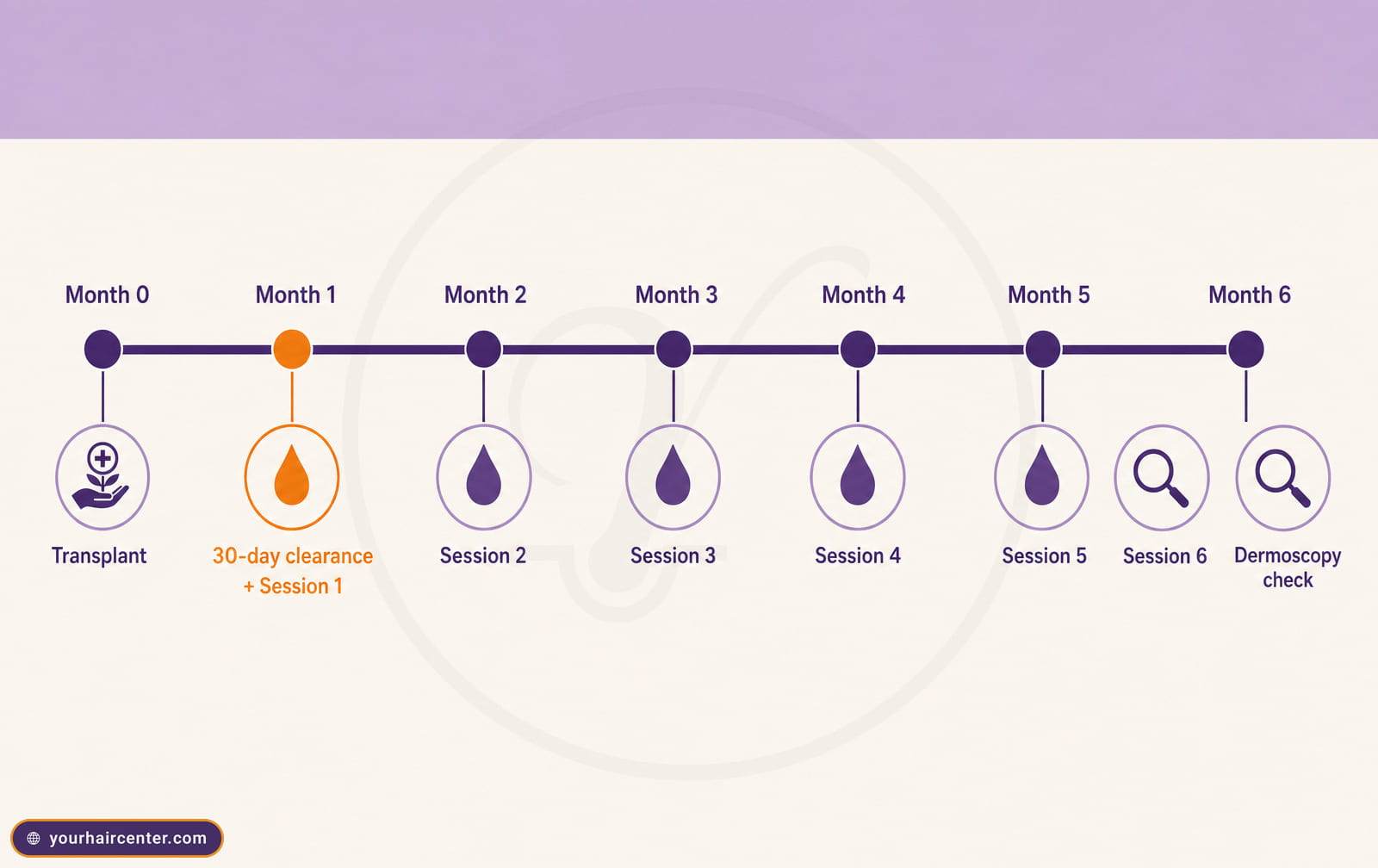
How this differs from the 8-session standalone protocol
The contrast with the standalone protocol is direct. The standalone mesotherapy program, for patients who are not transplant cases, runs 8 sessions and treats mesotherapy as the primary intervention against ongoing hair loss. The post-transplant version runs 4 to 6 sessions and treats it as an adjunct to the surgery. Lower session count, longer cadence between sessions, and a different end-point. Standalone aims at density gain on its own merits. Mesotherapy after hair transplant aims at graft maturation plus shock-loss attenuation, which is a narrower and shorter job, and that is why you should be skeptical of any provider who quotes you the full 8-session course as a post-op add-on.
What a single session looks like in the post-op context
A single session of mesotherapy after hair transplant is unchanged from the standalone version. It runs about 30 minutes, the cocktail goes into the mesoderm through ultrafine needles, there is no anesthesia, and there is no downtime. What changes in the post-op context is the cocktail composition. It tilts toward growth-factor and microcirculation-support components, and it avoids any actives the surgeon has flagged as contraindicated in the early-recovery window. The full session walkthrough lives on the standalone page rather than here, so you can read it there if you want the step-by-step. In practice a session of mesotherapy after hair transplant feels no different from a standalone one, the difference is in what goes into the syringe and when on the calendar it happens.
When 4 sessions is enough and when 6 is the right call
The dermoscopy at the 30-day clearance determines how many sessions of mesotherapy after hair transplant you run. Patients with low-density transplant zones under roughly 35 grafts per square centimeter, patients at high shock-loss risk with visibly thin adjacent non-grafted zones, or patients with concurrent thinning in the donor surround typically run the full 6-session schedule. Patients with high-density transplant zones and a clean adjacent scalp typically run the 4-session minimum. The 6-month medical follow-up dermoscopy check confirms whether the schedule should extend.
Who needs mesotherapy after hair transplant and who does not
You are paying for this, and you deserve honesty about whether someone like you actually needs mesotherapy after a hair transplant. The marginal density gain is not worth the marginal cost for everyone, and we would rather tell you that than sell you a protocol you do not need.
Patients who benefit most
Three profiles get the clearest benefit from mesotherapy after hair transplant.
- Low-density transplant zones, meaning recipient-bed plans calling for under roughly 35 grafts per square centimeter, typical for crown coverage in extensive-loss cases or hairline feathering in long-receded patterns. Here every bit of graft-survival support counts.
- Shock-loss-prone patients with visibly thin non-grafted zones next to the recipient bed. For them the native-follicle support from mesotherapy after hair transplant is the more measurable benefit, even more than the graft-survival lift.
- Patients with concurrent non-grafted thinning elsewhere on the scalp that the transplant did not address. For these mesotherapy for hair transplant patients the protocol doubles as standalone treatment for the untreated zones.
Patients where the protocol is borderline
Two profiles sit in the patient’s-call zone rather than the clinical-recommendation zone. First, high-density transplant patients above roughly 50 grafts per square centimeter with a clean adjacent scalp, where the marginal benefit of mesotherapy after hair transplant is small and the spend is more about peace of mind than measurable lift. Second, patients with healthy donor-surround density and no shock-loss risk markers, where the standard recovery package already covers the support and the add-on is genuinely optional. Clinics should frame both as the patient’s decision and avoid nudging toward the higher spend.
Patients where the protocol is over-treatment
Some patients do not need mesotherapy after hair transplant, and we say so. Patients with isolated focal restoration, meaning a single small zone with a healthy scalp everywhere else and no shock-loss markers, are over-treating with the full protocol. Patients still in the active-shedding phase of an underlying androgenetic-alopecia condition that the transplant did not address are running the wrong sequence. They need to stabilize the underlying loss with topical or oral protocols before adding mesotherapy after hair transplant. And patients on blood thinners or with active scalp inflammation are not candidates regardless of transplant context, the same contraindications that apply to standalone mesotherapy. Women with shock-loss-prone diffuse patterns around a women’s hair transplant sit in the benefit-most group more often than men, because their loss pattern more frequently involves the non-grafted surround.
How the team makes the call at the 30-day check
Two inputs decide it. The dermoscopy at the 30-day clearance, and the graft-count and zone-distribution data from your original transplant plan. We frame the result as a recommendation, not a sale, and "we do not recommend the add-on for your case" is a perfectly normal outcome. The hair and scalp analysis we run before quoting any case feeds the same data into the decision, so the call on mesotherapy after hair transplant is made on evidence rather than on a default upsell.
Should you fly back to Istanbul or use a local provider?
Most patients do not stay in the city of the transplant for the whole course of mesotherapy after hair transplant. Ours flew in from Atlanta or London or Sydney for the surgery and are back home for the recovery. There are three realistic ways to run mesotherapy after hair transplant, and the right one depends on where you live.
Option 1, fly back to Istanbul for the sessions
Returning to the original clinic for mesotherapy after hair transplant is the cleanest clinical outcome. The same medical team that did your transplant administers the sessions, the cocktail is tuned to the recipient-bed observations from your surgery, and the 6-month dermoscopy is in person rather than over photos. The trade-off is practical, namely four to six extra trips to Istanbul over six months, which adds airfare and accommodation to the budget. It is the right path for patients within a roughly five-hour direct-flight radius, much of Europe, the Gulf, and parts of North Africa, and for anyone whose work schedule absorbs the trips. If you prefer to consolidate sessions into fewer, longer stays, the extended-stay accommodation package supports patients who want to batch multiple sessions into one Istanbul visit.
Option 2, find a local provider to administer the prescribed cocktail
This is the more practical path for the US patient who is ten to fourteen hours of flight time away. To run mesotherapy after hair transplant this way, the medical team supplies the cocktail composition and the per-session protocol to a vetted local provider in your home market, the local provider administers on the prescribed schedule, and the dermoscopy happens on a photo-share basis, with one in-person Istanbul check at the 6-month or 12-month milestone for patients who want it. The trade-off is that the cocktail composition vetting depends on what the local provider can legally source. In the US specifically, certain advanced actives that a surgeon might flag as appropriate in rare cases cannot be used in the mesotherapy route by a US clinic, so the cocktail is tuned around that constraint. This is the right path for the cost-conscious US or UK patient whose session budget cannot absorb four to six round trips.
Option 3, the home-administered route, where it is legal
This is a narrower path for running mesotherapy after hair transplant in jurisdictions that permit self-administration of certain mesotherapy actives, which varies widely and is your responsibility to verify. We provide the cocktail composition and session-protocol guidance, and you self-administer under remote supervision from our team. It is the lowest-cost and the lowest-trust option, and we frame it honestly. It suits patients with prior medical training, or those in jurisdictions where home administration is well established, such as parts of mainland Europe. In the US and UK this route is generally not appropriate, and we will tell you so rather than pretend otherwise.
The recommended default, the bundled path
For most patients the recommendation is to bundle a meaningful portion of the protocol into the original transplant package. Sessions one and two are administered in Istanbul during a post-op stay extension, and sessions three through six are administered locally or in Istanbul on a later trip, whichever fits your life. This consolidates the in-person work into the trip you are already taking and keeps the local-provider dependency limited to the lower-stakes later sessions. It is the path the package is built around, and it is what most patients land on after running the trade-offs for mesotherapy after hair transplant.
Is it cheaper to bundle sessions or buy them at home?
The remaining question is the money, framed against the realistic alternative, which is running mesotherapy after hair transplant later, back home, as a standalone purchase. The job here is to give you the bundled-versus-standalone framing honestly.
The bundled-into-package framing
When mesotherapy after hair transplant is bundled into your original surgical package, the marginal cost of adding the sessions sits at the low end of the all-inclusive band. You are paying the Istanbul session price for sessions that would cost meaningfully more at a US or UK clinic. We do not publish a hard add-on figure here because it depends on your case and your session count, and the precise number comes with your quote. What we can say is that Istanbul session pricing for mesotherapy after hair transplant runs well below US and UK clinic pricing for equivalent clinical quality, which is the whole reason the bundled path is the cheaper of the two.
The standalone-back-home framing
Now compare the realistic cost of running the same protocol from scratch at a US or UK clinic after you are home. Single-session pricing for hair mesotherapy at a domestic clinic runs well above the Istanbul session rate, and across four to six sessions the standalone-back-home total reaches multiples of the bundled add-on. We are deliberately not quoting a domestic dollar figure here, because the reliable published sources for it are competing clinics we will not cite, and a number we cannot stand behind is worse than no number. The directional truth is solid even without a hard figure. Buying mesotherapy after hair transplant standalone and later is materially more expensive than bundling it now.
The total-cost-of-ownership view across the recovery year
Add up the full cost of mesotherapy after hair transplant across the year. The transplant package, the bundled meso add-on, the medical-follow-up package, and the optional accommodation for extended stays, against the alternative stack of a transplant in one country, a return home, standalone mesotherapy in another country, no integrated dermoscopy follow-up, and separate billing across providers. The bundled path is consistently the cheaper of the two, and it produces the better clinical outcome because the team running the protocol is the team that ran your surgery. If you want to see what sits inside the package, the all-inclusive transplant packages itemize the inclusions, and you can always add the standalone mesotherapy program later if you decide to run it from home instead.
Frequently asked questions about mesotherapy after hair transplant
Is mesotherapy necessary after a hair transplant?
Mesotherapy after hair transplant is not necessary for every patient. It is recommended for patients with low-density transplant zones, shock-loss-prone profiles, or concurrent non-grafted thinning, and it is over-treatment for patients with high-density transplant plans and a clean adjacent scalp. The 30-day medical-follow-up dermoscopy is the decision point. We frame the call as a clinical recommendation rather than a default upsell, so a "not needed for your case" answer is a normal and honest outcome.
Does mesotherapy thicken hair?
Yes for hair-shaft caliber during the regrowth window. The cocktail’s amino-acid and B-vitamin components support keratin synthesis for the new growth [1:5], which improves shaft thickness over the course of mesotherapy after hair transplant. The honest caveat is that the published effect-size is moderate rather than dramatic. Expect a measurable improvement in hair quality layered onto the density work, not an overnight transformation.
What did Elon Musk use to regrow his hair?
We do not speculate on any named individual’s specific treatments, because no public clinical record exists. The useful answer is the one that actually helps you. The clinically evidenced non-surgical options for hair loss are oral or topical finasteride, oral or topical minoxidil, PRP, and mesotherapy as a combination protocol, sometimes with a dutasteride add-on for eligible patients. The standalone mesotherapy program covers how these combine, and which the evidence supports for your loss pattern.
What is the downside of mesotherapy?
The honest downsides of mesotherapy after hair transplant are the session count over three to six months, which is a real time commitment, the marginal cost on top of the transplant package, and mild redness or tingling at the injection sites for a few hours after each session. There is also a rare risk of allergic reaction to a cocktail ingredient, which the patch test before the first session is designed to screen for. The broader safety profile of mesotherapy after hair transplant is established in the literature [2:4], with major complications uncommon when a licensed provider runs the protocol.
Deciding on mesotherapy after hair transplant
The decision comes down to a short set of facts. Start at about 30 days, only once the medical-follow-up team has cleared your scalp on the dermoscopy check. Run 4 to 6 sessions across the three-to-six-month window rather than the full 8-session standalone course. Lean toward bundling the early sessions into your transplant trip and handling the rest locally, because it is both cheaper and cleaner than buying the protocol standalone back home. Mesotherapy after hair transplant is the strongest published non-surgical add-on you can layer onto the first year of recovery, and it earns its place when your case fits the eligibility profile. The fastest way to find out whether mesotherapy after hair transplant fits yours is a free WhatsApp evaluation for your transplant recovery plan, and you can browse the Hair Treatments program overview to see how the recovery add-ons fit together.
References
-
Aledani EM, et al. Mesotherapy as a Promising Alternative to Minoxidil for Androgenetic Alopecia: A Systematic Review. Cureus, 2024. PMC open-access,
https://pmc.ncbi.nlm.nih.gov/articles/PMC11152360/. ︎ ︎ ︎ ︎ ︎ ︎ -
Mysore V. 2010, "Mesotherapy in Management of Hairloss, Is it of Any Use?" critical commentary on mesotherapy injection-protocol safety and evidence. PMC open-access,
https://pmc.ncbi.nlm.nih.gov/articles/PMC3002412/. ︎ ︎ ︎ ︎ ︎