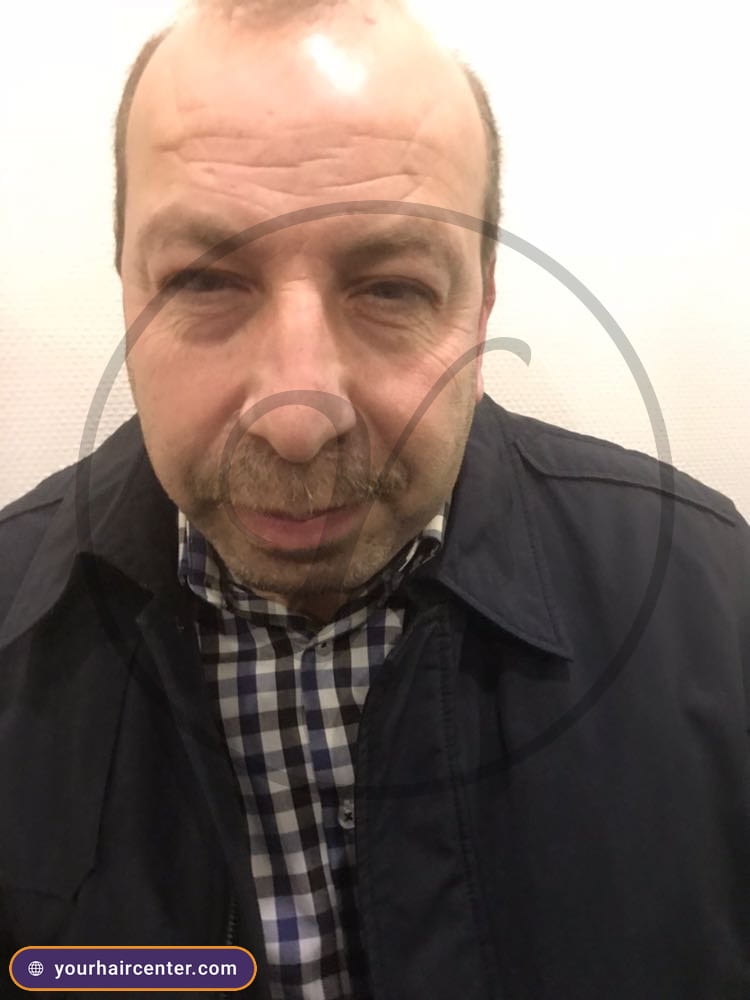
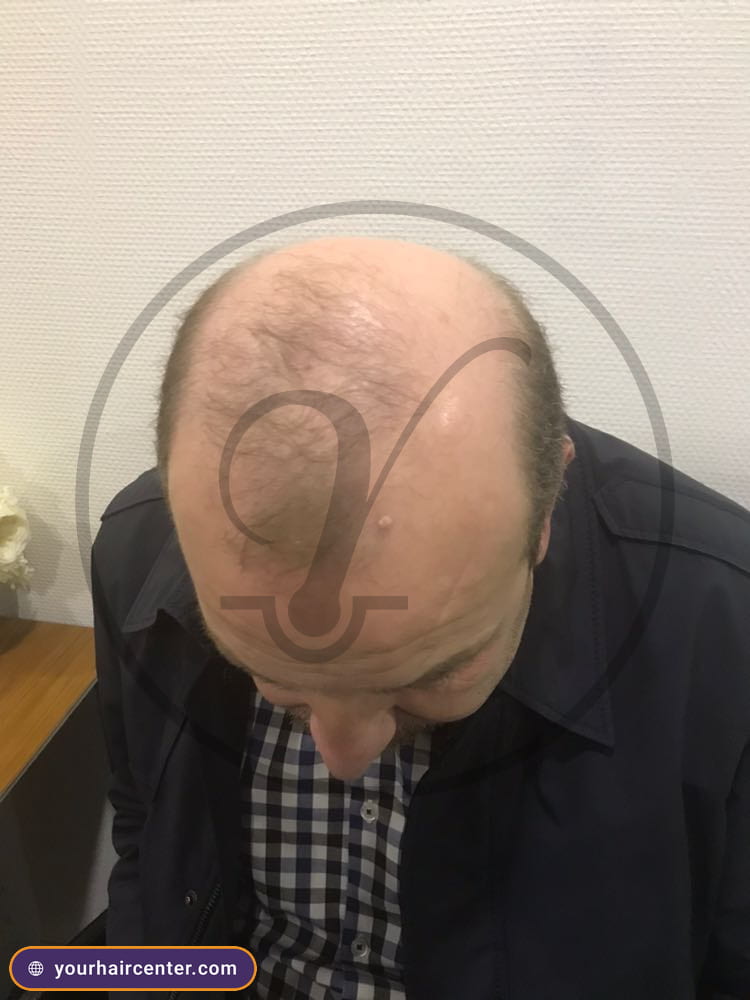
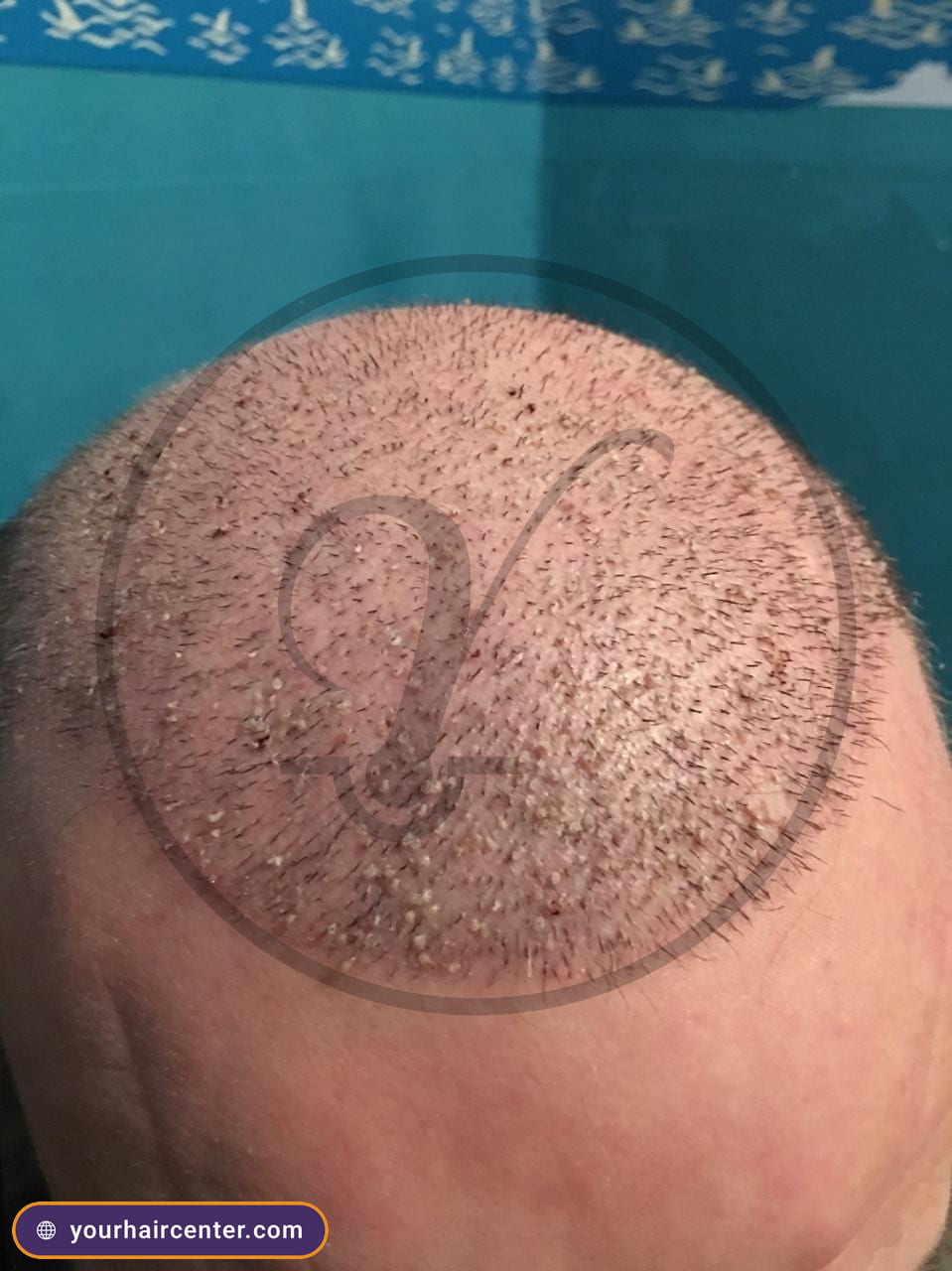
Worried your result is not growing in as it should. A failed hair transplant is uncommon and largely preventable, but the early signs are easy to miss and easy to confuse with normal shock-loss. This evidence-led guide explains how to tell true failure from healthy regrowth, the clinic-side and patient-side causes behind almost every poor outcome, the failure rates peer-reviewed studies actually report, and the realistic repair options open to you if your transplant did not take.

A failed hair transplant is one that has not filled in by about twelve months after surgery, or one that has left an unnatural hairline, a visibly thinned donor area or lasting scars. True failure is uncommon. When grafts do not grow, the usual cause is technical error, such as grafts damaged during extraction, handled roughly, left to dry out or kept out of the body too long.[1]
It is also the fear that keeps many men from booking the procedure they have spent months researching. You have seen the patchy hairlines and the visible donor scarring online, and now the possibility of paying for a transplant that simply does not grow has become the thing blocking your consultation request. A failed hair transplant after FUE is real, but it is bounded and clusters around a small set of structural causes. This guide does three things in order. It describes the diagnostic signs that separate a true failed hair transplant from normal post-op shock-loss, explains the clinic-side and patient-side causes behind nearly every failure mode, and walks through what genuine repair actually involves. Every number below is sourced to peer-reviewed studies or to professional and regulatory bodies, not to forum anecdote.
How to Tell a Failed Hair Transplant From Normal Shedding
Before you can judge your own result, you need to know what failure looks like and, just as importantly, what it does not. The most useful reference point is the normal FUE growth timeline, where transplanted hair sheds during a shock-loss phase in months one to three, fills in over months six to eight, and reaches its final density at ten to twelve months. Failure is the absence of that final density, not the temporary shedding along the way.
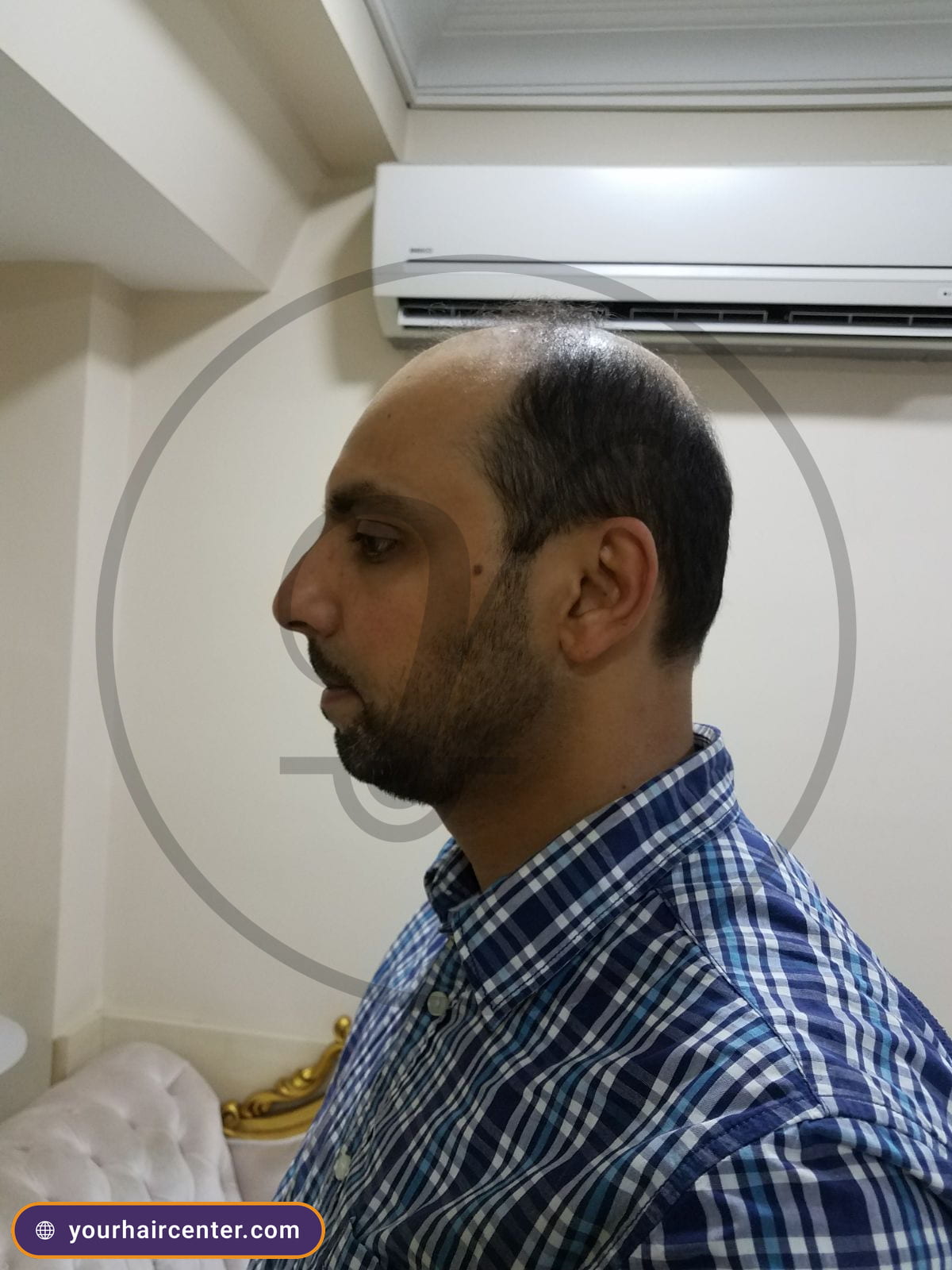
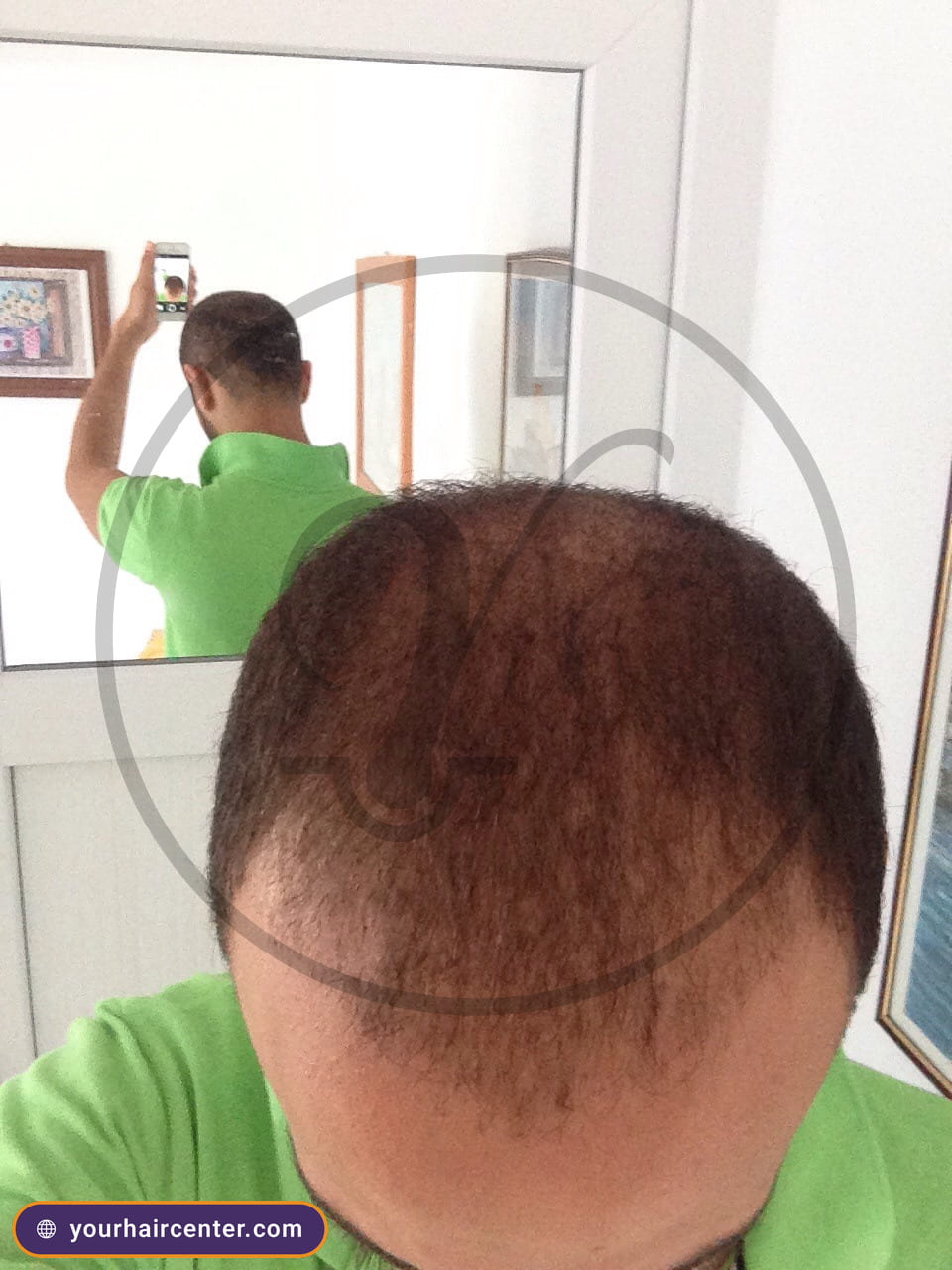
There are four visible signs of a failed hair transplant that most patients can spot in a mirror.
- An unnatural or "pluggy" hairline, where grafts sit too straight, too dense, or at the wrong angle.
- Patchy, thin growth that has not improved by month twelve.
- Visible thinning in the donor area at the back of the head, sometimes described as a "moth-eaten" look at short haircut lengths.
- Persistent scarring or redness beyond month six.
A failed hair transplant also has clinical signs you will not catch in a mirror. Folliculitis that persists past month three, areas of skin necrosis (tissue death) in the recipient zone, donor overharvesting visible only at short haircut lengths, and persistent numbness in the recipient site beyond month four.[1:1]
The diagnostic rule that matters most is timing. No FUE result is formally classified as a failed hair transplant until the ten-to-twelve-month growth window has closed without density restoration. Declaring failure at month four simply confuses normal sparse-density-in-progress with a true poor outcome.
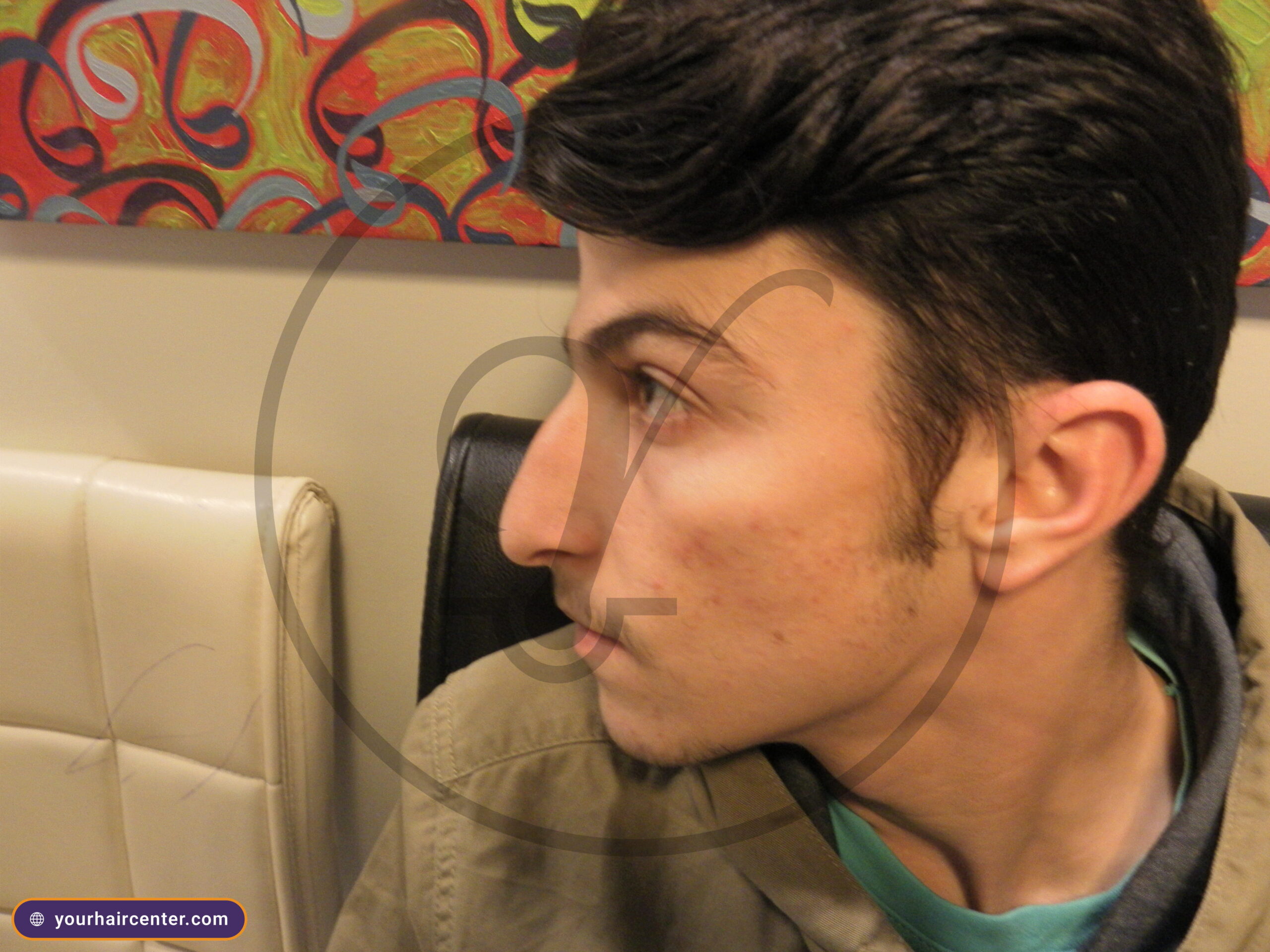
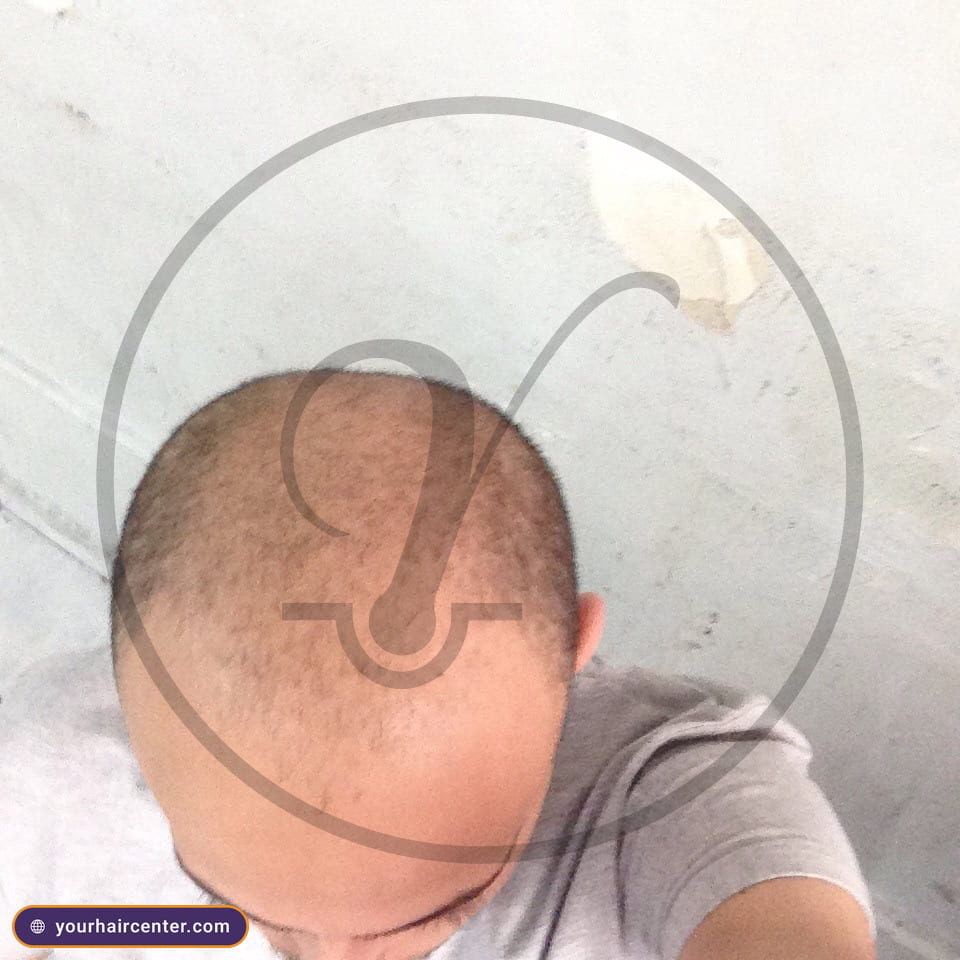
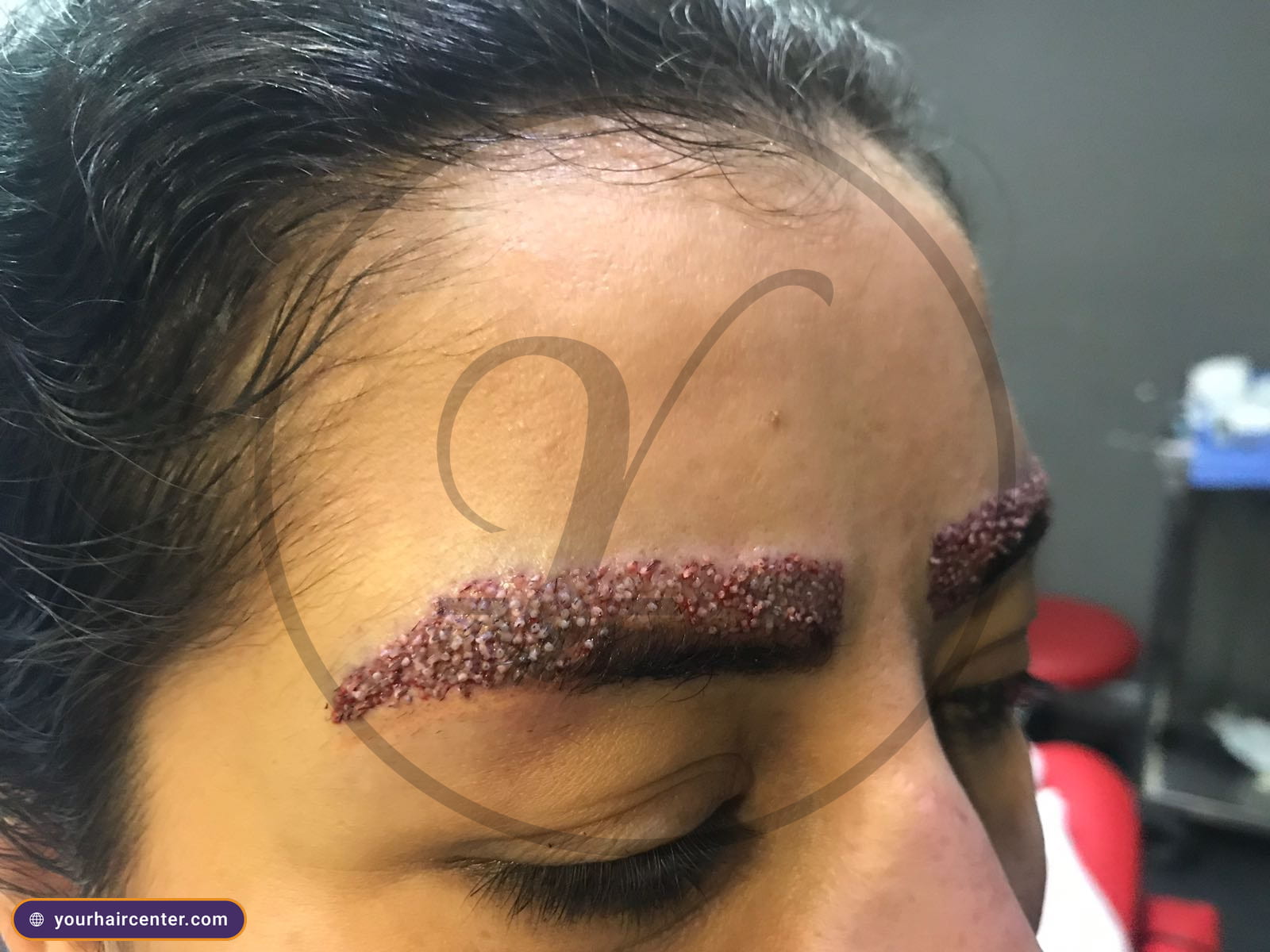
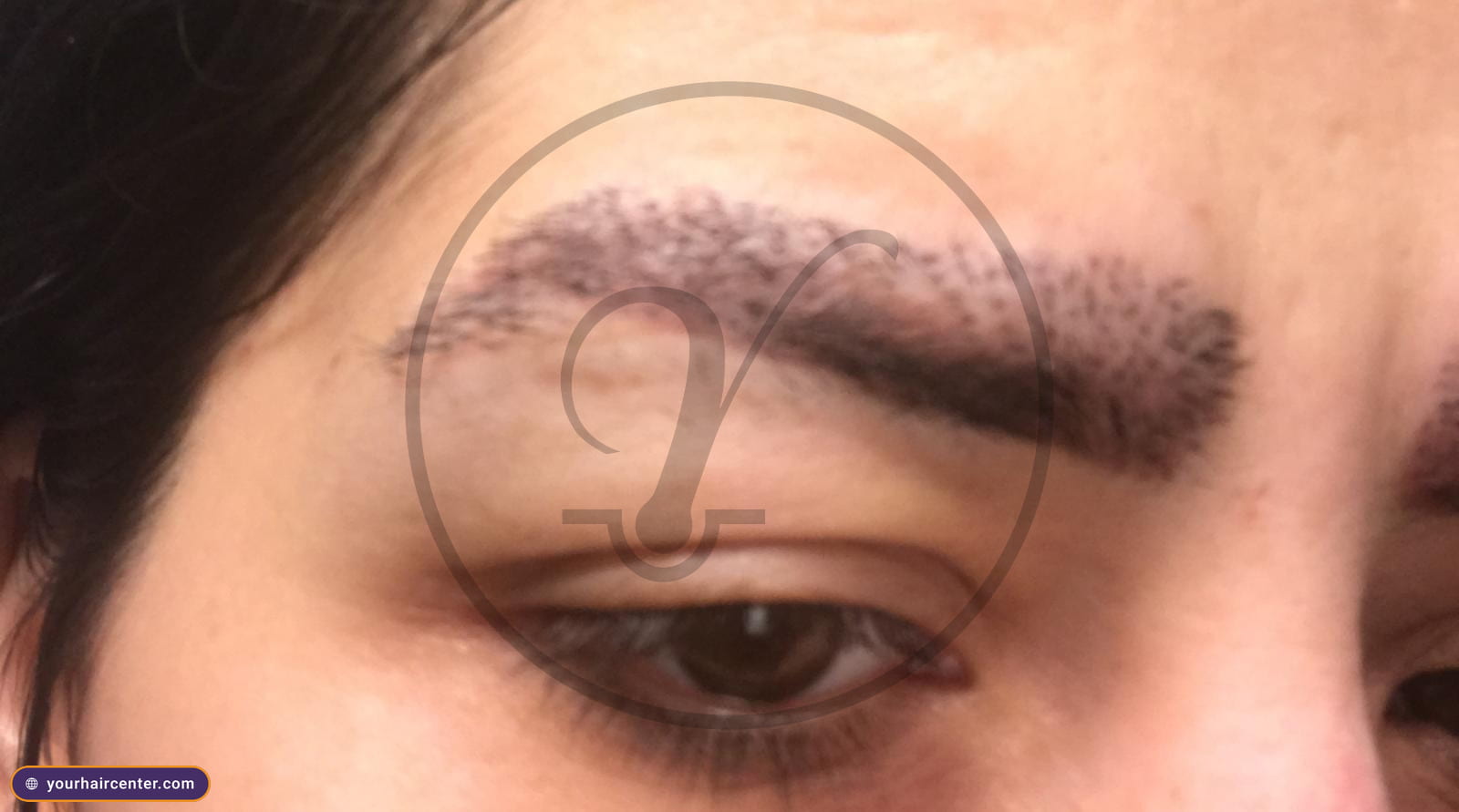
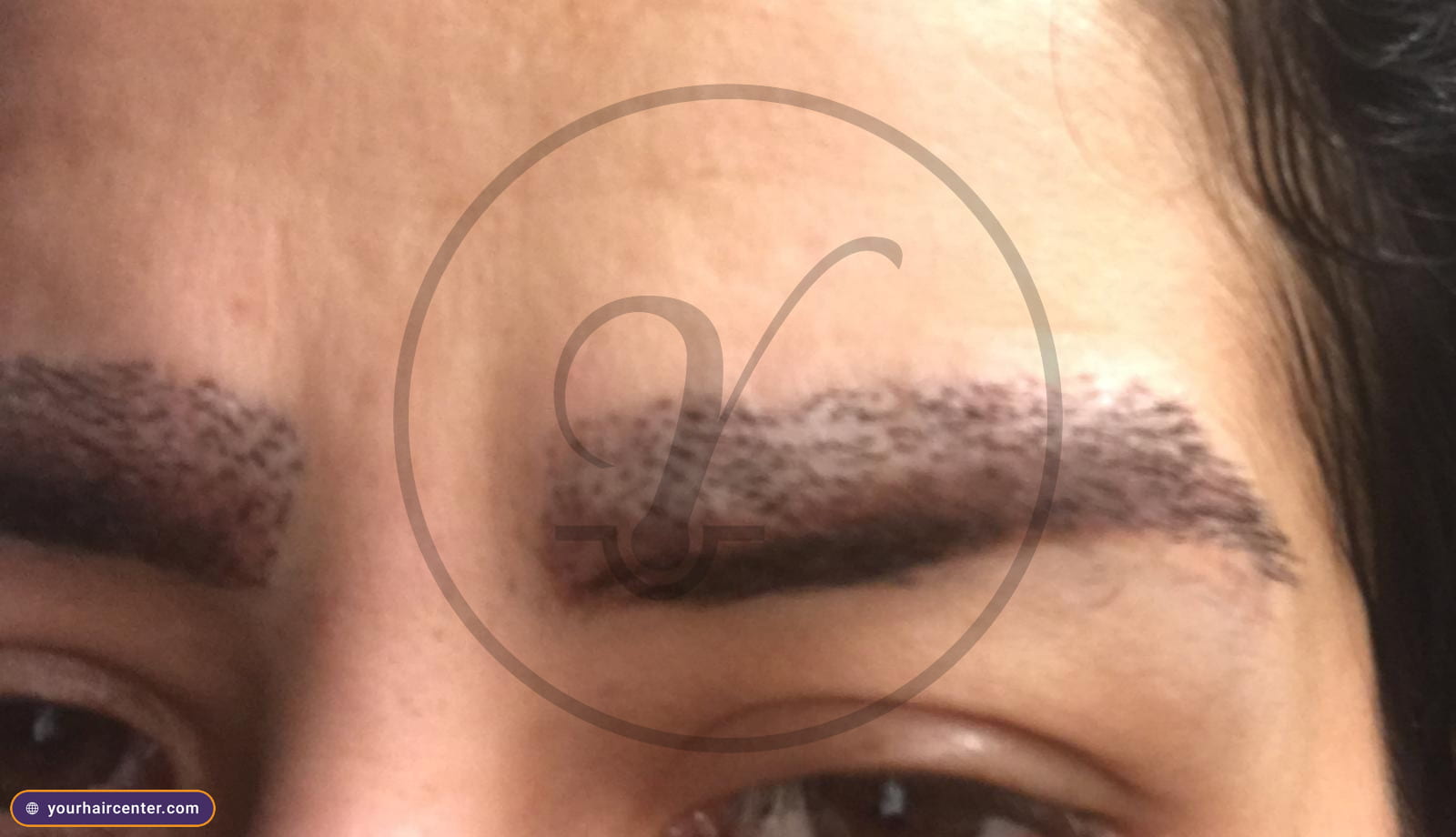
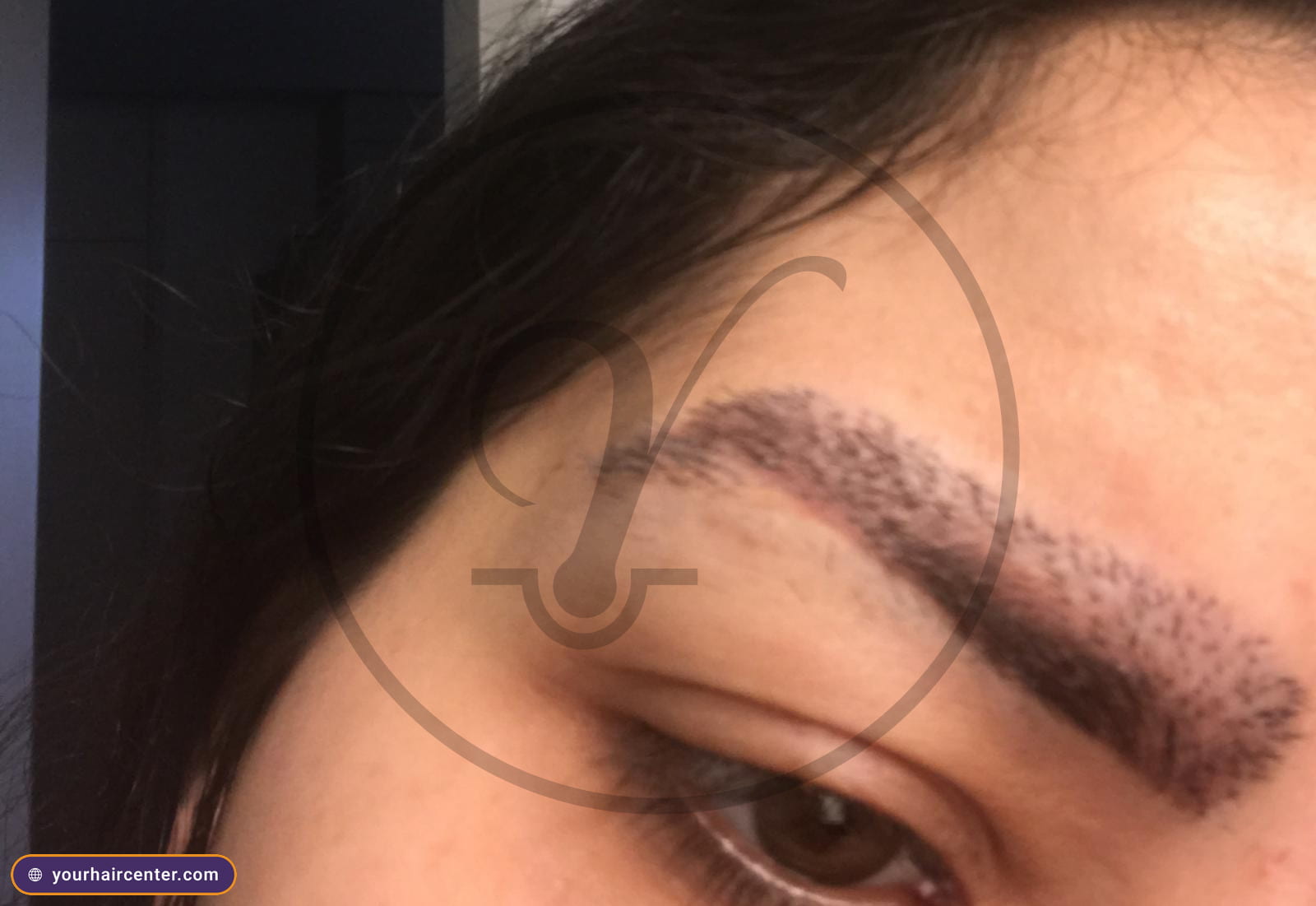
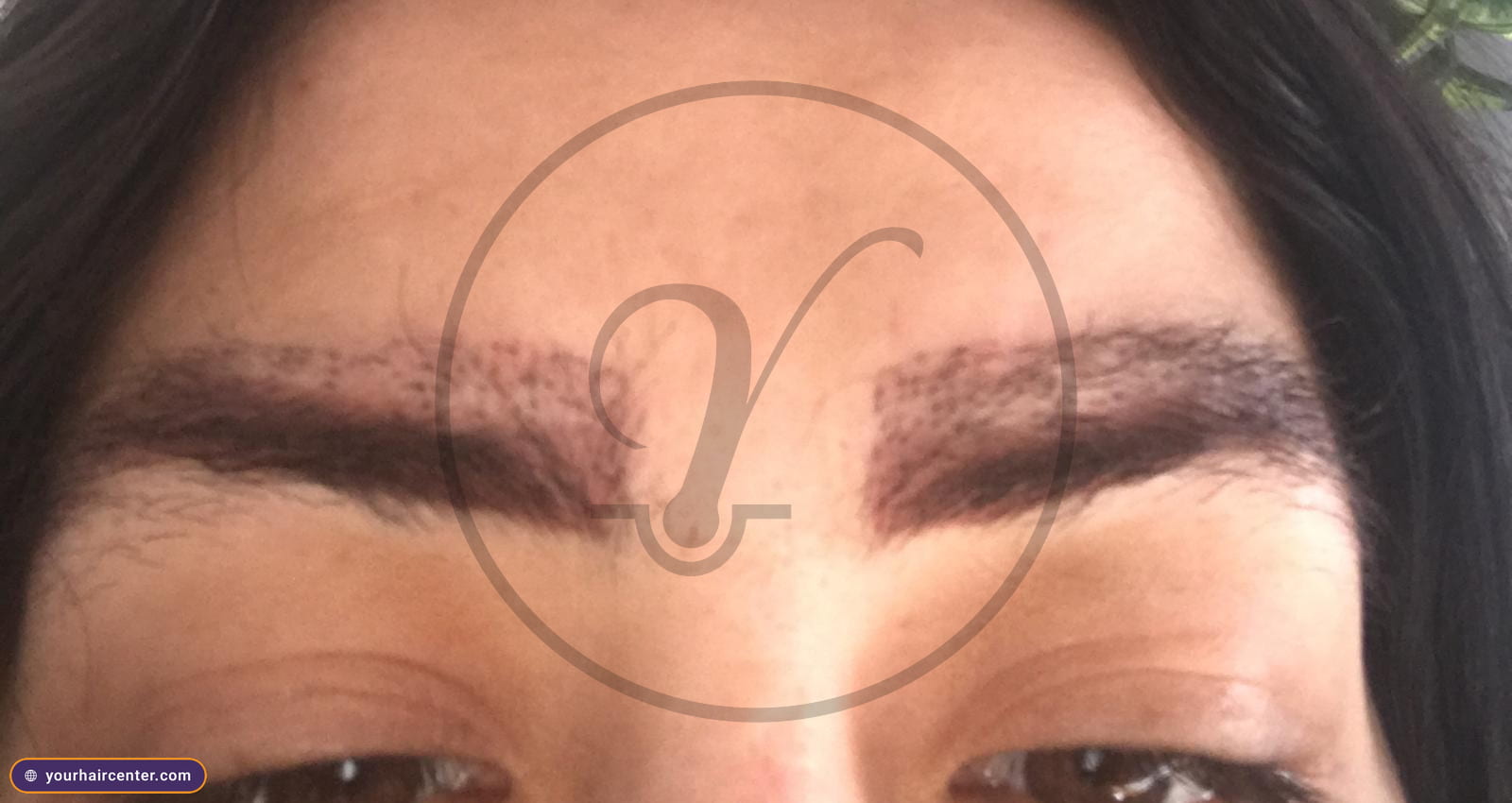
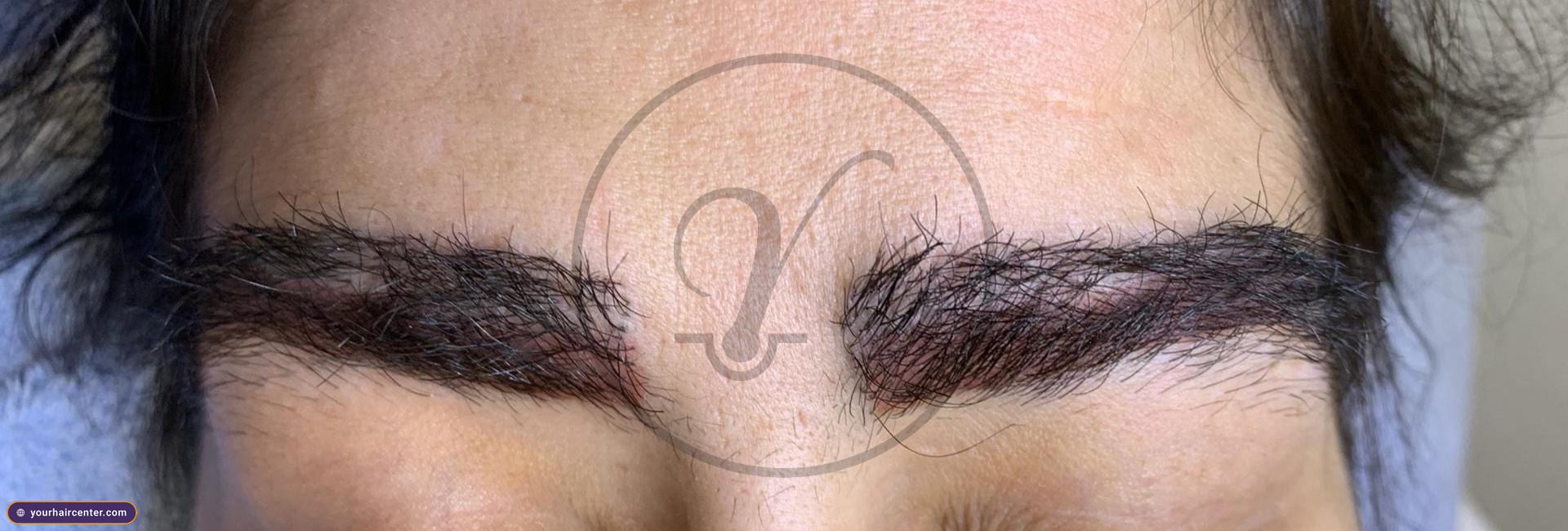
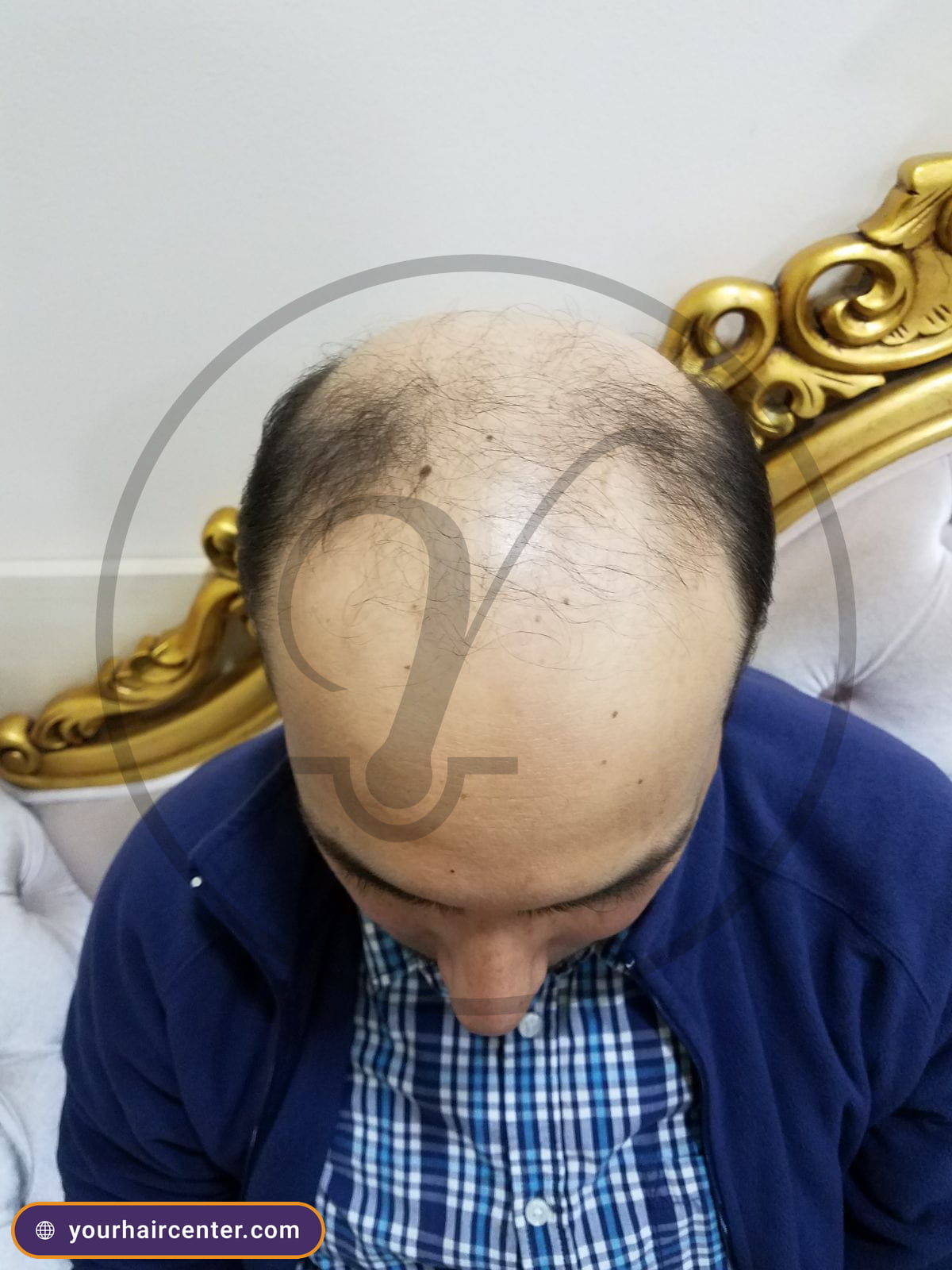
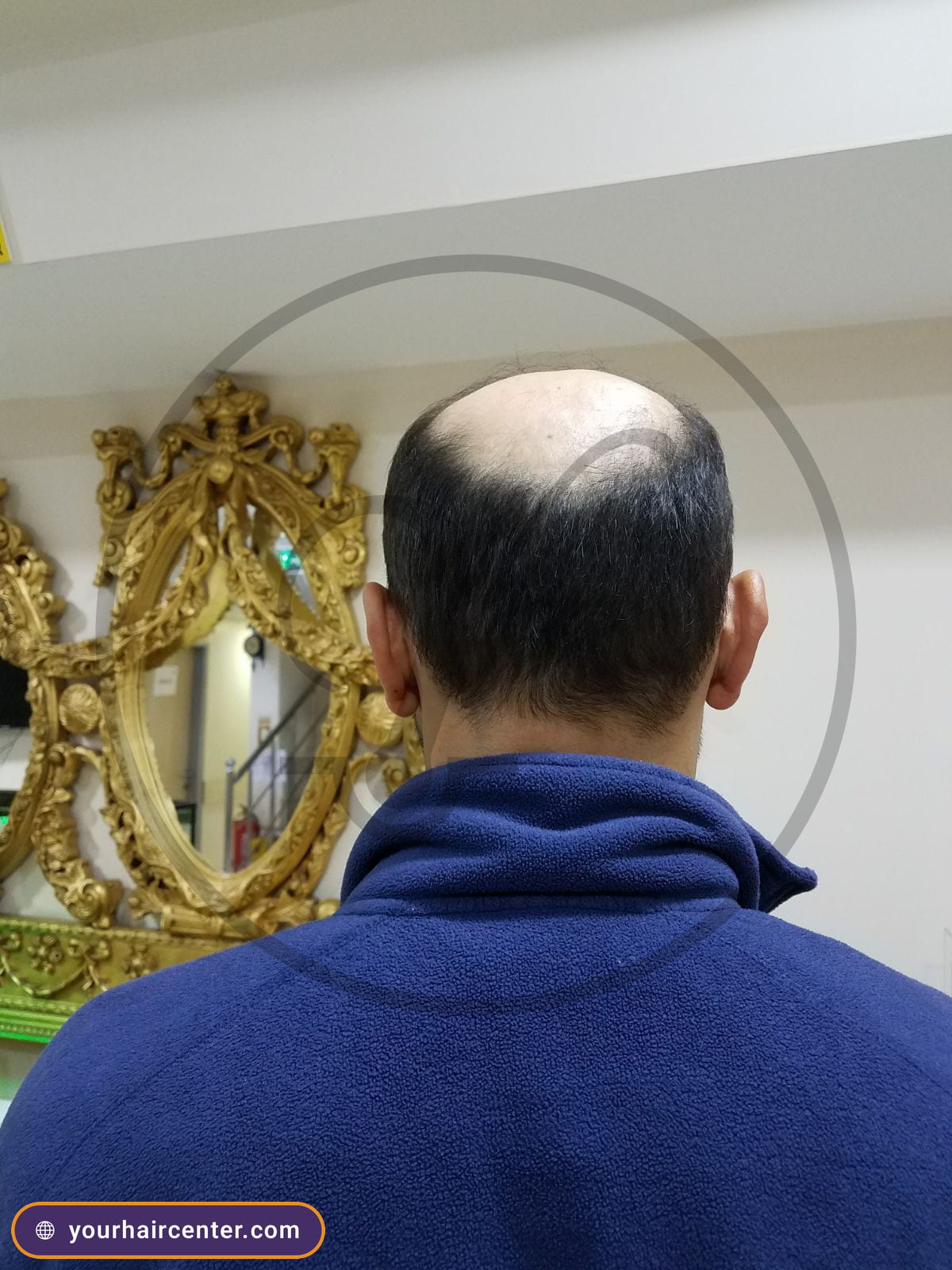
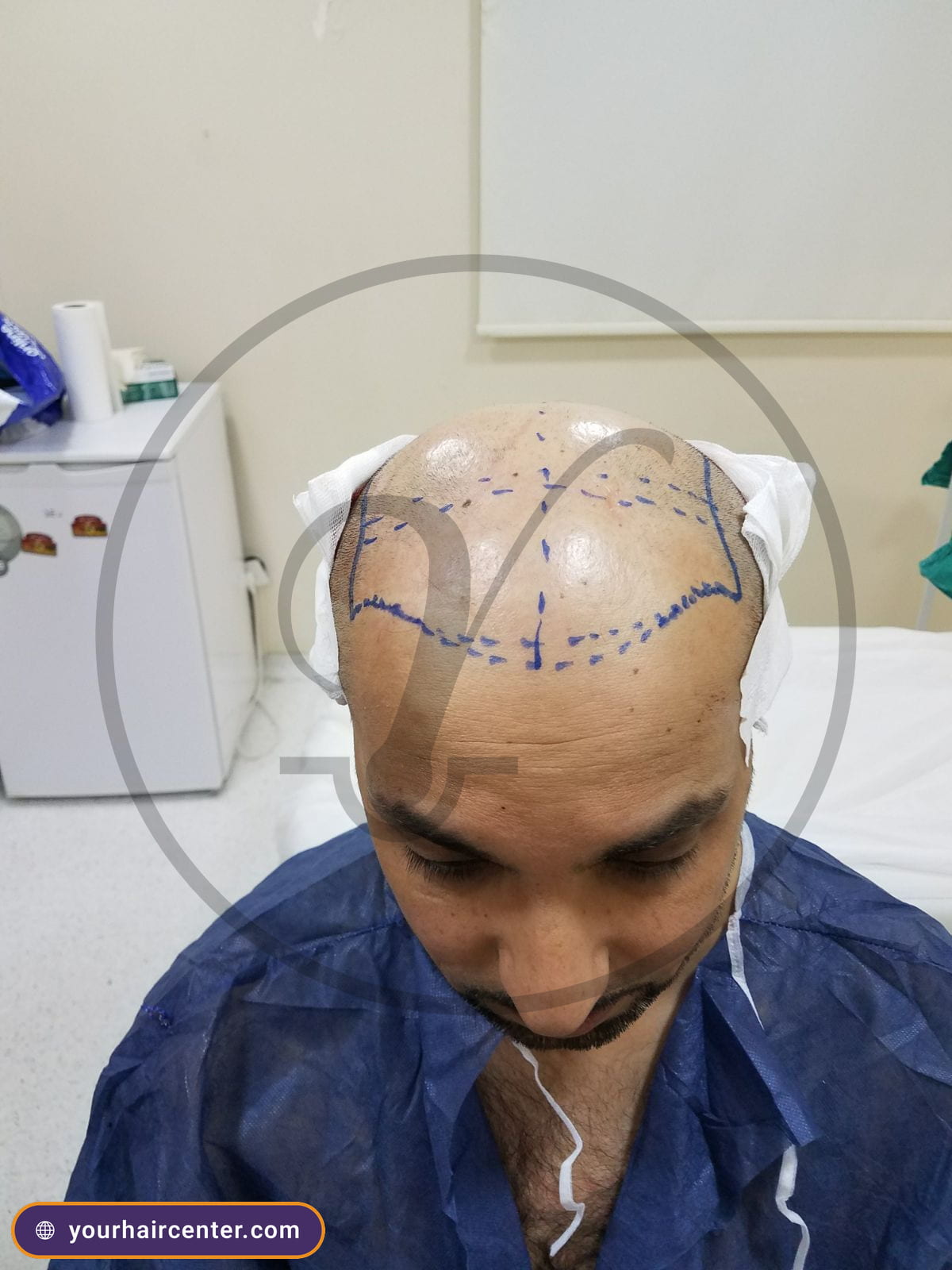
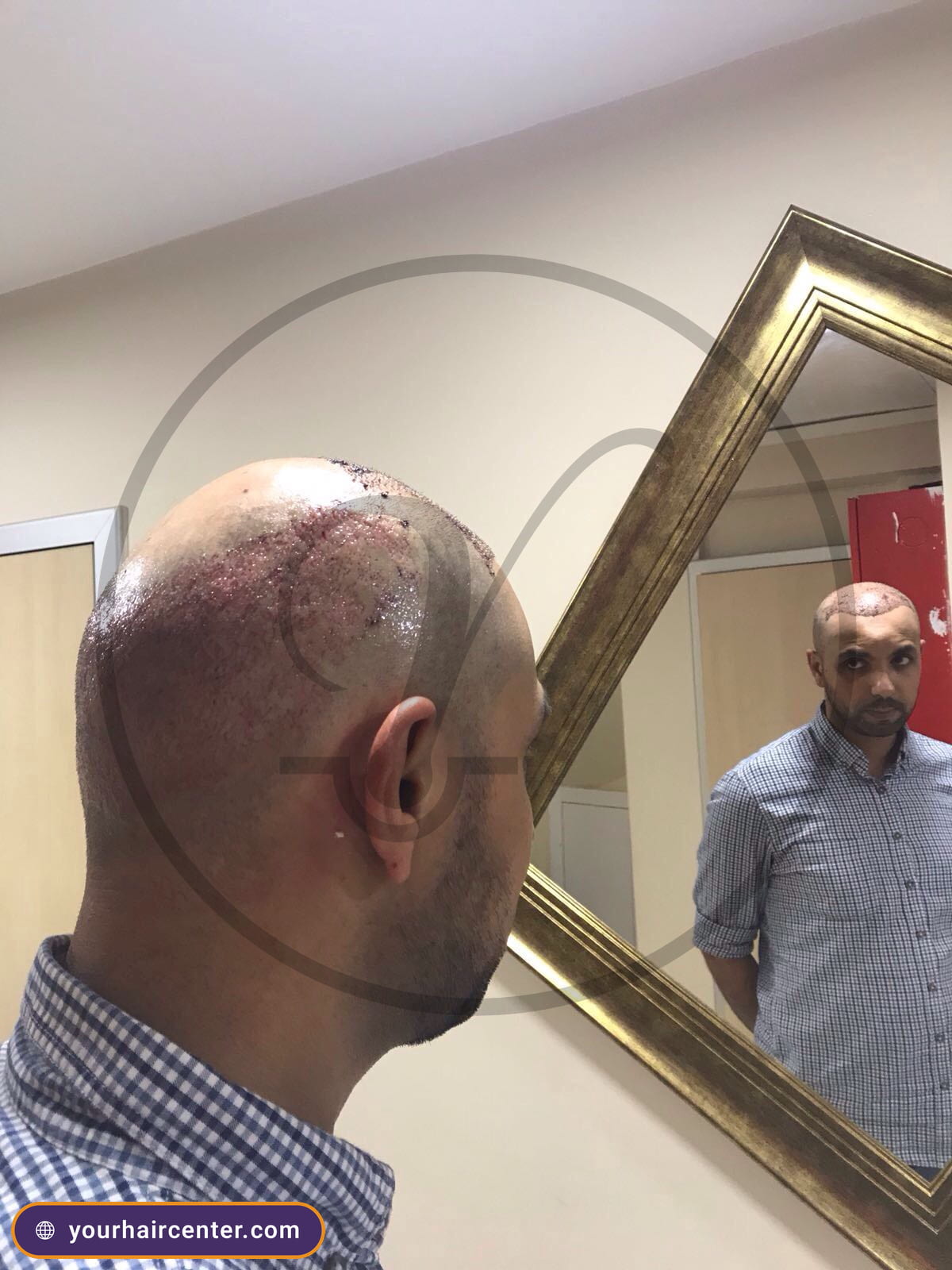
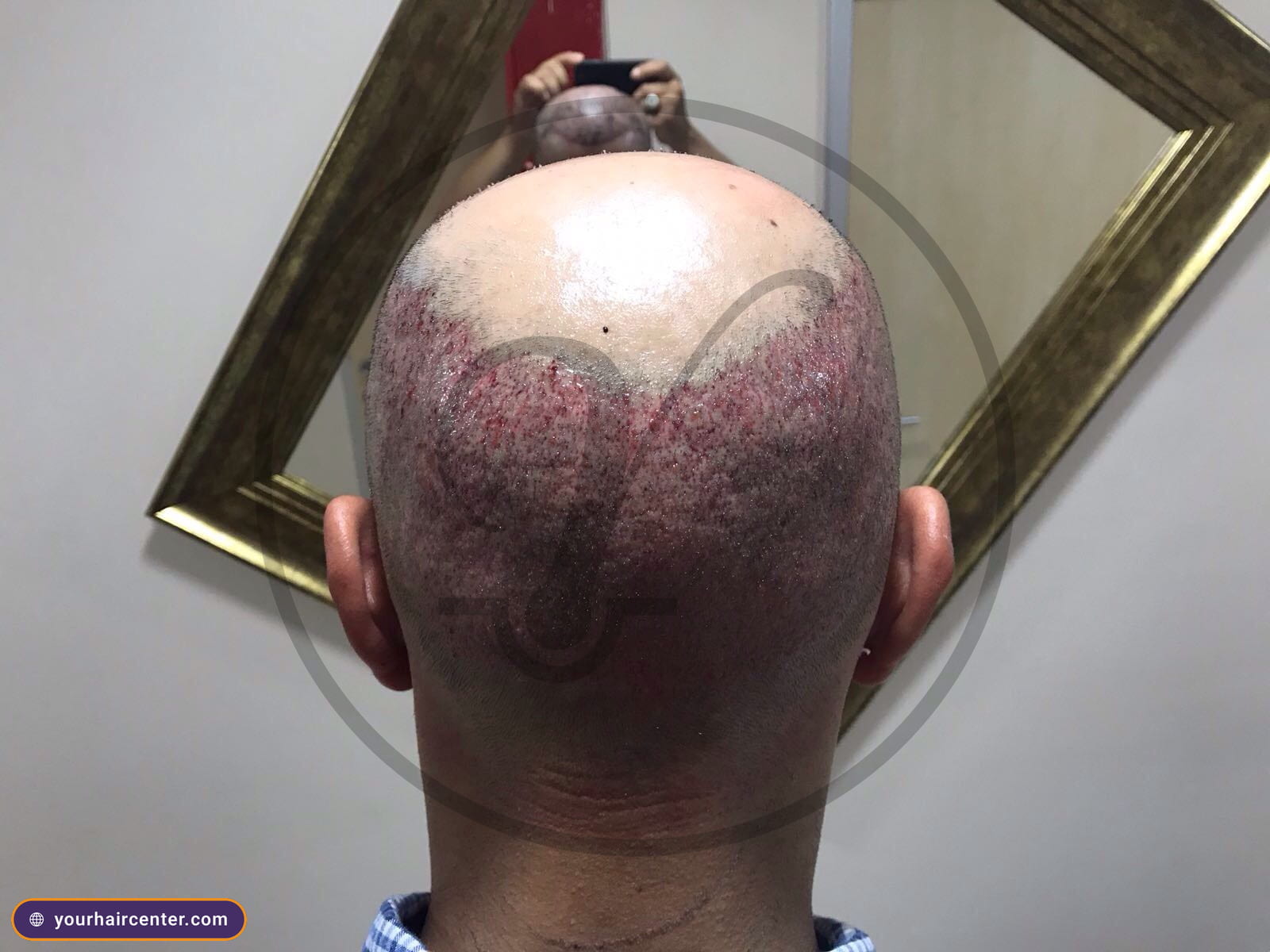
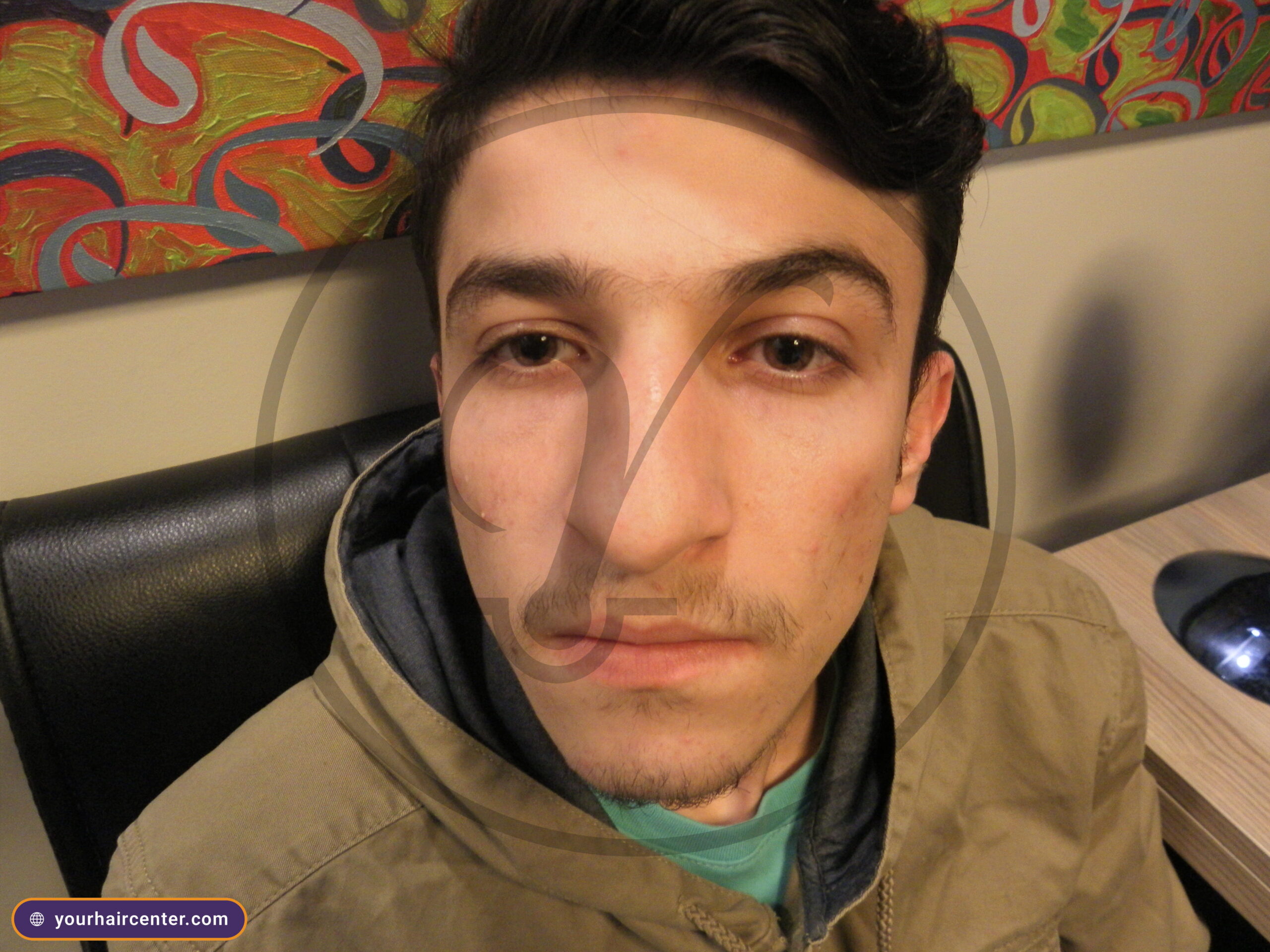
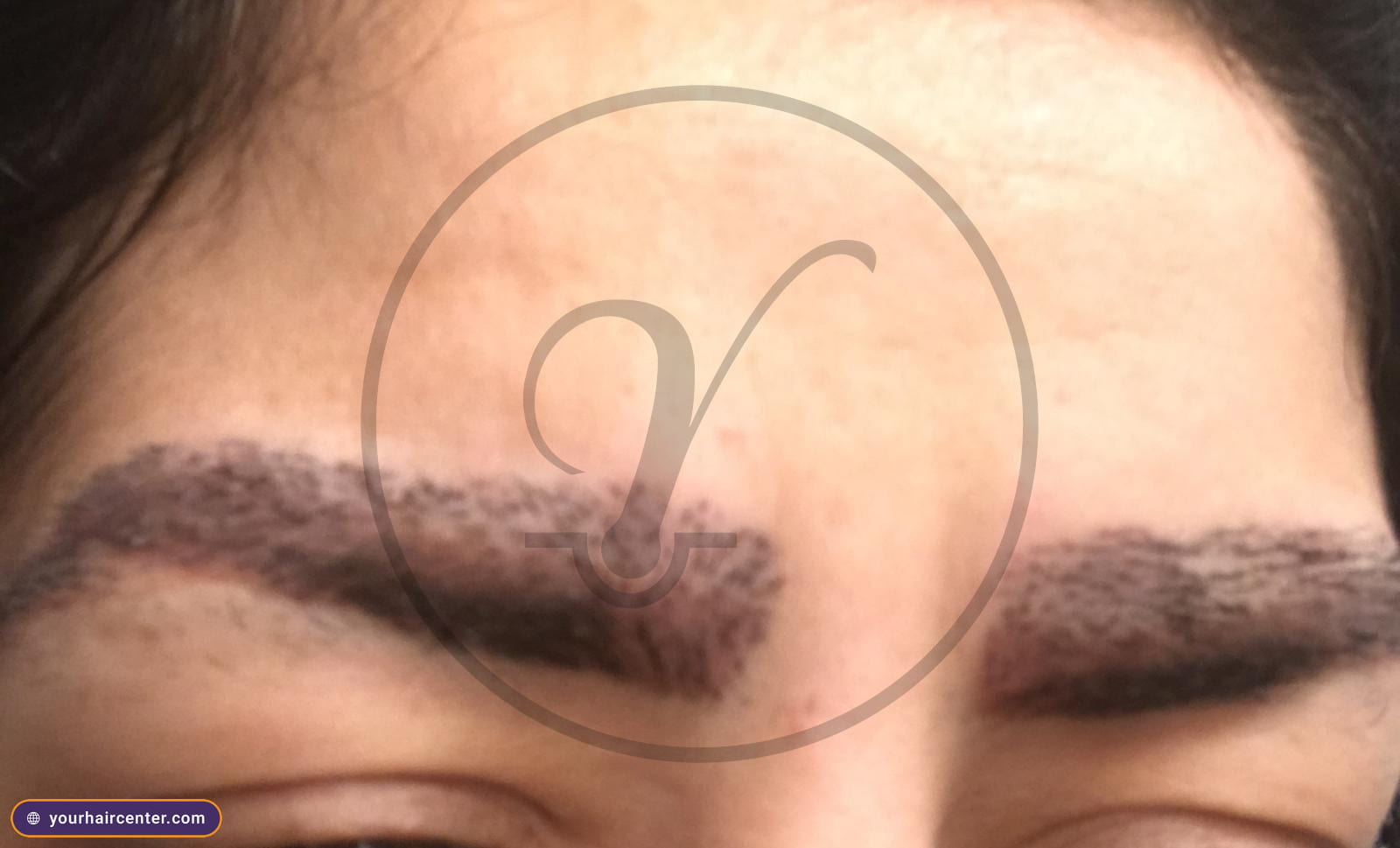
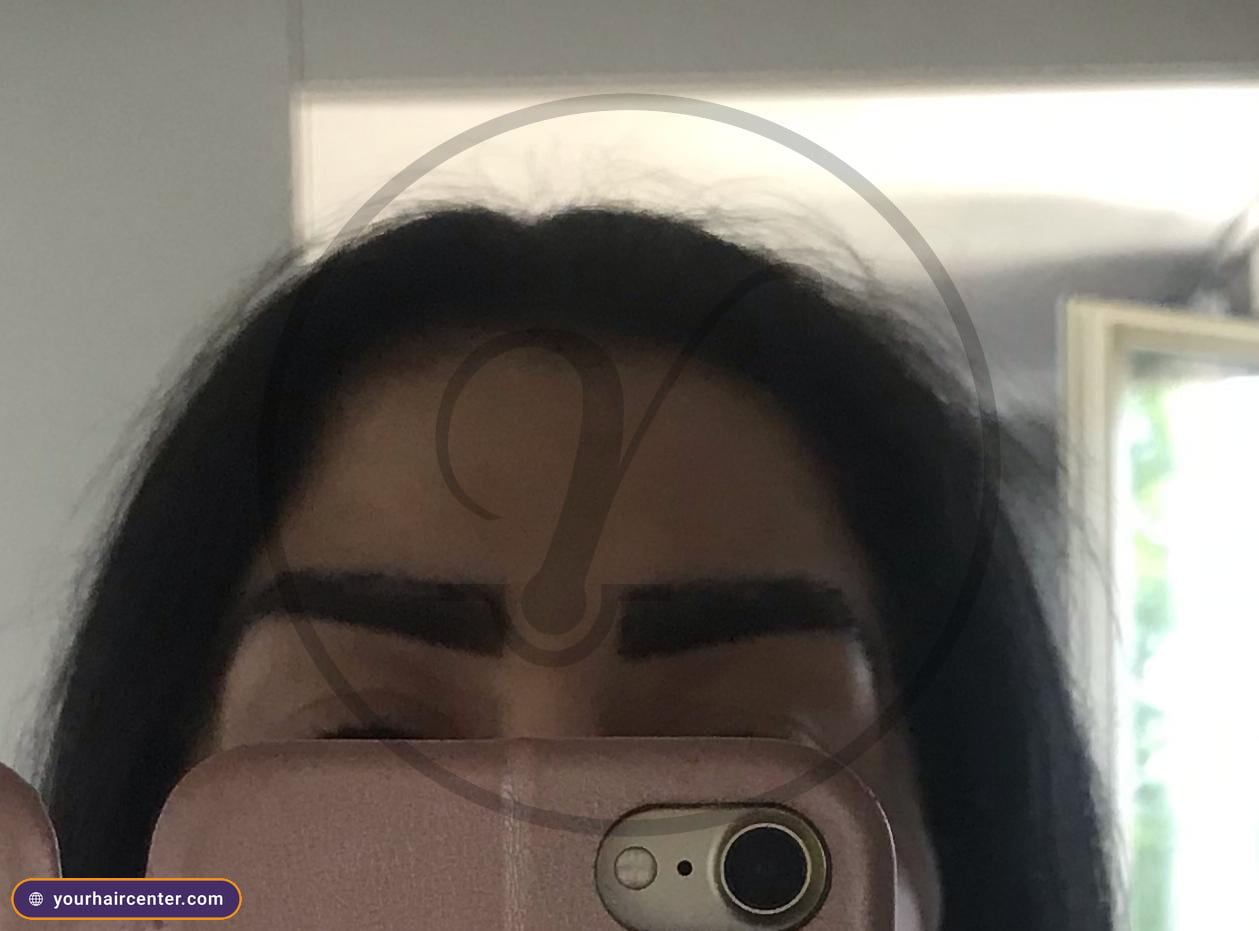
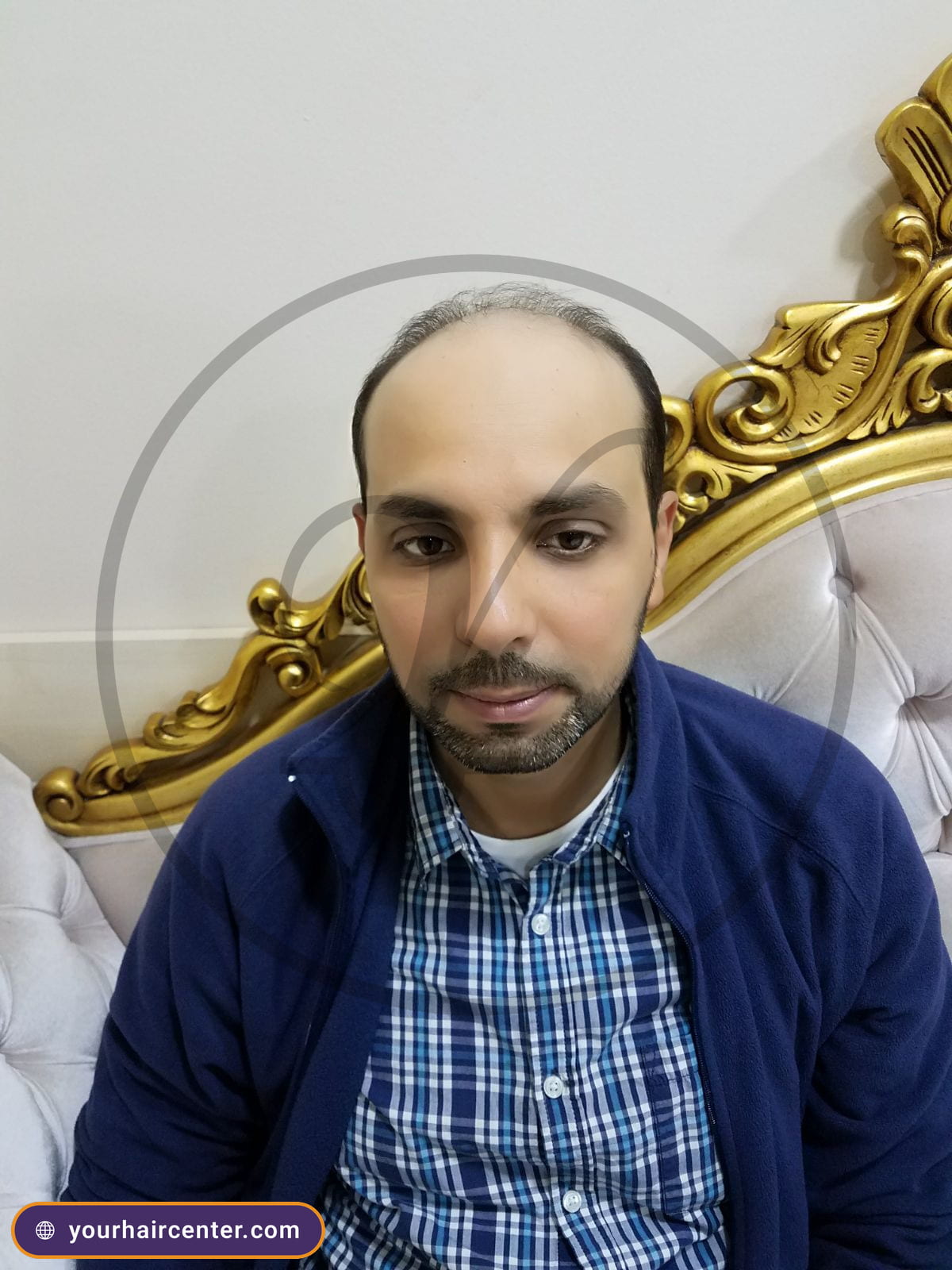
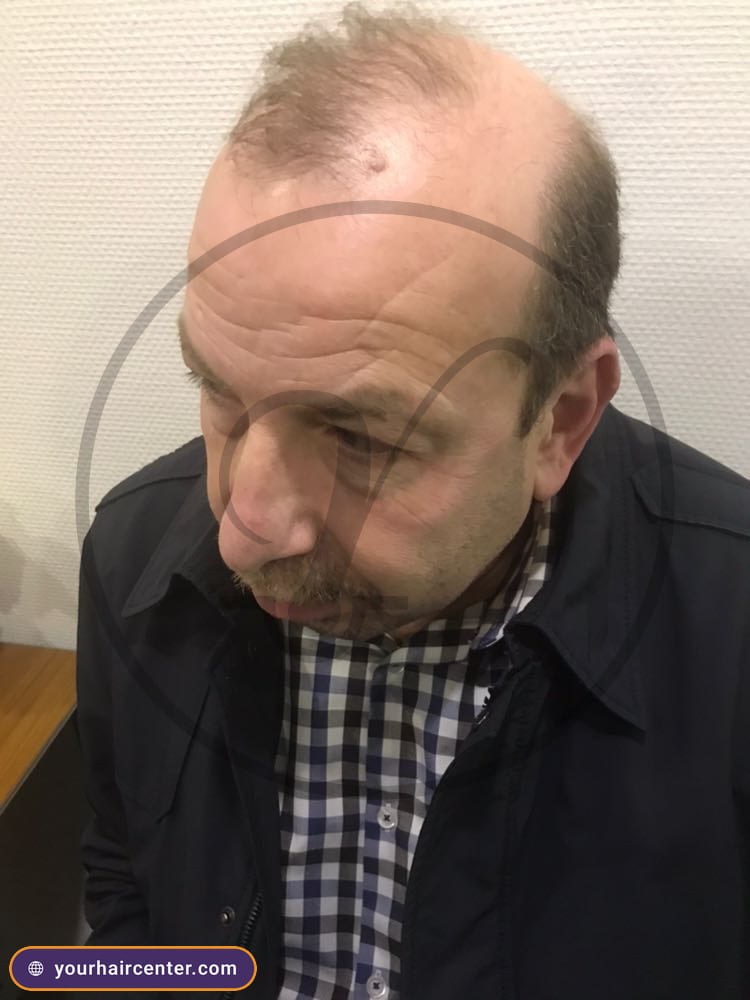
Real results from our patients’ archive. Photos exactly as captured at our accredited partner clinics, with no filters and no retouching. Browse more cases in our photo gallery.


How Common Is a Failed Hair Transplant?
There is no single hair transplant failure rate, and any clinic quoting one number is oversimplifying. Surgical literature reports two separate measures. The complication rate is the broad bucket, infection, folliculitis, swelling, numbness, and the like. The graft-survival rate is the relevant bucket for whether your hair actually grows.
On the complication side, a ten-year series of 2,896 patients recorded no major or life-threatening events.[1:2] Minor events added up to at least 270, close to one for every ten patients. The most frequent was sterile folliculitis, noted in 203 patients, followed by facial swelling and temporary numbness in 18 cases each and graft dislodgement in 8.[1:3] Most settled on their own, and only five patients lost part of their transplanted hair, so a complication is not the same thing as a failed hair transplant.
On the survival side, a small prospective study that followed 150 scalp grafts in five patients found about 80% growing at six months and about 89% at one year.[2] That range is far narrower than the worst-case failed hair transplant stories on forums suggest. Treat clinic claims of "100% success" or "0% failure" with suspicion, since they rarely say how many patients were lost to follow-up, and the ISHRS lists "guaranteed results" among the marketing phrases it considers misleading.[3] The numbers exist, they are bounded, and the bound is small.
Clinic Mistakes That Cause FUE Transplants to Fail
Most cases of a failed hair transplant after FUE trace back to the clinic, not the patient. Naming the structural causes plainly is the most useful thing this guide can do, because every one of them is something you can ask about and vet before you book.
Who performs the extraction. FUE extraction is surgery, since every graft is cut out of living skin, yet in some clinics unlicensed technicians perform it with little real involvement from a physician.[4] The ISHRS lists unlicensed non-physicians performing surgical procedures as improper practice in its position statement revised on 11 July 2026,[3:1] and its members report that repairs of earlier black-market transplants averaged 10% of their cases in 2024.[5] Graft quality is set at extraction, which makes this the first question to settle before you book.
Throughput pressure. When a clinic runs many cases per day on the same surgeon’s name, the pressure to hit graft-count targets produces two errors, overharvesting and rushed channel creation. Trauma during extraction, poor handling, graft desiccation, and long out-of-body ischemia time are the documented causes of grafts that never grow.[1:4]
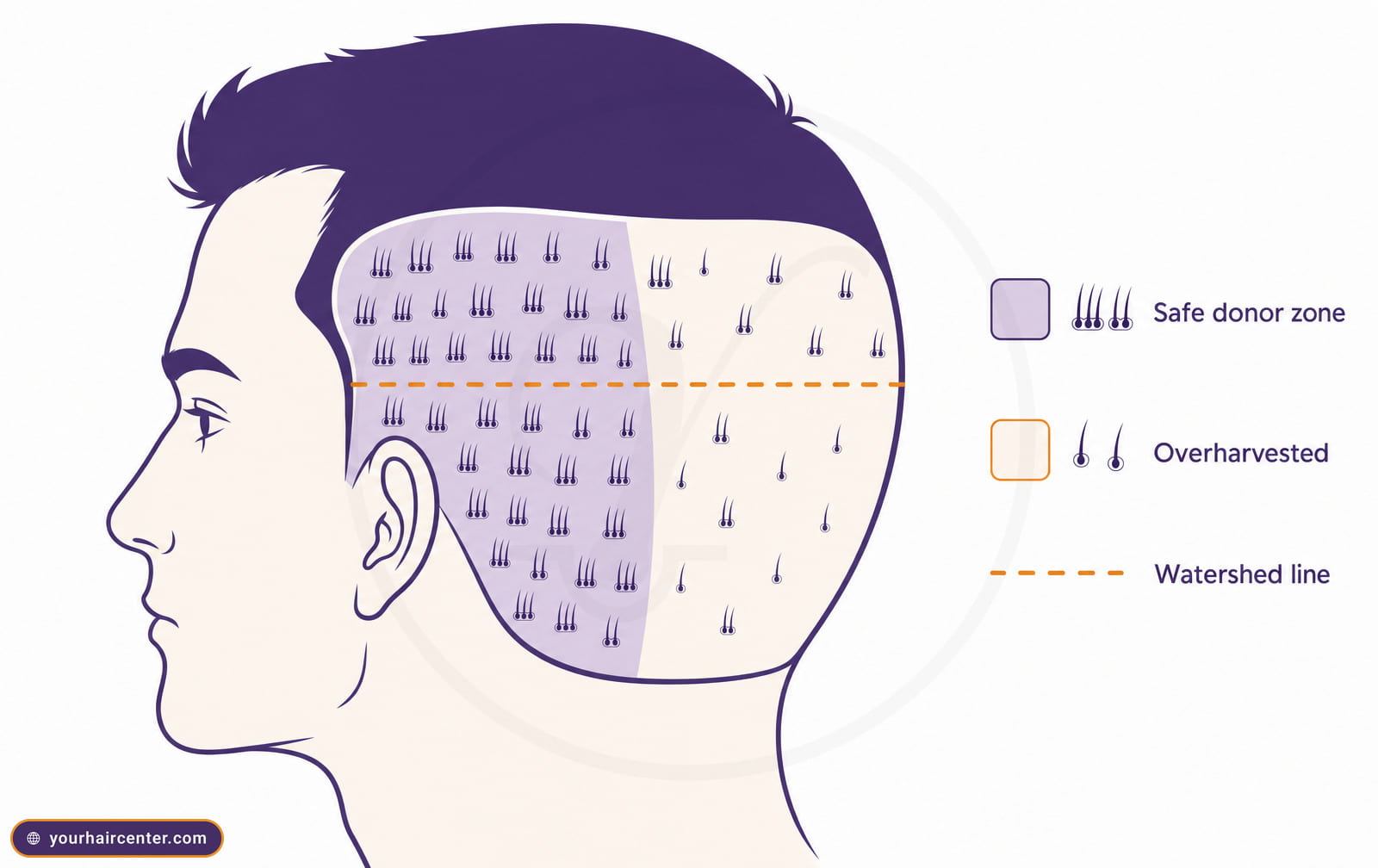
Donor overharvesting. Your donor supply is finite, and taking too much is permanent. Surgical research is specific here. FUE should be limited to less than 35% of total hair density in the first session, and no more than 10 to 20% in a second session.[6] Removing around 50% of donor density crosses the "watershed line" where thinning becomes visible to the naked eye, and patients left with only 20 to 30% of their original donor density "would look odd as the donor density will be low showing the scalp."[6:1] Only a finite portion of the donor zone holds follicles dense enough to harvest safely, which is why a disciplined surgeon plans extraction against a measured density floor rather than a graft-count target.
Recipient-site design errors. A bad hair transplant hairline almost always comes from grafts placed at the wrong angle, density, or frontal curve. Naturalness is decided in the first half hour of channel design, not at the extraction stage.
Necrosis from aggressive harvesting. Skin necrosis can develop in the donor area when overharvesting is done in close proximity, or when a poor-quality, large-size punch is used at high revolution speed.[1:5] This is a tooling-and-technique failure, not bad luck.
Inadequate candidate selection. Patients with unstable autoimmune hair loss, insufficient donor supply, or uncontrolled chronic conditions should be declined, not booked. A clinic that screens against the FUE candidacy criteria before accepting you is protecting you from a failed hair transplant. A pre-operative scan, like our pre-operative scalp and donor-density analysis, is where that screening happens.
This is the heart of the matter. Turkey is a safe place for a transplant if you choose correctly, and the causes above are exactly the "if."
Patient Habits That Can Damage Your Result
Clinic accountability is only half the picture. Several of the most preventable causes of a failed hair transplant come from the patient side, and knowing them is part of protecting your investment.
Smoking and nicotine. This is the largest controllable risk. Nicotine causes vasoconstriction, narrowing the blood vessels that newly transplanted follicles depend on to survive. The effect is measurable. In a meta-analysis of flap surgery, flap necrosis was about twice as common in smokers as in non-smokers, 9.1% against 4.4%.[7] Across more than a million surgical patients, smoking was also tied to 65% higher odds of postoperative wound disruption and 31% higher odds of surgical-site infection.[8] This is why the rule is to stop at least one month before surgery and not resume until your surgeon clears you.
Alcohol. Pre- and post-operative drinking interferes with clotting and with how your body metabolizes prescribed medications.
Non-disclosure of conditions and medications. Anticoagulants, immunosuppressants, uncontrolled diabetes, and active autoimmune hair loss all raise the risk of a failed hair transplant. The intake form is your primary protective contract, and failure to disclose is the largest patient-side cause of preventable failure.
Aftercare non-compliance. Mechanical trauma in the first 14 days, scratching, hat pressure, or sleeping face-down, can detach grafts before they vascularize. Sun exposure in the early weeks damages healing follicles too.
Following the full pre-op and post-op rule set is not optional fine print, it is the difference between a lasting result and a failed hair transplant. The 12-month remote follow-up exists so someone qualified is watching your healing even after you have flown home.
How Long Should You Wait Before Repair Surgery?
The most-skipped advice for a failed hair transplant is also the most important. Sometimes the right answer is to wait, not to book a second procedure.
Respect the twelve-month rule. Repair is not even considered until the original transplant has reached the ten-to-twelve-month mark. Anything earlier is shock-loss or sparse density still filling in, not a failed hair transplant, and operating on it wastes grafts.
Audit the donor supply first. Repair requires a second harvest. If the first procedure overharvested, a second harvest may damage the donor permanently. The first repair question is always whether there is donor left, not which technique to use.
Rule out active scalp conditions. Repairing a failed hair transplant is contraindicated during active folliculitis, untreated scarring alopecia, or any infection.
Stabilize autoimmune hair loss. A transplant placed on an autoimmune-active scalp will fail again. Treating the underlying hair-loss treatment cause comes first.
A second procedure is a clinical decision, not a cosmetic impulse. Patients in significant distress over a failed hair transplant should be screened before a repair is booked. Starting with a pre-repair scalp evaluation tells you whether repair is even appropriate yet.
Which Failed Hair Transplant Repair Options Work?
Once failure is confirmed and repair is appropriate, you have a realistic option tree. None of these is a magic fix for a failed hair transplant, and being clear about yields matters more than optimism.
FUE into existing scars and patchy zones. Grafts can be placed into FUT linear scars and into the pluggy or thin recipient zones of a failed hair transplant. Yield can be lower than in virgin scalp, because scar tissue is stiff and has a poorer blood supply. In a study of 15 patients with scars from earlier scalp surgery, grafts placed into the scar survived at about 81% on average after one year, ranging from 70 to 90%.[9] Lower, but legitimate.
Body-hair transplant. When scalp donor supply is exhausted, beard or chest follicles can be used. Yields differ by source. In the same five-patient study, beard grafts survived at about 95% at one year, scalp at 89% and chest hair at roughly 76%, and the texture match is not identical.[2:1] It is a real pathway when the scalp donor is gone, not a first choice.
Scalp micropigmentation as an adjunct. Micropigmentation cannot grow hair. It camouflages density gaps and visually fills the spaces around transplanted follicles. For most candidates it pairs with repair, it does not replace it.
Hairline-design revision. If a failed hair transplant shows up as a pluggy hairline rather than poor yield, the existing grafts can be redistributed, extracted from the unnatural row and re-implanted at the correct angle and density. A higher-precision sapphire-blade modifier is sometimes used for the finer channels involved.
Adjunct medical therapy. Only two medications are FDA-approved for male pattern hair loss, topical minoxidil and oral finasteride 1 mg.[10] They protect the native hair surrounding your repair, but they are not the repair itself, and the same goes for adjunct PRP therapy. Finasteride is a prescription decision. In May 2026 the UK medicines regulator, the MHRA, warned that it is associated with depression, suicidal thoughts and sexual dysfunction that may persist after stopping, and told patients on the 1 mg dose to stop taking it and contact their doctor if depression or suicidal thoughts appear.[11] You can read more about FDA-approved hair-loss medications as part of a combined plan.
Set realistic expectations. Repairing a failed hair transplant yields less than a primary FUE procedure does, and the journey is longer, often well over a year from decision to final result.
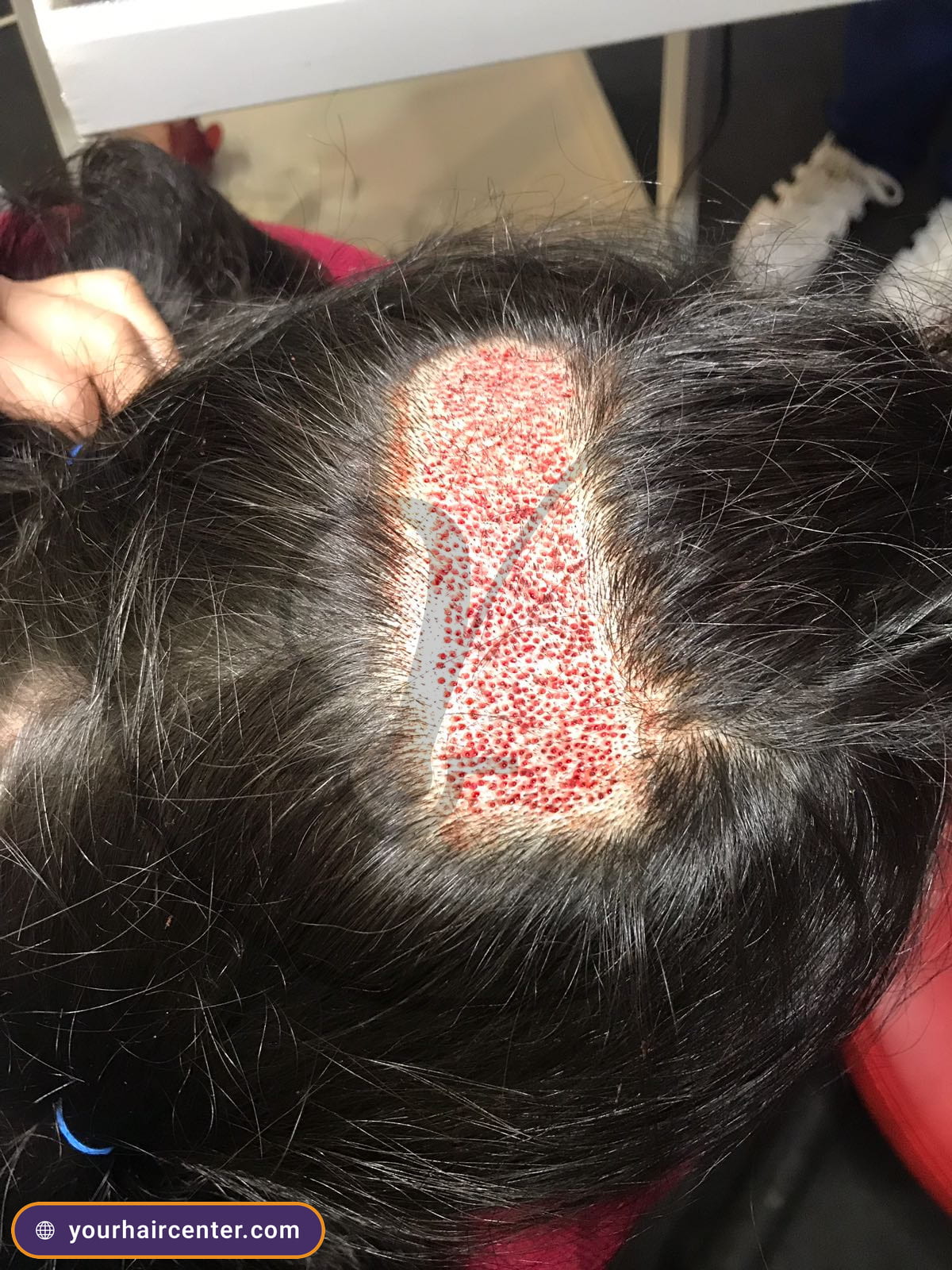
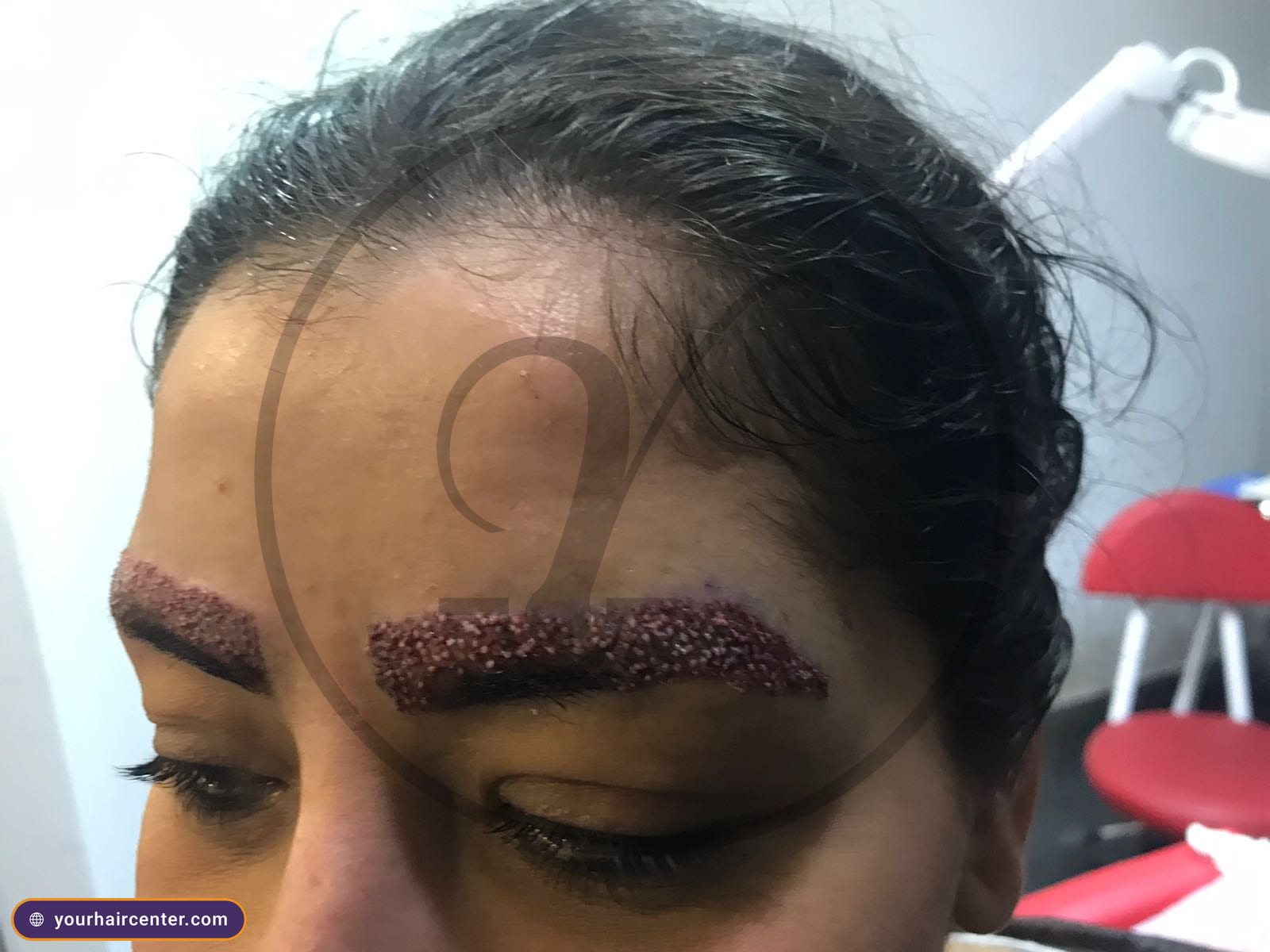
Real results from our patients’ archive. Photos exactly as captured at our accredited partner clinics, with no filters and no retouching. Browse more cases in our photo gallery.



Red Flags When Picking a Clinic
This is the section that matters once you decide to actually book. Almost every cause of a failed hair transplant above is preventable at the selection stage, and the questions below are how you prevent it.
- Ask who performs each step. The ISHRS advises asking who will design the hairline, make the incisions and perform the extractions, not only whether a doctor will be present.[4:1] If the answer involves unlicensed staff cutting grafts without the surgeon present, walk away.
- Verify any membership a clinic claims. Check that the named surgeon is listed and currently active in the International Society of Hair Restoration Surgery directory. The society’s position statement calls a false claim of ISHRS membership or fellowship fraudulent.[3:2]
- Ask about daily case volume. A surgeon running one or two cases per day signals throughput control. A clinic booking many cases on the same surgeon’s name is set up to overcommit.
- Confirm a graft ceiling per session. Surgical guidance keeps a single session bounded, and our own protocol caps a session at about 4,000 grafts, with larger cases run over two days under one plan or as a second session months later. Most first sessions are smaller, averaging 2,347 grafts among ISHRS member surgeons.[5:1] Above a sensible ceiling, the safety margin shrinks, and the ISHRS counts promises of "unlimited grafts" as a red flag.[4:2]
- Ask for donor-density numbers. A clinic that measures pre-op donor density and states a post-op floor will not overharvest. A clinic without a density floor is set up to take too much.
- Check hospital accreditation. Turkish Ministry of Health licensing is the floor. International accreditation through bodies such as Joint Commission International is the ceiling.
- Insist on real follow-up. A clinic that disappears after week two cannot spot the early signs of a failed hair transplant at month nine. The reception and accommodation plan and a year of structured follow-up are part of that accountability.
One more rule. Do not let forum threads, aggregator blogs, or clinic-published testimonials be your only evidence. Peer-reviewed publications, society membership listings, and ministry licensing are the citation-grade signals. For the wider picture, the full hair-transplant category overview maps how the techniques relate.
Frequently Asked Questions
What happens if a hair transplant fails?
The first step is to wait until the full ten-to-twelve-month growth window has closed before declaring a failed hair transplant, since sparse density can still be filling in. After that, a surgeon reviews your donor reserve and discusses options such as FUE into the scarred or thin zones, a body-hair transplant if the scalp donor is exhausted, and micropigmentation as a camouflage adjunct.
What does a failed hair transplant look like?
Expect one or more of four visible signs. An unnatural or pluggy hairline, patchy growth that has not improved by month twelve, visible thinning in the donor area at the back of the head, and persistent scarring or redness beyond month six.
What is the hair transplant failure rate?
There is no single failed hair transplant rate, because surgical literature reports complications and graft survival separately. One ten-year series of 2,896 patients recorded no major complications, and only five patients lost part of their transplanted hair,[1:6] while a small study measured scalp graft survival at about 80% at six months and 89% at one year.[2:2] Clinic claims of "0% failure" rarely say how many patients were lost to follow-up.
Can a hair transplant fail after 2 years?
Thinning that shows up years after a transplant is more often native hair loss around the grafts than a failed hair transplant, since native hair keeps falling out unless the underlying hair loss is treated. In one ten-year series, 26 patients were unhappy for that reason, against five whose transplanted hair partly fell out, and loss of transplanted hair mostly follows harvesting from outside the safe donor zone.[1:7]
What are the signs of failed hair transplant?
The visible signs are a pluggy hairline, patchy density at twelve months, donor-area thinning, and persistent scarring. The clinical signs a patient cannot easily see include folliculitis past month three, recipient-zone necrosis, and persistent numbness past month four.
Can a failed hair transplant scar be fixed?
FUT linear scars are persistent and only partially treatable, usually with FUE into the scar or with micropigmentation. FUE dot-scars are usually hidden by hair at standard haircut lengths, but donor overharvesting can create visible thinning that resembles scarring. In one study of grafts placed into scars from earlier scalp surgery, survival ranged from 70 to 90%, about 81% on average.[9:1]
How to Avoid a Transplant That Needs Repair
A failed hair transplant is real, but it is uncommon and largely preventable. The structural causes behind a failed FUE hair transplant, extraction by unlicensed staff, throughput-driven overharvesting, recipient-design errors, and weak candidate screening, are all vettable before you book. Repairing a failed hair transplant is possible, but it is a longer and lower-yield journey than getting it right the first time, so the smartest move is choosing the right clinic from the start. Send your photos for an evaluation by our specialists, start a consultation on WhatsApp, or review the full FUE procedure protocol before you decide.
The content and sources of this guide were reviewed on 6 October 2026.
References
-
Garg AK, Garg S. Complications of Hair Transplant Procedures, Causes and Management. Indian Journal of Plastic Surgery, 2021;54(4):477-482. PMC8719980. https://pmc.ncbi.nlm.nih.gov/articles/PMC8719980/ (opens in new tab) (accessed 2026-10-06). ︎ ︎ ︎ ︎ ︎ ︎ ︎ ︎
-
Gupta J, Chouhan K, Kumar A, Chandrasegaran A. A Comparative Study on the Rate of Anagen Effluvium and Survival Rates of Scalp, Beard, and Chest Hair in Hair Restoration Procedure of Scalp. Journal of Cutaneous and Aesthetic Surgery, 2019;12(2):118. PMC6676805. https://pmc.ncbi.nlm.nih.gov/articles/PMC6676805/ (opens in new tab) (accessed 2026-10-06). ︎ ︎ ︎
-
International Society of Hair Restoration Surgery (ISHRS). Position Statement on Misleading and Inappropriate Messaging. Revised by the Board of Governors on 11 July 2026. https://ishrs.org/red-flags-misleading-inappropriate-messaging/ (opens in new tab) (accessed 2026-10-06). ︎ ︎ ︎
-
International Society of Hair Restoration Surgery (ISHRS). Hair Transplant Black Market, What Every Patient Needs to Know Before Choosing a Surgeon. Fight the FIGHT patient campaign, updated 3 October 2026. https://fightthefight.ishrs.org/hair-transplant-black-market-red-flags/ (opens in new tab) (accessed 2026-10-06). ︎ ︎ ︎
-
International Society of Hair Restoration Surgery (ISHRS). 2025 Practice Census Results. Procedures performed by ISHRS physician members in 2024. https://ishrs.org/wp-content/uploads/2025/05/report-2025-ishrs-practice-census_05-12-25-final.pdf (opens in new tab) (accessed 2026-10-06). ︎ ︎
-
Mohmand MH, Ahmad M. Effect of Follicular Unit Extraction on the Donor Area. World Journal of Plastic Surgery, 2018;7(2):193. PMC6066700. https://pmc.ncbi.nlm.nih.gov/articles/PMC6066700/ (opens in new tab) (accessed 2026-10-06). ︎ ︎
-
Hwang K, Son JS, Ryu WK. Smoking and Flap Survival. Plastic Surgery, 2018;26(4):280. PMC6236508. https://pmc.ncbi.nlm.nih.gov/articles/PMC6236508/ (opens in new tab) (accessed 2026-10-06). ︎
-
Fan Chiang YH, Lee YW, Lam F, Liao CC, Chang CC, Lin CS. Smoking increases the risk of postoperative wound complications, a propensity score-matched cohort study. International Wound Journal, 2023;20(2):391. PMC9885463. https://pmc.ncbi.nlm.nih.gov/articles/PMC9885463/ (opens in new tab) (accessed 2026-10-06). ︎
-
Yoo H, Moh J, Park JU. Treatment of Postsurgical Scalp Scar Deformity Using Follicular Unit Hair Transplantation. BioMed Research International, 2019;2019:3423657. PMC6535862. https://pmc.ncbi.nlm.nih.gov/articles/PMC6535862/ (opens in new tab) (accessed 2026-10-06). ︎ ︎
-
Gupta AK, Bamimore MA, Williams G, Talukder M. Comparative Efficacy of Minoxidil and 5-Alpha Reductase Inhibitors Monotherapy for Male Pattern Hair Loss, Network Meta-Analysis Study of Current Empirical Evidence. Journal of Cosmetic Dermatology, 2025;24(7):e70320. PMC12207719. https://pmc.ncbi.nlm.nih.gov/articles/PMC12207719/ (opens in new tab) (accessed 2026-10-06). ︎
-
Medicines and Healthcare products Regulatory Agency (MHRA). Finasteride and dutasteride, updated safety warnings for psychiatric side effects and sexual dysfunction. Drug Safety Update, 11 May 2026. https://www.gov.uk/drug-safety-update/finasteride-and-dutasteride-updated-safety-warnings-for-psychiatric-side-effects-and-sexual-dysfunction (opens in new tab) (accessed 2026-10-06). ︎