The phrase no-shave now covers four different operations, and an unshaven fue hair transplant at one clinic can mean a shaved back of the head at another. This guide draws the honest map. It sorts every no-shave claim into four categories by what actually gets shaved, gives a realistic graft range for each, from about 3,000 a day unshaven to about 4,000 in one shaved session, explains the physics behind those limits, and lays out the real Istanbul-versus-Western cost picture for unshaven work so you can choose the technique your scalp actually needs.
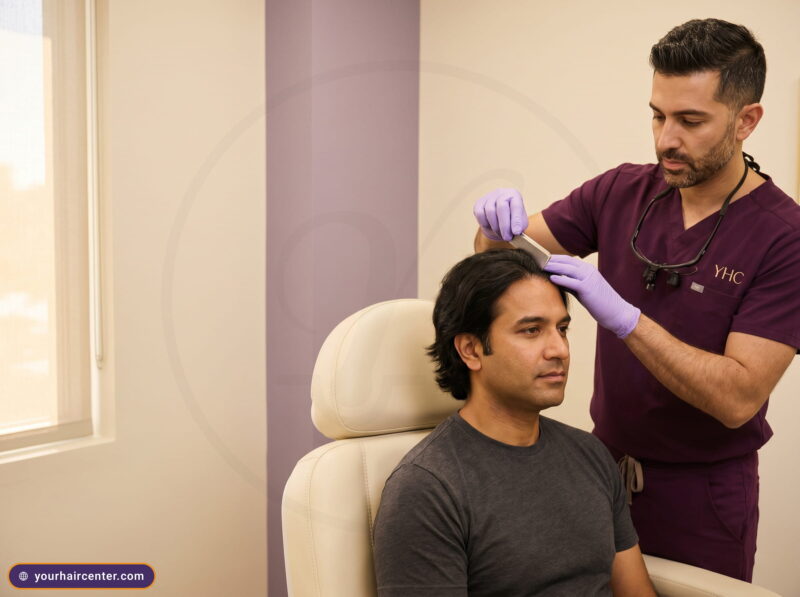
Walk into ten clinics asking about a "no-shave" procedure and you will hear the same two words describe four genuinely different operations. The label has drifted, and an unshaven fue hair transplant at one clinic can mean a fully shaved back of the head at another. That muddle makes an honest decision harder than it needs to be. An unshaven FUE hair transplant is an excellent option for the right scalp, and the wrong category quietly oversold is the most common way patients end up disappointed.
This guide draws that map. It sorts every "no-shave" claim into four clear categories by what actually gets shaved, gives an honest graft range for each, explains the extraction physics behind those ranges, and states plainly which categories our partner clinics offer. By the end you will know which version fits your case, what to expect on your first day back at the office, and the real Turkey-versus-Western cost picture for an unshaven FUE hair transplant specifically. If you would rather just send photos and ask, that option waits at the end too.
The Four Categories of No-Shave Hair Transplant
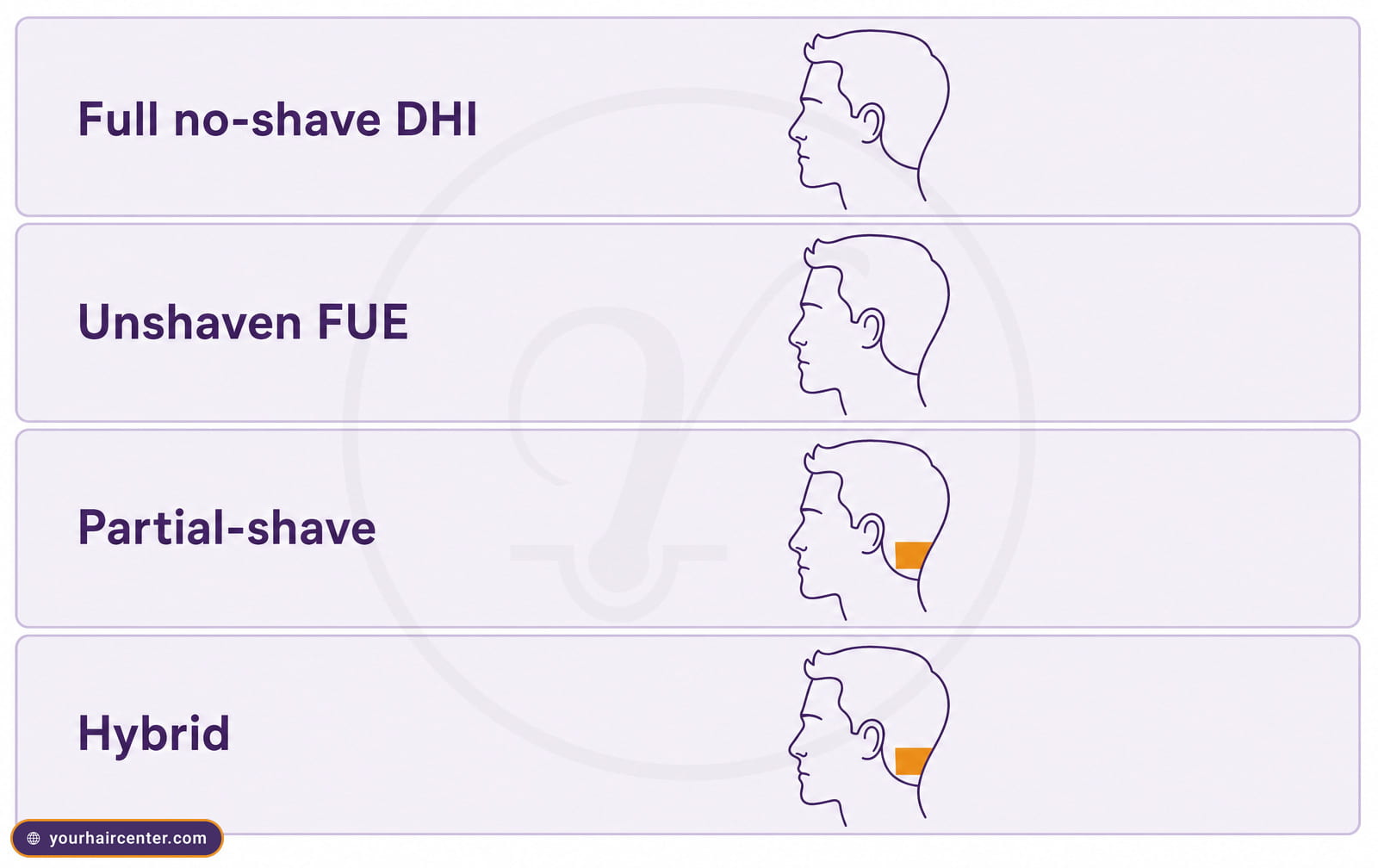
An unshaven fue hair transplant covers the first two of four categories. The four are unshaven with trimmed hairs (nothing visible shaved), unshaven with a hidden strip (a narrow donor strip covered by the hair above it), partial shave (the back and sides shaved, the top kept long), and full shave. Each delivers a different pace and graft volume, and clinics routinely blur the labels.
Here is what each one actually is.
Category 1, unshaven with trimmed hairs. The front is never shaved, and at the back the surgeon trims only the selected donor hairs, one by one, under your existing length. Nothing that anyone could see is cut short. It is the most discreet of the four and the slowest, because each donor hair has to be found and trimmed individually before extraction.
Category 2, unshaven with a hidden strip. The front is never shaved, and at the back a strip a few millimetres wide is shaved and then covered by the longer hair above it. The surgeon performs follicular unit extraction from that strip, one follicular unit at a time. This is the unshaven FUE hair transplant most patients receive, because it keeps the top and the hairline untouched while giving the surgeon a clean donor field. The recipient sites are opened between the existing hairs, with a blade, a fine needle, or the sharp implanter of Choi pen DHI, and the result does not depend on which tool opens them.
Category 3, partial shave. The back and sides are shaved short, and the top is kept long. It is often sold as "no-shave" by Western marketing, but the shaved donor area shows from behind for the first weeks. In exchange the surgeon works a wide, clean donor field.
Category 4, full shave. The donor and the recipient areas are both shaved. It is the standard FUE set-up and the fastest pace per graft.
The table below lines the marketing language up against what the procedure physically does.
| Category | What is shaved | Best suited to | Realistic grafts |
|---|---|---|---|
| Unshaven, trimmed hairs | Only selected donor hairs, trimmed one by one | Cases where nothing at all may show | Smaller sessions, the slowest pace |
| Unshaven, hidden strip | A strip a few millimetres wide at the back, covered by the hair above | Men and women keeping their length on top | Up to about 3,000 a day |
| Partial shave | The back and sides, the top kept long | Larger sessions where a short back for a few weeks is acceptable | Up to about 4,000 in one session |
| Full shave | The donor and recipient areas | The largest cases and the fastest pace | Up to about 4,000 in one session, more over two days |
The single most useful thing to carry forward is this. Only categories 1 and 2 leave nothing on show, and in both the front is never shaved. Categories 3 and 4 trade visible shaving for pace, and a clinic that calls either of them "no-shave" without saying so is choosing a friendlier word over an accurate one.
How an Unshaven FUE Hair Transplant Works
Category 2 is the one most people mean when they search for no-shave FUE, so it deserves the closest look. An unshaven FUE hair transplant is the standard FUE extraction technique with one demanding change, the surgeon never gets the fully shaved field that makes the work fast.
Donor-area preparation is where an unshaven FUE hair transplant first differs. Instead of buzzing the back and sides, the team shaves a strip a few millimetres wide low on the back of the head, or trims the selected hairs one by one, and leaves the surrounding length in place. Once the grafts are out, the longer hair above falls back over the area.
Extraction uses a fine punch, typically 0.7 to 0.9 mm. Punch diameter always matters, but it matters more in an unshaven fue hair transplant because the hair left around the strip has to hide every mark, so the surgeon works conservatively and steadily.
Opening the recipient sites is constrained too. With existing hair still in place across the top, the surgeon has a narrower view of each site, and the angle and depth that decide whether the new hairline looks natural come from the surgeon’s hand in every technique. The tool that opens the sites, a blade, a needle or an implanter pen, changes the workflow, not the density or the angle.
Implantation runs slower for the same reason. Graft handling time is longer in an unshaven FUE hair transplant because the recipient sites are partly obscured by the hair already there, and grafts are delicate, so the team places each one carefully rather than at the brisk pace a shaved field allows.
Add all of that up and an unshaven fue hair transplant typically moves about 2,500 grafts in a working day, with about 3,000 as the practical maximum in one day.[1] Larger cases are planned over two days under one plan. That pace is lower than a fully shaved FUE not because the surgeon is less capable but because every step costs more time per graft. The honest trade-off is straightforward. You buy discretion with a slower pace and a higher demand on surgeon focus, which is why many Western clinics price it at a premium, while high-volume Istanbul teams that run this workflow daily absorb the slower pace into routine.
How Many Grafts Can Each Category Deliver?
This is where the honest map earns its keep. Every category has a practical limit per day, and those limits come from physics and the donor area, not from a clinic’s ambition.
- Unshaven with trimmed hairs, the smallest sessions. Finding and trimming each donor hair one by one is the slowest work of all, so this suits cases where nothing may show and the graft need is modest.
- Unshaven with a hidden strip, up to about 3,000 grafts a day. An unshaven FUE hair transplant is limited by the size of the strip that the hair above can cover and the pace of placing grafts between existing hairs; bigger cases run over two days.[1:1]
- Partial shave, up to about 4,000 grafts in one session. The shaved back and sides restore extraction speed, though the recipient zone is still slowed by the hair left in place.
- Full shave, up to about 4,000 grafts in one session. Larger cases run over two days under one plan or as a second session months later, and the donor area sets the real limit.
The structural reason these numbers cap is graft survival. Once a follicle leaves the body it begins to lose viability, and that decline is time-dependent, so the grafts harvested earliest wait the longest and the longer any graft waits outside the scalp the lower its chance of surviving and growing.[2] Published time-survival data put graft survival around 95 percent when holding time stays near two hours, then falling steadily as the wait lengthens.[3] An unshaven FUE hair transplant is slower per graft because the donor field is narrow and every graft has to be placed between existing hairs, so a very large single day would keep the final grafts waiting well past that comfortable window. That is the real ceiling on an unshaven fue hair transplant, and it is biology, not branding. It is also why splitting a high-graft case across two days protects yield, since each day keeps the holding window short.
That is why the honest answer to "can I get 5,000 grafts in a single no-shave session" is no. Anyone advertising 5,000-plus grafts in one genuine "no-shave" day is either quietly redefining no-shave as partial shave, or splitting the work across two days. A two-day plan is a legitimate, well-evidenced option for high-graft cases, and our all-inclusive packages are built to accommodate it, but it is a different thing from what the single-session marketing implies.
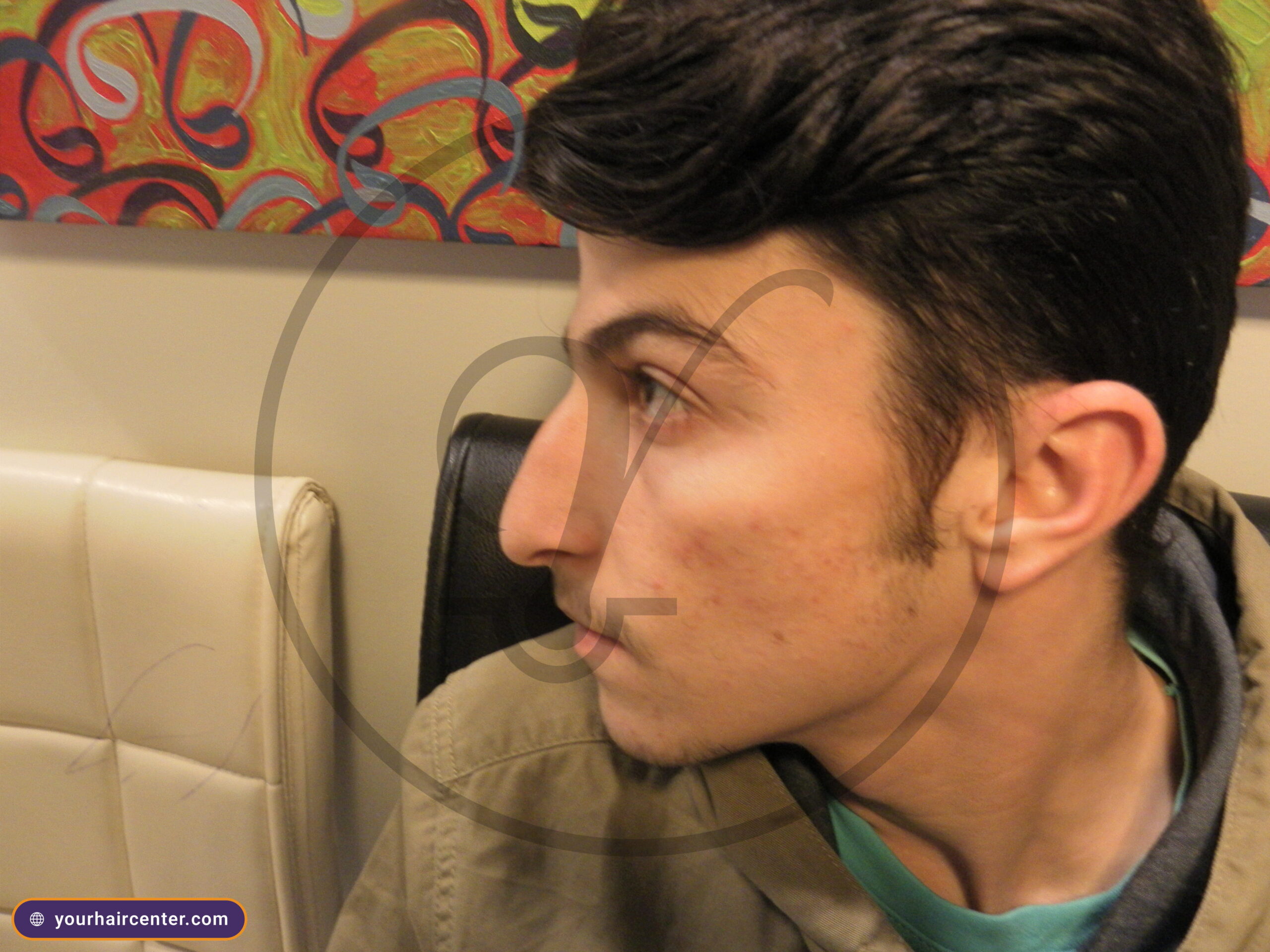
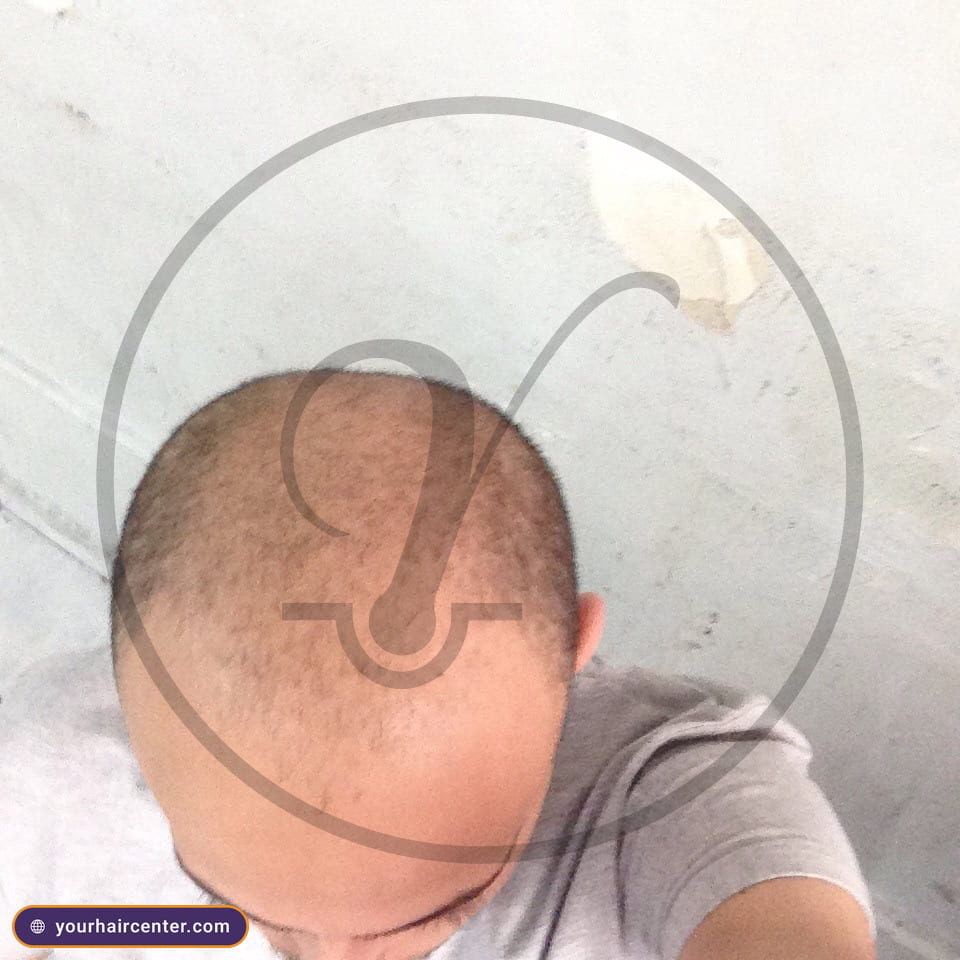
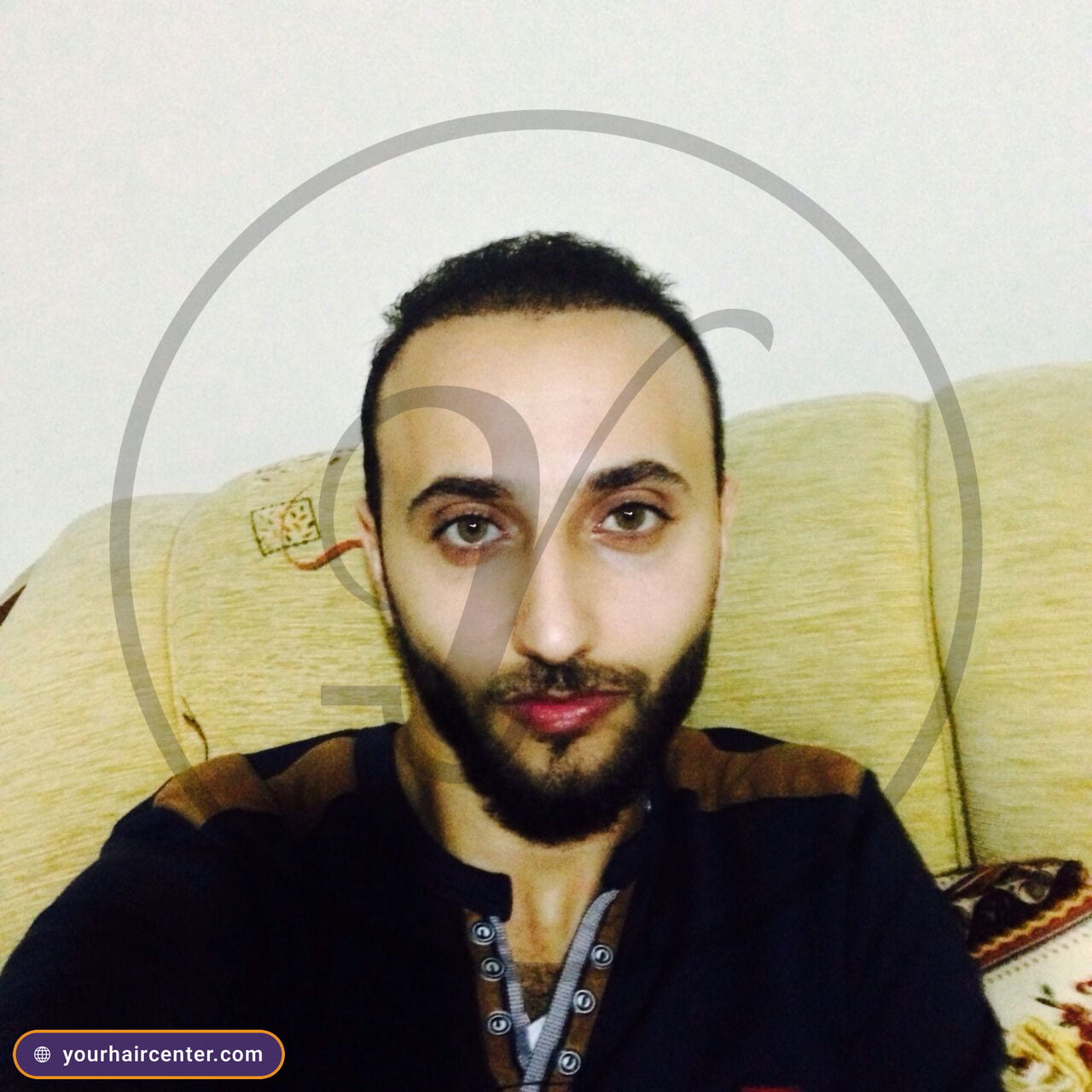
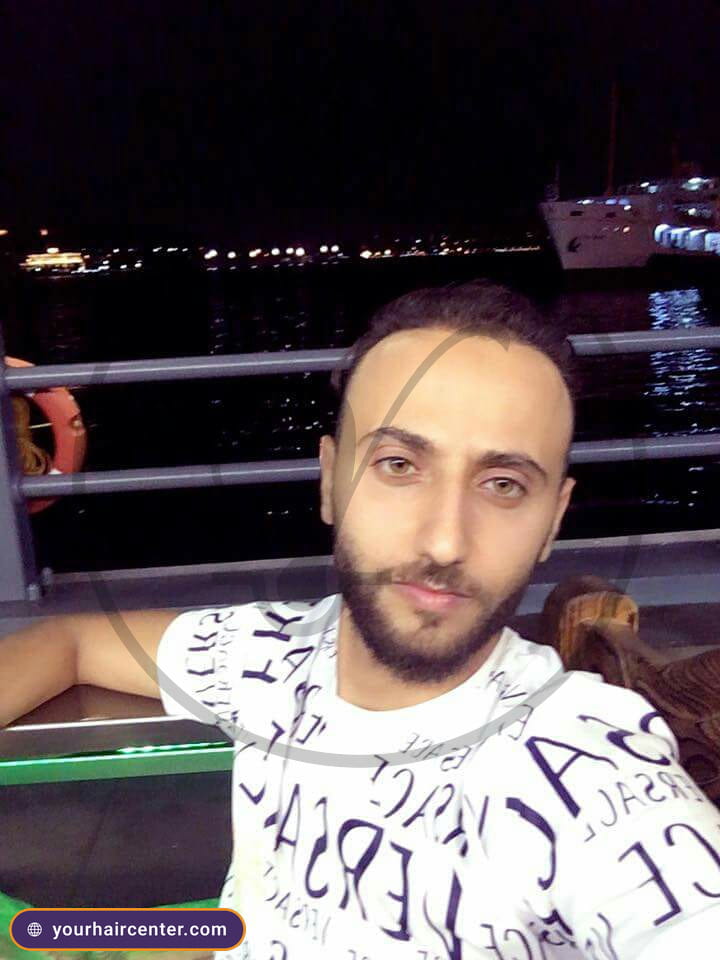
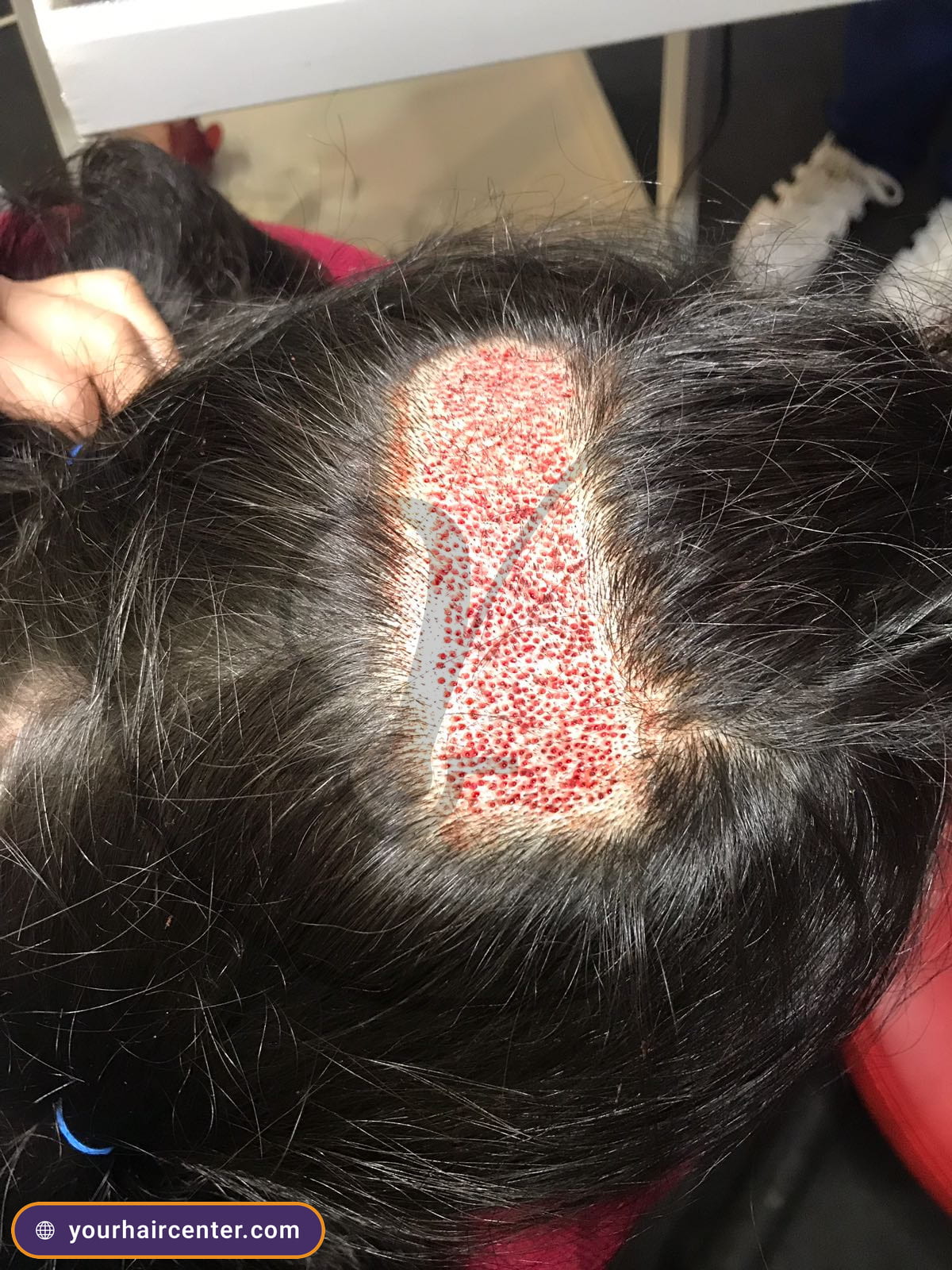
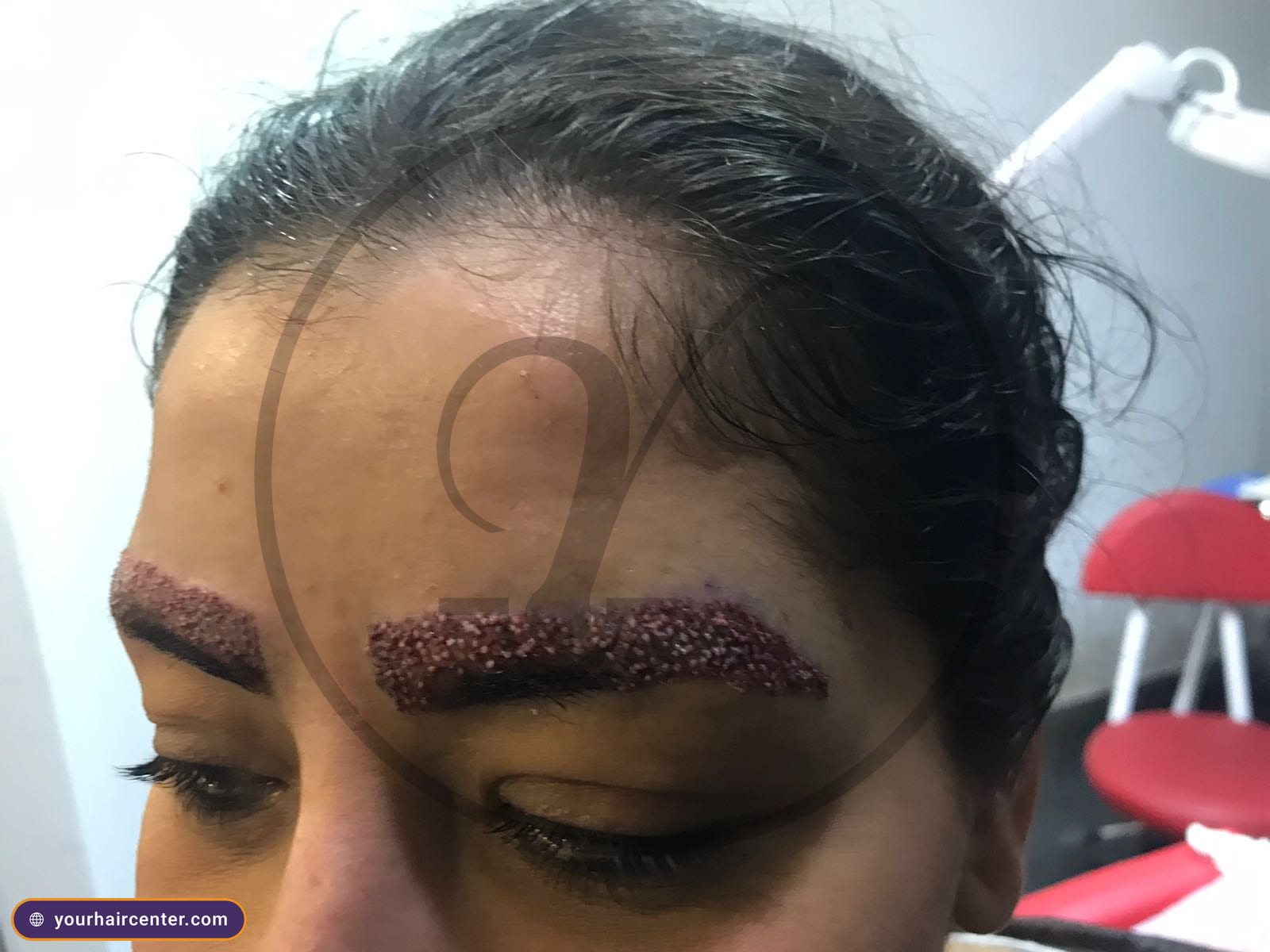
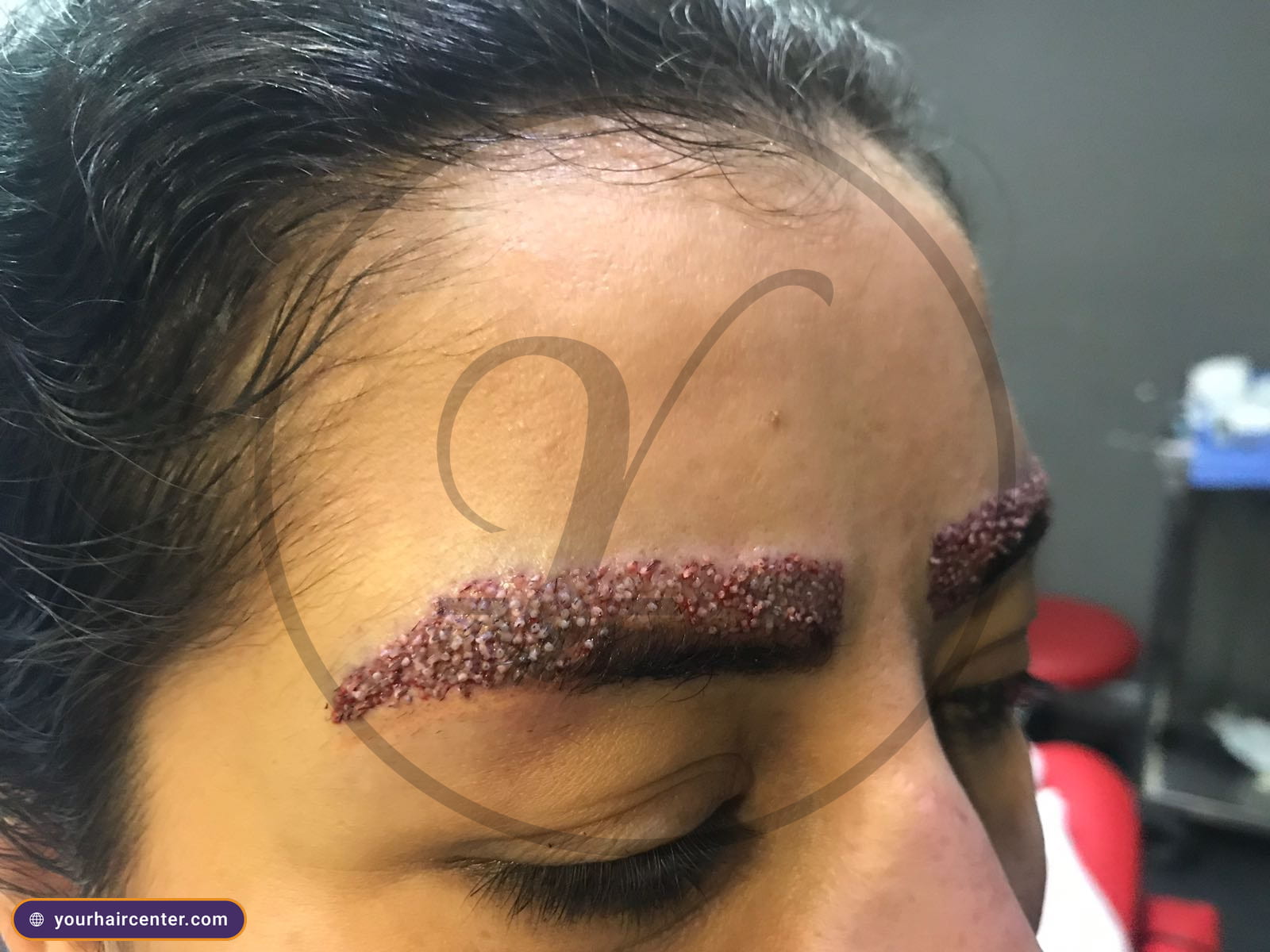
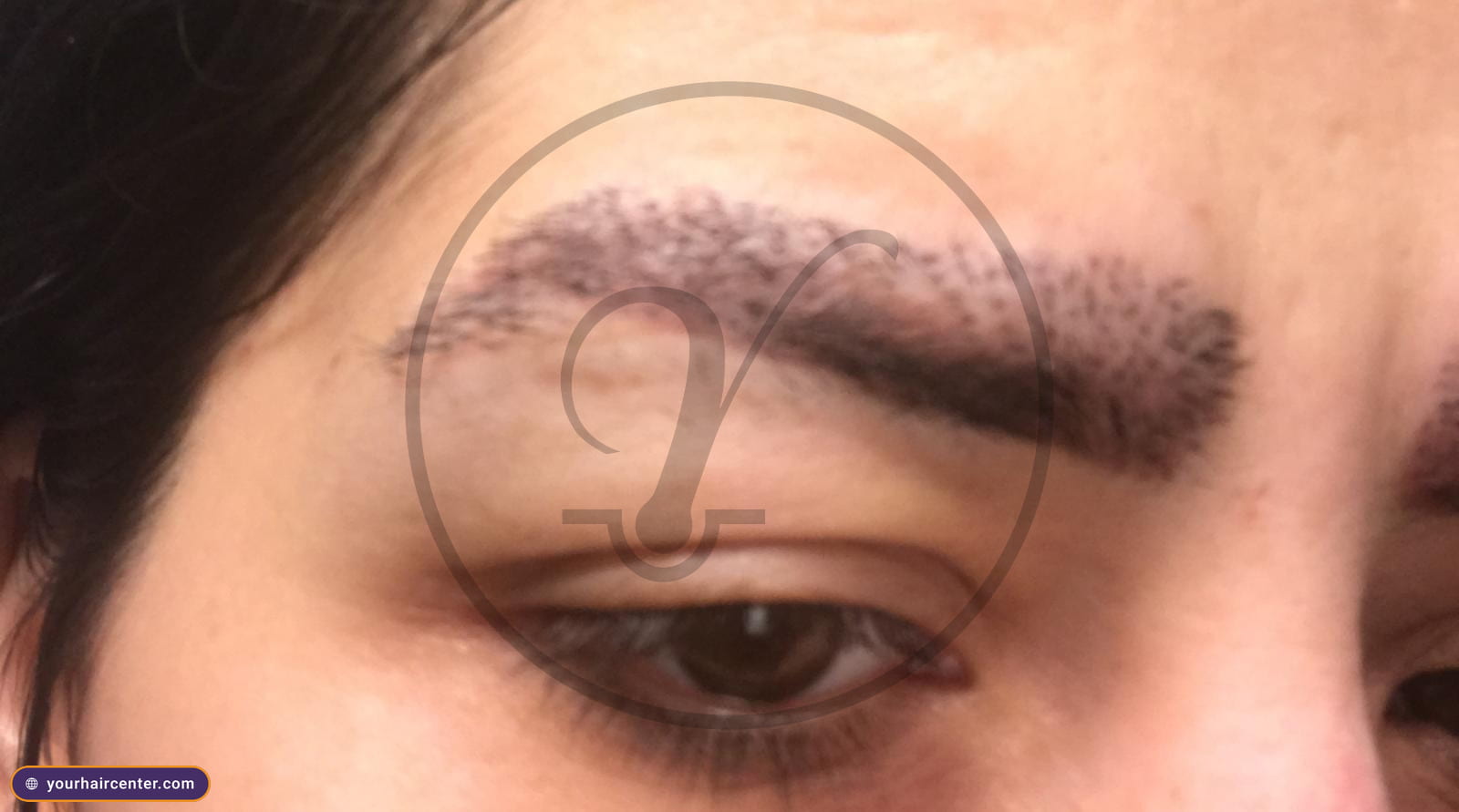
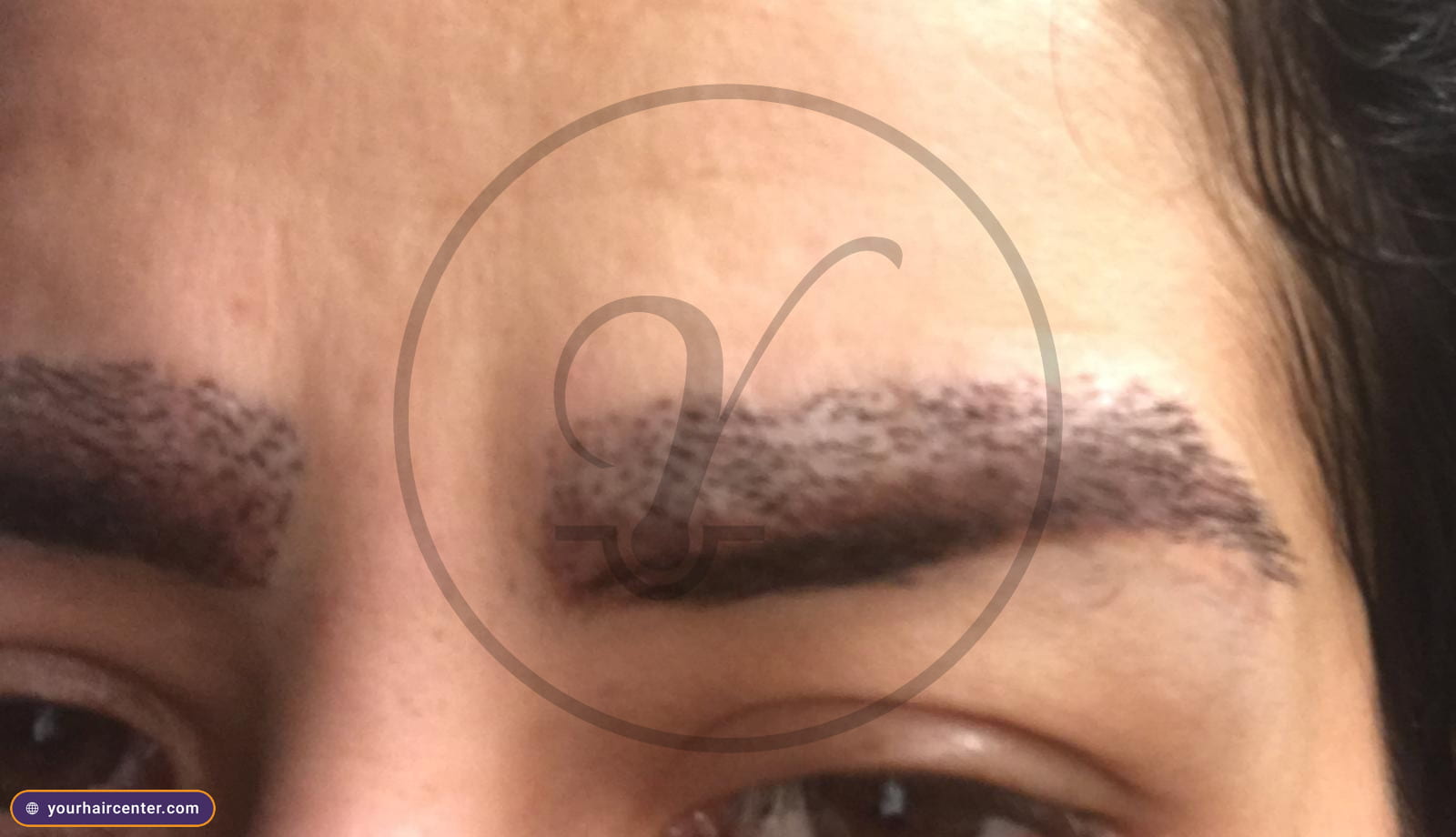
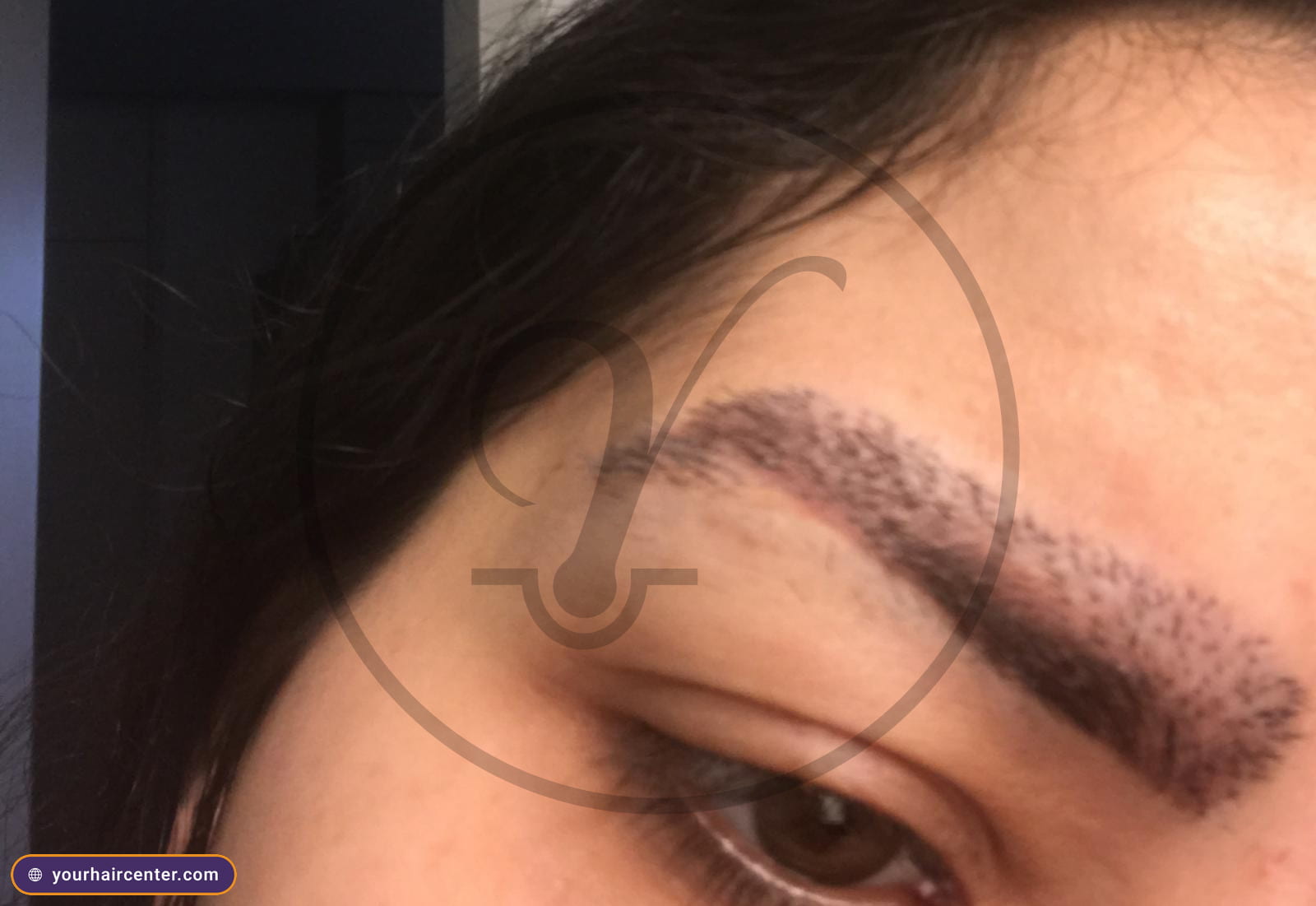
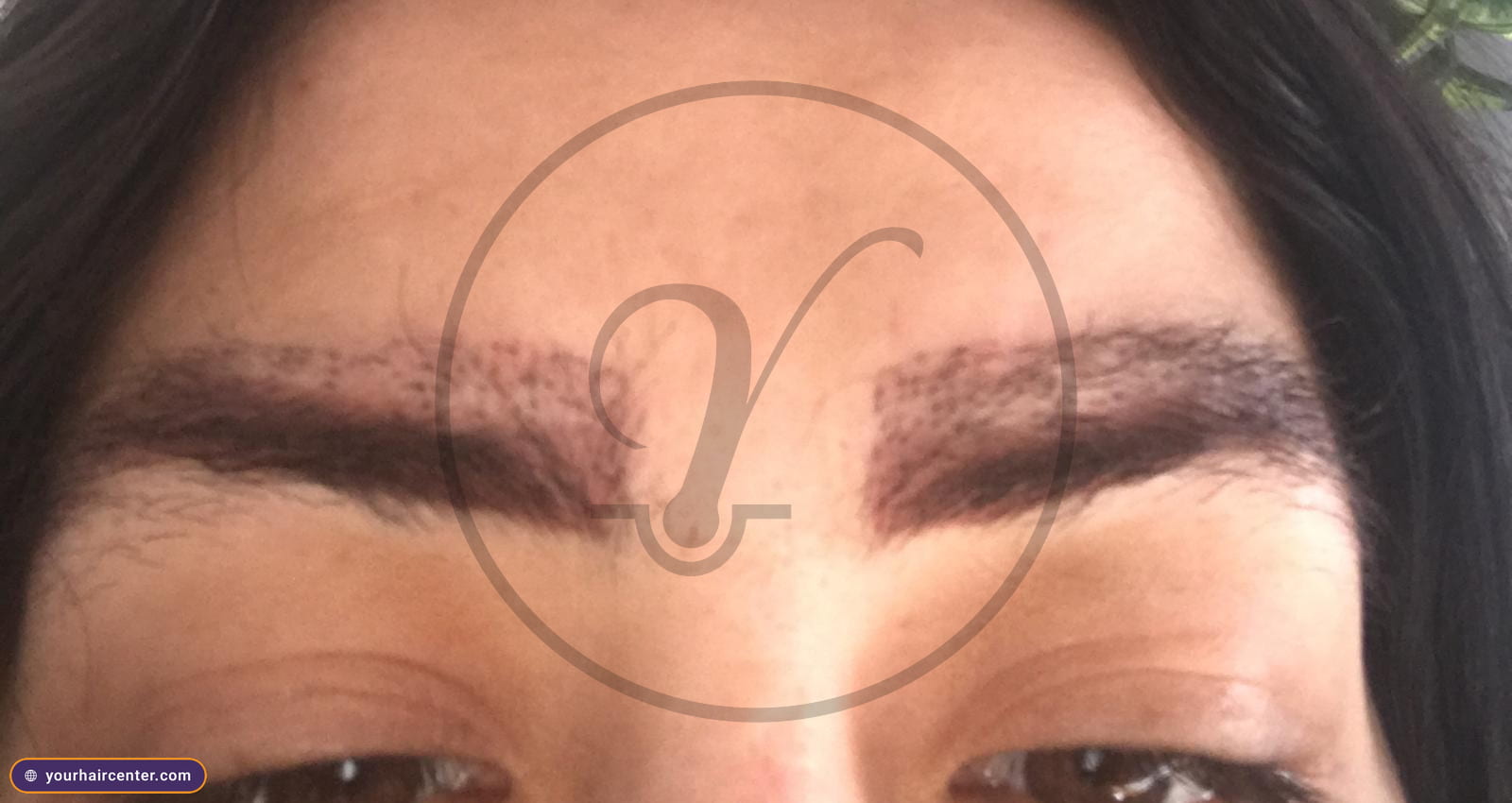
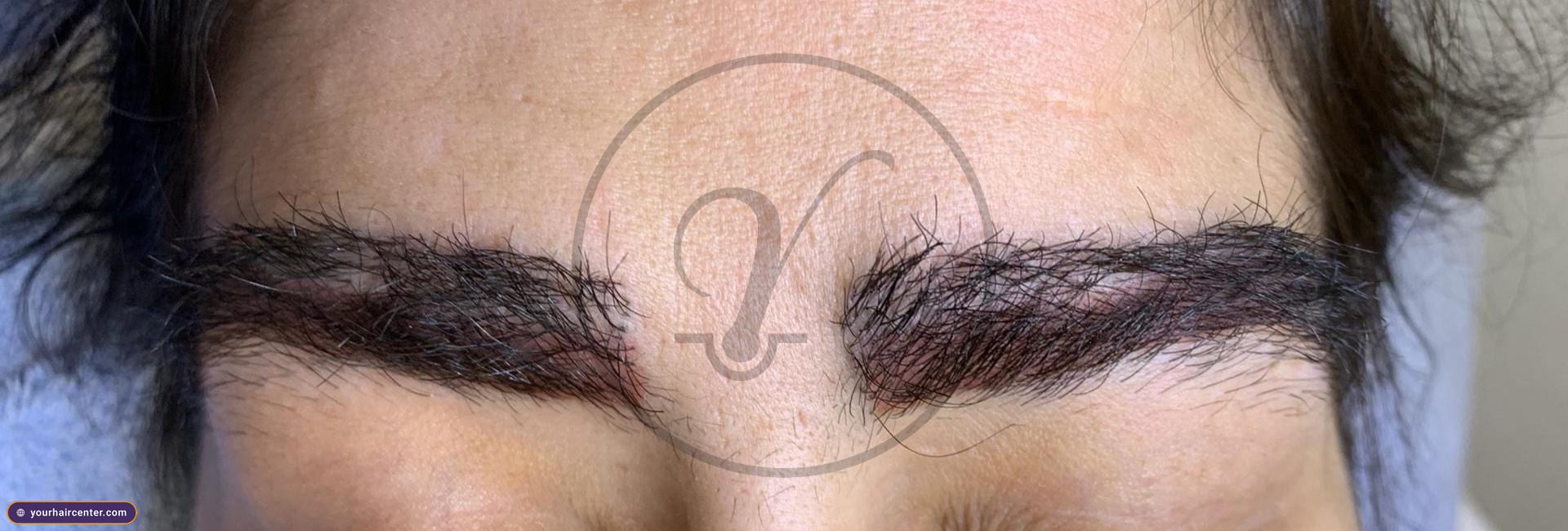
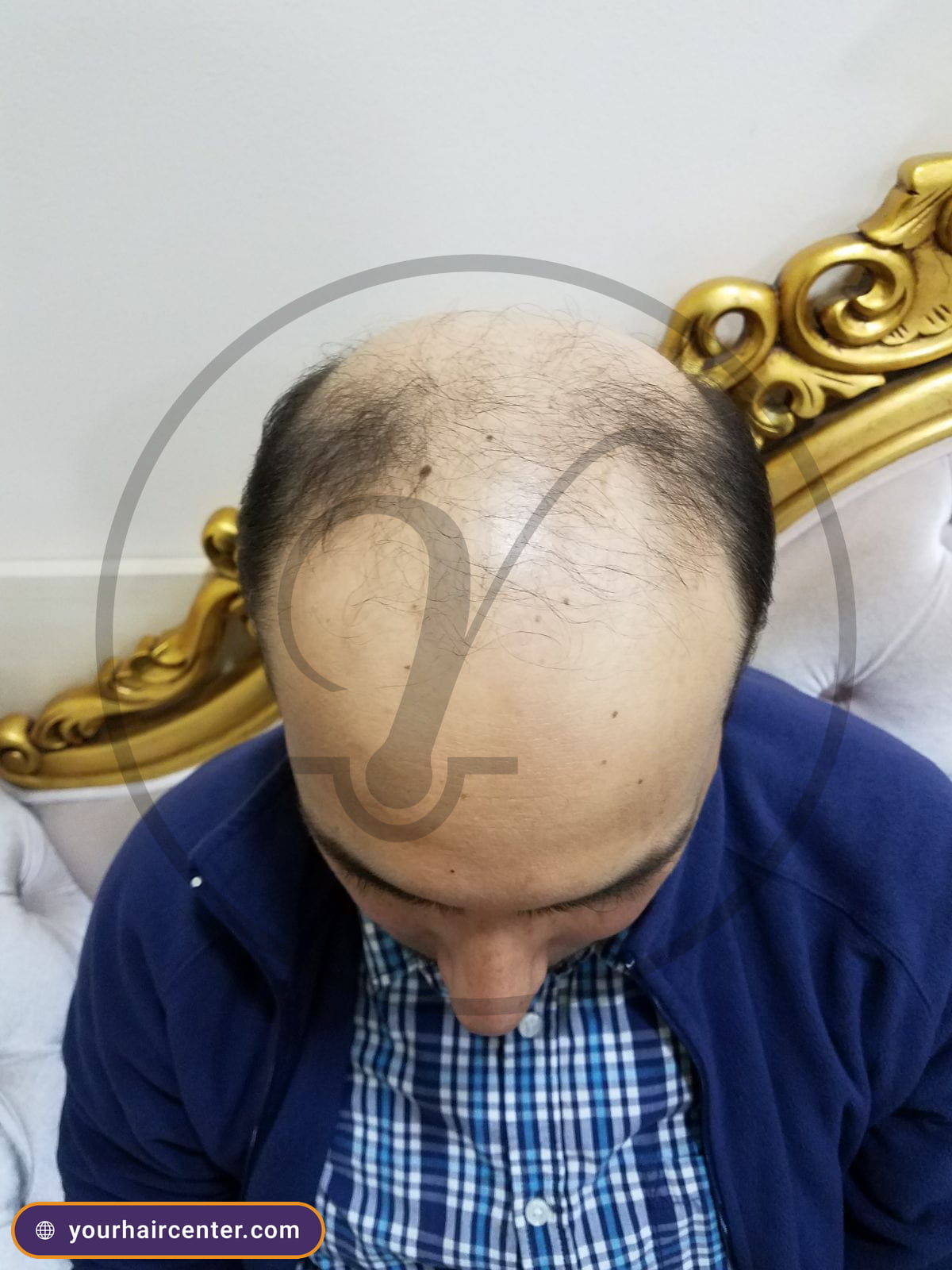
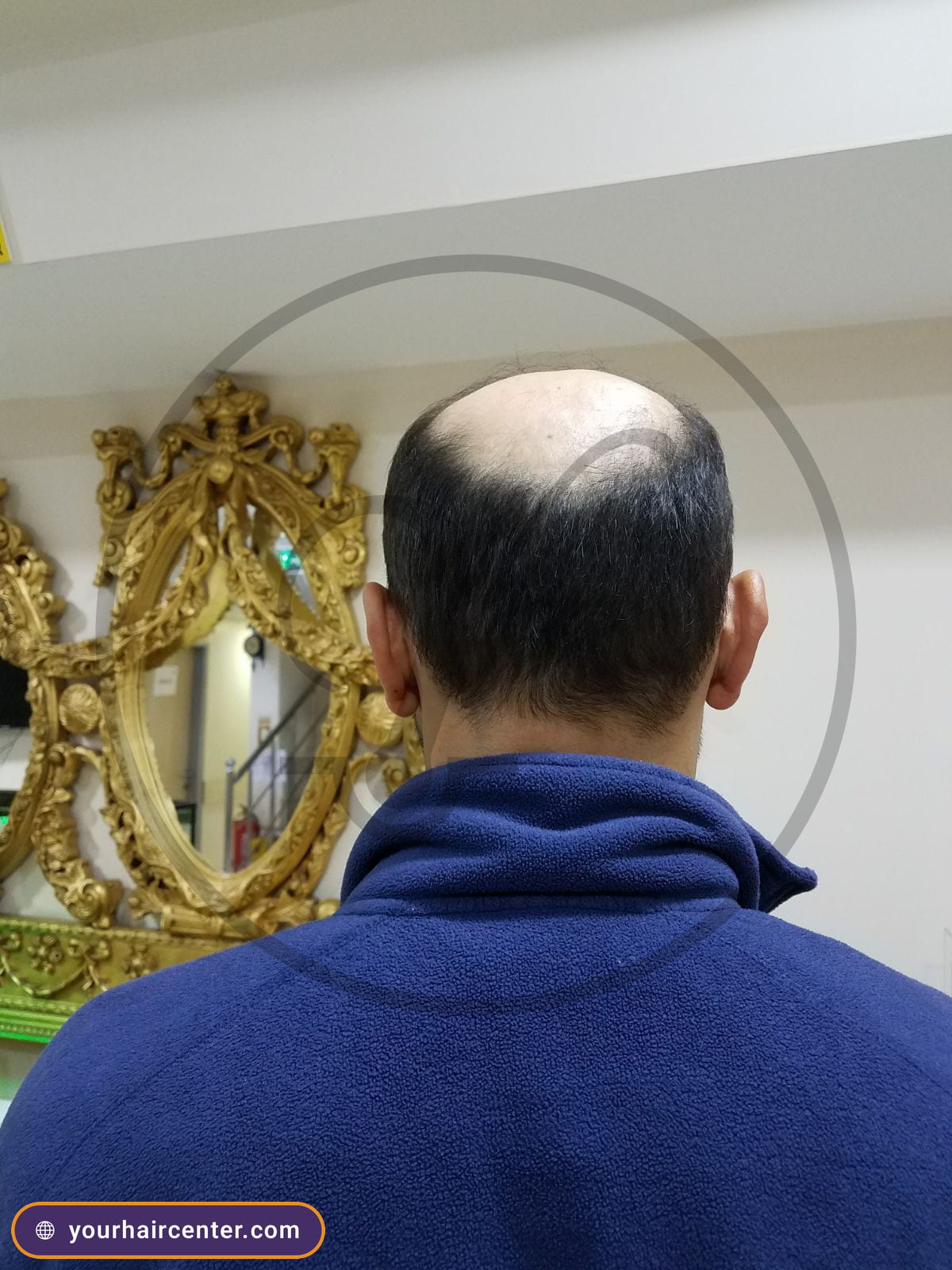
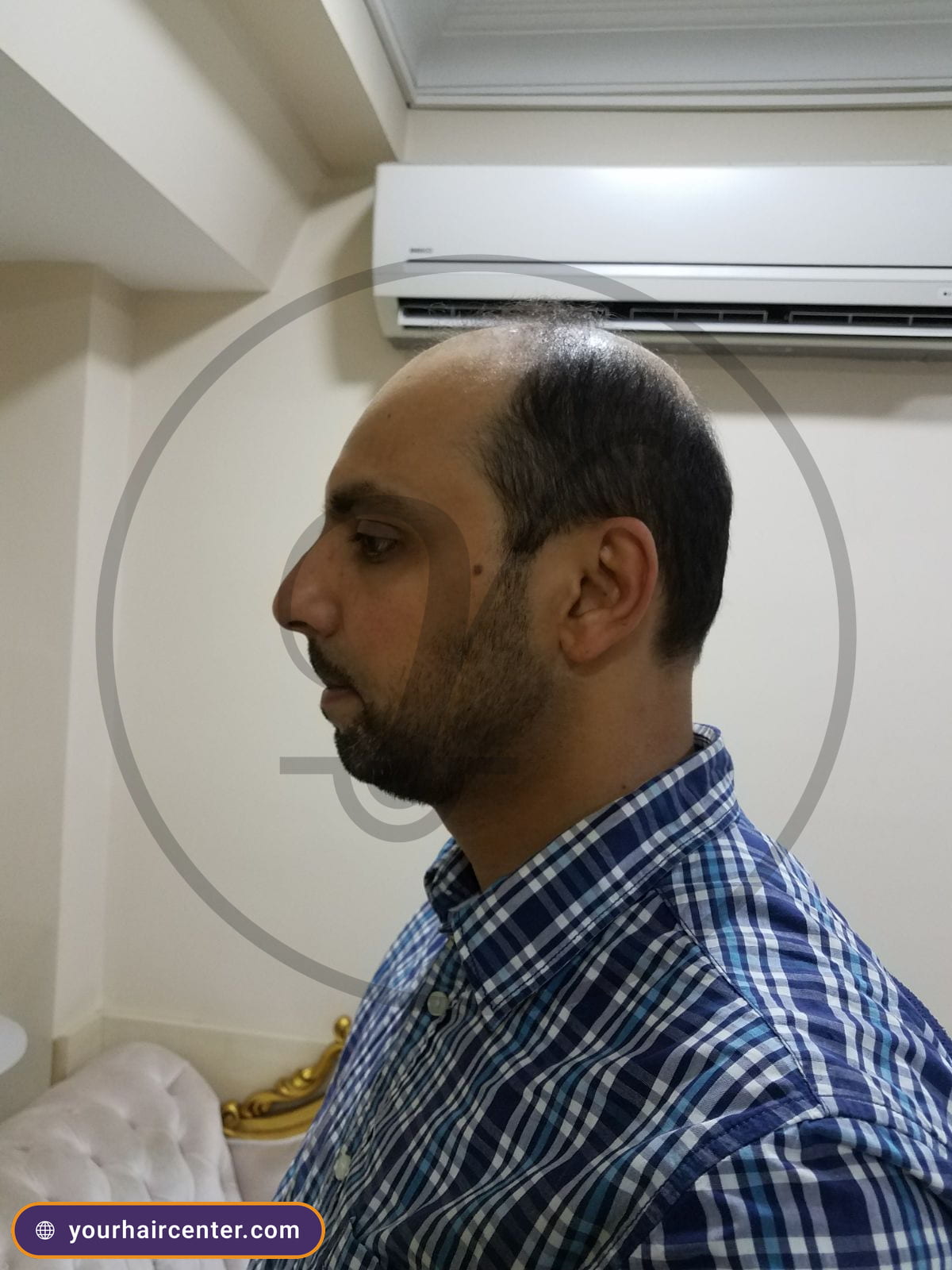
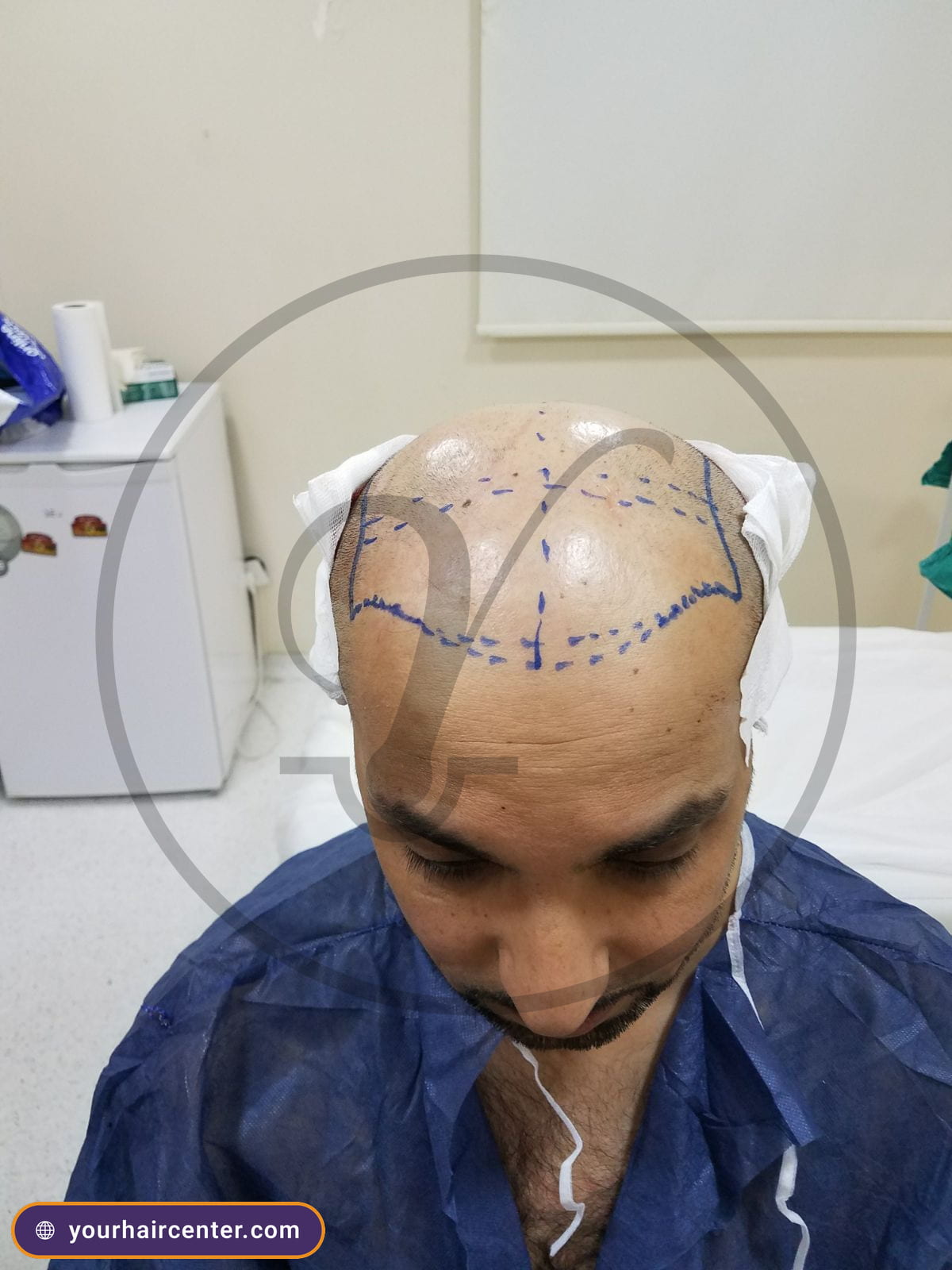
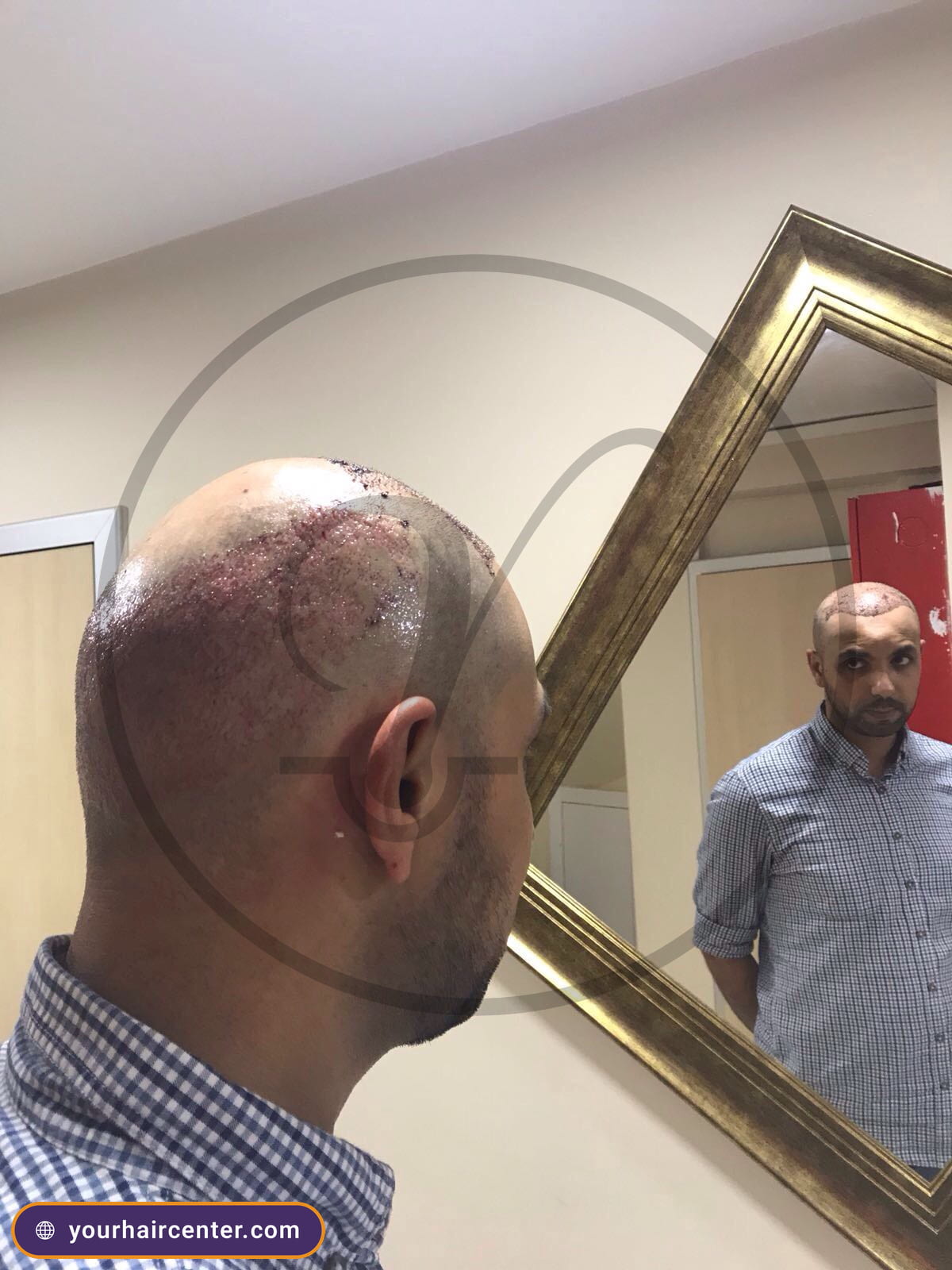
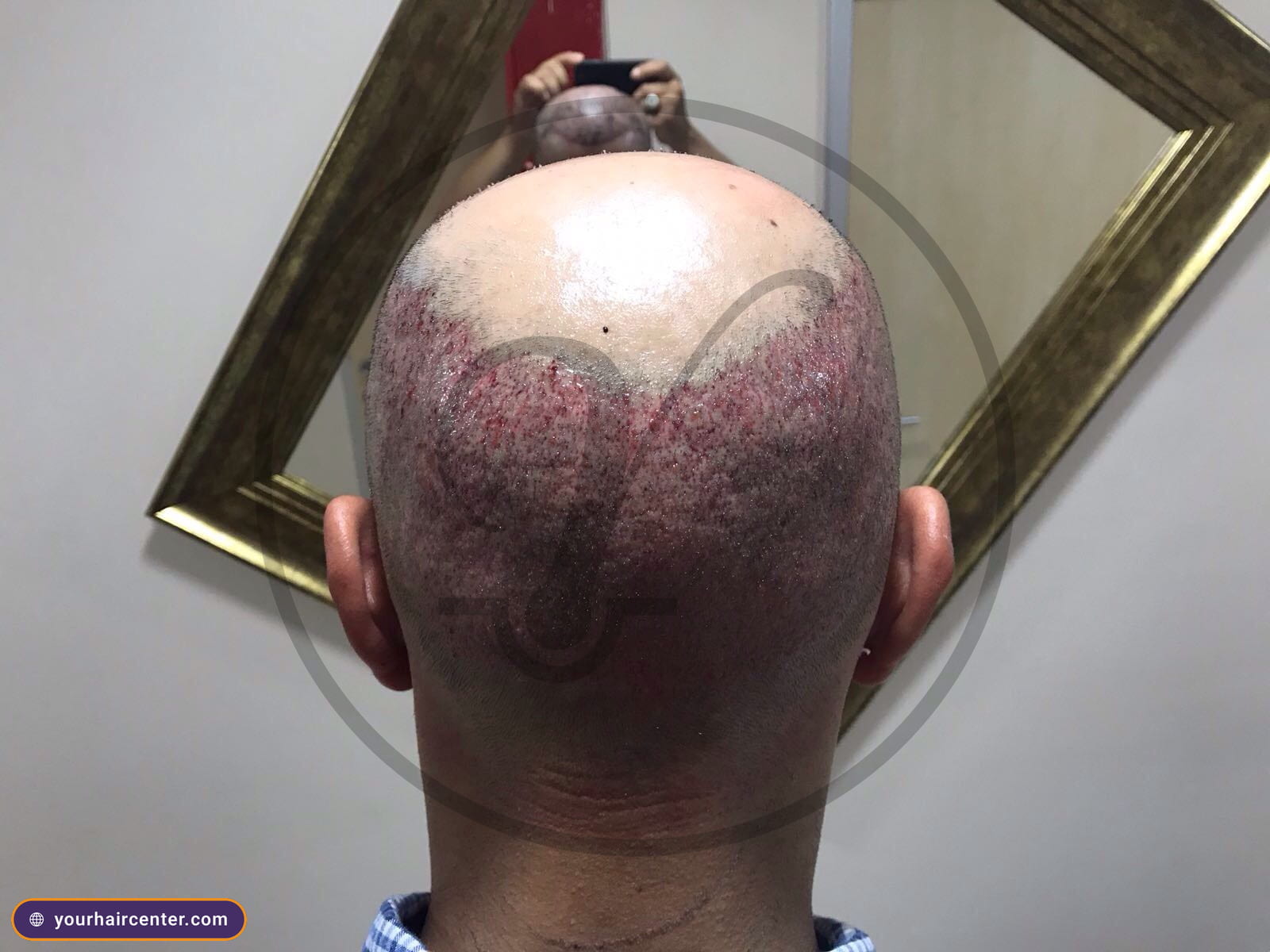
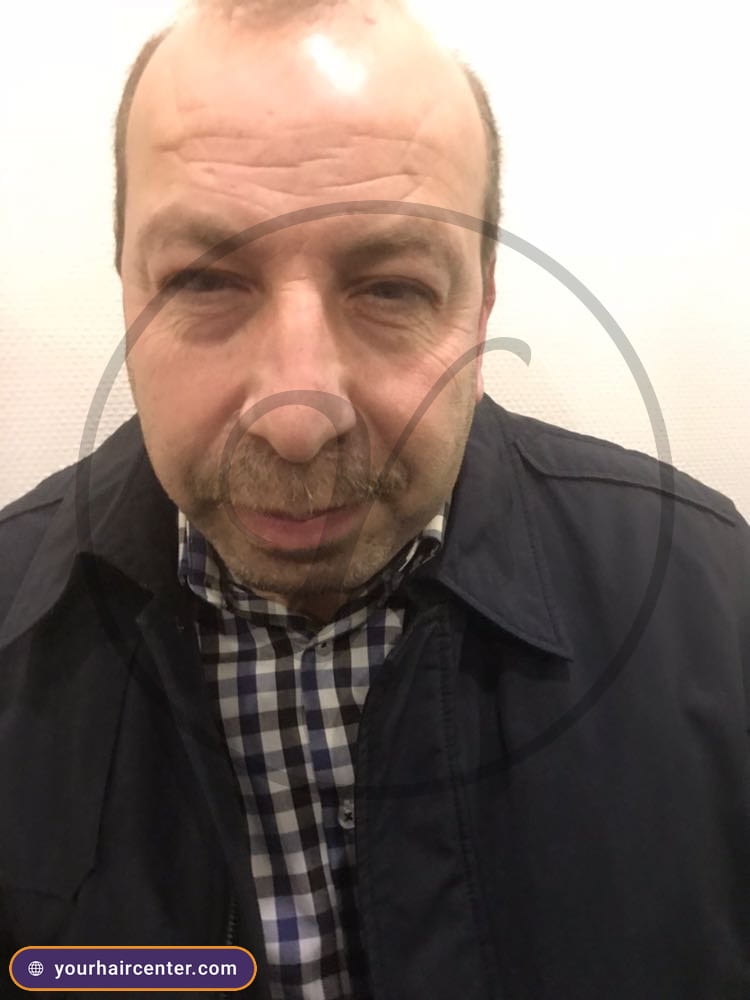
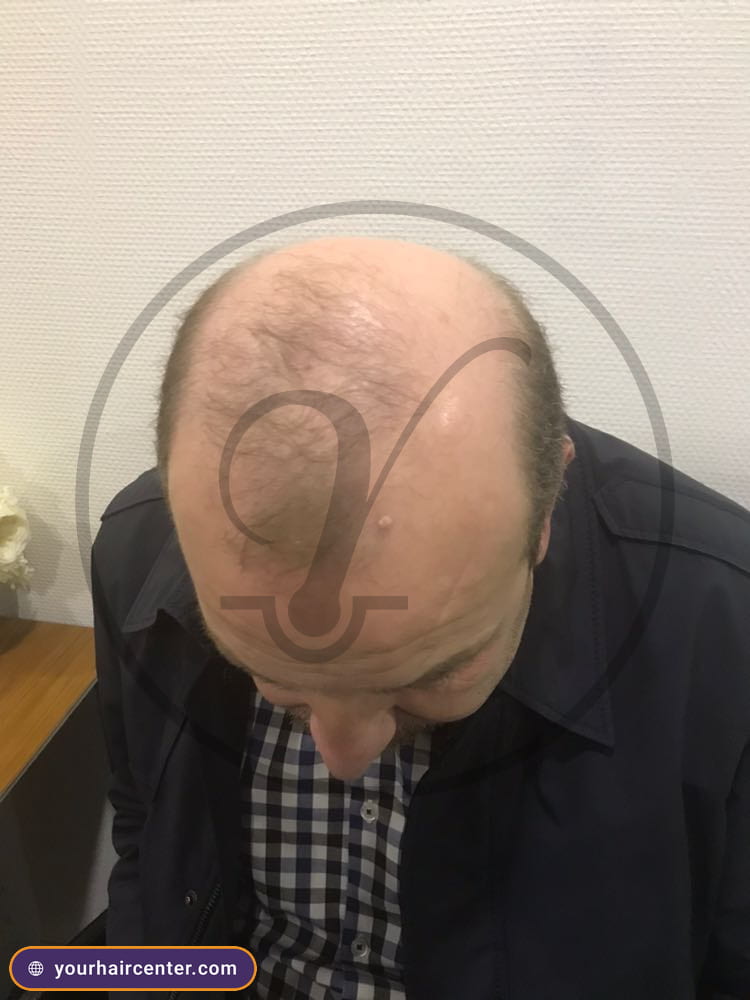
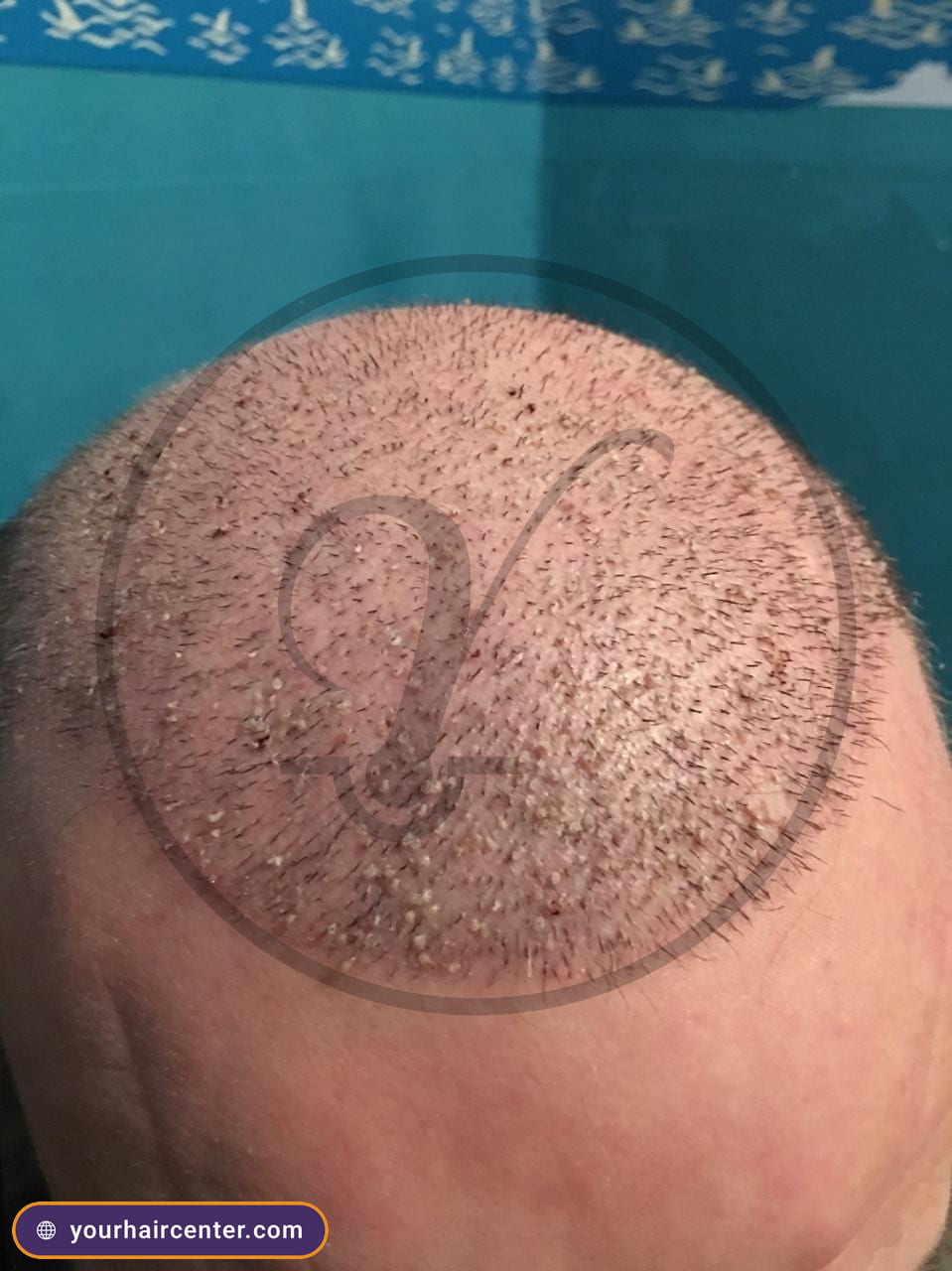
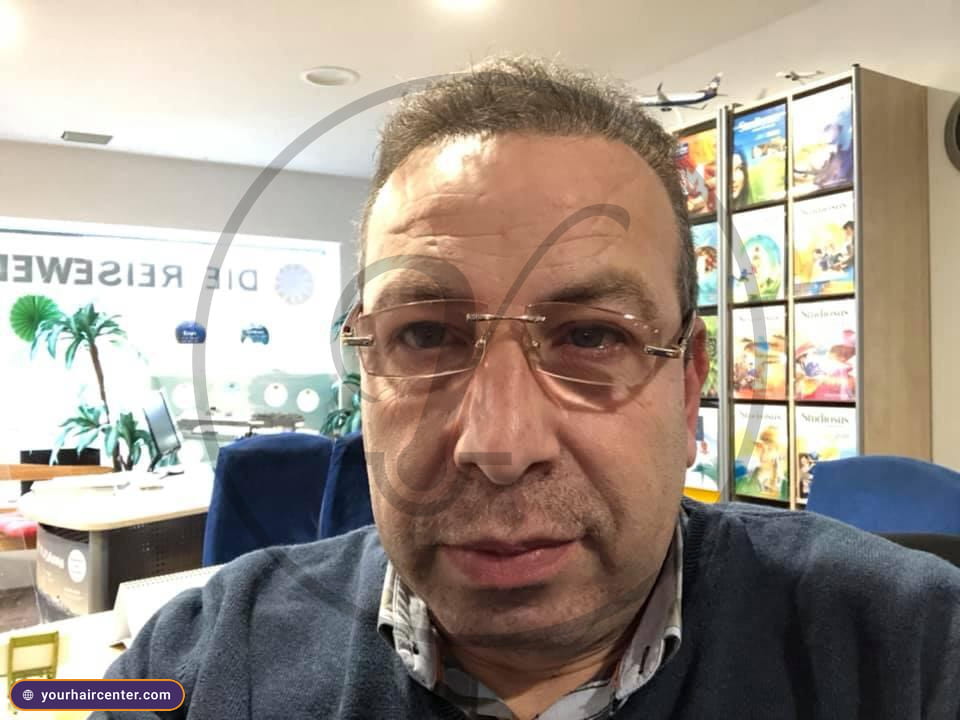
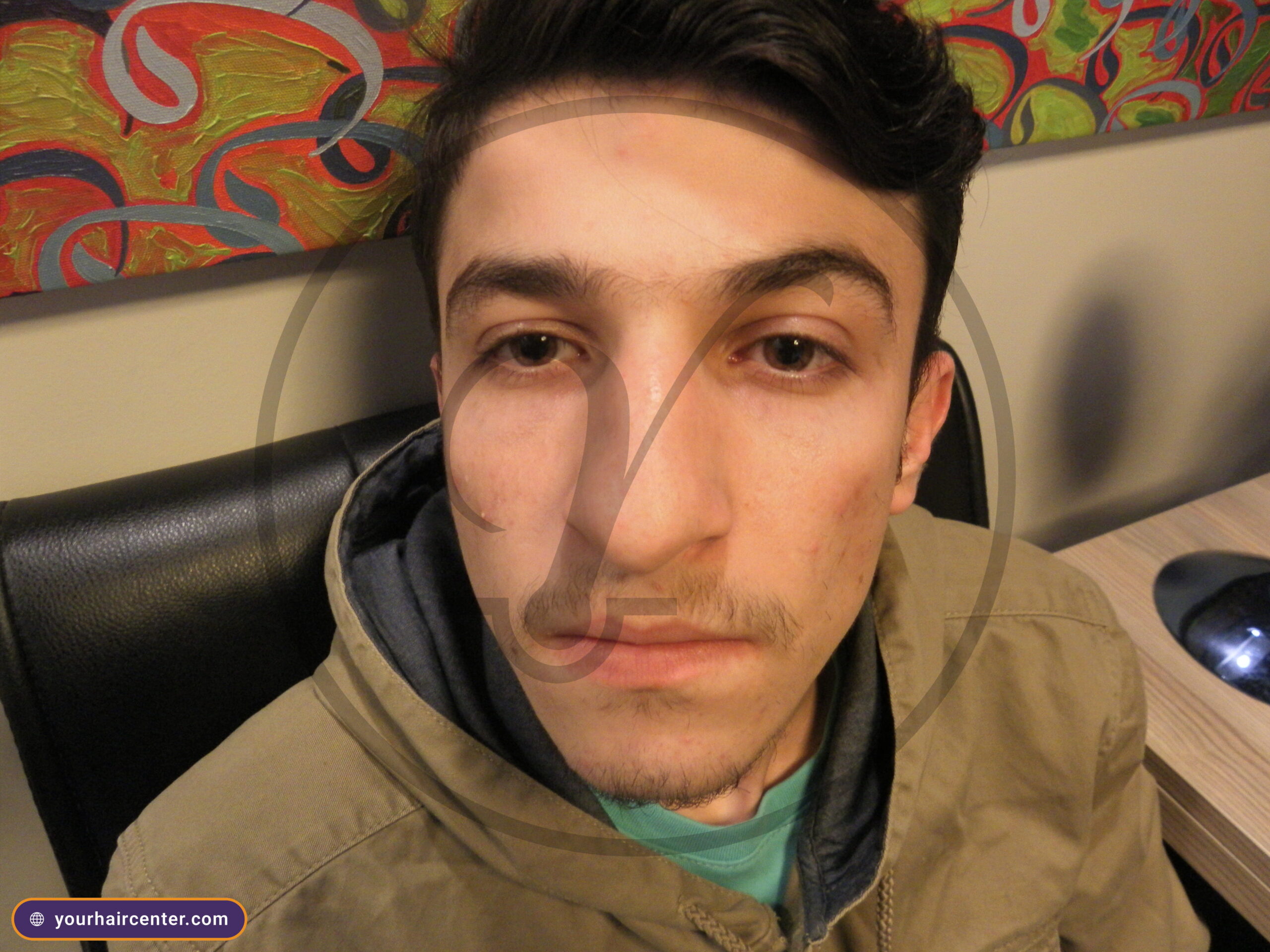
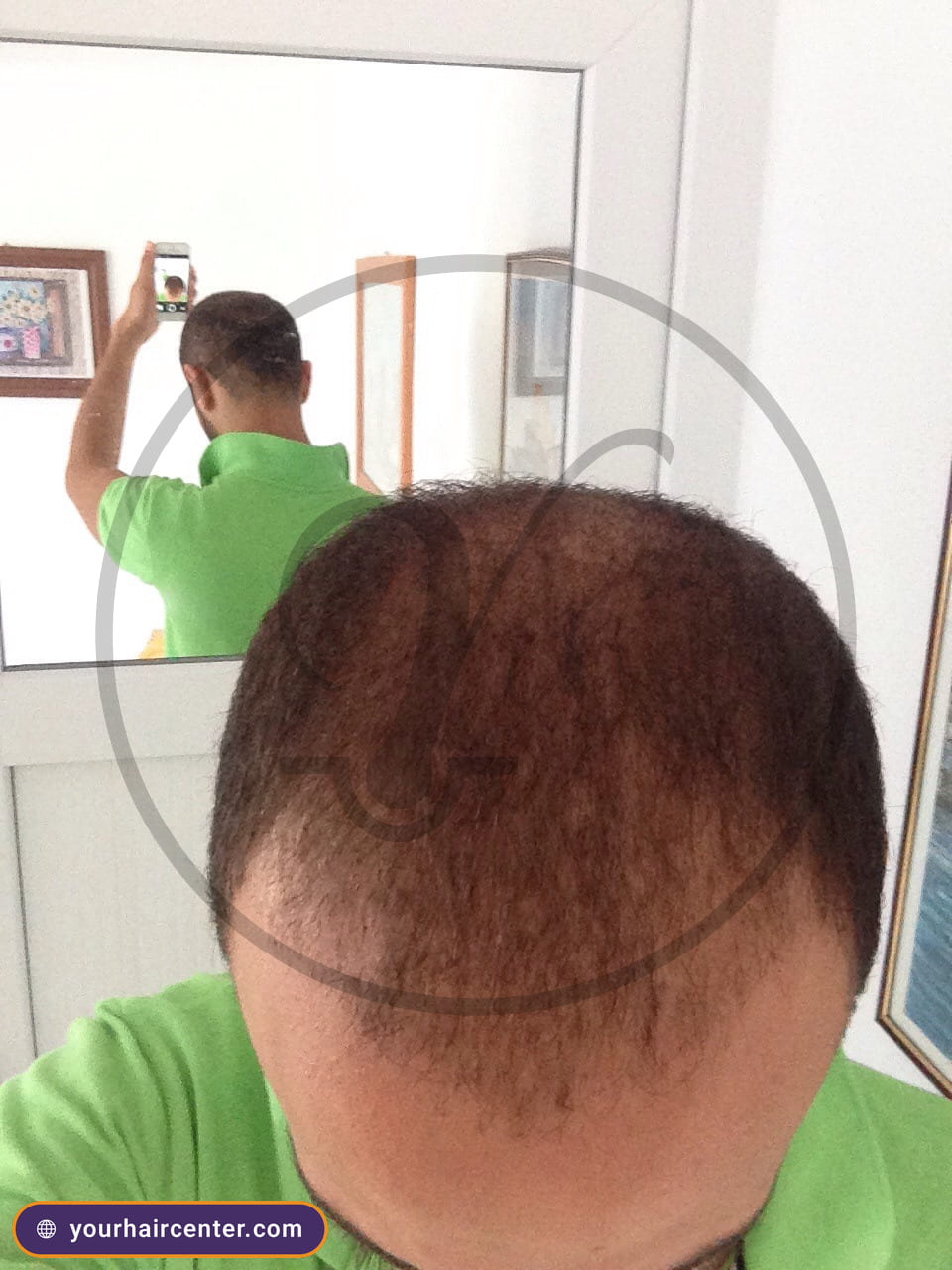
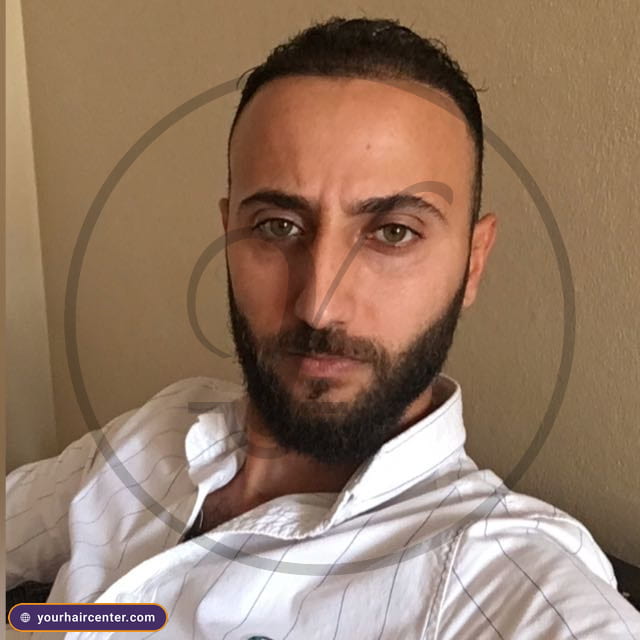
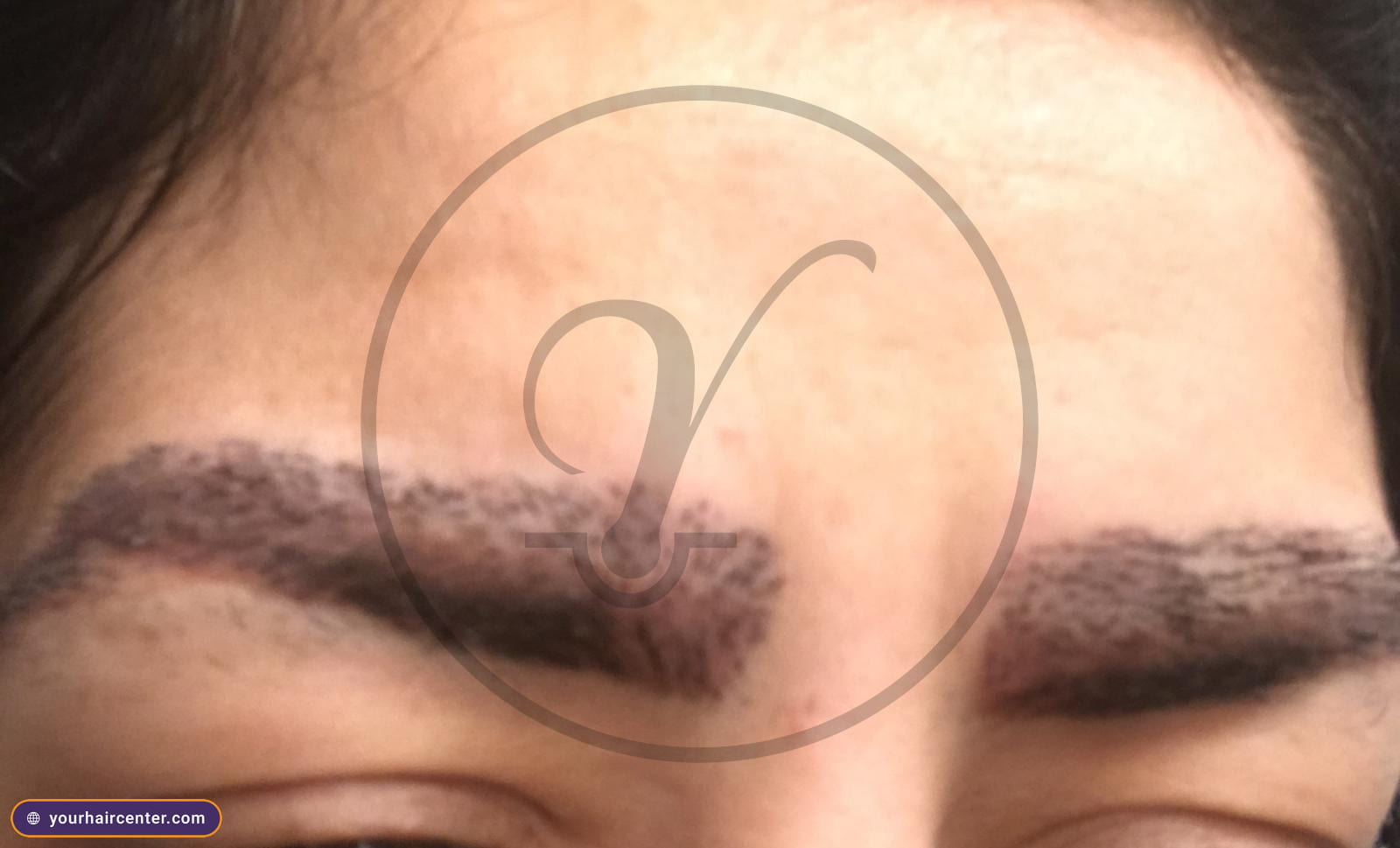
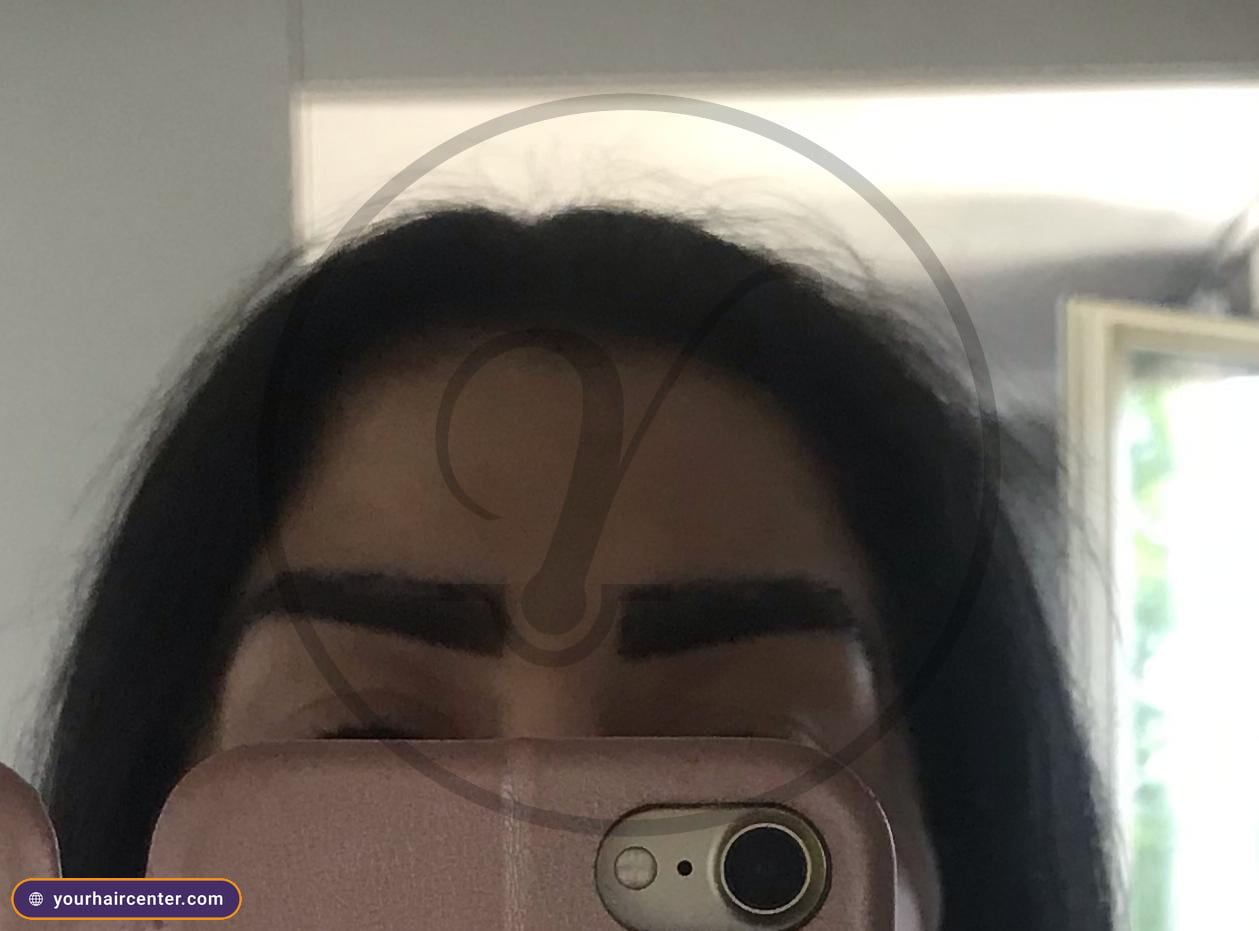
Real results from our patients’ archive. Photos exactly as captured at our accredited partner clinics, with no filters and no retouching. Browse more cases in our photo gallery.

Which Categories We Offer and Which We Honestly Do Not
Here is exactly which categories our specialists perform at accredited partner clinics, and where they draw the line.
Our partner clinics offer all four categories, matched to the case rather than to the invoice.
- Unshaven with trimmed hairs for cases where nothing at all may show and the graft need is small.
- Unshaven with a hidden strip for men and women who need to keep visible length on top. An unshaven fue hair transplant of this kind runs up to about 3,000 grafts a day, and a larger plan continues on a second day.
- Partial shave for larger sessions where a short back and sides for a few weeks is acceptable, up to about 4,000 grafts in one session.
- Full shave for the largest cases, up to about 4,000 grafts in one session, with bigger plans over two days.
Here is what we will not do. We will not advertise a "5,000-graft no-shave" session as a single-day procedure, because for a graft count that high the honest answer is a two-day plan. Selling the impossible version as routine is how patients end up with thin coverage and a story that does not match the brochure. With 5,000+ successful operations behind the team, we have seen where overpromising leads, and we would rather quote you the version that actually works.
The right category is a clinical decision, not a menu choice. Send photos to Your Hair Center’s no-shave service team and the surgeon recommends the category your scalp, donor density, and goals actually call for. If you want a faster read, ask which no-shave technique fits your case on WhatsApp and a coordinator will walk you through it.
What Unshaven FUE Costs in Turkey, the US and the UK
Cost is where an unshaven fue hair transplant behaves differently from standard FUE, so it is worth treating on its own rather than folding it into a generic price chart. The Western figures below are typical market ranges, not quotes, and your real number depends on graft count and package.
In the US and UK, a scalp transplant typically runs $8,000 – $15,000 in the United States and $7,000 – $13,000 in the United Kingdom, procedure only, and clinics there usually price an unshaven FUE hair transplant above a shaved FUE of the same size. That premium pays for the longer surgical day and the higher demand on surgeon focus that the slower pace requires, since nonshaven extraction takes longer operating hours and sustained concentration.[1:2]
In Istanbul the slower pace is absorbed into routine work rather than priced as a boutique upgrade. At Your Hair Center the all-inclusive packages run from $1,650 to $4,650, and your specialist confirms which package and technique fit your case after reviewing your photos.
To compare unshaven FUE hair transplant prices fairly, line up what is inside the price. A Your Hair Center all-inclusive package covers the items a Western base price usually leaves out.
- Hotel accommodation, 4-star or 5-star depending on package
- Airport transfers both ways
- An English-speaking patient coordinator
- A full medication pack
- PRP sessions in the Premium and Royal VIP packages
- 12-month WhatsApp follow-up
Compared like that, the unshaven FUE hair transplant gap is between an Istanbul all-in figure and a Western procedure-only figure, which makes the real difference even wider than the headline numbers suggest. One honest caveat, quality varies inside Istanbul as much as anywhere. The signals that matter are JCI accreditation, ISHRS-member surgeons, transparent itemized pricing, and named patient cases you can actually see.
When Can You Go Back to the Office After Unshaven FUE?
The whole point of an unshaven fue hair transplant is what recovery looks like to other people, so here is the honest macro view. For the granular, day-by-day office-visibility breakdown, the dedicated no-shave recovery timeline walks through it hour by hour.
- Day 1. Scalp tenderness after an unshaven FUE hair transplant is normal, but there is no shaved patch on top to give anything away, and the donor strip is covered by the hair above it. A soft baseball cap is comfortable for the flight home.
- Day 2 to Day 3. Your first wash happens at the partner clinic before you fly. Tiny crusts form around each graft, and most patients are back at a desk after 2 to 3 days.
- Day 7 to Day 14. Crusts and redness clear, whatever the technique, and existing length keeps the recipient zone covered throughout.
- Week 2 to Week 4. Shock loss is possible in the transplanted hairs. This is the normal follicle reset cycle, not a failure, and it is hidden by the hair around it.
- Month 3. The shock-loss hairs are regrowing. There is still no visible change a colleague would notice.
- Month 6 to Month 12. Density fills in, and the new hair is cut and styled exactly like the rest. This is when the result becomes obvious to you and invisible as a procedure to everyone else.
Because the front was never shaved and the donor strip stays hidden in an unshaven fue hair transplant, there is no week-long window where you look "transplanted." That discretion from day one is the entire reason the no-shave service exists.
Who Suits Unshaven FUE and When Partial Shave Is Better
An honest map does not push every reader toward the most discreet option. An unshaven fue hair transplant is the right call for many scalps, but not all, and sometimes a partial or full shave is simply the better procedure. A surgeon who refuses to say so is not doing you a favor.
An unshaven FUE hair transplant fits you when you have existing length of at least about 3 cm at the back to cover the donor strip, your graft requirement fits in one or two days of unshaven work, and your job or social context would make a visible shaved head socially expensive.
Partial or full shave is the right call when the plan is large and you want it done at the fastest pace, when your hair at the back is already very short, or when you regularly wear a hat or a buzzed back-of-head style and a short donor area simply does not matter to you. Choosing it over an unshaven fue hair transplant in these cases buys you speed and a wider donor field.
Unshaven with trimmed hairs fits women with diffuse thinning and men needing density touch-ups in already-restored zones, where the graft need is small and nothing at all may show. The Choi pen workflow suits placing grafts between long hair. Women wanting to preserve long hair through the whole process have their own considerations, covered in the long-hair hair transplant guide.
And the honest "not a candidate" list for an unshaven FUE hair transplant is short, very extensive baldness, very low donor density, active autoimmune conditions, or open scalp wounds. In those cases no version of no-shave is the right answer, and a responsible clinic says so before you book a flight.
Frequently Asked Questions
What is unshaven FUE?
An unshaven fue hair transplant is a follicular unit extraction where the front is never shaved and the donor area at the back is either a narrow strip hidden under the hair above it or selected hairs trimmed one by one. The surgeon removes follicles one at a time and leaves your visible length intact. A typical working day moves about 2,500 grafts, with about 3,000 at most, and larger plans run over two days.[1:3] The payoff is that you have no visible shaved patch from day one. Learn more on the no-shave service page.
Is no shave FUE worth it?
No-shave FUE is worth it when discretion is the deciding factor in your decision to have a transplant at all. If keeping the procedure private is what gets you to actually do it, the trade-offs of an unshaven FUE hair transplant are easy to accept. You accept a slower pace, a larger case over two days and, in US and UK clinics, a premium over a shaved FUE. In Istanbul that premium largely disappears because the workflow runs daily.
How much does unshaven FUE cost in Turkey?
At Your Hair Center an unshaven fue hair transplant is priced inside the all-inclusive packages, from $1,650 to $4,650. That figure is not procedure-only. A Your Hair Center all-inclusive package folds in hotel accommodation, both-way airport transfers, a patient coordinator, a full medication pack, PRP sessions in the Premium and Royal VIP packages, and 12-month follow-up. Istanbul pricing sits roughly flat versus shaved FUE because high-volume teams absorb the slower unshaven pace into routine work.
What does Reddit actually say about unshaven hair transplants?
The short version is that the community keeps returning to graft-count honesty, the quiet rebranding of partial shave as "no-shave," and healthy skepticism about cost-arbitrage claims. For the full breakdown of what r/HairTransplants actually says, the dedicated guide walks through each finding with examples.
Is the best no-shave hair transplant in Turkey?
The best no-shave hair transplant clinic is the one that names which of the four categories it actually performs, not the one with the most expensive marketing. Look for four signals, JCI accreditation, ISHRS-member surgeons, transparent itemized pricing, and named patient cases you can review. Turkey concentrates a lot of high-volume expertise, but the signals matter more than the country. Ask which technique fits your case.
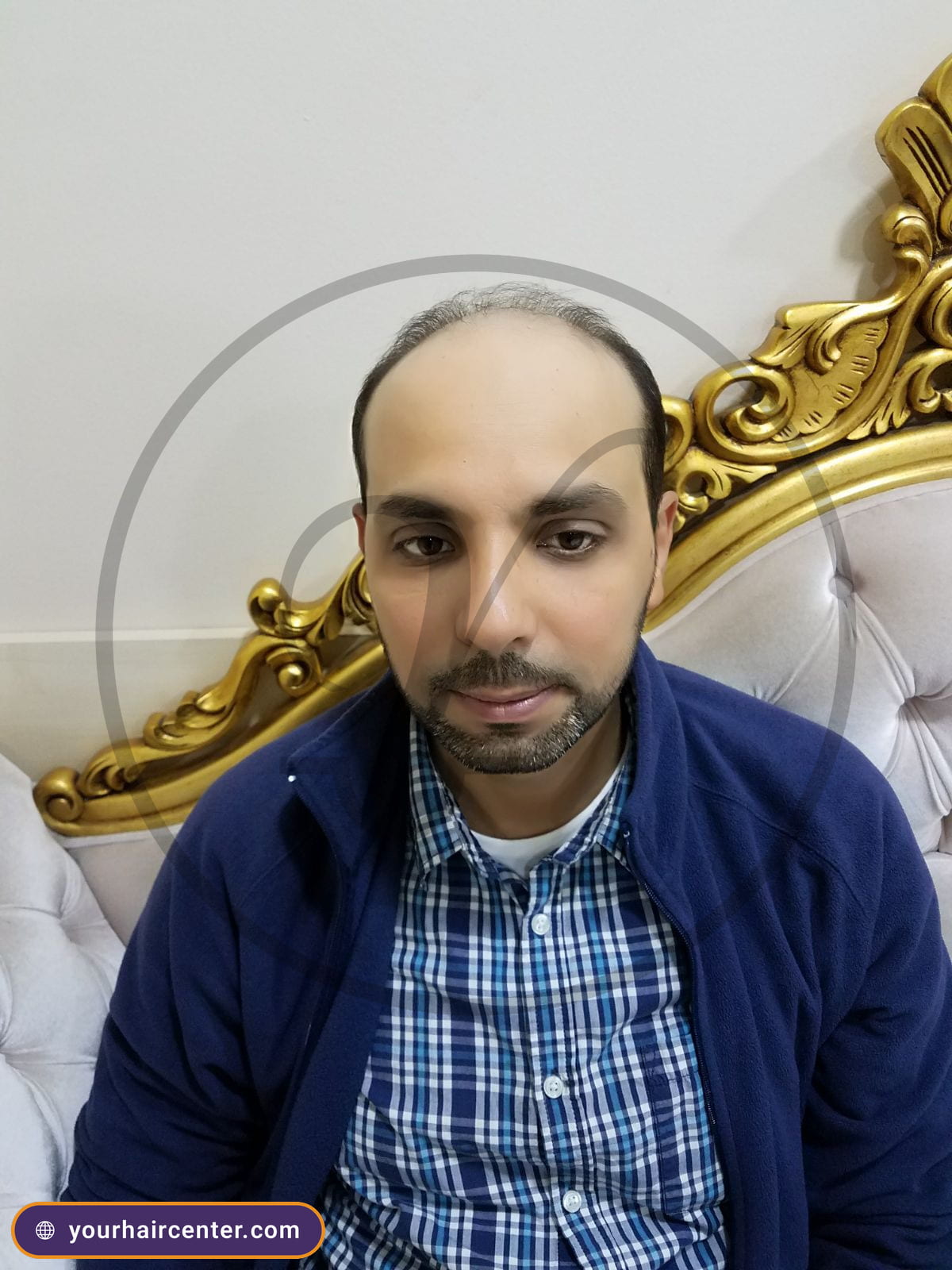
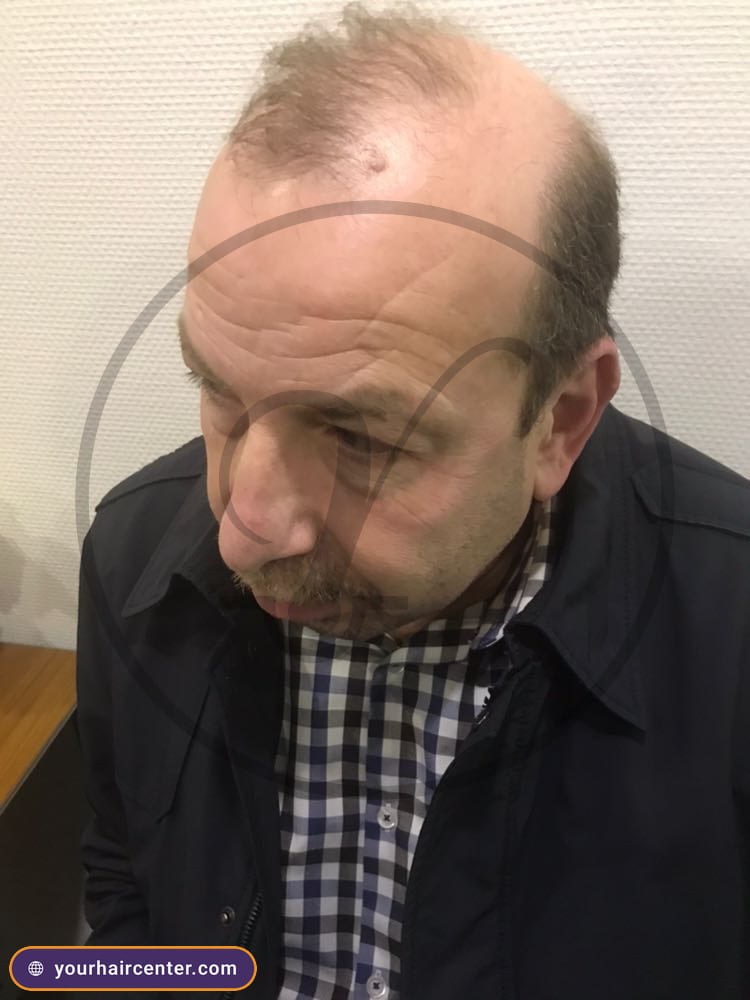
Real results from our patients’ archive. Photos exactly as captured at our accredited partner clinics, with no filters and no retouching. Browse more cases in our photo gallery.



Choosing the Right Unshaven FUE Hair Transplant
Here is the whole map in four lines. There are four categories, unshaven with trimmed hairs, unshaven with a hidden strip, partial shave, and full shave. In both unshaven categories the front is never shaved and a day of work moves up to about 3,000 grafts, while a shaved session reaches about 4,000, larger plans run over two days, and nobody delivers a genuine 5,000-graft no-shave in one day. Your Hair Center’s specialists perform all four at accredited partner clinics and hospitals, and we refuse to oversell the single-day version physics will not support. For unshaven work specifically, Istanbul pricing sits near flat against shaved FUE while Western clinics charge a boutique premium. The right unshaven fue hair transplant is the one your scalp calls for, chosen by a surgeon picking the technique that works rather than the one that maximizes the invoice. Send your photos for a free no-shave technique evaluation, or ask which no-shave technique fits your case on WhatsApp.
References
-
Park JH, You SH, Kim NR. "Nonshaven Follicular Unit Extraction, Personal Experience." Annals of Plastic Surgery, 2019, 82(3), 262 to 268. PubMed Central PMC6392215. Reports that nonshaven FUE can transplant 2,500 grafts in a day on average, with a maximum of 3,000 grafts a day. https://pmc.ncbi.nlm.nih.gov/articles/PMC6392215/ (opens in new tab) ︎ ︎ ︎ ︎
-
Parsley WM, Perez-Meza D. "Review of Factors Affecting the Growth and Survival of Follicular Grafts." Journal of Cutaneous and Aesthetic Surgery, 2010, 3(2), 69 to 75. PubMed Central PMC2956960. Reviews out-of-body holding time, dehydration, temperature, and handling as primary determinants of graft survival. https://pmc.ncbi.nlm.nih.gov/articles/PMC2956960/ (opens in new tab) ︎
-
Sharma R, Ranjan A. "Follicular Unit Extraction (FUE) Hair Transplant, Curves Ahead." Journal of Maxillofacial and Oral Surgery, 2019, 18(4), 509 to 517. PubMed Central PMC6795649. Summarizes published time-survival data, with graft survival near 95 percent at two hours out of body and an approximate one percent per hour loss thereafter. https://pmc.ncbi.nlm.nih.gov/articles/PMC6795649/ (opens in new tab) ︎