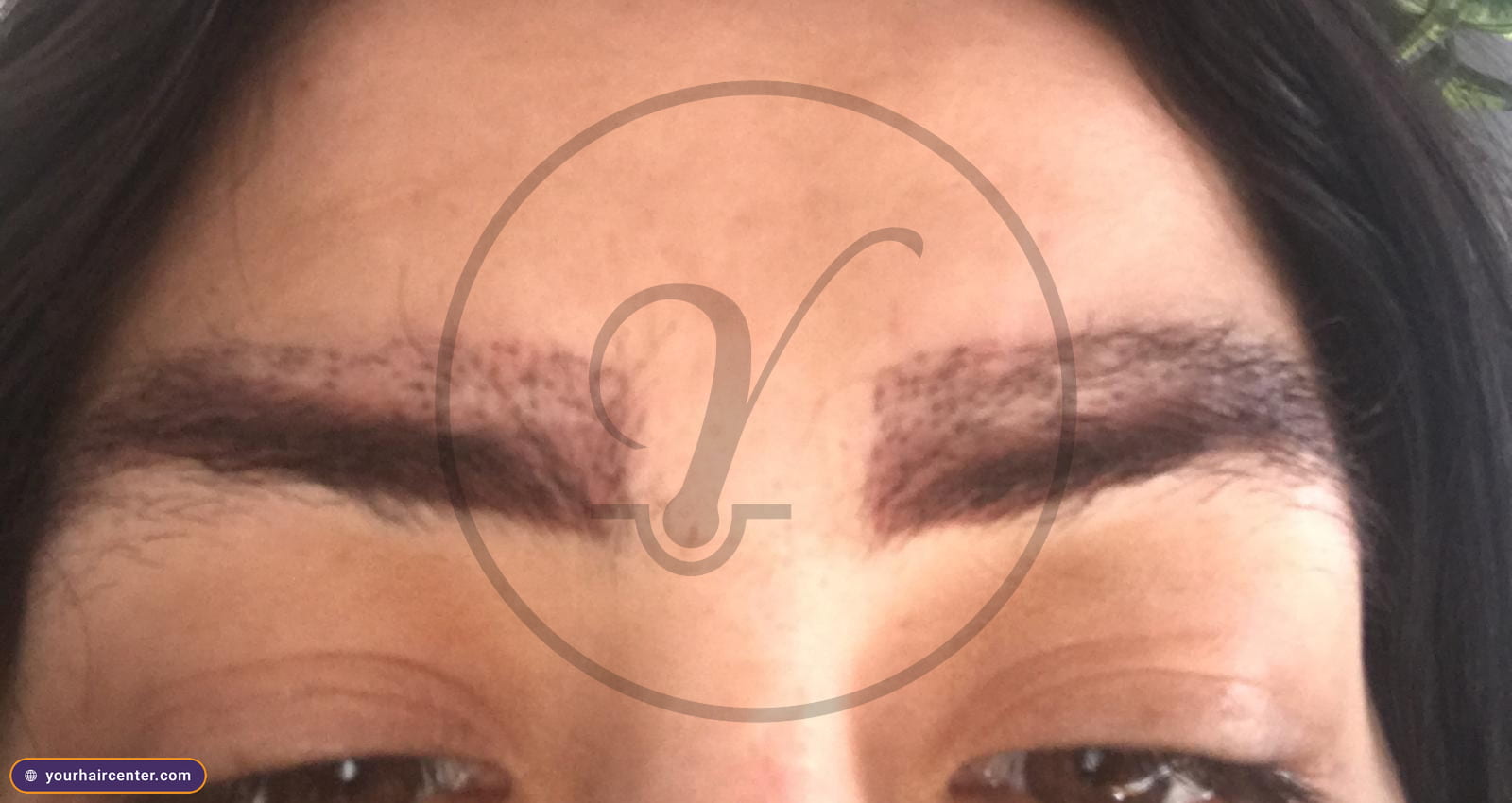
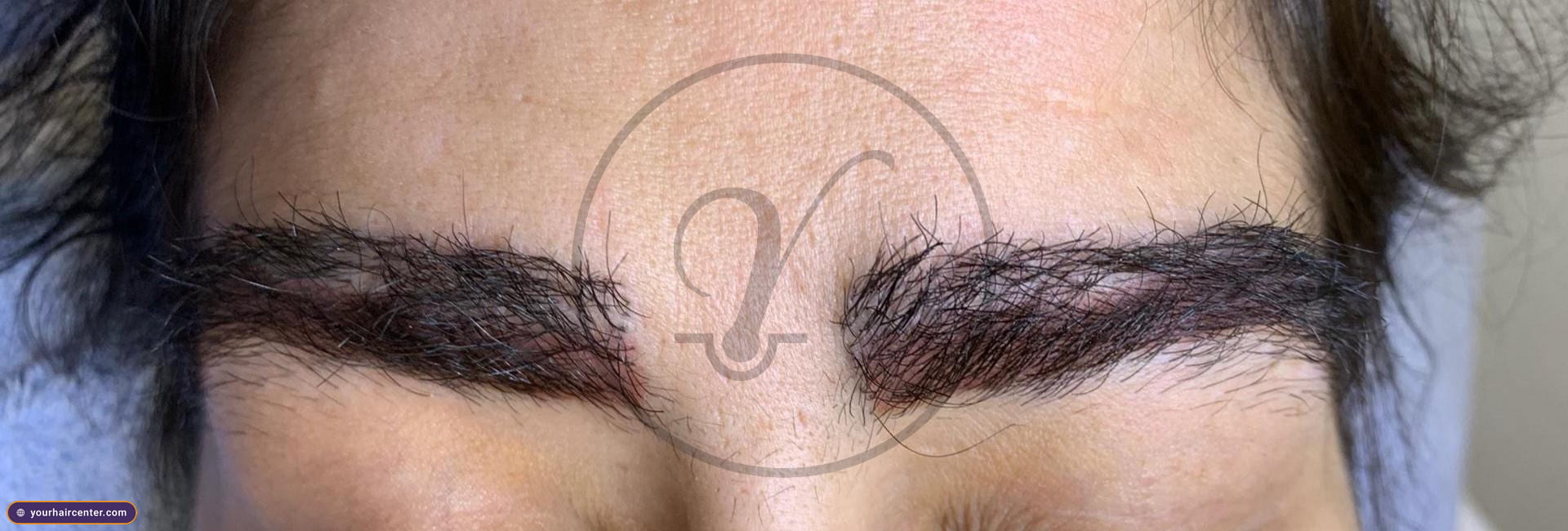
A long hair hair transplant lets you restore density and rebuild your hairline without cutting the hair you have spent years growing. Using discreet No-Shave FUE or Choi-pen DHI, the surgical team trims only hidden donor sections and works around your existing length, so you walk out looking like yourself. This guide itemizes the real cost against US and UK clinics, reviews the clinical evidence, and maps the recovery-to-work timeline so you can plan with confidence and full discretion.

If you have spent years growing out your hair, the thought of buzzing it all off for surgery can be the one thing that keeps you from restoring your hairline. A long hair hair transplant solves that dilemma. It is a no-shave approach that lets you keep your existing length while a skilled team rebuilds density underneath, using No-Shave FUE or Choi-pen DHI so you can be back at your desk within days. This guide itemizes the real costs, walks through the clinical evidence, and maps the recovery-to-work timeline so you can plan with confidence.
What Is a Long Hair Hair Transplant?
It is a no-shave procedure that restores your hairline and density without cutting the hair you already have. Instead of buzzing the whole head, the surgical team trims only tiny, hidden sections of the donor area and works around your existing length, so you leave looking like yourself, just with more hair.
That is the core of a long hair hair transplant, and it is what separates it from a conventional transplant. In a standard procedure, the surgeon usually shaves the entire head because full visibility makes extraction and implantation faster. A no-shave method trades some of that speed for discretion. The donor sections that are trimmed sit underneath the longer hair above them, so they stay completely hidden once you comb your hair back into place.
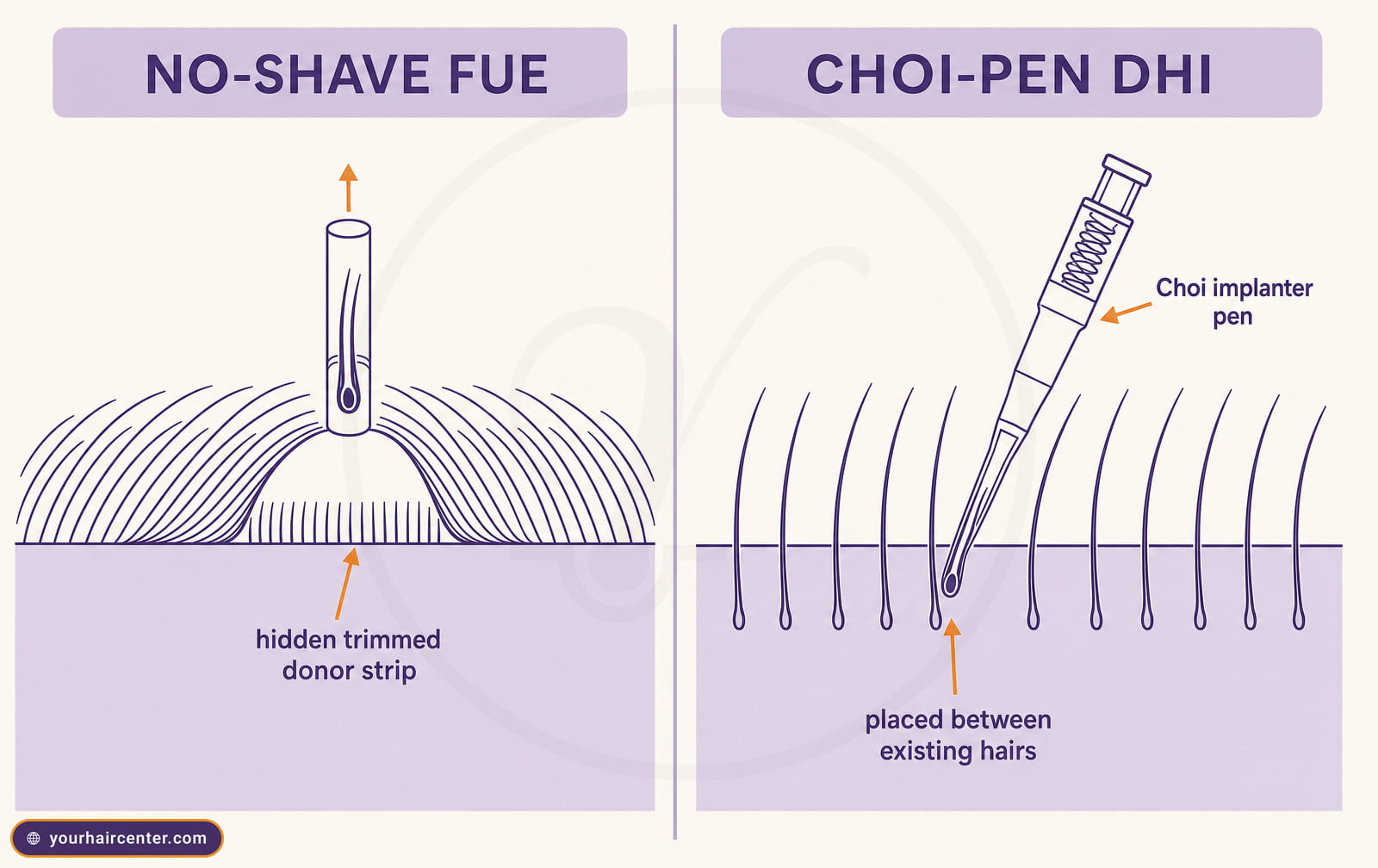
Both of the main follicular-unit techniques can power a long hair hair transplant. With No-Shave FUE, follicular units are extracted one by one from a discreetly trimmed donor zone. With No-Shave DHI, the grafts are placed directly between your existing hairs using a Choi implanter pen. Published clinical experience with long-hair follicular unit excision reports that the approach reliably camouflages the recipient area with existing hair while avoiding any donor-area shaving, across a range of patients and restoration goals.[1]
The appeal is mostly about discretion. For many people the prospect of a shaved head is the single biggest barrier to getting a transplant at all, which is why the no-shave route is so popular with women who want to keep their long hair, professionals who cannot show visible downtime, and anyone who simply wants to handle the whole thing privately. Your everyday look does not change, so colleagues and friends are none the wiser before, during, or after.
Whether you are a good candidate depends on your donor density, the number of grafts you need, and the skill of the team performing the work. The same follicular-unit principles that drive a standard transplant still apply; the difference is the extra patience and precision needed to operate around hair that is staying put. To see how this fits within the wider menu of options, start with our no-shave hair transplant service overview and the broader guide to hair transplant techniques.
No-Shave FUE vs Choi-Pen DHI for Long Hair
When you keep your length, the two routes to a long hair hair transplant are No-Shave FUE and Choi-pen DHI. They share the same goal but get there differently, and the right choice depends on your donor area, the density you want, and how much length you are protecting.
How No-Shave FUE works
With No-Shave FUE, the most common route to a long hair hair transplant, your surgeon trims only small, strategic sections of the donor area and extracts individual follicular units from beneath the surrounding canopy. Because the trimmed zones sit under longer hair, they disappear from view almost immediately. The grafts are then placed into the thinning recipient area, again without shaving the hair that is already there. This method is well suited to candidates who want a single discreet session and have enough surrounding length to mask the donor work. The trade-off is that selecting and lifting follicles from under existing hair takes a steadier, slower hand than working on a clean-shaven scalp, so the surgeon’s experience with the no-shave variant matters a great deal.
How Choi-pen DHI works
DHI takes a more direct path. Rather than creating recipient channels first and placing grafts afterward, the team loads each follicle into a Choi implanter pen and sets it directly between your existing long hairs in one controlled motion. That direct placement gives the surgeon fine control over angle and depth, which helps the new hairs blend naturally with what is already growing and keeps each follicle out of the body for as little time as possible. For a long hair hair transplant that precision is especially valuable, because the new grafts have to thread cleanly between strands that are not going anywhere. A clinical comparison of non-shaven extraction methods found comparable graft survival between approaches, so the decision is rarely about which one works better and more about which fits your case.[2]
Weighing the trade-offs
The honest trade-off with any no-shave route is throughput. Working around existing hair is slower and more labor-intensive than operating on a clean-shaven scalp, which is why a single discreet session tops out at up to around 3,000 grafts, with higher counts staged across visits or via a partial-shave approach, performed across roughly 6 to 8 hours under local anaesthesia. DHI can deliver dense, natural-looking placement; No-Shave FUE can be more efficient for slightly larger graft counts. Your surgeon will often combine the two, extracting by FUE and implanting with the Choi pen. To go deeper on each method on its own, read about follicular unit extraction and the Choi-pen DHI technique.
Suitability and Candidacy for Long Hair Transplants
Not everyone is an ideal candidate for a long hair hair transplant, and a clinic worth trusting will tell you so up front. The single most important factor is donor density. You need enough healthy follicles in the back and sides of your scalp to supply the grafts without leaving the donor area looking thin, and that judgement is harder to make through existing length, so it takes an experienced eye.
The stage of your hair loss matters too. A long hair hair transplant shines for people with early-to-moderate thinning who want discretion and still have a solid frame of surrounding hair. For very advanced loss that needs maximum density across a large area, a clinical team may recommend a partial or full shave instead, simply because it allows more grafts in fewer sessions.
Your hair characteristics work in your favor here. Longer length, and to some degree wavier or coarser texture, naturally conceals both the trimmed donor sections and the freshly placed grafts during healing. That camouflage is a real clinical advantage of keeping your hair.
It helps to be realistic about volume. A long hair hair transplant delivers up to around 3,000 grafts in a single discreet session, with higher counts staged across visits or reached through a partial-shave approach, while a fully shaved procedure can place up to about 4,000 in one session, and a first session averages 2,347 grafts among ISHRS member surgeons.[3] If your restoration plan calls for graft counts beyond what one discreet session can cover, your options are to stage the work across more than one visit, accept a partial shave, or move to a single larger fully shaved procedure. None of this rules you out; it simply shapes the plan. For a closer look at how a kept-length result fills in month by month, our no-shave FUE before and after walkthrough follows the growth.
Candidacy for a long hair hair transplant is also personal. Some patients prioritize keeping length for professional or personal reasons and are happy to stage treatment to do so. Others want the fullest possible result in one go. If you are weighing length-sensitive options, our women’s hair transplant page covers approaches built around preserving long hair, and the same principles apply to any patient who refuses to part with their length.
Long Hair Hair Transplant Cost in the US, UK, and Istanbul
Cost is usually the part researchers want itemized, so here is how the math actually breaks down. The price of a long hair hair transplant is driven by four things, namely the number of grafts you need, the technique used, the no-shave premium, and your surgeon’s chair time. Because keeping your length is slower and more meticulous than working on a shaved scalp, a no-shave procedure generally carries a premium over a standard transplant for the added labor and skill it demands.
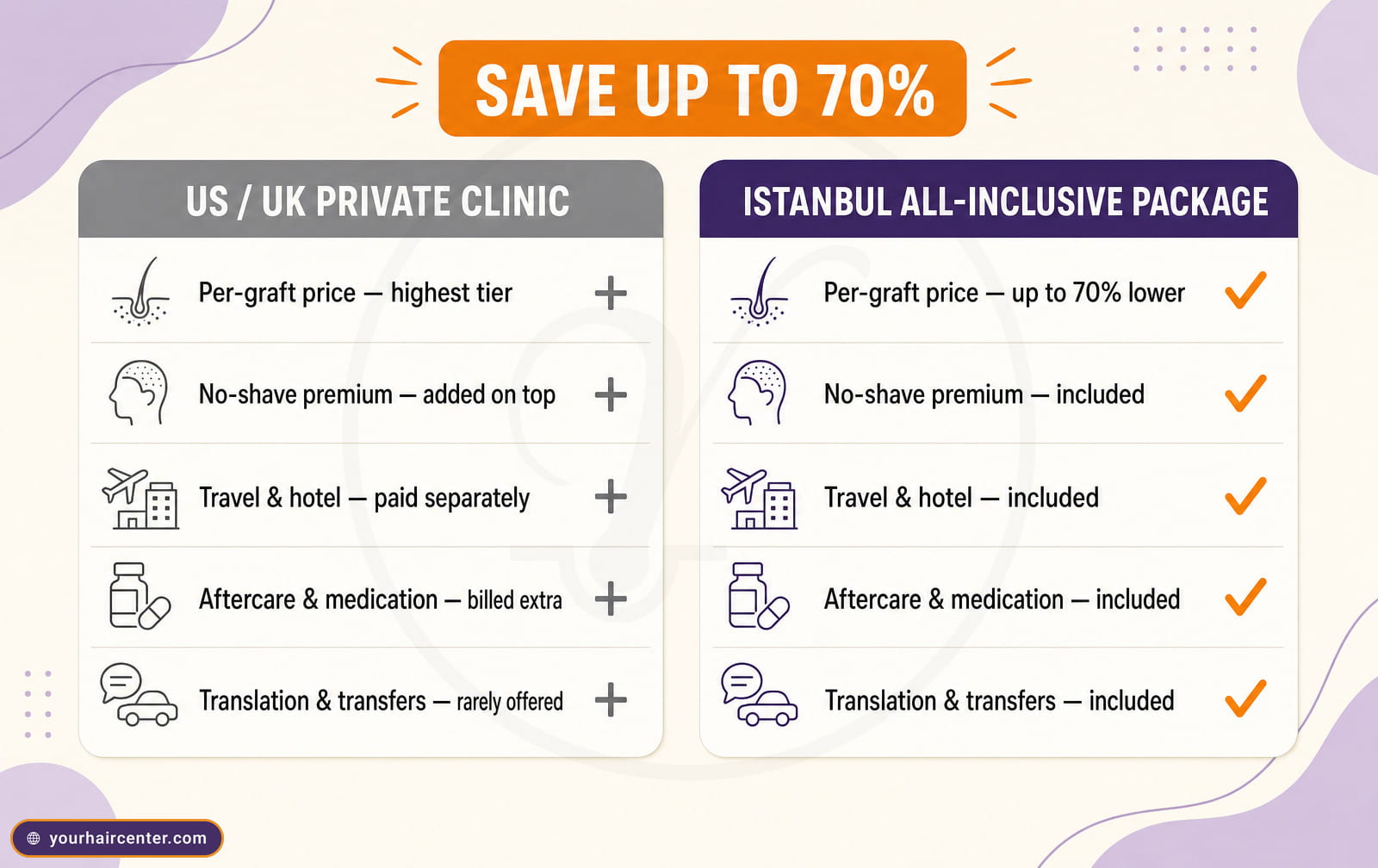
Where you have the procedure changes the equation dramatically. In the United States and the United Kingdom, private clinic pricing for a graft-heavy session climbs quickly once the no-shave premium is added on top. At Your Hair Center you can save up to 70% on a long hair hair transplant compared with US and UK clinics without compromising on quality.
The reason the comparison is fair, rather than a race to the bottom, is what the price includes. An all-inclusive package removes the hidden extras that inflate Western quotes. A package typically covers the following.
- Consultation and hairline design
- The no-shave procedure itself, whether FUE or DHI
- Medications and an aftercare kit
- VIP transfers and accommodation
- Translation and ongoing support
Packages for a long hair hair transplant are tiered to the size of the job. A basic package built around a single discreet session covers your hotel stay, airport transfers both ways, an English-speaking patient coordinator, your full medication pack, and twelve months of remote follow-up over WhatsApp. A premium tier for larger restorations adds a longer stay, VIP transfers, a dedicated coordinator, and priority scheduling. In both cases the figure you are quoted is the figure you pay, which is the opposite of the itemized creep that turns a Western surgeon fee into a much larger final bill once anaesthesia, facility, and follow-up charges are added.
| Cost factor | US or UK private clinic | Istanbul all-inclusive package |
|---|---|---|
| Per-graft pricing | Highest tier globally | Up to 70% lower |
| No-shave premium | Added on top of base price | Built into the package |
| Travel and hotel | Paid separately by you | Included |
| Aftercare and medication | Often billed extra | Included |
| Translation and transfers | Rarely offered | Included |
A word of caution worth keeping in mind when you price a long hair hair transplant is that cheap is not automatically sketchy, and expensive is not automatically safe. The right way to read price is against credentials and outcomes, not in isolation. Before you commit anywhere, it is worth viewing documented results in the clinic’s own patient photo gallery so the number you pay maps to work you can actually see.
What to Expect on Procedure Day and Through Recovery
Knowing the shape of the day removes a lot of anxiety, so here is how a long hair hair transplant unfolds from arrival to aftercare. It follows the same core steps as a standard transplant, with extra care taken at every stage to keep your existing hair intact.
- Consultation and planning. Your surgeon assesses your donor area, designs your hairline, and confirms your graft needs before anything begins.
- Selective trimming. Only small sections of the donor area are trimmed, and they stay hidden under the hair above them.
- Graft extraction. Individual follicular units are extracted one by one using the FUE method.
- Implantation. Grafts are placed directly between your existing hairs, often with the Choi implanter pen for natural density.
- Aftercare guidance. You leave with detailed instructions to protect both the new grafts and the hair you kept.
A long hair hair transplant session runs roughly 6 to 8 hours under local anaesthesia, so you are comfortable and awake throughout. There are short breaks built in, and because the work happens around your existing hair, there is no dramatic before-and-after shave moment to brace for. You arrive looking like yourself and you leave looking like yourself. Most people are pleasantly surprised by how manageable the recovery is.
The recovery-to-work timeline is the headline win of a long hair hair transplant for anyone who cannot take visible downtime. In the first few days you may notice mild redness or swelling, and most patients are back to work within 3 to 5 days. Because your length is intact, you can usually return to daily life without anyone noticing anything has changed.
From there, the healing follows a predictable arc.
- Week 2. Any scabs have healed, and the transplanted hairs may shed. This shedding is completely normal and expected.
- Month 3 to 4. New growth begins to emerge from the transplanted follicles.
- Month 6. Around 60% of your final result is visible.
- Month 12. You see your final 100% result, fully blended with your existing hair.
Aftercare for a long hair hair transplant does have one extra wrinkle worth flagging, and it is washing. Because you still have length to manage, your team will show you how to clean the recipient area gently while working around the longer hair, so you protect the freshly placed grafts without disturbing your everyday styling. The early days call for a light touch, avoiding vigorous brushing and anything that tugs at the new follicles, and your aftercare kit and instructions are built around keeping both the grafts and your length safe. None of this is onerous; it simply asks for a little care while the transplanted hairs settle in for their first few weeks. For a deeper look at the technique behind the day, see our no-shave hair transplant overview.
Risks, Limitations, and How to Vet a Clinic
A guide that only sells the upside is not doing its job, so here are the honest limitations of a long hair hair transplant. The biggest is the graft ceiling. Because keeping your length caps how many follicles a team can comfortably move in one session, the no-shave route is not the right tool for very advanced hair loss that needs maximum coverage in a single sitting. In those cases a partial or full shave is the more sensible call, and a good clinic will say so rather than overpromise.
The procedural risks of a long hair hair transplant are the same ones that apply to any follicular transplant, just amplified if the work is rushed. Extracting and implanting around existing hair demands patience; a hurried hand raises the chance of graft transection, which lowers survival, or of uneven density that does not blend with the hair you kept. The usual transplant considerations still apply too, including some temporary redness, swelling, or the normal shedding phase, all of which settle as the area heals. None of these are unique to the no-shave route, but they reward a careful, unhurried team. This is precisely why the choice of clinic matters more than the choice of city, and why a low headline price is no substitute for a steady, experienced pair of hands.
Watch for these red flags when you are vetting a clinic for a long hair hair transplant.
- Pressure to book immediately or a quote that drops every time you hesitate
- No clear answer on who actually performs the surgery
- Reluctance to show real outcomes or discuss limitations honestly
- Promises of graft counts that sound too good for a no-shave session
Ask these questions before you commit.
- How many years has the surgical team been doing this work
- What graft-survival rate do you achieve, and how is it measured
- How many no-shave procedures have you performed
- Can I see documented results for cases like mine
Credentials and track record are the answer to all of this when you are choosing where to have a long hair hair transplant. Your Hair Center brings 10+ years of experience and 5,000+ successful operations, with a 98% graft survival rate attributed to meticulous technique and 4.8/5 patient satisfaction from people who kept their look. Accreditation context, surgeon experience, and verifiable outcomes should anchor your decision far more than the sticker price. To compare the techniques themselves before you choose, the hair transplant techniques pillar lays them out side by side.
Frequently Asked Questions
Can I really keep my long hair during a transplant?
Yes. A long hair hair transplant is designed specifically to preserve your existing length. Only small donor sections are trimmed, and they stay hidden under the hair above them, so your overall look stays intact.
Does no-shave cost more than a regular transplant?
A long hair hair transplant usually costs a little more, because it is more time-consuming and requires extra skill. It remains excellent value in Istanbul, where an all-inclusive package can save up to 70% compared with US and UK clinics.
How many grafts can I get without shaving?
As covered above, a long hair hair transplant delivers up to around 3,000 grafts in a single discreet session, depending on your donor density and case, with higher counts staged across visits or reached via a partial-shave approach. If your plan needs more coverage than one discreet session allows, the work can be staged so you never have to fully shave.
Will anyone be able to tell I had it done?
Because your existing hair stays in place after a long hair hair transplant, most patients return to daily life discreetly. The trimmed donor sections are concealed by the longer hair above them, and there is no tell-tale shaved patch to explain away while you heal.
How soon can I go back to work?
Most patients return within 3 to 5 days of a long hair hair transplant, depending on their job and how they heal. Any early redness or swelling is mild, and because your length is intact, a discreet return to the office is much easier than it would be after a full shave.
Is no-shave FUE as effective as the shaved method?
For the right candidate, yes. The same FUE and DHI techniques are used, and published clinical experience supports long-hair excision as a reliable, discreet approach.[1:1] The main limitation is graft volume, since very large sessions may still need partial shaving.
Does long hair affect graft survival?
The length of your hair does not lower how well grafts take in a long hair hair transplant. Survival depends on careful extraction, short handling time, and skilled placement; a clinical comparison of non-shaven extraction methods found comparable graft survival between approaches.[2:1]
Still weighing it up? Our no-shave hair transplant service page answers the practical questions in more depth, and if you want to study real outcomes month by month, the companion no-shave FUE before and after walkthrough follows the result as it grows in.
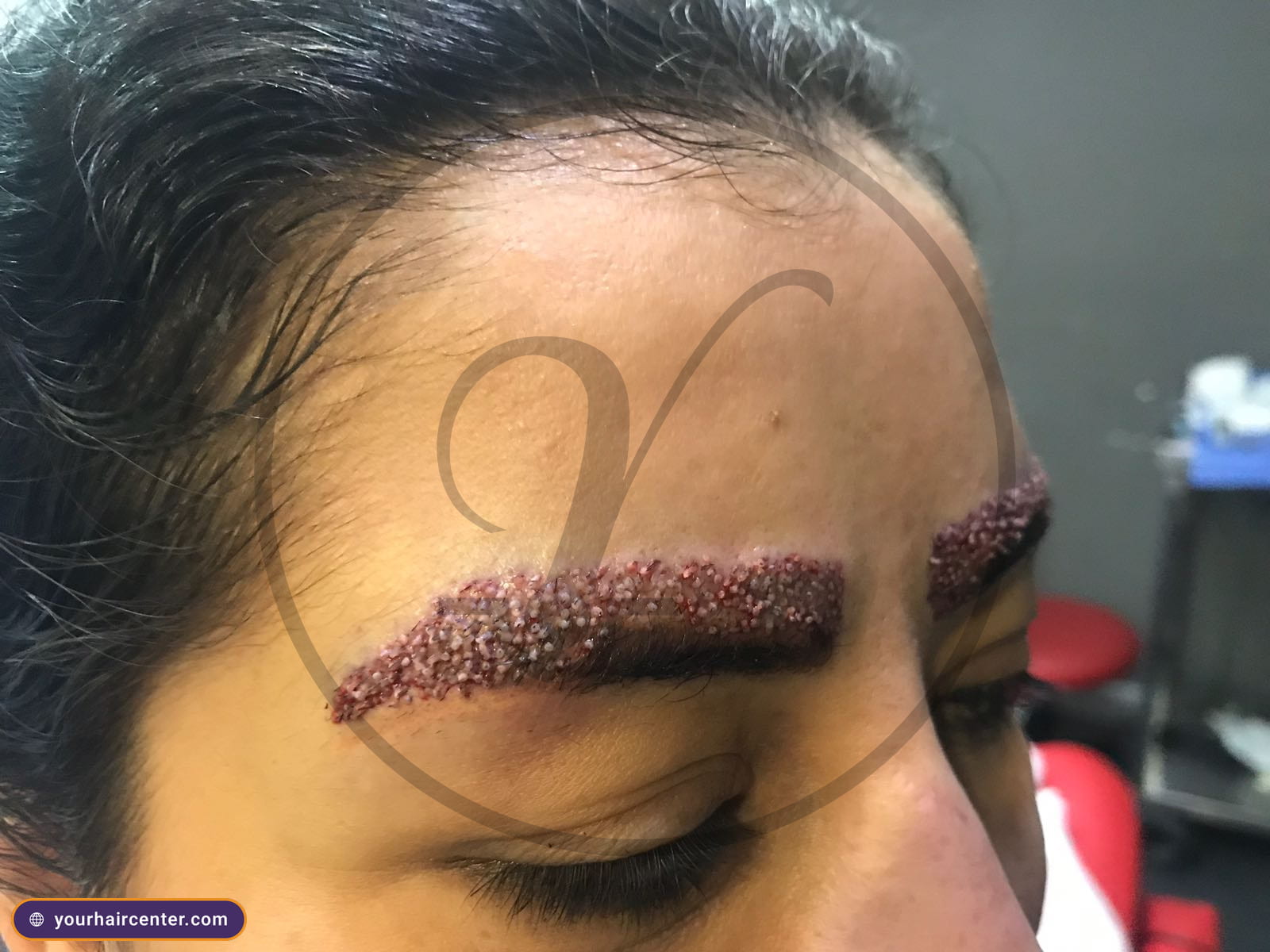
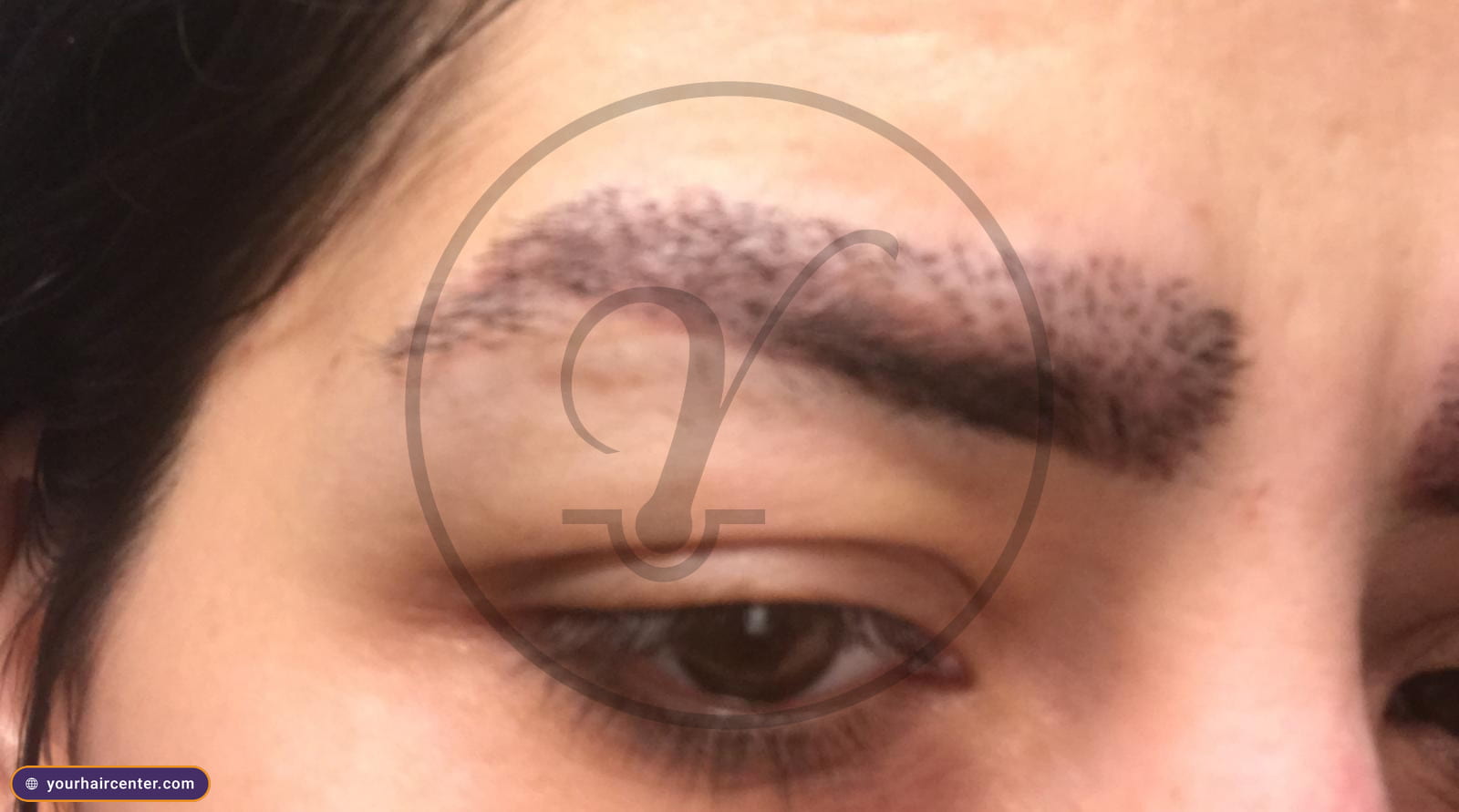
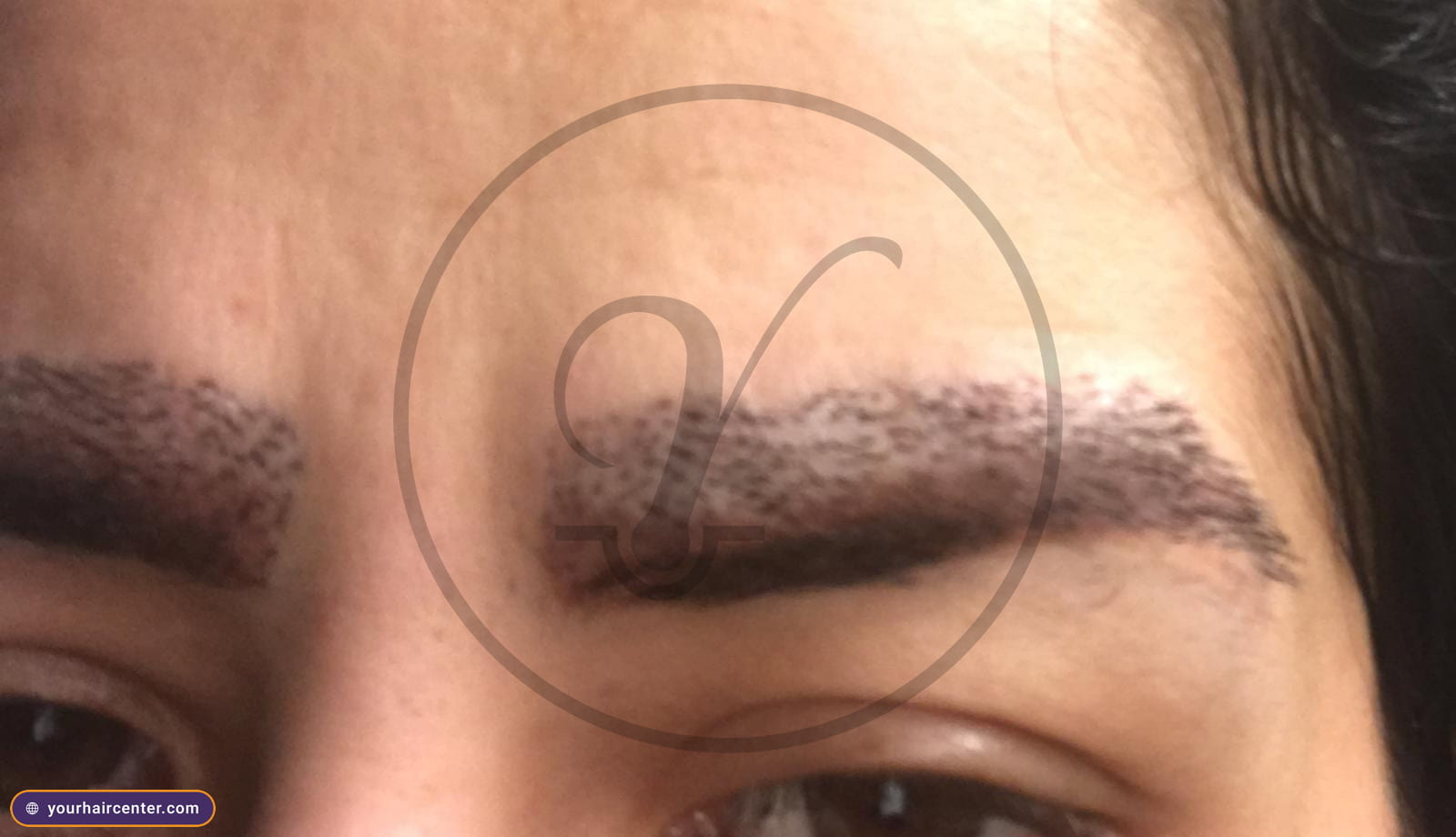
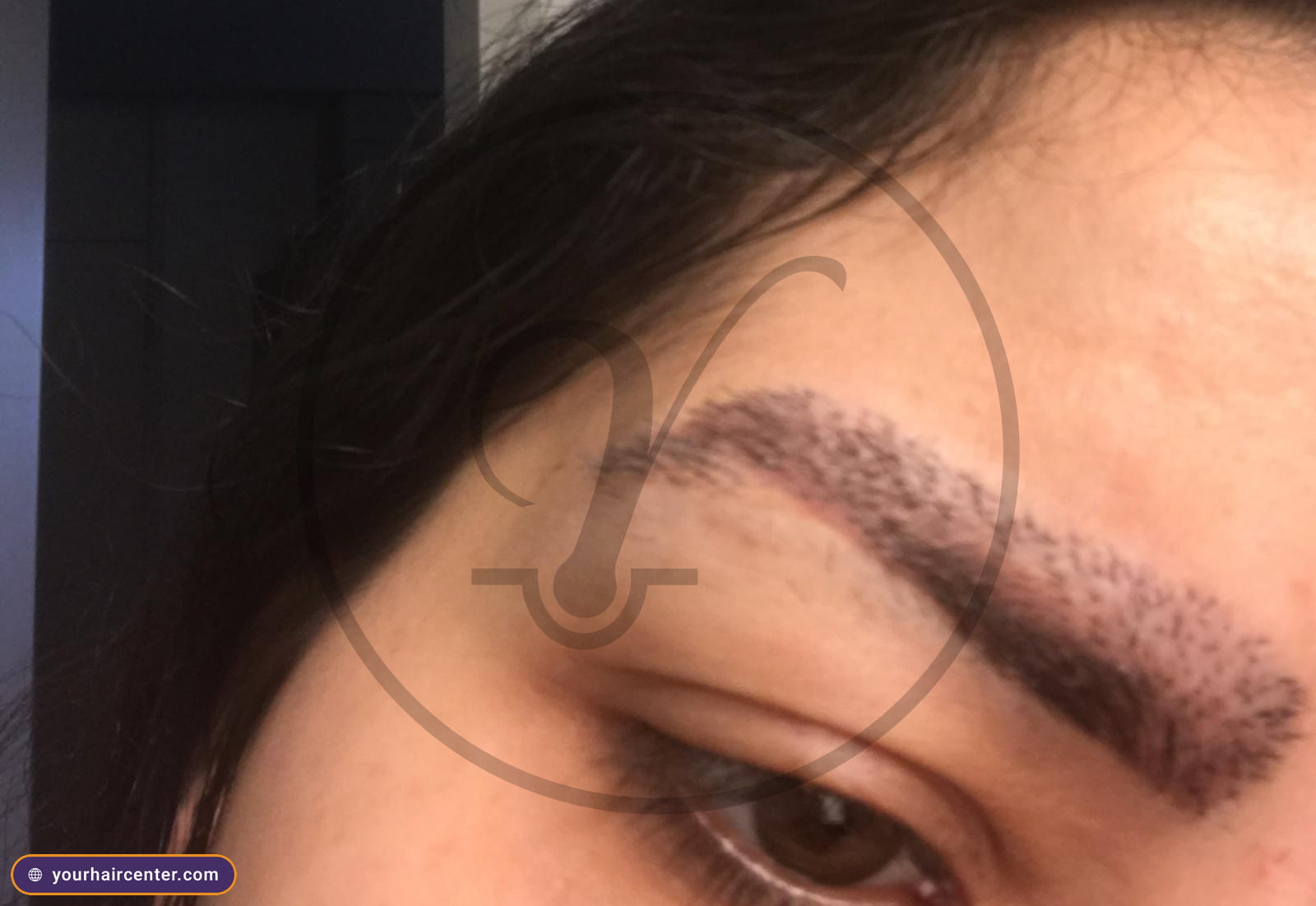
Real results from our patients’ archive. Photos exactly as captured at our accredited partner clinics — no filters, no retouching. Browse more cases in our photo gallery.
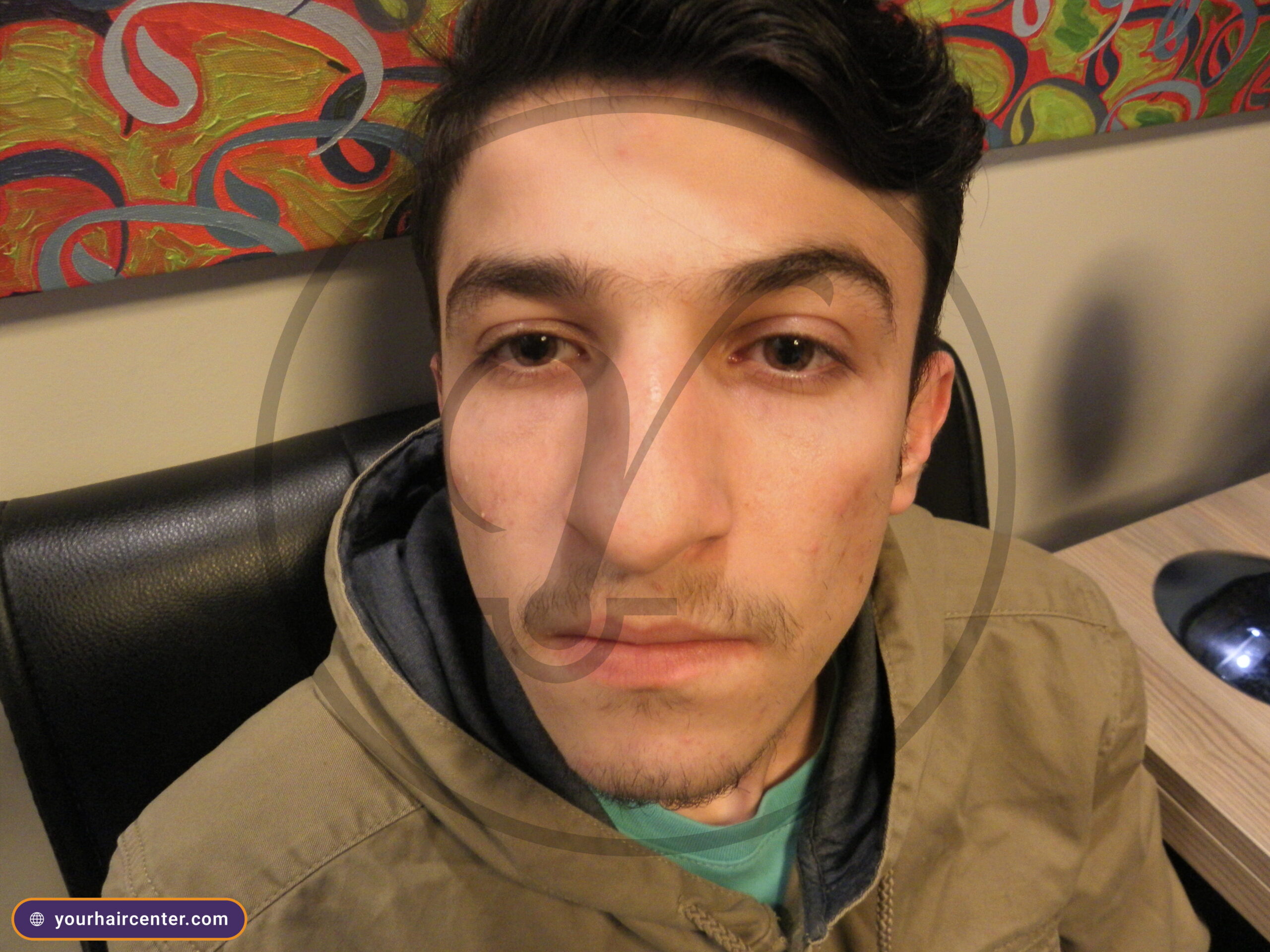

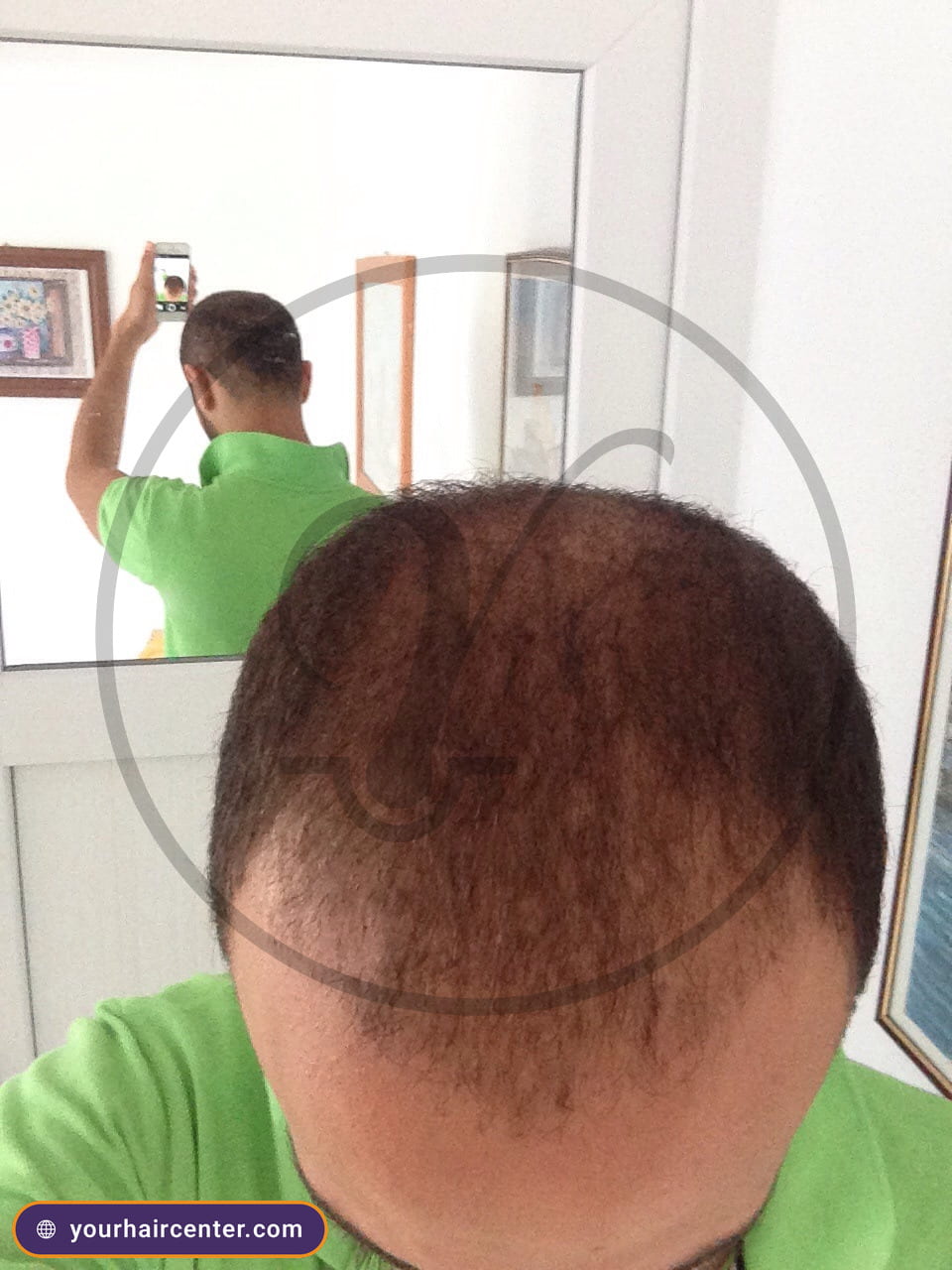

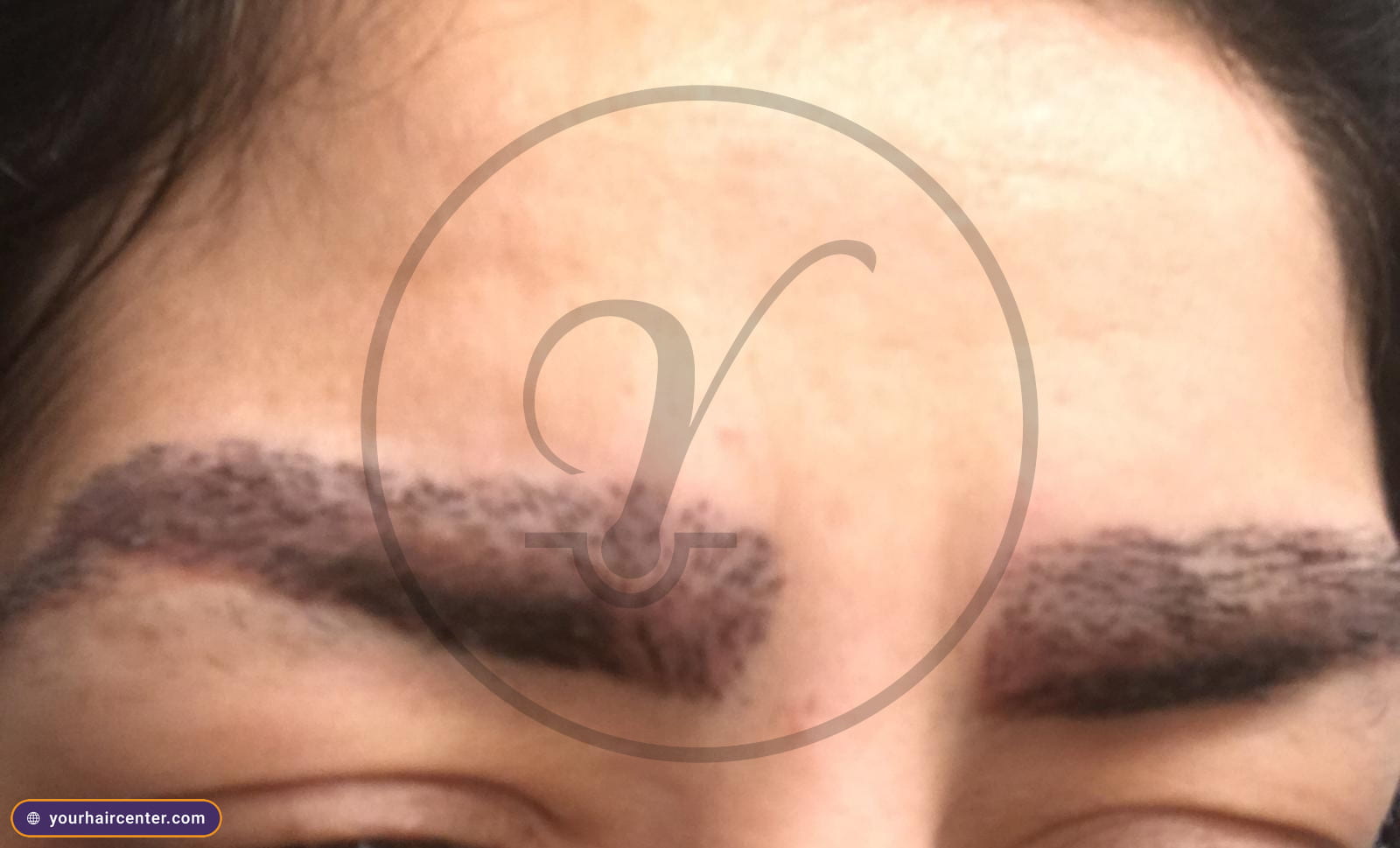
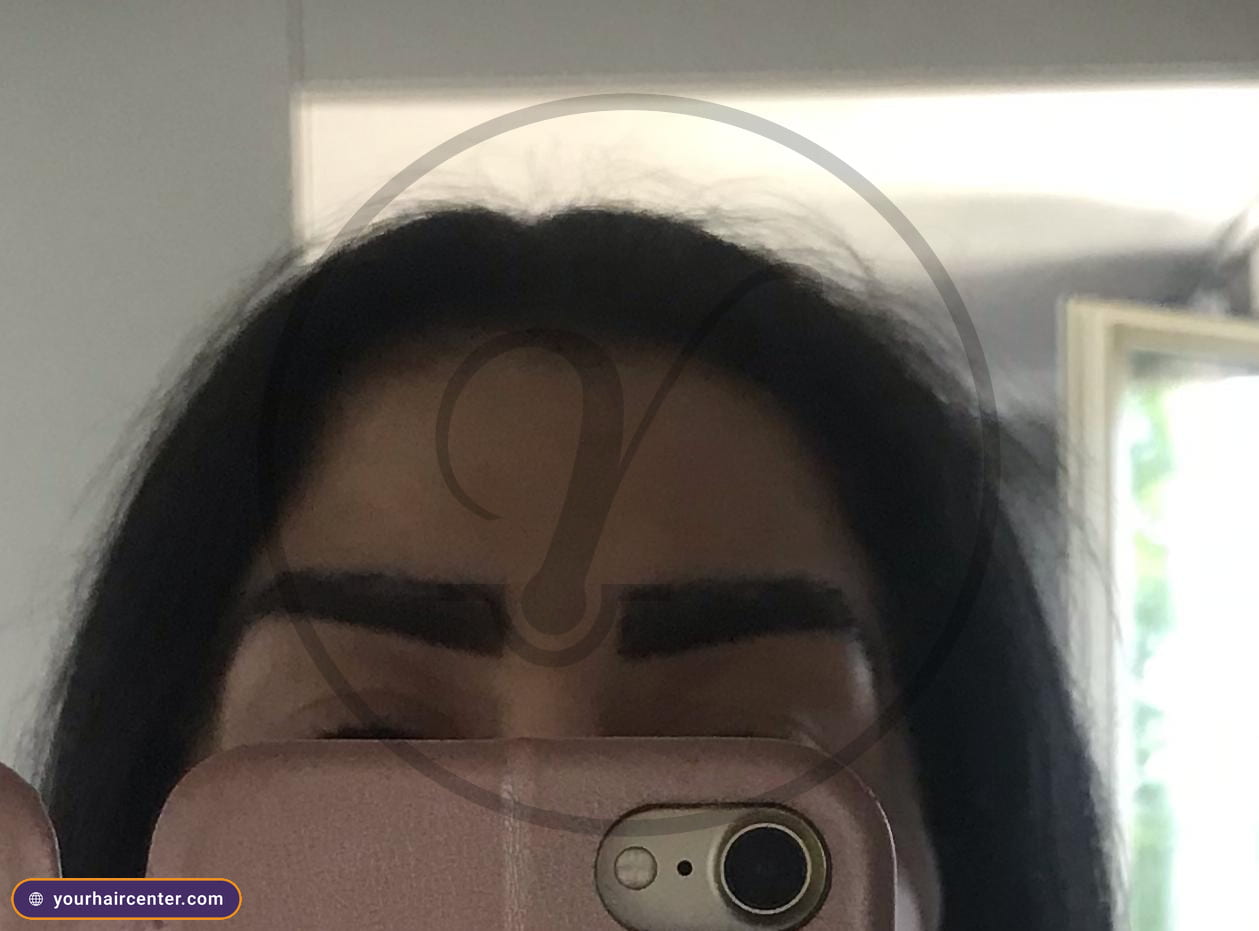
Keep the length you grew, rebuild the density underneath
A long hair hair transplant lets you restore density and rebuild your hairline without sacrificing the length you have worked to grow, using discreet No-Shave FUE or Choi-pen DHI and a recovery that has most people back to work within days. With 10+ years of experience, 5,000+ successful operations, a 98% graft survival rate, and 4.8/5 patient satisfaction from people who kept their look, the clinical team can tell you honestly whether the no-shave route fits your case. Message us on WhatsApp to ask if you can keep your long hair, or explore the full no-shave hair transplant service to take the next step.
References
-
Park JH, You SH, Kim BJ, et al., "Long hair follicular unit excision, personal experience," International Journal of Dermatology, 2021. URL: https://pmc.ncbi.nlm.nih.gov/articles/PMC8518935/ (opens in new tab) ︎ ︎
-
Park JH, You SH, "Pretrimmed versus Direct Nonshaven Follicular Unit Extraction," Plastic and Reconstructive Surgery Global Open, 2017. URL: https://pmc.ncbi.nlm.nih.gov/articles/PMC5404446/ (opens in new tab) ︎ ︎
-
International Society of Hair Restoration Surgery, "2025 Practice Census Results," procedures performed in 2024, published May 2025. URL: https://ishrs.org/wp-content/uploads/2025/05/report-2025-ishrs-practice-census_05-12-25-final.pdf (opens in new tab) ︎