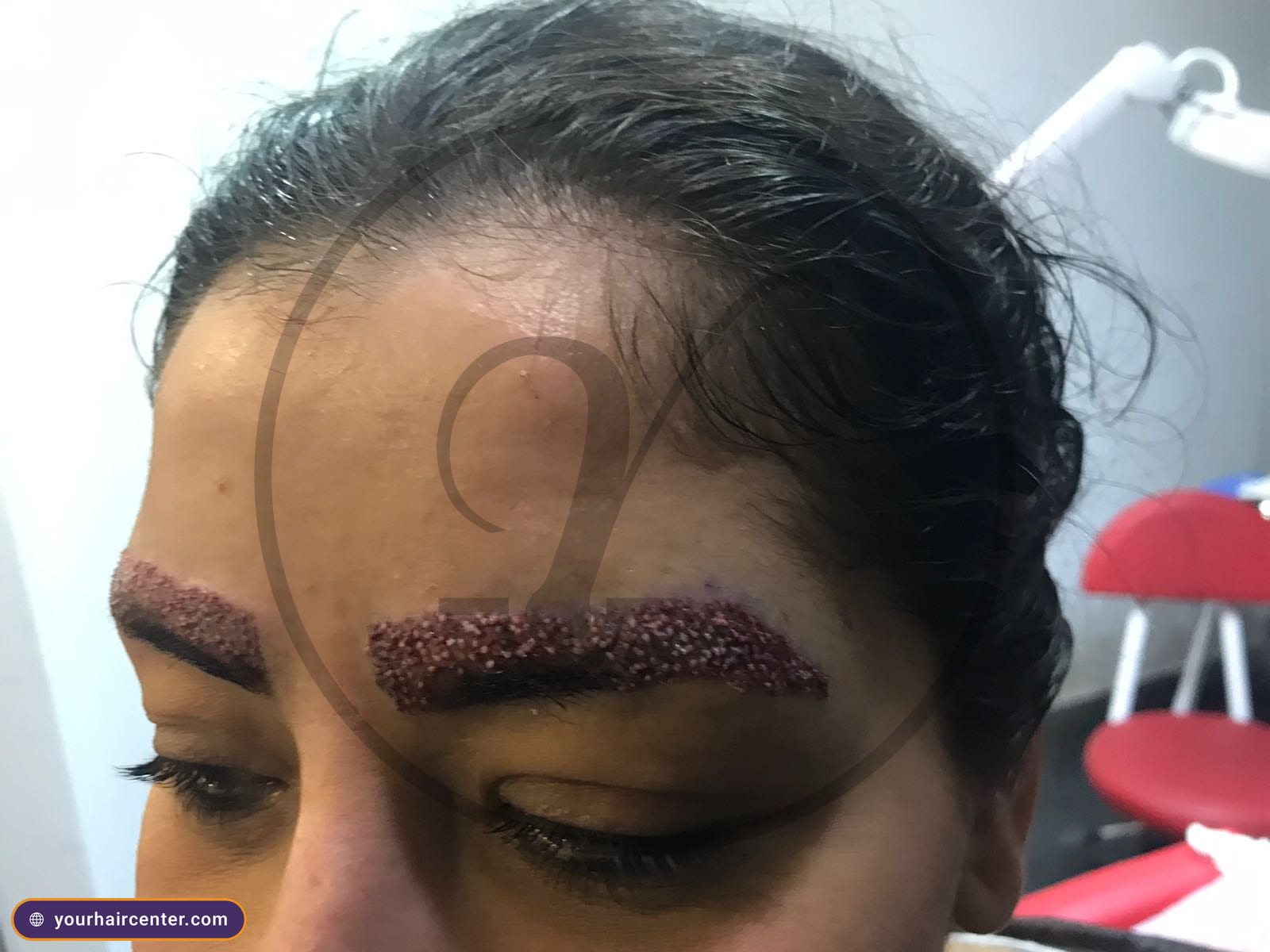
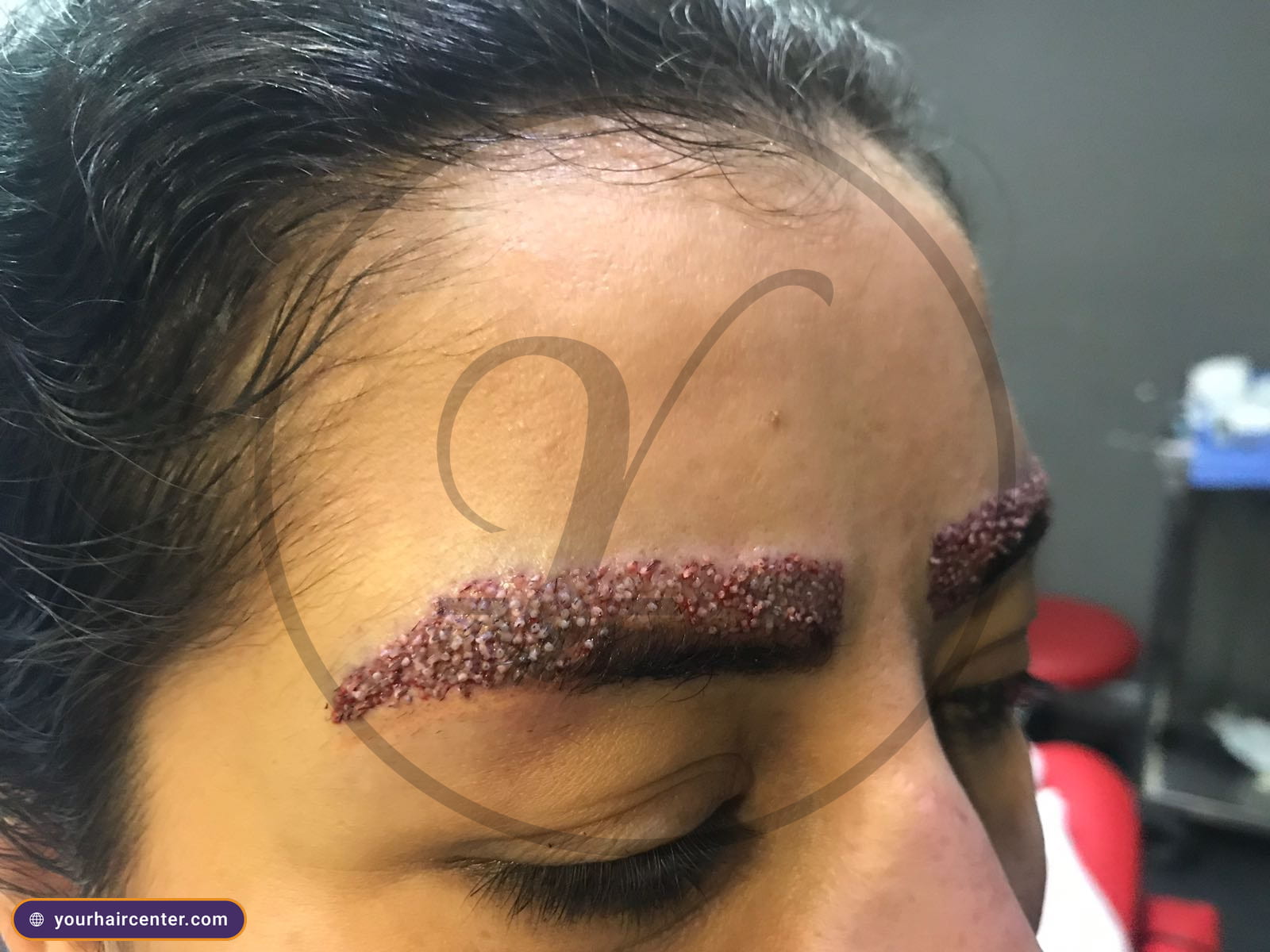
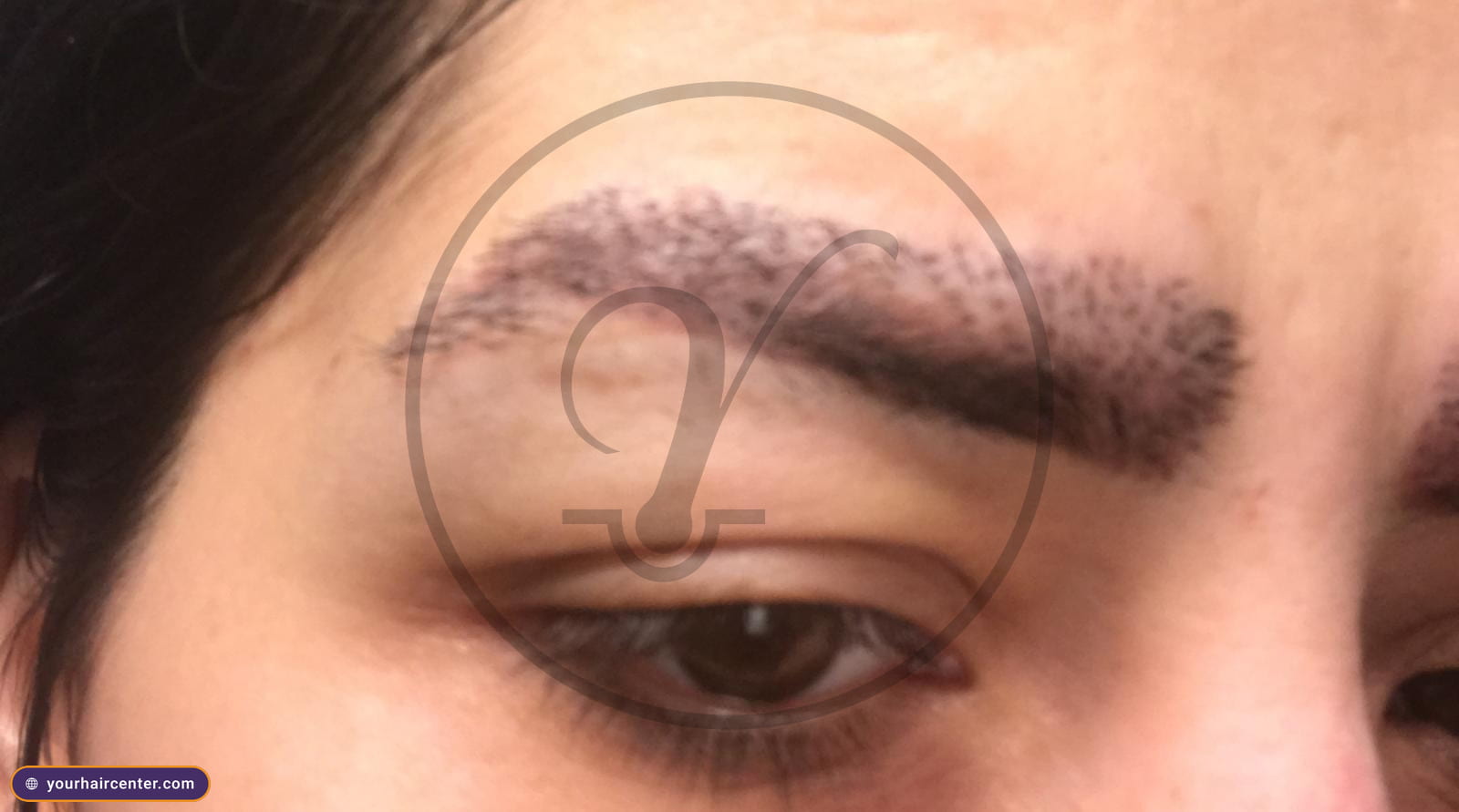
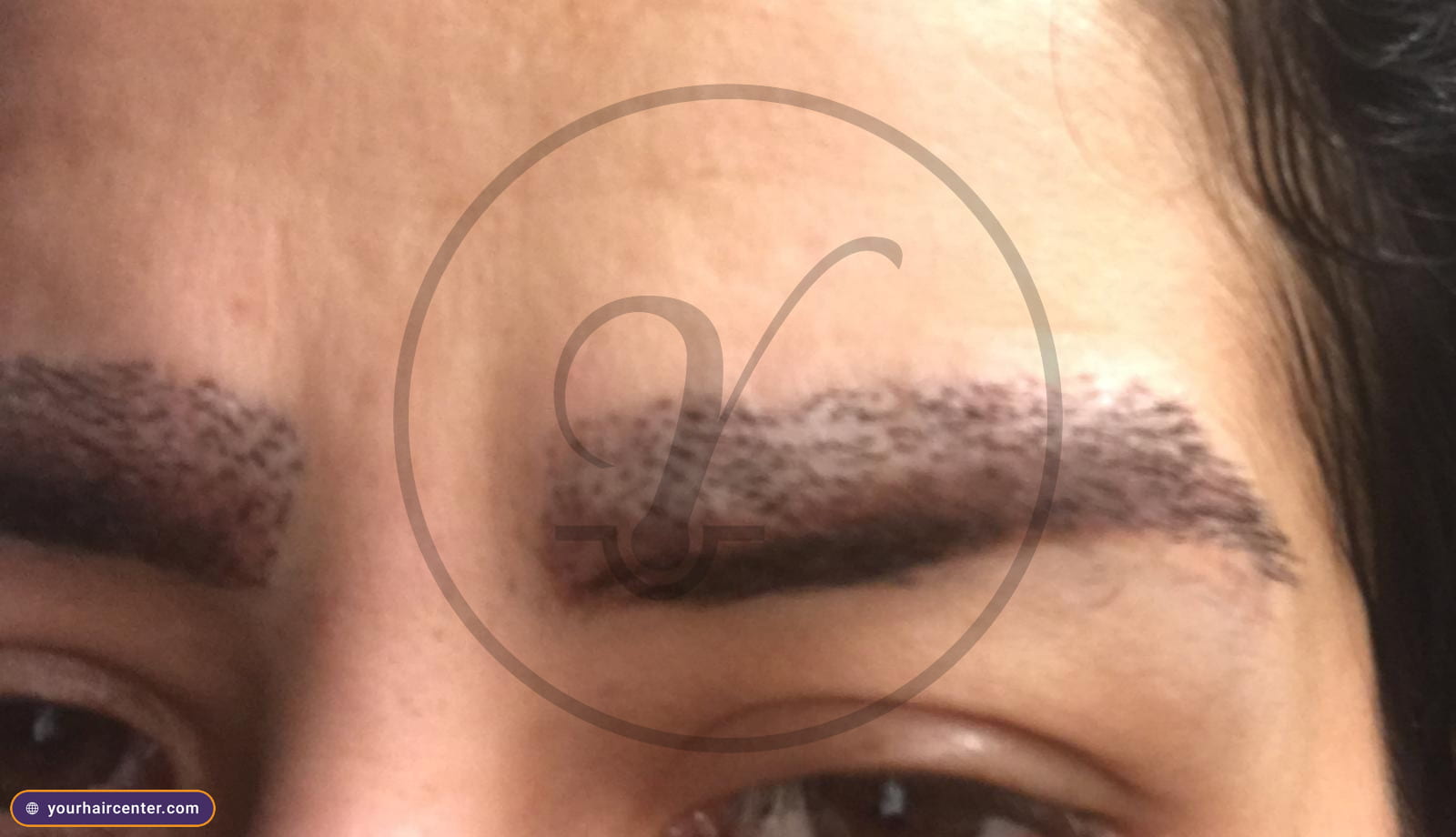
You have read dozens of reviews across Trustpilot, Reddit, and YouTube, and they all blur together. The real question is not whether Turkey hair transplant reviews exist, it is which ones are real. This guide is the layer the aggregator sites never teach, the six red flags of a fake testimonial, the four fingerprints of paid and AI-generated reviews, the markers of a genuine Reddit thread, and the image checks that catch a doctored before-and-after, written by an Istanbul medical-tourism team that is itself reviewed everywhere you will look.

By the time most people start reading Turkey hair transplant reviews seriously, they have already read dozens. Forty-seven Trustpilot reviews across three weeks. Sixteen Reddit threads. A dozen YouTube transformations. Three of the Trustpilot pages have hundreds of five-star reviews and somehow read like the same review rewritten in different fonts. Two of the Reddit threads have suspiciously polished first-time posters with no comment history. One of the YouTube transformations has lighting so different between the before frame and the after frame that the patient looks like two different people. The real question is no longer whether Turkey hair transplant reviews exist. It is which ones are real.
This is the layer the aggregator sites never teach. They show you the reviews. They do not show you how to read them. What follows is a pattern-recognition guide to Turkey hair transplant reviews, written by an Istanbul medical-tourism team that is itself reviewed on every platform you will check. It walks the six red flags that mean a testimonial is fake, the four fingerprints of paid-review networks, the four fingerprints of AI-generated review clusters, the markers of a genuine long-form Reddit thread, the image-verification techniques that catch a doctored before-and-after, and the cross-platform workflow that turns a hundred scattered impressions into a defensible 45-minute decision.
Six red flags in Turkey hair transplant reviews that mean a testimonial is fake
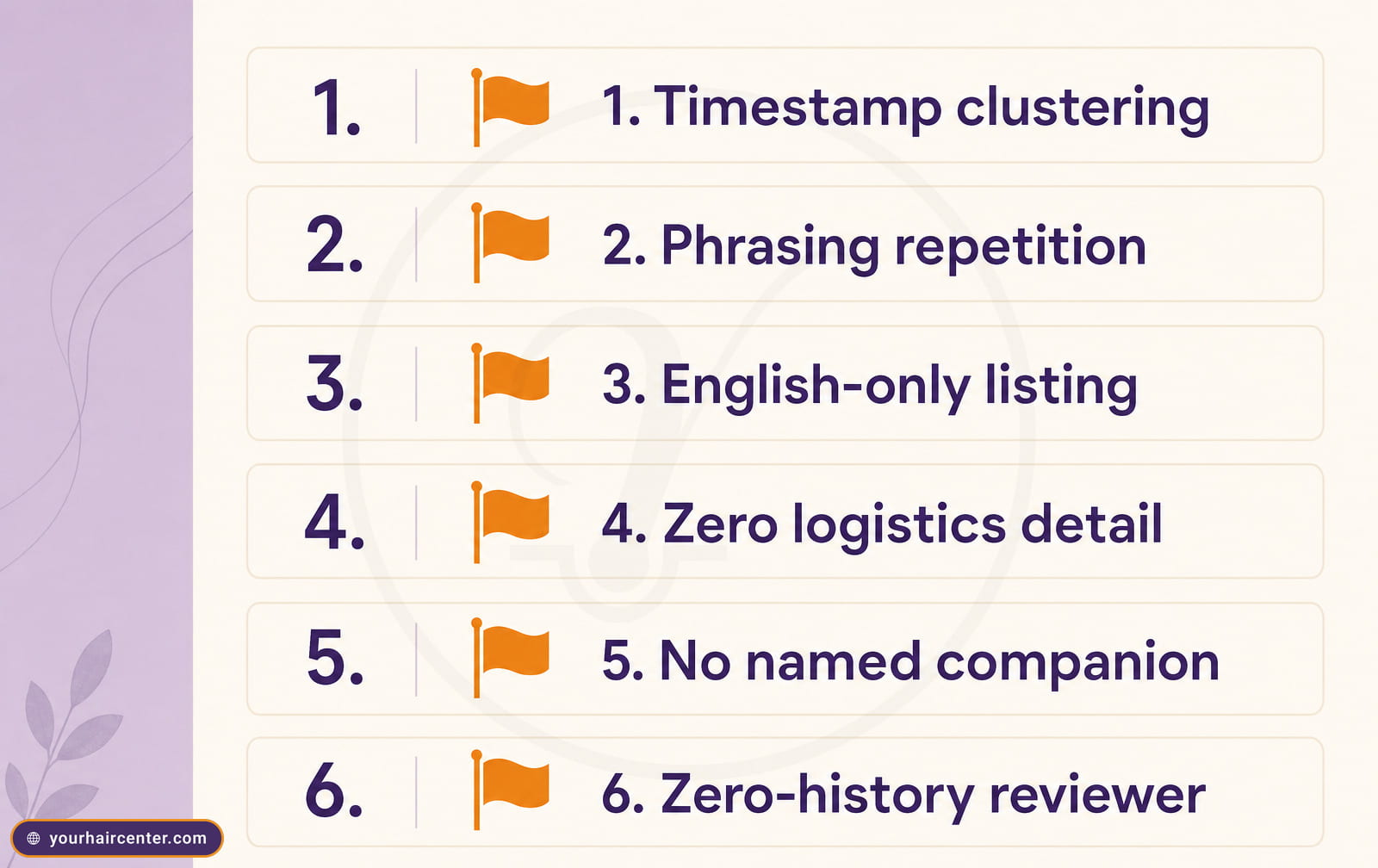
Fake testimonials follow a predictable shape. They cluster by timestamp, arriving in bursts rather than the steady trickle real patients produce. They repeat the same phrasings across accounts that have only ever posted once. They omit the operational detail that real medical-tourism patients cannot help mentioning, and they skip the named companion, the named city, and the named arrival date that anchor a genuine trip to a real person. Once you know the shape, the fakes stop hiding. Here are the six red flags that separate fake Turkey hair transplant reviews from the real ones, in the order worth scanning first.
- Timestamp clustering, where a listing picks up a dozen five-star reviews inside a forty-eight hour window after a long flat period of zero new reviews.
- Phrasing repetition, where the same adjectives appear in the same order ("professional, clean, amazing results, highly recommend") across accounts that have posted nothing else.
- English-only reviews on a Turkish business listing, where a real clinic serving a mixed local and international patient base would never show a one-language wall of praise.
- Zero logistics detail, where the review never names the airport pickup, the hotel, the city, the room, the breakfast, or the transfer driver that real travelers always mention.
- No named companion, no named city, no named arrival date, no named graft count, so the review reads like it was written by someone who has never heard a real patient describe an actual trip.
- Reviewer accounts with no comment history on Reddit or no other reviews on Trustpilot, where the entire posting record is one glowing entry among the clinic’s Turkey hair transplant reviews and nothing else the account has ever written.
Each of these flags has a deeper mechanism behind it. The next section explains how paid-review networks manufacture the first four, and the section after that adds the four fingerprints unique to AI-generated text. Read both before you trust any star rating, because most fraudulent Turkey hair transplant reviews fail at least two of these six tests at once.
How paid-review networks fake patient reviews
Most fake Turkey hair transplant reviews come from a paid-review network, a third-party agency that sells review-pack subscriptions to clinics. The agency generates the text from prompt templates, then posts it across a stable of staggered accounts it controls. The clinic buys volume and a high star average; the agency supplies the reviewers, who are not patients and frequently are not even real people. Understanding the mechanism is what separates this guide from the aggregator-comparison content that fills the search results, because the mechanism is what produces the red flags above. There are four fingerprints a paid network cannot fully hide.
The first is the staggered-account pattern behind many fake Turkey hair transplant reviews. Each posting account carries a thin history of one or two reviews, and its creation date clusters within weeks of the first review it ever posted. The detection move is simple. Click the reviewer’s name on Trustpilot or on a Google Business listing and look at their other reviews and their account age. A reviewer who joined last month and has reviewed only this one clinic is not a patient profile.
The second is the template-language signature. Paid Turkey hair transplant reviews share sentence structure even when the adjectives are swapped out. The detection move is to copy a suspect phrase, paste it into a search engine inside quotation marks, and watch the same sentence surface across unrelated business listings in other industries. A real patient’s sentence about their own scalp does not appear verbatim on a listing for a moving company.
The third is the geography mismatch. A clinic operating in Istanbul draws patients from a genuinely mixed pool, so a listing that is almost entirely English-only and almost entirely five-star is statistically improbable without curation. Real footprints are messier than that, with Turkey hair transplant reviews in several languages and the occasional middling score.
The fourth is the response-to-negative pattern. Real clinics answer negative reviews with specific operational replies that name the date, the case, or the fix, and that grounded responsiveness is one of the cleaner tells in a sea of Turkey hair transplant reviews. Paid-review-network clinics answer the rare negative review with a generic legal threat or a generic apology that never names anything, because the agency managing the listing has no operational detail to draw on.
One distinction matters here. A paid-review network is not the same thing as a clinic asking its real patients to leave a review. The second is normal medical-tourism practice; the first is fraud. The question that separates them is whether the reviewers are real people with real histories. When you see three or more of these four fingerprints on a single listing, treat that listing’s star rating as non-load-bearing and verify the clinic through other channels instead. The clinic’s own reception and accommodation service page, its About Us page with named coordinators you can cross-check, and any genuine long-form forum threads carry more signal than a curated star average. (For the safety-verification companion to this review check, see our guide on whether a hair transplant in Turkey is safe.)
How to spot an AI-generated review
Generative AI writes a different kind of fake, and it now shows up in Turkey hair transplant reviews as often as the paid-network kind. It does not need a staggered account farm, because a single model can produce endless on-brand praise on demand, so the structural fingerprints of a paid network do not always apply. AI-generated text carries its own signature instead, and the four fingerprints below trace to how the models write rather than to how an agency operates, which is what makes them durable.
The first is the uniform sentence rhythm. Text generated from a single model tends to hold a steady cadence, with most sentences landing in a narrow length band. Real Turkey hair transplant reviews swing wildly, a five-word sentence followed by a rambling thirty-word one. Scan the paragraph rhythm with your eye; mechanical evenness is a tell.
The second is the absence of micro-friction. Real Turkey hair transplant reviews mention small frictions, a delayed flight, a forgotten phone charger, a slow hotel elevator, because real travel includes friction. AI-generated Turkey hair transplant reviews skip friction because the prompt template optimizes for positive sentiment, leaving a frictionless account that no actual journey produces.
The third is the dateless specificity. AI text writes confidently about "the procedure" and "the team" but rarely names "the Tuesday morning slot at quarter past eight" or "the second of October," because the prompt that produced it carried no calendar context. Real patients name the day, the hour, the weather, the thing that went slightly wrong.
The fourth is the formal-register drift, or rather the lack of it. A real US or UK patient writing about an emotional medical experience drifts into informal register, dropping in "honestly," "to be fair," or "I was bricking it." AI-generated text tends to hold a polished, contraction-light formal register all the way through. Long reviews with no conversational aside anywhere are worth a second look.
It is also worth knowing what AI-written Turkey hair transplant reviews do not look like. They do not carry the spelling slips real patients leave. They rarely name a companion. And because a model can write under any account, they do not need the staggered-account farm a paid network requires. AI-generated Turkey hair transplant reviews were a small fraction of all reviews a few years ago and are rising sharply across every platform now, but the exact share matters less than the fingerprints, which hold because they trace to how the models write, not to how hard a clinic tries. The structural counter-example to all of it is a real archive of named-patient cases, the kind documented in our photo gallery, which a model cannot generate because it has to actually exist. For how those cases connect to clinic credentials, the About Us page is the cross-reference.
What a genuine long-form Reddit thread looks like
Reddit is where the highest-density real-patient discussion lives, which is why so many people reading Turkey hair transplant reviews end up in "turkey hair transplant reddit" threads. The useful question is not whether Reddit is reliable. It is which threads are reliable, because a single subreddit holds both the most honest patient writing on the internet and a layer of planted promotion sitting right on top of it. Five markers separate them.
The first marker is the original poster’s comment history, and it is the fastest way to weight Turkey hair transplant reviews on Reddit. Click the username and read their other comments. A real patient has months or years of history across subreddits that match an actual life, work, hobbies, a sports team, a home country, long before they ever posted about a transplant. A planted account is a week old with three posts, all about hair.
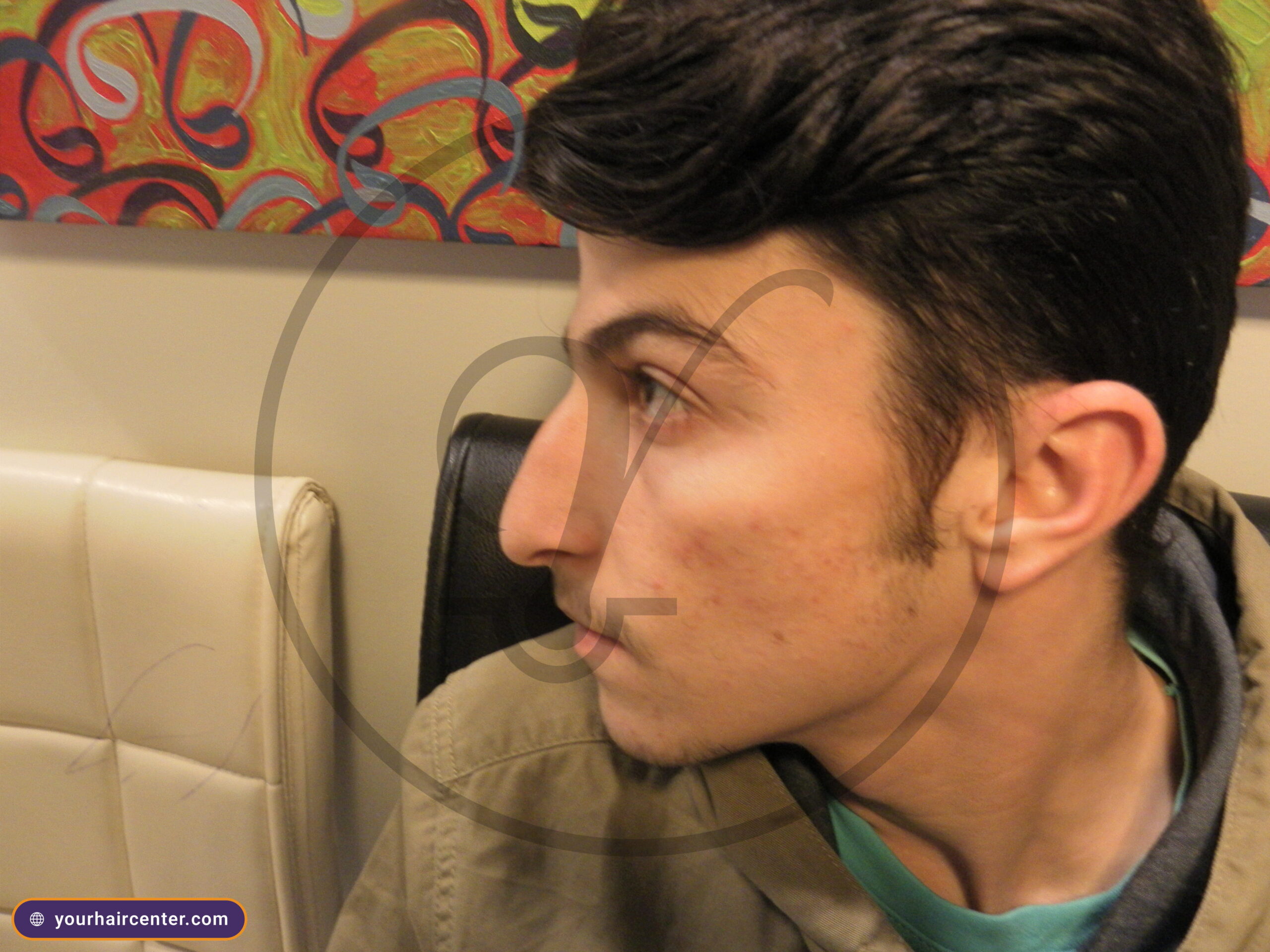
The second marker is photo-and-context congruence. Genuine Turkey hair transplant reviews on Reddit post photos at named intervals, Day 0, Month 1, Month 3, Month 12, and the same scalp landmarks stay visible across all of them. The lighting changes, but the moles, the scar lines, the ear position, and the brow shape are continuous. Planted threads use photos lifted from a clinic gallery, where the scalp matches but the surroundings, the bathroom, the bedroom, the studio lighting, are too polished to be a phone snapshot at home.
The third marker is comment depth and dissent, the texture that the most trustworthy Turkey hair transplant reviews on Reddit always carry. A real thread has people who disagree with the original poster, ask pointed questions about complications, and surface other patients who had a different experience at the same clinic. A planted thread has only short agreement and no friction.
The fourth marker is the named-clinic responsiveness. Real threads sometimes draw a polite, clearly identified reply from a clinic employee that addresses the specific case and offers a concrete next step. Planted threads either have no clinic presence at all or a suspiciously perfect clinic reply that reads like the same paid-network template you have already learned to spot.
The fifth marker is the no-result thread. The most credible Turkey hair transplant reviews include patients reporting bad results, partial results, and ambiguous results, because real outcomes vary. A clinic whose entire forum presence is glowing and uniform is statistically improbable, and the absence of any nuance is itself the warning. When you scan a subreddit for a candidate clinic, read the three lowest-upvoted threads first; the top-upvoted ones are often the most rehearsed. The same patients who post honestly in those threads are the ones whose documented cases you can later match against a clinic’s own photo gallery. (Our guide on whether a hair transplant in Turkey is safe walks the credential side of the same check.)
How to tell if a before-and-after photo is doctored
The before-and-after photo is the single most trusted artifact in hair-restoration decisions and the single most vulnerable to manipulation. Most people searching "turkey hair transplant reviews before and after" never learn that a convincing fake takes minutes to assemble from stock and lighting tricks. The five techniques below each run in under five minutes per photo, no specialist software required.
The first technique is the lighting-consistency check. A real before-and-after pair shot at the same clinic should share a similar overhead-light direction and color temperature. A before frame under cool fluorescent at an intake station paired with an after frame under warm tungsten in a hotel room is suspicious unless the venue change is explicitly explained, and it is one of the first things to check on the photos attached to Turkey hair transplant reviews.
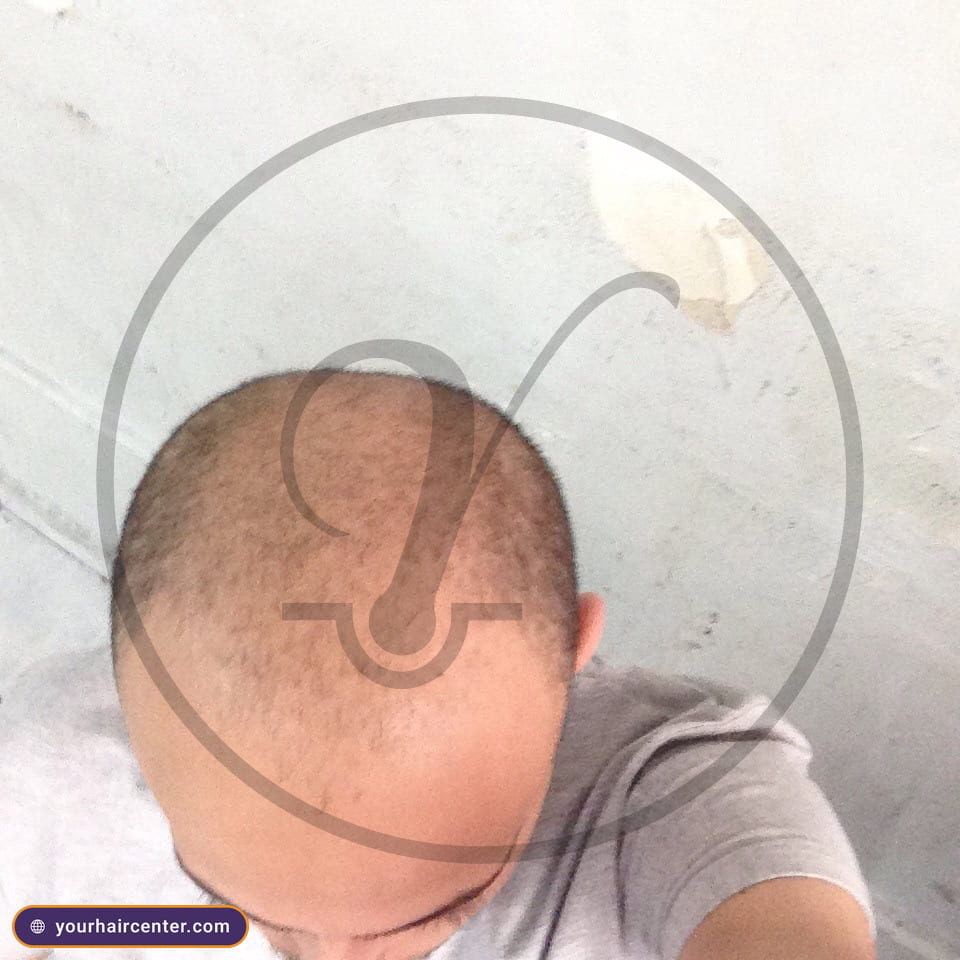
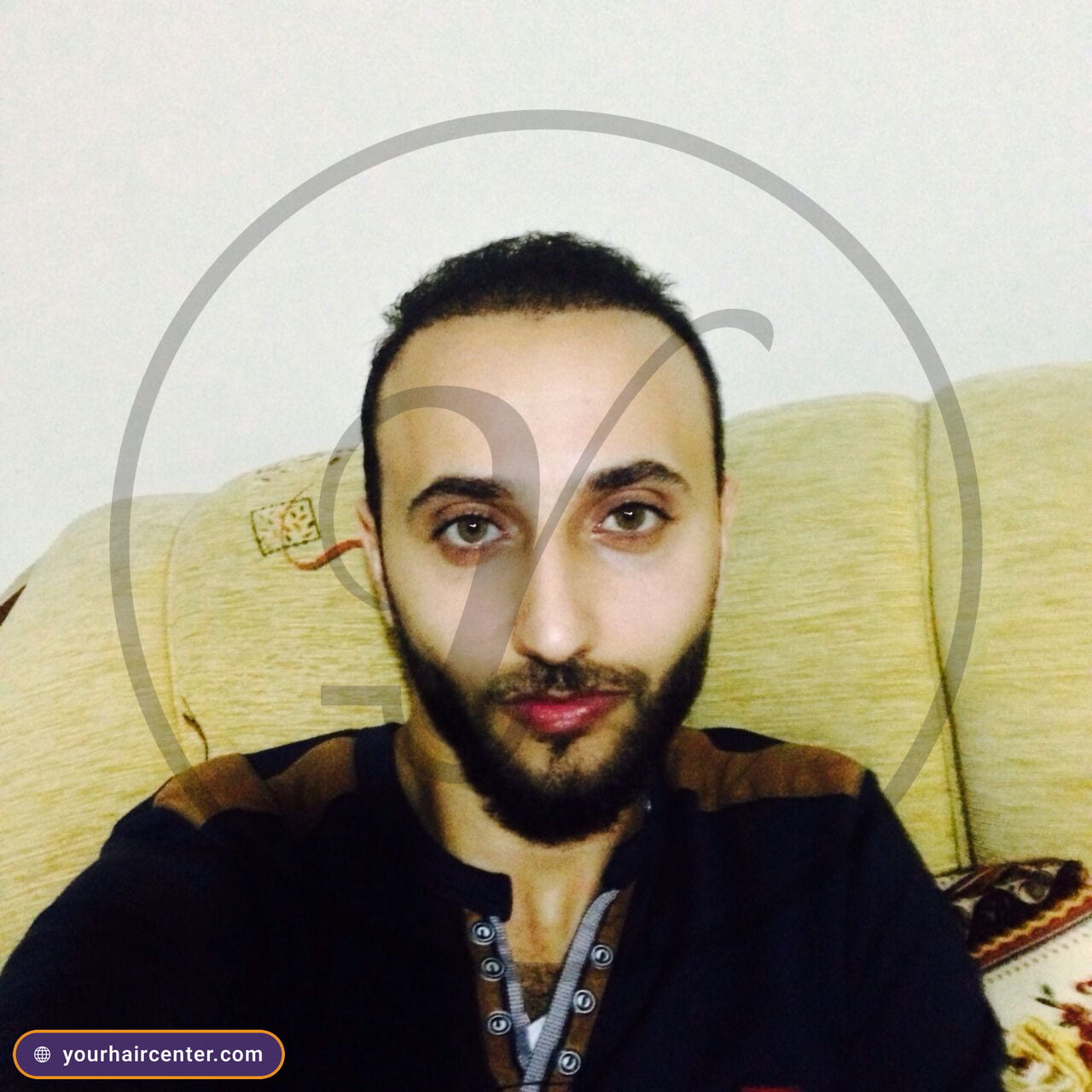
The second technique is the scalp-landmark continuity check, and it is the most powerful one you have. Trace three or four moles, scars, or freckles on the scalp and forehead in the before frame, then confirm they appear in the same relative position in the after frame. A transplant changes hairline density, not the underlying skin landmarks. If the landmarks vanish or move, the after frame is not the same patient.
The third technique is the ear-and-eye geometry check. A person’s interpupillary distance and ear position do not change between the procedure and a twelve-month follow-up. Compare the ear-to-eye ratio across both frames; if it shifts, you are looking at two different people.
The fourth technique is the hair-texture and hair-color baseline. Real grafts produce hair that matches the patient’s existing donor texture and color, because that is where the follicles came from. A before frame with coarse, slightly graying hair paired with an after frame of uniform, dye-saturated, soft-textured hair is suspect, since a graft cannot make hair softer or more uniform than its own donor source.
The fifth technique is the reverse-image trace, and it is the one that most often unmasks the photos attached to glowing Turkey hair transplant reviews. A real patient’s photo does not appear on three other clinic websites. Run the after frame through a reverse-image search; if it shows up across multiple unrelated clinic listings, it is a stock pull, not the clinic’s own patient. EXIF metadata, when a clinic publishes the original file, can also reveal a capture date that contradicts the claimed timeline.
This is exactly where an in-house archive earns its weight. The Your Hair Center gallery is organized one folder per patient, each cross-referenced to the procedure date and the graft count, so a documented case shows landmark-consistent frames across a real timeline rather than a polished pair pulled from nowhere. You can see what an archive-backed case actually looks like in the photo gallery, which is the structural answer to the before-and-after problem behind so many Turkey hair transplant reviews. If you want a clinician’s read on your own starting point before comparing cases, the hair and scalp analysis service is the entry point, and the named team behind those cases is on the About Us page.
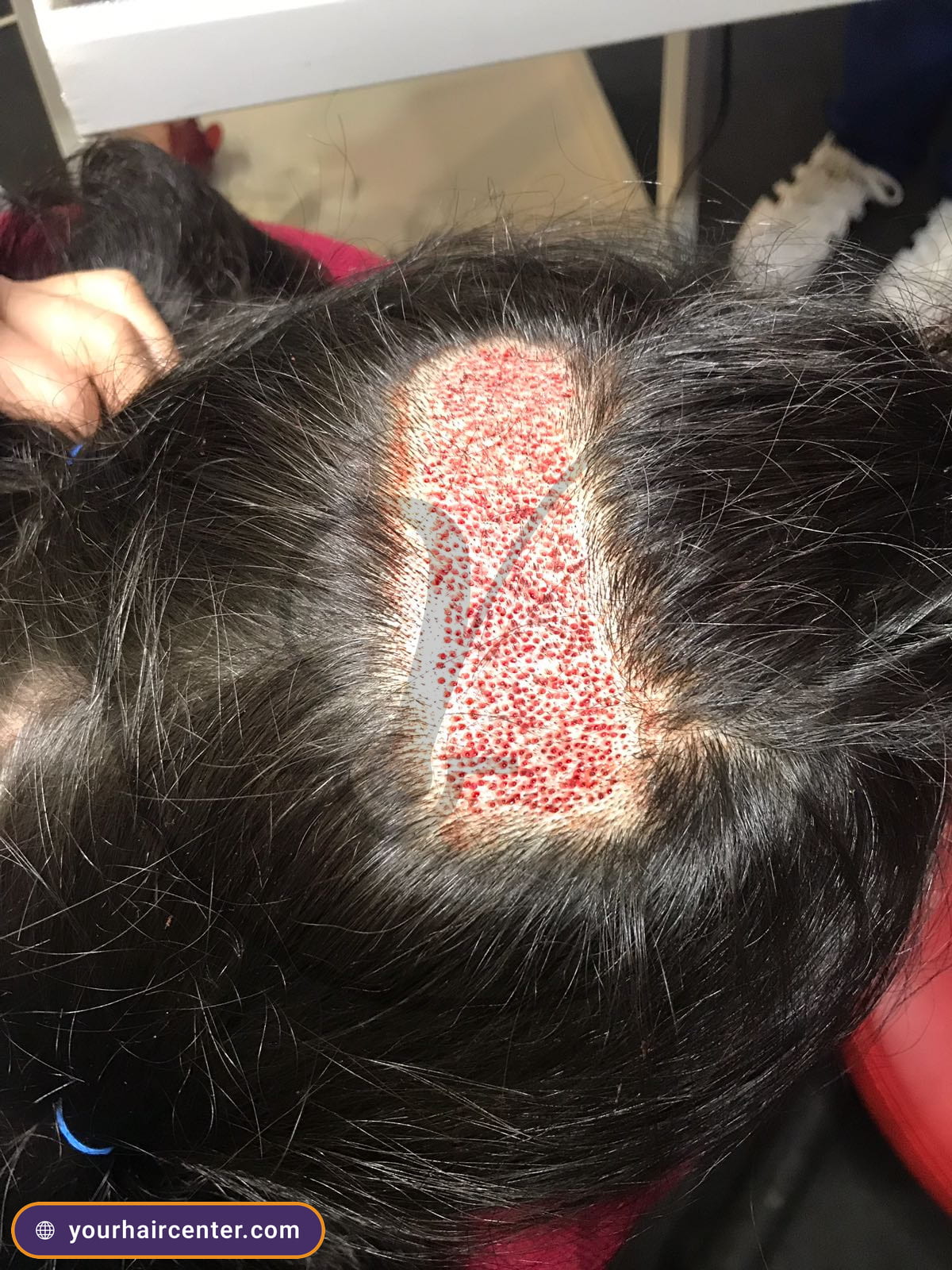
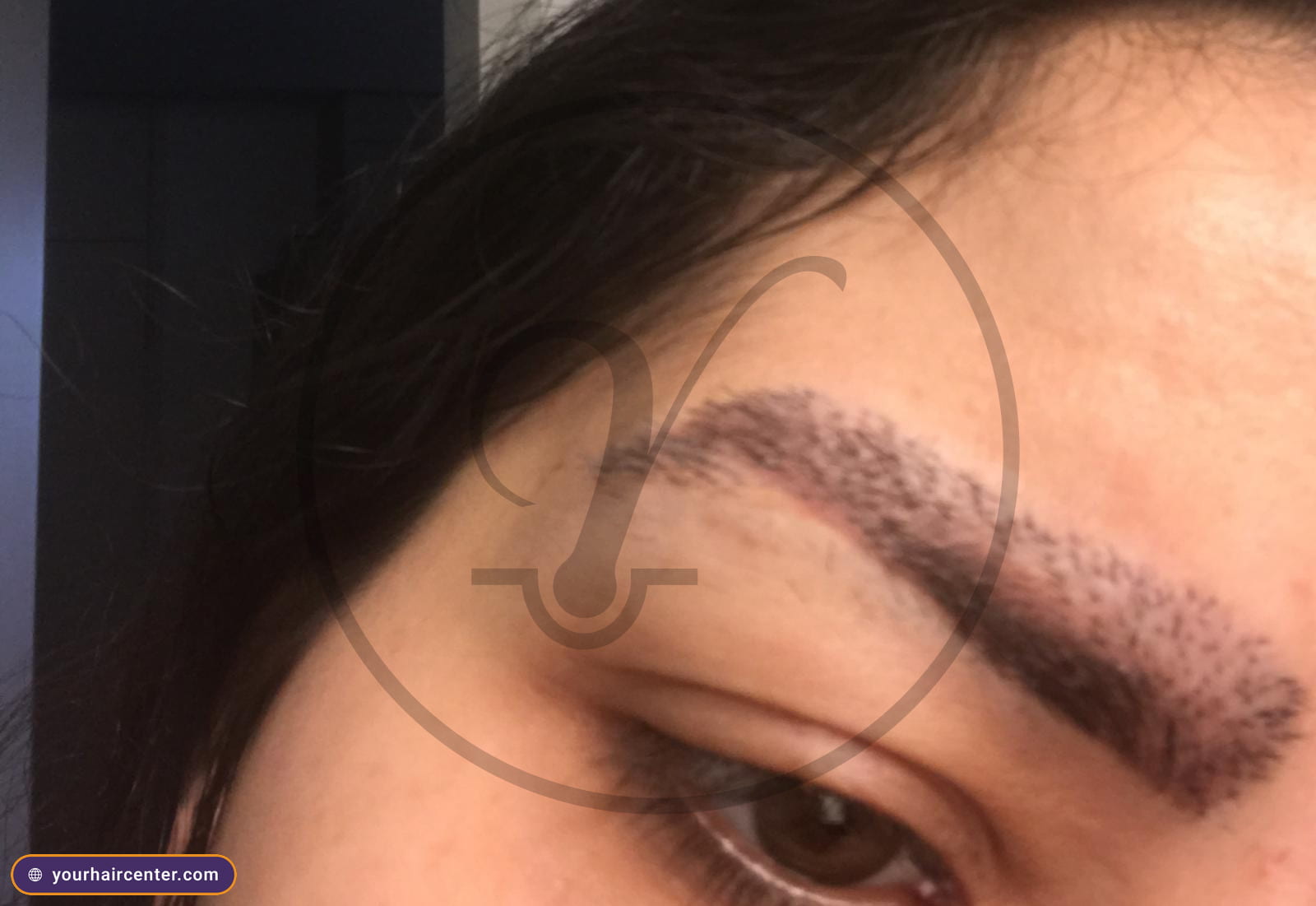
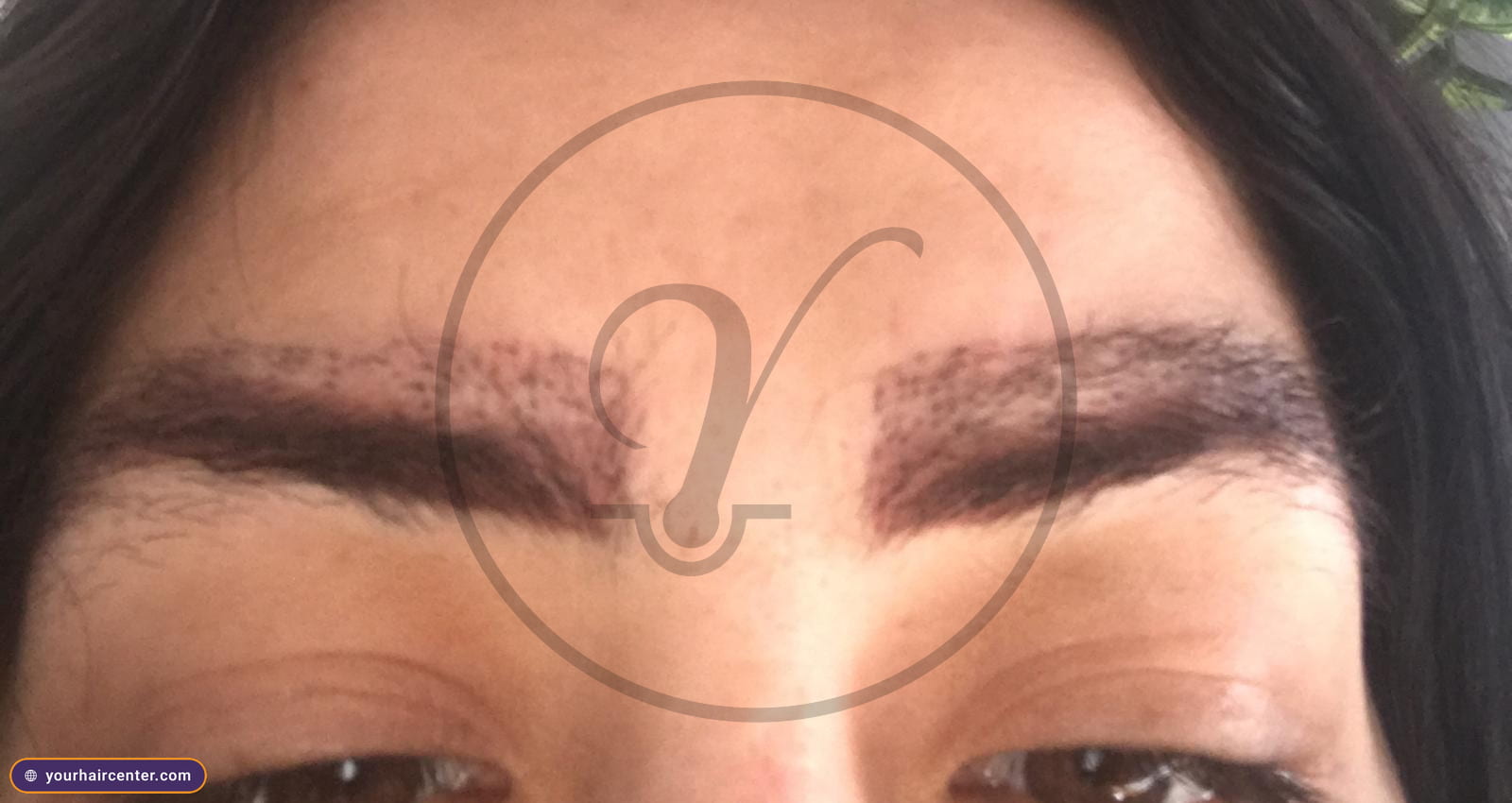
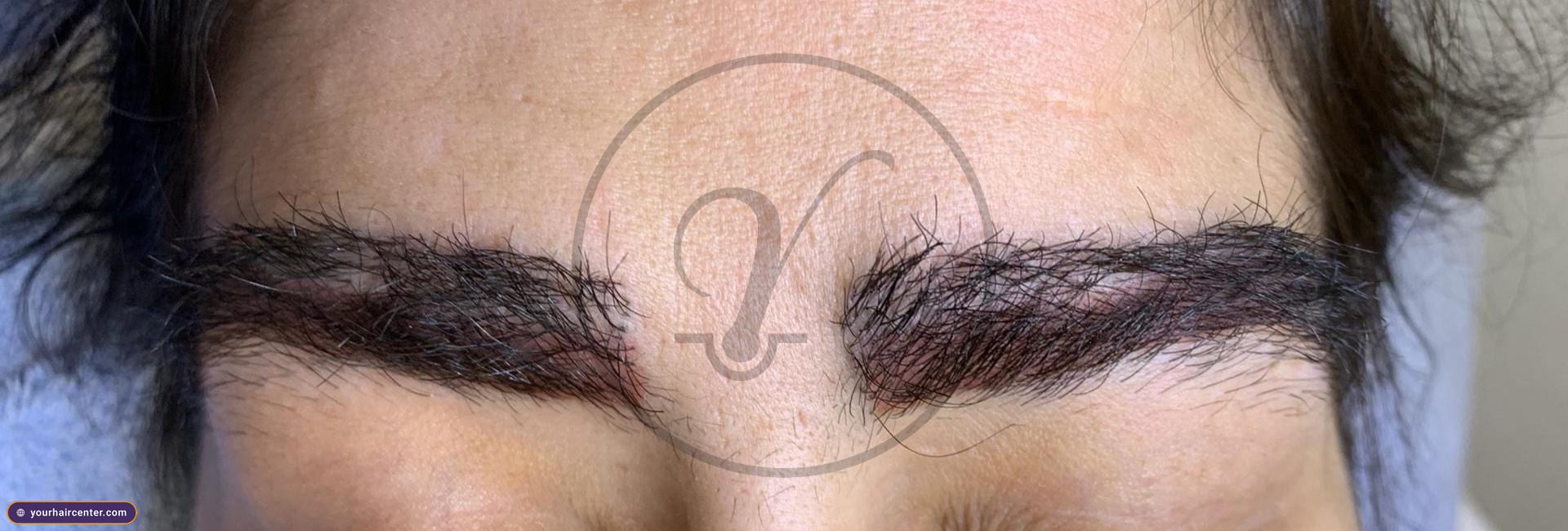
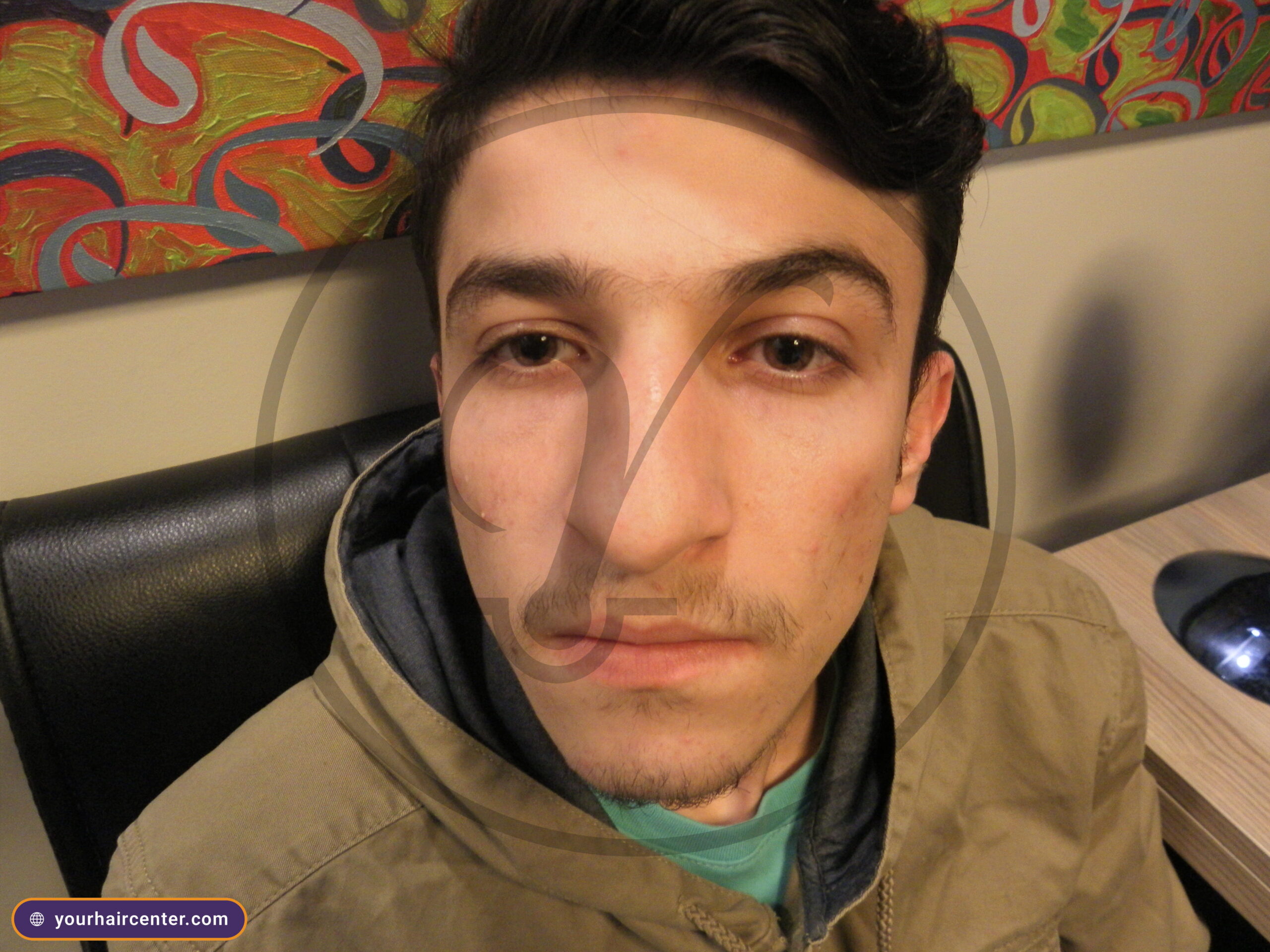
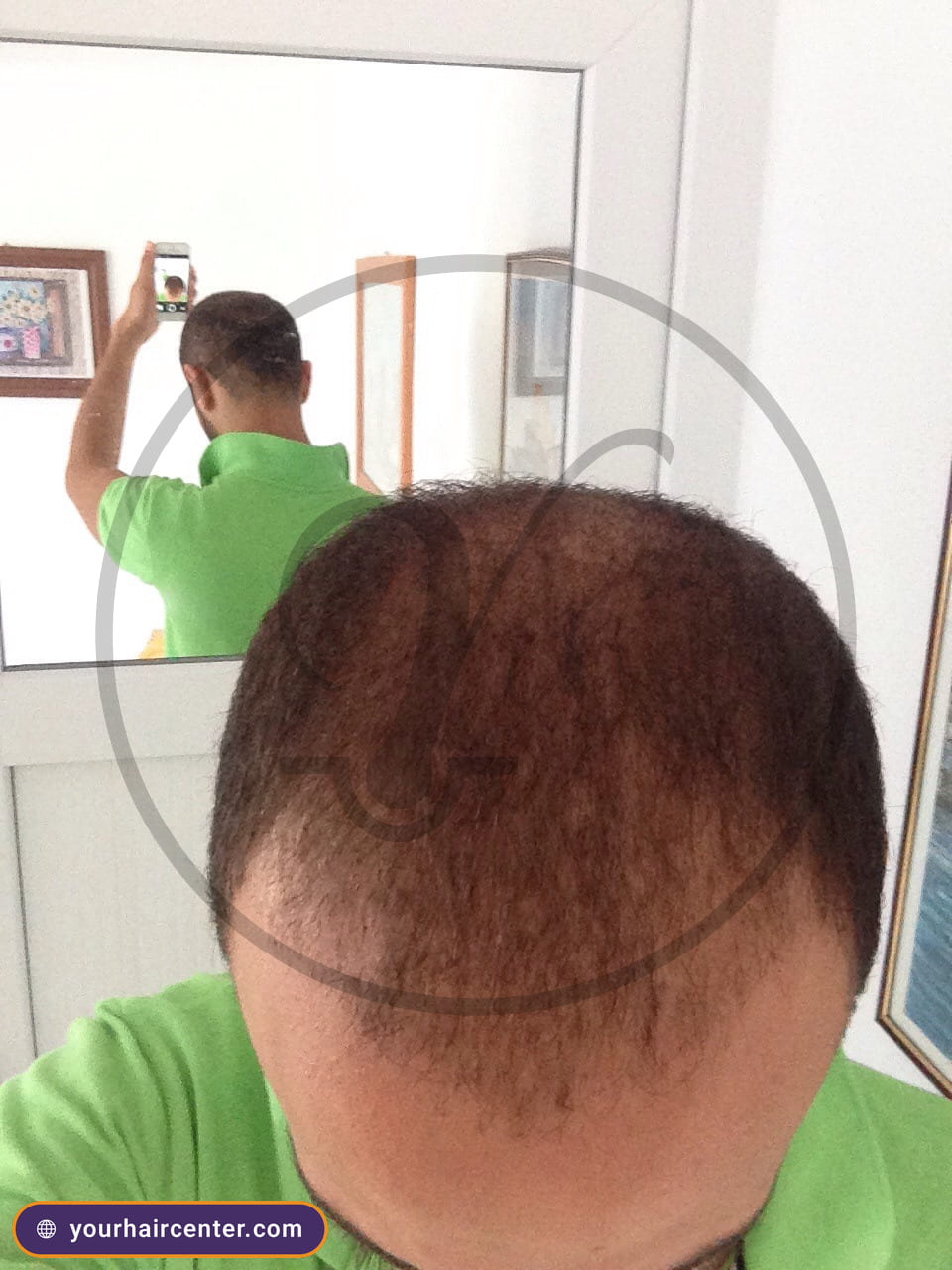
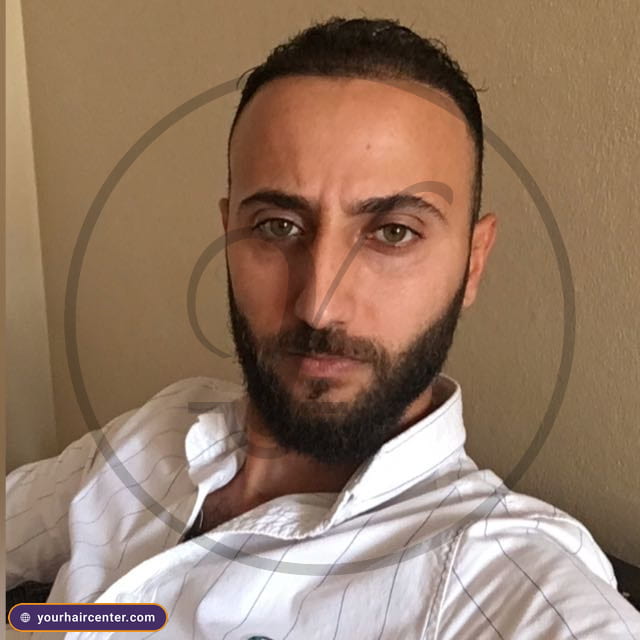
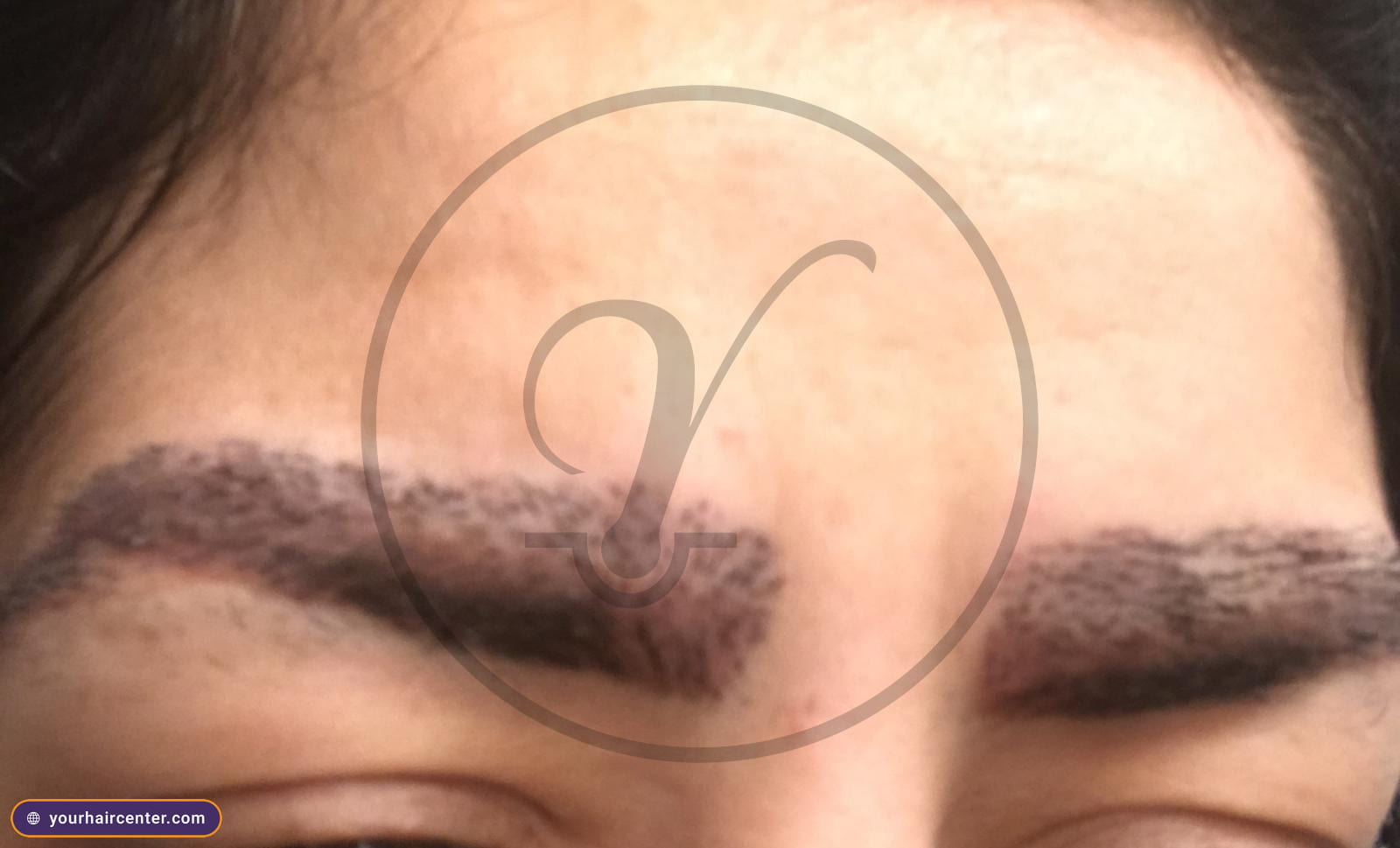
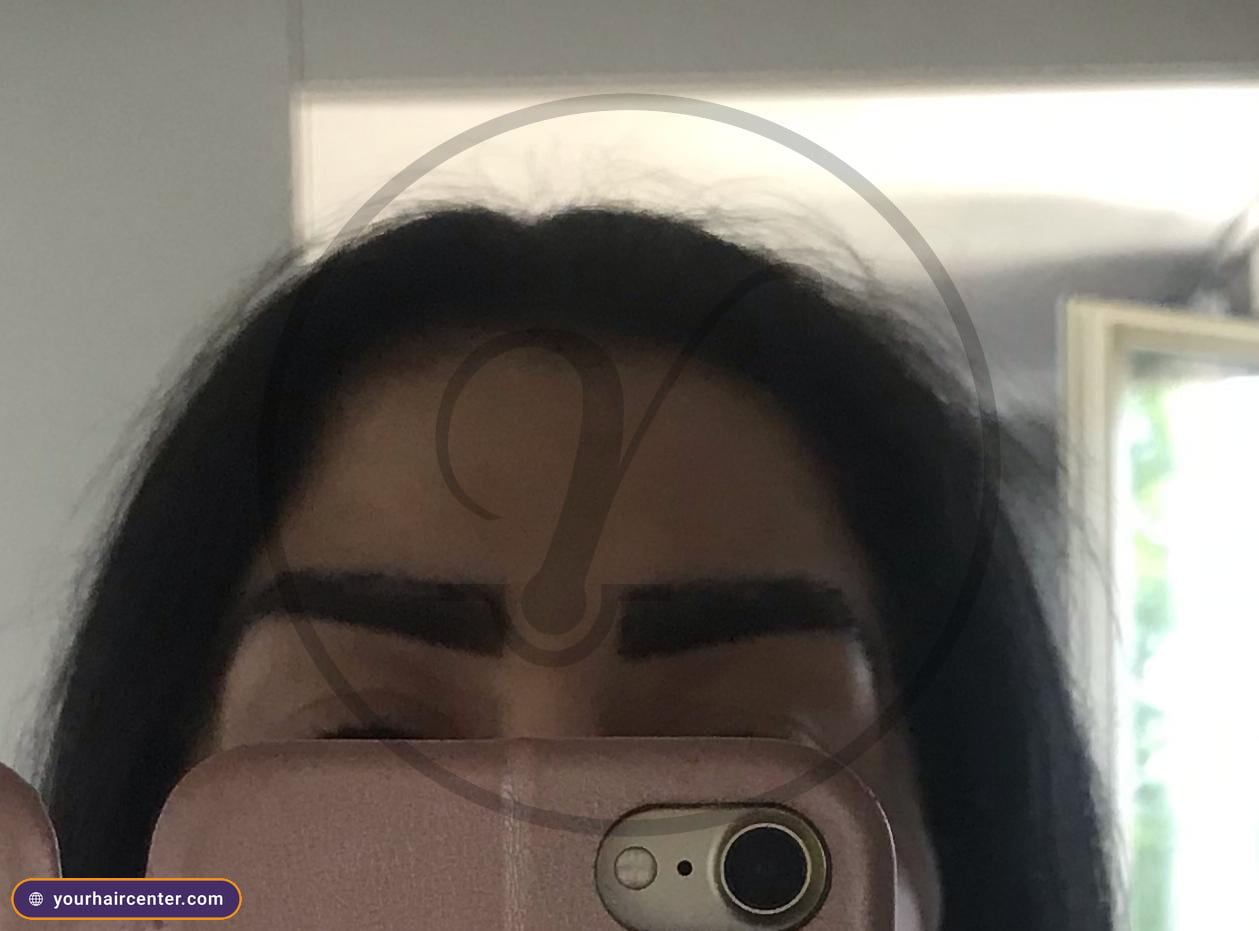
Real results from our patients’ archive. Photos exactly as captured at our accredited partner clinics, with no filters and no retouching. Browse more cases in our photo gallery.

How to check a clinic’s reviews across platforms in 45 minutes
The previous sections taught the pattern recognition. This section integrates them into a single workflow with a time budget and a stopping rule, so the noise turns into a decision. It is the routine that turns a pile of Turkey hair transplant reviews into a yes or a no. Run it on any clinic on your shortlist, including the one publishing this guide.
Step one, five minutes, platform inventory. List every platform where the clinic has a public footprint, a Trustpilot listing, a Google Business profile, RealSelf, BaldTruthTalk, the major hair-transplant subreddits, the major YouTube transformation channels, and the aggregator directories. Note how many Turkey hair transplant reviews appear on each.
Step two, ten minutes, the volume-versus-distribution sanity check. A clinic operating in Istanbul should surface Turkey hair transplant reviews across multiple platforms roughly in proportion to each platform’s reach. A clinic with eight hundred Trustpilot reviews and zero forum footprint is statistically improbable, and so is one polished Reddit thread with no Trustpilot presence at all. A real reputation is distributed, not concentrated on the one platform easiest to manufacture.
Step three, ten minutes, apply the six red flags from the first section to the busiest platform, the one carrying the bulk of the clinic’s Turkey hair transplant reviews. Score the listing on each flag from zero, clean, to two, severe. A total above six means the star rating is non-load-bearing and the clinic must be verified through other channels.
Step four, ten minutes, open three long-form forum threads and apply the five markers. Read the lowest-upvoted Turkey hair transplant reviews first, because the rehearsed ones float to the top.
Step five, five minutes, pick two before-and-after pairs from the clinic’s own gallery and run the five image-verification techniques, including at least one reverse-image search.
Step six, five minutes, cross-reference. A named patient on a forum should be findable in the clinic’s gallery if the clinic publishes patient cases with consent. A named coordinator praised on a review platform should be findable on the clinic’s About Us page. Cross-platform continuity, where the same real people turn up in more than one place, is the strongest signal that a clinic’s Turkey hair transplant reviews trace to actual patients. This is also where a clinic’s broader medical tourism footprint and its reception and accommodation logistics should line up with what reviewers describe.
The stopping rule keeps you honest, because the point of reading Turkey hair transplant reviews is to reach a decision, not to keep scrolling. If the workflow surfaces three or more major inconsistencies, a red-flag score above six on the busiest platform, forum-thread markers under three of five across every thread you opened, or an image-verification failure on either tested pair, the clinic does not pass. Move to the next candidate. For a country-level version of this filter, our framework on the best country for a hair transplant applies the same logic across destinations. You can also see the documented cases that pass this flow in-house in the photo gallery.
What a real testimonial looks like, three named-patient examples
After six sections on what fake looks like, it helps to see what real looks like. The three testimonials below are published on the Your Hair Center reception and accommodation page, and they read the way genuine Turkey hair transplant reviews read because they carry the load-bearing detail a fake never bothers to invent.
The first is from Michael R. in New York, United States. "From the moment I walked out of customs there was a guy with my name on a sign and a Mercedes waiting outside. No cabs, no queues, I was at the hotel in under an hour. That kind of hand-holding is worth every penny when you just flew in from JFK." Notice the markers. A named origin airport (JFK), a named vehicle (a Mercedes), a specific friction-resolution (no cabs, no queues), a concrete time-to-hotel (under an hour), and the writer’s named state and country. Each of those is a hook a fabricated reviewer would not think to plant, which is exactly why the most useful Turkey hair transplant reviews are the ones thick with this kind of incidental detail.
The second is from James T. in Manchester, United Kingdom. "The hotel was honestly nicer than I expected. Clean, quiet, great breakfast, and only about ten minutes from the clinic. After the procedure you really appreciate not having a long drive back. The whole logistics side was exactly as described on WhatsApp." Here the markers are the named city, the informal register ("honestly"), the post-procedure commute-fatigue detail that only a real patient thinks about, the ten-minute distance, and the operational continuity, the trip matching what was promised on WhatsApp.
The third is from David K. in Los Angeles, United States. "I was nervous about flying internationally for a medical procedure, but the daily transfers between the hotel and hospital were seamless. Driver on time every single time, English-speaking team at every step, and I never once had to figure anything out on my own." The markers are the named origin city, the named anxiety frame (flying internationally for a medical procedure), the operational reliability claim ("driver on time every single time"), and the specificity of "every step." This is the texture that separates real Turkey hair transplant reviews from the manufactured kind.
Across all three the pattern holds. A named patient, a named origin city, a named operational artifact, a named friction or its resolution, specific time and place markers, and no template phrasing anywhere. That is what genuine Turkey hair transplant reviews read like, and the patients behind these accounts are documented with consistent landmark continuity in the photo gallery. The same logistics they describe sit inside the all-inclusive package, and you can ask about any of it directly on WhatsApp. The named team behind them is on the About Us page.

Why this article is written by a team that is itself reviewed
The only team that can credibly teach you to verify reviews is one that submits to the same platforms it asks you to check. Your Hair Center turns up in Turkey hair transplant reviews on Trustpilot, on Google Business, on RealSelf, on the major hair-transplant forums, and on the YouTube transformation channels, exactly like every other provider on your shortlist. Run the 45-minute workflow on us before you send a deposit anywhere. We would rather you verify than take our word for it.
Here is what passes the flow in-house. The gallery archive is organized one folder per patient, each tied to a procedure date and a graft count, which is why a documented case holds landmark continuity across its timeline. The coordinators named in our Turkey hair transplant reviews are the same coordinators you can find on the About Us page, so the cross-platform continuity check resolves. The operational artifacts reviewers describe are consistent, the ten-minute hotel-to-partner-clinic distance, the English-speaking team at every step, the day-by-day package itinerary, because they are the actual reception and accommodation and all-inclusive package process every patient receives. The numbers behind it, more than 5,000 patients treated, a 4.8 out of 5 satisfaction rating, and 10+ years of experience, are checkable against the same public footprint.
Your Hair Center writes and operates as a medical-tourism team whose own specialists work at accredited partner clinics and hospitals, not as a brand built around a single named surgeon, so the verification methodology applies to the institution rather than to a personality. That is the point. A reputation that survives a stranger’s audit is the only kind worth trusting, and it is the only kind that holds up when our Turkey hair transplant reviews are read with the same suspicion you would bring to any provider. If you want to start, send your photos for a free evaluation, ask any verification question directly on WhatsApp, or request a custom quote based on your actual Norwood stage and graft count. The candidacy read begins with a hair and scalp analysis, and the documented results are in the photo gallery.
Frequently asked questions
Is it really worth going to Turkey for a hair transplant?
Whether going to Turkey for a hair transplant is worth it depends entirely on whether the specific clinic survives verification, not on the country average. The value case (lower cost, mature medical-tourism logistics, English-speaking teams) holds only for clinics whose Turkey hair transplant reviews trace to real, cross-platform-consistent patients. Run the verification workflow above on any clinic before you treat its price as a deal.
Is Turkey actually good for hair transplant?
Turkey is genuinely strong for hair transplants as a destination, with a deep concentration of high-volume clinics and Turkish Ministry of Health licensing, but "Turkey" is not a clinic and a country reputation does not vouch for an individual one. The right question is whether the specific clinic you are considering passes Turkey hair transplant review verification, credential checks, and before-and-after image scrutiny. Verify the clinic, not the country.
Are Turkey hair transplant reviews on Reddit reliable?
Reviews on Reddit are reliable only when the thread passes the five markers from the genuine-thread section. Check the original poster’s comment history, the photo-and-context congruence across named time intervals, the presence of real dissent in the comments, an identified and case-specific clinic reply, and the existence of at least some non-glowing outcomes. Threads missing three or more of those markers are not trustworthy.
What does a real before-and-after photo look like?
A real before-and-after photo shows continuous scalp landmarks, the same moles, scars, and ear-to-eye geometry, across both frames, with hair texture and color in the after that matches the patient’s donor baseline. Lighting may differ, but skin landmarks and facial geometry never change. The doctored frames behind fake Turkey hair transplant reviews fail this test fast. Reverse-image-search the frame, and compare it against an archive-backed gallery like our photo gallery.
How do I spot a paid or AI-generated review on Trustpilot?
Spotting a paid or AI-generated review on Trustpilot comes down to the account and the text together. Paid Turkey hair transplant reviews leave a staggered-account pattern, template phrasing you can find verbatim elsewhere, a geography mismatch, and generic responses to negatives. AI-generated reviews show uniform sentence rhythm, no micro-friction, no specific dates, and an unbroken formal register. Three or more tells means the rating is non-load-bearing.
What should I check across all platforms before booking?
Before booking, check that the clinic’s reputation is distributed across platforms in believable proportion, score its busiest listing against the six red flags, read three lowest-upvoted forum threads against the five markers, run two before-and-after pairs through the image checks, and confirm that named patients and named coordinators appear in more than one place. Treat the clinic’s Turkey hair transplant reviews as evidence to be tested, not praise to be trusted. Cross-platform continuity is the signal that matters most.
How to read Turkey hair transplant reviews before you book
The question was never which platform to trust. It is which patterns repeat when reviews trace to real people, and which patterns betray themselves when Turkey hair transplant reviews trace to paid networks or generative AI. The framework above turns three weeks of scattered reading into a defensible 45-minute audit you can apply to any clinic, including the one that published this guide. The deposit is the wrong moment to learn the Turkey hair transplant reviews you trusted were not real, so verify first. See the archive-backed patient cases and run the workflow on us in the photo gallery, or send your photos and ask any verification question directly on WhatsApp.