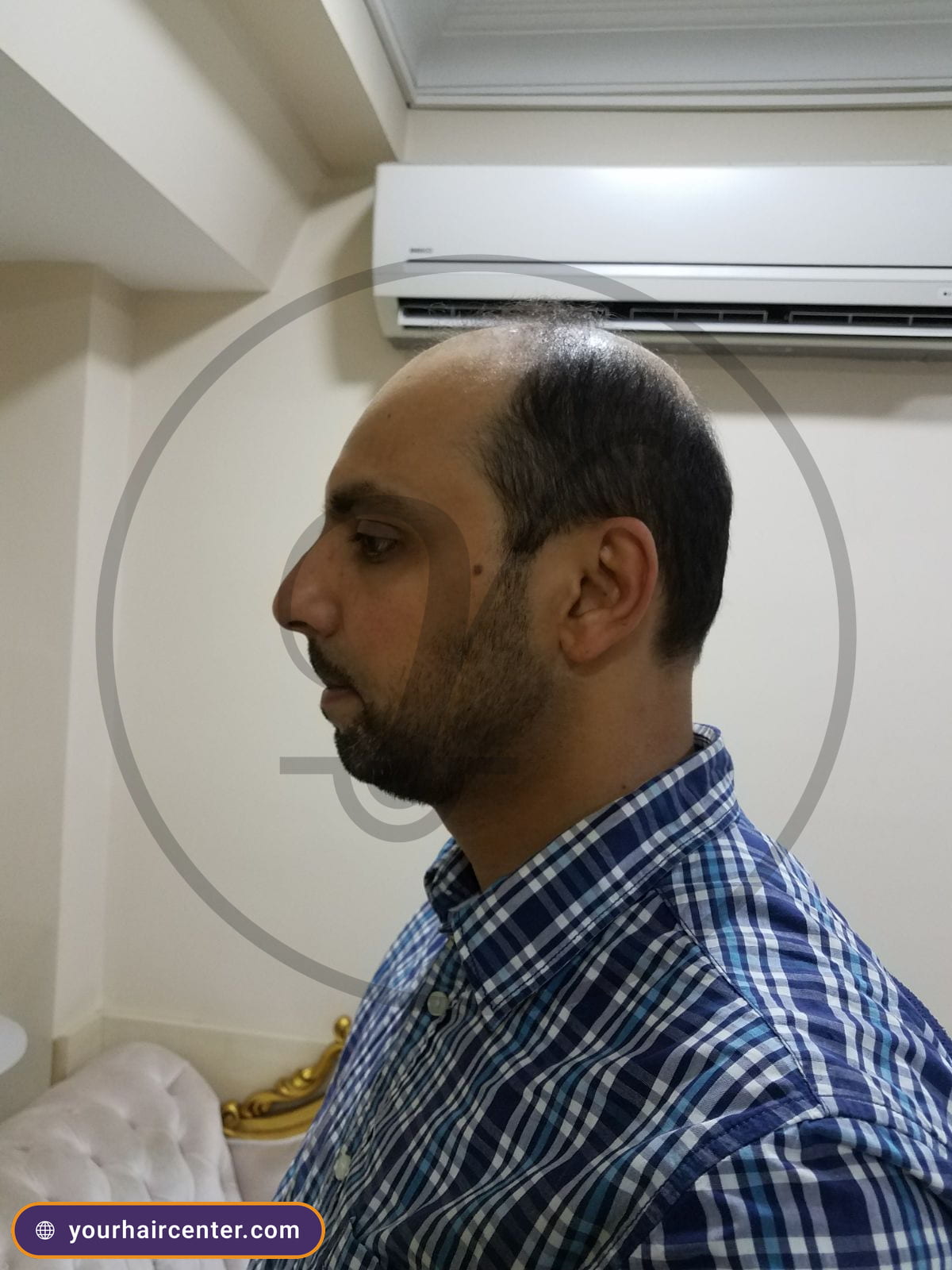
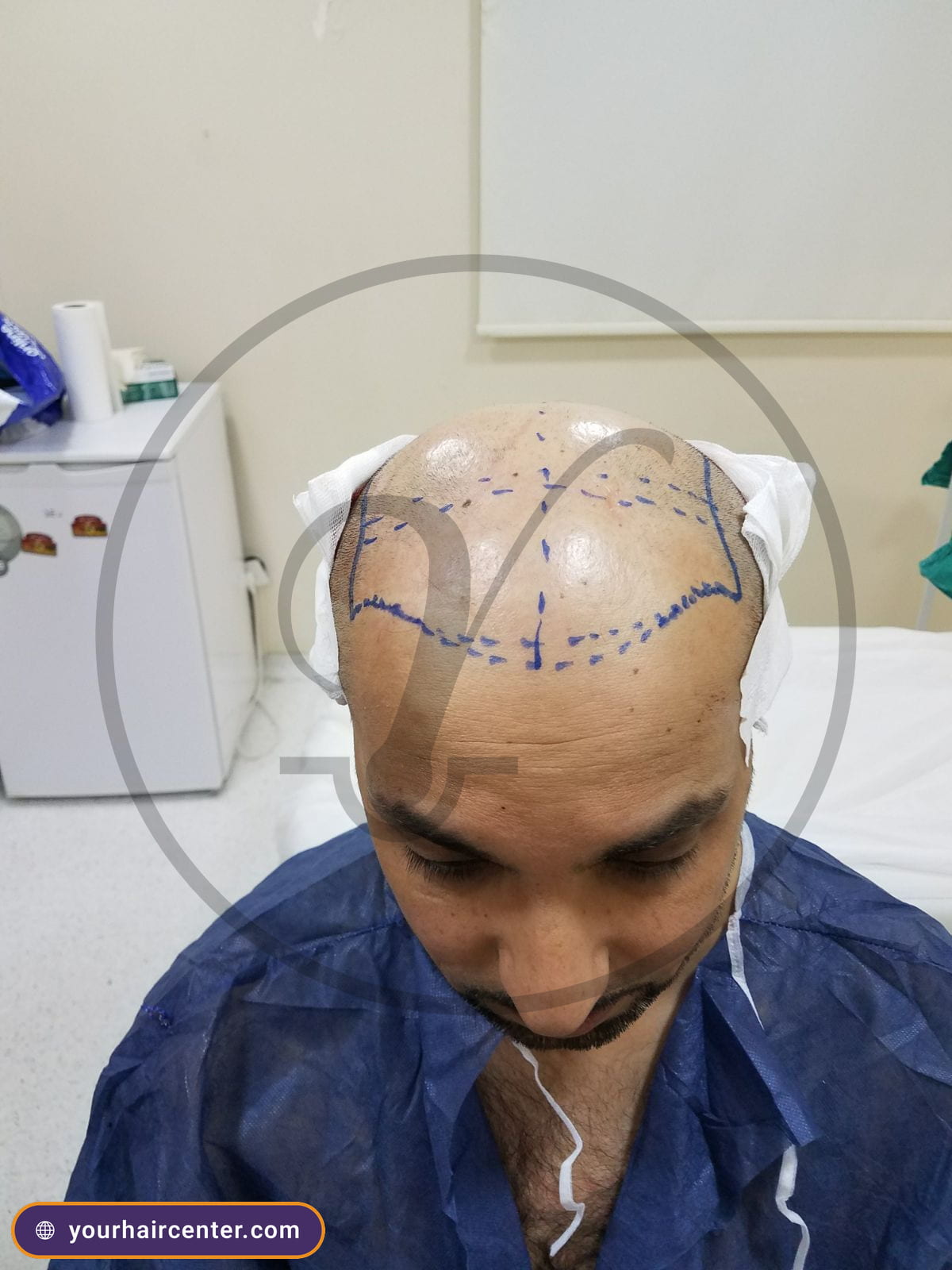
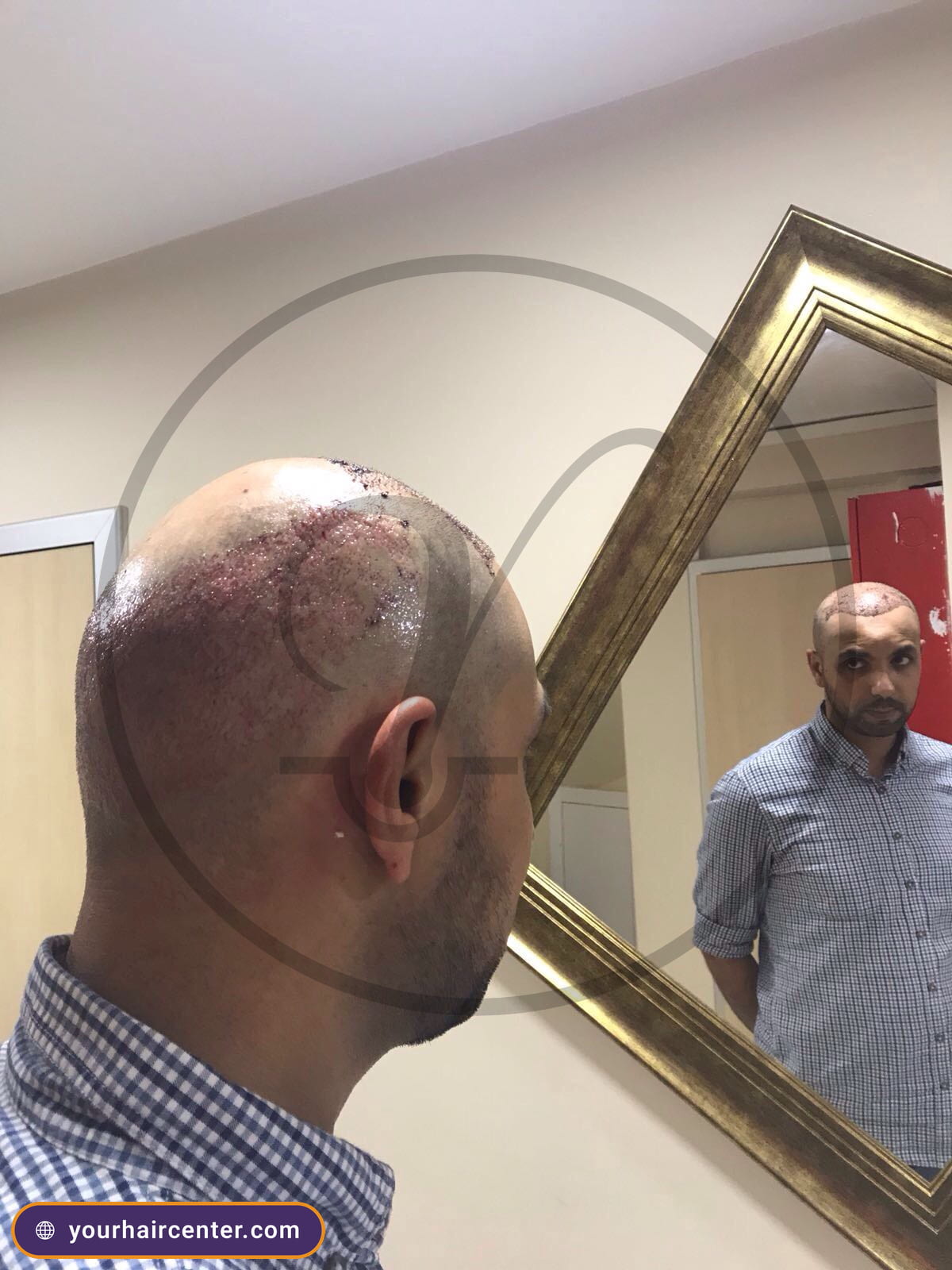
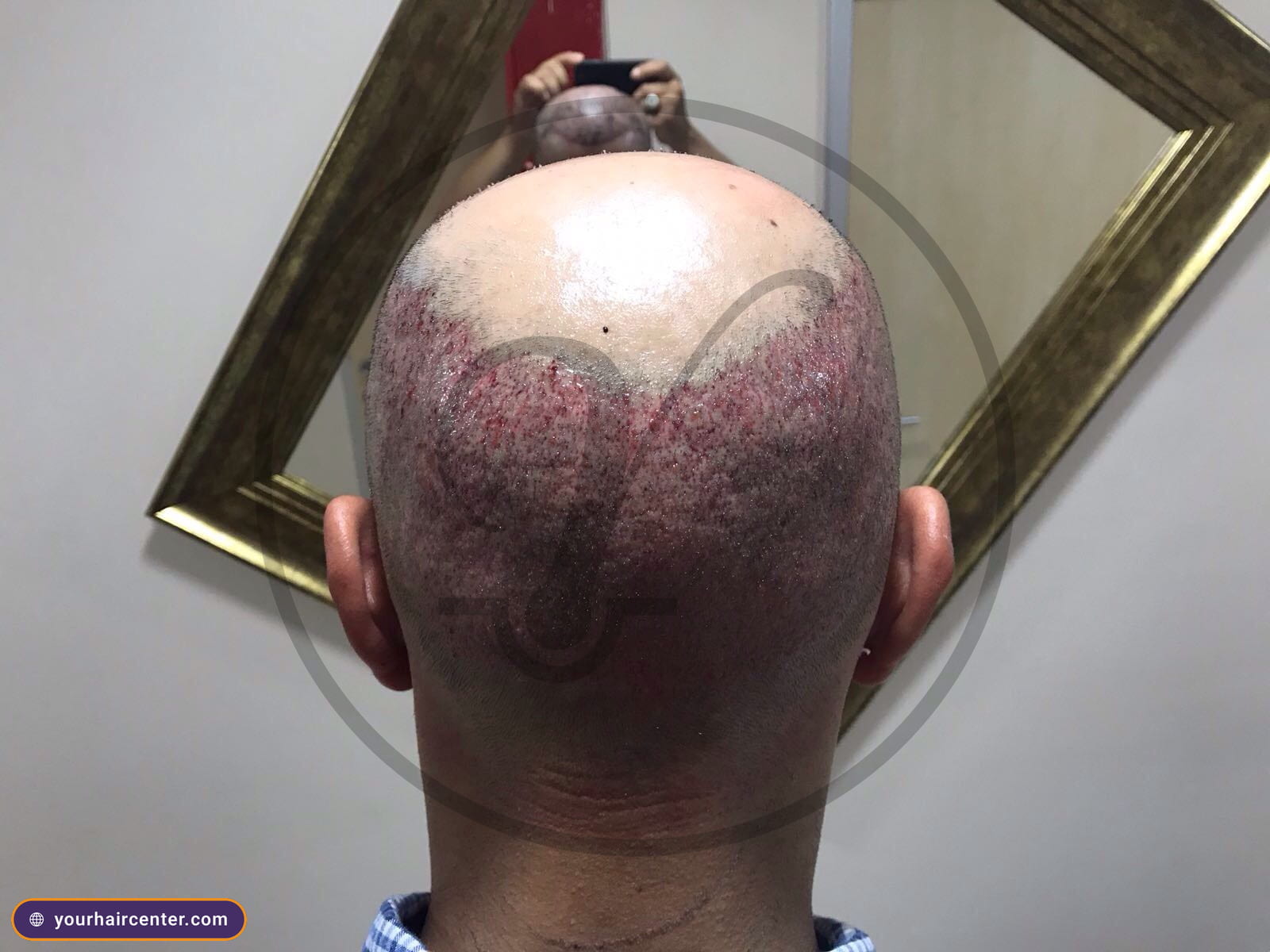
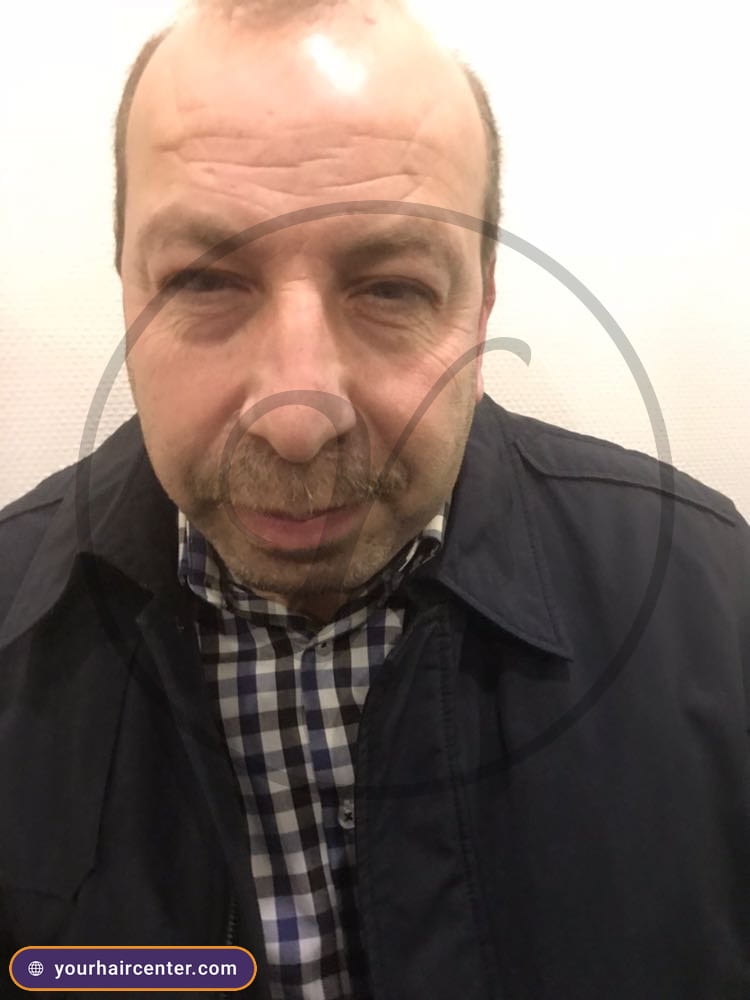
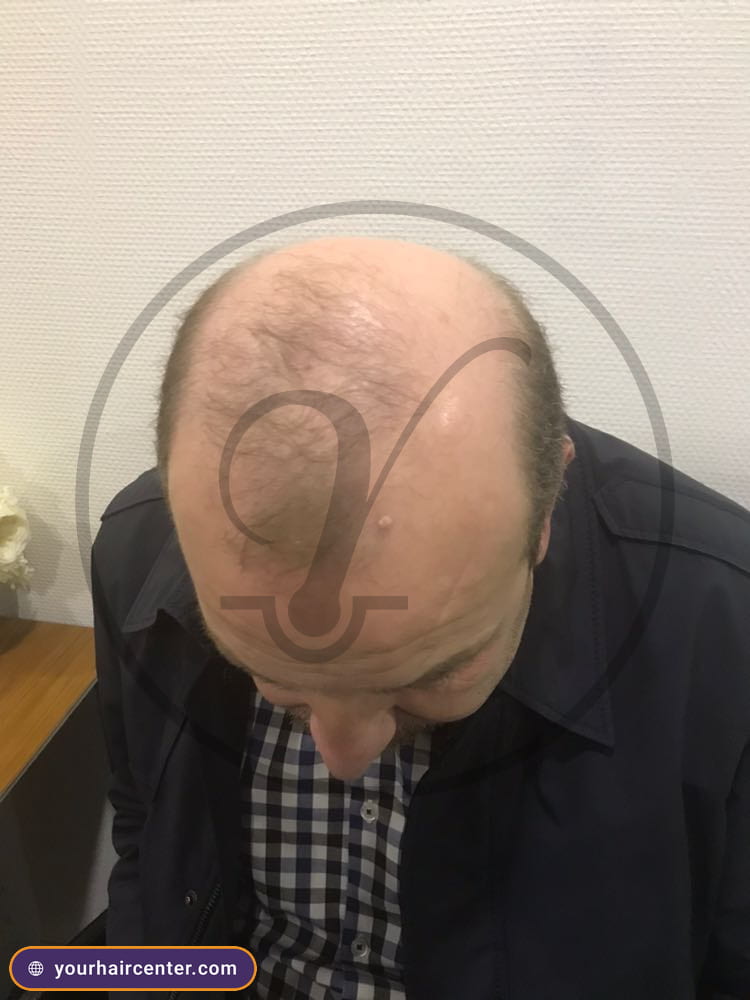
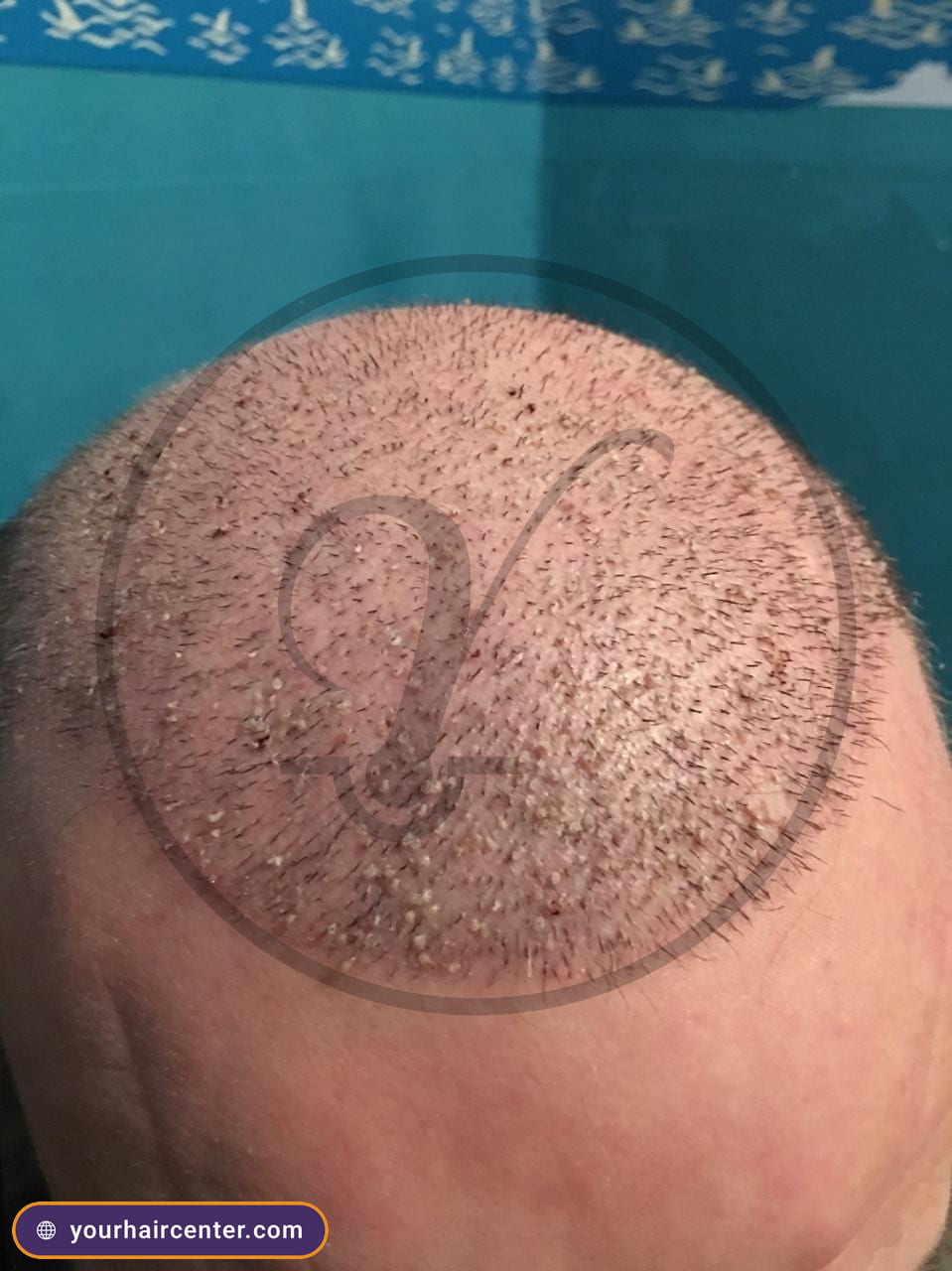
Hair transplant shock loss is a temporary, expected form of shedding that happens to most patients between week 2 and month 3, with new growth returning automatically from month 3 to 4. This guide explains the biology, separates recipient-area shedding from the often-missed donor-area pattern, shows you how to tell normal shock loss from rare graft loss with a simple photo check, and explains how Your Hair Center's scheduled month-1 video consultation gives a remote-monitored patient the same eyes-on-the-scalp review a local patient would receive.

Hair transplant shock loss is the temporary shedding of transplanted follicles or the native hairs around them in the weeks after surgery, driven by the same mechanism that follows any significant trauma to the scalp. If you have reached this page two or three weeks after your procedure and you are watching hairs collect in the shower drain, you have probably already read a dozen forum threads telling you not to worry. You deserve a clearer answer than that, ideally from the clinic that operated on you. This article explains what hair transplant shock loss actually is, when it peaks, how it differs between the transplanted area and the donor area, and how your monthly video consultations with your Your Hair Center doctor turn that anxious month into a monitored milestone rather than a guessing game.
What hair transplant shock loss is and why it happens
Shock loss after a transplant is a temporary form of telogen effluvium, the shedding that follows when a stressor pushes resting follicles to release their hair shafts earlier than they otherwise would. Major surgery is a recognized trigger for this process, and the micro-trauma of a transplant is no exception [1]. The hairs fall out, then the follicles regrow.
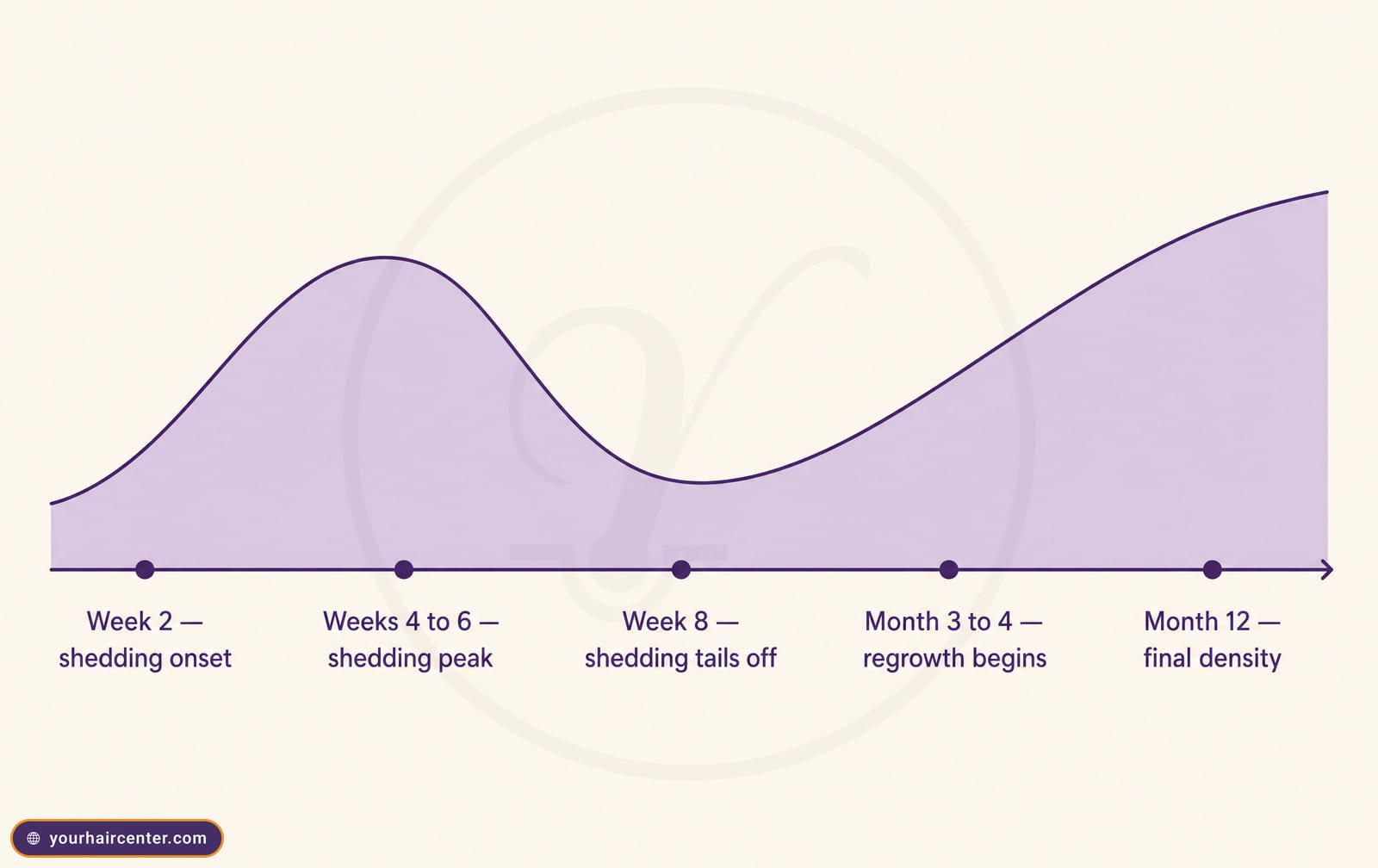
Mechanically, the surgery nudges nearby follicles out of their active growth phase and into a resting phase. Those resting hairs let go of their shafts, and in telogen effluvium that shedding typically becomes visible two to three months after the trigger, lasting around three to six months before normal growth resumes [1:1]. After surgery, most patients see hair transplant shock loss between week 2 and month 3, with new growth returning automatically as the follicles re-enter their growth cycle. For most people the heaviest shedding sits somewhere in the first six weeks, then tails off.
Does everyone get it? Most patients experience some degree of hair transplant shock loss, but it sits on a spectrum. Some shed so little they barely notice, while a smaller number shed enough to look temporarily thinner than they did before surgery. The reassuring part is the timeline. Fine new strands usually appear around month 3 to 4, and the scalp tends to regain its normal fullness within six to nine months [2].
Is hair transplant shock loss permanent? For the large majority it is not. Shock loss is defined clinically as temporary hair loss [3]. In the rare cases where shed hair does not fully recover, the cause is almost always a separable factor such as pre-existing thinning rather than the transplant itself, which is why your doctor may suggest non-surgical treatments your doctor may pair with the transplant to protect vulnerable native hair.
Recipient-area shock loss versus donor-area shock loss
Hair transplant shock loss is actually two distinct patterns in two anatomical zones, and seeing both is the same two-zone view your doctor takes during a video review.
Recipient-area hair transplant shock loss is what most people picture. It is the shedding of the newly transplanted hairs along with some of the surrounding native hairs caught inside the trauma radius, and it follows the week 2 to month 3 window described above [3:1]. The visual signature is patchy thinning across the zone where the new hairs were placed.
Donor-area hair transplant shock loss is a separate phenomenon, a diffuse thinning at the back and sides of the head where the grafts were harvested. In documented cases, non-scarring patches appear at the donor area roughly two to three weeks after surgery, and the proposed mechanism is compromised local blood supply and trauma to the existing hairs during harvesting rather than anything happening on the recipient bed [4]. Both donor and recipient effluvium are recognized post-transplant findings, and the donor pattern responds well to management and resolves [4:1][5].
The reason patients miss the donor pattern is simple. They spend the first month watching the recipient zone in the bathroom mirror, and the back of the head is the one place they cannot easily see. Donor thinning from hair transplant shock loss often goes unnoticed until a partner photographs it for a follow-up review, which is exactly why a structured photo set matters.
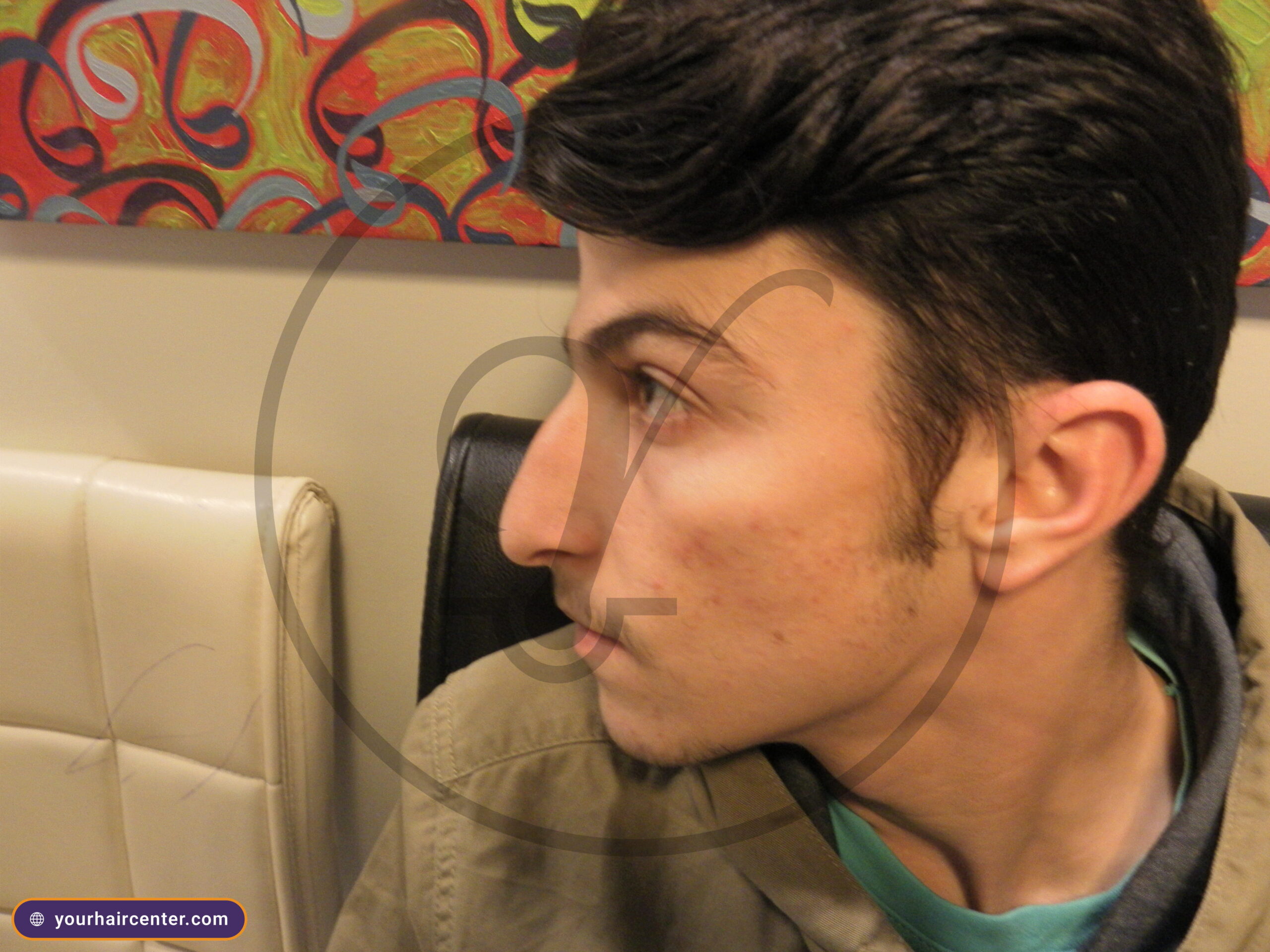
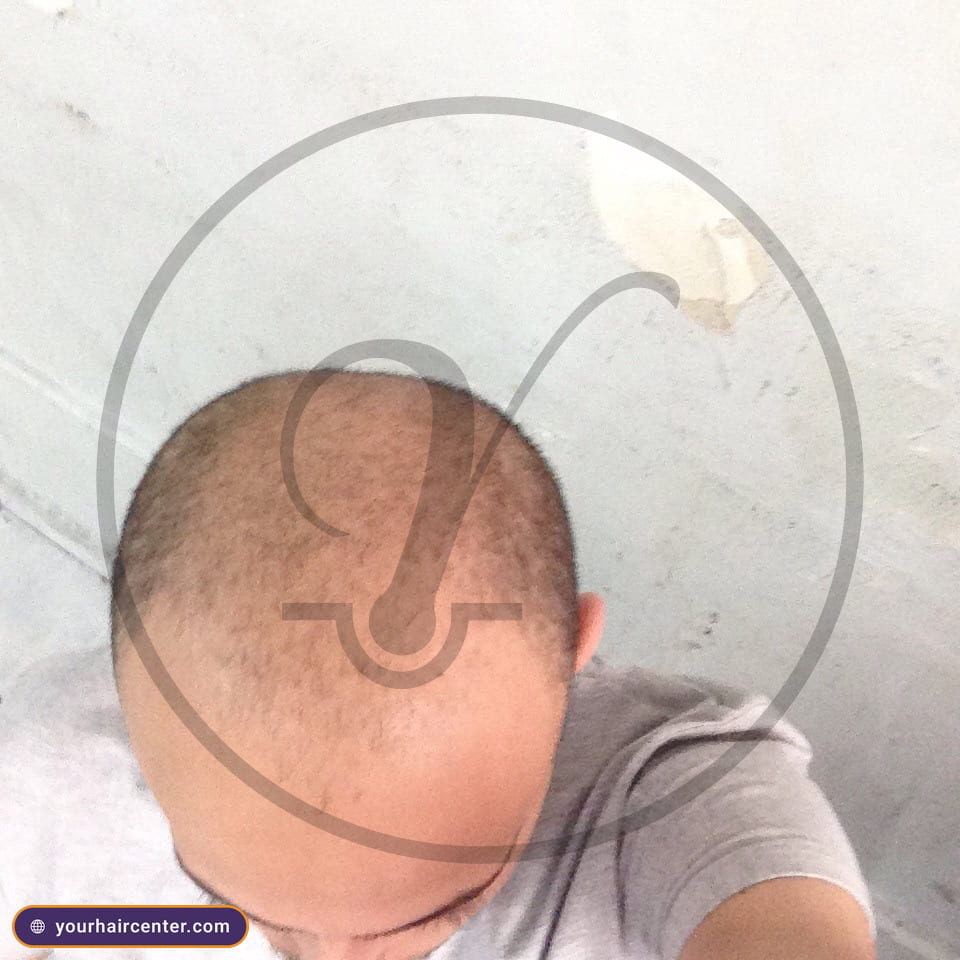
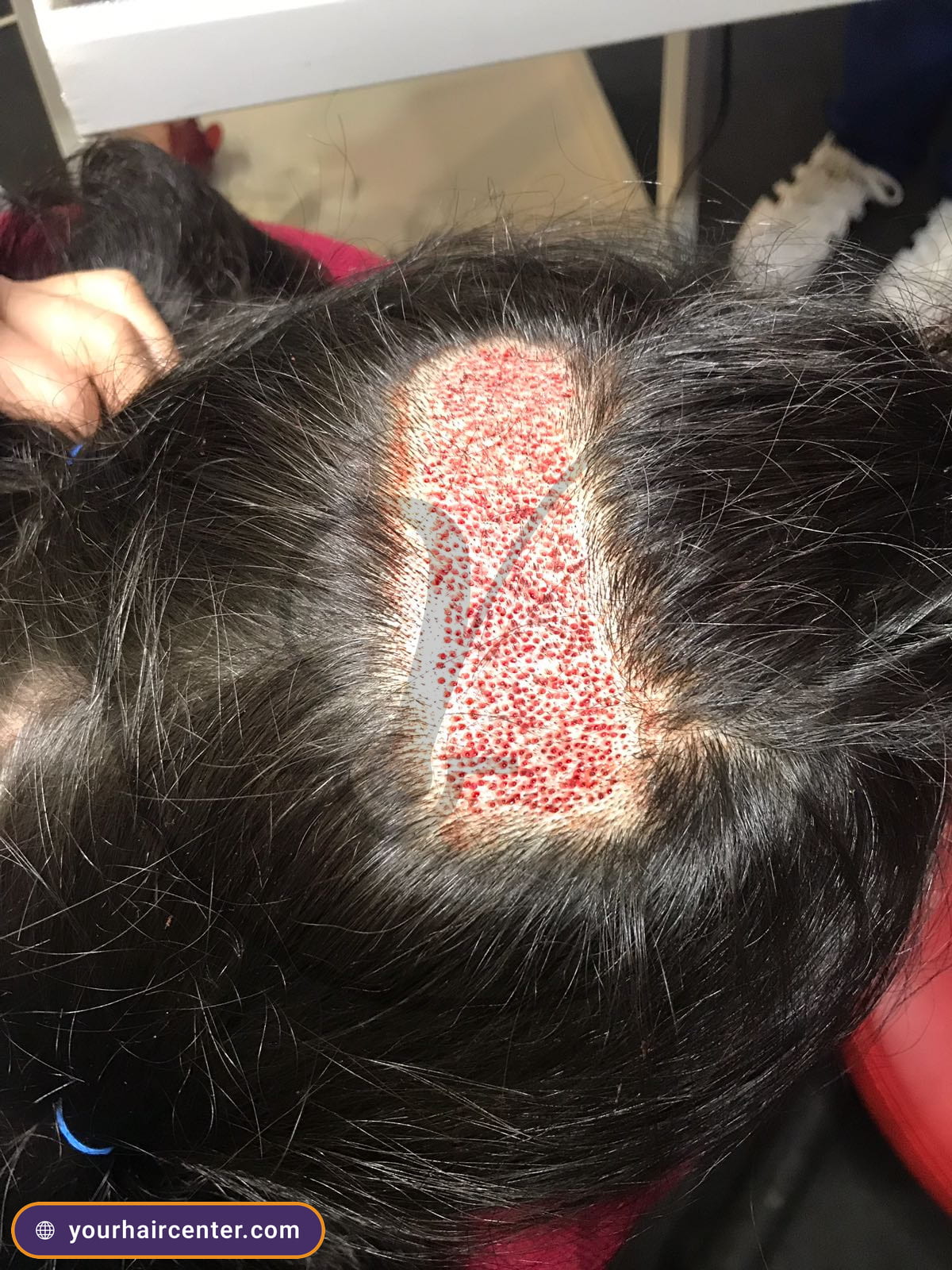
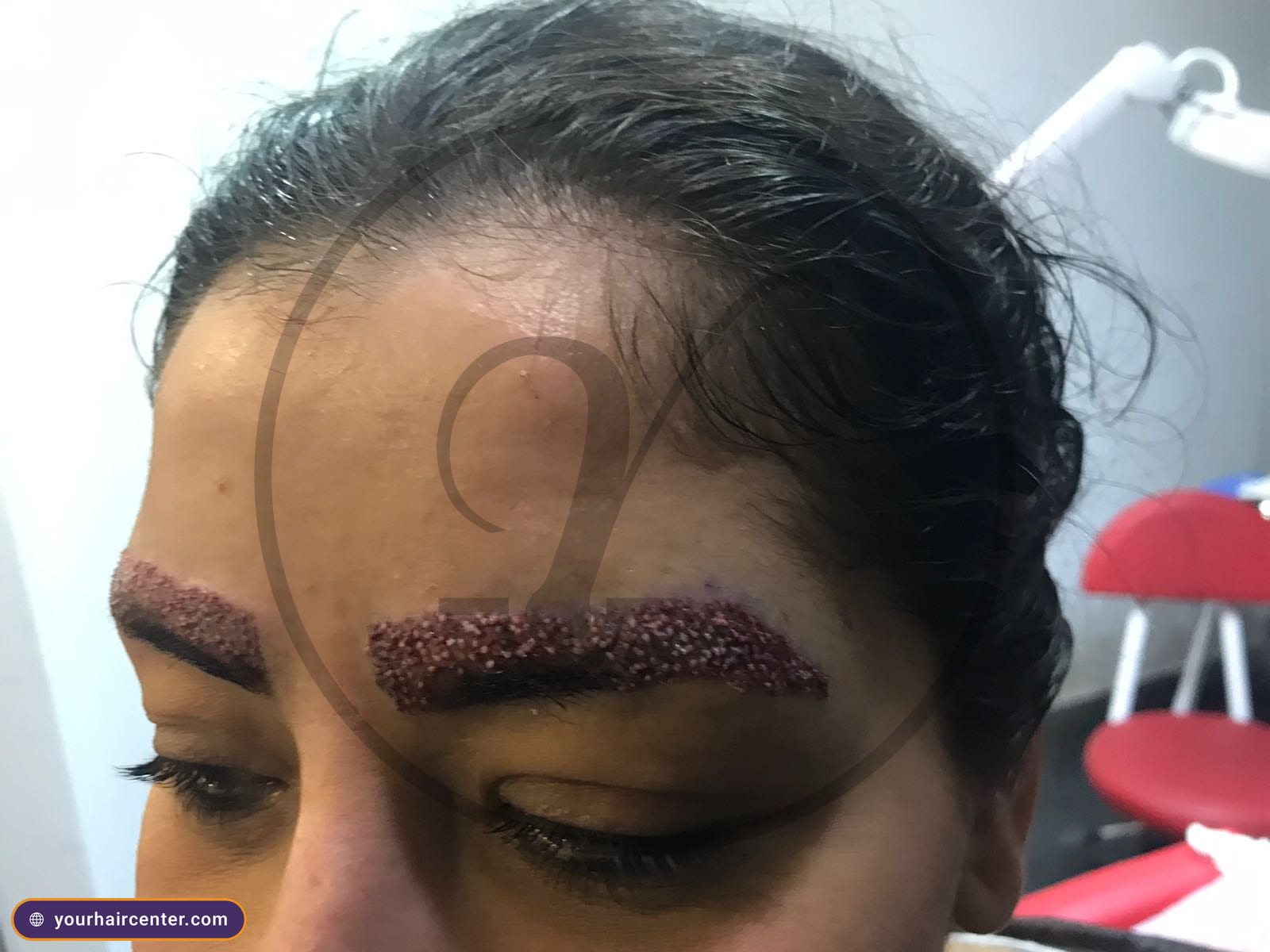
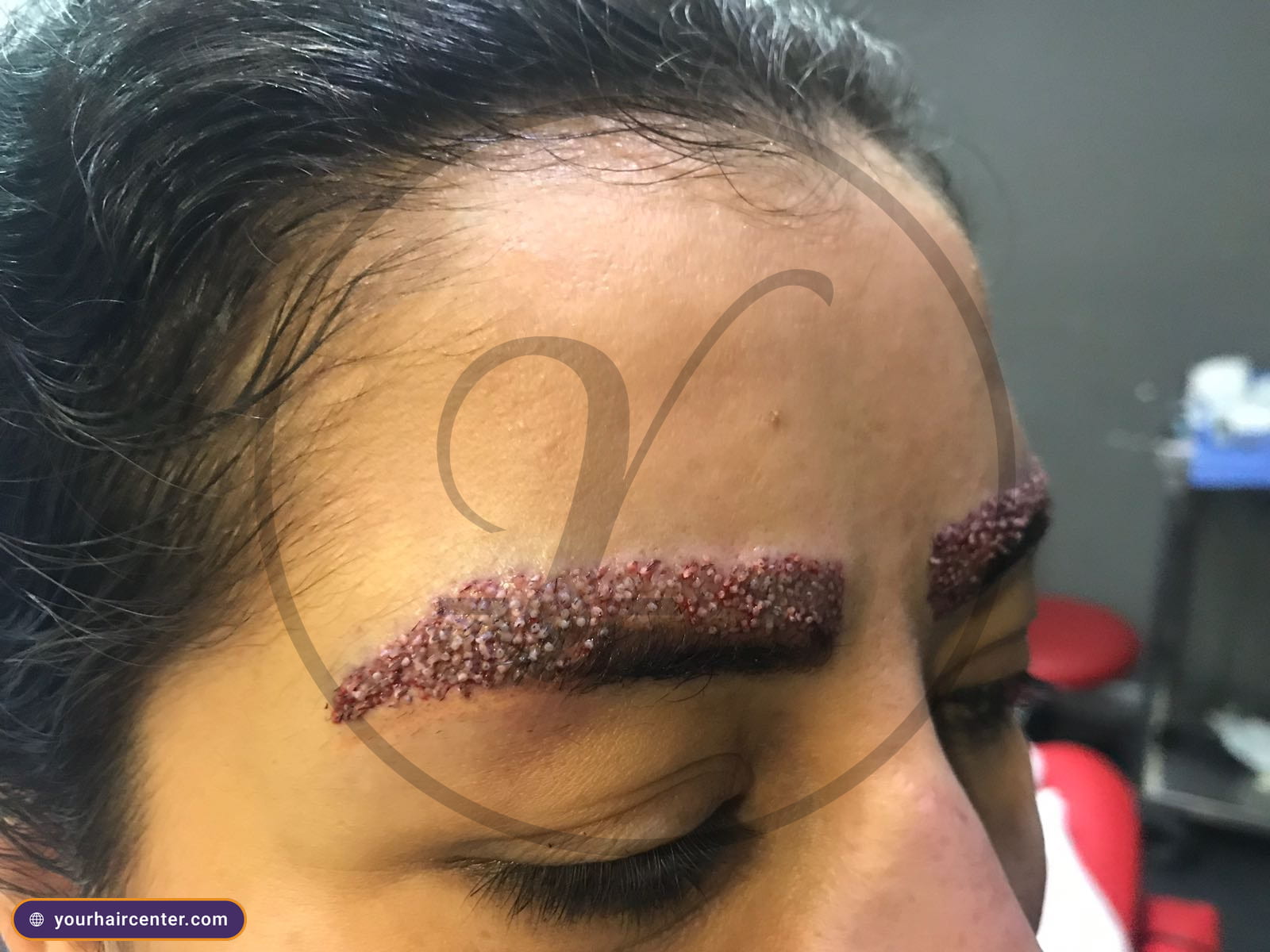
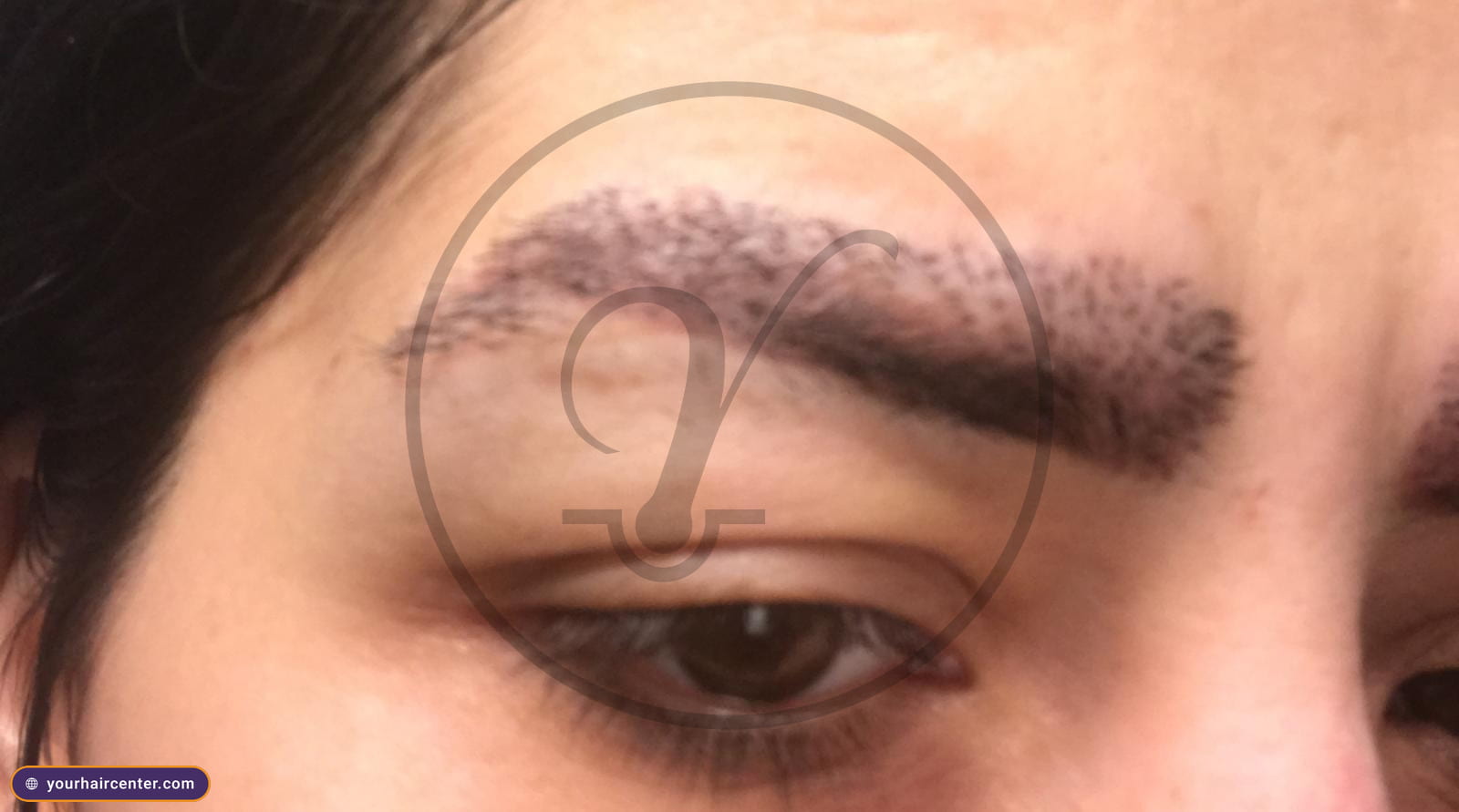
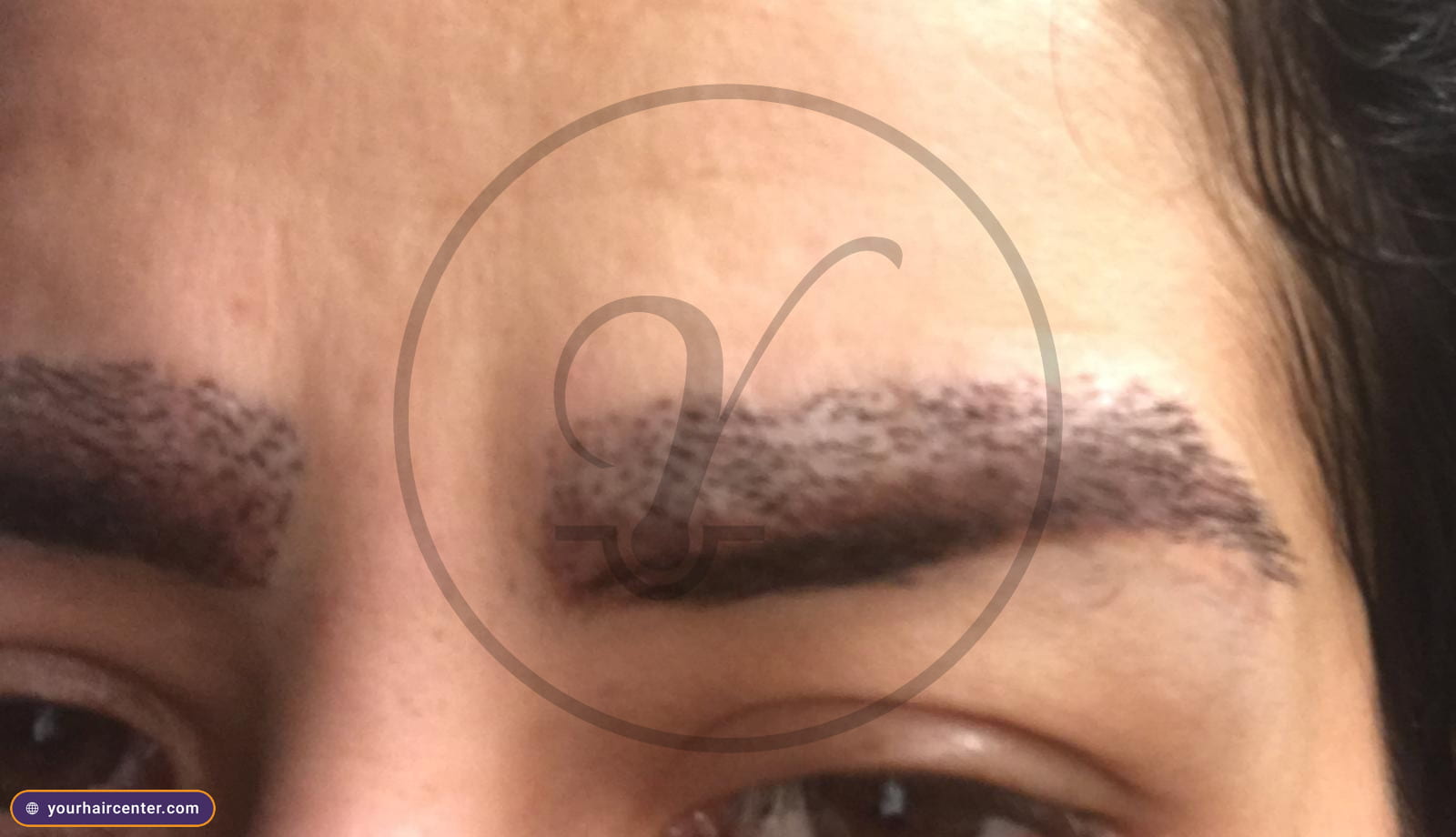
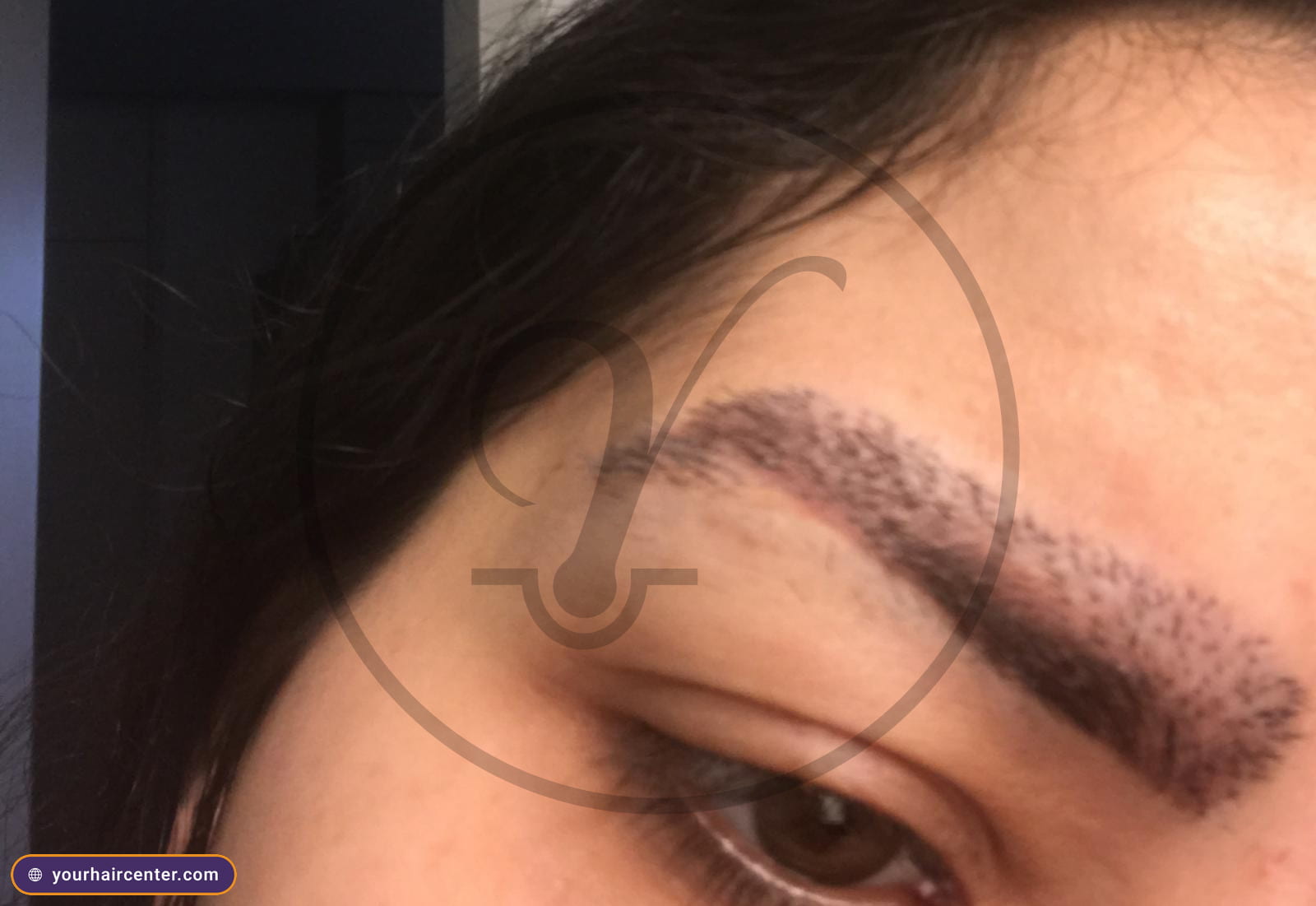
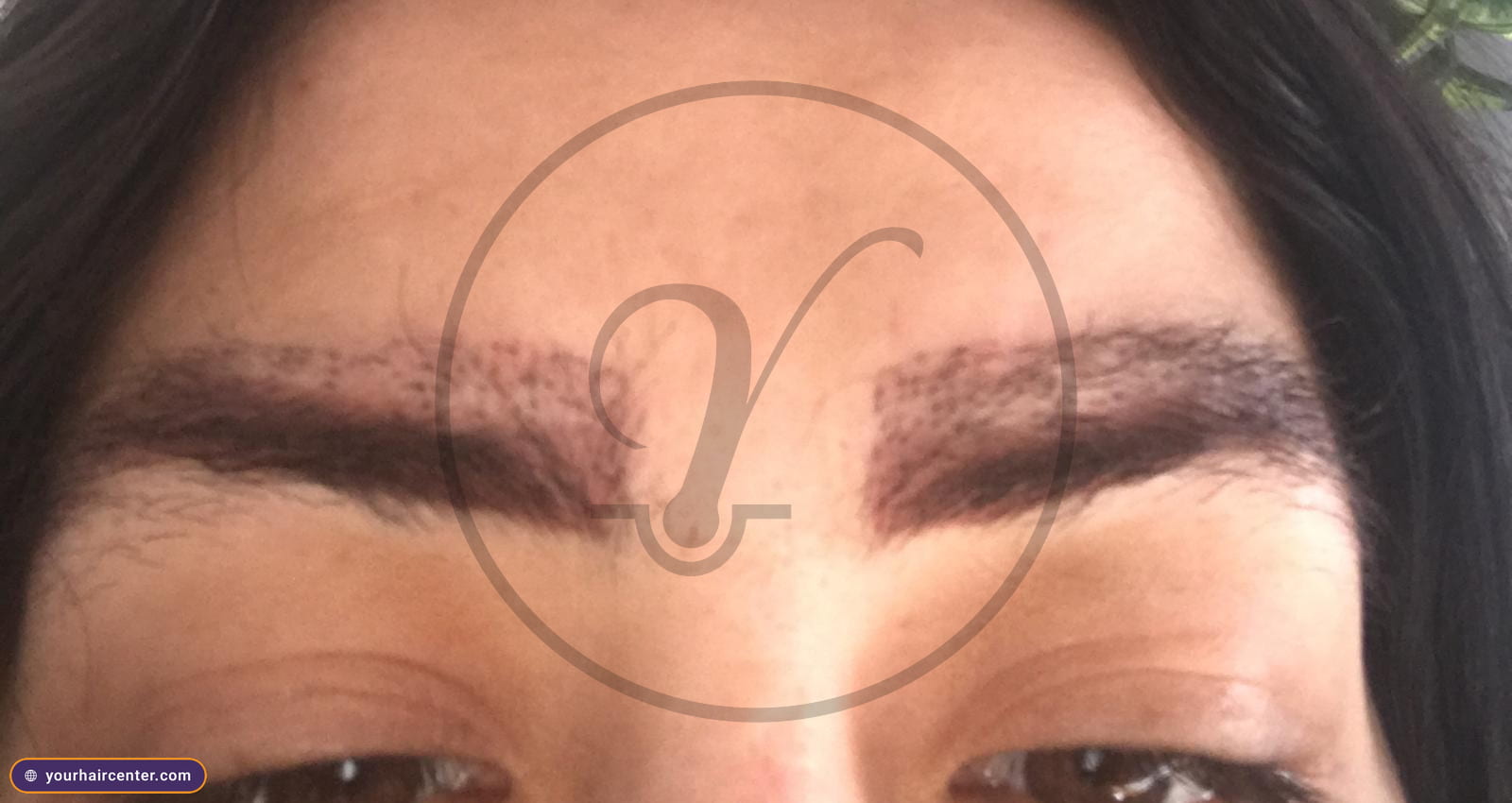
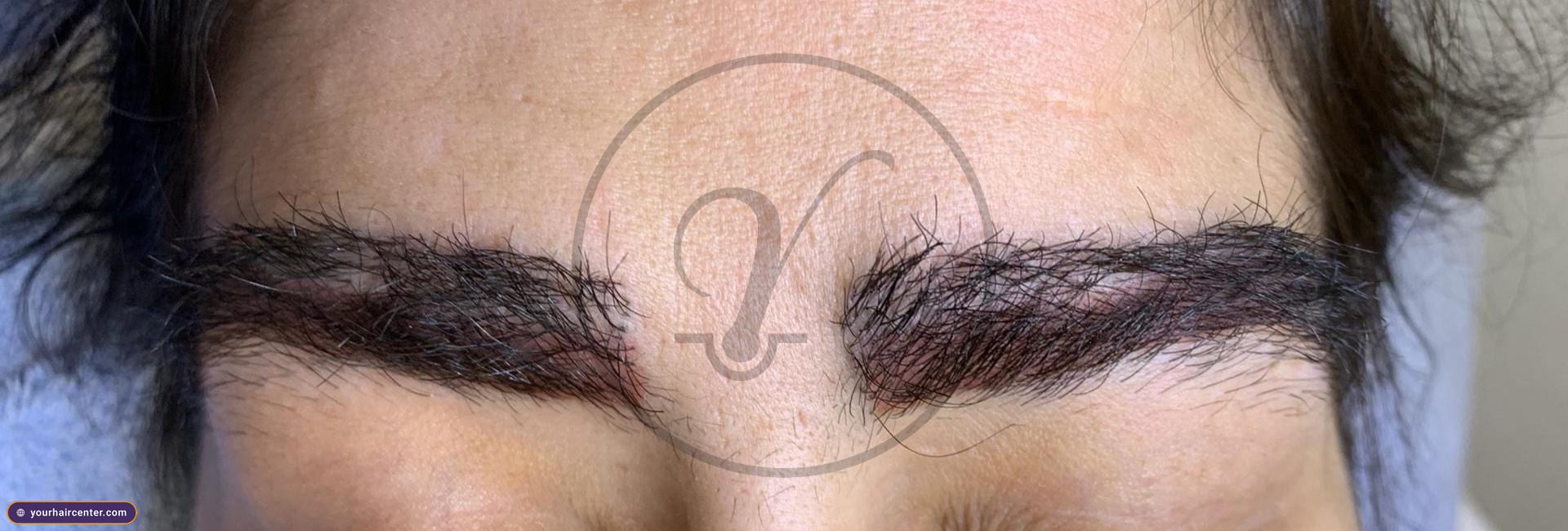
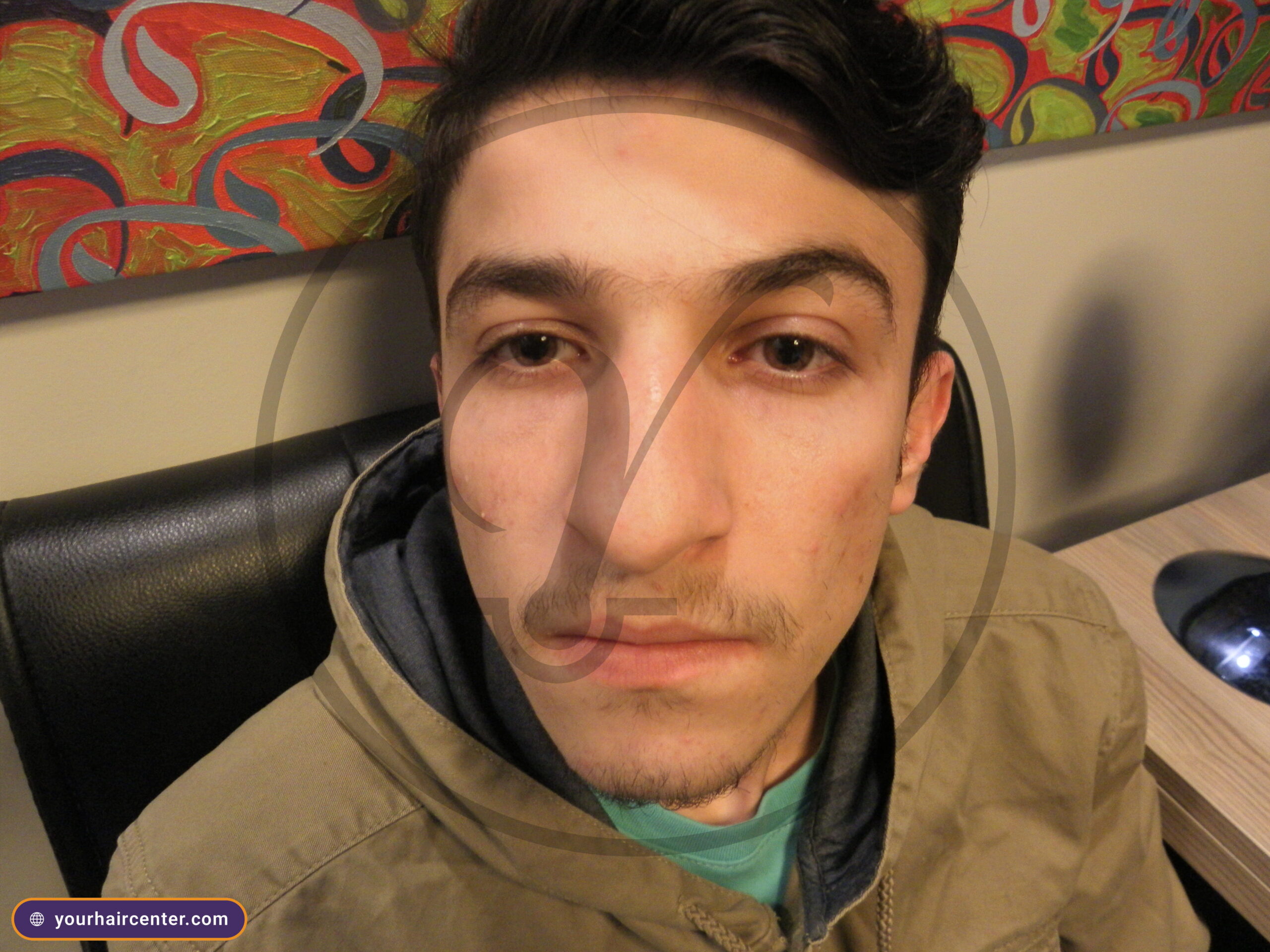
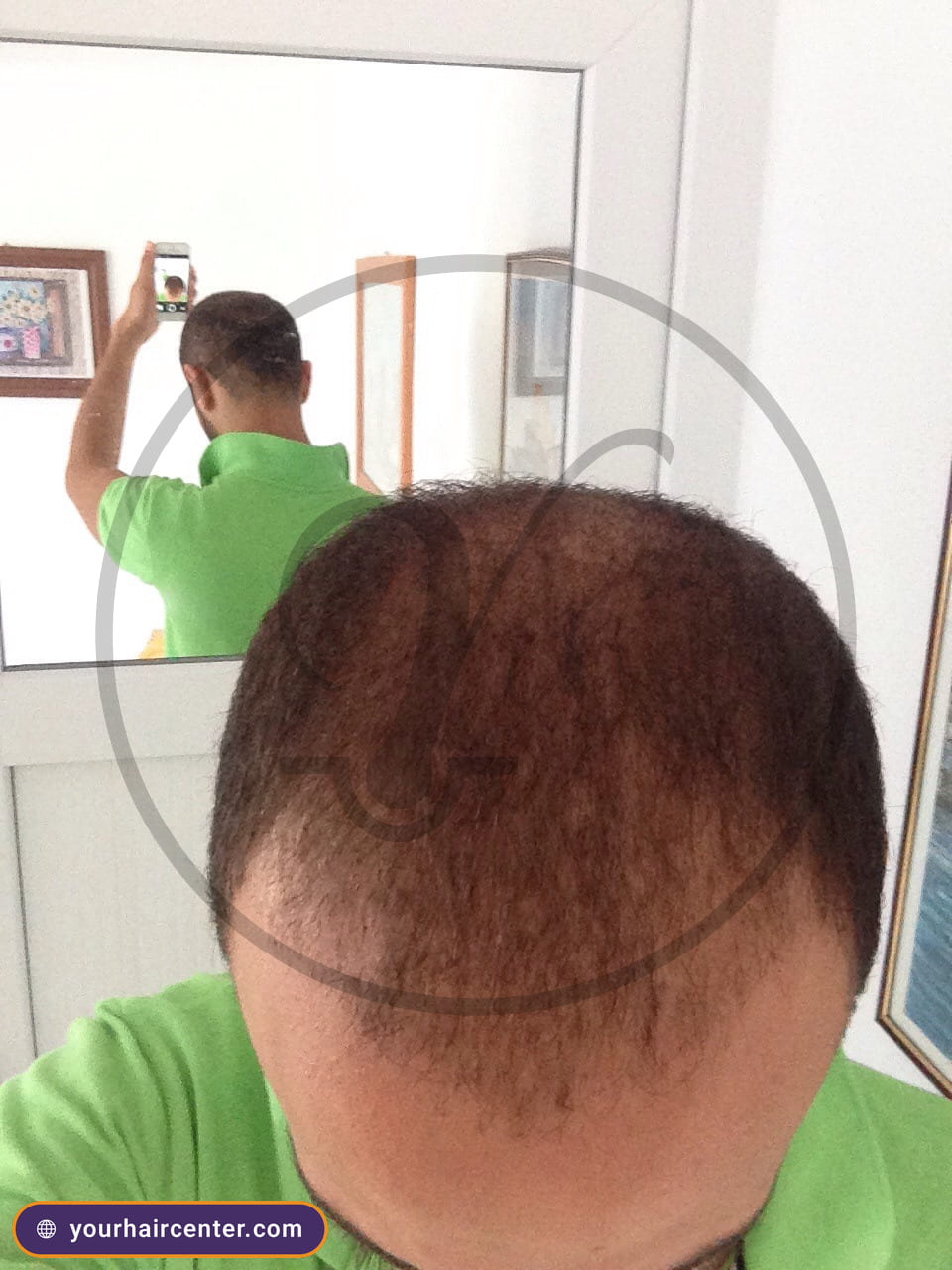
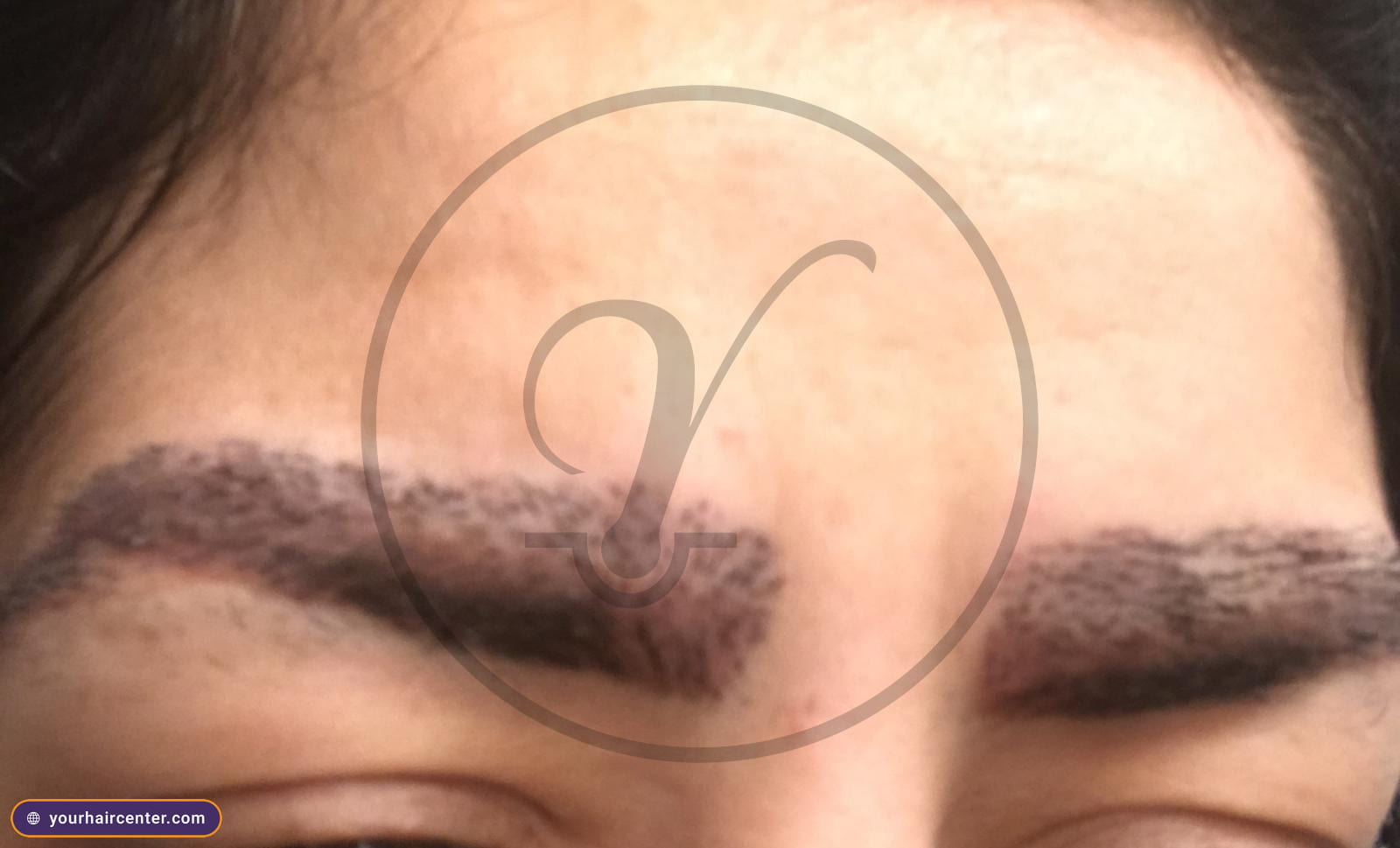
Real results from our patients’ archive. Photos exactly as captured at our accredited partner clinics, with no filters and no retouching. Browse more cases in our photo gallery.



Who is at higher risk of more visible shock loss
Hair transplant shock loss is partly predictable. A few factors push a patient toward the more visible end of the spectrum, and knowing them lets you locate yourself before surgery rather than after.
Pre-existing diffuse thinning is the first. Native hairs that were already trending toward miniaturization recover less reliably once a surgical phase-shift trigger is added on top. Sex is the second and, in the published data, the strongest. One analysis of recipient-site shock loss found female sex to be the dominant risk factor by a wide margin, with women over 40 carrying female pattern hair loss at notably higher risk than younger cosmetic cases [3:2]. Women with a history of chronic shedding from thyroid imbalance, low iron, or postpartum change benefit from a lab-work review at the pre-op consultation [2:1]. For women of reproductive age, finasteride is off the table, and minoxidil is discussed only under medical supervision, which your doctor coordinates alongside any non-surgical hair loss treatments your doctor may coordinate.
High-density implantation also matters, because more grafts per square centimeter means more local trauma and a stronger inflammatory signal to the surrounding native hairs. Finally, age and Norwood stage change how visible the same biological shedding looks. A younger patient with abundant native hair notices hair transplant shock loss in the mirror far more than an older patient whose coverage is mostly transplanted, even when the underlying shedding is comparable.
How to tell shock loss from graft loss in photos
Hair transplant shock loss and the rare event of graft loss can both look alarming in week 4, but they look different under a careful photo, and you can run that check at home before deciding whether to escalate.
Start with three photos in natural daylight against a plain wall, dated, with no styling product. Take a top-down crown shot, a front-of-hairline shot, and a back-of-head donor-zone shot. The donor shot is the one you cannot take alone, so have a partner photograph from above and behind with the hair parted into sections to expose the harvest zone.
Then read the photos for four signals of normal hair transplant shock loss. First, shed hairs carry a small white bulb at the root, the mark of a complete telogen shed rather than a broken stem. Second, the surrounding scalp is calm and not inflamed [4:2]. Third, the shedding is diffuse across the zone rather than clustered around individual graft sites. Fourth, the healed dot pattern of the implantation sites is still intact and not visibly empty.
Three signs point the other way and warrant a same-week video call. Localized redness or inflammation around individual graft sites past day 14, shed hairs with no root bulb (broken stems), and visibly empty implantation dots where a graft was clearly placed at surgery. If any of these appear, send a photo for medical-team review rather than waiting. On the clinic side, the doctor compares your day-0 photo set against the day-30 set, looking for those four reassurance signals before recommending patience or the three escalation triggers before recommending an earlier review.
What happens at the month-1 video check-in?
Month 1 is not an arbitrary date. It is chosen because hair transplant shock loss usually peaks in this window, both the recipient and donor zones have visually expressed themselves by then, and a doctor can confirm the reassurance signals from your photos before you enter the quieter month-2 phase when growth pauses and anxiety tends to spike again.
On the call your doctor runs a live scalp review under your home lighting, compares what they see against your day-0 photos, confirms that the shedding is hair transplant shock loss rather than graft failure, adjusts your washing technique or supplement plan if needed, and tells you what month 2 will look like so the next quiet stretch does not catch you off guard. Because most international patients are back at work by week 4, this reassurance often lands in the exact week social confidence matters most.
The call also opens a clear escalation path. If your doctor judges that supportive treatment would help protect native hair, they can coordinate a supportive PRP session your doctor may coordinate, since the addition of PRP has been associated with improved follicle survival and earlier regrowth as an adjunct to transplantation, though the evidence base is still developing [6]. In the rare case where graft-failure signals are confirmed, they arrange a local in-person review in your city [5:1]. What separates this from a generic teleconsult is concrete. The call is scheduled in advance against your surgery date, the doctor reviewing is the same team that performed the operation, and the photo history on screen is the one that has been building in your WhatsApp thread since day 0. You can step into the full medical follow-up program before you ever leave Istanbul.
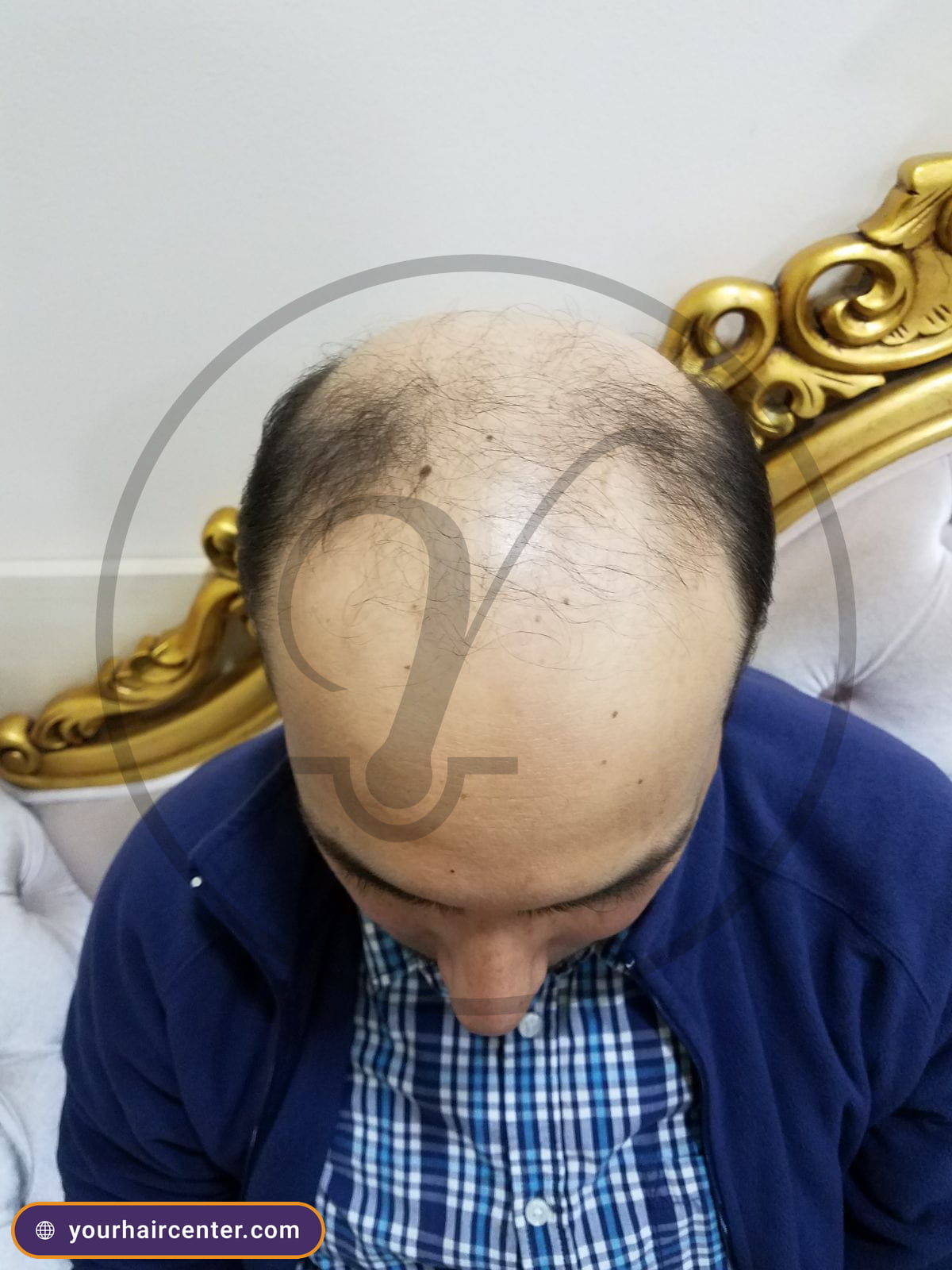
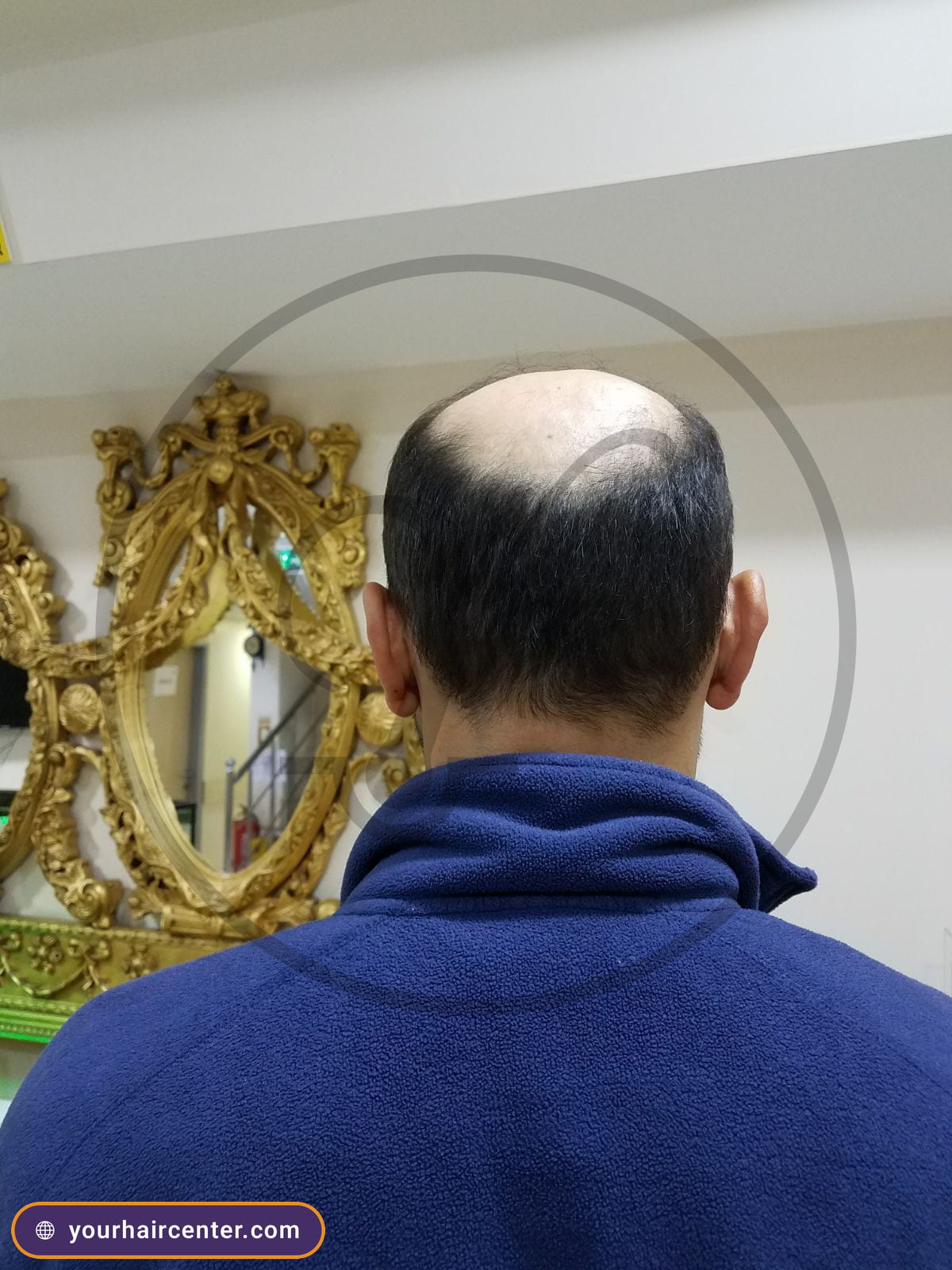
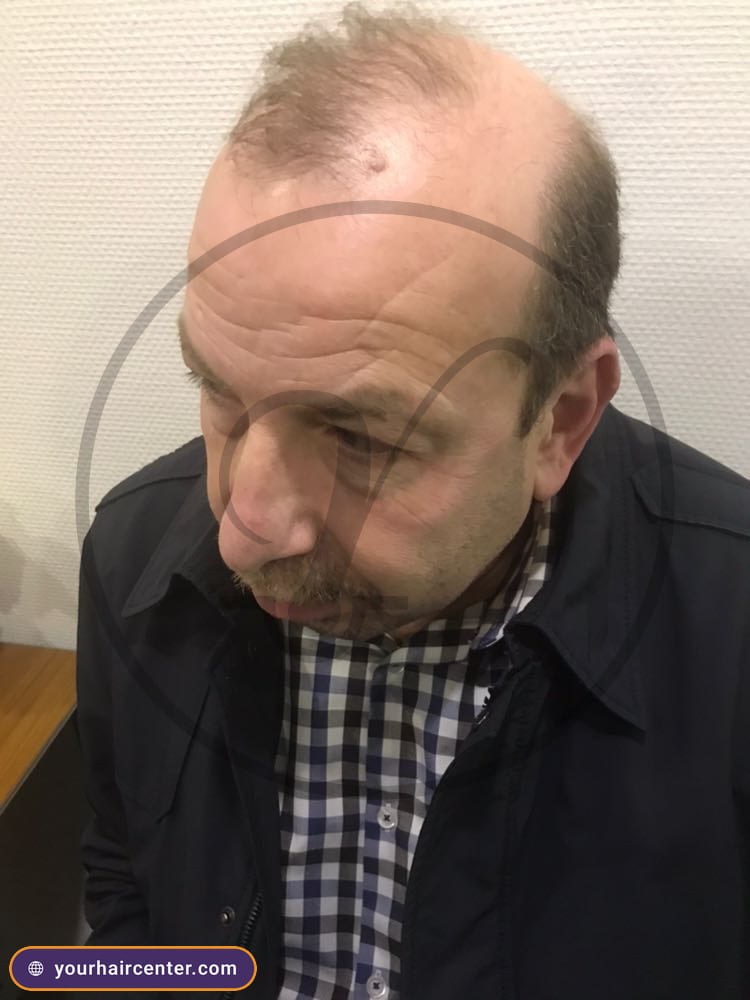
Real results from our patients’ archive. Photos exactly as captured at our accredited partner clinics, with no filters and no retouching. Browse more cases in our photo gallery.




Can you prevent hair transplant shock loss?
The honest headline is that you cannot reliably prevent it, only reduce how visible it is. A few popular ideas get this wrong.
The first myth is that the right vitamin stack prevents hair transplant shock loss. Biotin and zinc support normal follicle function, but no supplement stack has been shown to stop the post-surgical phase shift, and the supplement role is widely overstated outside of a genuine deficiency [2:2]. The second myth is to ask your surgeon for lower density to reduce trauma. Lower density does slightly reduce per-square-centimeter inflammation, but it also produces a thinner final result, and the trade rarely favors the patient. The right answer is a surgeon-judged density target, not a patient-requested reduction.
The third myth is starting minoxidil in week 1 to head off shedding. Minoxidil takes at least four months and possibly up to a year before any effect appears, so it is not a week-1 shock-loss shield, and most clinics begin it later once the recipient area is past its inflammatory phase [7]. The fourth myth is that platelet-rich plasma at the time of surgery prevents hair transplant shock loss. The evidence supports PRP as a graft-survival adjunct rather than a prevention treatment, so the realistic framing is modestly better regrowth quality, not a blocked phase shift [6:1].
What actually helps is unglamorous. Pre-op optimization such as smoking cessation, thyroid management, and correcting low iron, a surgeon-judged density plan, precise adherence to your post-op care plan, and a doctor-monitored medication regimen where appropriate, including any non-surgical treatments your doctor may pair with the transplant. None of these prevent hair transplant shock loss outright, but together they shift you toward the lower-impact end of the curve.
Frequently asked questions about hair transplant shock loss
Is shock loss normal after a hair transplant?
Yes. Hair transplant shock loss is a temporary, expected form of post-surgical shedding that happens to most patients, typically between week 2 and month 3, and the hair regrows automatically as the follicles restart their cycle [1:2][3:3]. If you are unsure, run the three-photo self-assessment described above before worrying.
How long does it take to recover from transplant shock?
How to prevent shock loss after hair transplant female?
For women, hair transplant shock loss is mostly not preventable, but risk can be reduced. A pre-op lab review covers thyroid and iron, finasteride is contraindicated for women of reproductive age, and minoxidil is used only under medical supervision [3:4][7:1]. The best step is to ask the medical team about your specific case.
Does everyone get shock loss after a hair transplant?
Most patients see some degree of hair transplant shock loss, but the severity varies widely along a spectrum. Some shed almost invisibly while others thin noticeably, and the higher-risk profiles are women, patients with pre-existing diffuse thinning, and high-density cases [3:5].
Conclusion and next step
Hair transplant shock loss is normal, peaks within the week-2-to-month-3 window, regrows on its own from month 3 to 4, and only rarely fails to recover. The single most useful thing you can do is treat month 1 as a scheduled clinical event, not a date you survive alone, because that monthly video consultation with your Your Hair Center doctor gives a remote-monitored patient the same eyes-on-the-scalp review a local patient would get. If something looks off before then, a free WhatsApp photo review puts your doctor on it within a day.
Sources
- Cleveland Clinic, “Telogen Effluvium,”
https://my.clevelandclinic.org/health/diseases/24486-telogen-effluvium. ︎ ︎ ︎ ︎ - American Academy of Dermatology, “Hair shedding: Normal or excessive,”
https://www.aad.org/public/diseases/hair-loss/insider/shedding. ︎ ︎ ︎ ︎ - Wang J. et al., “An Analysis of Risk Factors of Recipient Site Temporary Effluvium After Follicular Unit Excision,” Aesthetic Plastic Surgery, 2024,
https://pubmed.ncbi.nlm.nih.gov/37816944/. ︎ ︎ ︎ ︎ ︎ ︎ - “Donor Area Acute Effluvium Following Follicular Unit Extraction,” Journal of Cutaneous and Aesthetic Surgery, 2020,
https://pmc.ncbi.nlm.nih.gov/articles/PMC7335467/. ︎ ︎ ︎ - “Complications of Hair Transplant Procedures, Causes and Management,” Indian Journal of Plastic Surgery, 2021,
https://pubmed.ncbi.nlm.nih.gov/34984088/. ︎ ︎ - Sindhusen S., Tawanwongsri W., Eden C., “Efficacy of Platelet-Rich Plasma as an Adjunct to Hair Transplantation: A Systematic Review,” Cureus, 2025,
https://pmc.ncbi.nlm.nih.gov/articles/PMC12506585/. ︎ ︎ - MedlinePlus, “Minoxidil Topical,”
https://medlineplus.gov/druginfo/meds/a689003.html. ︎ ︎